Toshizo Hijikata · Shinsengumi
Original
たとひ身は
Toshizo Hijikata's tanka, "たとひ身は蝦夷の島根に朽ちるとも". Read the original Japanese, modern translation, interpretation, and historical context as distinct parts of the poem.
Person
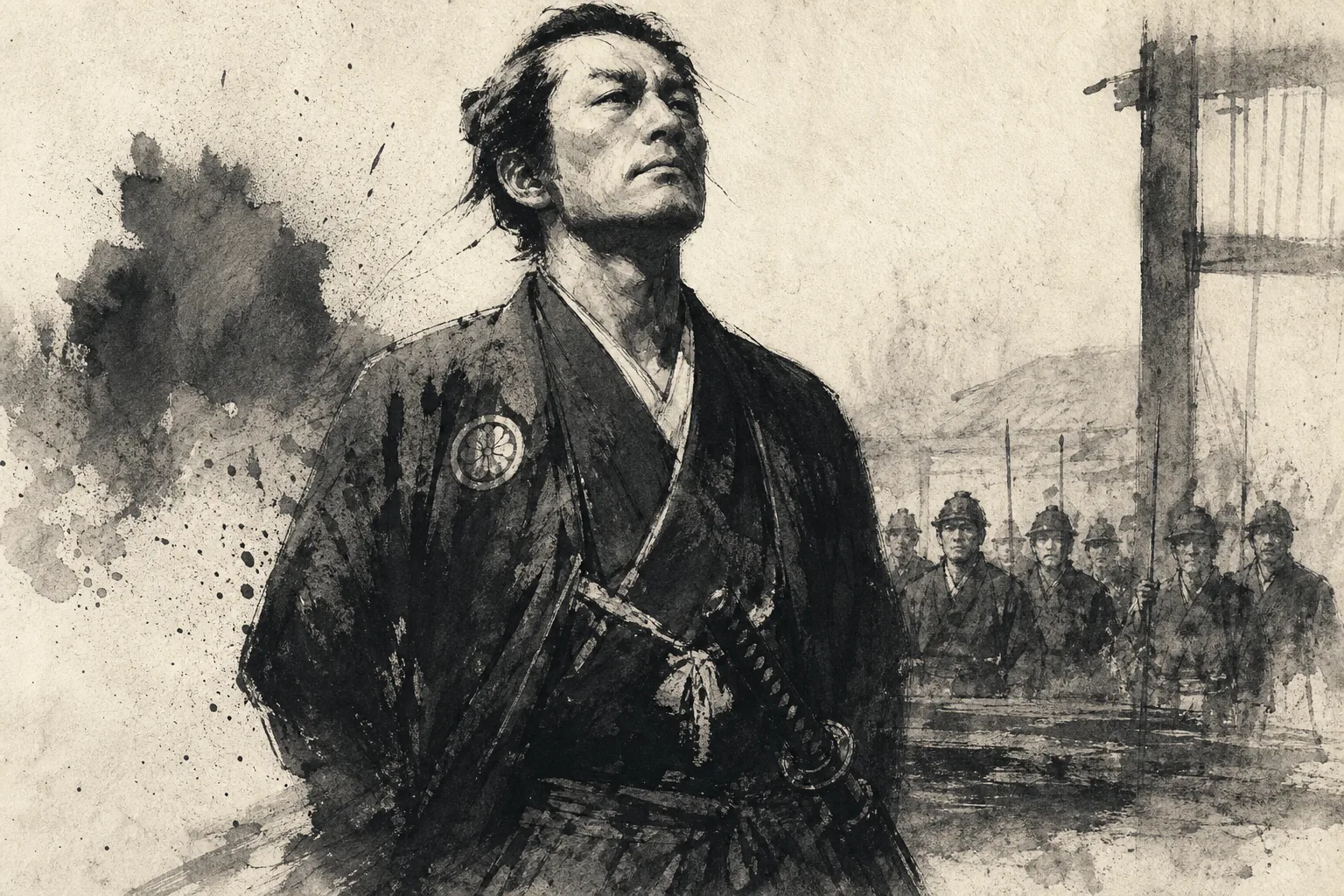
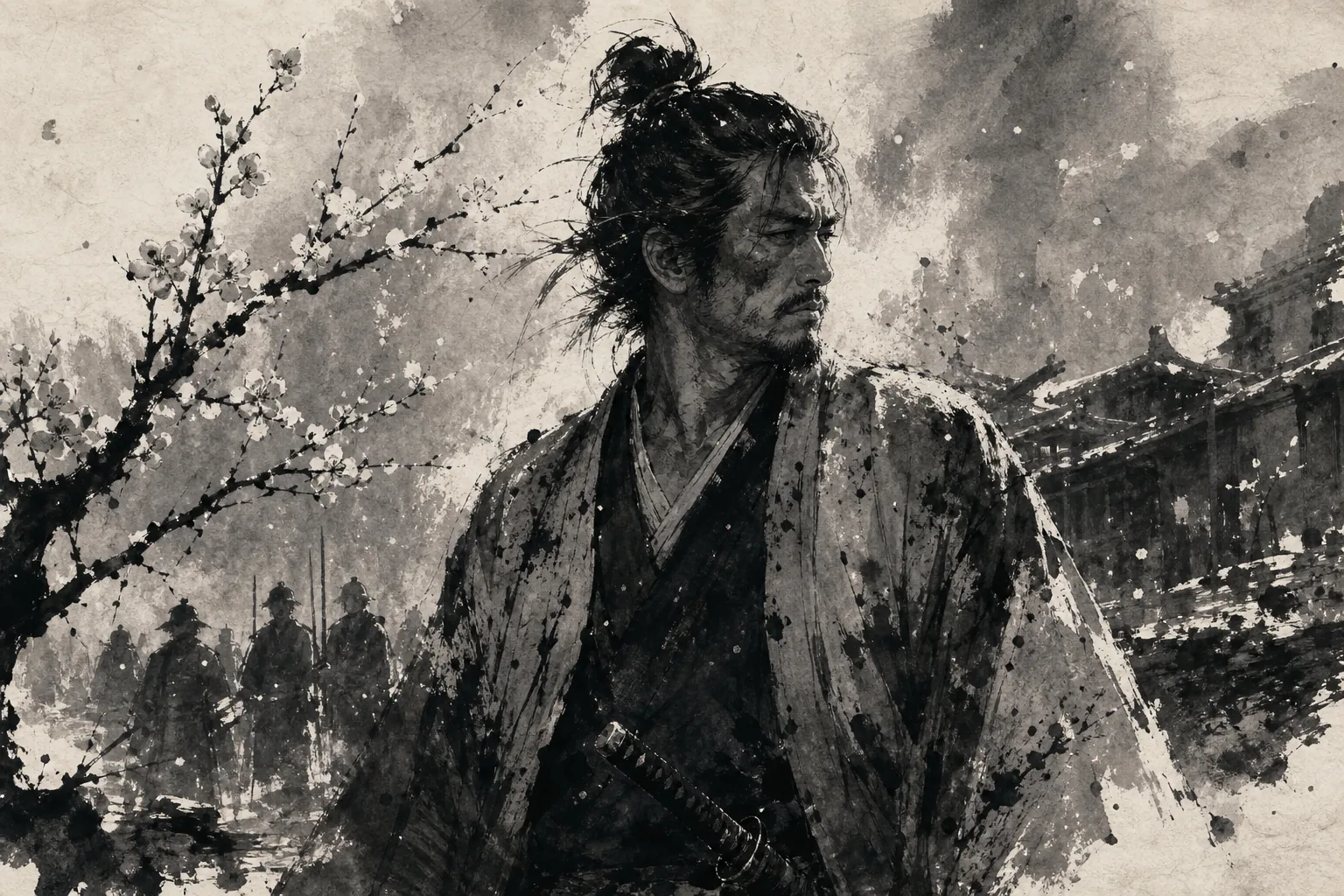
Vice commander of the Shinsengumi, who fought on until the Hakodate War.
Learn about Hijikata Toshizo
Translation
Even if my body decays on the islands of Ezo, my spirit will continue to guard my lord in the East.
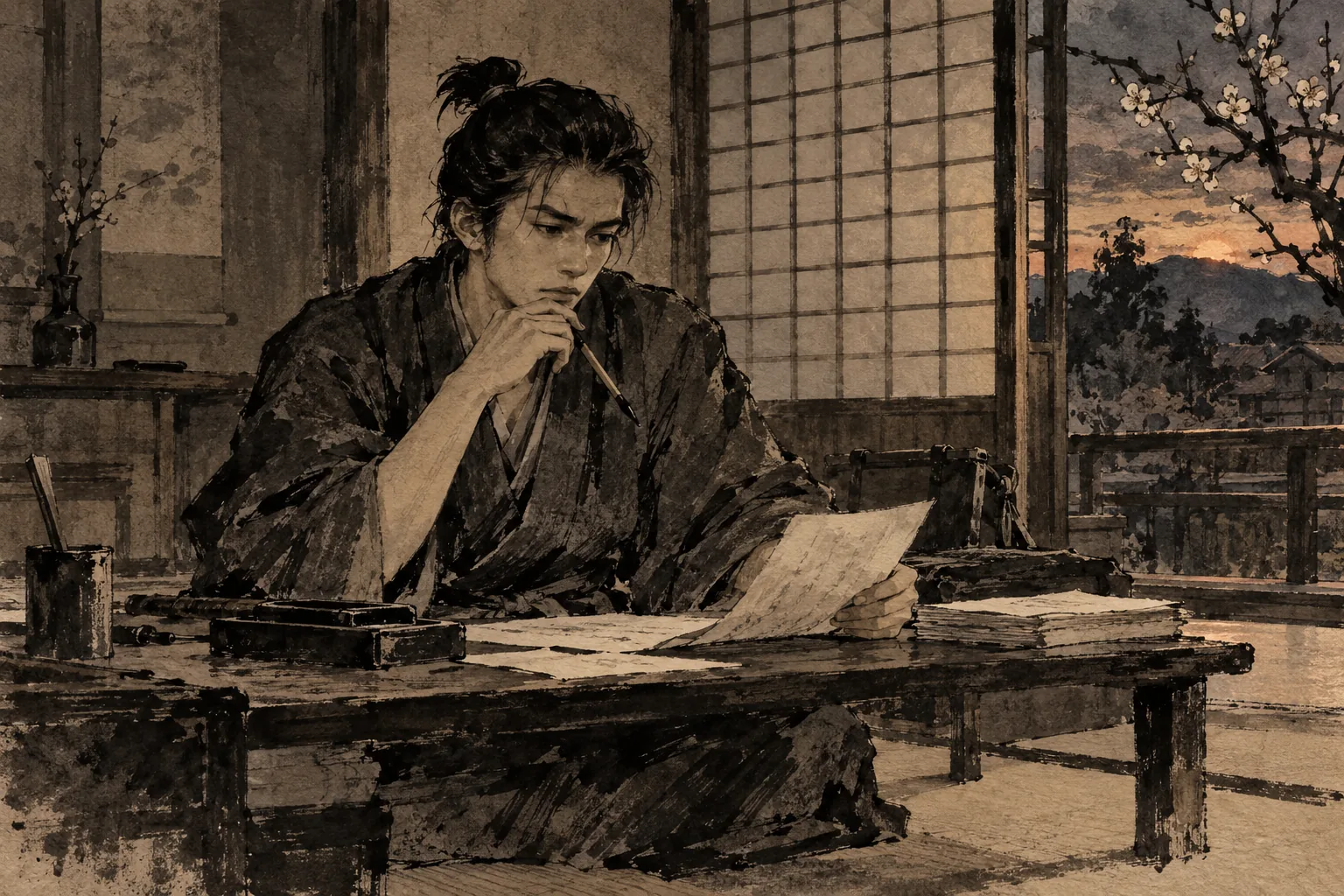
Poetic Shape Tanka compresses feeling into five short movements, traditionally heard as a 5-7-5-7-7 rhythm. Its force is in the turn from image to emotion, and in what the poem leaves unsaid.
Reading
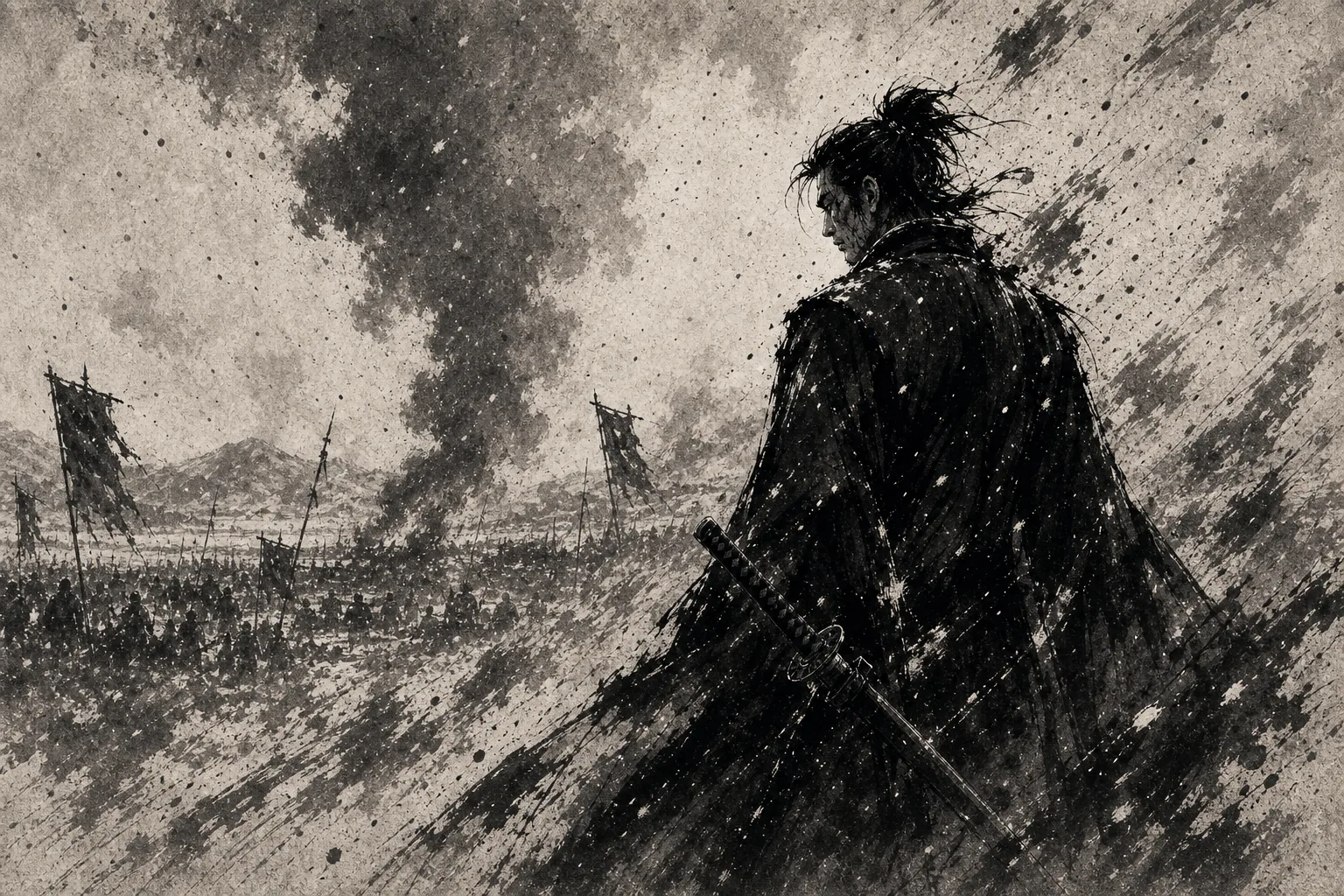
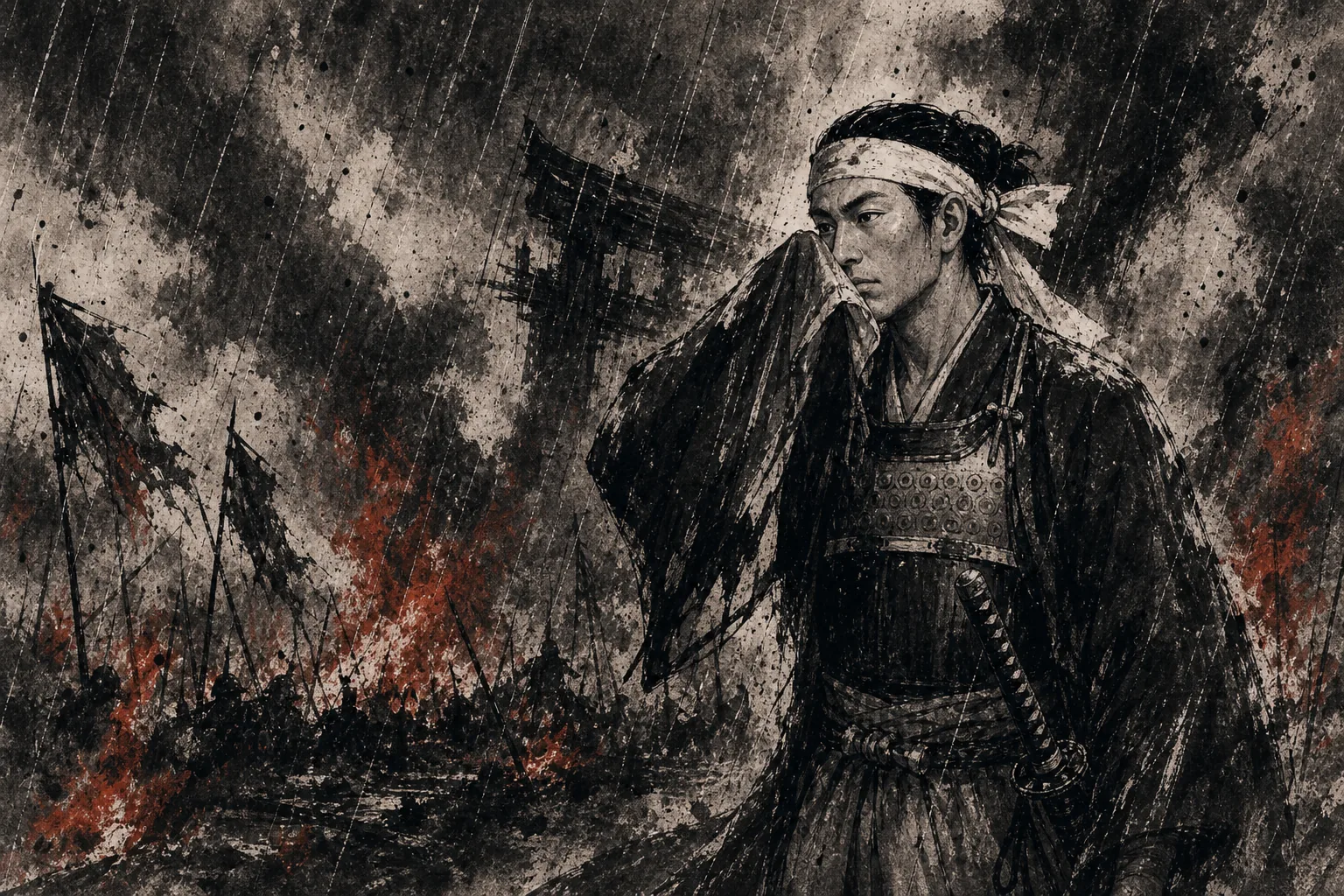
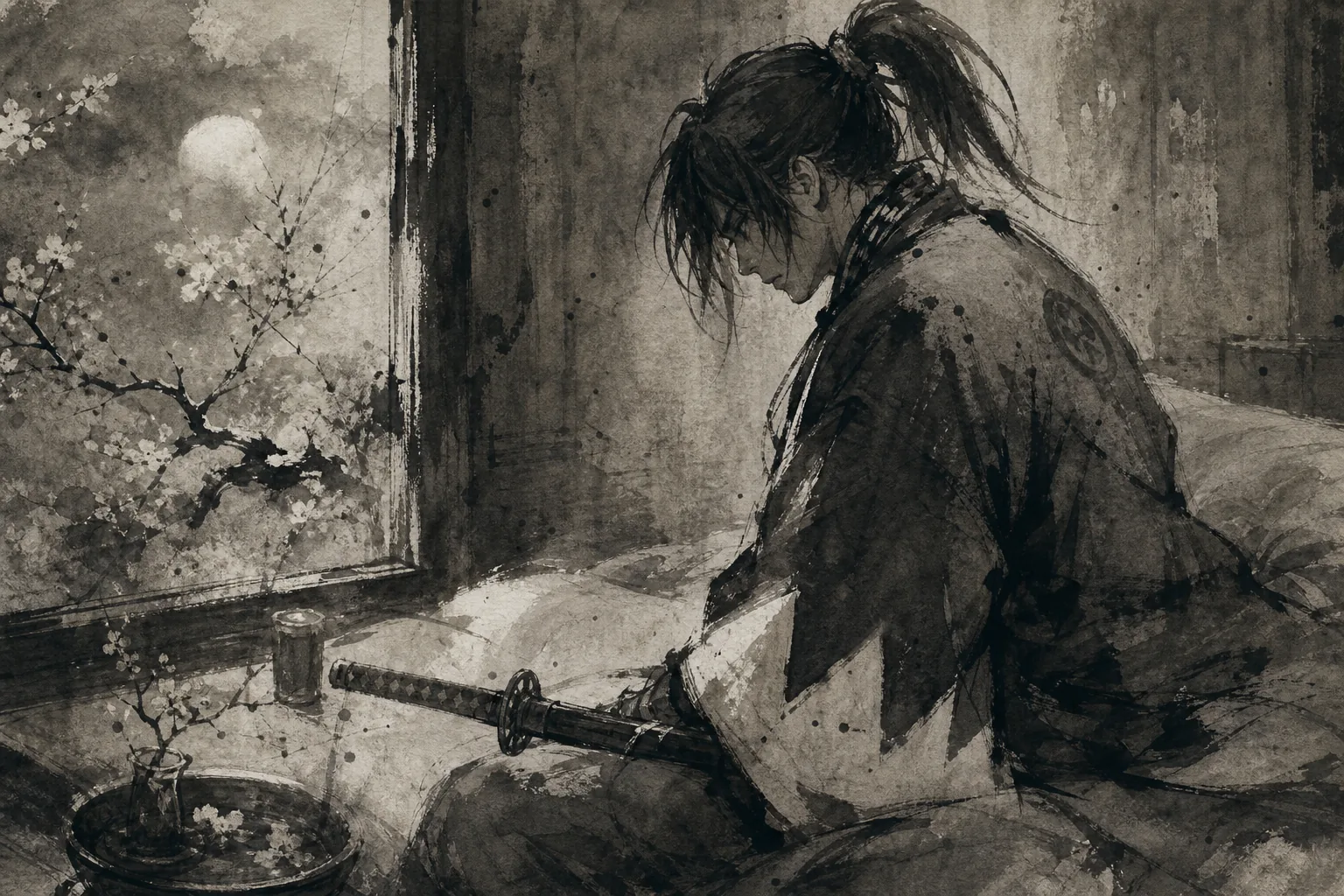
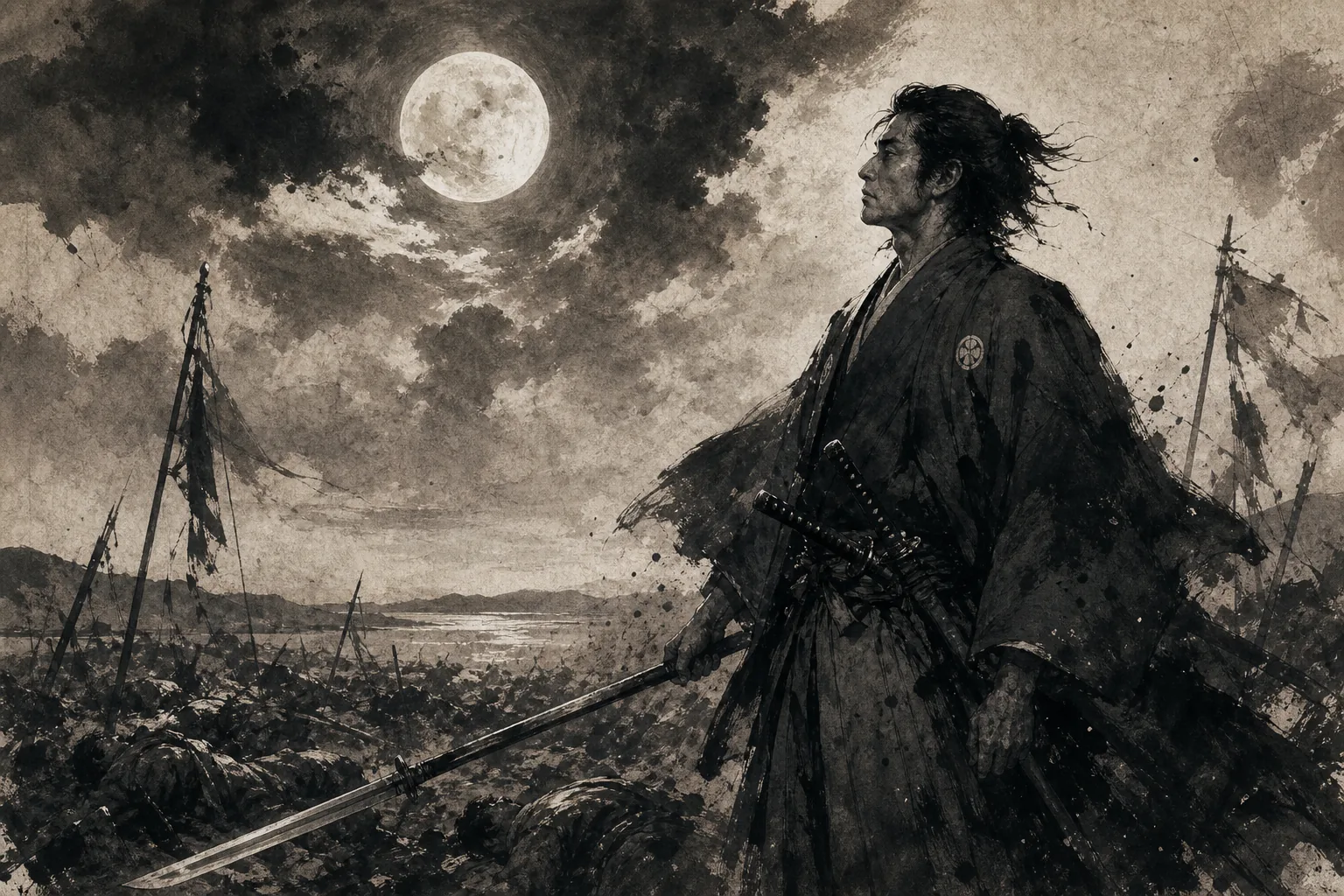
At the center of this poem is not the question of victory, but how far one can remain faithful to one's own code.Even if his body decays in Ezo, his spirit will guard his lord in the East.The words have the cold clarity possessed by those who stand on the losing side.Loyalty here is not a comforting tale; it shines like a blade from which there is no return.
Background
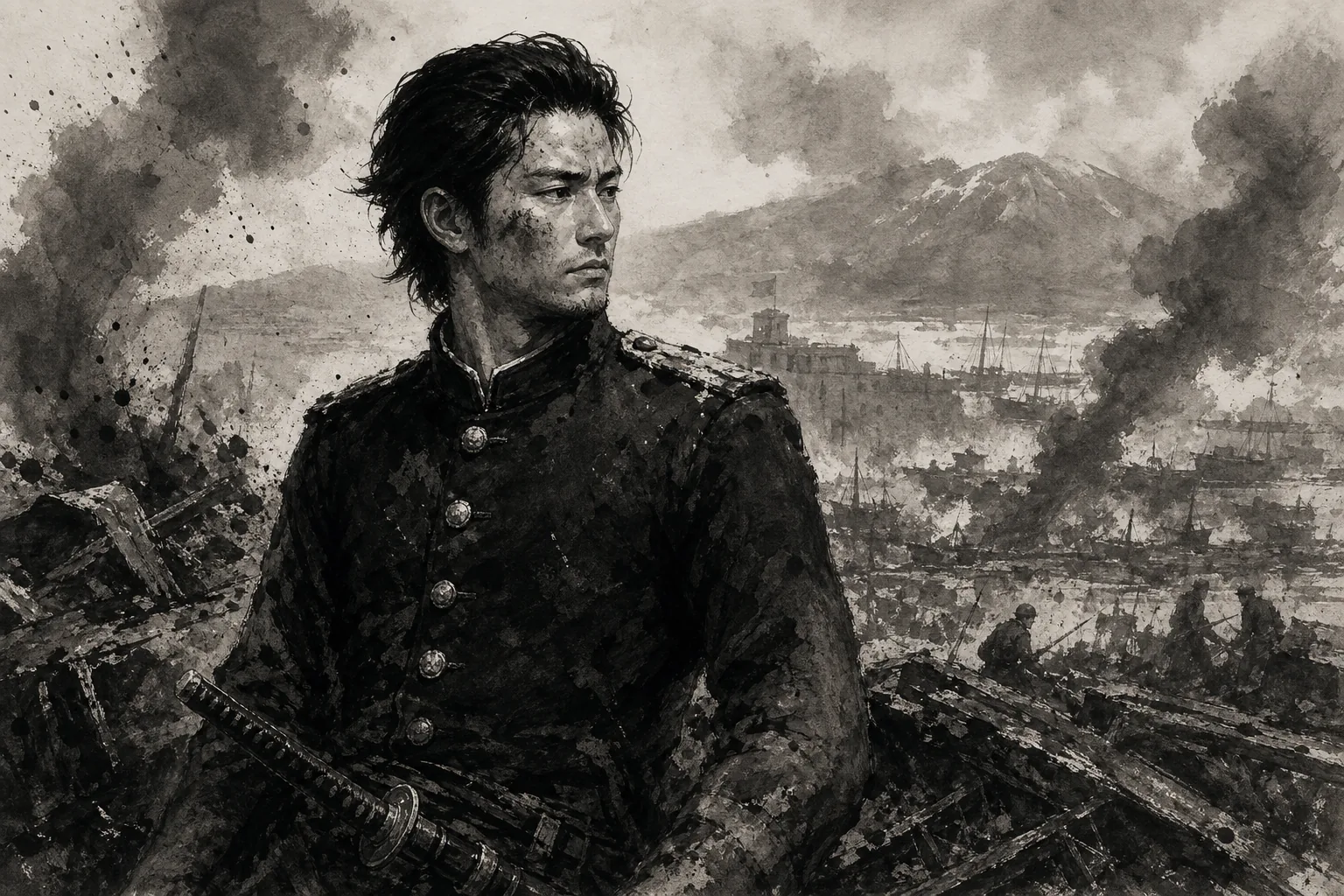
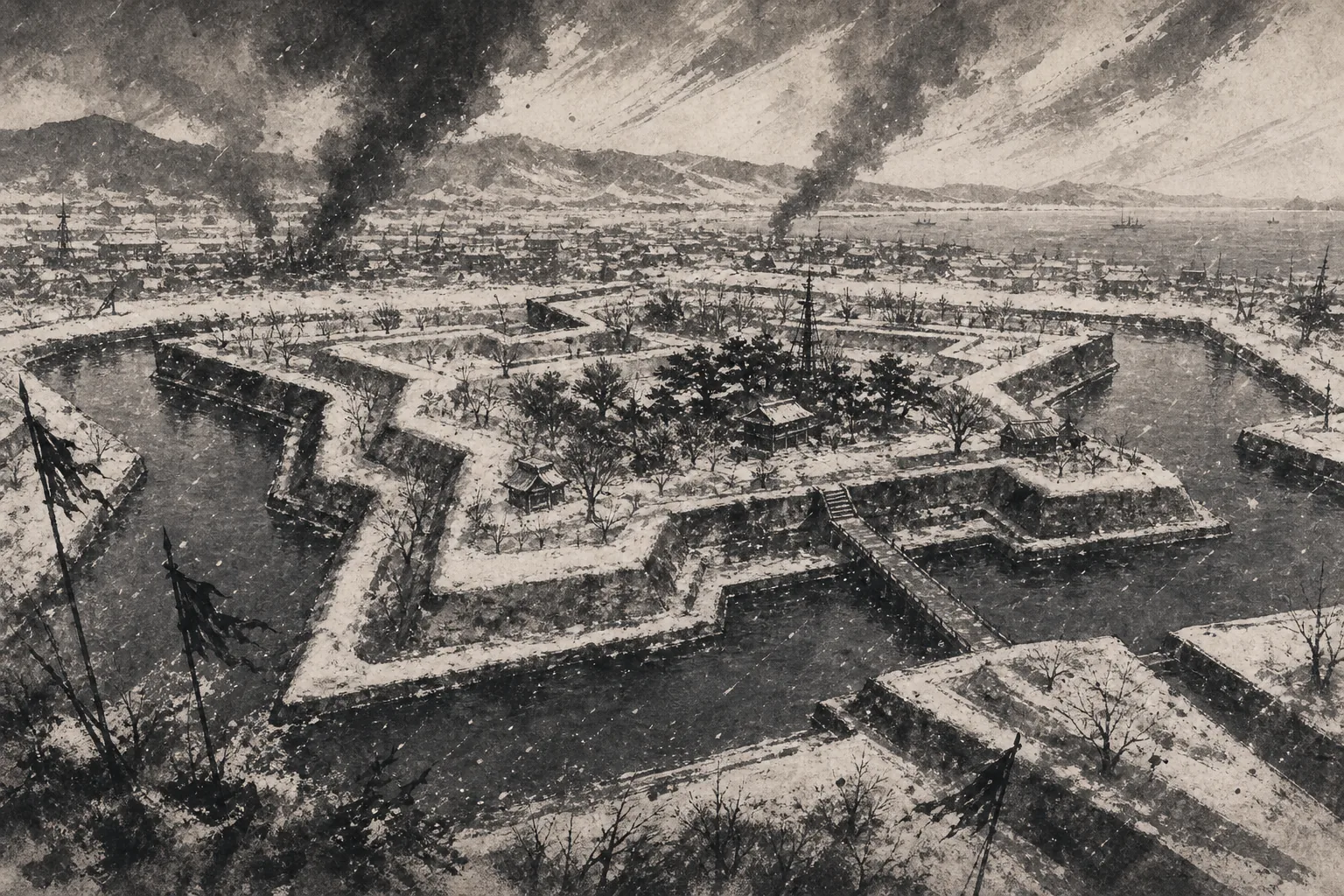
Hijikata Toshizo served as vice commander of the Shinsengumi on the shogunate side, and continued fighting after Toba-Fushimi through Aizu, Sendai, and finally Hakodate.As the momentum of the new government became decisive, Hakodate became the final stronghold of the old shogunate forces.This poem is sometimes treated as his death poem, though its transmission requires caution.Even so, it remains a powerful doorway into the resolve of Hijikata as he moved toward the northern battlefield.
Source / Transmission It is sometimes treated as a death poem, but its transmission should be approached with caution.
Further Reading
Find related books and places to stay For readers who want more historical context, these links search for related books on external stores.
Affiliate link