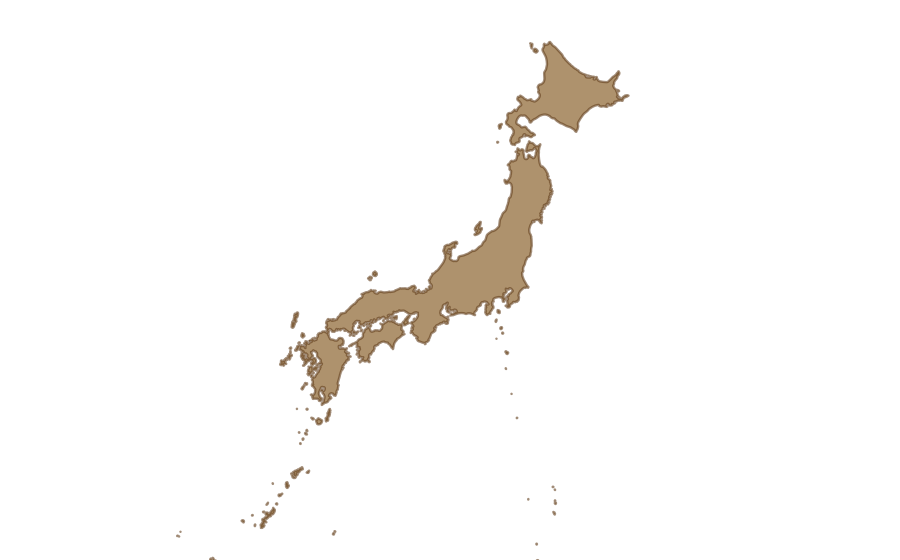
武州多摩
Born in Kami-Ishihara
Village society and sword networks offered a path beyond inherited rank.
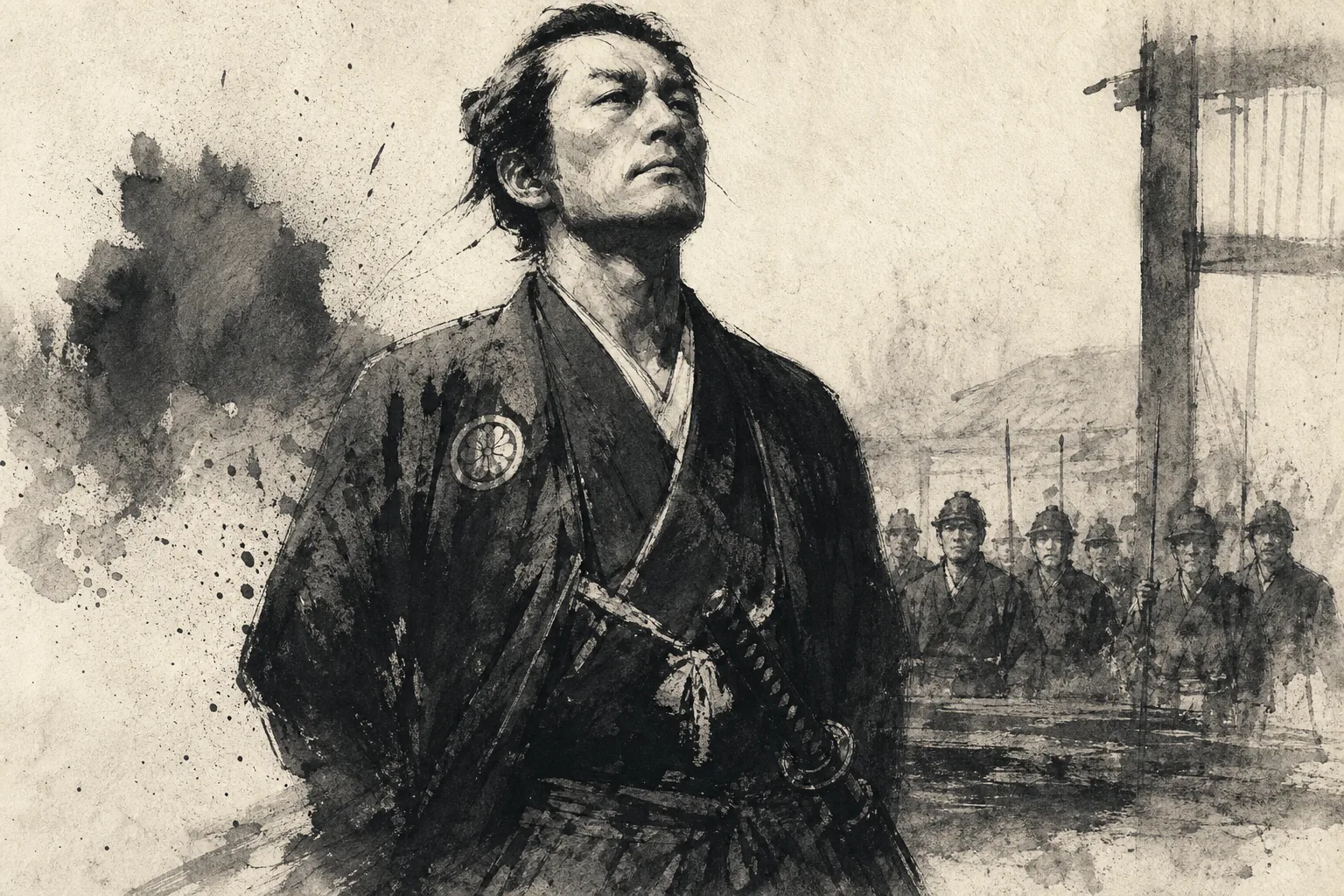
Person Guide
Trace Kondo through Tama farming society, Tennen Rishin-ryu, Shieikan life, Mibu organization, Ikedaya, and the defeated road to Itabashi.
Life
武州多摩
Village society and sword networks offered a path beyond inherited rank.
多摩・江戸
He accepted responsibility for the Tennen Rishin-ryu name and its students.
試衛館から京都
Close dojo relationships became the human core of the group that went west.
京都・壬生
At Mibu, lodging, patrol, finance, and discipline turned ronin into an organization.
京都・池田屋
Martial fame and dependence on political violence grew together.
甲州・流山・板橋
The commander's name remained attached to Kondo through defeat, capture, and death.
東京都 / 新選組
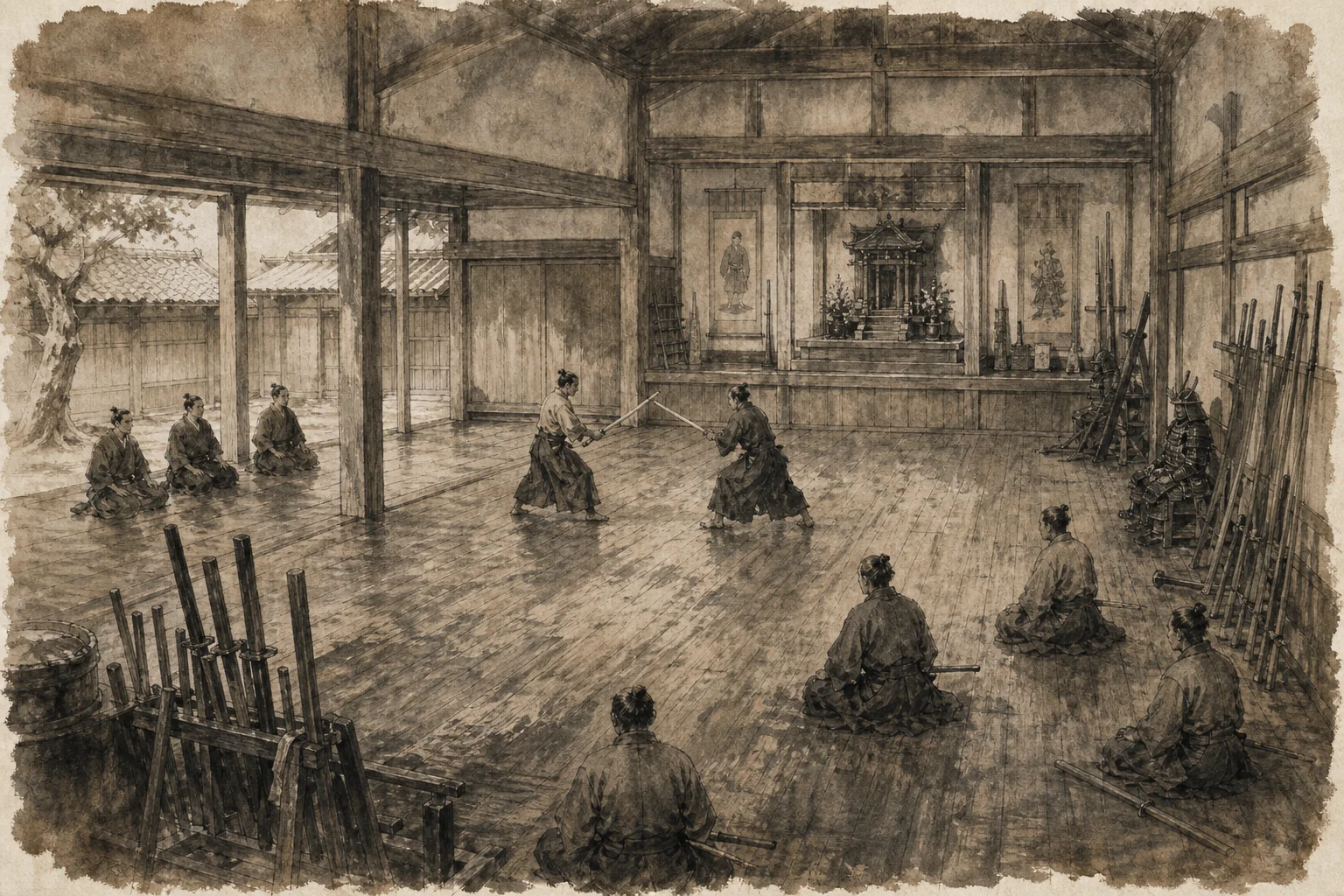
近藤勇が剣術と仲間を得た場所。天然理心流と試衛館が、新選組の人間関係の根になる。
近藤勇
Address東京都調布市・新宿区周辺
Nearby
京都府京都市 / 新選組
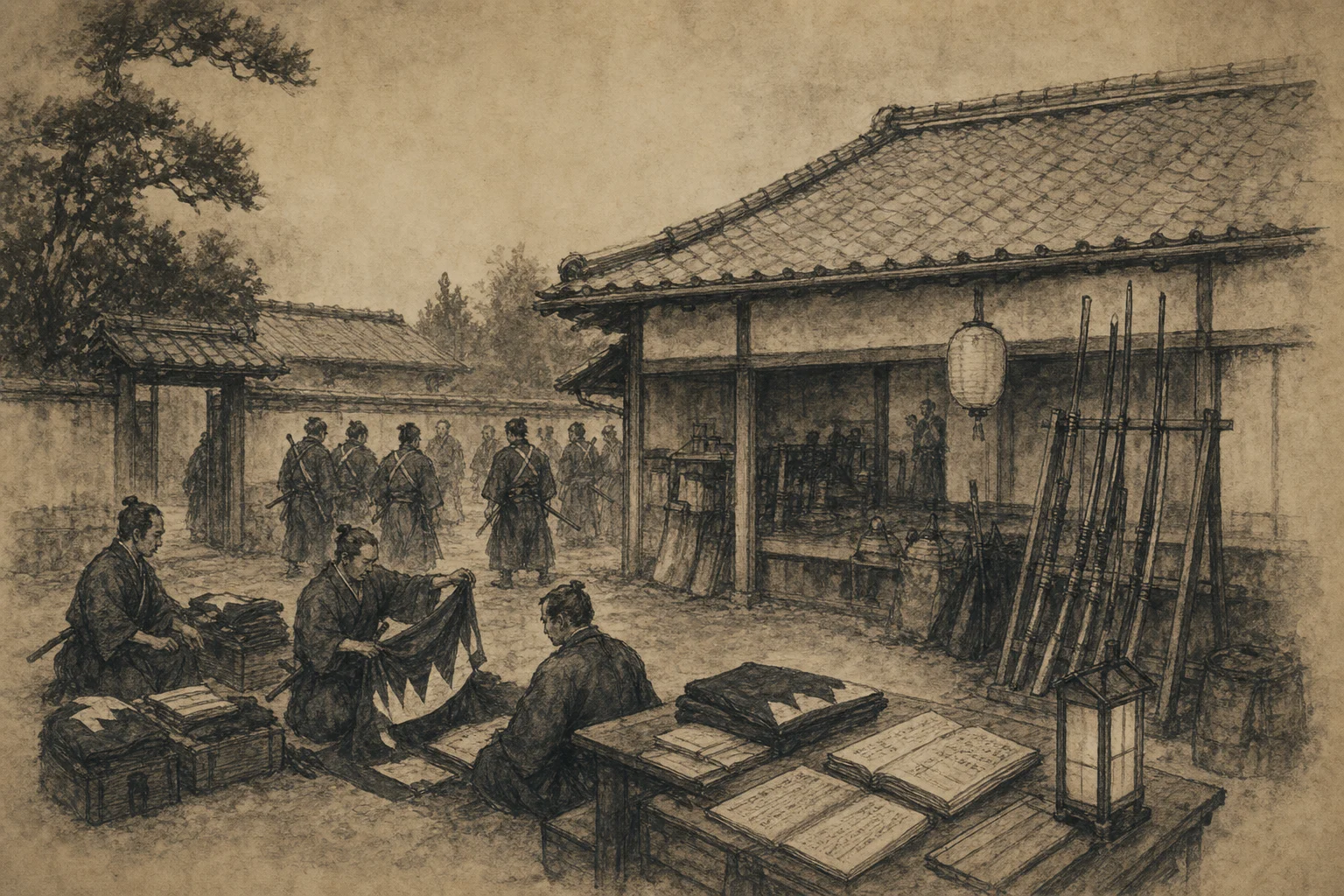
新選組が隊となり、池田屋事件で名を上げた京都の場所。
近藤勇
Address京都府京都市中京区・下京区周辺
Nearby
東京都北区 / 新選組
近藤勇が処刑された板橋宿周辺。詩に残る忠義の言葉が、敗北の終点と重なる。
近藤勇
Address東京都北区滝野川7丁目8付近
Nearby
Keys
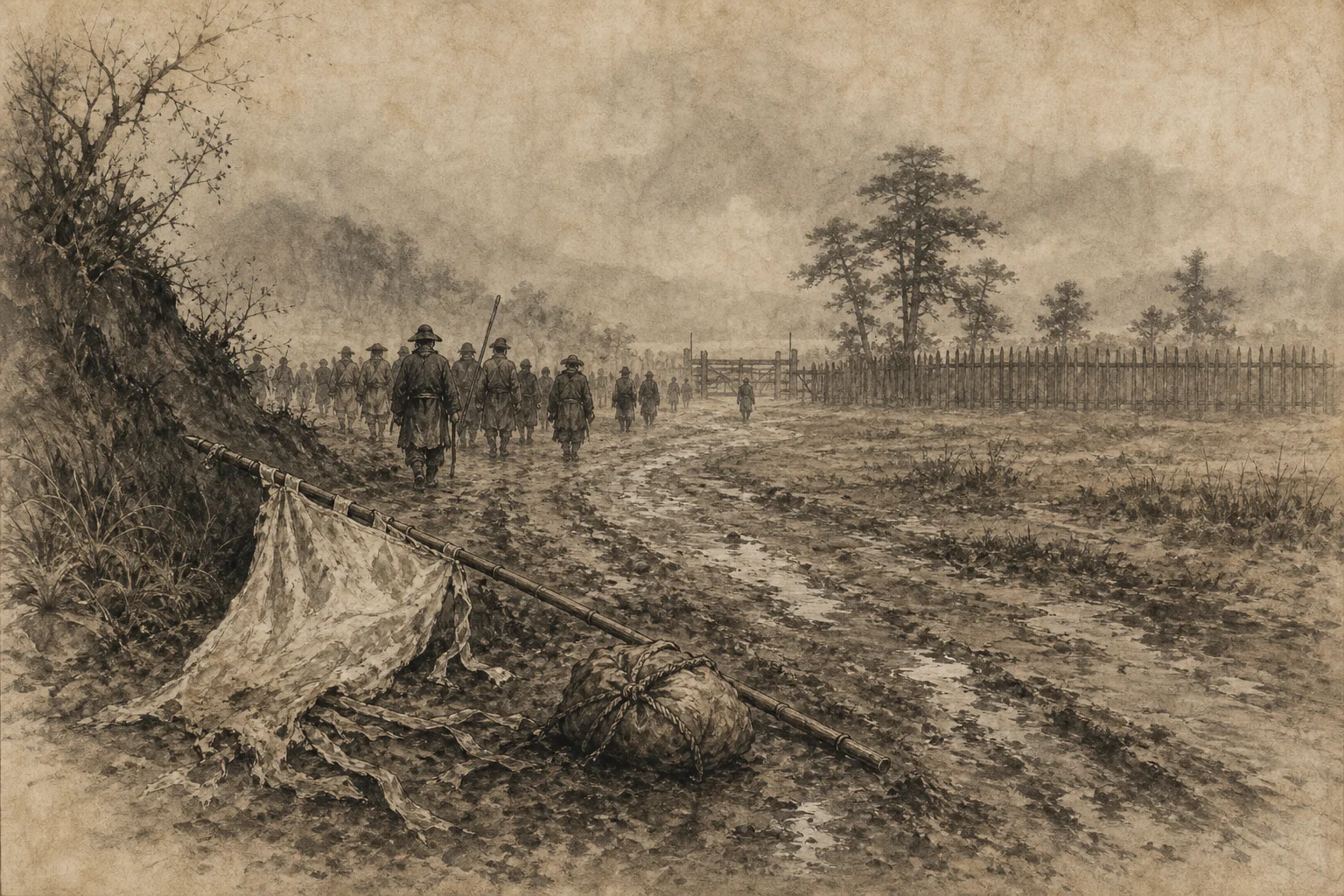
Local society and dojo networks offered a route beyond inherited rank. Born into the Miyagawa farm household in Kami-Ishihara in 1834, he entered warrior society through dojo adoption. To investigate “Farm Household and Tama” further, do not stop with a commemorative plaque. Compare the date, maker or former owner, provenance, restoration status, and present location of each element named in “Kami-Ishihara.” Old maps, municipal histories, museum catalogues, document editions, material-culture studies, and field guides help distinguish contemporary evidence from reconstruction and later memory. They also provide a practical route to relevant books, facsimiles, maps, equipment histories, and a responsible site visit.
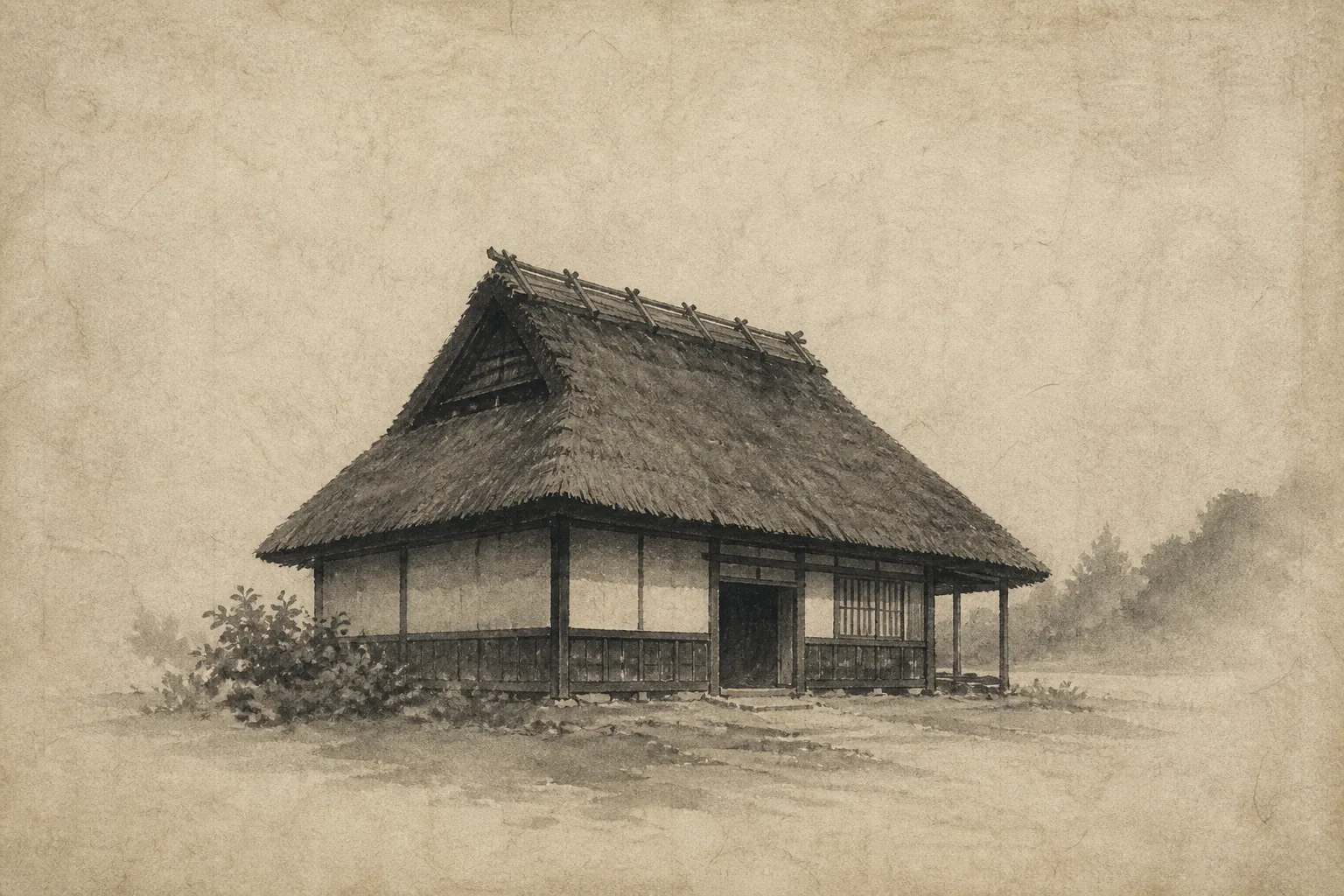
Inheritance meant responsibility for students, a dojo, and a name. By about 1860 he had inherited the fourth headship of Tennen Rishin-ryu and responsibility for licenses and accounts. To investigate “Practice and the Duty of a Headmaster” further, do not stop with a commemorative plaque. Compare the date, maker or former owner, provenance, restoration status, and present location of each element named in “Tennen Rishin-ryu.” Old maps, municipal histories, museum catalogues, document editions, material-culture studies, and field guides help distinguish contemporary evidence from reconstruction and later memory. They also provide a practical route to relevant books, facsimiles, maps, equipment histories, and a responsible site visit.
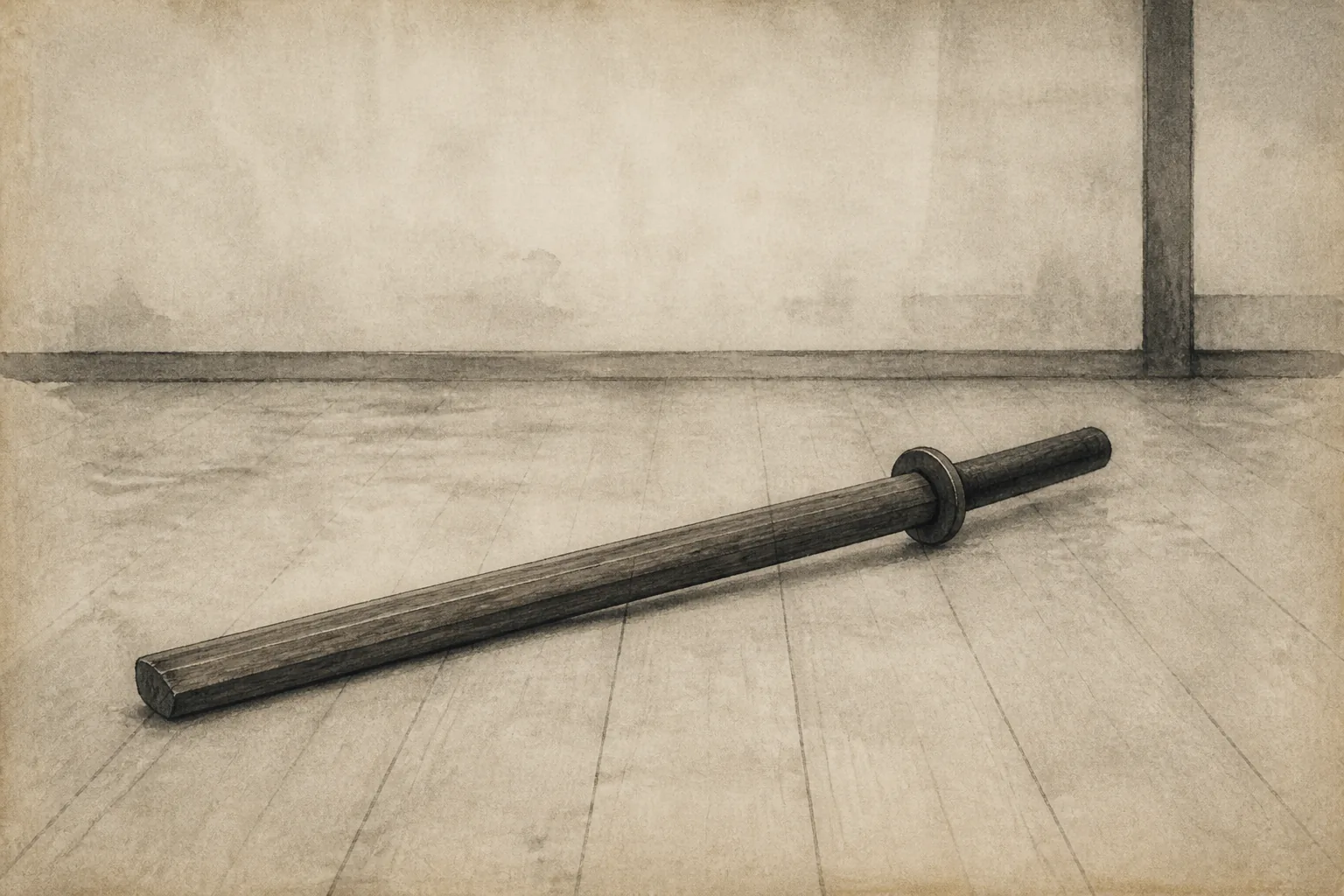
Meals and practice formed the close relationships later carried to Kyoto. Hijikata, Okita, and others carried this pre-existing circle into the 1863 Roshigumi journey to Kyoto. To investigate “Training and Shared Life” further, do not stop with a commemorative plaque. Compare the date, maker or former owner, provenance, restoration status, and present location of each element named in “Shieikan.” Old maps, municipal histories, museum catalogues, document editions, material-culture studies, and field guides help distinguish contemporary evidence from reconstruction and later memory. They also provide a practical route to relevant books, facsimiles, maps, equipment histories, and a responsible site visit.
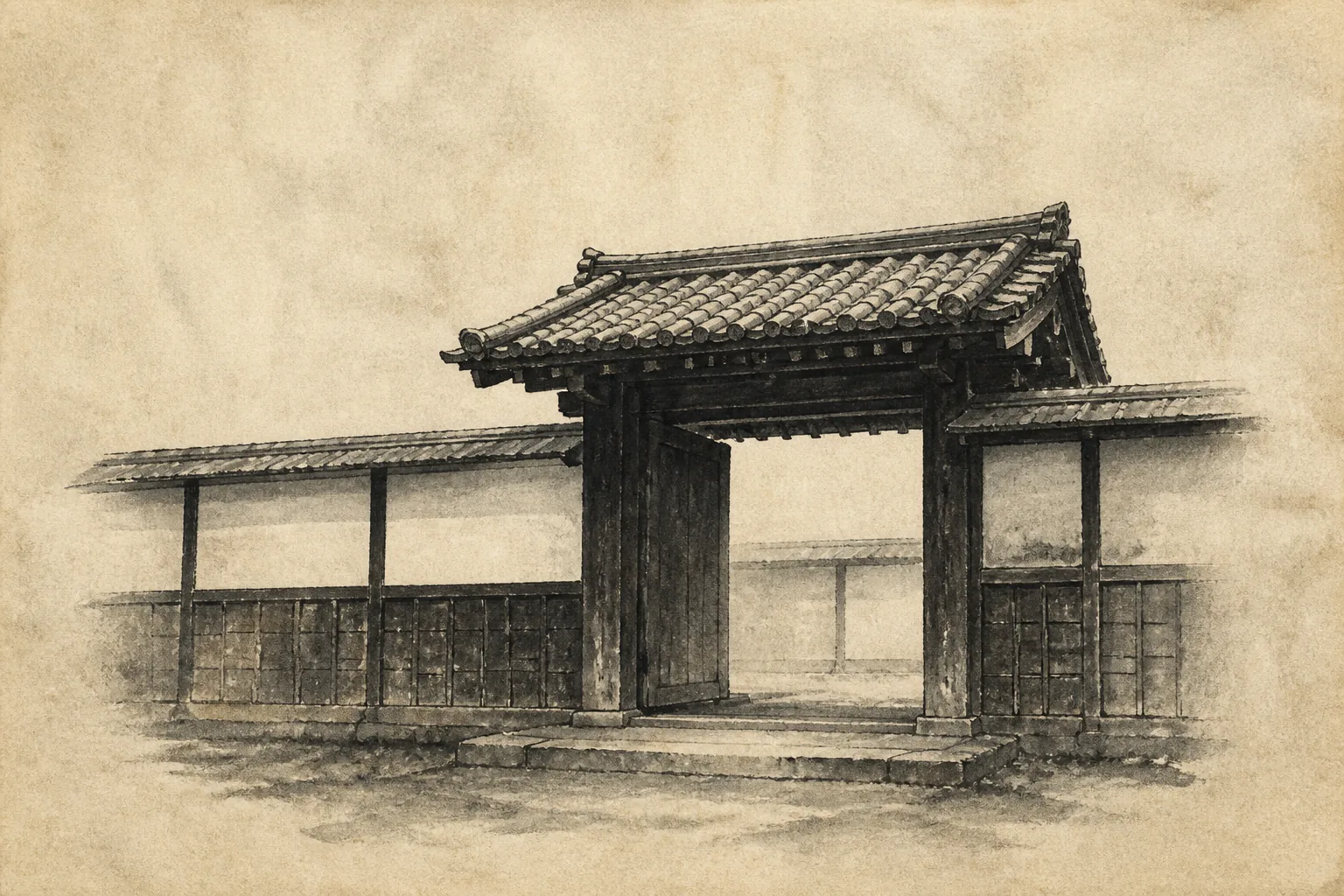
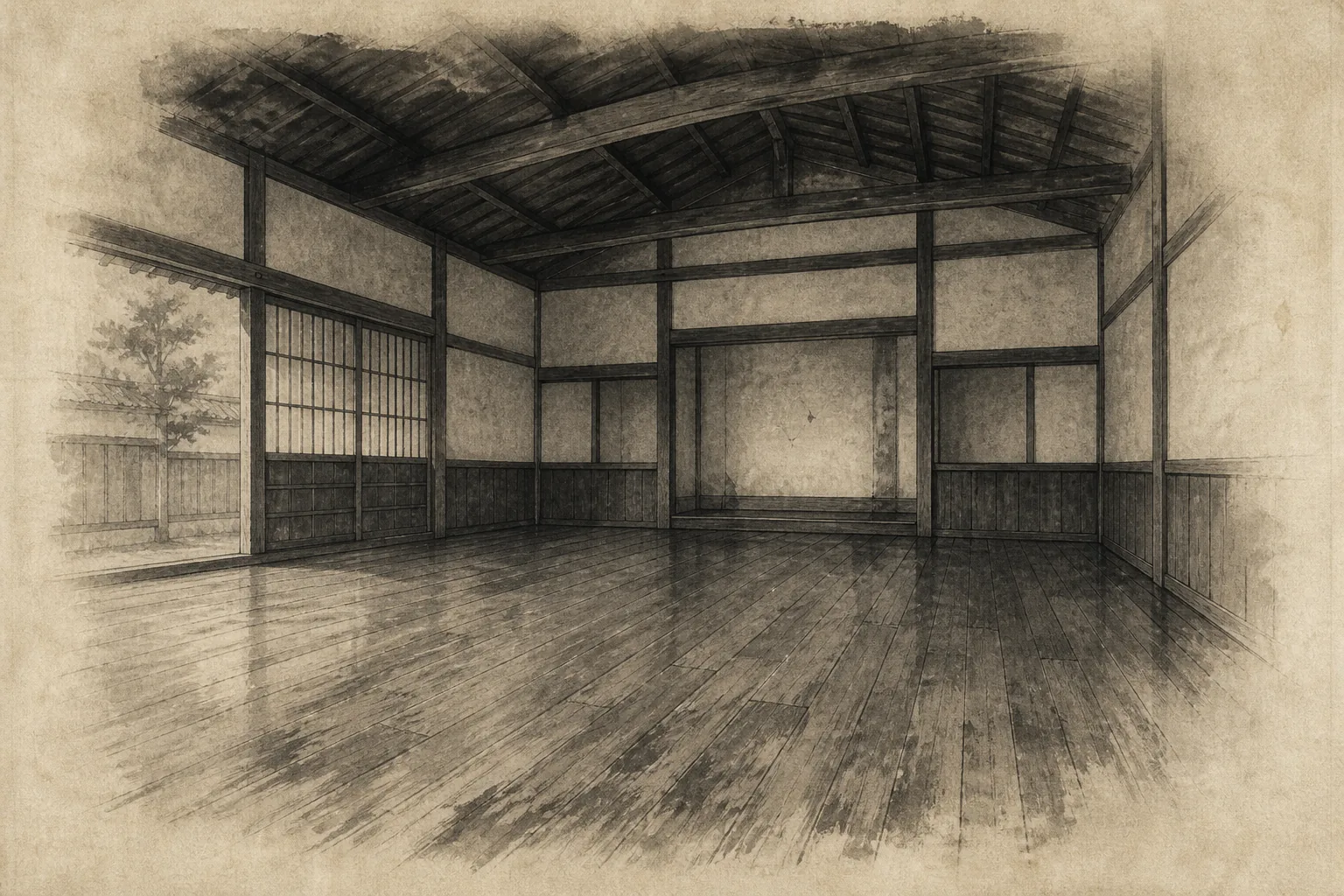
Lodging, equipment, accounts, patrols, and discipline turned a rough group into a public corps. Remaining in Mibu after the main Roshigumi returned east, the group developed ranks, rules, patrols, and accounts. To investigate “Making a Corps from Ronin” further, do not stop with a commemorative plaque. Compare the date, maker or former owner, provenance, restoration status, and present location of each element named in “Mibu Quarters.” Old maps, municipal histories, museum catalogues, document editions, material-culture studies, and field guides help distinguish contemporary evidence from reconstruction and later memory. They also provide a practical route to relevant books, facsimiles, maps, equipment histories, and a responsible site visit.
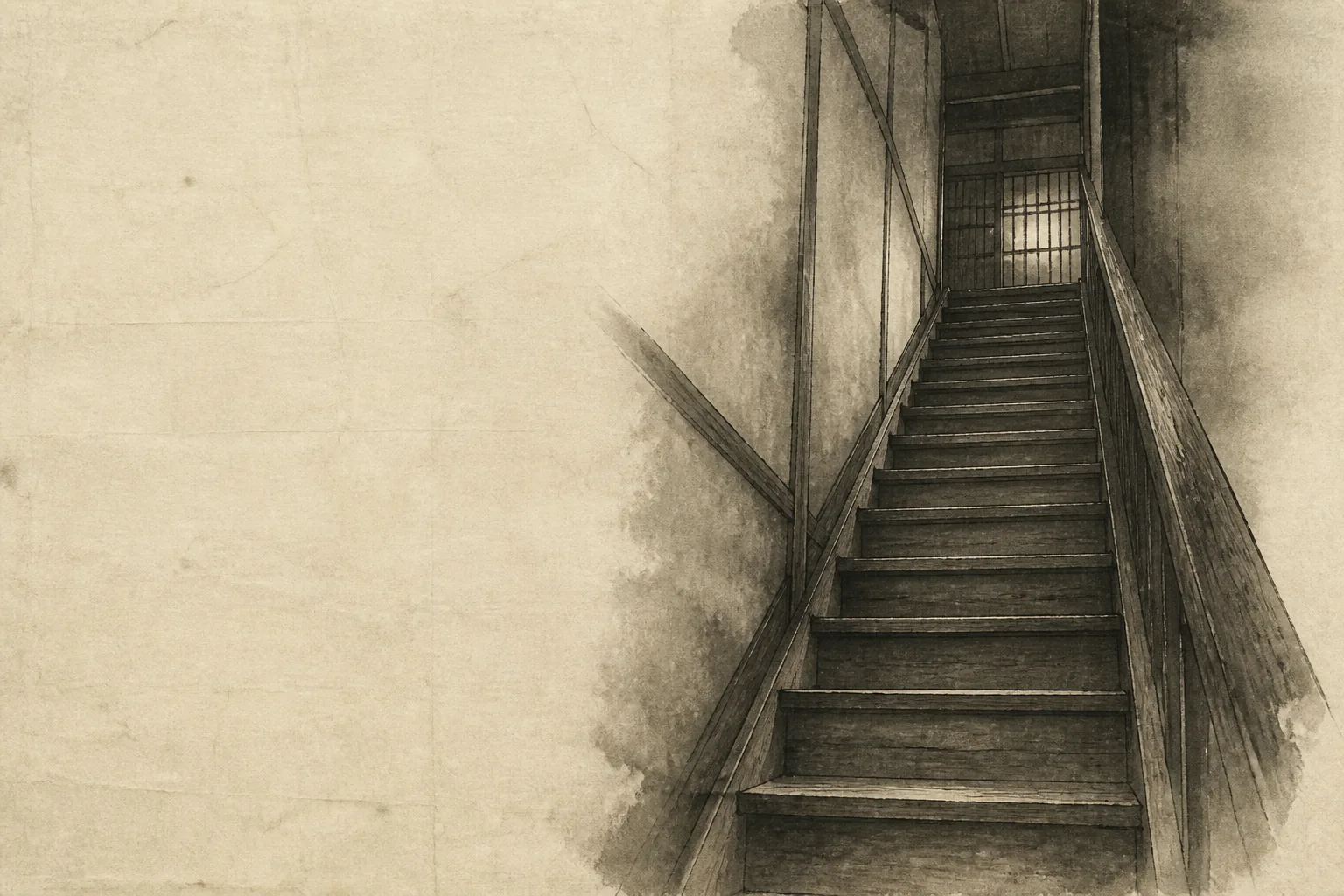
The incident made the corps famous and bound it more tightly to political violence. The June 1864 raid brought rewards and recruits while binding the corps more tightly to coercive policing in Kyoto. To investigate “Fame and a Point of No Return” further, do not stop with a commemorative plaque. Compare the date, maker or former owner, provenance, restoration status, and present location of each element named in “Ikedaya.” Old maps, municipal histories, museum catalogues, document editions, material-culture studies, and field guides help distinguish contemporary evidence from reconstruction and later memory. They also provide a practical route to relevant books, facsimiles, maps, equipment histories, and a responsible site visit.
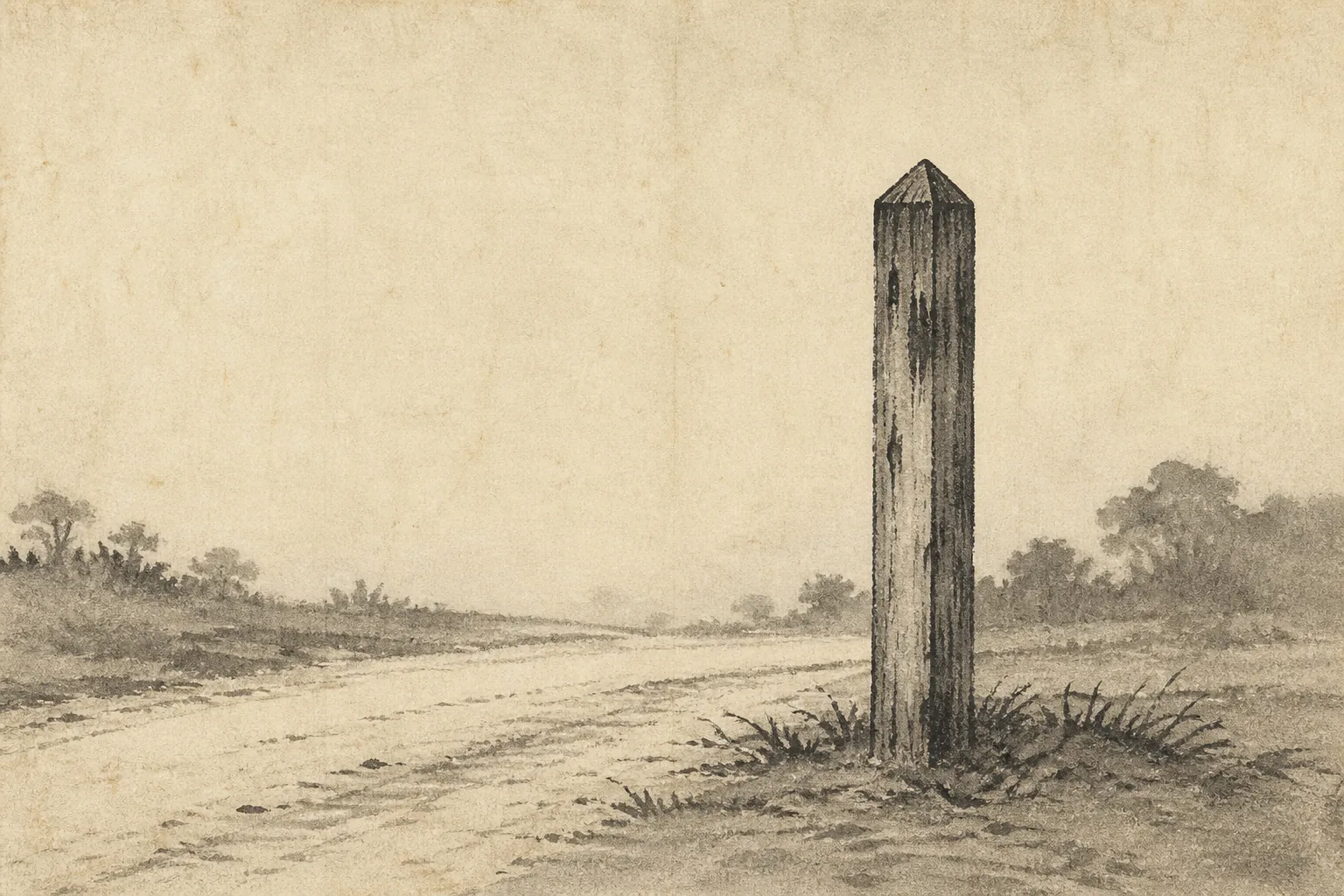
Even under another name, Kondo was identified and executed as the Shinsengumi commander. After defeat at Katsunuma, he surrendered at Nagareyama and was identified despite using the name Okubo Yamato. To investigate “Defeat under the Commander's Name” further, do not stop with a commemorative plaque. Compare the date, maker or former owner, provenance, restoration status, and present location of each element named in “Koshu, Nagareyama, Itabashi.” Old maps, municipal histories, museum catalogues, document editions, material-culture studies, and field guides help distinguish contemporary evidence from reconstruction and later memory. They also provide a practical route to relevant books, facsimiles, maps, equipment histories, and a responsible site visit.
VISIT
Ryozen Museum of History · KyotoOfficial information
An exhibition using historical materials to explore the individual lives of Shinsengumi members including Kondo Isami, Hijikata Toshizo, Okita Soji, and Serizawa Kamo.
Tsurugajo Castle Tower, First-floor Exhibition Room · FukushimaOfficial information
An exhibition tracing historical connections between Kyoto and Aizu, including the Kyoto Shugoshoku.
Search events related to Isami Kondo →Browse all Bakumatsu events →