Suzenji, Suo
Grows among a physician household’s medicine chest, balance, and treatment ledger
Observation, measurement, notation, and house calls place medicine and practical work at the beginning.
Know the Person
Omura Masujiro emerges from material settings beyond his Kudan statue and the label “father of the modern army.” A medicine chest in Suzenji, shared Dutch books at Kangien and Tekijuku, a steamship model and boiler parts in Uwajima, translated manuals and survey instruments in Edo, weapons-purchase memoranda and campaign maps in Choshu, and treatment records carried from Kyoto to Osaka reveal a sequence of medical, linguistic, engineering, logistical, and administrative work. Surviving sites, later memorials, and museum collections are kept distinct, and every section opens a practical path toward further reading and responsible visits.
Life
Suzenji, Suo
Observation, measurement, notation, and house calls place medicine and practical work at the beginning.
Hita and Osaka
Different schools teach close reading and collaborative methods for turning foreign text into usable knowledge.
Uwajima
Domain policy, scholarly translation, and craft skill meet in warship and coastal-defense research.
Edo
Separate institutions turn Western texts into repeatable measurements, models, and instruction.
Yamaguchi, Sekishu-guchi, Tokyo
The Four Borders and Boshin wars are examined through records and logistics as well as command.
Kyoto, Osaka, Suzenji
Treatment notes and unfinished academy and machinery plans preserve both medical care and institutional rupture.
山口県山口市
鋳銭司郷土館と誕生地、墓は近接するが別の場所である。薬箱や診療帳を手掛かりに、医家の家業と農村生活を読み直す。
大村益次郎
Address山口県山口市鋳銭司11422
Nearby
大阪府大阪市中央区
大村が塾頭も務めた適塾では、限られた蘭書と辞書を塾生が共同で読み、医学、理化学、数学を結びつけた。咸宜園とは別の学習段階である。
大村益次郎
Address大阪府大阪市中央区北浜3丁目3番8号
Nearby
愛媛県宇和島市
住居跡は、村田蔵六が宇和島藩で翻訳、教授、設計に携わった生活拠点である。蒸気機関研究は藩主や前原巧山ら職人との協働としてたどる。
大村益次郎
Address愛媛県宇和島市神田川原
Nearby
東京都千代田区
蕃書調所の洋学研究と講武所の軍事教育は別機関である。現存建物と誤認せず、旧江戸の教育機関を調べる地域的な入口として示す。
大村益次郎
Address東京都千代田区九段・神田周辺
Nearby
山口県山口市
602件2,497点の資料群には、兵器購入覚書、オランダ語原稿、兵書原稿、作戦図が含まれる。戦勝譚より先に調達と情報の痕跡を読む。
大村益次郎
Address山口県山口市春日町5番1号
Nearby
京都府京都市中京区
現在の碑は後世の記念物で、宿所建物そのものではない。京都で負傷した後、大阪へ移され治療を受けた経路を診療記録と制度構想から読む。
大村益次郎
Address京都府京都市中京区木屋町通御池上る
Nearby
Keys
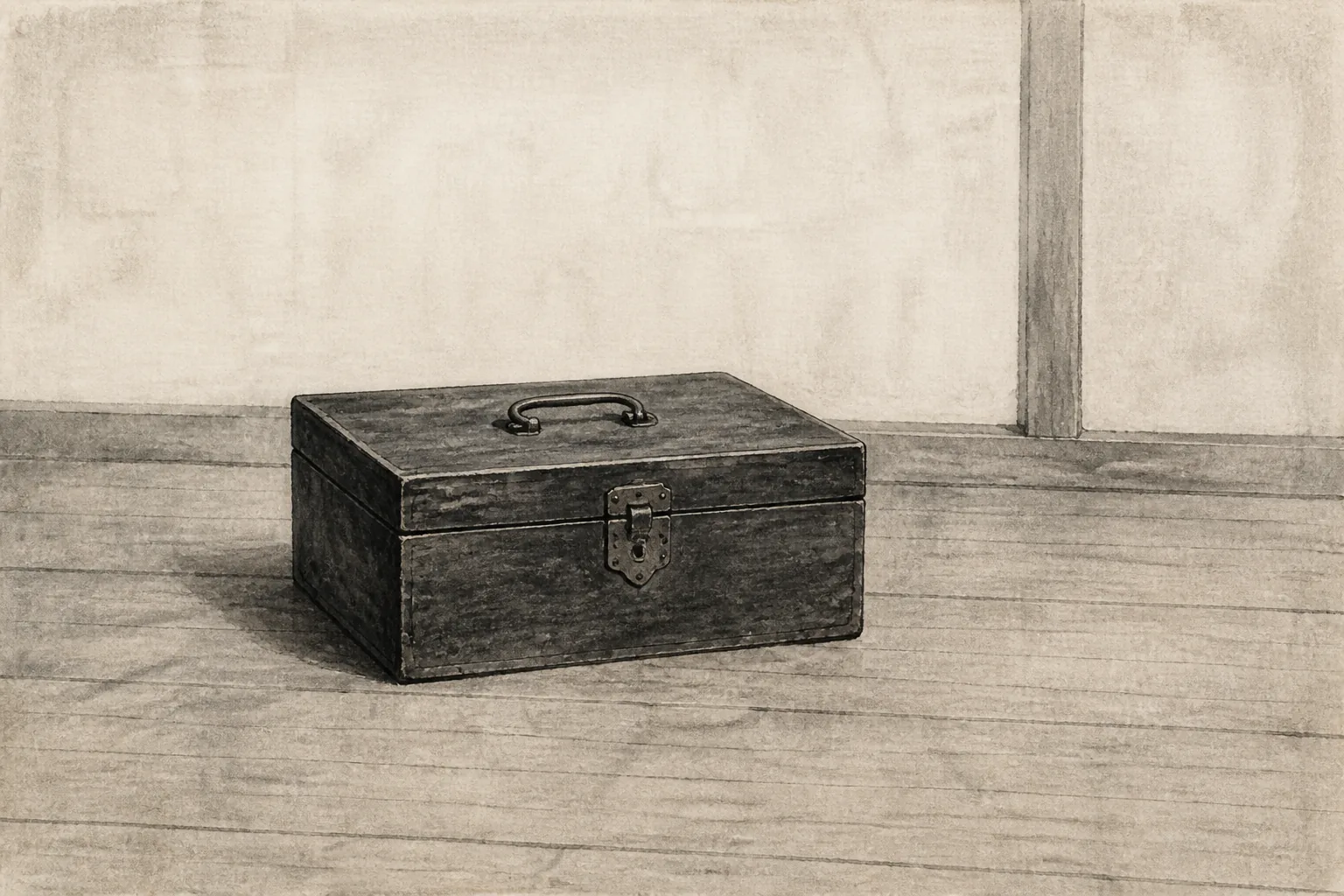
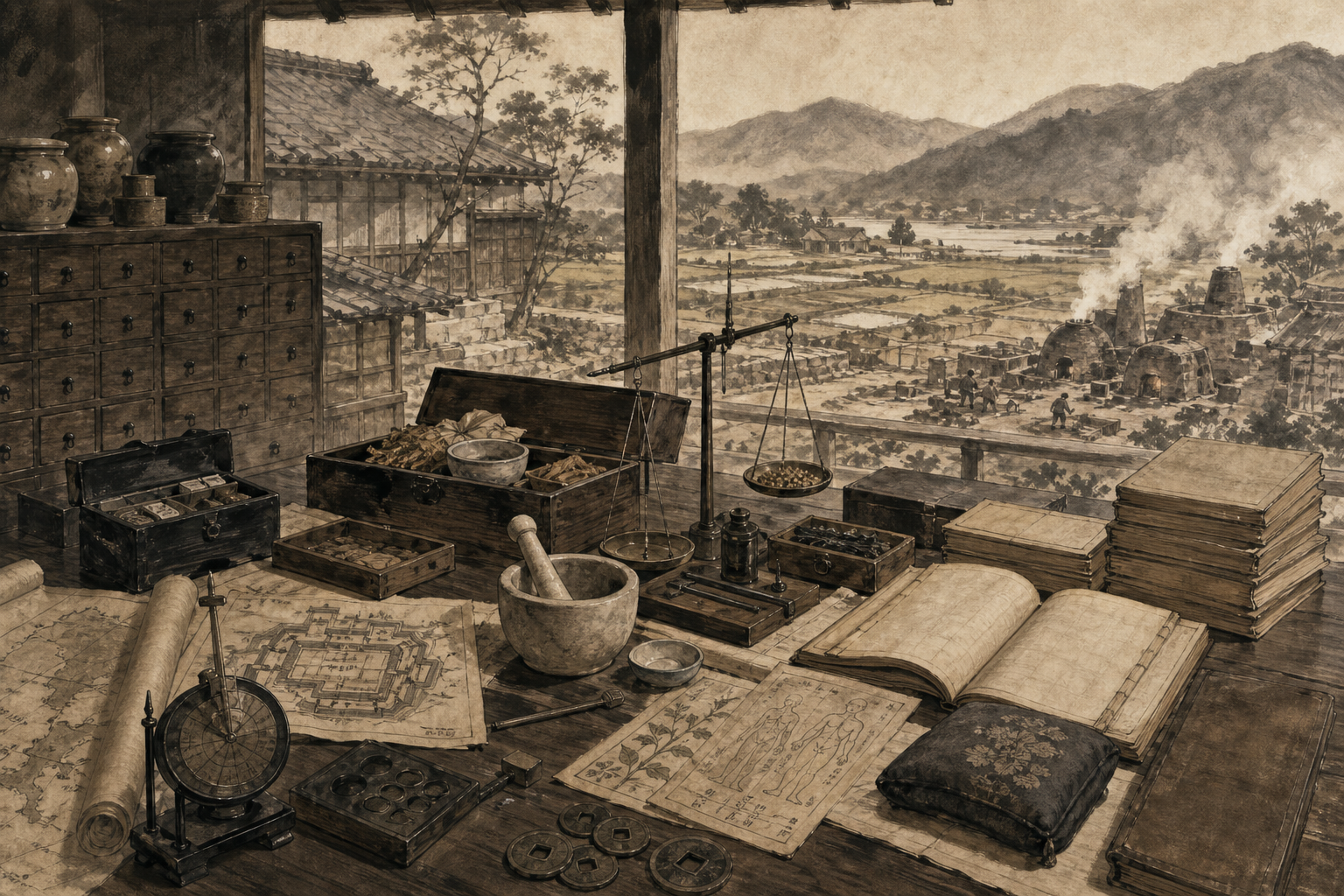
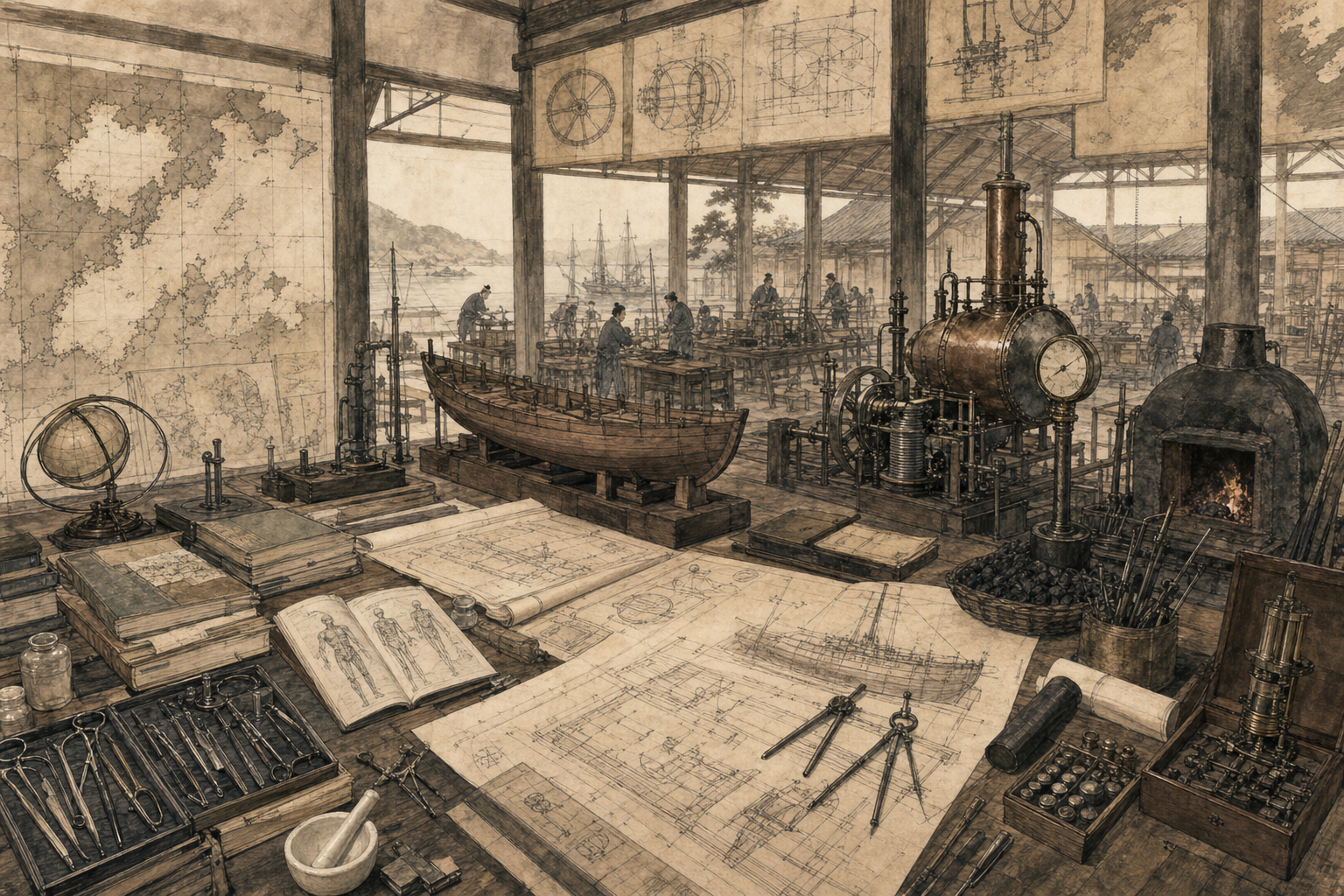
Omura Masujiro was born in 1825 into a physician household in Suzenji, Suo. A medicine chest, spoon, mortar, balance, weights, dried herbs, wrapping papers, treatment ledger, and house-call bag represent work that listened to symptoms, measured doses, recorded decisions, and moved along village roads. Childhood cannot by itself explain his later institutions, yet repeated habits of observation, calculation, notation, and checking formed a useful base for reading Dutch technical quantities and military supply tables. The Suzenji museum, birthplace marker, and grave are nearby but separate places. Books on rural medicine, materia medica, and medical households provide a fuller route than biography alone.
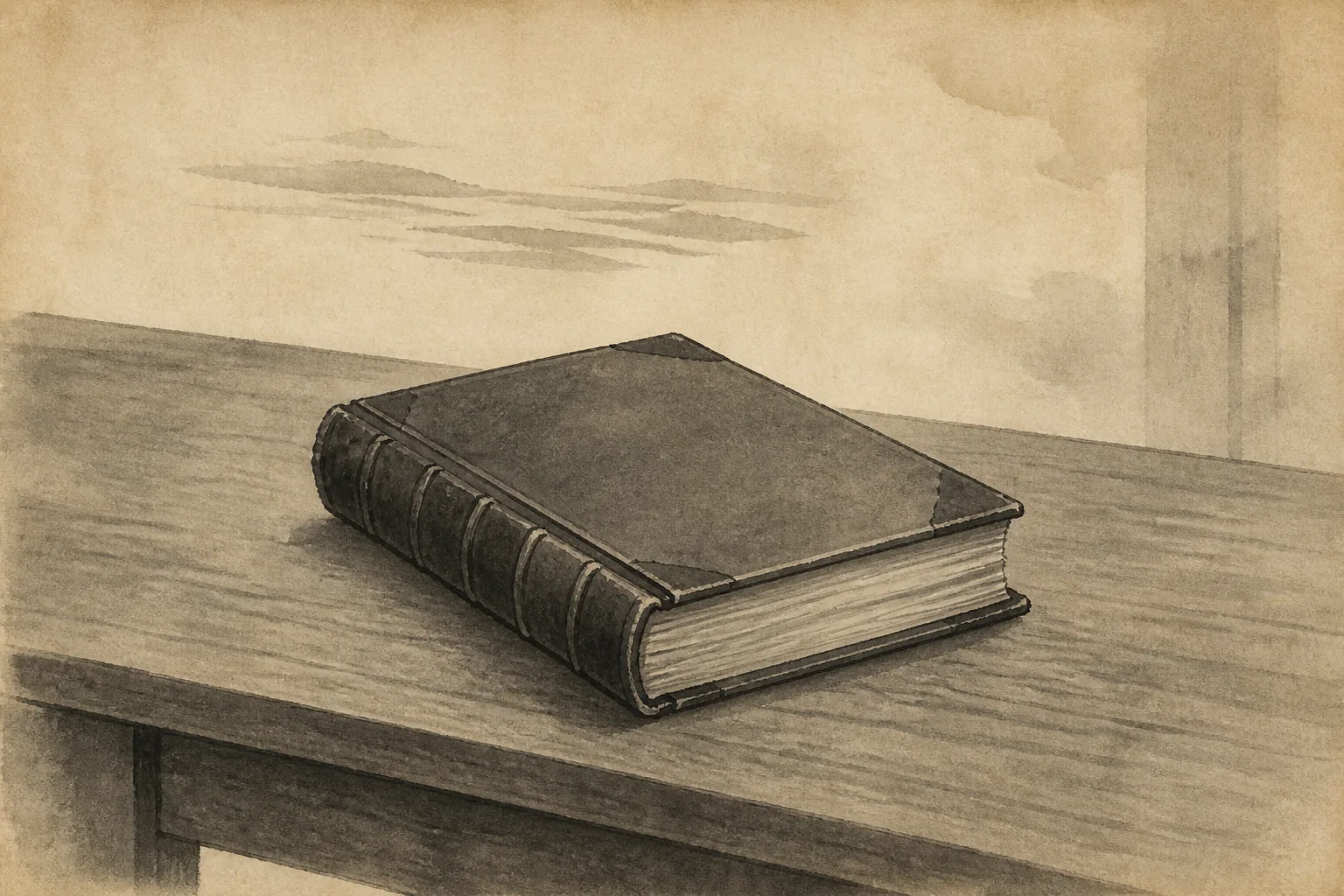
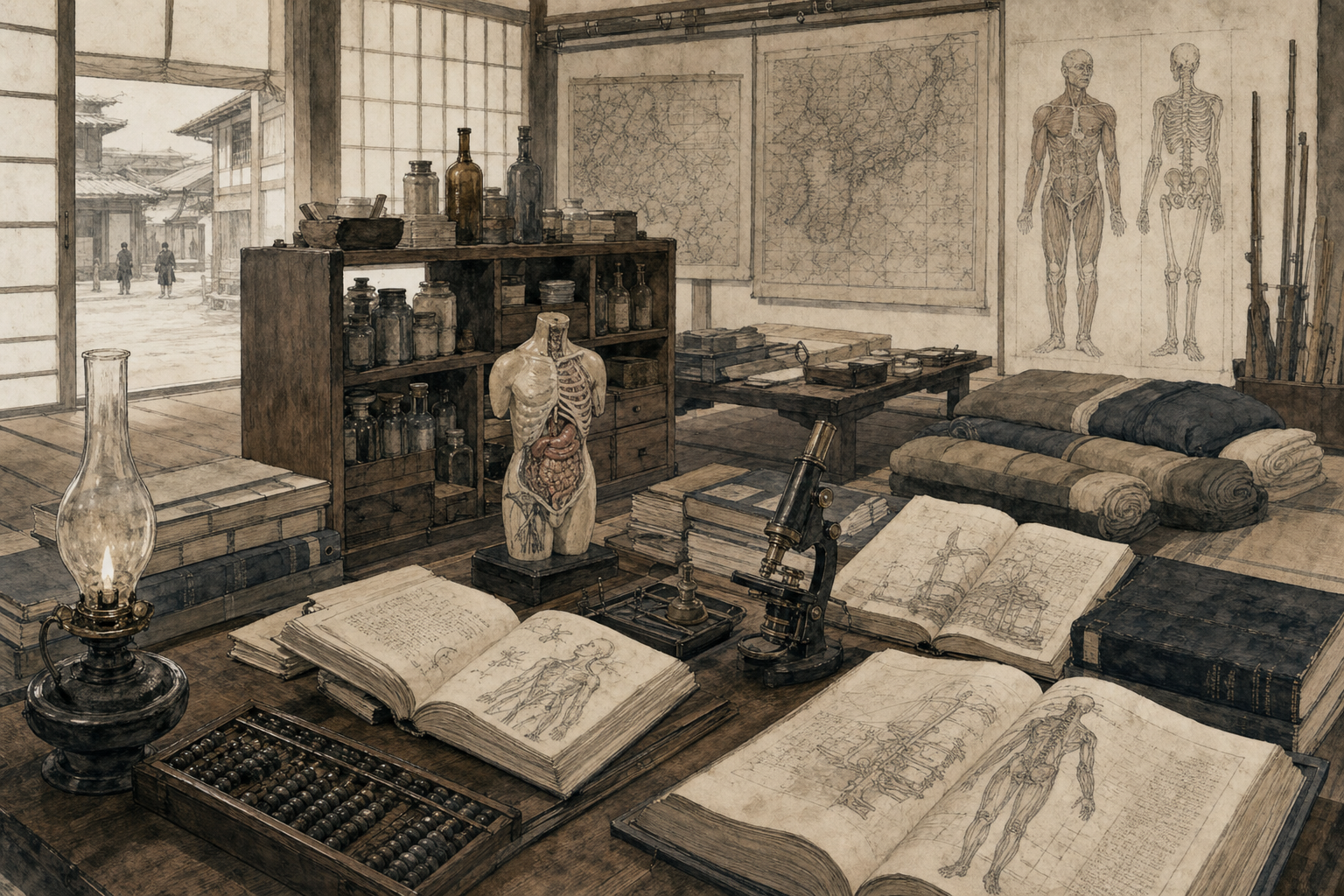
Omura studied Chinese learning at Hirose Tanso’s Kangien and later deepened Dutch studies and medicine at Ogata Koan’s Tekijuku, where he became a senior student. Dutch books, a Dutch-Japanese dictionary, copied notes, medicine bottles, anatomical plates, a microscope, an abacus, and a night lamp evoke students taking turns with scarce texts and checking vocabulary against calculations. Kangien and Tekijuku were different institutions, not stages of one school. Their methods nevertheless joined close reading to medicine, chemistry, physics, and mathematics. The surviving Tekijuku townhouse makes the crowded rooms and shared reference tools tangible and leads naturally to books on Koan, his students, and late-Edo Dutch learning.
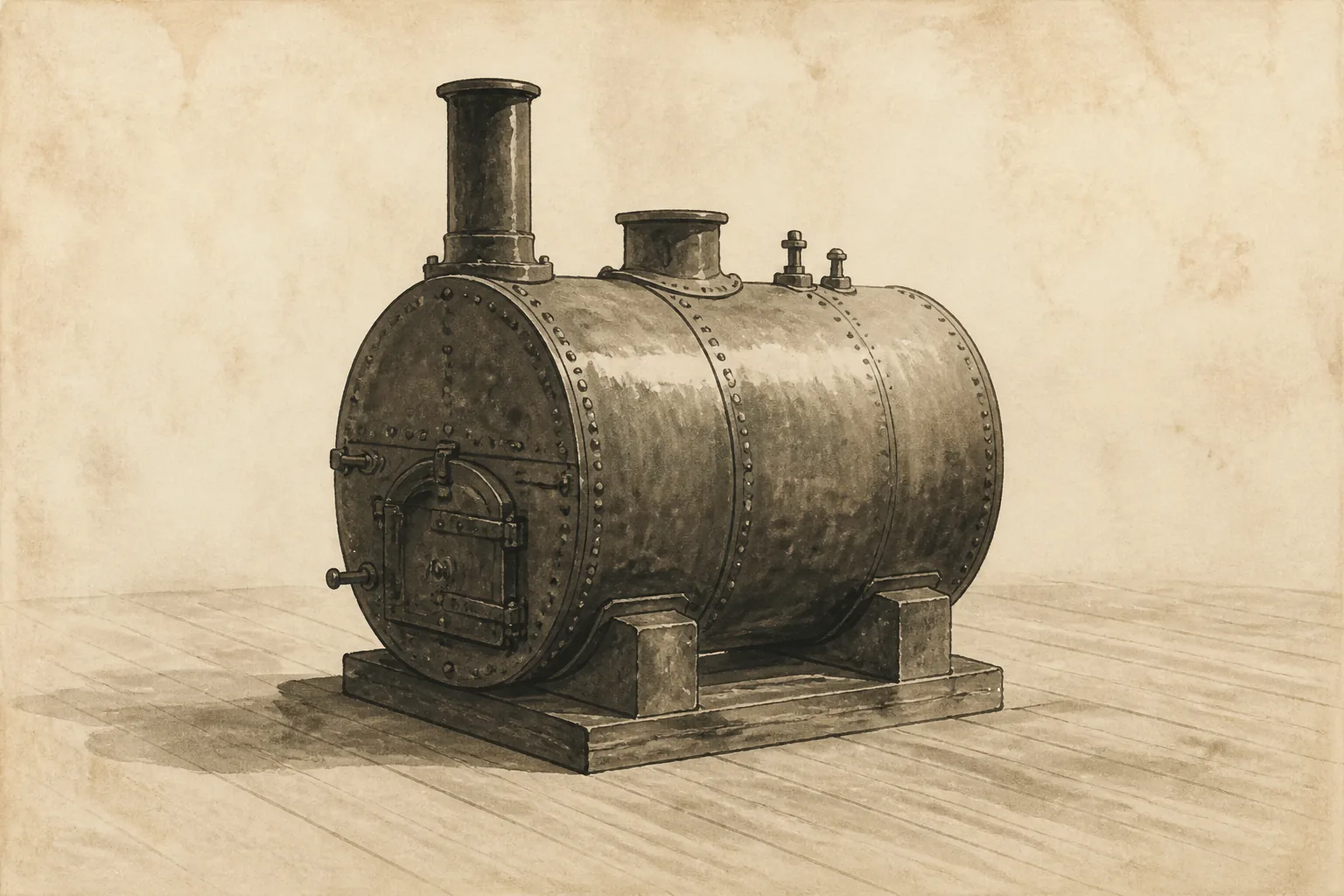
Invited to Uwajima in 1853 under the name Murata Zoroku, Omura worked on Dutch-book translation, teaching, and technical studies connected with warships and coastal defense. A model hull, copper boiler, piston, valve, gears, gauge, compass, rule, and furnace show the difficulty of converting a foreign diagram into dimensions, materials, machining, and trials. The domain’s steam engineering should not be reduced to Omura inventing a ship alone: Date Munenari’s policy, scholarly translation, and the craft expertise associated with Maehara Kozan and local workshops all mattered. The residence site and harbor lead to research on Uwajima, domain workshops, Japanese steam technology, and collaborative engineering.
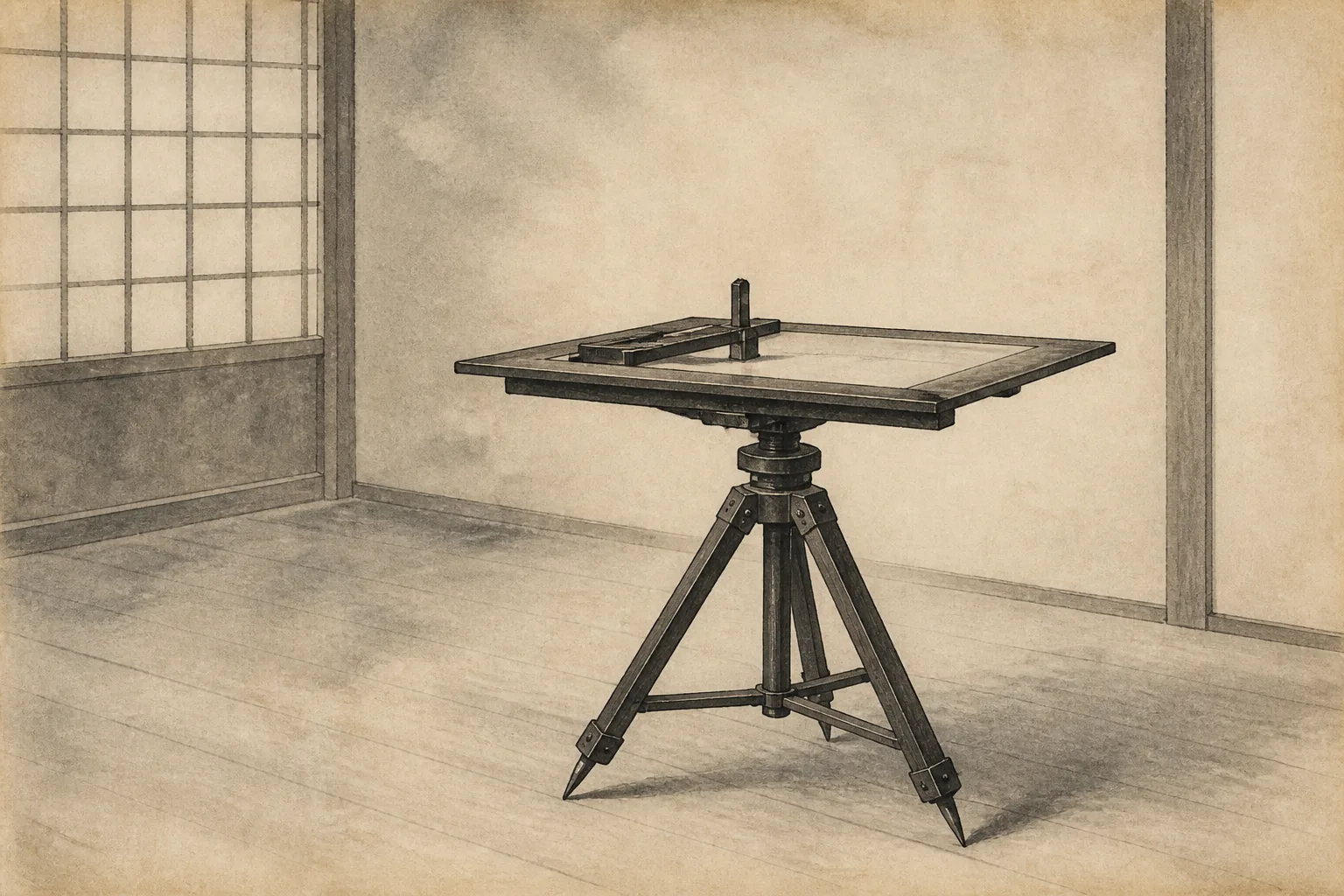
While retaining Uwajima-domain status, Omura taught in the shogunate’s Bansho Shirabesho and Kobusho. Translated military manuals, geometry diagrams, maps, a compass, plane table, survey chain, scale, artillery models, and a blackboard represent more than an ability to read Dutch. Distances and angles had to be measured, procedures repeated, and lessons communicated to others. The Bansho Shirabesho focused on Western learning and translation, whereas the Kobusho provided military education; they must not be presented as the same building. Because Edo’s urban fabric changed, the map is a research anchor rather than a claim that a structure survives. Useful book paths include translation history, surveying, artillery education, and each institution separately.At the Bansho Shirabesho he worked in military and language instruction, and at the Kobusho he also taught military studies. Passing through the two institutions made him a link between translated knowledge and training in surveying and artillery.
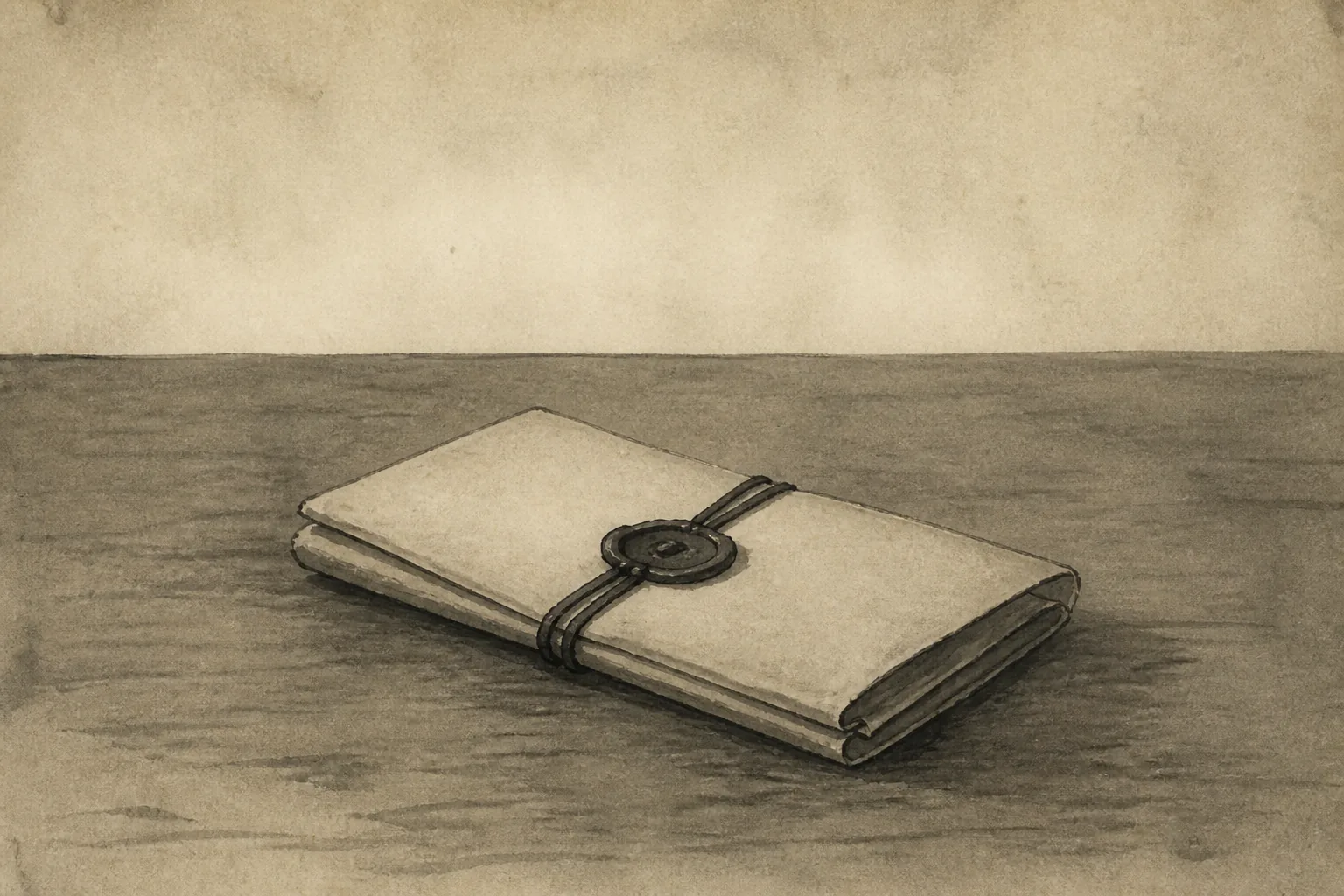
Omura’s Choshu reforms involved much more than tactical inspiration. Rifle standards, a weapons-purchase memorandum, ammunition boxes, parts lists, unit rosters, drill books, transport roads, and Four Borders War campaign maps made military activity countable and repeatable. He helped direct the Sekishu-guchi and Geishu-guchi fronts in 1866, but arrows on a map can hide the burdens placed on soldiers, farmers, carriers, and the wounded. Yamaguchi City’s collection preserves purchase notes, Dutch drafts, military manuscripts, annotated books, and campaign maps; many letters were later found as underpaper in sliding doors made with former house timbers. That material history opens reading on logistics, firearms, the Four Borders War, and Sekishu-guchi.
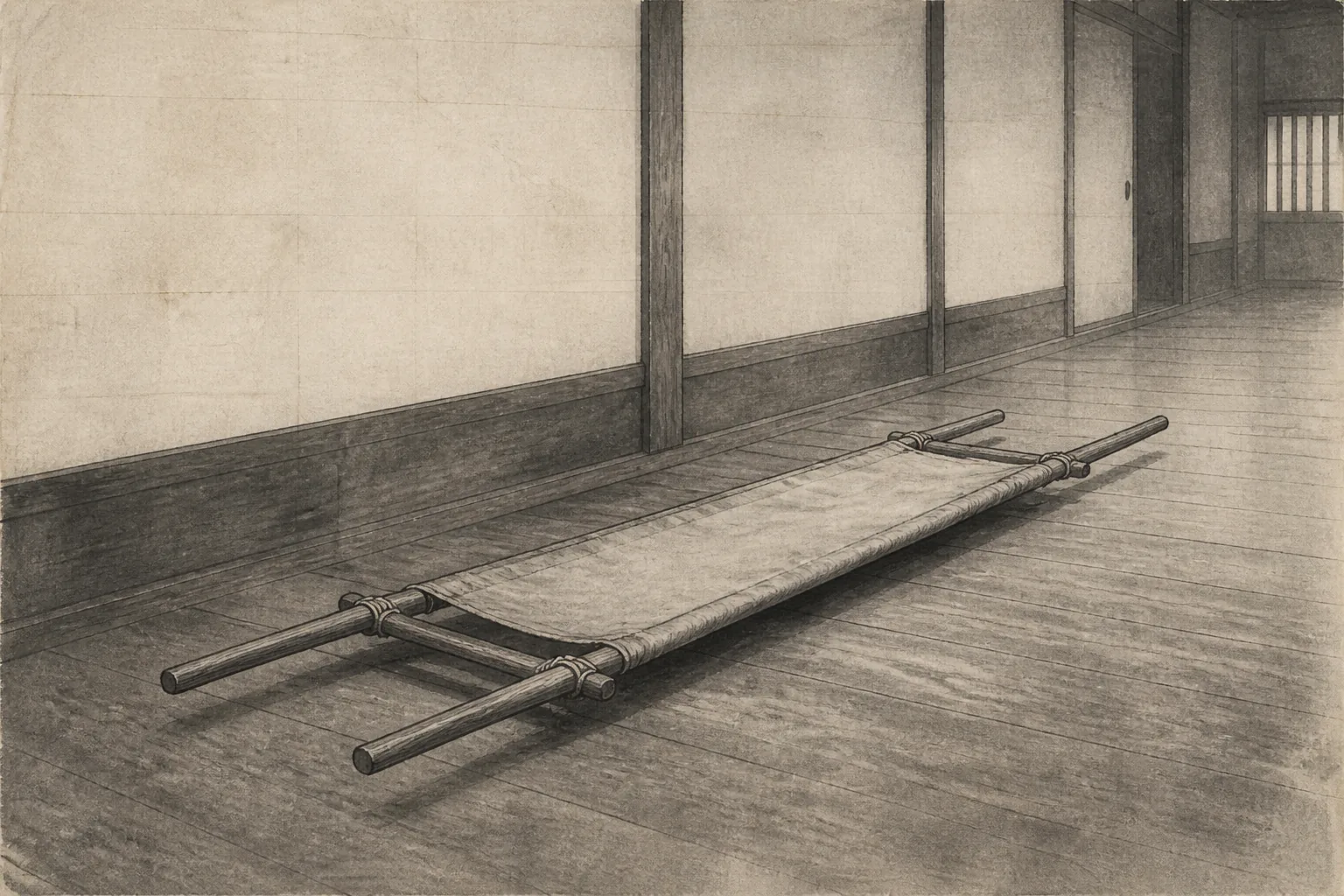
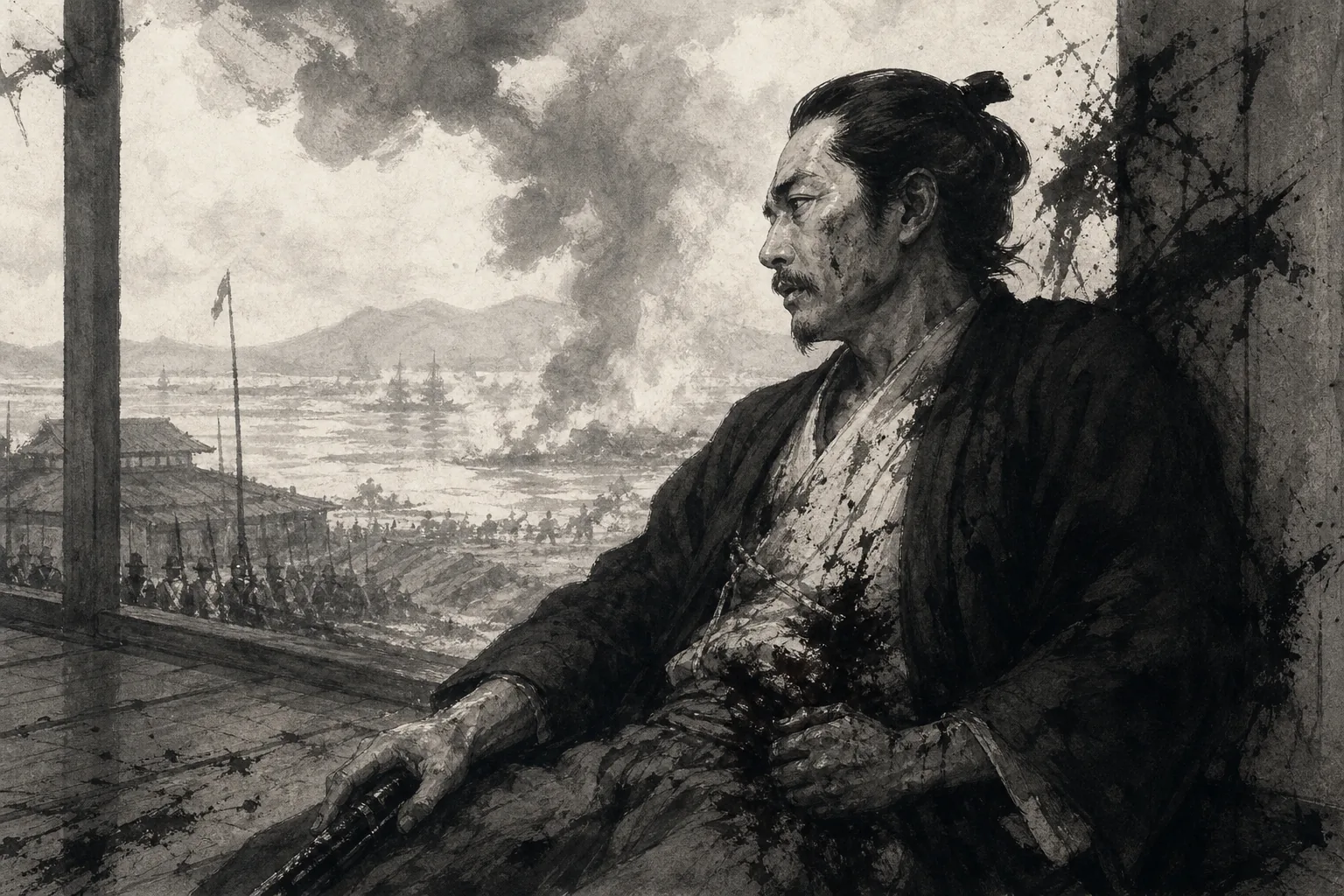
In September 1869 Omura was attacked at his Kiyamachi lodging in Kyoto, transferred to Osaka for treatment, and died there in November. A stretcher, bandages, splints, surgical instruments, medicine bottles, treatment notes, and plans for a military academy and machinery bureau shift attention away from the violent instant toward attempted care and interrupted administrative work. Kyoto’s present marker is a later memorial, not the surviving lodging. The place of injury, the Osaka treatment and death sites, and the grave in Suzenji must remain distinct. Further reading can connect Kiyamachi, early modern surgery, military-school planning, conscription debates, resistance to reform, and the human costs of state mobilization.
VISIT
Search events related to Masujiro Omura →Browse all Bakumatsu events →