Tsuno, Tosa
Born into a headman household amid forests, fields, roads, and village administration
Household practice and his own documented participation remain separate questions.
Know the Person
Yoshimura Torataro is reconstructed beyond the label of heroic Tenchugumi leader through a village-headman household in Tsuno, mountain and tax records, travel equipment used after leaving Tosa, the roster formed at Hokoji, proclamations and ration ledgers at Gojo, mobilization in Totsukawa, and the wounded retreat toward Washikaguchi. The planned imperial progress was cancelled after the coup of 18 August 1863; the Gojo magistrate-office attack caused deaths, while requisition and recruitment burdened local communities. Places, objects, and records reveal both the aspirations behind his action and the material and political conditions that made it collapse.
Life
Tsuno, Tosa
Household practice and his own documented participation remain separate questions.
Tsuno
Generic headman institutions do not substitute for Yoshimura-family evidence.
Tosa, Choshu, Osaka, Kyoto
Letters and diaries must establish route, date, alias, and assignment.
Hokoji, Kyoto
The imperial-progress plan and action after its cancellation are separated.
Gojo and Totsukawa
Deaths, requisition, regional burdens, and withdrawal remain visible.
Takatori, Higashiyoshino, Washikaguchi
Conflicting testimony and later memorial construction are dated separately.
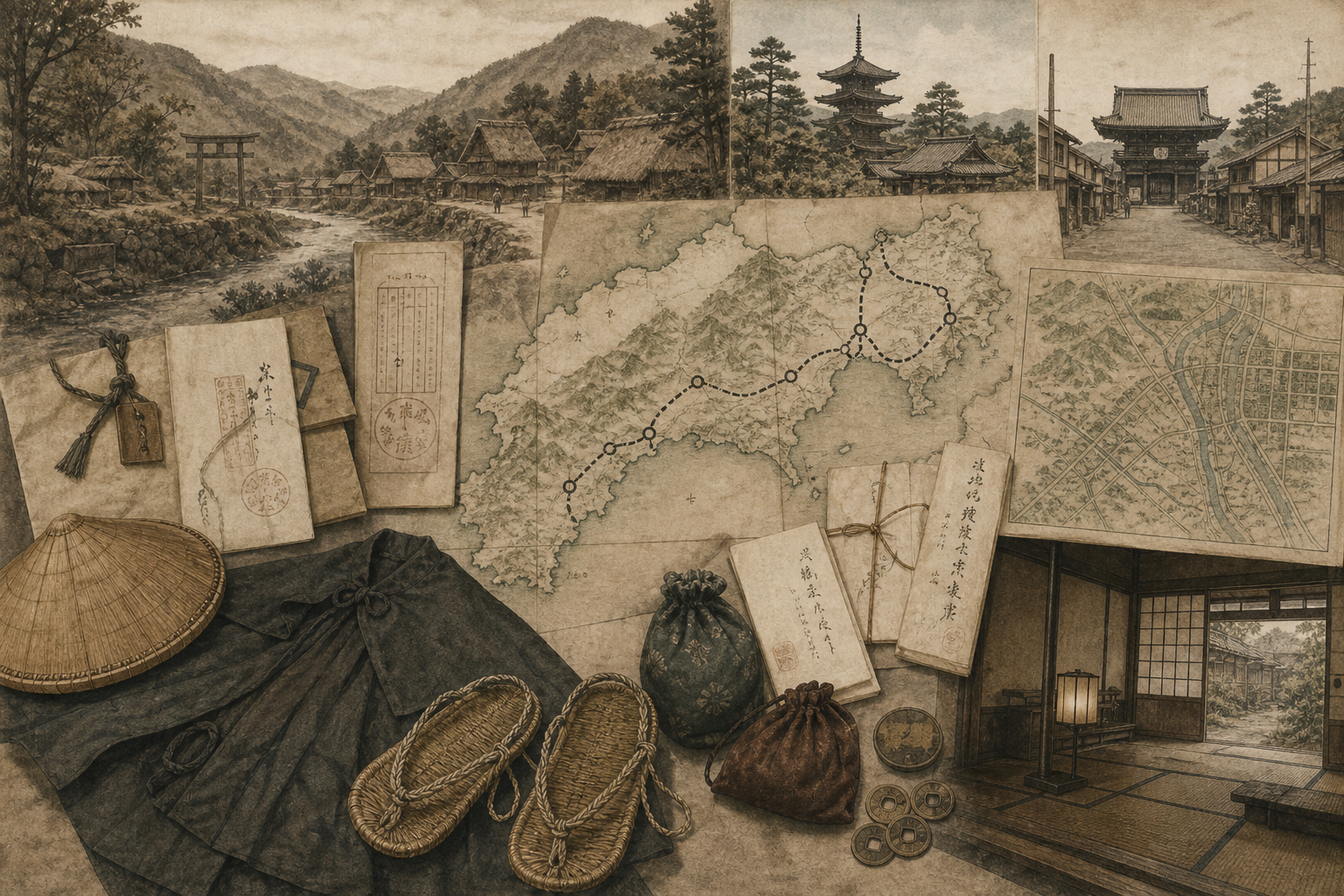
高知県高岡郡津野町
庄屋家の住居、山林、耕地、道を重ね、虎太郎の出発点を地域運営の現場として見る。
吉村虎太郎
Address高知県高岡郡津野町芳生野
Nearby
高知県津野町
人口、年貢、道普請、山境を記す帳面から、庄屋家の実務を調べる。
吉村家と地域社会
Address高知県高岡郡津野町
Nearby
高知県高知市
通行手形、宿札、草鞋、書状から、ここを出て長州・大坂・京都へ進んだ脱藩後の移動を具体化する。地図は旅程全体ではなく出発地点を示す。
吉村虎太郎
Address高知県高知市丸ノ内周辺
Nearby
京都市東山区
約四十人の名簿、役職、布告案から、天誅組の結成と大和行幸計画を確認する。
中山忠光・吉村虎太郎ら
Address京都府京都市東山区大和大路通七条上ル
Nearby
奈良県五條市
布告、印、兵糧帳、徴発記録から、短い統治と地域負担の双方を見る。
天誅組と五條・十津川の人々
Address奈良県五條市本町周辺
Nearby
奈良県吉野郡東吉野村
高取城敗退後の経路、負傷、食糧不足、証言と墓所から崩壊過程をたどる。
吉村虎太郎と天誅組
Address奈良県吉野郡東吉野村鷲家口
Nearby
Keys

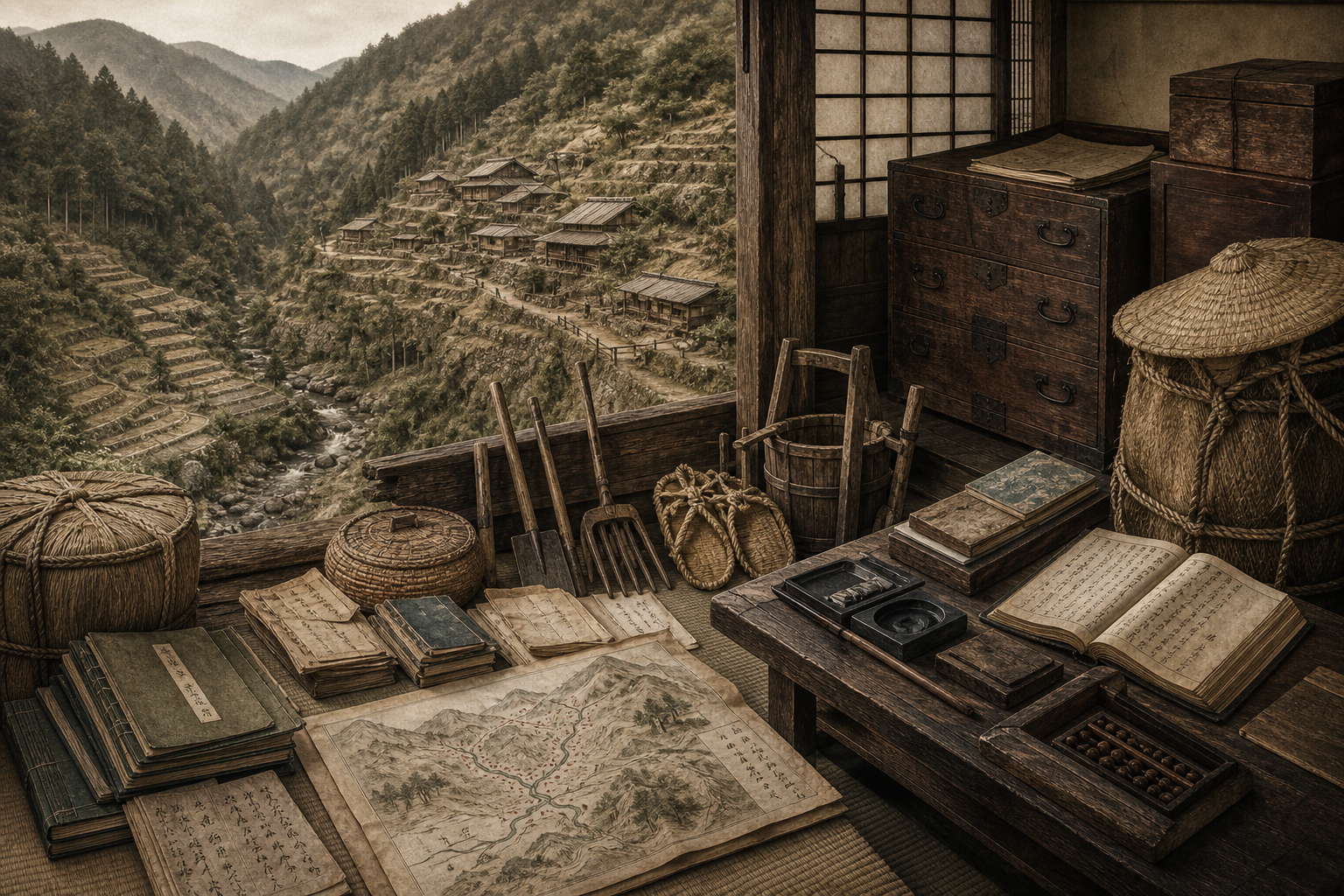
Yoshimura Torataro was born into a village-headman household in Yoshino, Tsuno, Tosa. The Yoshimura Torataro residence gains historical depth when read with a mountain ledger, forest-boundary map, tax-rice measure, timber marks, cutting tools, carrying frames, and valley roads. Together they show a household mediating resources, disputes, taxation, and communication. Reconstructed rooms and later display objects must remain distinct from documented family possessions, while household status cannot by itself explain character or political beliefs. The site opens paths to Tsuno landscape walks, forestry history, headman papers, old maps, local histories, and material culture.
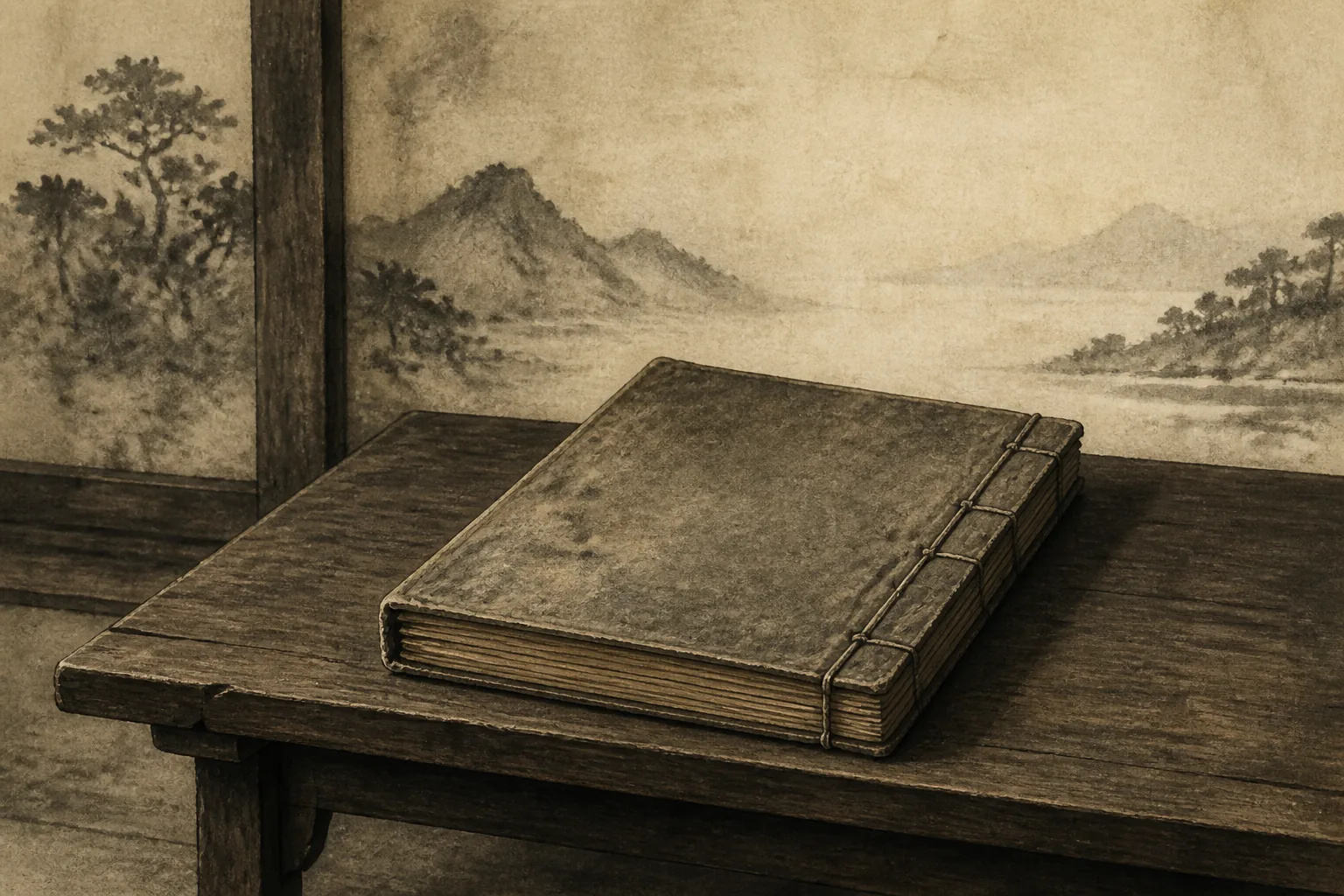
Headman administration worked through a population register, tax book, road-repair ledger, copies of boundary disputes, seal box, public notices, packhorse gear, and circular letters to village officers. Whether and when Torataro handled particular documents requires Yoshimura-family papers and local histories; generic headman practice is not silently converted into personal biography. It nevertheless offers a controlled comparison with his later attempt to assemble offices, proclamations, revenue policy, and food supply at Gojo. These objects lead naturally to studies of rural government, forest use, reading handwritten records, seals, highways, transport, and regional museum collections.
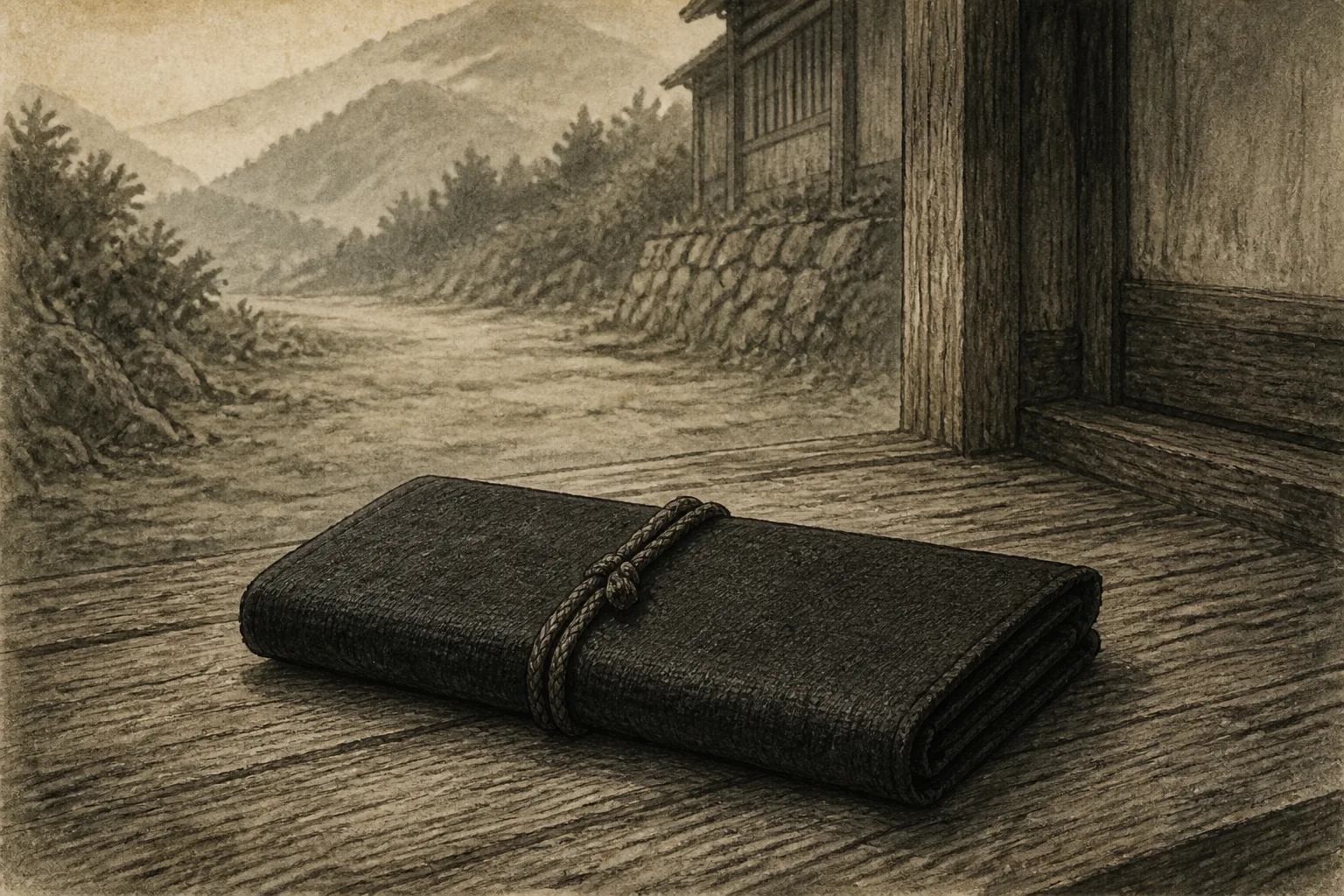
After leaving Tosa, Torataro moved across Kochi, Choshu, Osaka, and Kyoto. Travel permits, lodging tags, sandals, a rain cape, travel hat, medicine pouch, coin string, letter packet, highway map, and inn register help test dates, companions, correspondents, routes, and cost. Stories of concealment or aliases are used only where signatures, diaries, or lodging evidence survive, so an adventure narrative does not fill archival gaps. Reading and visiting paths include historic highways, post towns, travel equipment, couriers, Tosa-Choshu relations, editions of letters, old maps, and practical walking guides.
In August 1863 a group assembled at Hokoji in Kyoto, naming Nakayama Tadamitsu commander and Yoshimura Torataro, Matsumoto Keido, and Fujimoto Tesseki its three governors. A roster of roughly forty participants, office labels, draft proclamations, weapons, and food estimates show how the Tenchugumi claimed to precede a planned imperial progress to Yamato. The progress was cancelled after the political coup of 18 August, so the authority claimed at formation and the decision to continue afterward must be separated. Hokoji, Kyoto maps, rosters, organizational history, and document facsimiles provide the next research paths.
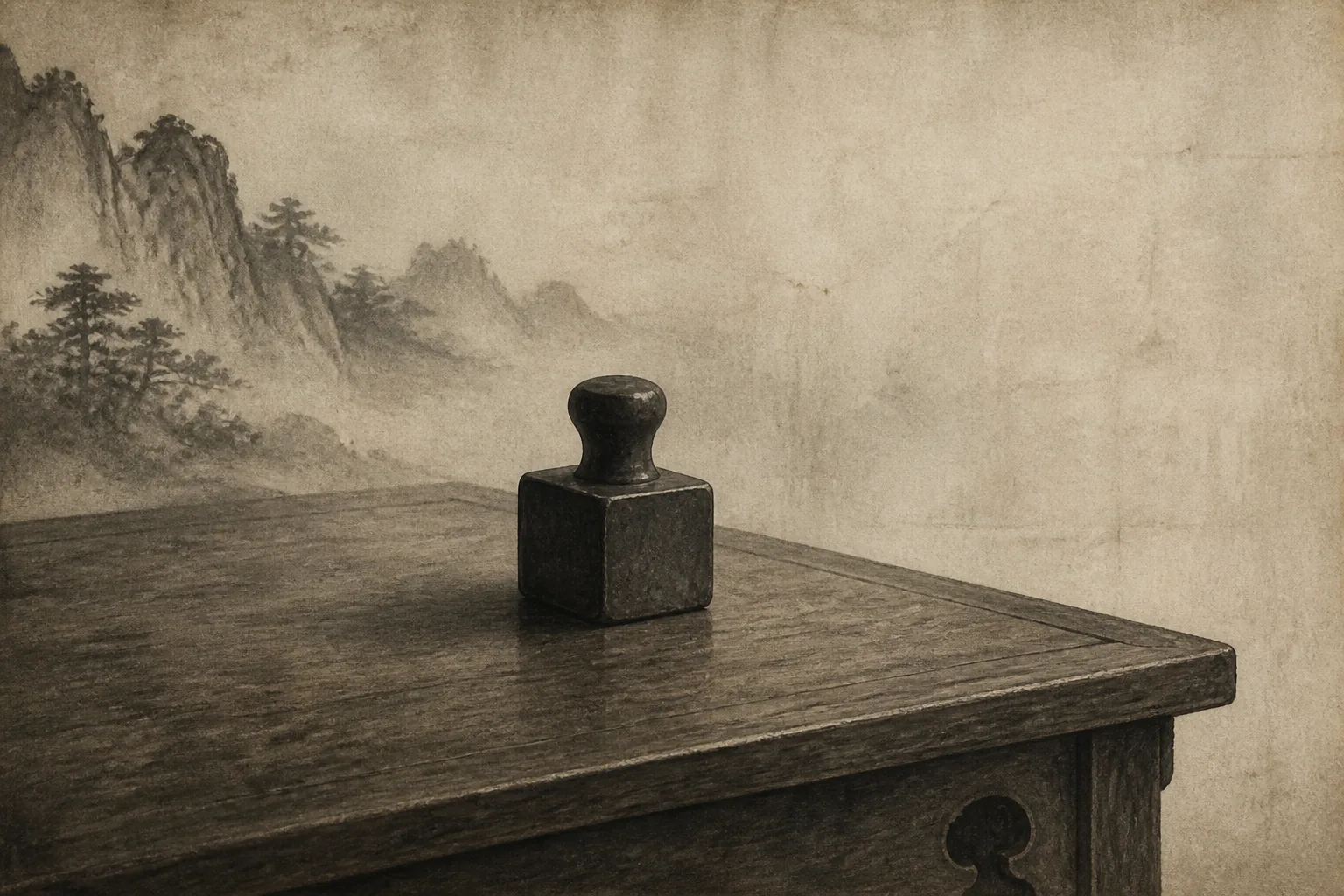
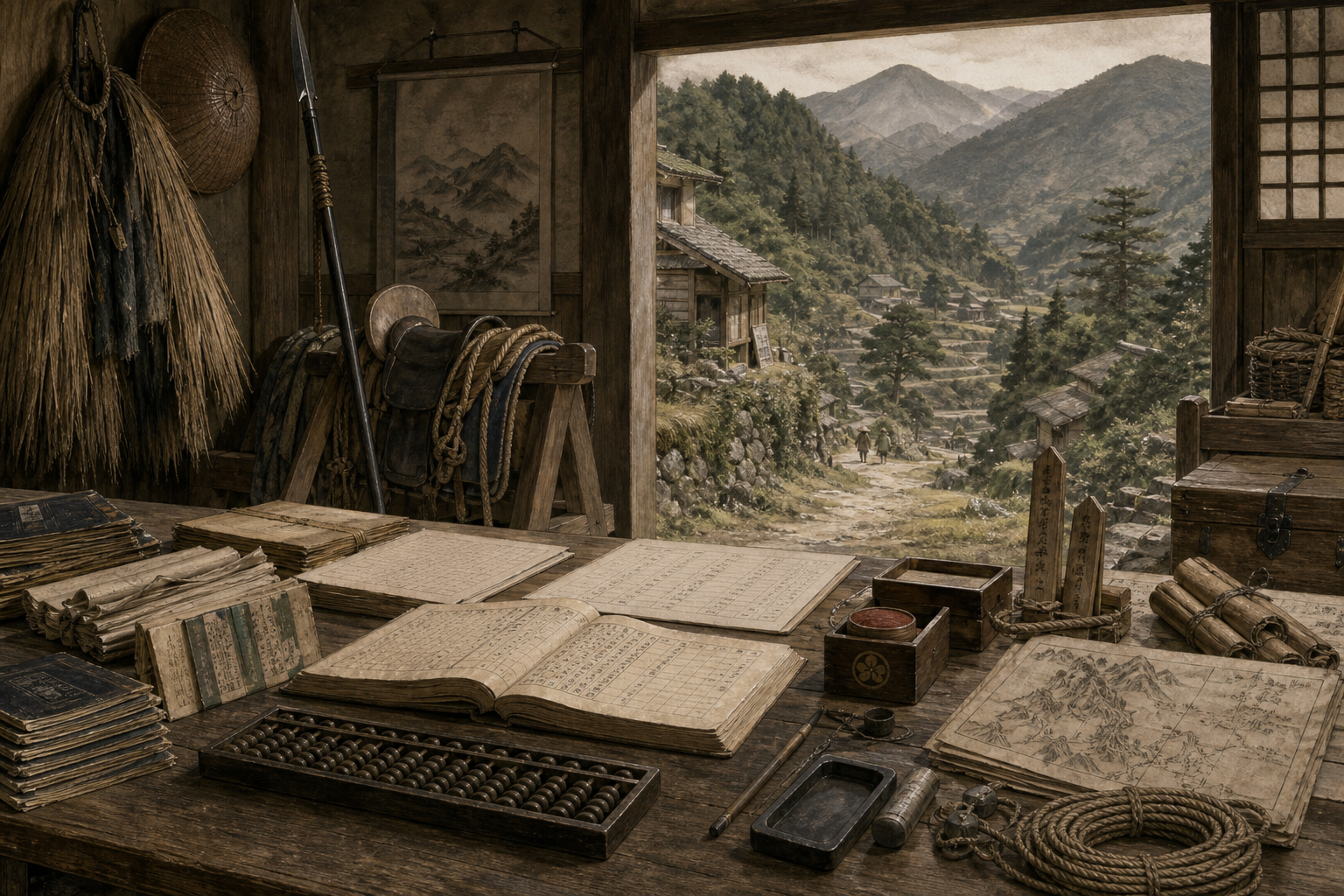
The Tenchugumi attacked the Gojo magistrate office, killed magistrate Suzuki Gennai and others, and proclaimed a Gojo provisional government. Proclamations, seals, desks, revenue measures, ration ledgers, lodging allocations, and requisition records expose the distance between claiming government and maintaining administration and supply. Mobilized Totsukawa fighters brought the force toward a thousand, but withdrew when they learned that the claimed imperial authorization had disappeared. Voluntary support, pressure, rumor, and delayed information cannot be collapsed into one motive. Gojo sites, Totsukawa histories, magistrate administration, logistics, and community testimony extend the inquiry.
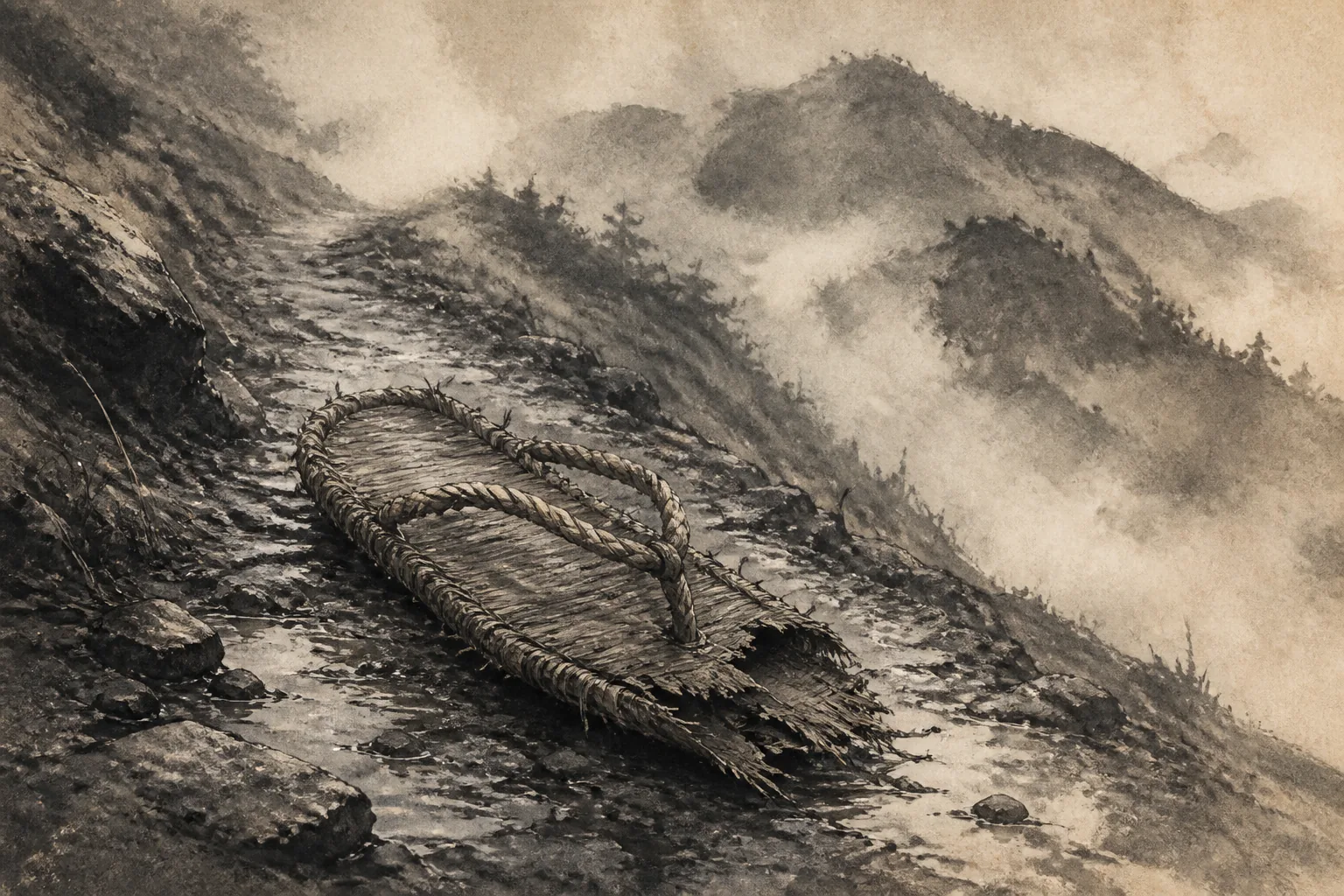
After defeat at Takatori Castle, the Tenchugumi moved through the Yoshino mountains under pursuit, and Torataro was wounded. A mountain-route map, torn sandals, empty ration bag, bandages, an improvised litter, village lodging records, and testimony from pursuers and residents reconstruct dwindling mobility and the group’s fragmentation toward Washikaguchi. Accounts of his final words and the exact manner of death conflict and are not fixed without comparison. Graves and monuments are later memory devices, not contemporary proof. Higashiyoshino walking routes, grave sites, testimony collections, mountain equipment, and memorial history offer further routes.
VISIT
Search events related to Torataro Yoshimura →Browse all Bakumatsu events →