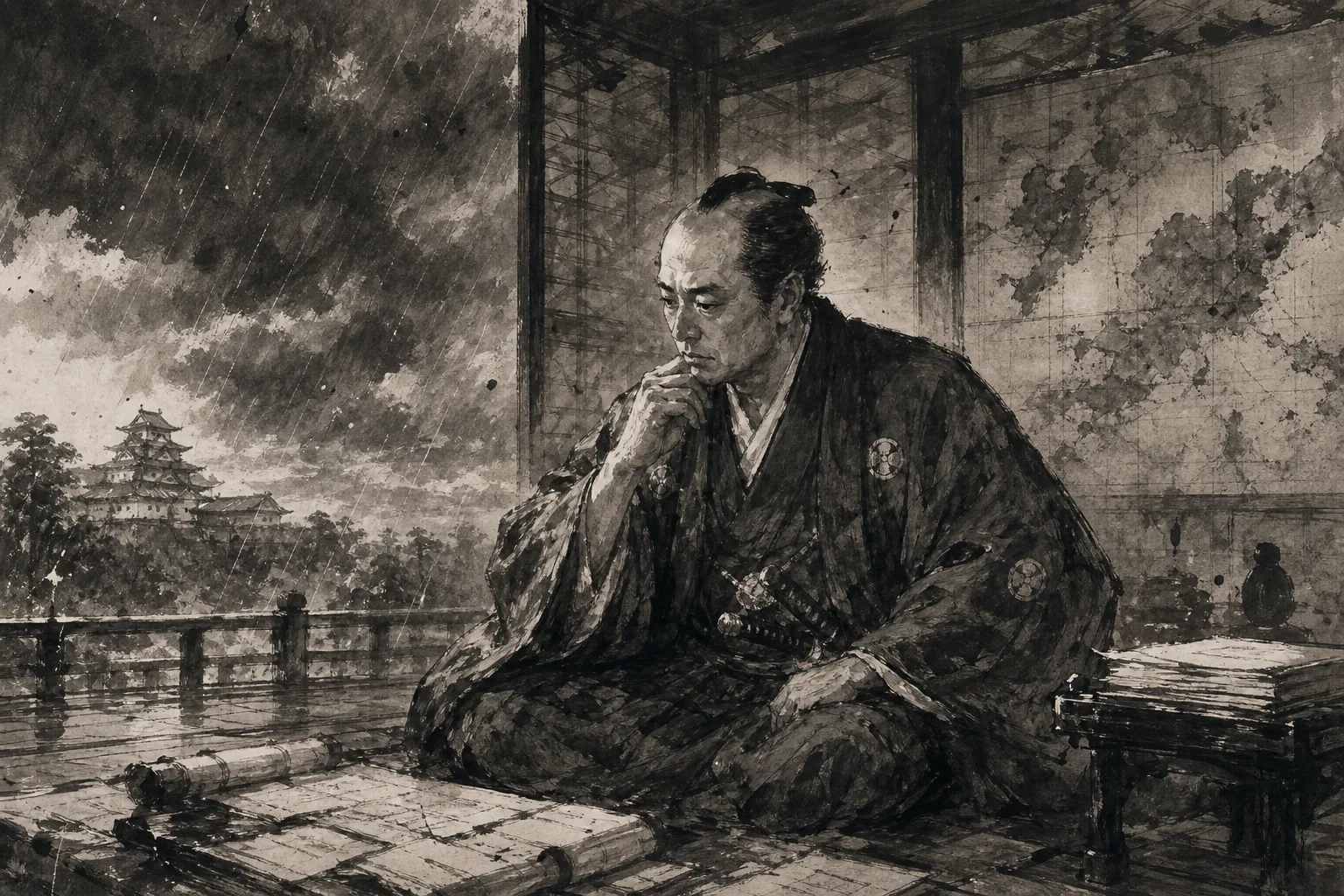
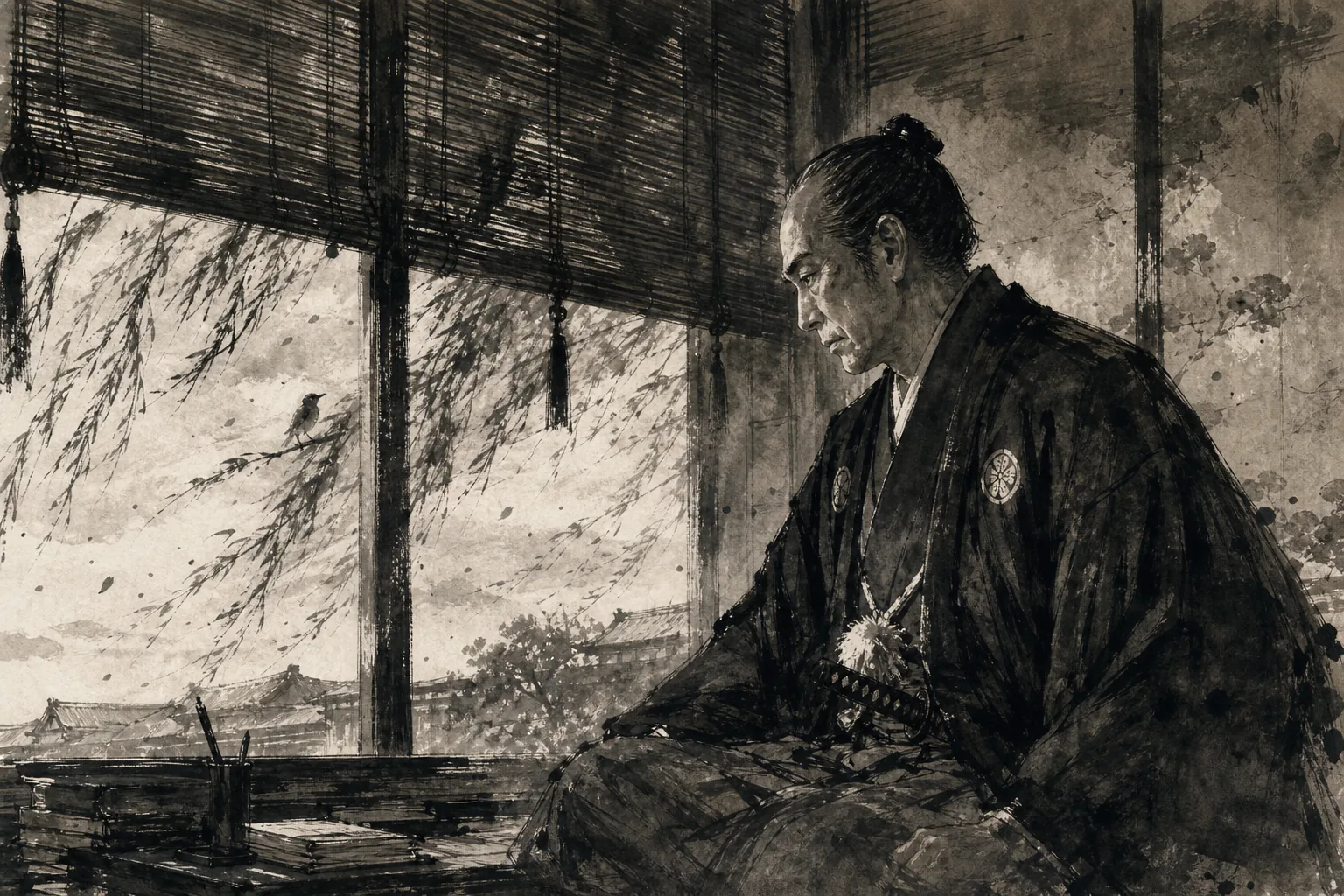
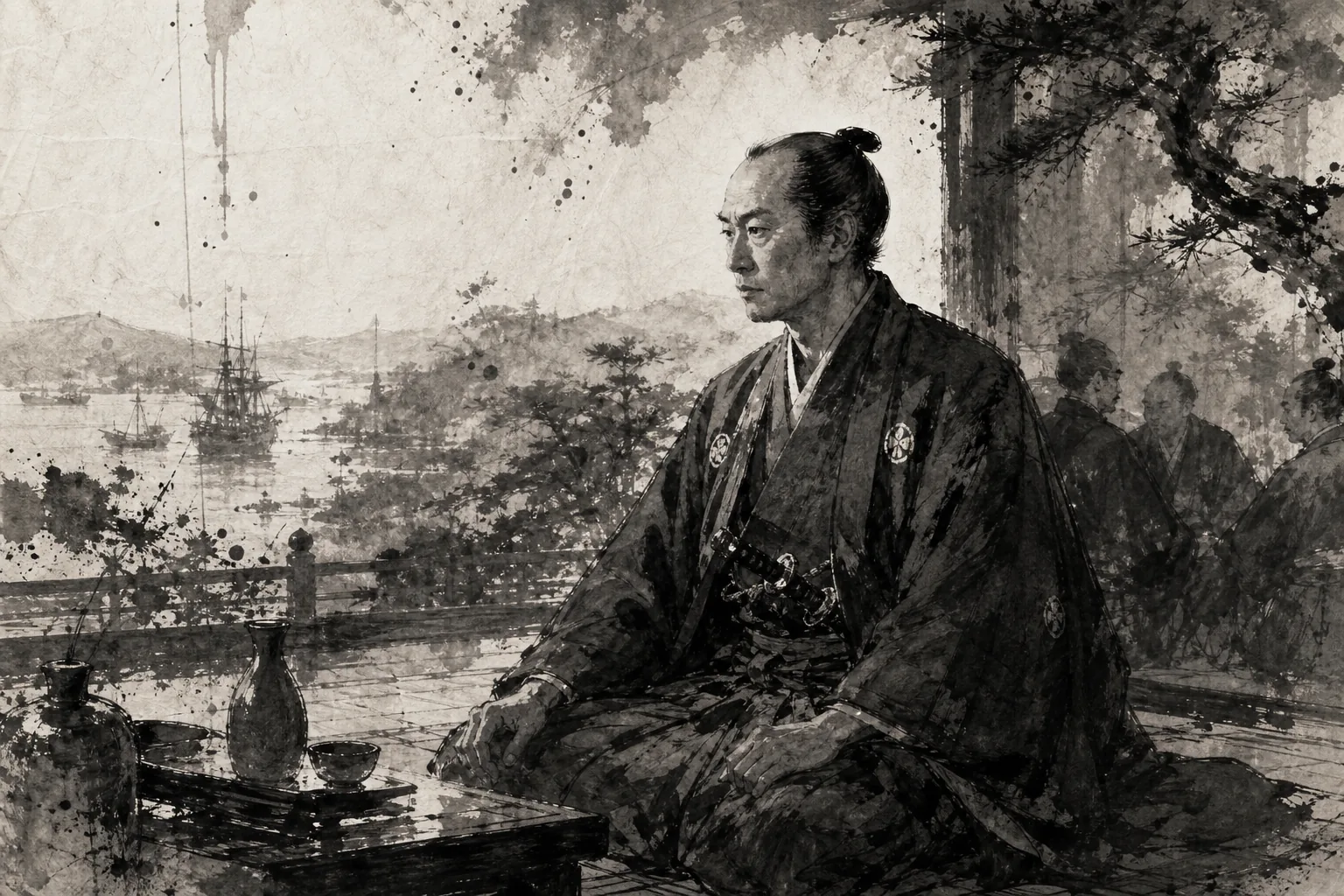
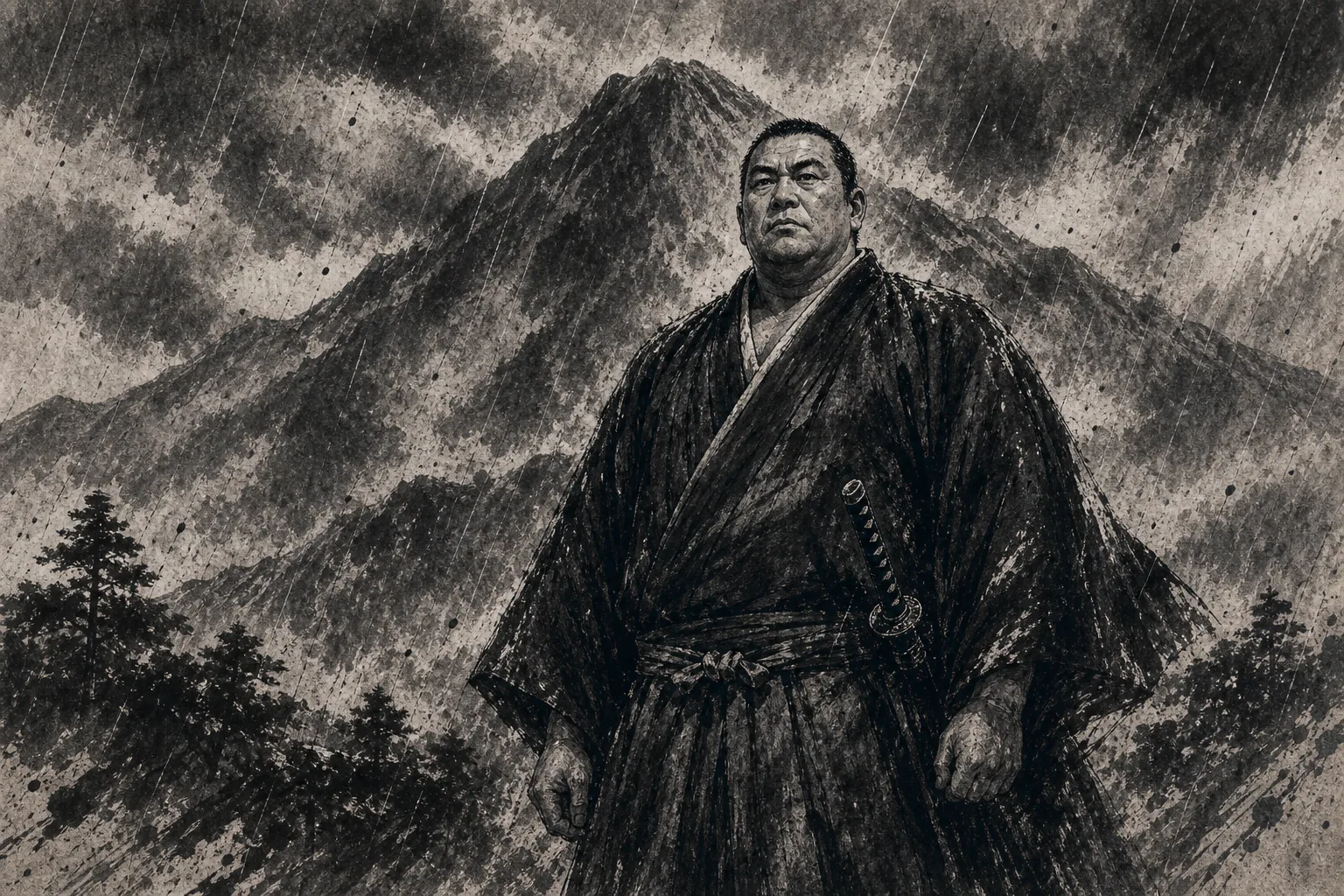
Shungaku Matsudaira · Fukui
Original
偶作
Shungaku Matsudaira's Chinese-style poem, "偶作我無才略我無奇常聽衆言從所宜人事". Read the original Japanese, modern translation, interpretation, and historical context as distinct parts of the poem.
Person
Lord of Fukui and one of the Four Wise Lords, involved in shogunate reform and the promotion of Hashimoto Sanai.
Learn about Matsudaira Shungaku
Translation
I possess no singular genius; I listen to many voices, for human affairs are as hard to foresee as wind, thunder, sun, and rain.
Poetic Shape Kanshi draws on a classical Chinese poetic tradition, where restraint, allusion, and moral tension carry much of the weight. The poem sounds formal, but the pressure beneath it is personal.
Reading
The poem captures Shungaku's style of leadership.Rather than force, it turns listening and the difficulty of judgment into poetry.
Background
A poem that reflects Shungaku, lord of Fukui, who took part in shogunate reform and promoted figures such as Hashimoto Sanai.It has a quiet political quality.
Source / Transmission Wording and readings may differ by transmission; this page treats the text as one circulated form.
Further Reading
Find related books and places to stay For readers who want more historical context, these links search for related books on external stores.
Affiliate link