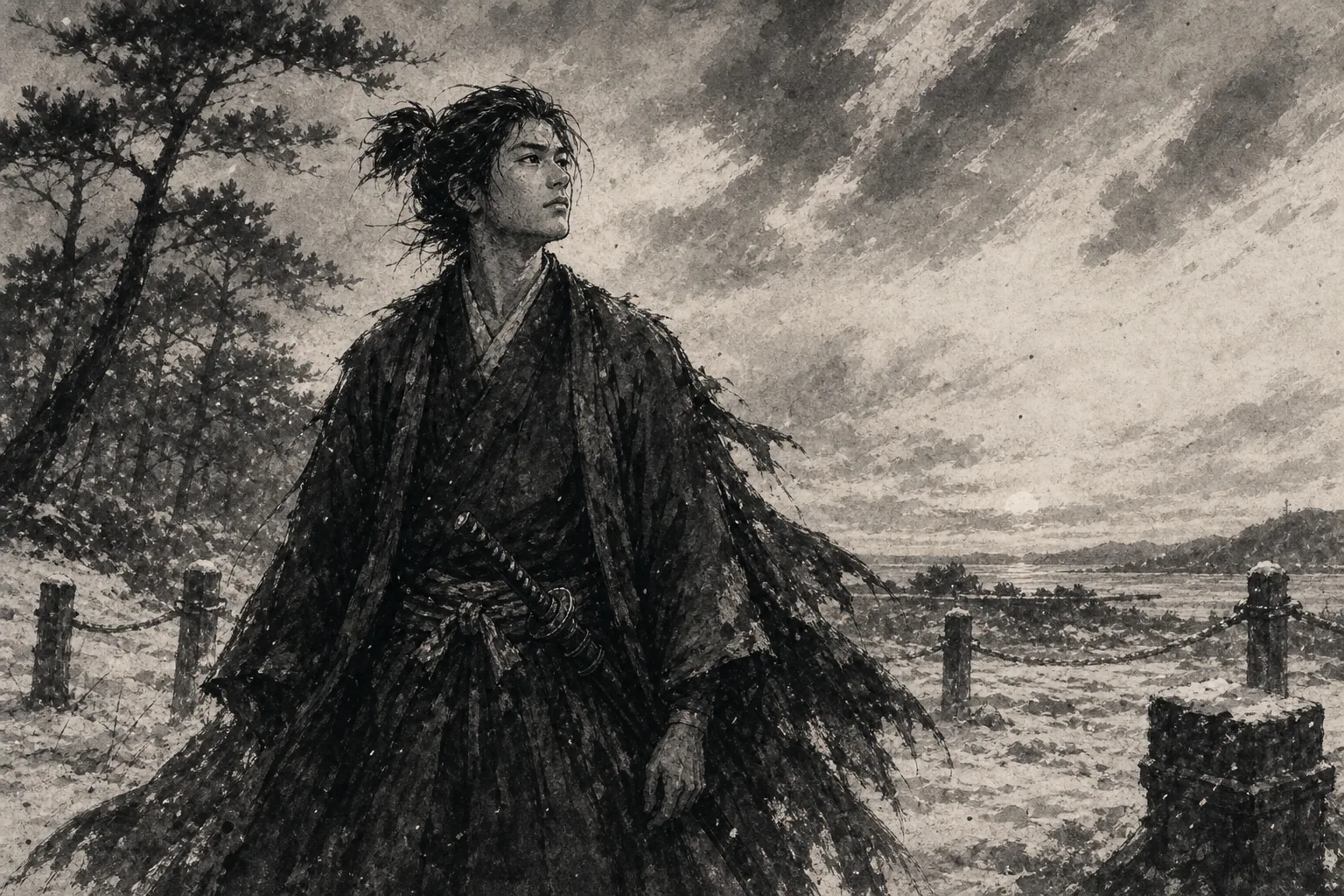
Shungaku Matsudaira · Fukui
Original
二日書事
Shungaku Matsudaira's Chinese-style poem, "二日書事習習東風吹柳長新鶯出谷報靑陽". Read the original Japanese, modern translation, interpretation, and historical context as distinct parts of the poem.
Person
Lord of Fukui and one of the Four Wise Lords, involved in shogunate reform and the promotion of Hashimoto Sanai.
Learn about Matsudaira Shungaku
Translation
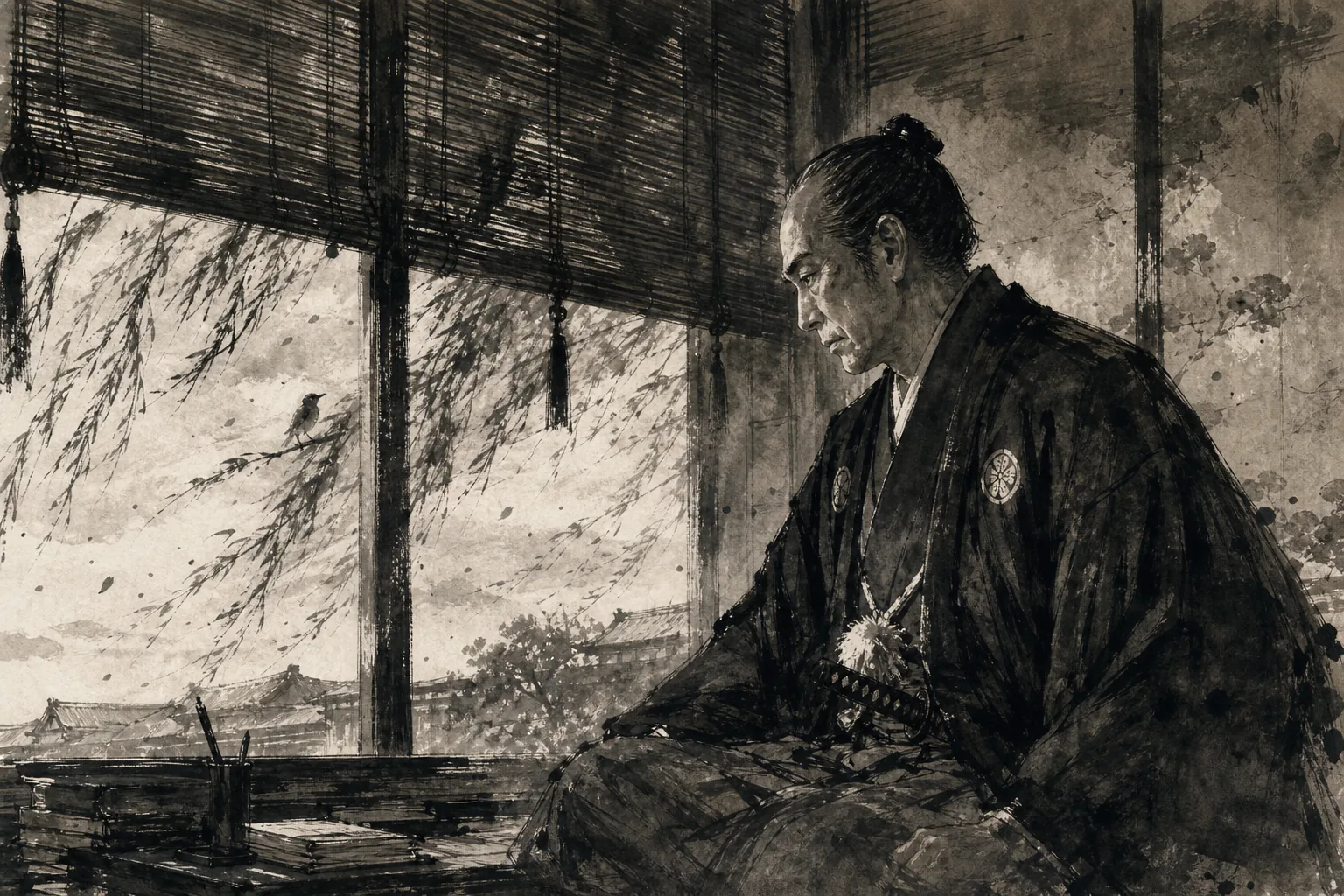
Spring wind moves the willows and a new warbler announces the season, yet I lower the blinds all day, grieving quietly for the emperor’s death.
Poetic Shape Kanshi draws on a classical Chinese poetic tradition, where restraint, allusion, and moral tension carry much of the weight. The poem sounds formal, but the pressure beneath it is personal.
Reading
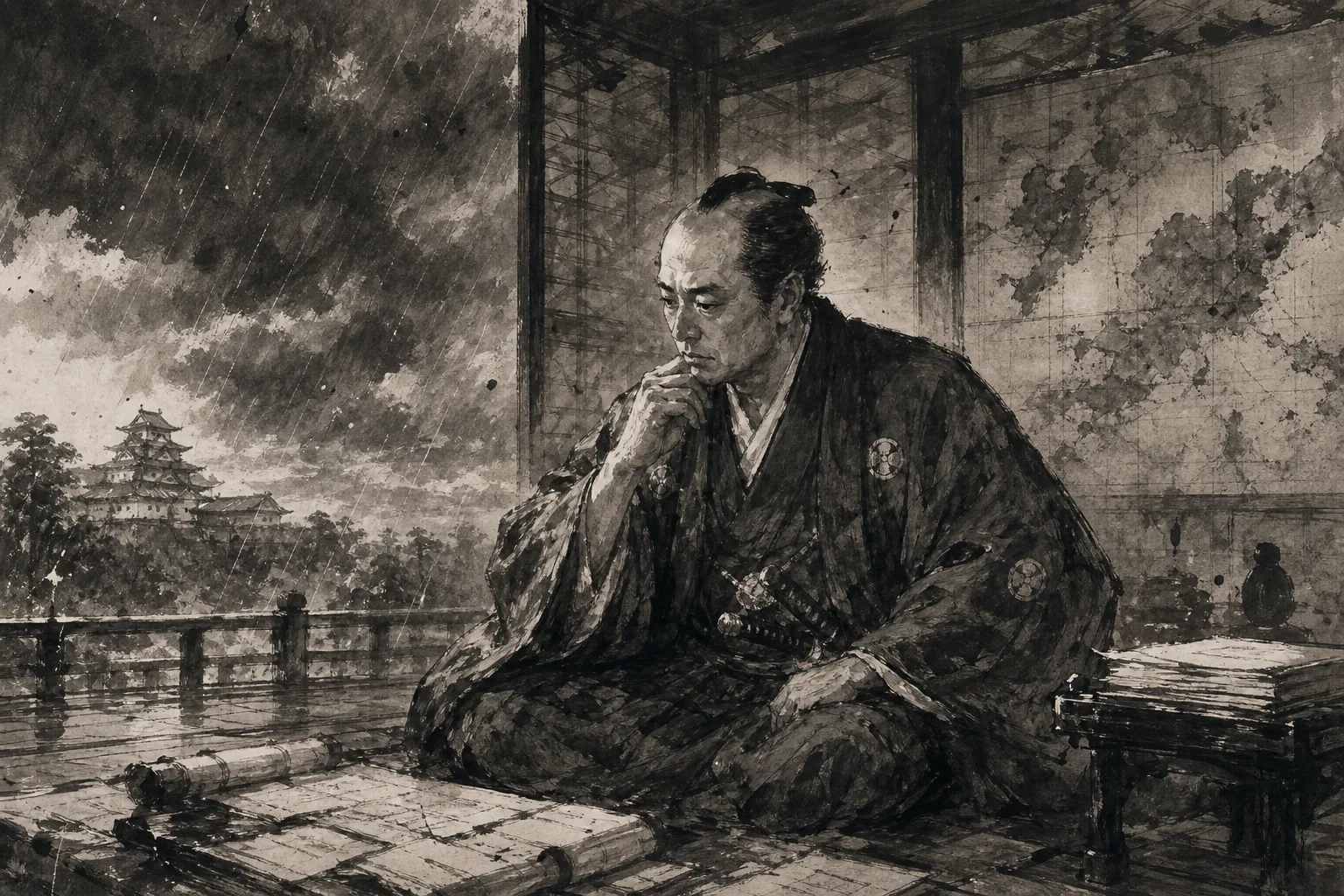
The poem receives a political event through the brightness of spring and the darkness of heartbreak.It shows Shungaku's refined sorrow.
Background
A Chinese poem written after hearing of Emperor Komei's death.It depicts, in a quiet room, an event that deeply shook Bakumatsu politics.
Source / Transmission Wording and readings may differ by transmission; this page treats the text as one circulated form.
Further Reading
Find related books and places to stay For readers who want more historical context, these links search for related books on external stores.
Affiliate link