Mito and Kodokan
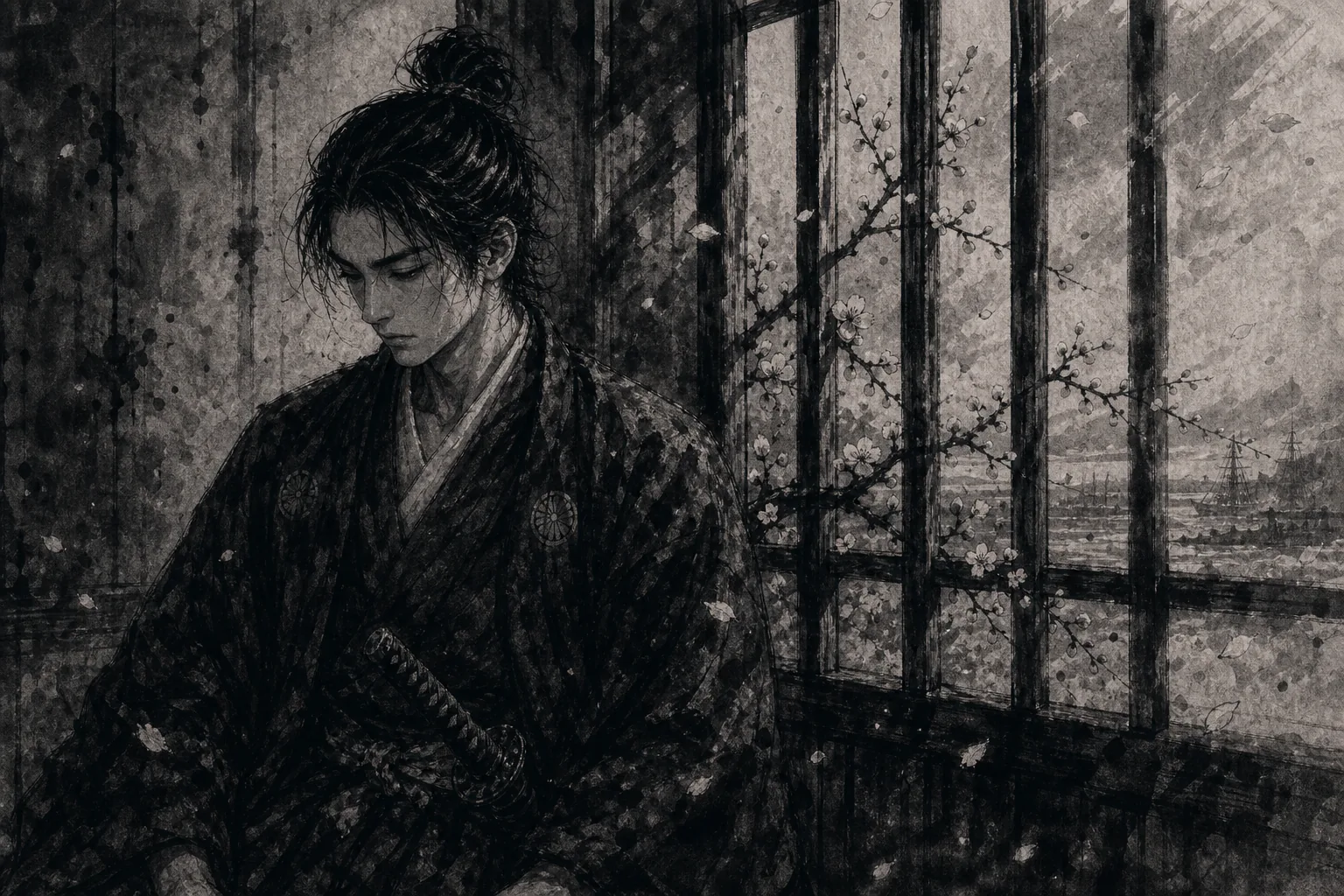
Raised near Toko's Household and the Domain School
He encountered political study where family instruction, domain administration, and martial education met.
Know the Person
Trace Koshiro Fujita through the physical settings of Mito domain education, the improvised headquarters on Mount Tsukuba, the Nakaminato furnace and cannon, post roads and camps, winter marching equipment, and the herring-fertilizer warehouses of Tsuruga. These places and objects show how inherited political language became organization, logistics, civil war, surrender, confinement, and execution.
Life
Mito and Kodokan
He encountered political study where family instruction, domain administration, and martial education met.
Mito and Edo
After major losses among Mito leaders, loyalist and conservative factions moved toward armed confrontation.
Mount Tsukuba
The demand for immediate exclusion expanded into a large force and drew domain and shogunate pursuit.
Nakaminato and northern Kanto
Fighting and movement exposed problems of artillery, finance, supplies, discipline, and civilian coercion.
Shimonita, Wada Pass, and Echizen
Nearly one thousand people sought an appeal through Yoshinobu, who instead took command of the pursuit.
Tsuruga
After surrender and transfer to shogunate custody, Koshiro was held under severe conditions and executed.
茨城県水戸市
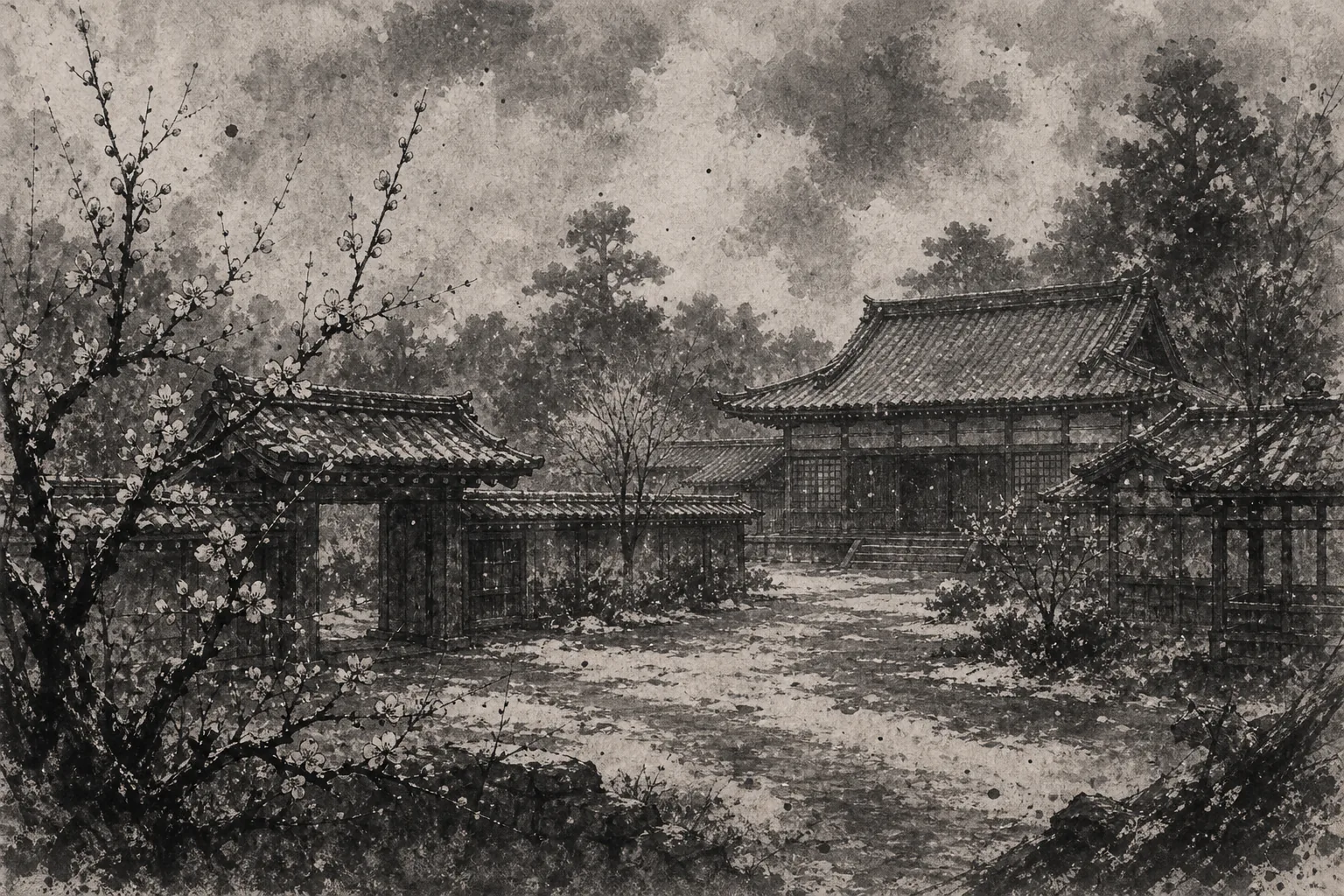
藤田東湖が設計に関わった藩校と、水戸藩内の政治対立が近接した小四郎の出発地。
藤田小四郎
Address茨城県水戸市三の丸1丁目6-29
Nearby
茨城県つくば市
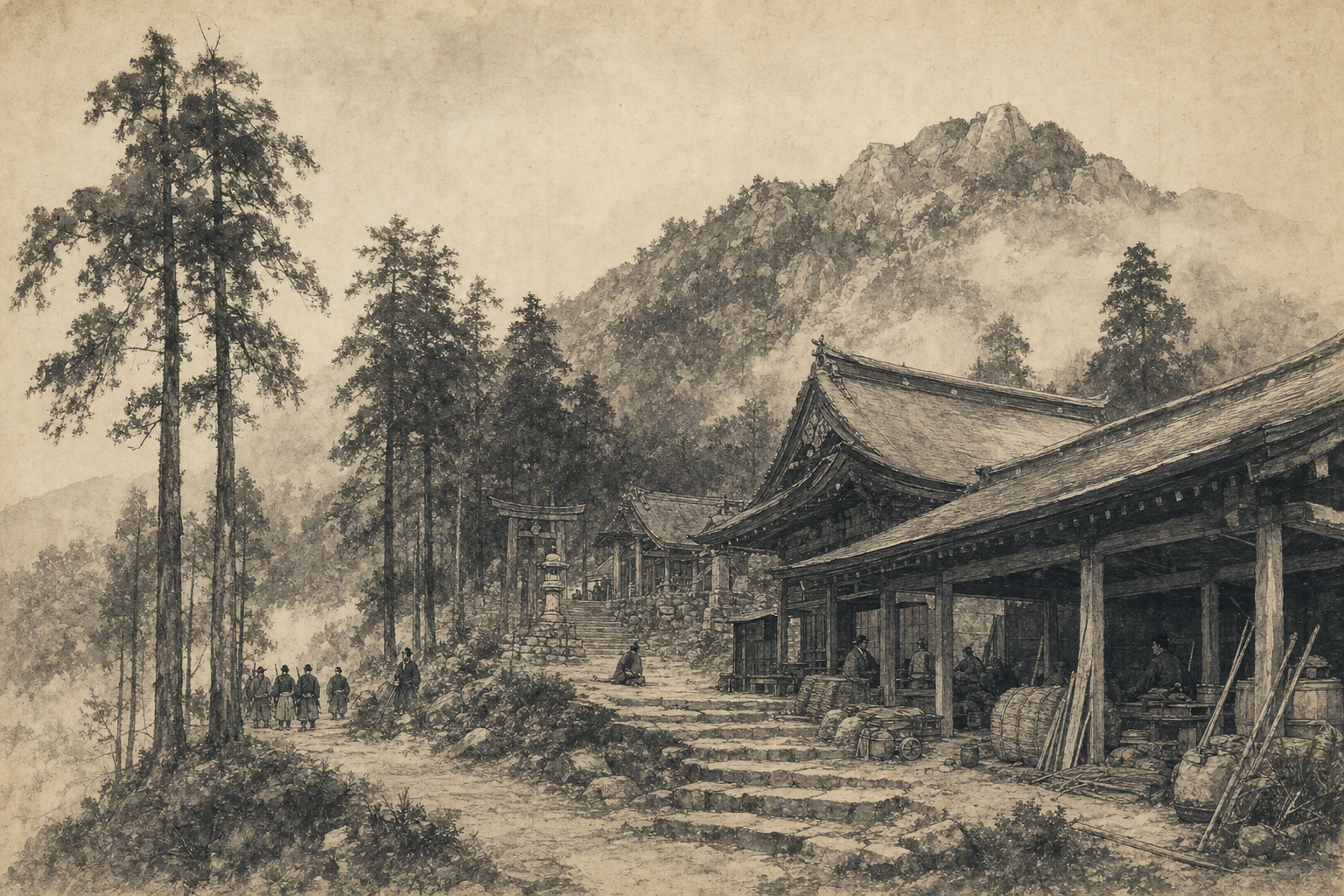
1864年3月、藤田小四郎ら六十余人が集まり、天狗党の挙兵を始めた山。
藤田小四郎
Address茨城県つくば市筑波1
Nearby
福井県敦賀市
西上軍が降伏し、寺院収容から鰊蔵幽閉を経て処刑された終着地。
藤田小四郎
Address福井県敦賀市松島町
Nearby
Keys
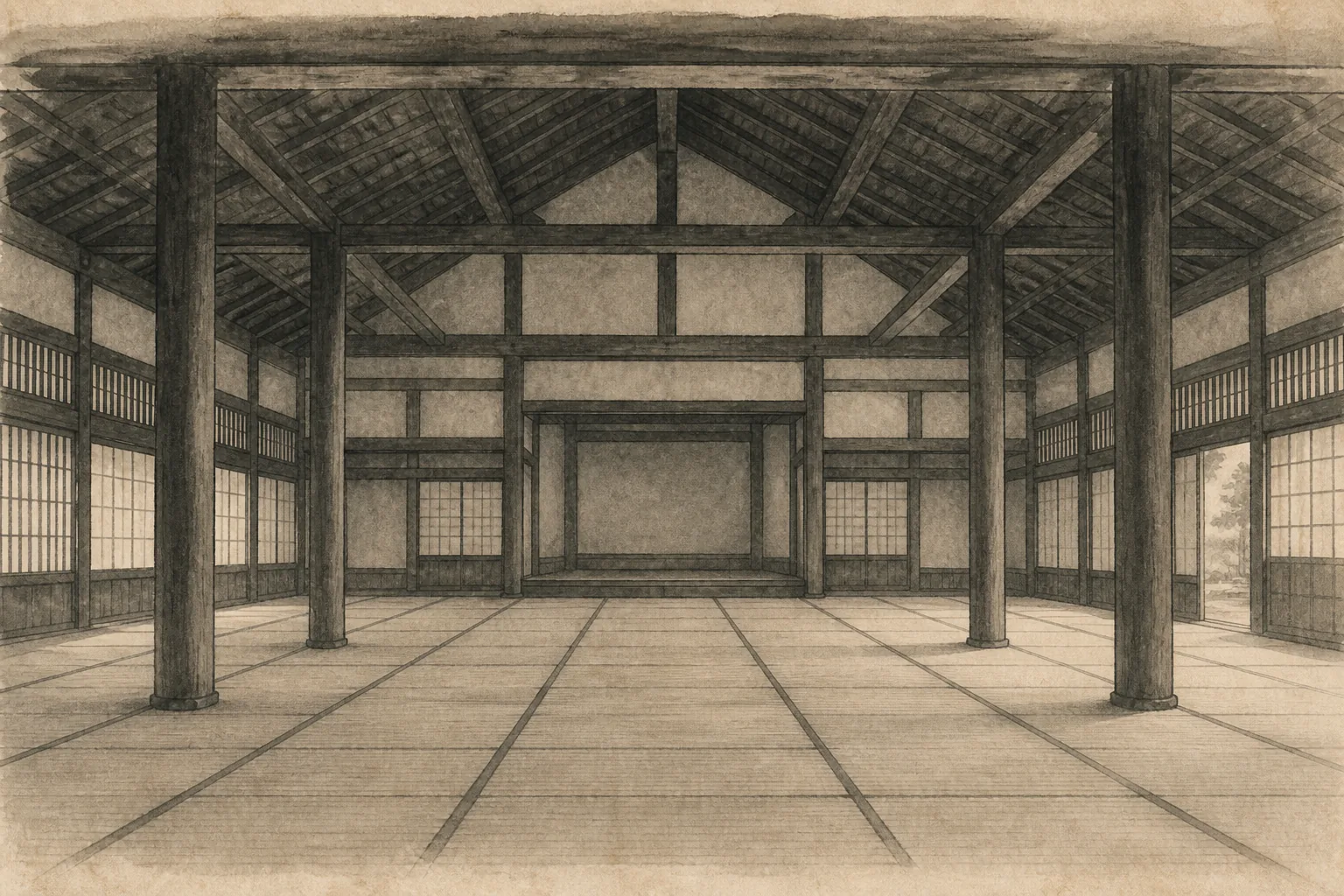
Kodokan stood in the third enclosure of Mito Castle and combined formal halls with grounds for sword, spear, riding, and other martial disciplines. Fujita Toko, Koshiro's father, helped shape the school and its demand that study lead to public action. Koshiro therefore encountered loyalist and exclusionist arguments not only as family teaching but inside an institution that trained domain personnel, connected scholarship to administration, and placed political judgment beside physical discipline.
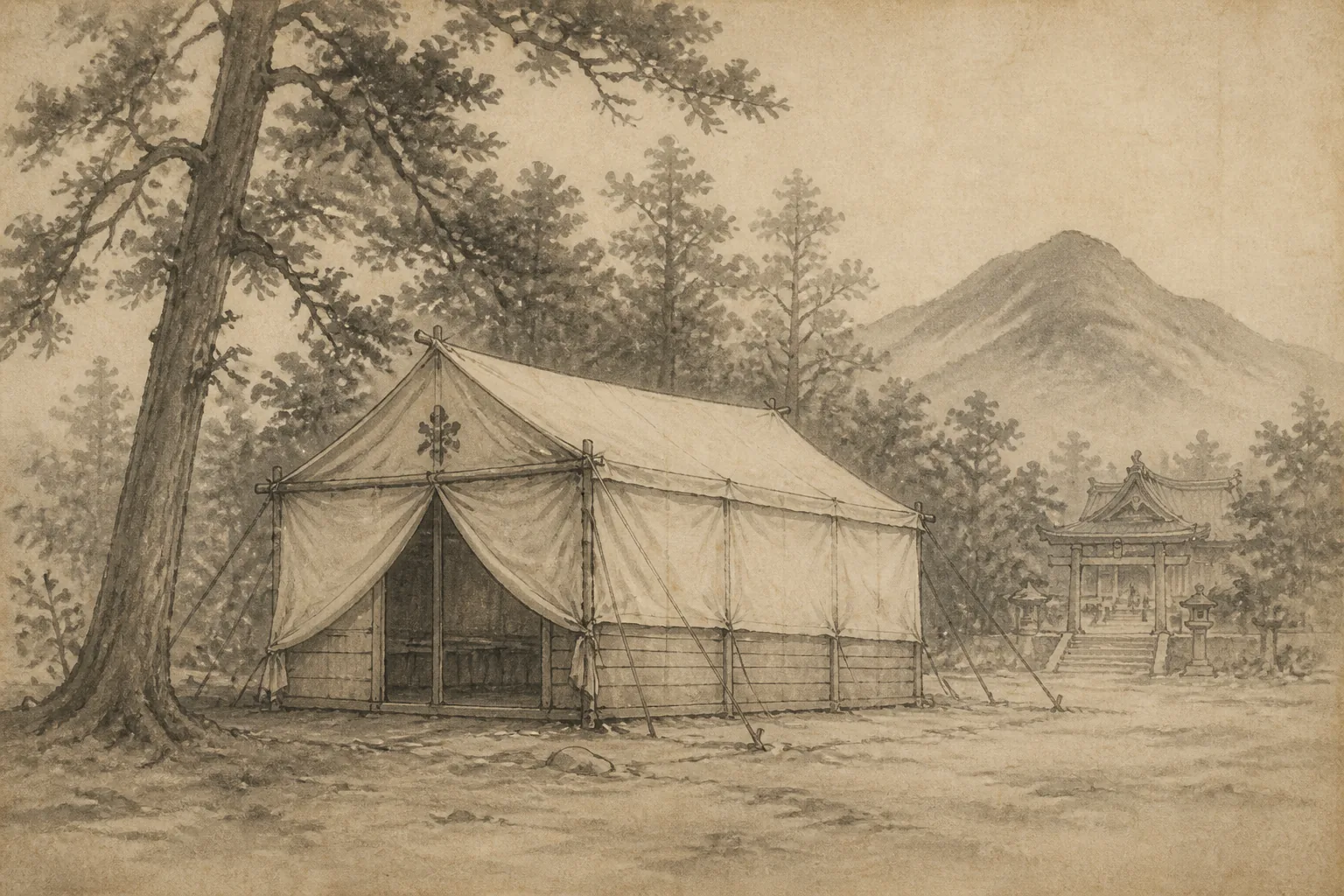
Shrine buildings, stone approaches, wooded paths, and temporary shelters made Mount Tsukuba a recognizable meeting place and an improvised headquarters. In March 1864 Koshiro and a little over sixty companions raised their force there. The setting mattered because declarations alone could not sustain a rising: assignments, lodging, food, weapons, and messengers had to be arranged. As recruitment expanded, the mountain camp became the starting point of a violent conflict within Mito domain.
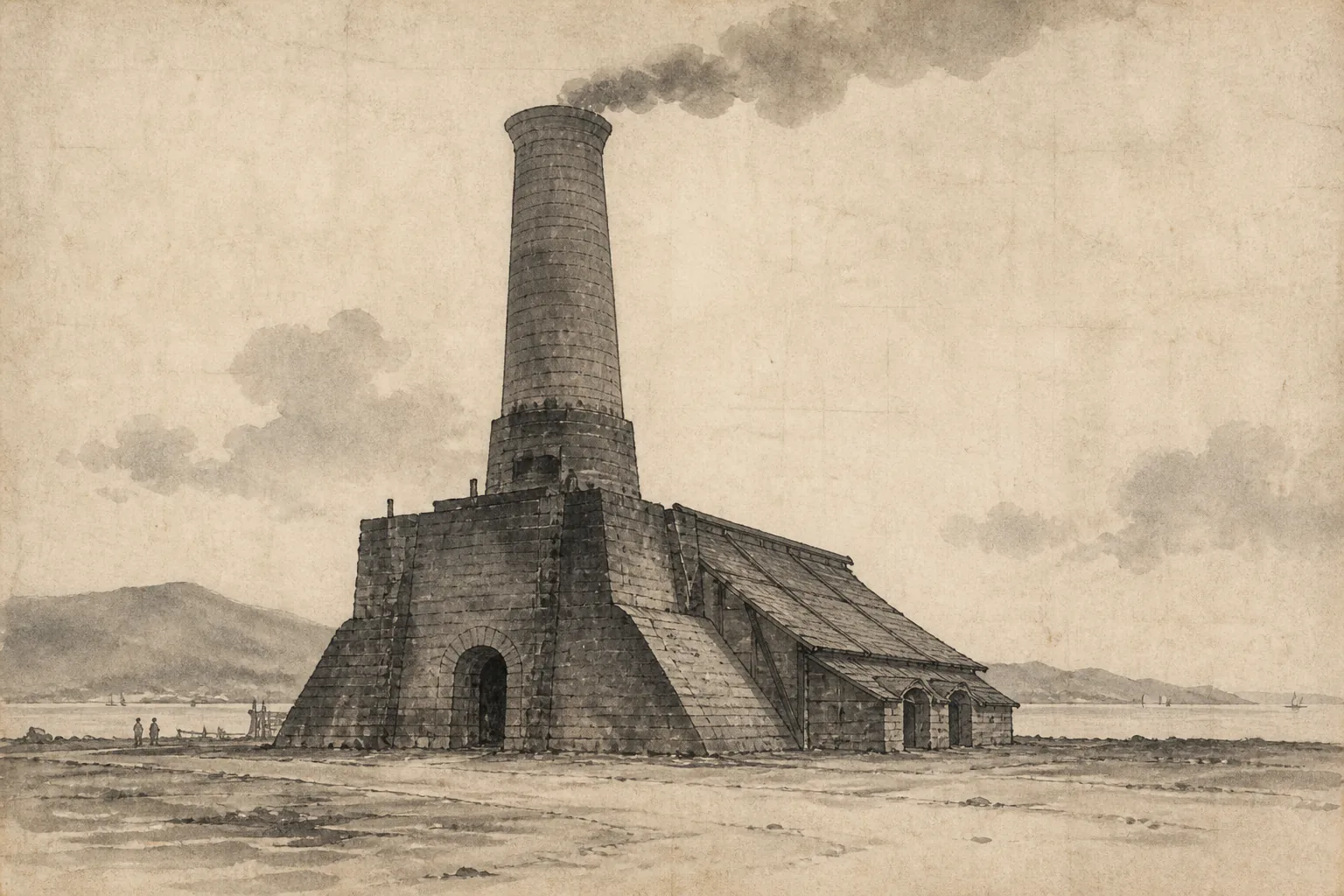
The reverberatory furnace at Nakaminato was a brick industrial installation for melting iron and casting artillery. Mito City Museum materials pair the destroyed furnace site with the cannon known as Ki. Together they show that the domain conflict required workshops, refractory brick, charcoal, molds, transport, powder, and trained labor. Koshiro's campaign was not only a sequence of speeches and vows; it became tied to heavy manufactured objects that had to be produced, moved, supplied, and aimed.
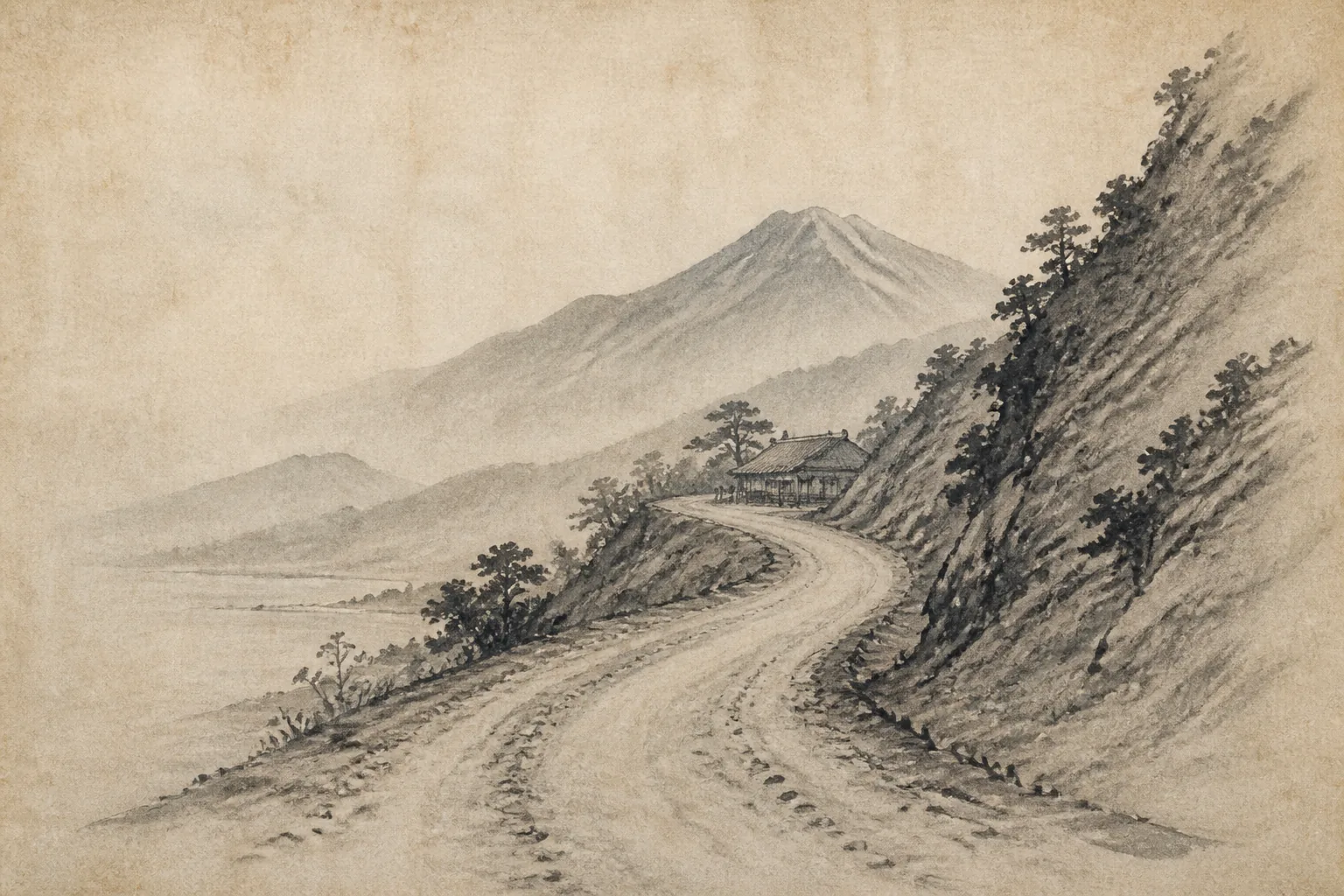
The Tsukuba force moved along the Reheishi highway and established a headquarters on Mount Ohira. Post towns supplied rooms, food, horses, information, and routes, but they also exposed civilians to demands for money and provisions. Abusive collection by parts of the force damaged local support. Reading the campaign through roads, inns, and storehouses makes Koshiro's movement a logistical occupation of shared infrastructure rather than a heroic march across an empty map.
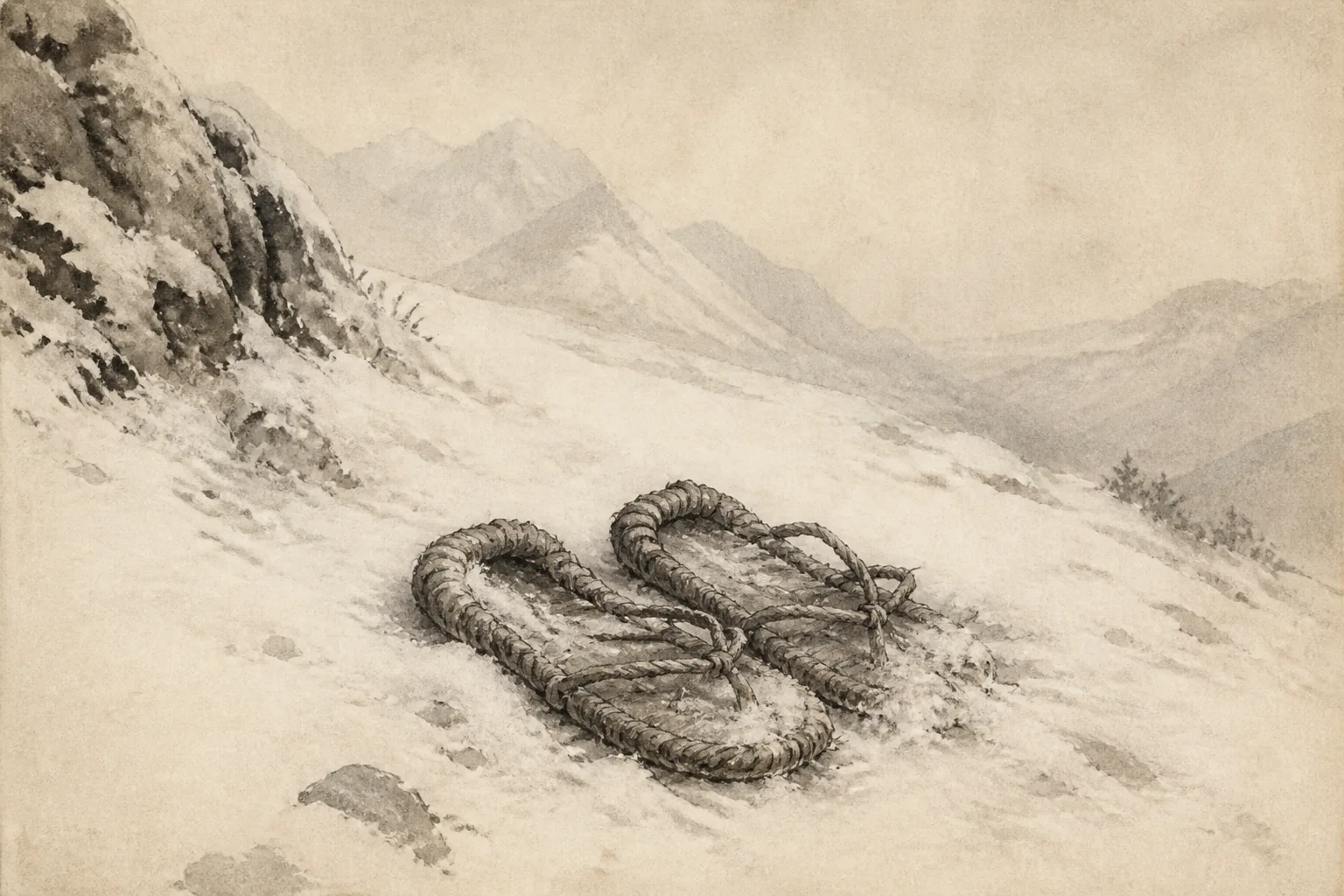
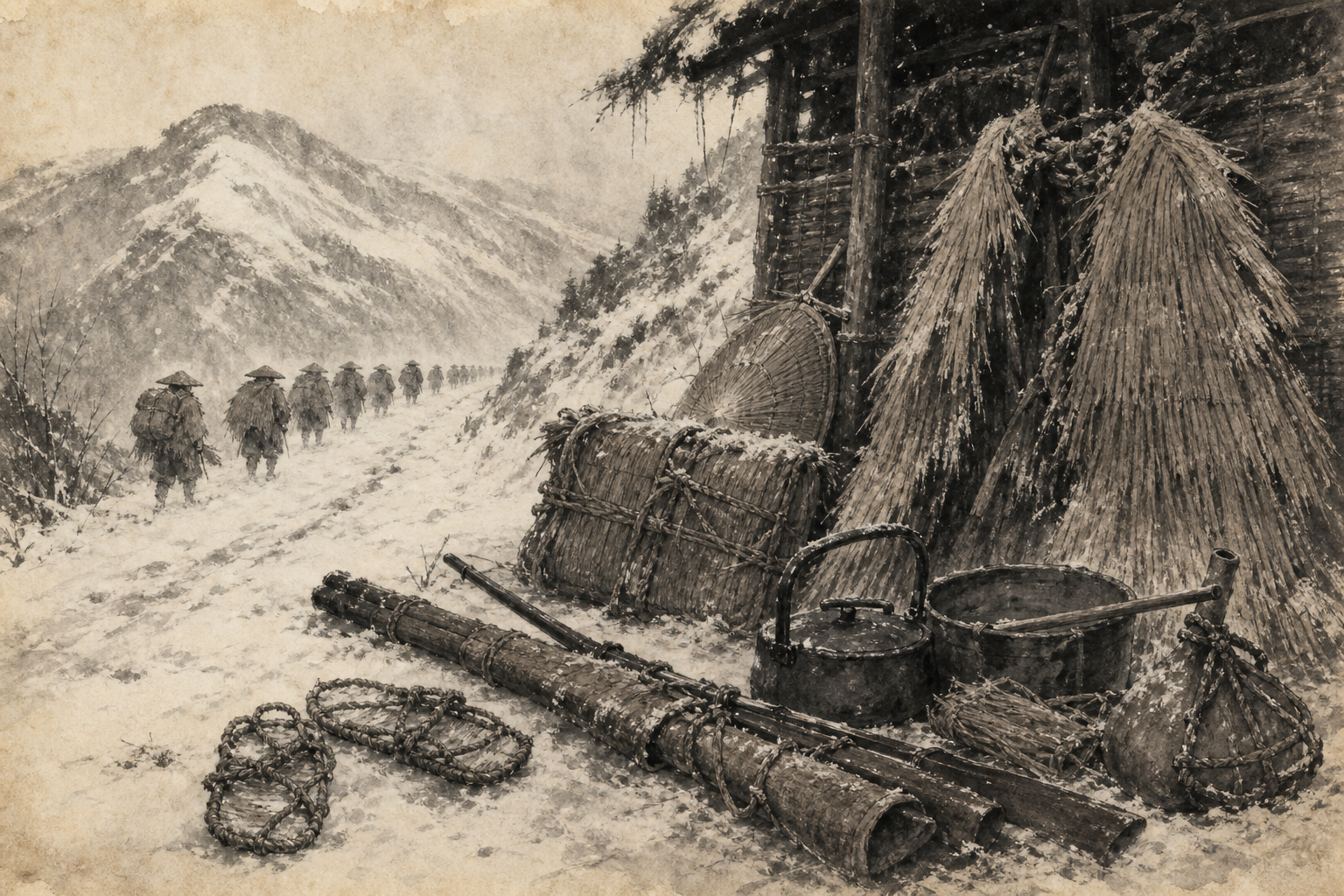
The westward force altered its route to avoid a major clash on the Nakasendo and entered Echizen in December snow. Straw capes, hats, sandals, pack ropes, cooking kettles, and covers for firearms were expendable equipment that determined how far people could move. In a column approaching one thousand, wet footwear, food, shelter, and damaged loads could slow political purpose to a crawl. The appeal to Hitotsubashi Yoshinobu was carried by bodies and objects worn down on mountain roads.
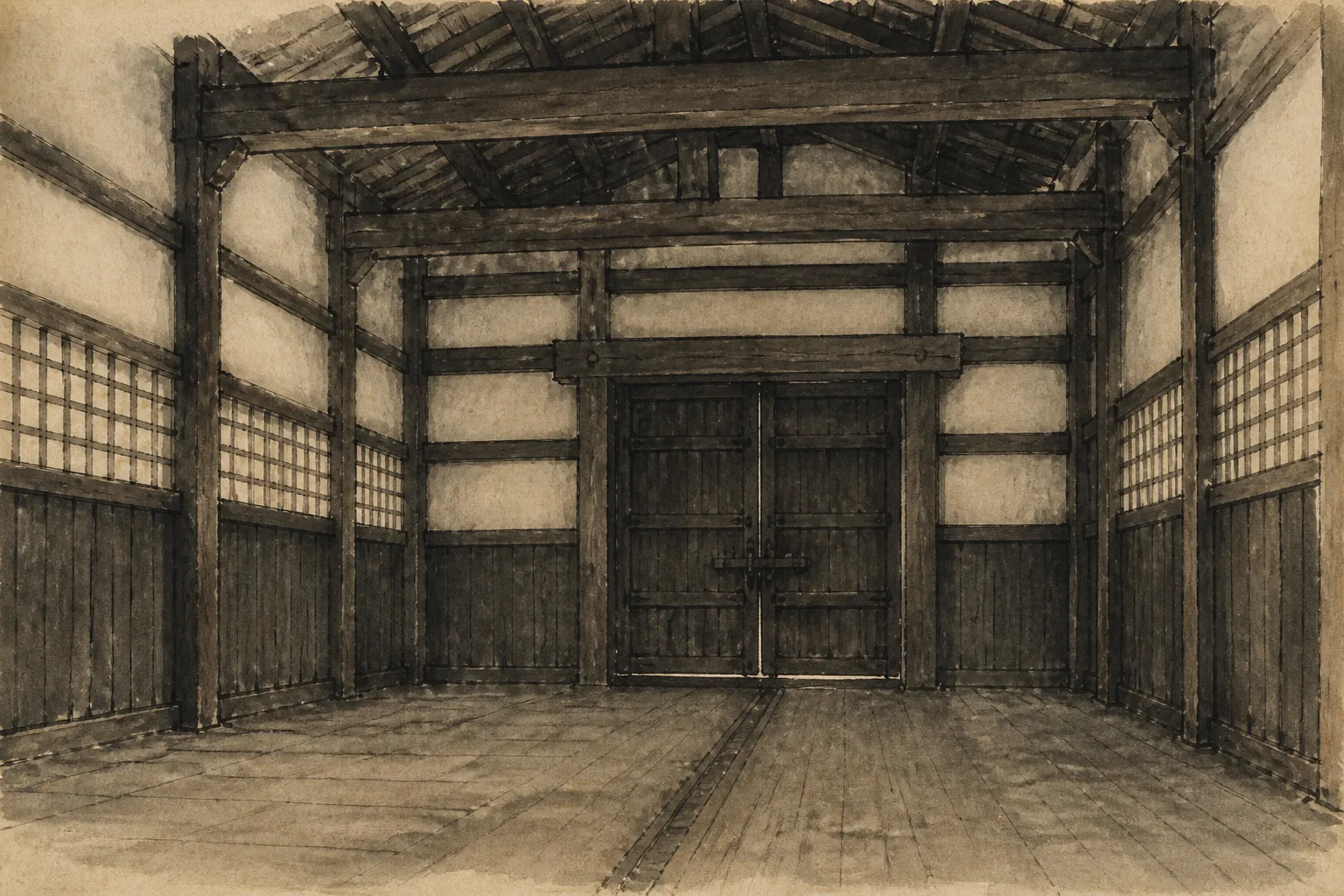
After surrender, the force was first confined in three Tsuruga temples. Once transferred to shogunate control, prisoners were packed roughly fifty at a time into sixteen warehouses normally used for herring fertilizer. Ventilation and sanitation were poor, and illness spread before executions at Raihoji-no. The present Takeda Kounsai graves also record a later material history: local residents continued memorial rites and rebuilt several burial mounds into a larger protected grave site.
VISIT
Search events related to Koshiro Fujita →Browse all Bakumatsu events →