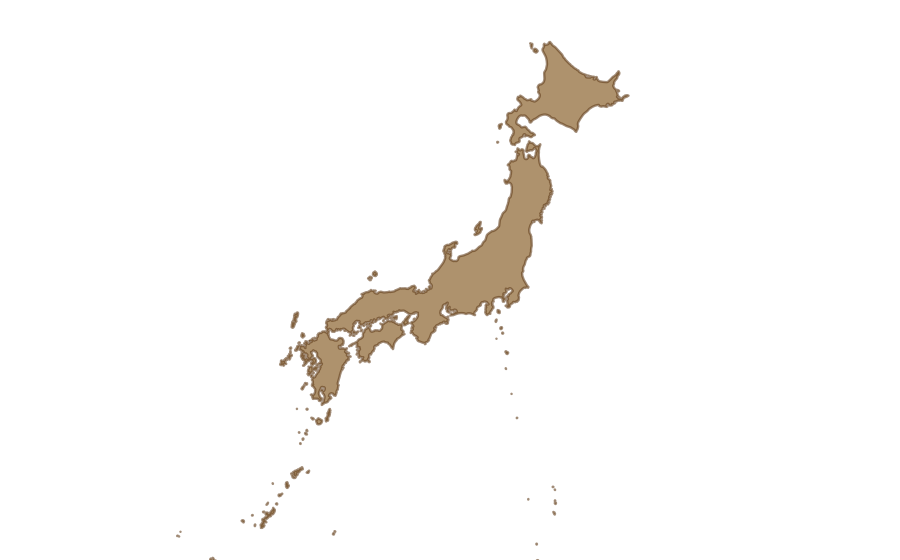
Edo and Mito
Adoption into Hitotsubashi Makes Him a Shogunal Candidate
Born to Tokugawa Nariaki, he inherited Hitotsubashi and became the reform lords' succession candidate before defeat and confinement in the Ansei crisis.
Know the Person
Yoshinobu is traced beyond the phrase 'last shogun who restored power': Hitotsubashi succession, reform as shogunal guardian, political design at Nijo, withdrawal from Osaka, submission at Kaneiji, and more than four decades of life after office.
Life
Edo and Mito
Born to Tokugawa Nariaki, he inherited Hitotsubashi and became the reform lords' succession candidate before defeat and confinement in the Ansei crisis.
Edo and Kyoto
He returned through the guardian office, pursuing reform and Kyoto policy before succeeding Iemochi as shogun.
Nijo Castle
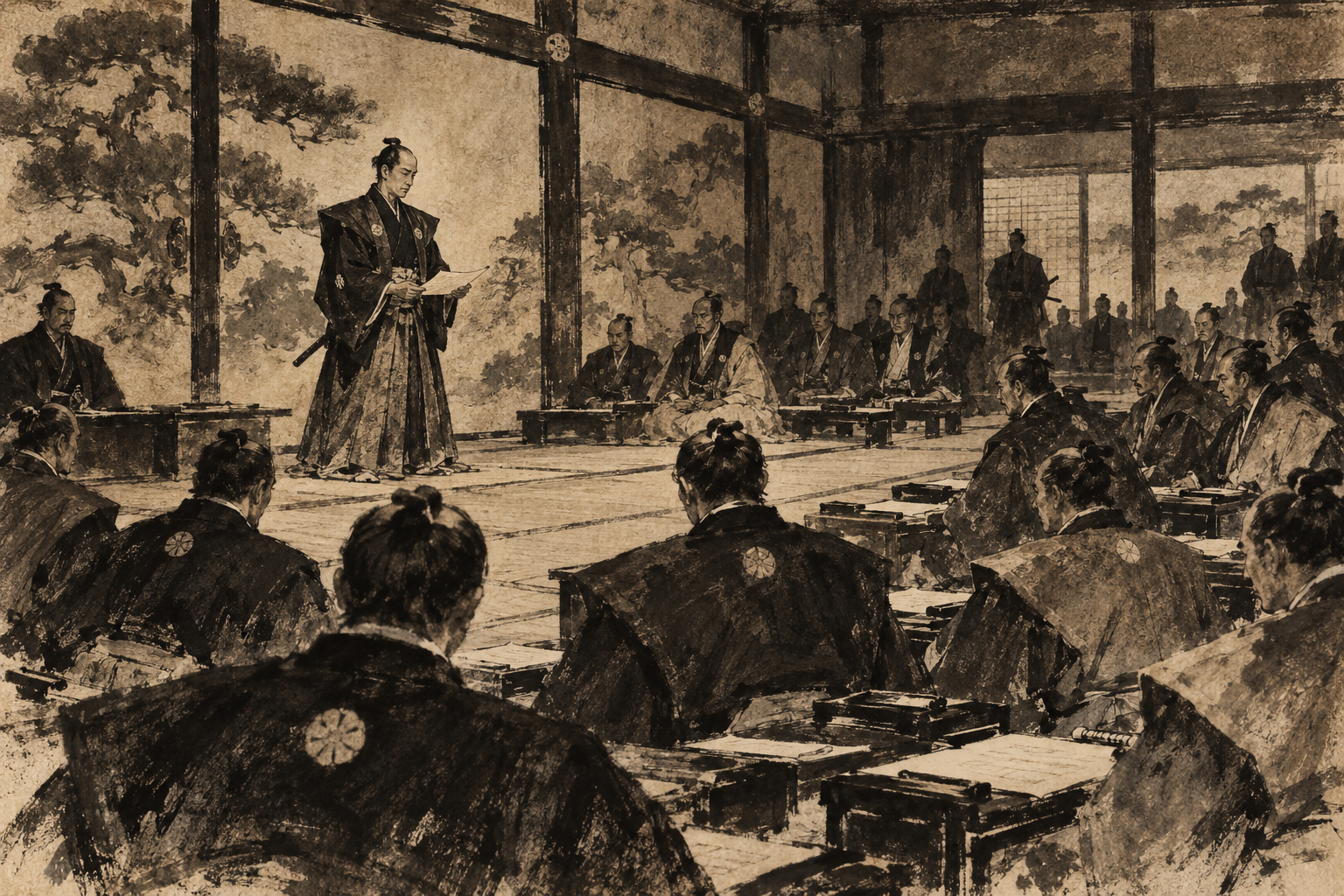
The proposal sought to avoid war while retaining a Tokugawa role in a new council; it was not an immediate withdrawal from politics.
Osaka and Edo
His departure left troops confused, but in Edo he restrained resistance and entered confinement at Kaneiji.
Shizuoka and Tokyo
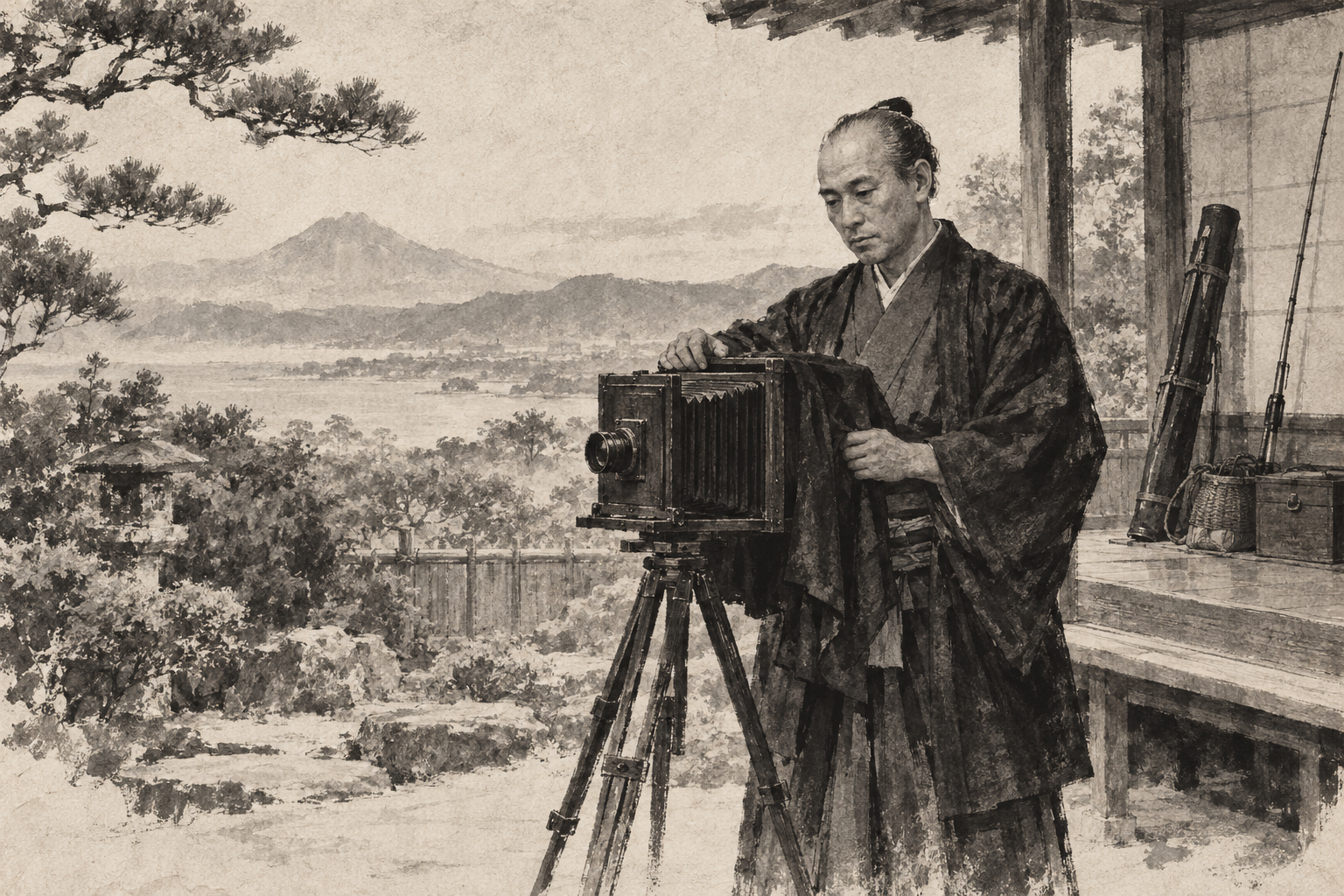
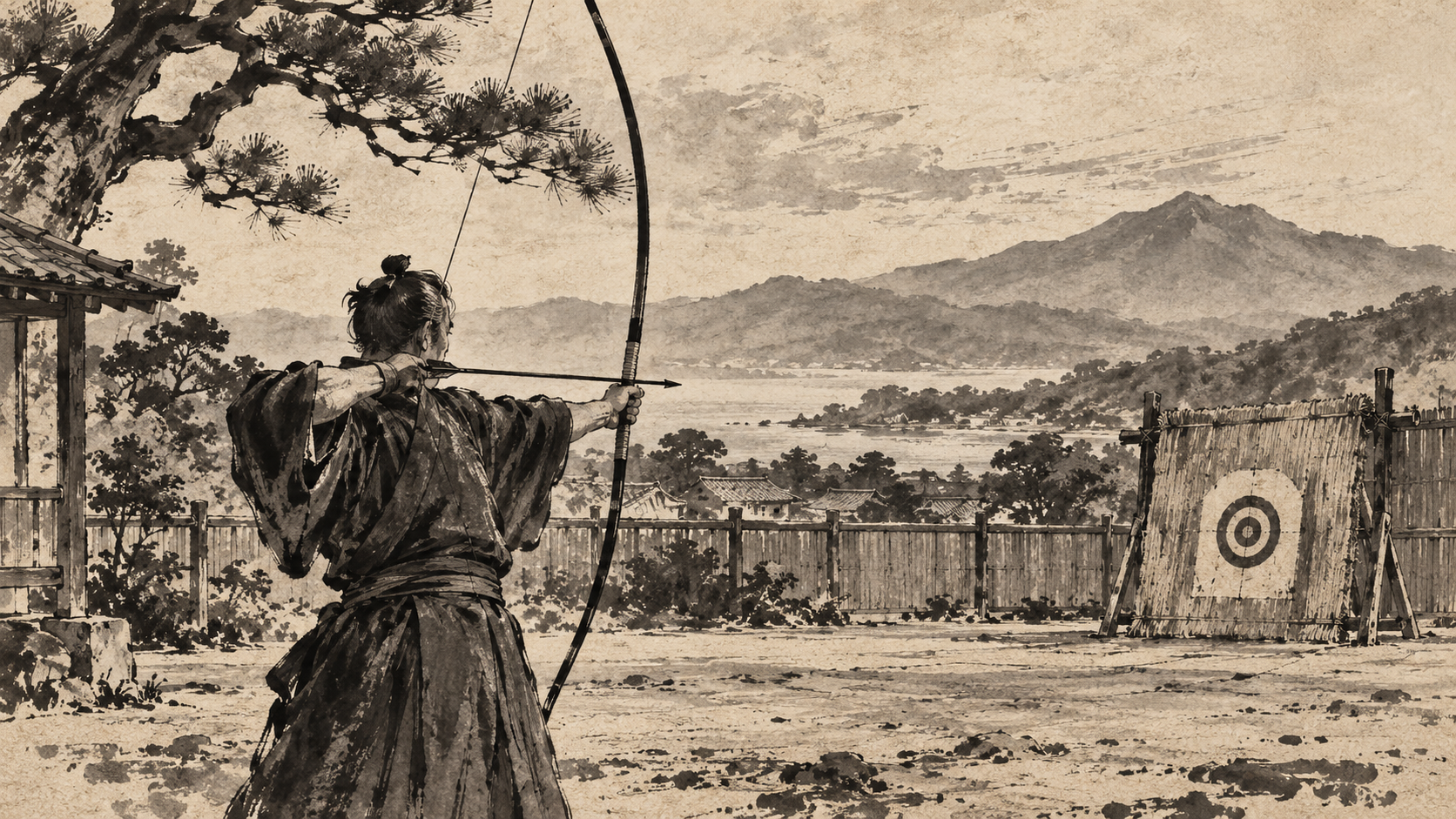
In Shizuoka he pursued photography, archery, fishing, painting, and verse. He returned to Tokyo in 1897 and died in 1913.
京都府京都市
大政奉還を、城内の会議と諸藩への提示という政治手続から見る。
徳川慶喜・諸藩重臣
Address京都府京都市中京区二条城町541
Nearby
東京都台東区
謹慎と恭順を、江戸城開城交渉の一要素として見る。
徳川慶喜
Address東京都台東区上野桜木1丁目14-11
Nearby
静岡県静岡市
長い隠退生活を、写真、弓、庭園、地域の生活からたどる。
徳川慶喜
Address静岡県静岡市葵区紺屋町11-1
Nearby
Keys
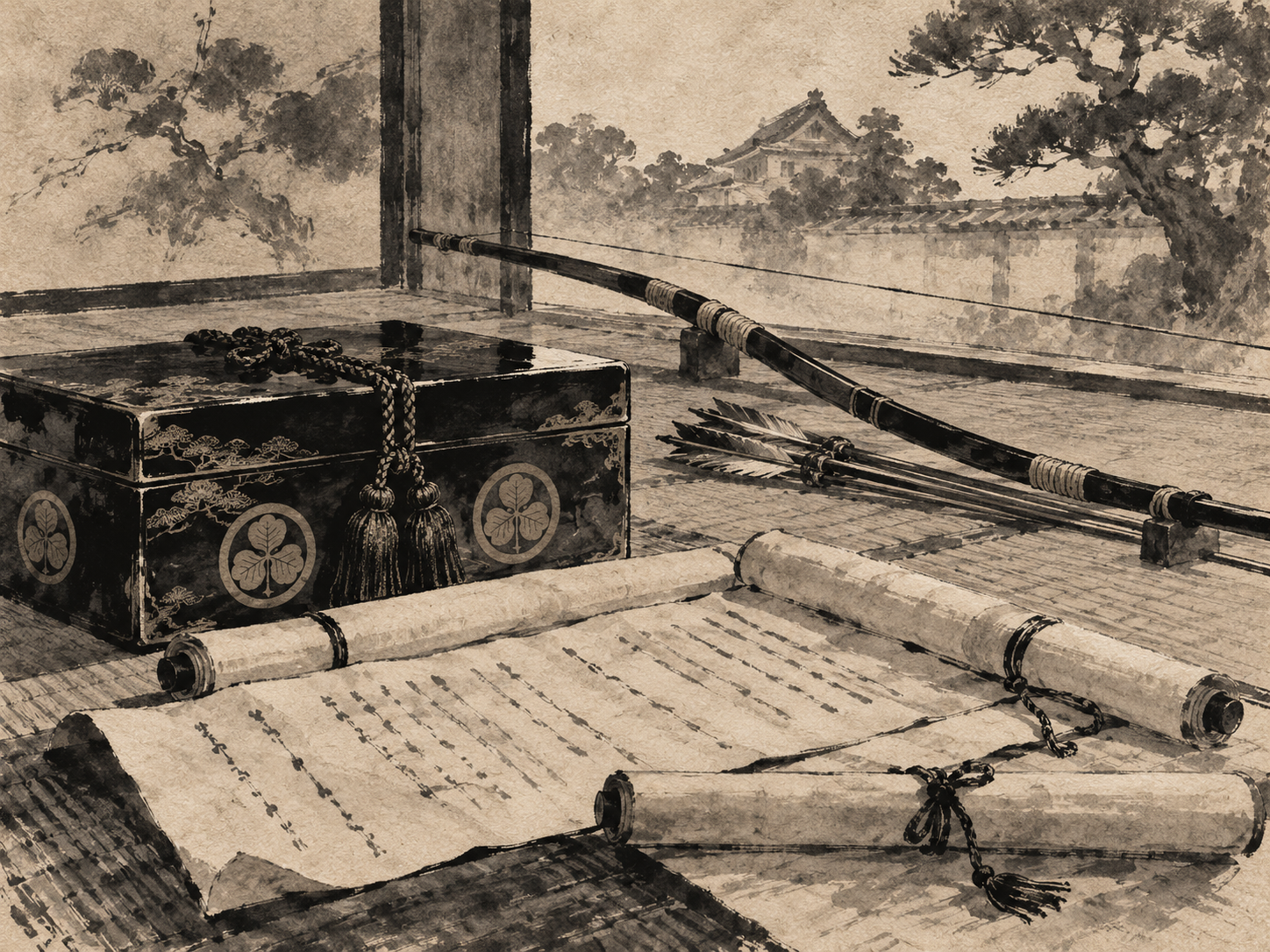
Adoption into Hitotsubashi positioned Yoshinobu for succession politics. Ability mattered, but so did the Gosankyo system and the expectations of reform-minded lords. To investigate “Institutions made a Mito son into a national candidate.” further, do not stop with a commemorative plaque. Compare the date, maker or former owner, provenance, restoration status, and present location of each element named in “Hitotsubashi Succession Papers.” Old maps, municipal histories, museum catalogues, document editions, material-culture studies, and field guides help distinguish contemporary evidence from reconstruction and later memory. They also provide a practical route to relevant books, facsimiles, maps, equipment histories, and a responsible site visit.
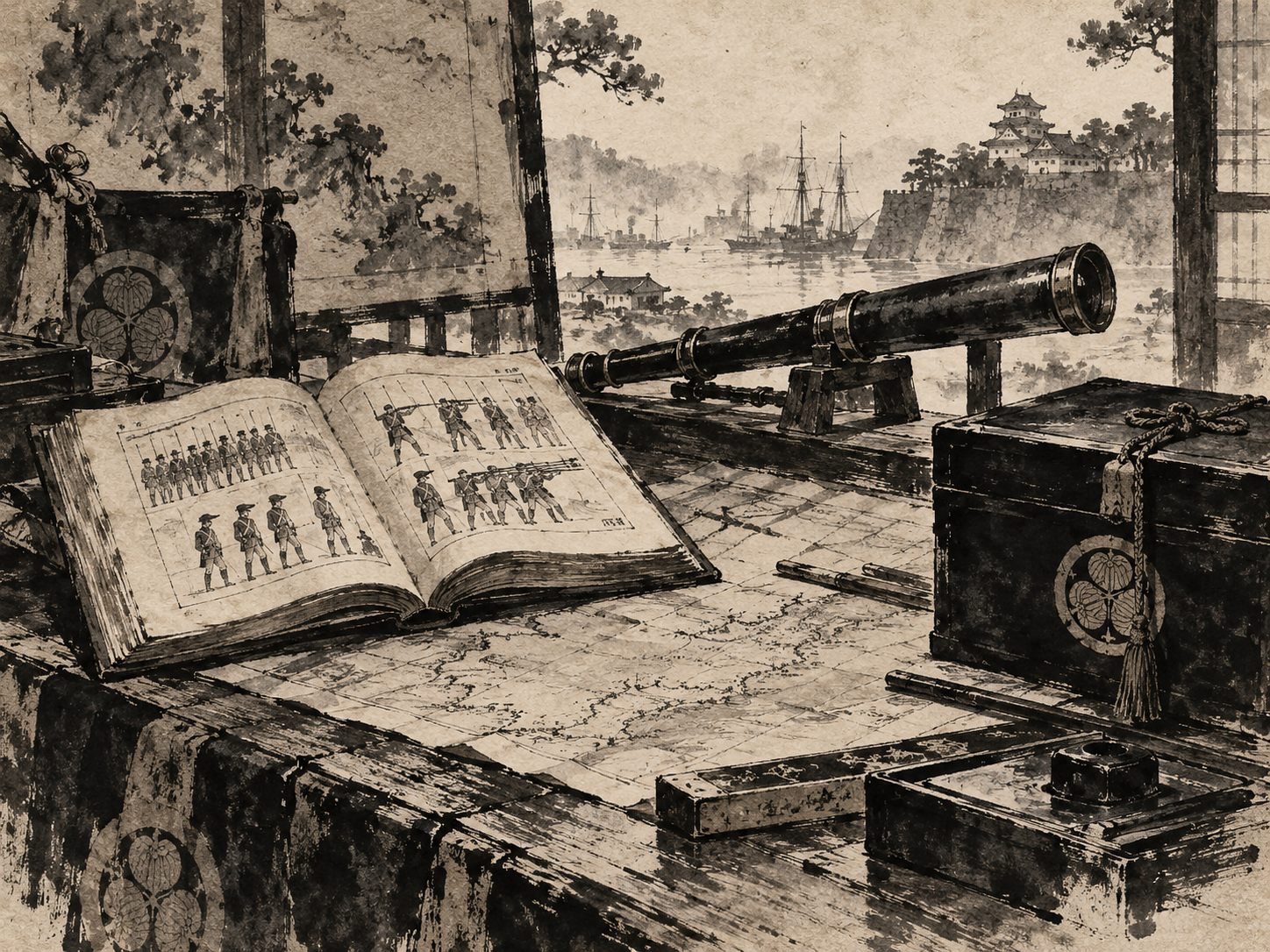
Yoshinobu worked on administration, Kyoto policy, and military change. Reform combined new techniques with an attempt to preserve the old political structure. To investigate “The guardian office did not merely wait for the next shogun.” further, do not stop with a commemorative plaque. Compare the date, maker or former owner, provenance, restoration status, and present location of each element named in “A Reform Order Box.” Old maps, municipal histories, museum catalogues, document editions, material-culture studies, and field guides help distinguish contemporary evidence from reconstruction and later memory. They also provide a practical route to relevant books, facsimiles, maps, equipment histories, and a responsible site visit.
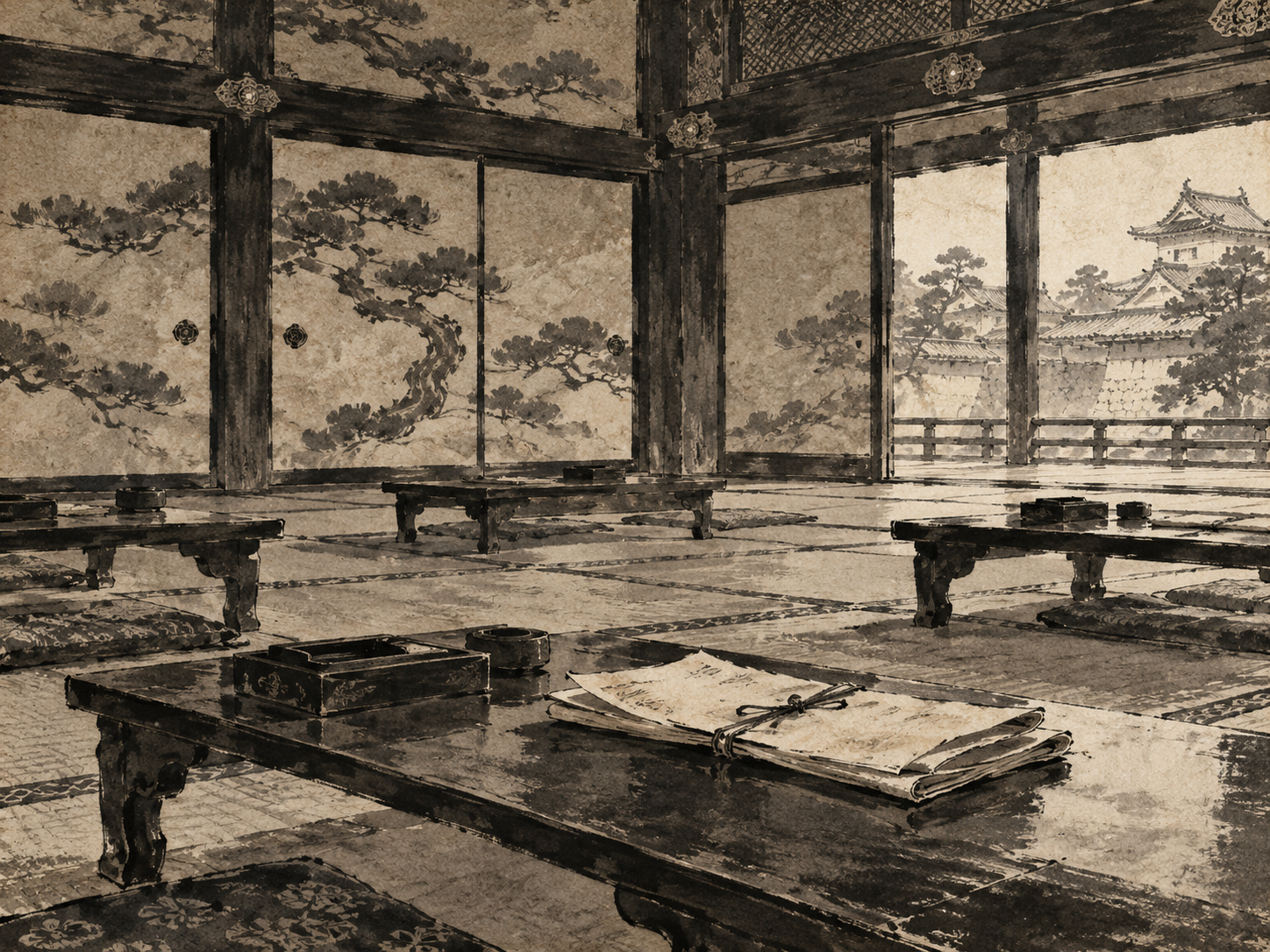
The proposal could avert war while allowing the Tokugawa house a place in a future council. Later outcomes should not be read backward into the decision. To investigate “Restoring authority did not necessarily mean surrendering influence.” further, do not stop with a commemorative plaque. Compare the date, maker or former owner, provenance, restoration status, and present location of each element named in “Low Desks at Nijo Castle.” Old maps, municipal histories, museum catalogues, document editions, material-culture studies, and field guides help distinguish contemporary evidence from reconstruction and later memory. They also provide a practical route to relevant books, facsimiles, maps, equipment histories, and a responsible site visit.
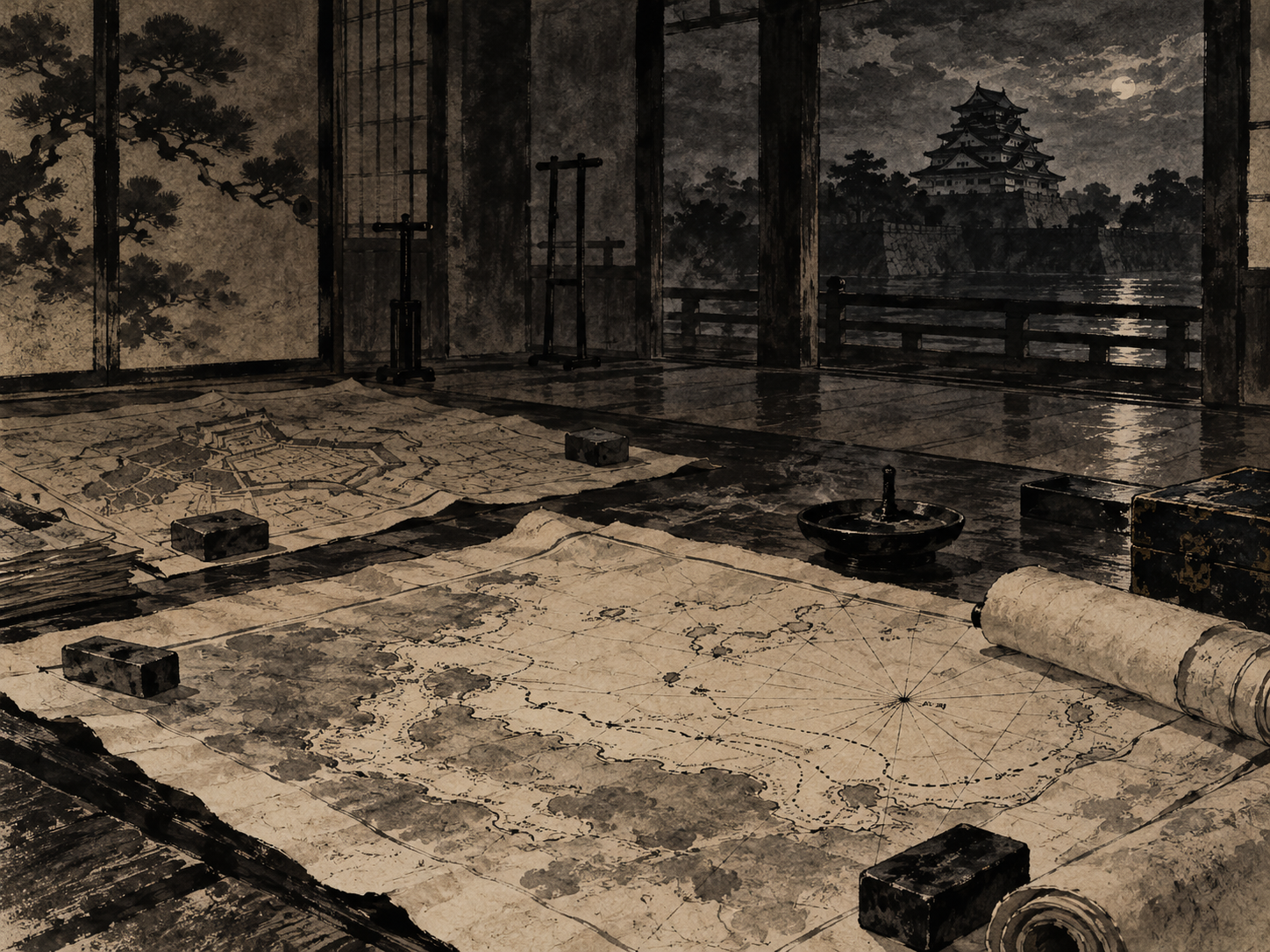
Leaving Osaka reduced the chance that Yoshinobu would lead a war against the court, but it also left troops without clear direction. Intention and organizational consequence diverged. To investigate “Withdrawal began submission and abandoned command at once.” further, do not stop with a commemorative plaque. Compare the date, maker or former owner, provenance, restoration status, and present location of each element named in “The Abandoned Osaka War Room.” Old maps, municipal histories, museum catalogues, document editions, material-culture studies, and field guides help distinguish contemporary evidence from reconstruction and later memory. They also provide a practical route to relevant books, facsimiles, maps, equipment histories, and a responsible site visit.
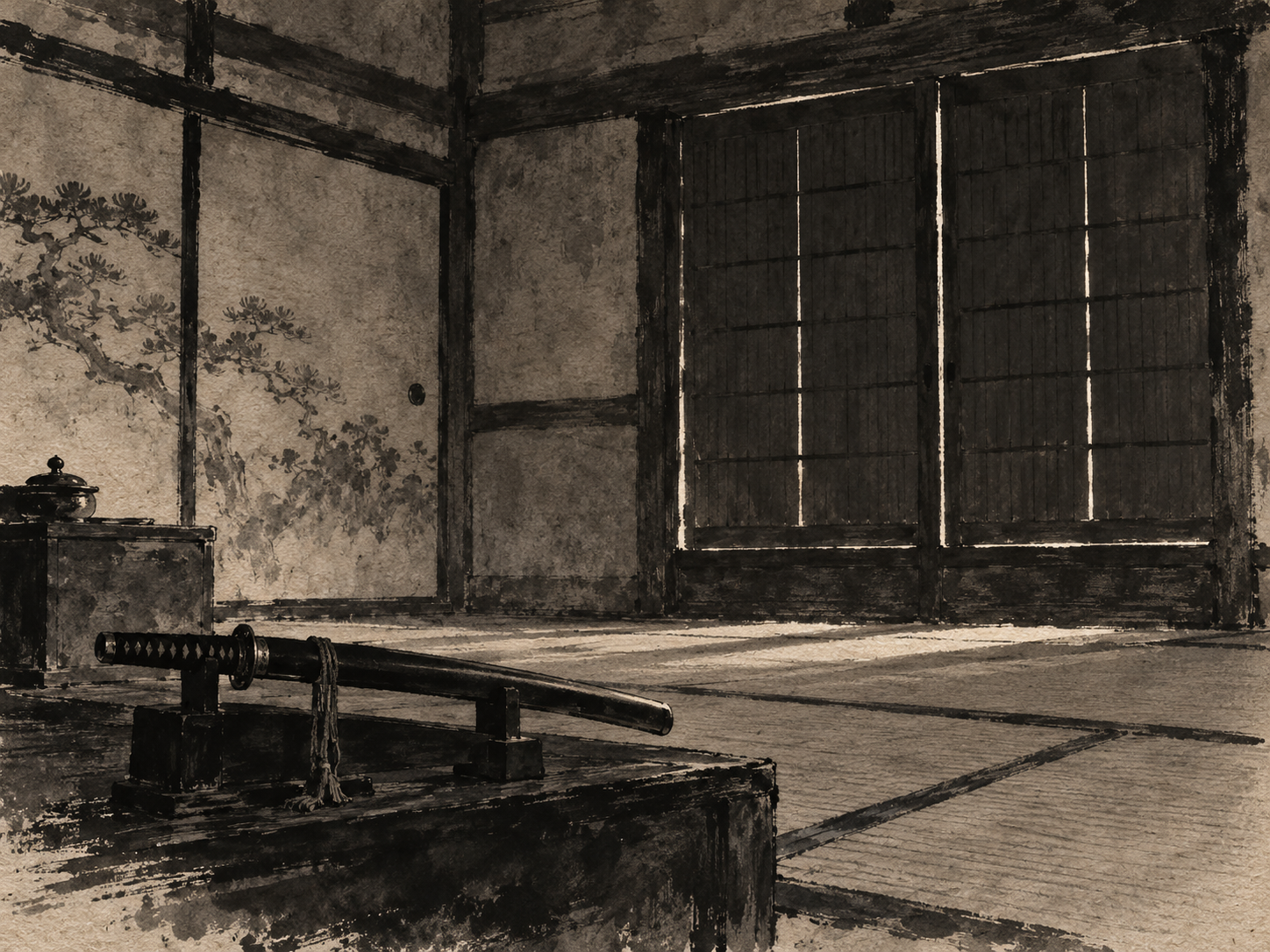
Confinement, plain dress, and a set-aside sword turned non-resistance into a public posture. Negotiation by Katsu Kaishu and others remained essential to avoiding a wider battle for Edo. To investigate “Submission had to be made visible.” further, do not stop with a commemorative plaque. Compare the date, maker or former owner, provenance, restoration status, and present location of each element named in “Closed Shutters at Kaneiji.” Old maps, municipal histories, museum catalogues, document editions, material-culture studies, and field guides help distinguish contemporary evidence from reconstruction and later memory. They also provide a practical route to relevant books, facsimiles, maps, equipment histories, and a responsible site visit.
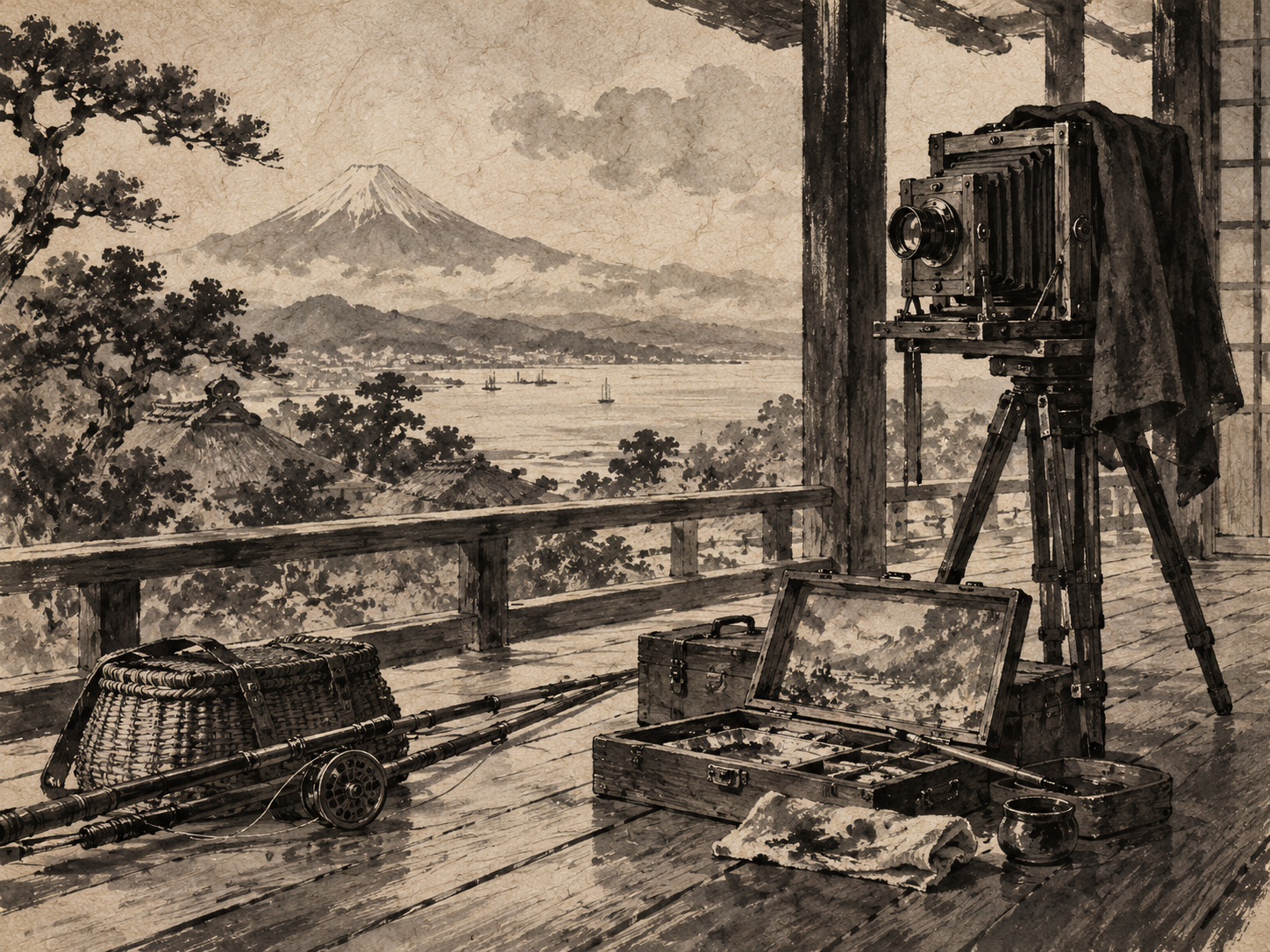
Photography, archery, fishing, painting, and waka occupied Yoshinobu for decades. His silence about politics should not erase this sustained attention to skill and observation. To investigate “A long life after politics was filled with disciplined practice.” further, do not stop with a commemorative plaque. Compare the date, maker or former owner, provenance, restoration status, and present location of each element named in “Camera and Bow on a Shizuoka Veranda.” Old maps, municipal histories, museum catalogues, document editions, material-culture studies, and field guides help distinguish contemporary evidence from reconstruction and later memory. They also provide a practical route to relevant books, facsimiles, maps, equipment histories, and a responsible site visit.
VISIT
Search events related to Yoshinobu Tokugawa →Browse all Bakumatsu events →