Shoin Yoshida · Choshu
Original
吾今爲國死
Shoin Yoshida's Chinese-style poem, "吾今爲國死死不負君親悠々天地事觀照在". Read the original Japanese, modern translation, interpretation, and historical context as distinct parts of the poem.
Person
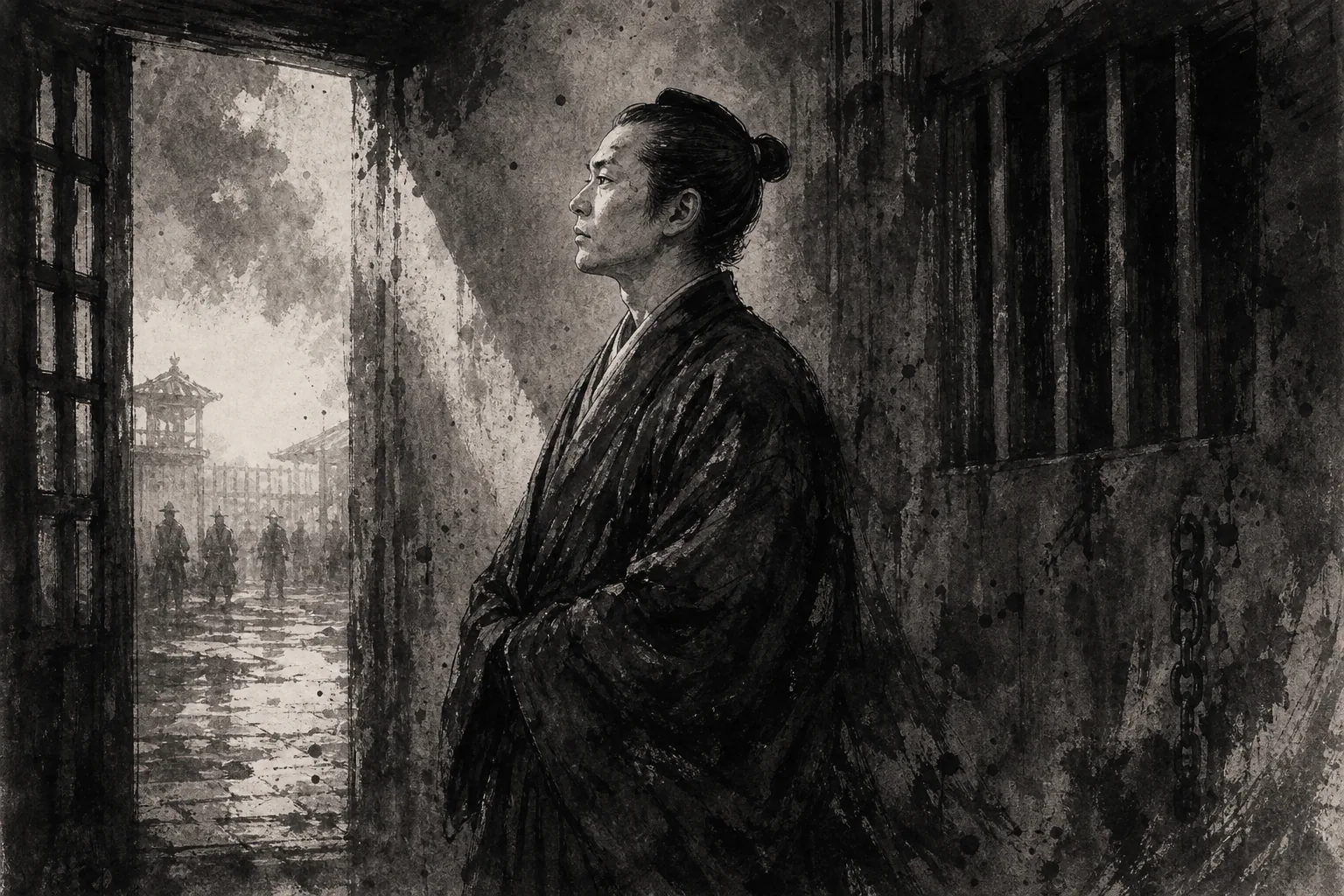
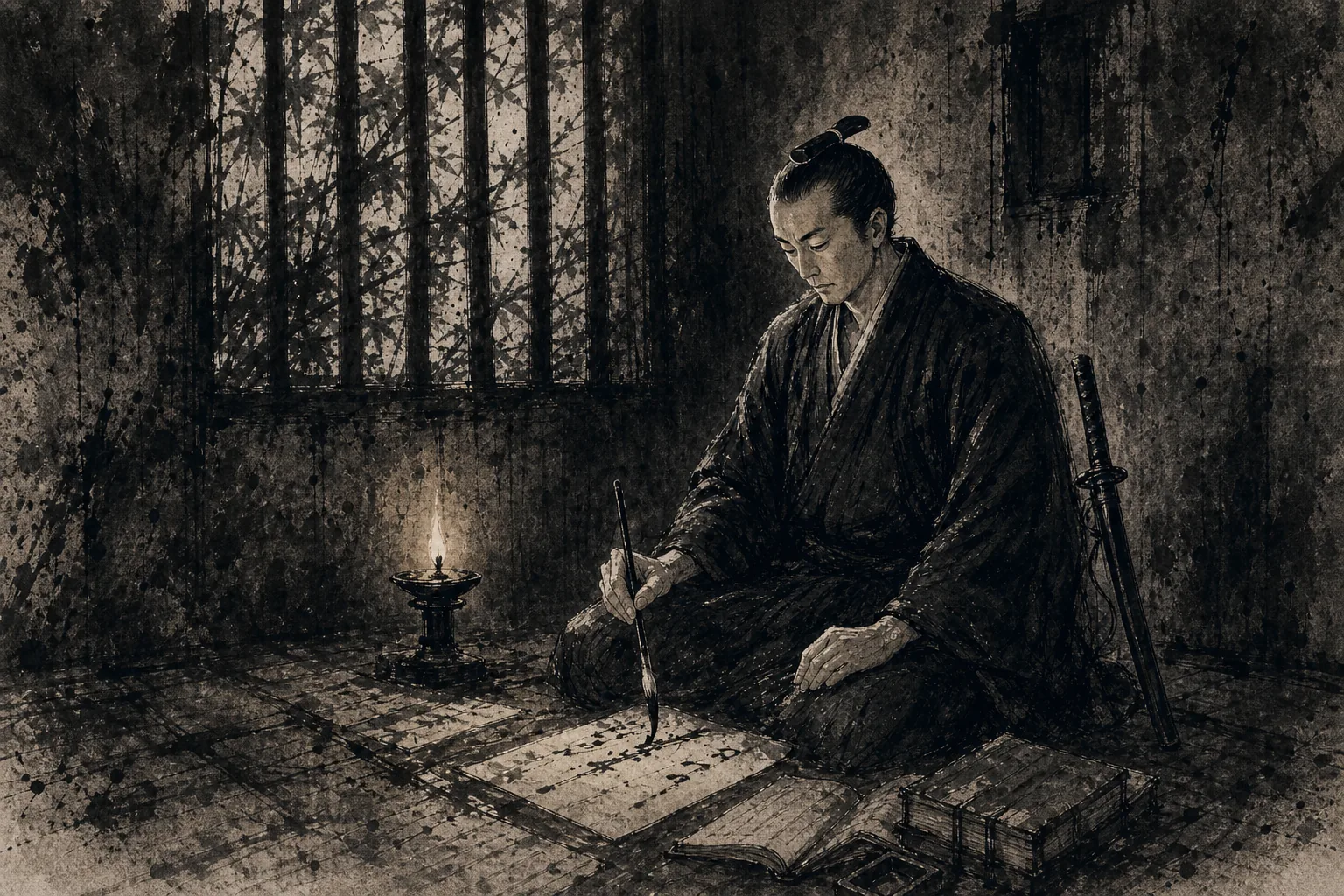
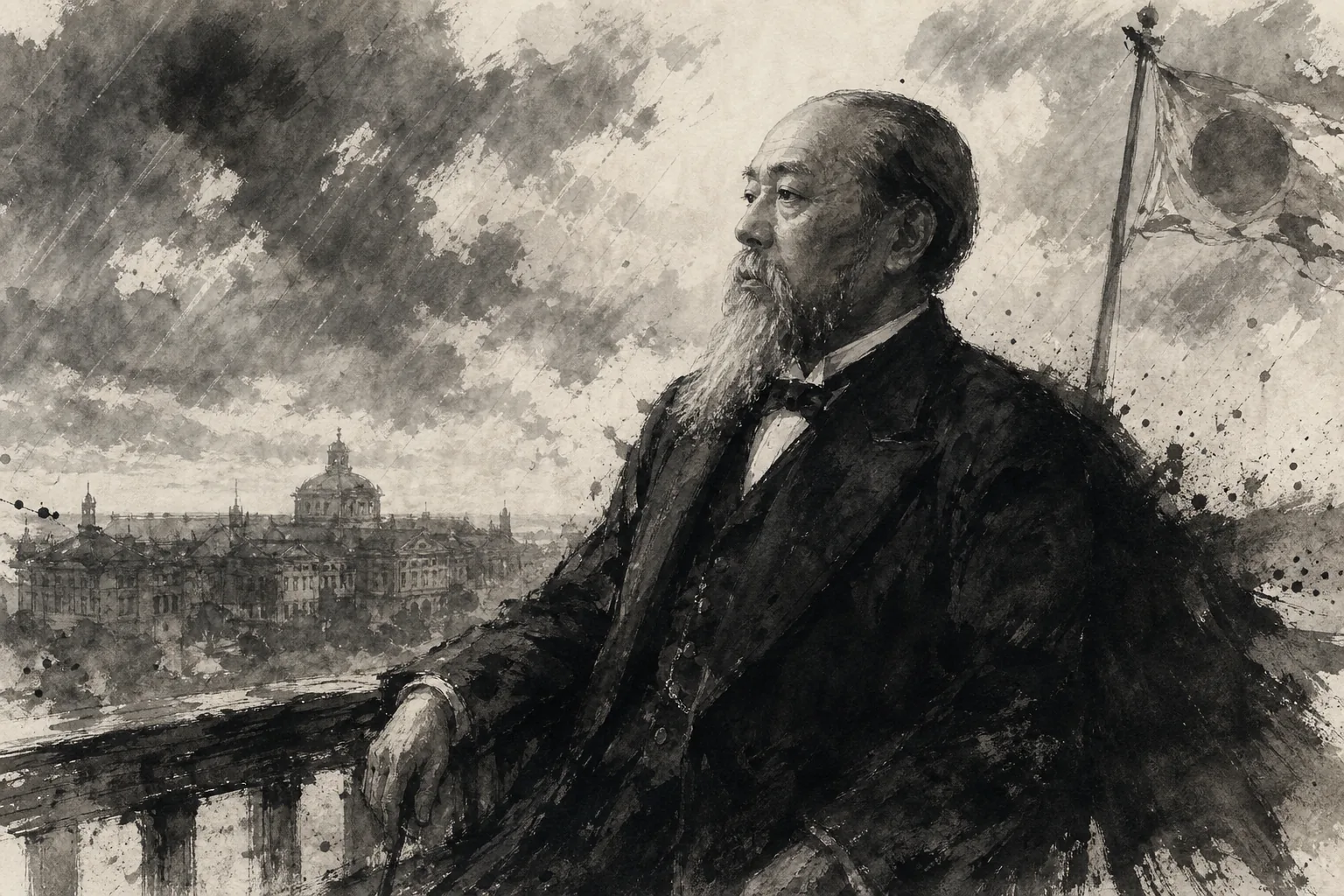
A thinker and teacher at Shoka Sonjuku who shaped many young patriots.
Learn about Yoshida Shoin
Translation
I die now for the country; in death I do not betray lord or parents. Heaven and earth continue vast and calm, and the gods will witness the truth.
Poetic Shape Kanshi draws on a classical Chinese poetic tradition, where restraint, allusion, and moral tension carry much of the weight. The poem sounds formal, but the pressure beneath it is personal.
Reading
More than a waka death poem, this Chinese verse states reason and conviction directly.It does not decorate death with emotion; it has the hard resonance of entrusting judgment to heaven and the gods.
Background
This poem is associated with Shoin's final period before execution.Rather than the educator alone, it brings forward the thinker who believed he carried nation and destiny on his shoulders.
Source / Transmission Wording and readings may differ by transmission; this page treats the text as one circulated form.
Further Reading
Find related books and places to stay For readers who want more historical context, these links search for related books on external stores.
Affiliate link