Shimonoseki, Yamaguchi · Choshu / Anti-shogunate
Shimonoseki / Kozanji Area
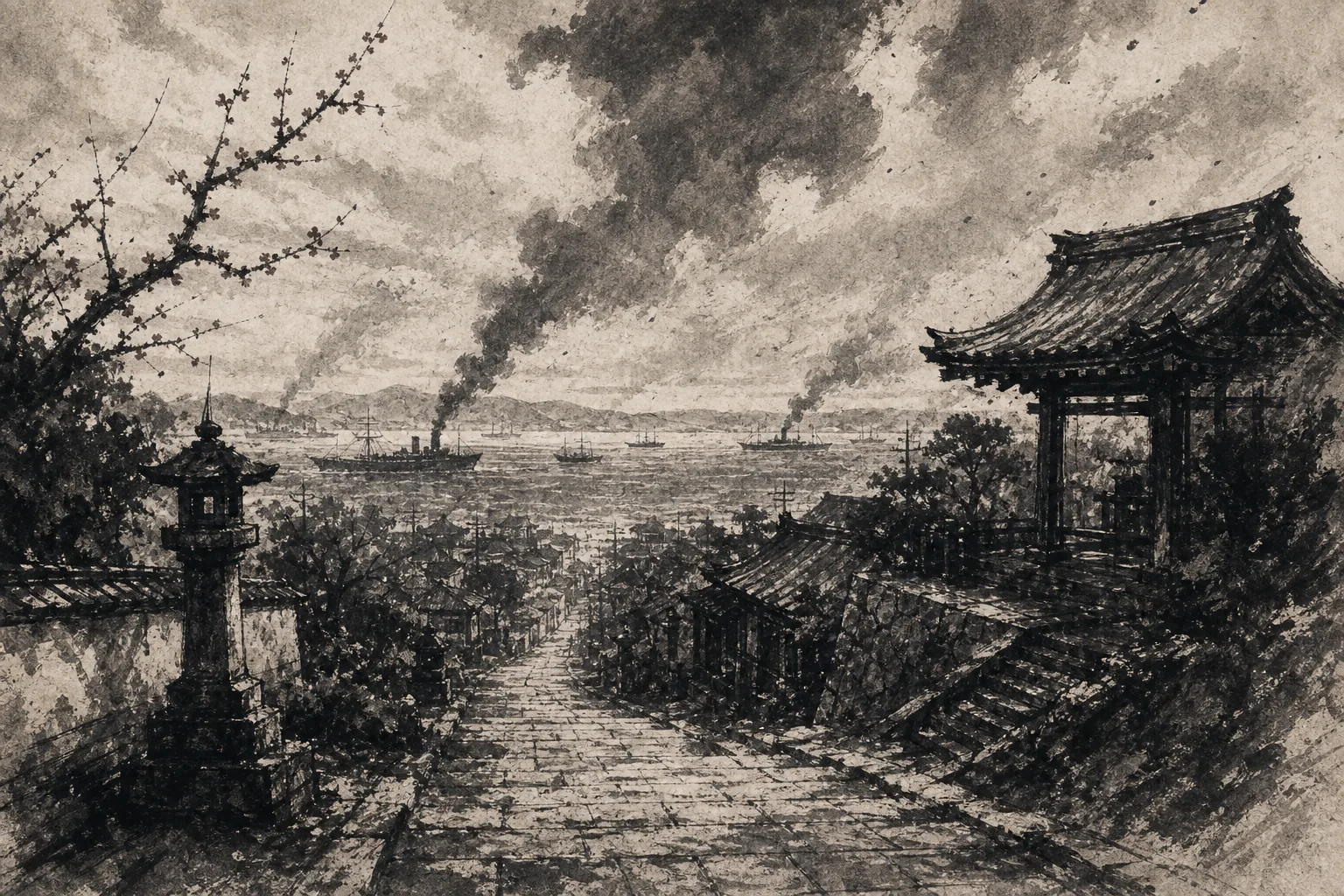
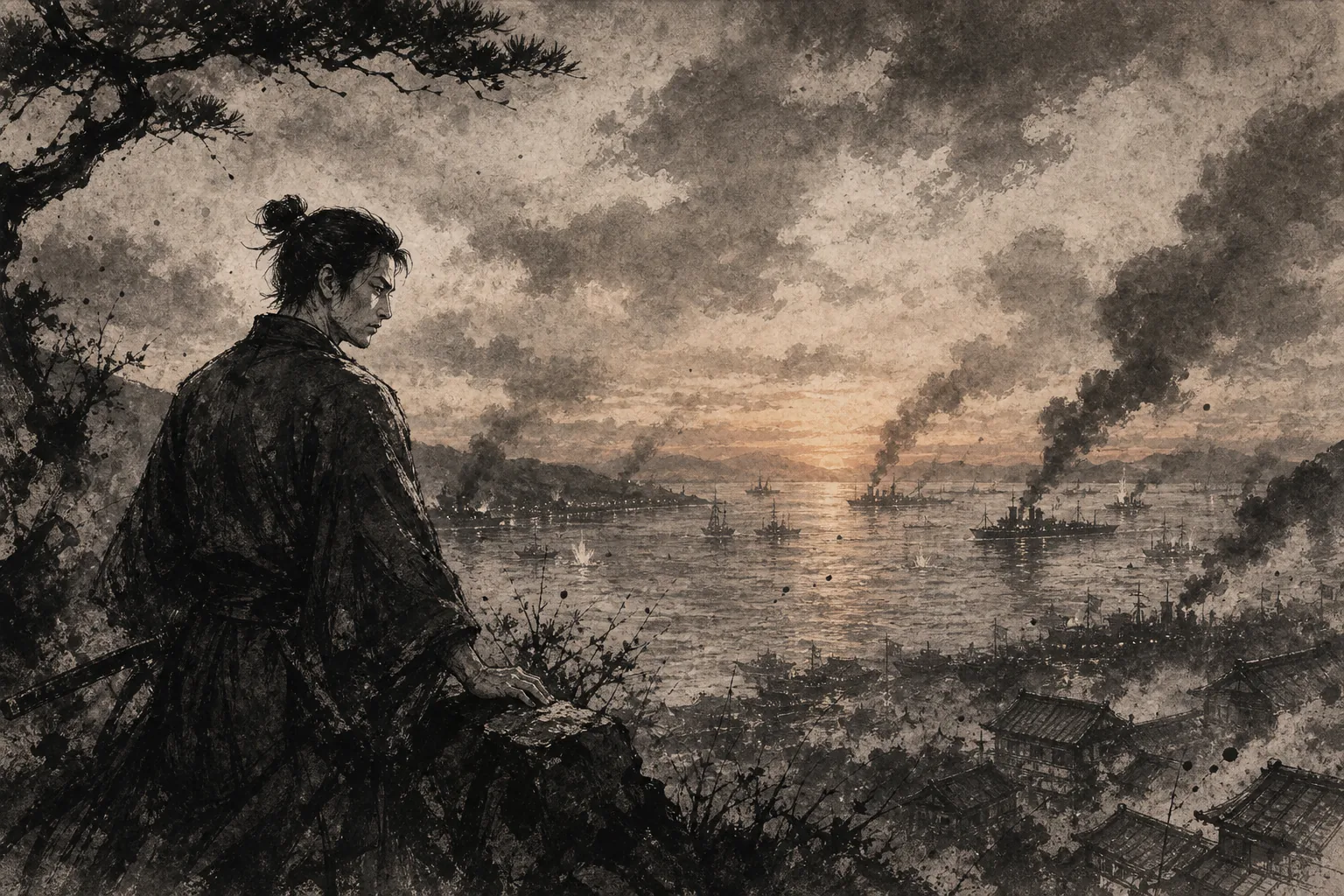
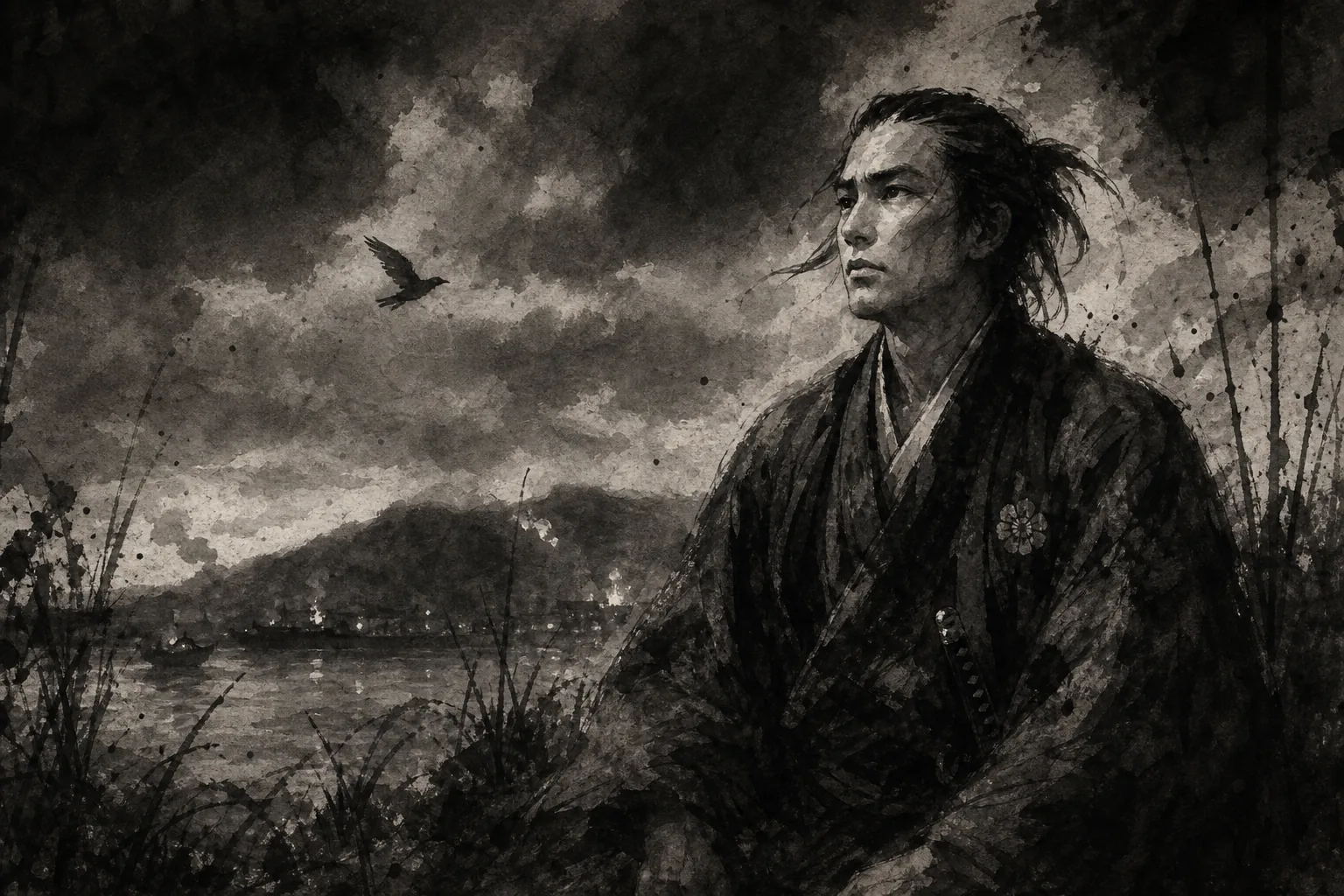
Kozanji is remembered as the place associated with Takasugi Shinsaku's uprising. The old Chofu townscape, the National Treasure Buddhist hall, and his statue make the area feel like a turning point in Choshu beyond the strait alone.
Shinsaku Takasugi
Address1-2-3 Chofu Kawabata, Shimonoseki, Yamaguchi 752-0979, Japan
Nearby
- Former Chofu Mori ResidenceThe former residence of the Mori family of Chofu; it connects naturally with a walk from Kozanji.
- Chofu GardenA quiet garden in Chofu, suited to a lingering walk after Kozanji.
- Iminomiya ShrineAn old shrine that adds another layer to a walk through Chofu history.
- Kanmon StraitA place that connects directly with the Shimonoseki strait imagery around Takasugi.