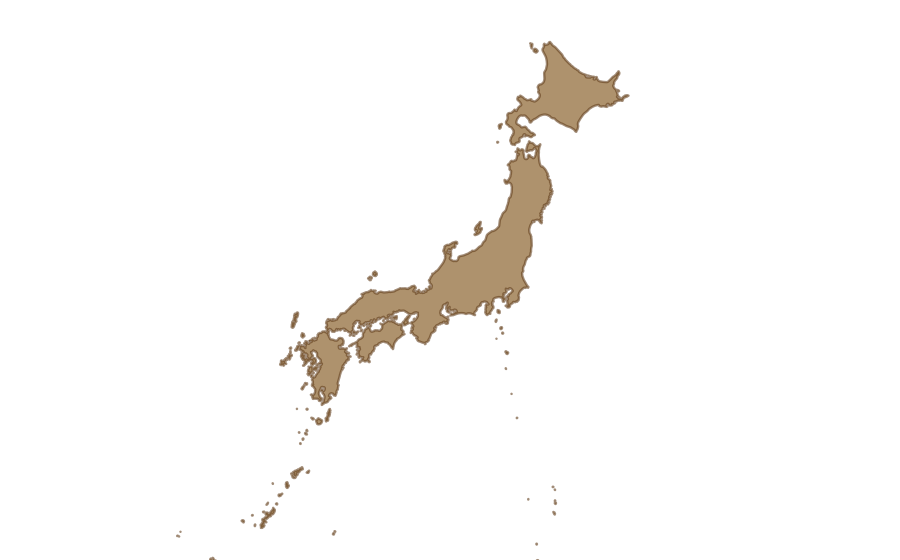
Aizu-Wakamatsu
Born as the Second Son of an Aizu Retainer
He grew up in a retainer household connected to the Yamakawa family and entered domain education.
Know the Person
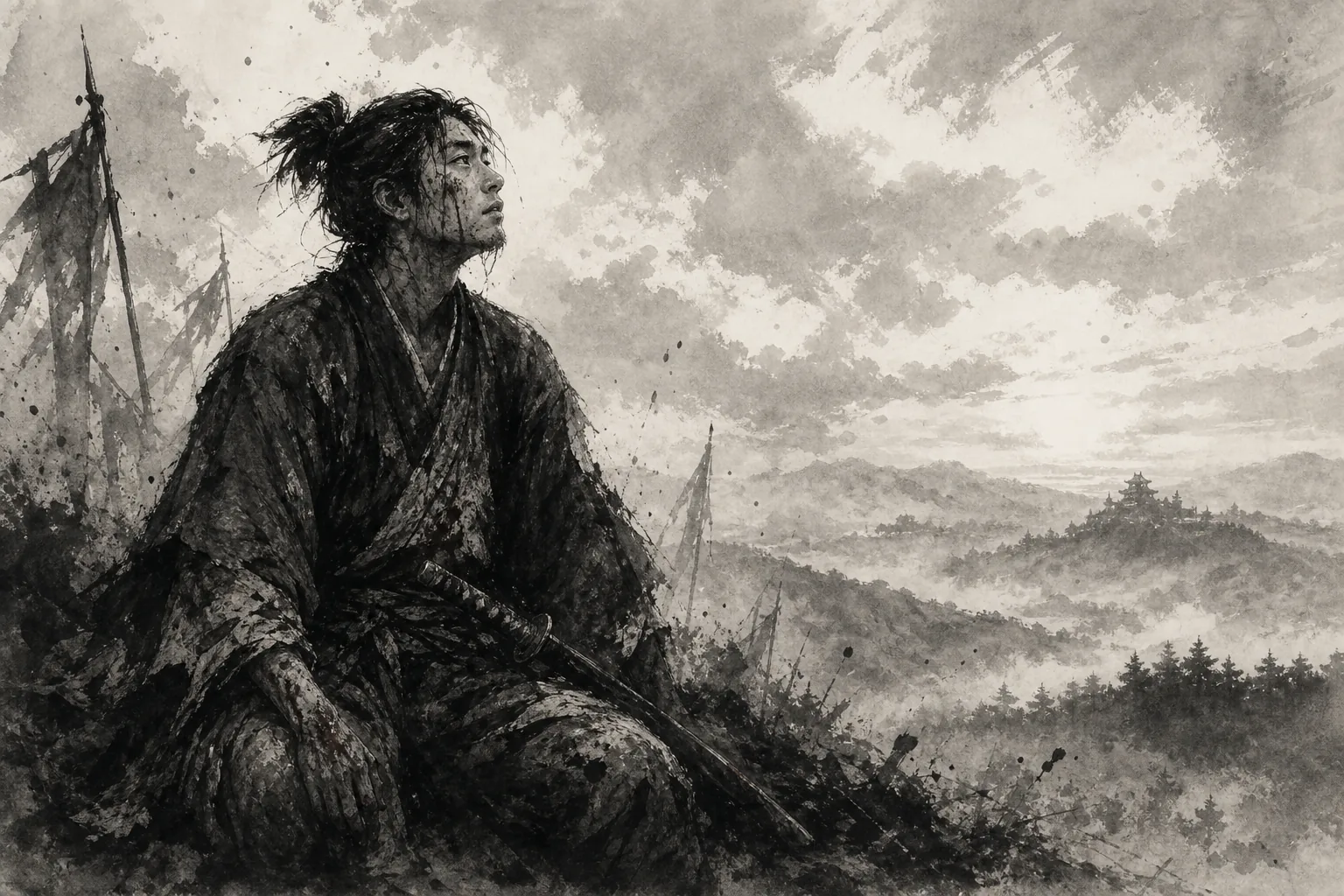
Do not confine Iinuma Sadakichi to one day as the sole survivor on Mount Iimori. Follow him through Nisshinkan classrooms and training grounds, a youth soldier's rifle and ammunition, the muddy road at Tonoguchihara, cold water in an irrigation tunnel, smoke seen from the mountain, and finally telegraph instruments and a Sapporo telephone exchange. The boy who came close to death at fifteen lived for roughly six more decades and helped build the communications of a new state.
Life
Aizu-Wakamatsu
He grew up in a retainer household connected to the Yamakawa family and entered domain education.
Nisshinkan, Aizu
Civil and martial study trained him within the rules and peer culture of Aizu retainers.
Takizawa and Tonoguchihara
At fifteen he moved from guarding the lord to reinforcing the field and withdrew under attack.
Tonoguchi Canal and Mount Iimori
He saw the smoke-covered town, attempted suicide with his companions, and alone survived.
Tokyo, Sendai, and other posts
He entered government communications and helped construct and maintain telegraph facilities.
Sapporo and Sendai
After five years developing Hokkaido networks, he completed a seventy-seven-year life in Sendai.
福島県会津若松市
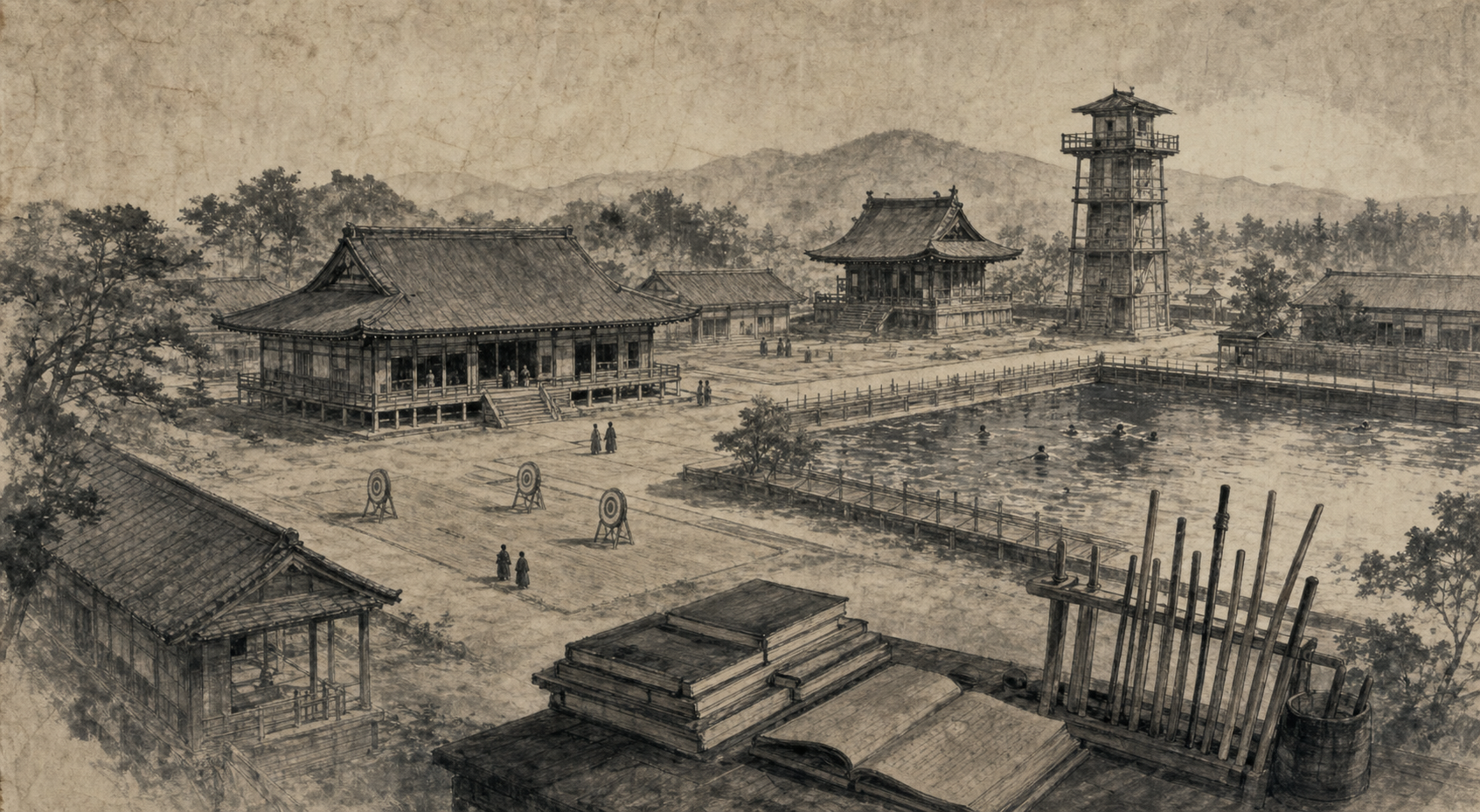
講堂、武道場、天文台、水練水馬池から、貞吉が受けた文武教育の仕組みをたどる。現在地の建物は1987年の復元施設である。
飯沼貞吉
Address福島県会津若松市河東町南高野字高塚山10
Nearby
福島県会津若松市
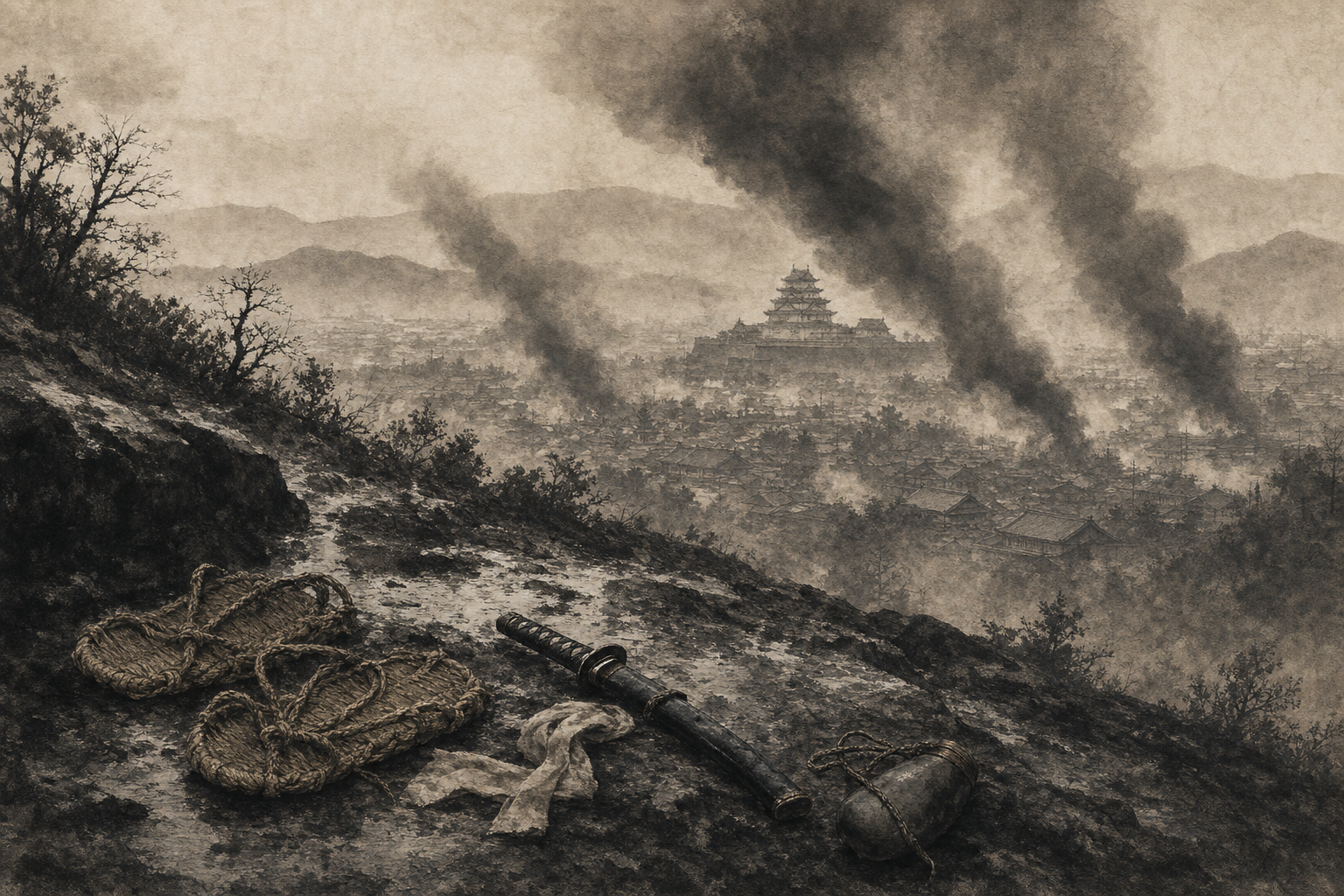
戸ノ口原から用水洞門を抜け、城下の黒煙を見た退却経路と、白虎隊士墓域を歩く。
飯沼貞吉
Address福島県会津若松市一箕町大字八幡弁天下周辺
Nearby
北海道札幌市
札幌郵便局工務課長として電話交換機、電信電話線、無線電信局の整備を監督した時期をたどる。
飯沼貞吉
Address北海道札幌市中央区南7条西1丁目周辺
Nearby
Keys
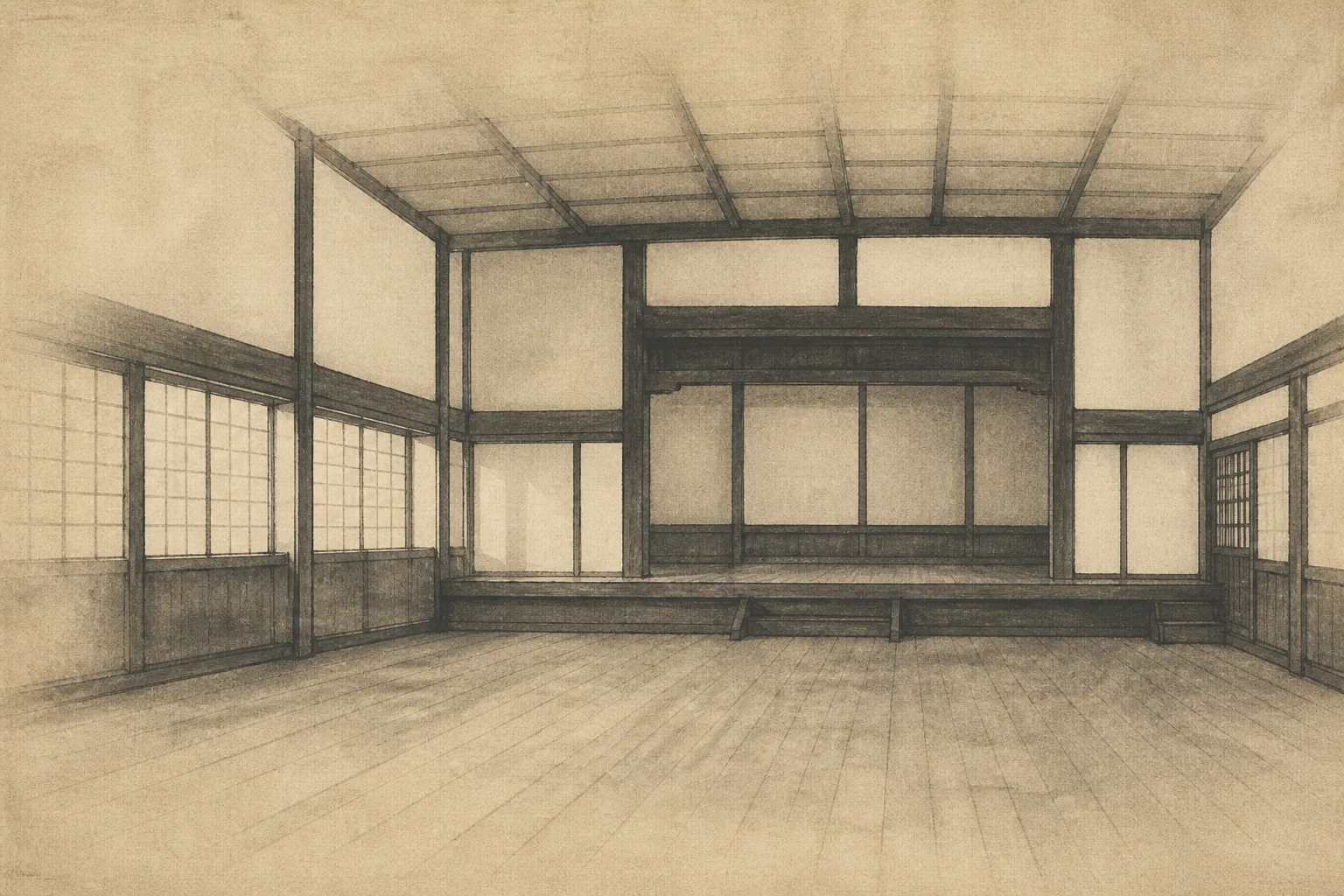
Sons of Aizu retainers entered Nisshinkan around age ten and studied not only classical texts but swordsmanship, archery, swimming, astronomy, and medicine. Lecture halls, the Confucian sanctuary, observatory, practice yards, and large swimming pond joined knowledge to bodily discipline. Sadakichi's choices cannot be reduced to an inborn loyalty; they emerged from education shared with peers under demanding rules. The Nisshinkan open to visitors today is a 1987 reconstruction, not the surviving Bakumatsu buildings from the original site west of the castle.
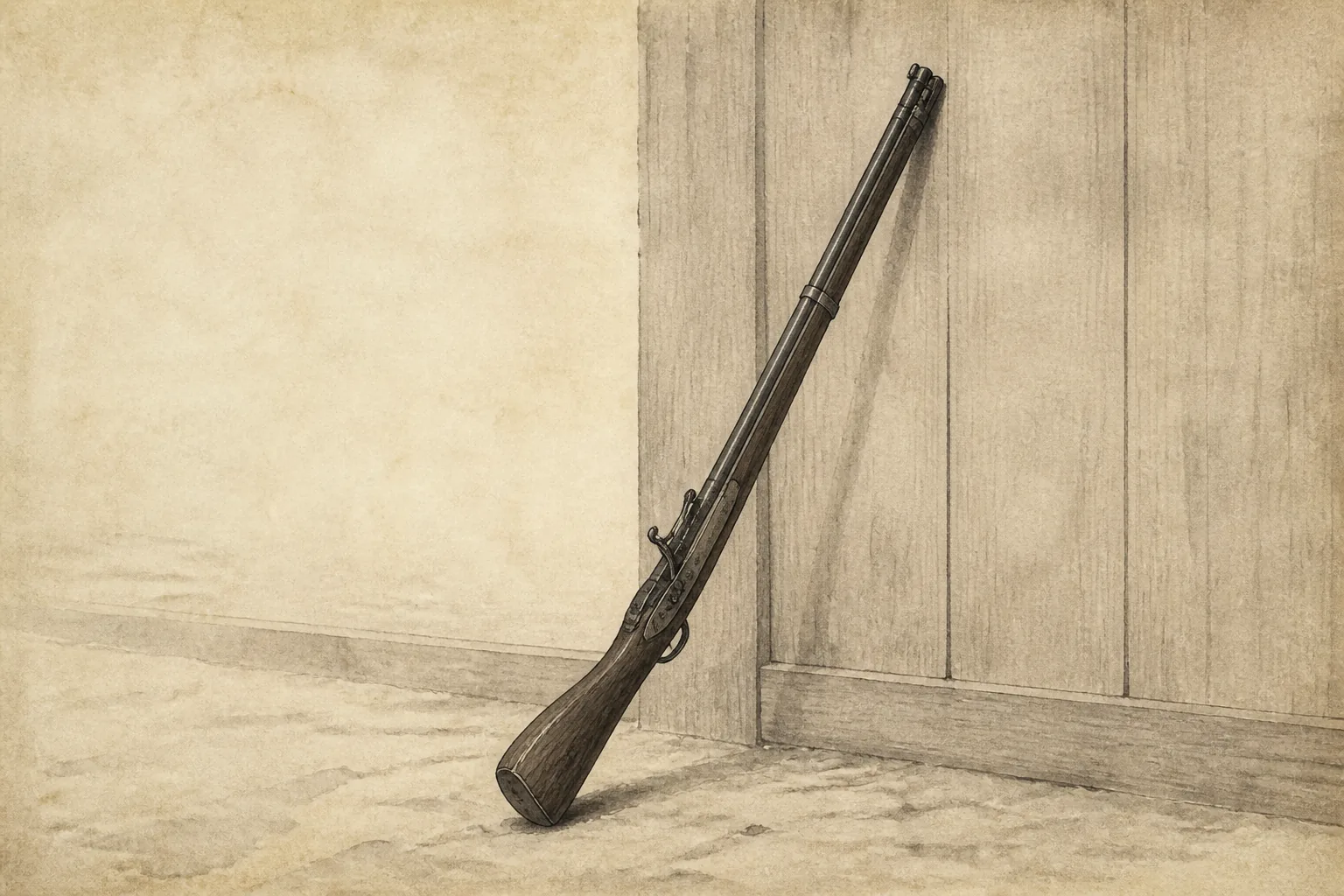
When the Byakkotai was organized in 1868, Sadakichi reportedly gave an age one year older and entered its elite second company at a counted age of fifteen. A rifle, ammunition box, cartridge pouch, short sword, sandals, rain cape, and canteen formed the kit that made a youth mobile as a soldier. Carrying weapons was not the same as preserving supplies and command under smoke and casualties. Laid out as objects, the equipment reveals weight, wet clothing, fatigue, and limited ammunition hidden by easy praise of youthful courage.
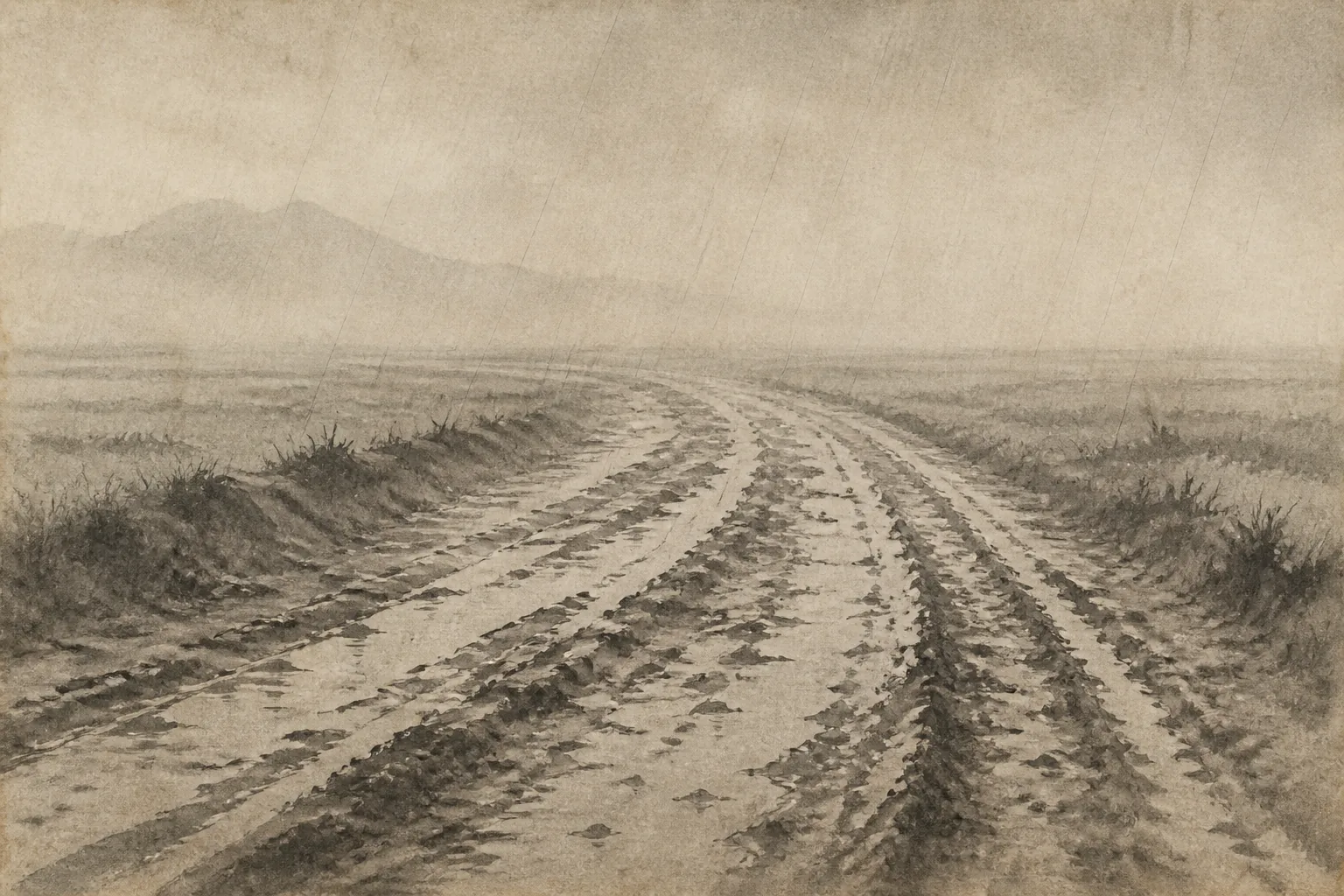
On 22 August, the second company accompanied Matsudaira Katamori to the Takizawa headquarters and was then sent as reinforcement to Tonoguchihara. A thatched rural command house, cultivated fields, muddy lanes, rough breastworks, and ammunition crates made an improvised battlefield. Government forces broke the position, separating the youths from their commander as they withdrew. Unlike a measured practice ground, the field cut visibility with smoke and forced the remaining group to choose a route without reliable orders or knowledge of the larger battle.
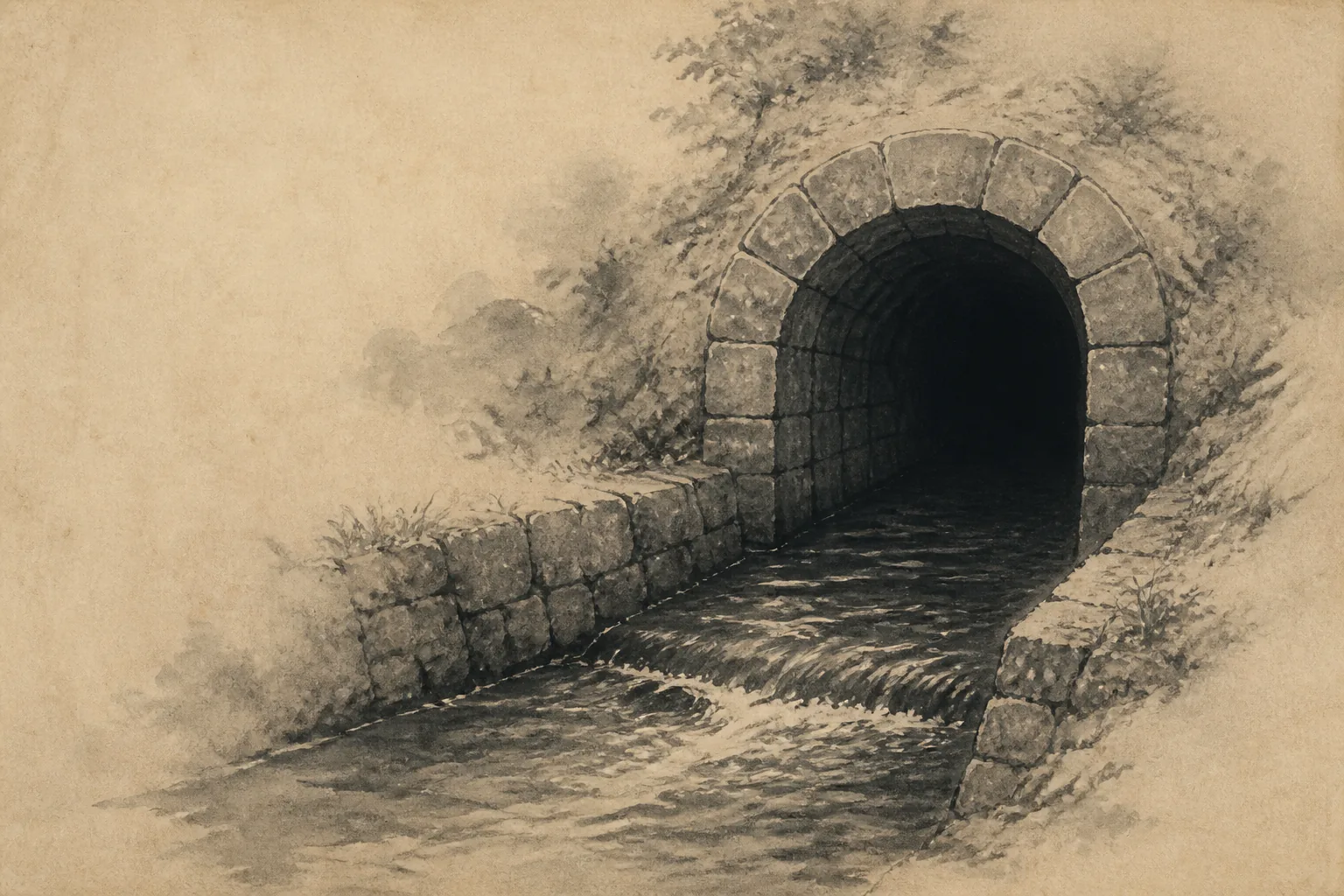
Trying to return from Tonoguchihara toward the castle town, the group is said to have passed through a tunnel of the Tonoguchi canal beneath Mount Iimori. It was irrigation infrastructure carrying water from the Lake Inawashiro side, not a military passage. The narrow darkness, cold flowing water, soaked straw sandals, and fragile lantern light added physical strain to an already exhausted retreat. What appears as a short line on a map was an enclosed hydraulic space connecting defeat in the fields to the decisions made above the city.
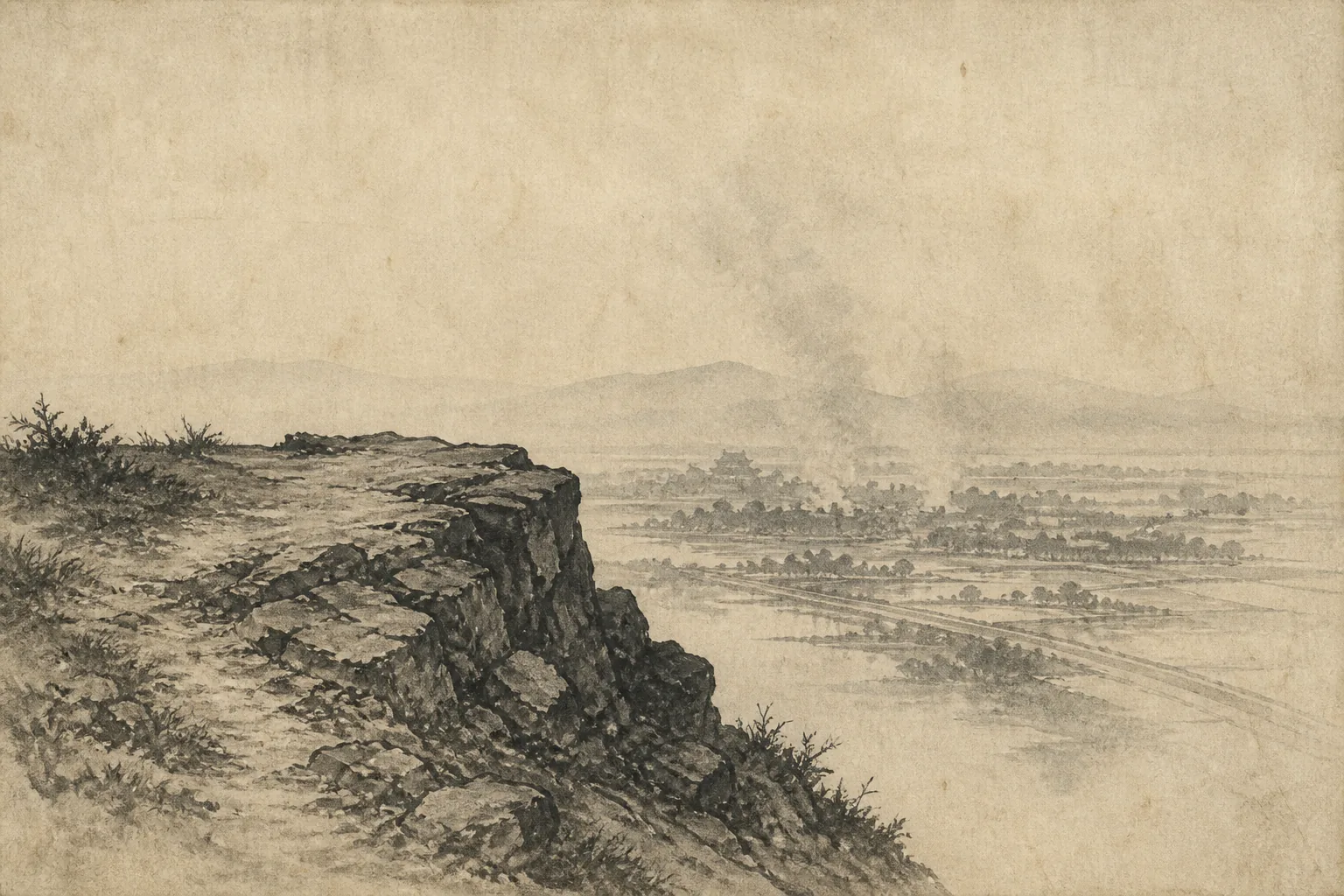
After leaving the tunnel, the group climbed Mount Iimori and saw Tsuruga Castle beyond heavy black smoke over the town. Rather than assuming that everyone simply mistook the castle itself for burning, accounts preserve debate over returning to it or charging into enemy lines. On wet rock, with vision blocked and strength depleted, the youths attempted suicide; Sadakichi was later revived. Because the identity of the rescuer remains disputed, the page avoids certainty and instead follows the long life that survival placed before him.
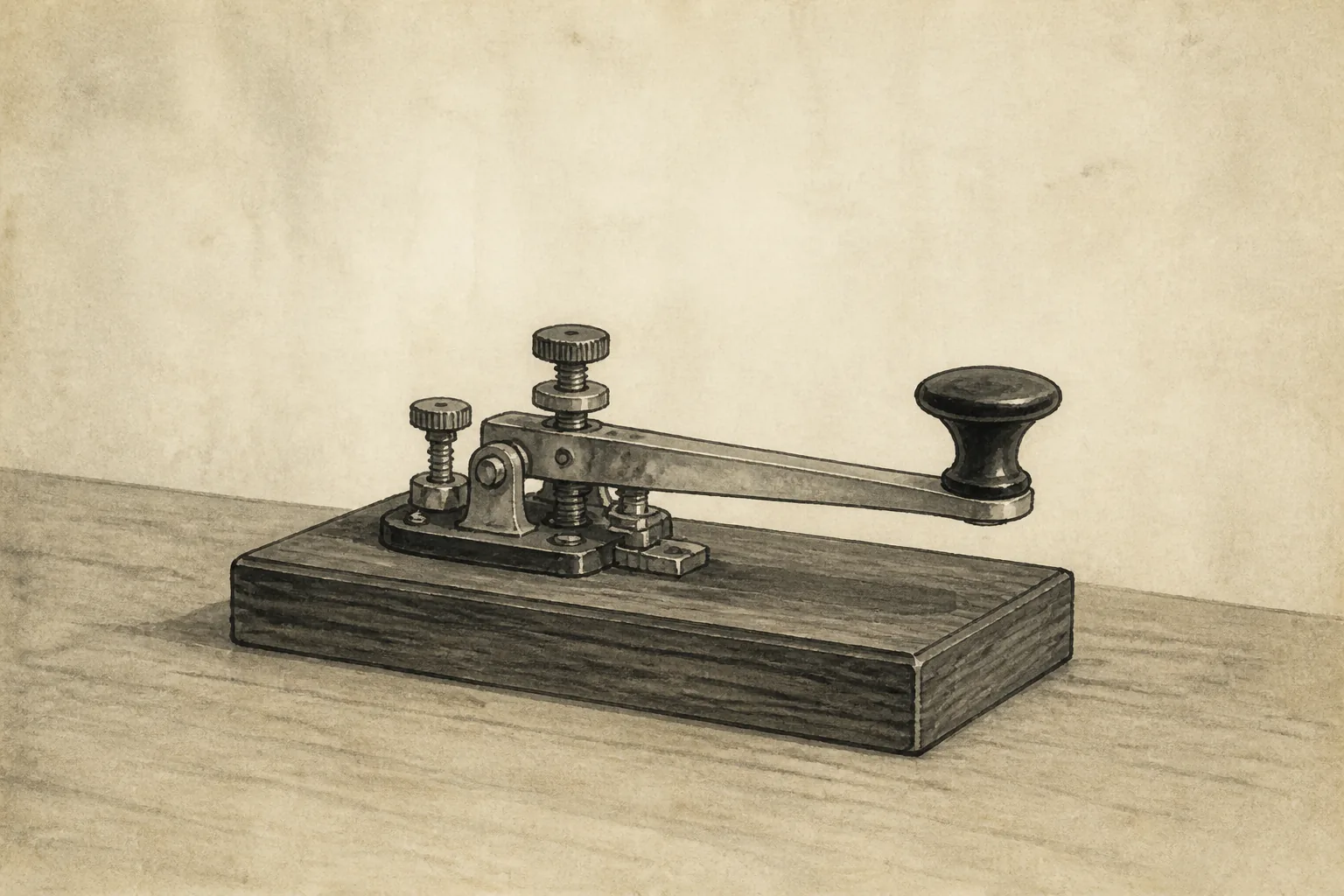
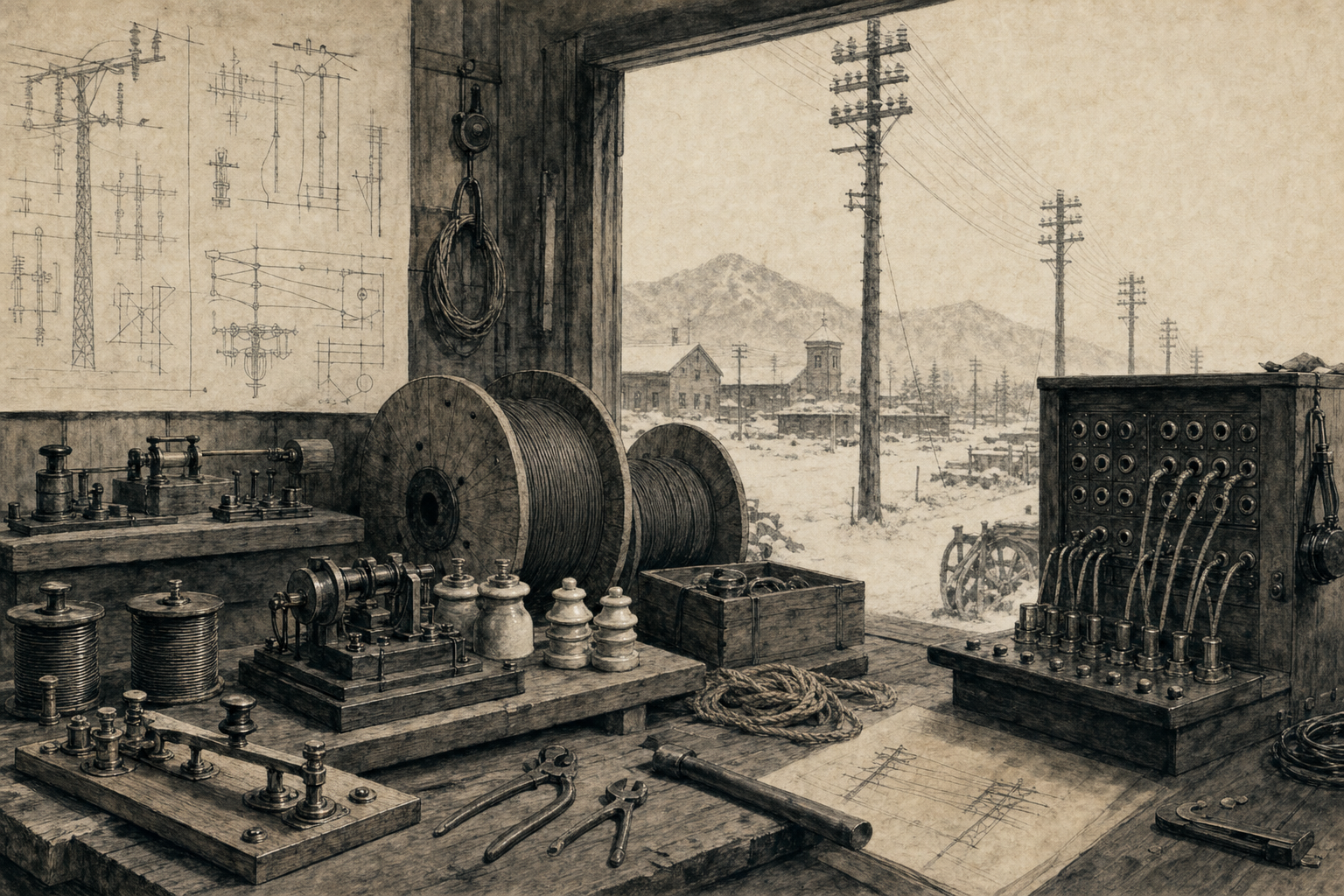
After taking the name Sadao in the Meiji period, Iinuma studied telegraph technology and entered government communications work. Morse keys, receivers, batteries, ceramic insulators, cable reels, poles, and line tools converted distant information into electrical signals. At age fifty he became engineering chief at the Sapporo post office. Over five years he supervised replacement of a telephone exchange, construction of telegraph and telephone lines, and work on wireless stations across Hokkaido. His later career belongs at the center, not the footnote, of his biography.
VISIT
Tsurugajo Castle Tower, First-floor Exhibition Room · FukushimaOfficial information
A collection exhibition examining why the young Byakkotai fought and how the Boshin War led to their deaths.
Search events related to Sadakichi Iinuma →Browse all Bakumatsu events →