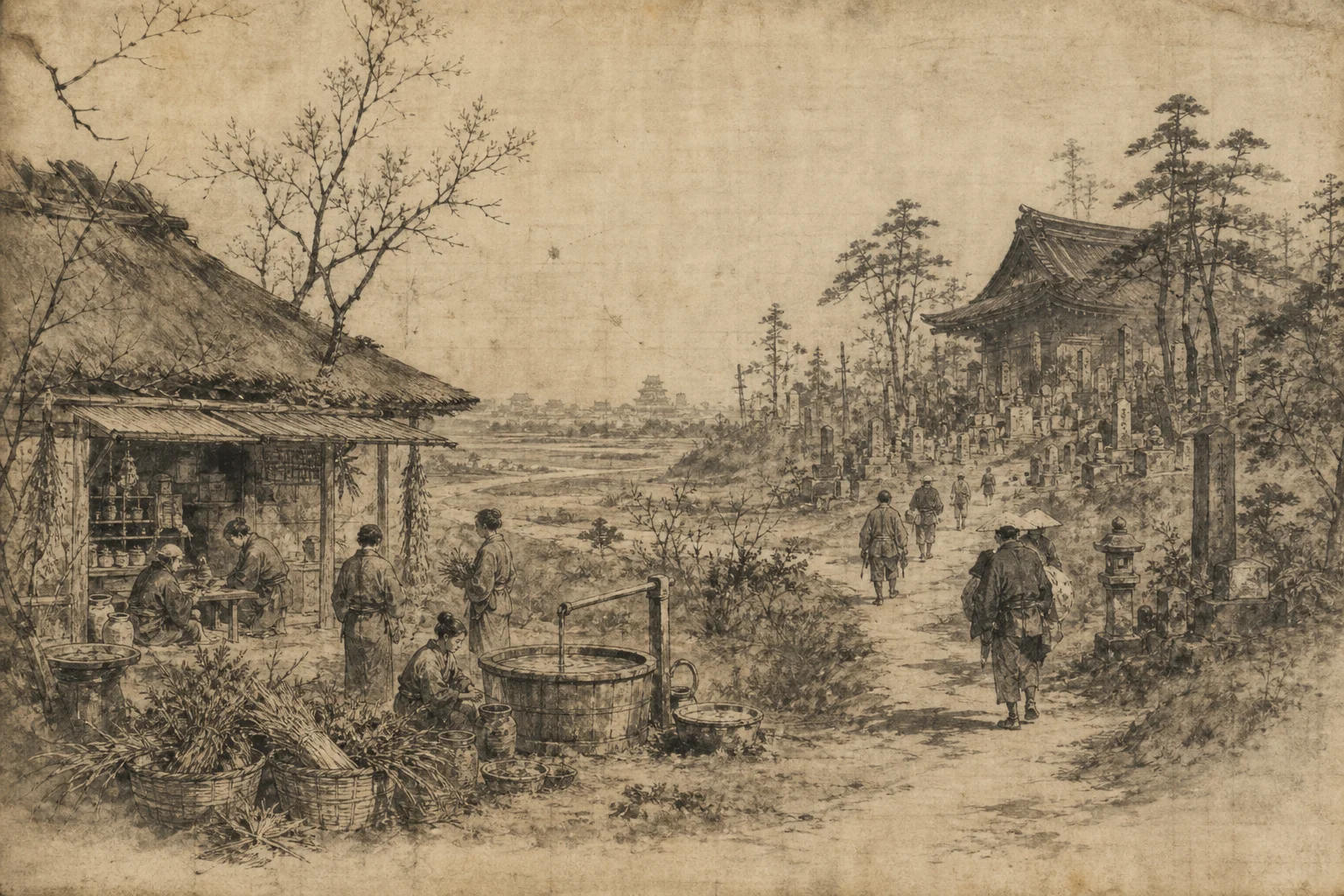
江戸・白河藩屋敷
Born with an Uncertain Date
A Shirakawa-domain household and early family changes form the cautious outline of his childhood.
Person Guide
Trace Okita beyond the romantic swordsman image through a domain residence, repeated dojo practice, First Unit equipment, Ikedaya architecture, sickroom objects, and Sendagaya. Uncertain dates remain marked as uncertain.
Life
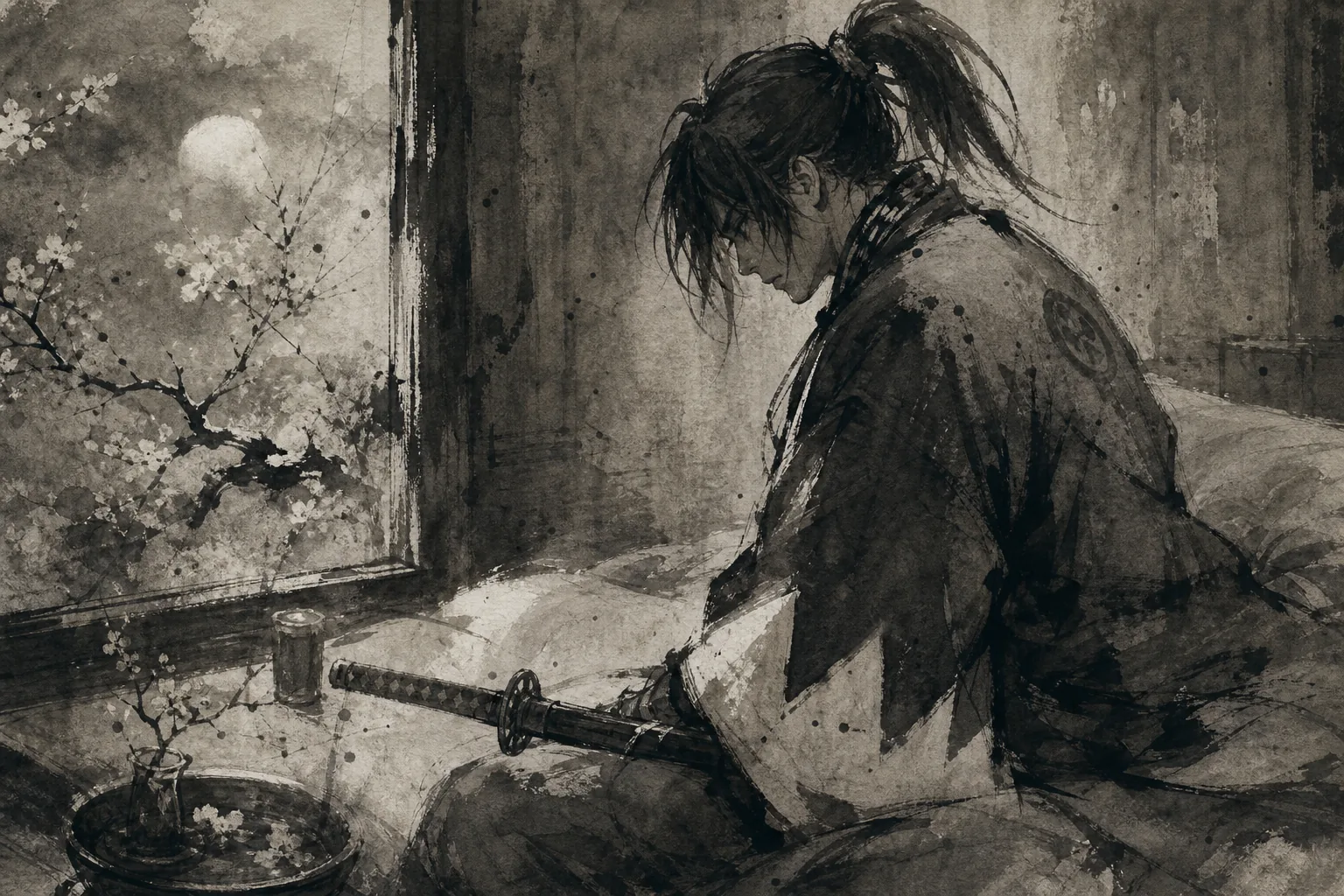
江戸・白河藩屋敷
A Shirakawa-domain household and early family changes form the cautious outline of his childhood.
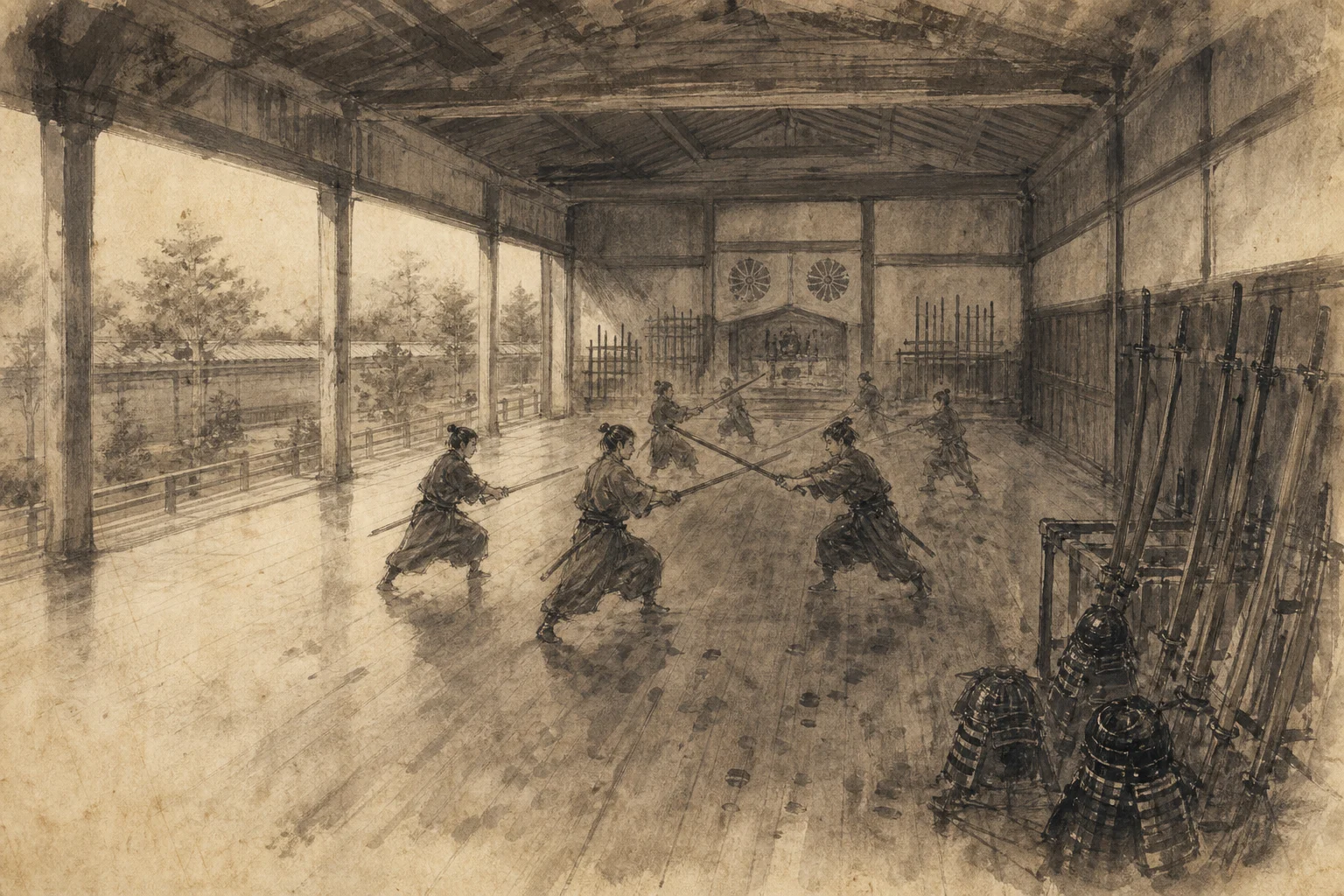
江戸・試衛館
Repetition and the judgment of close peers formed the skill later remembered in testimony.
京都・壬生
Individual technique entered the routines, equipment, and command structure of a patrol unit.
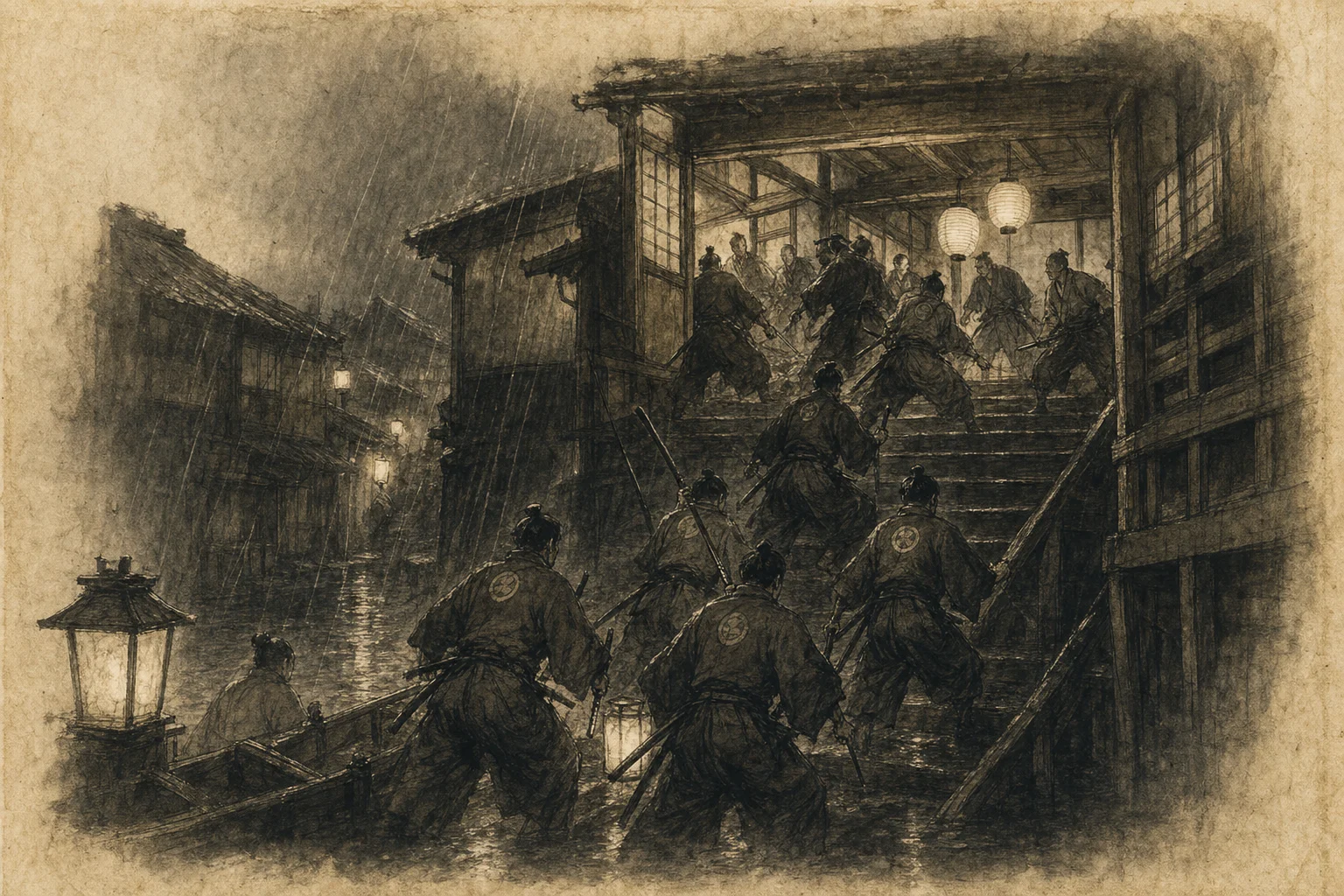
京都・池田屋
Combat unfolded inside constraining architecture; the familiar tuberculosis-collapse story remains uncertain.
京都から江戸
Treatment displaced patrol and kept him from the major movements of the Boshin War.
江戸・千駄ヶ谷周辺
Accounts of his final location vary, while his grave at Senshoji became a later focus of memory.
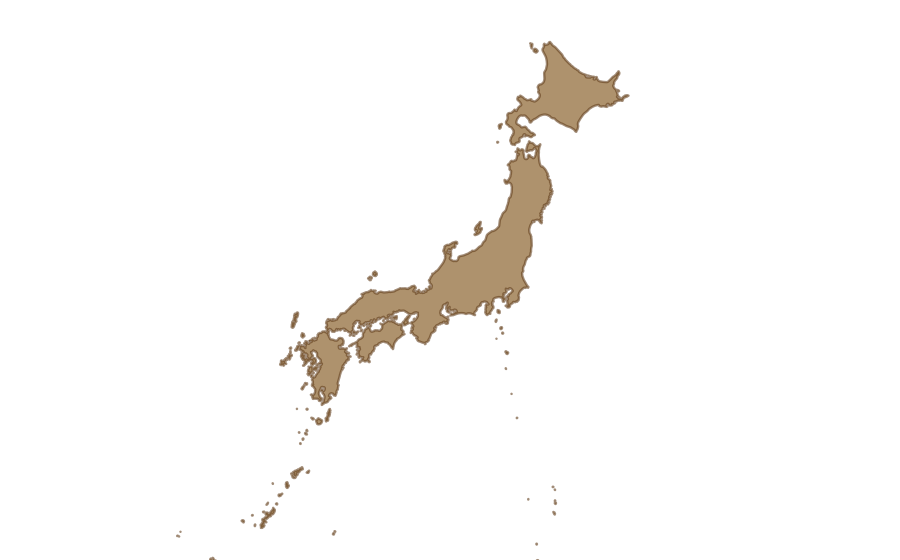
東京都 / 新選組
沖田総司が近藤勇らと剣を磨いた場所。若い才気が新選組へ向かう足場になる。
沖田総司
Address東京都新宿区周辺
Nearby
京都府京都市 / 新選組
一番隊組長としての沖田の名が、新選組の事件と重なる場所。
沖田総司
Address京都府京都市中京区・下京区周辺
Nearby
東京都港区 / 新選組
沖田総司の墓所として知られる寺。病と剣の印象が、都会の静かな墓所に沈んでいる。
沖田総司
Address東京都港区元麻布3丁目1付近
Nearby
Keys
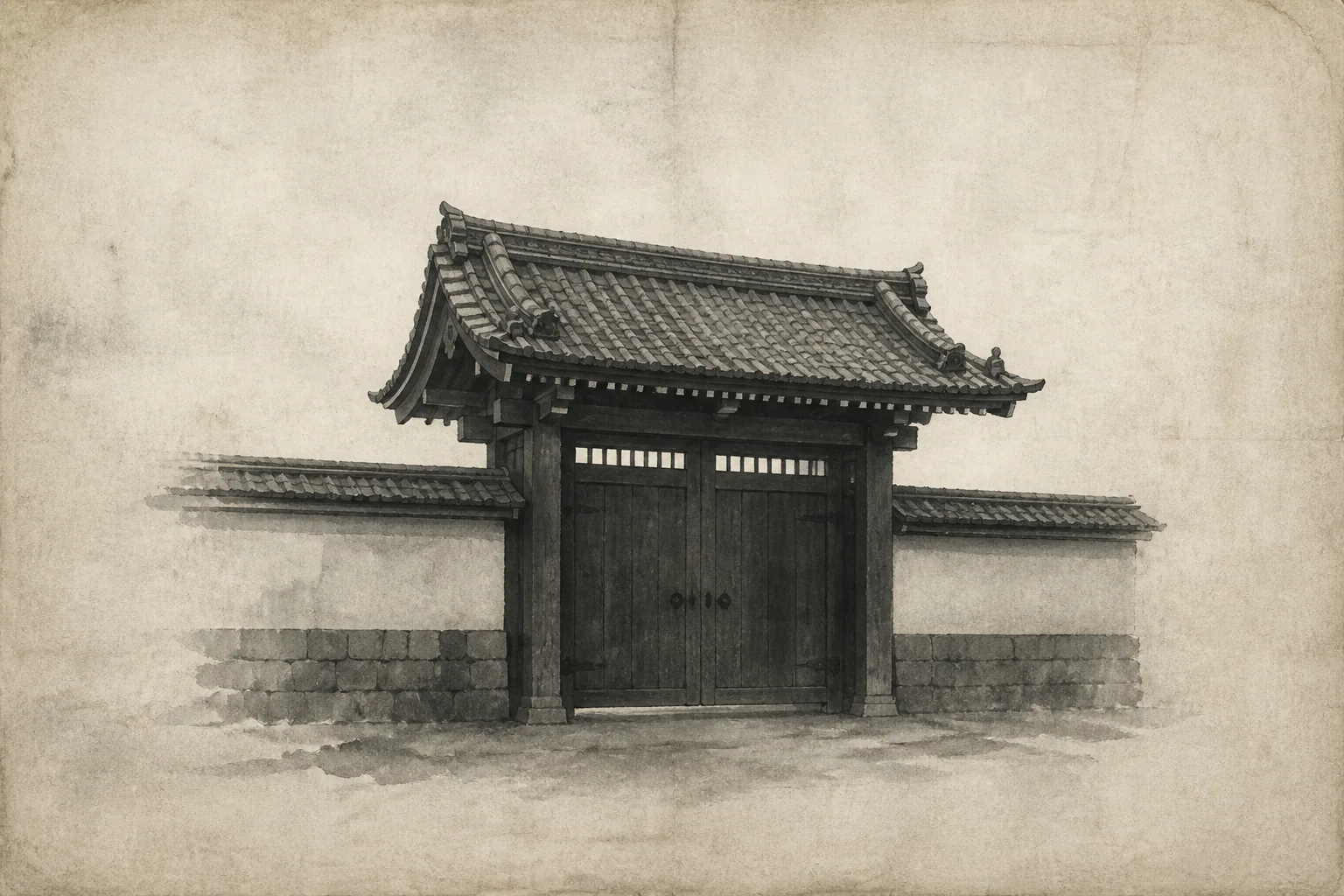
His birth year remains disputed; early household circumstances should be separated from later legend. To investigate “Domain Residence and Childhood” further, do not stop with a commemorative plaque. Compare the date, maker or former owner, provenance, restoration status, and present location of each element named in “Shirakawa Residence.” Old maps, municipal histories, museum catalogues, document editions, material-culture studies, and field guides help distinguish contemporary evidence from reconstruction and later memory. They also provide a practical route to relevant books, facsimiles, maps, equipment histories, and a responsible site visit.
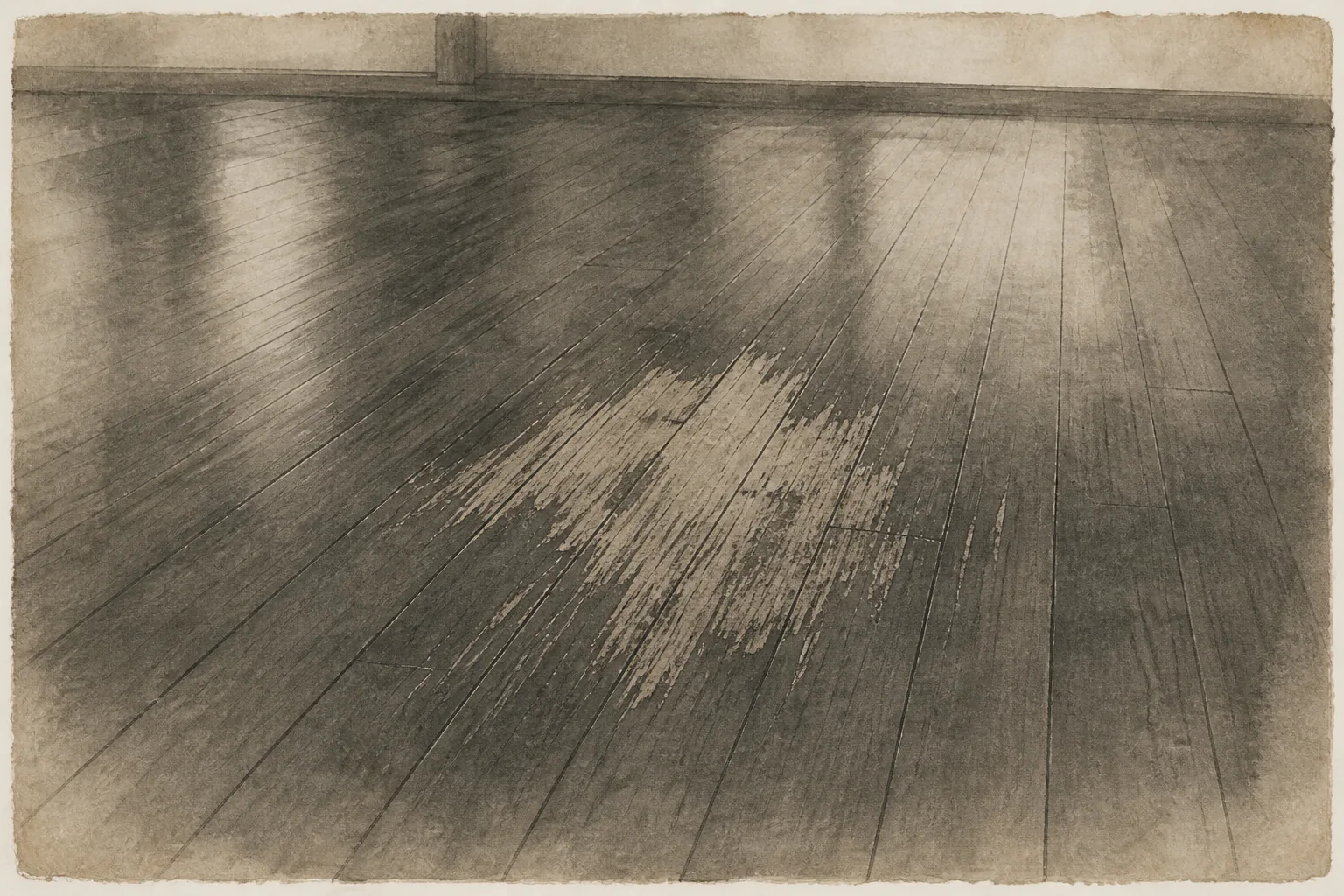
Long practice with Kondo's circle, not isolated genius, formed the skill remembered by comrades. Shieikan records and later testimony must be read through the dates and relationships of each witness. To investigate “Repetition and Peer Judgment” further, do not stop with a commemorative plaque. Compare the date, maker or former owner, provenance, restoration status, and present location of each element named in “Shieikan.” Old maps, municipal histories, museum catalogues, document editions, material-culture studies, and field guides help distinguish contemporary evidence from reconstruction and later memory. They also provide a practical route to relevant books, facsimiles, maps, equipment histories, and a responsible site visit.
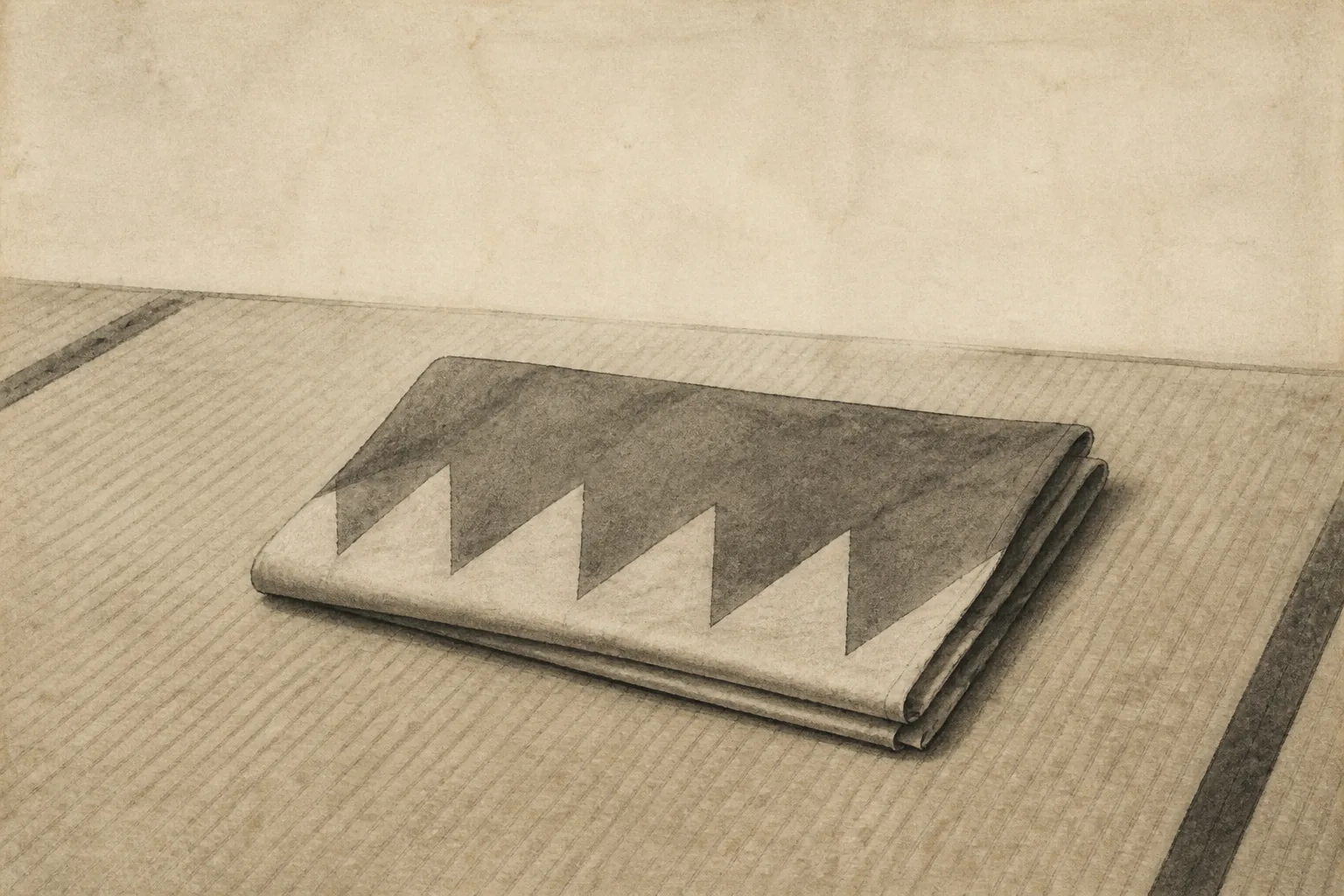
Patrol gear and command structure turned individual sword skill into organized force. From 1863 the first unit performed patrol, search, arrest, and combat duties through a continuing command structure. To investigate “A Unit at the Front” further, do not stop with a commemorative plaque. Compare the date, maker or former owner, provenance, restoration status, and present location of each element named in “First Unit Equipment.” Old maps, municipal histories, museum catalogues, document editions, material-culture studies, and field guides help distinguish contemporary evidence from reconstruction and later memory. They also provide a practical route to relevant books, facsimiles, maps, equipment histories, and a responsible site visit.
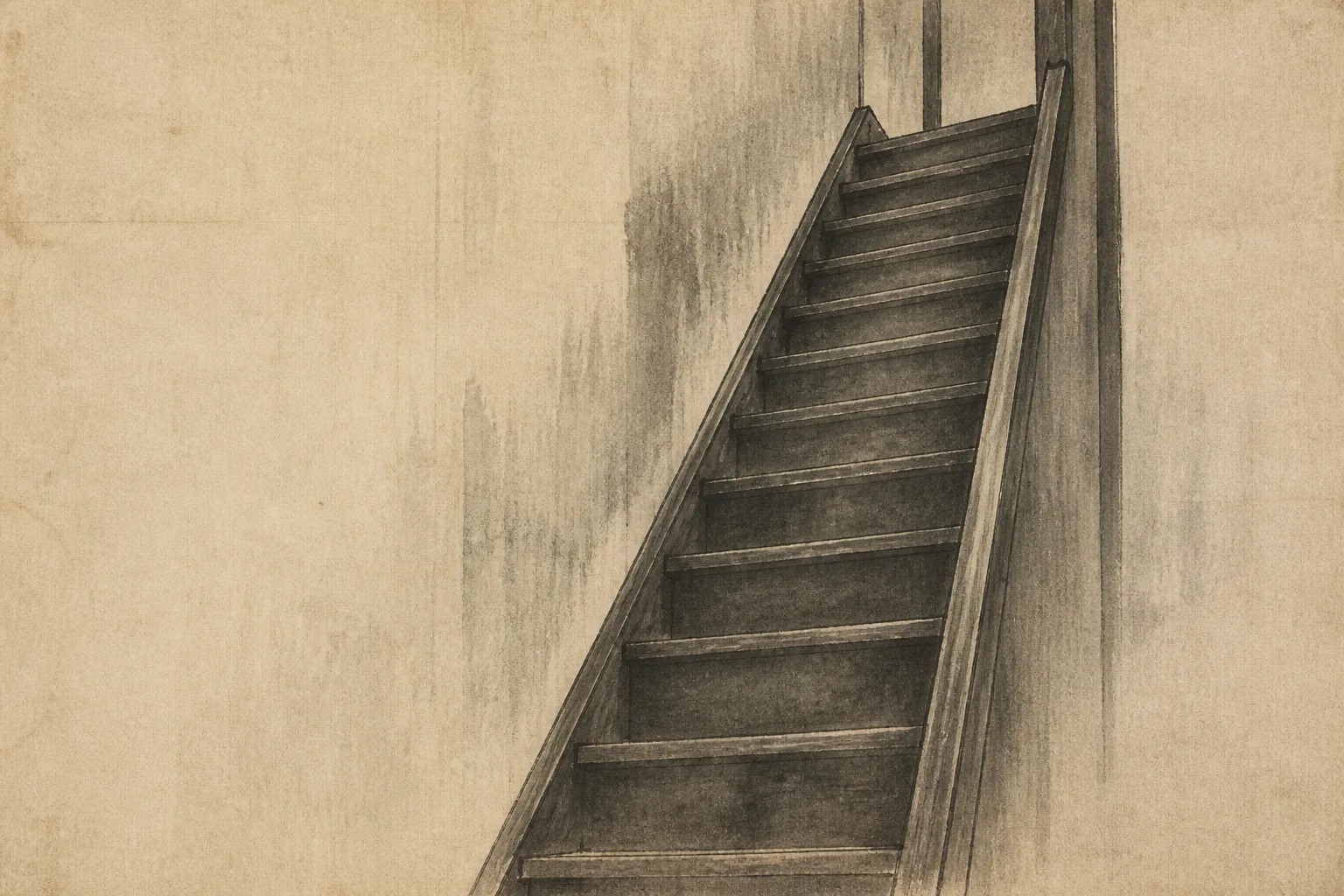
Stairs, ceilings, lamps, and crowded rooms constrained movement; the tuberculosis-collapse story is not certain. To investigate “Architecture Shapes Combat” further, do not stop with a commemorative plaque. Compare the date, maker or former owner, provenance, restoration status, and present location of each element named in “Ikedaya Stairs.” Old maps, municipal histories, museum catalogues, document editions, material-culture studies, and field guides help distinguish contemporary evidence from reconstruction and later memory. They also provide a practical route to relevant books, facsimiles, maps, equipment histories, and a responsible site visit.
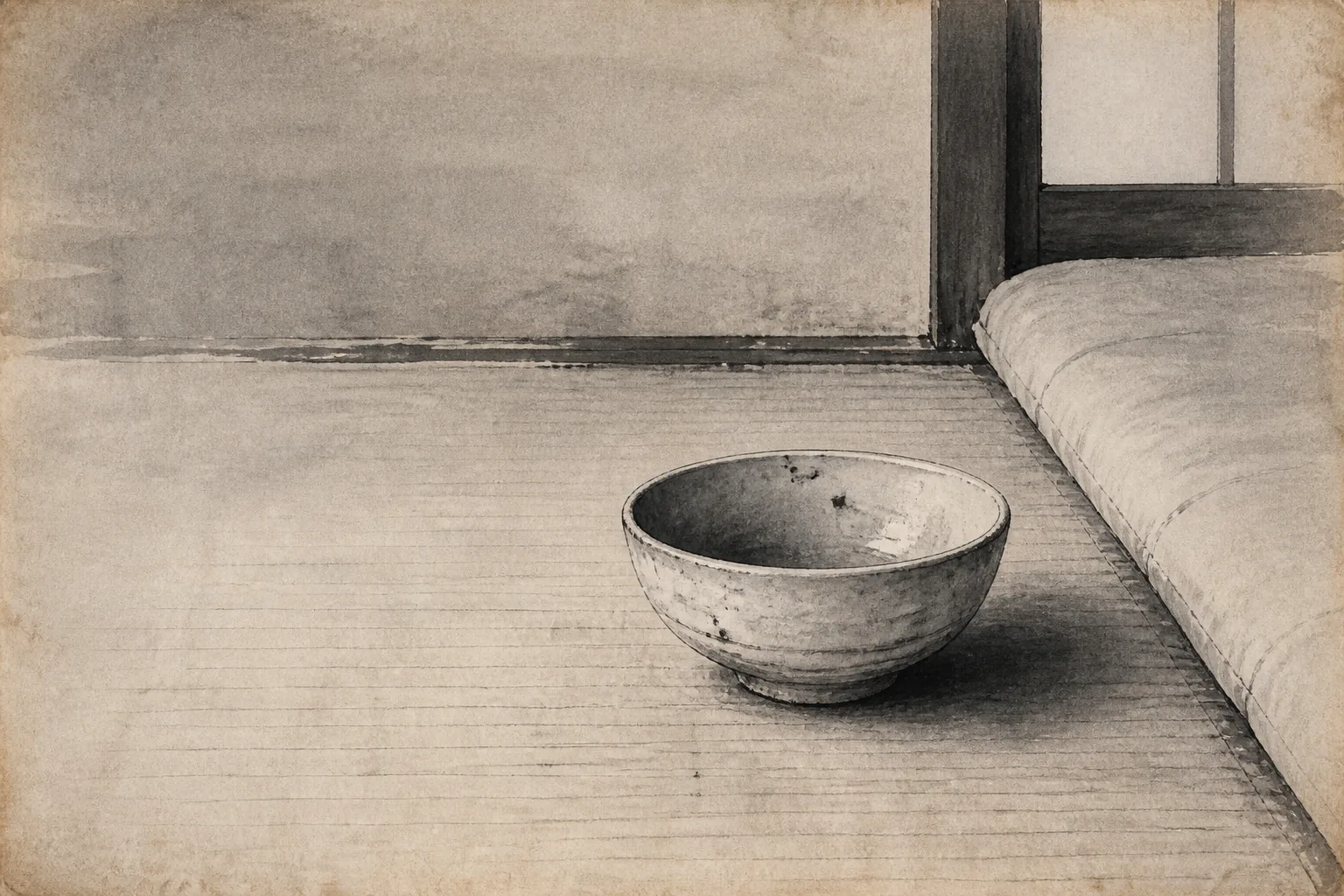
Medicine, water, bedding, and unused sandals replaced the material world of patrol. By 1867-68 illness kept him from the corps movements, and treatment replaced patrol as his daily routine. To investigate “The Sword Set Aside” further, do not stop with a commemorative plaque. Compare the date, maker or former owner, provenance, restoration status, and present location of each element named in “Sickroom Objects.” Old maps, municipal histories, museum catalogues, document editions, material-culture studies, and field guides help distinguish contemporary evidence from reconstruction and later memory. They also provide a practical route to relevant books, facsimiles, maps, equipment histories, and a responsible site visit.
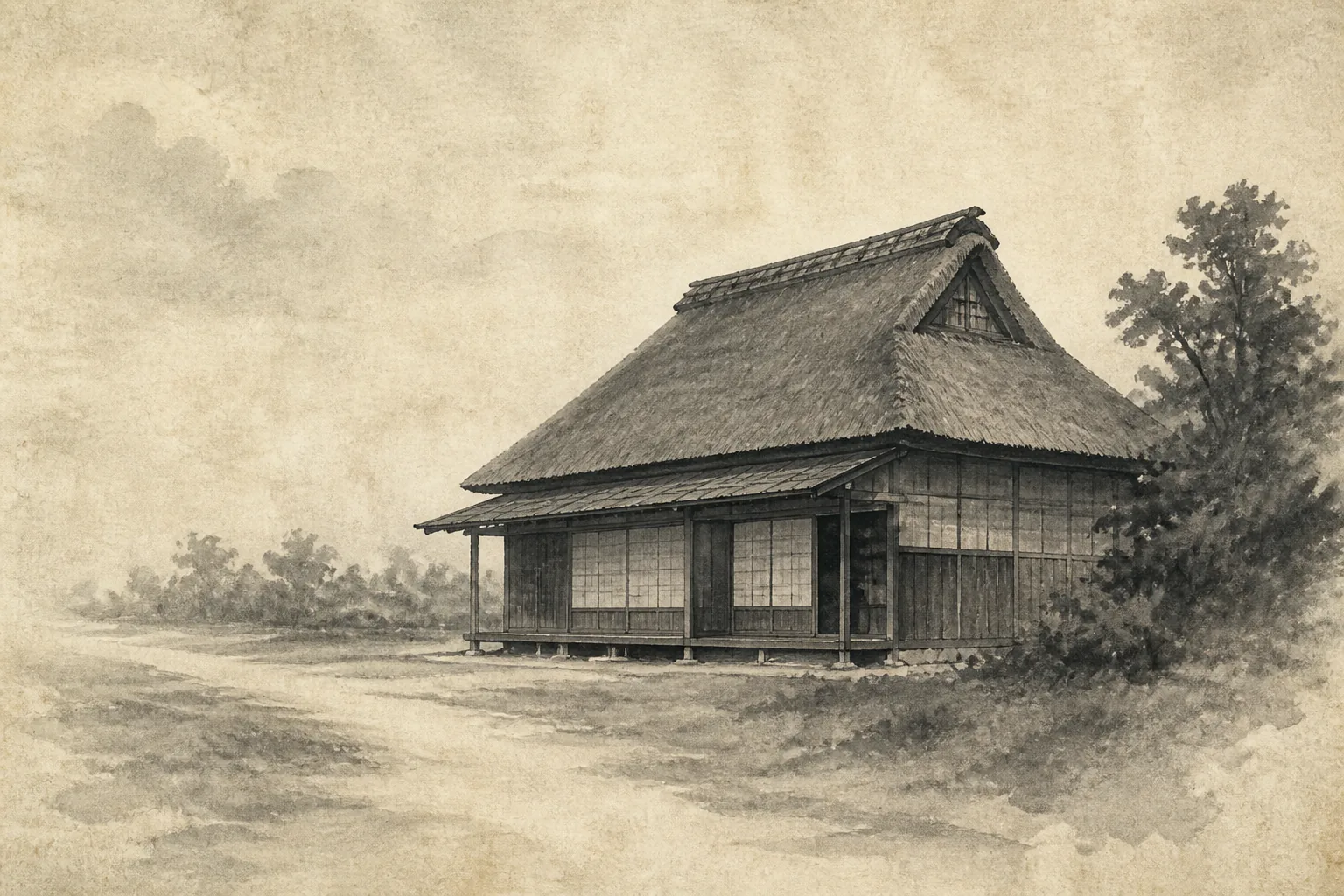
Accounts of his final location vary; Senshoji is a later focus of remembrance and should not be confused with every event of his last days. To investigate “Treatment Place and Memory Place” further, do not stop with a commemorative plaque. Compare the date, maker or former owner, provenance, restoration status, and present location of each element named in “Sendagaya and Senshoji.” Old maps, municipal histories, museum catalogues, document editions, material-culture studies, and field guides help distinguish contemporary evidence from reconstruction and later memory. They also provide a practical route to relevant books, facsimiles, maps, equipment histories, and a responsible site visit.
VISIT
Ryozen Museum of History · KyotoOfficial information
An exhibition using historical materials to explore the individual lives of Shinsengumi members including Kondo Isami, Hijikata Toshizo, Okita Soji, and Serizawa Kamo.
Search events related to Soji Okita →Browse all Bakumatsu events →