Kagoshima and the Kiire household
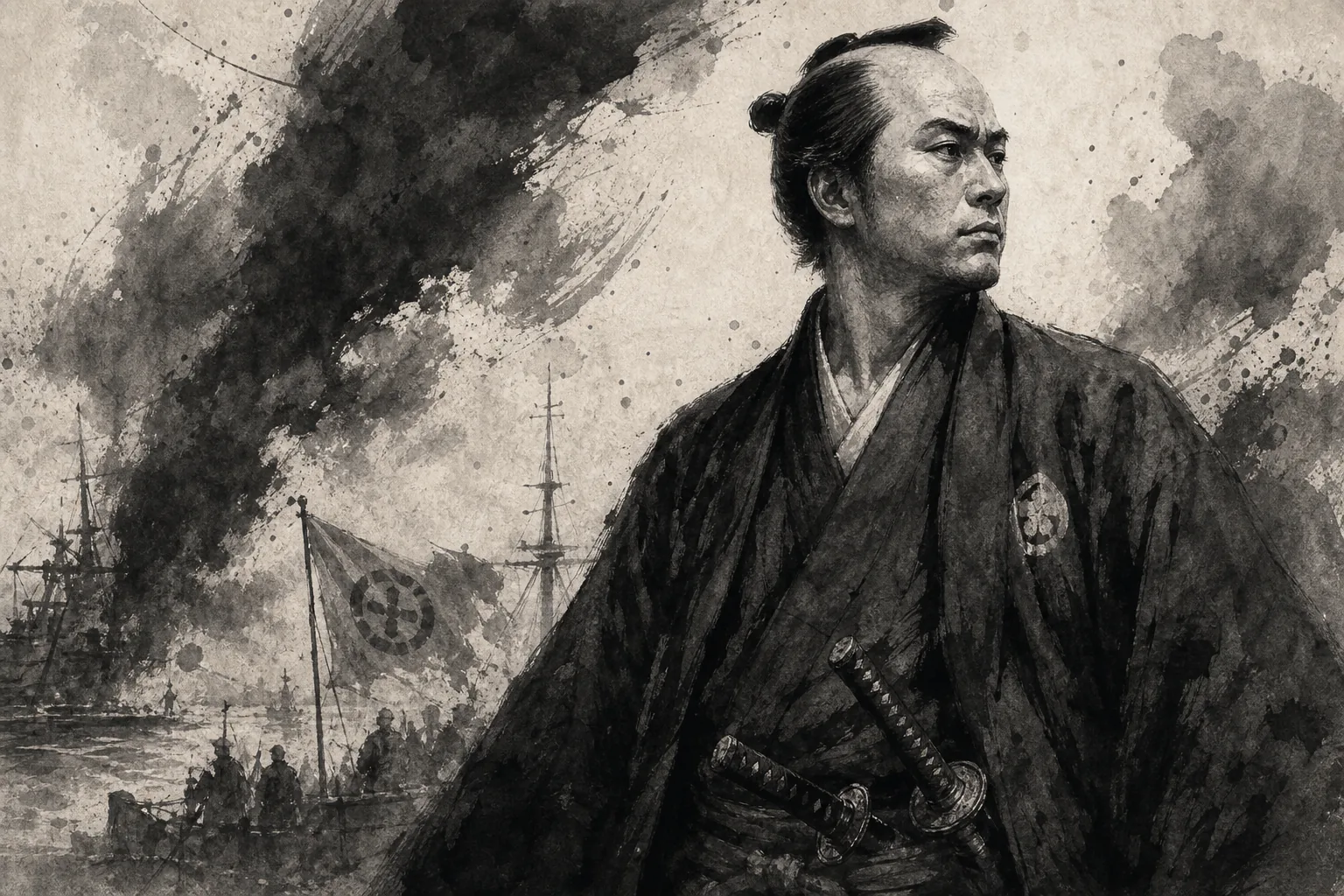
Born as the Third Son of the Kimotsuki Lord of Kiire
His education prepared him for service before adoption into the Komatsu lords of Yoshitoshi.
Know the Person
Meet Komatsu Tatewaki through the material work behind his reputation as a gifted mediator: a land register and irrigation plan at Yoshitoshi, furnace and steamship drawings at Shuseikan, bilingual papers after the Anglo-Satsuma War, Kameyama Shachu cargo tags and a bill of lading in Nagasaki, the six articles in the Ohanabatake residence, and Foreign Affairs files beside the Kosuge Shipyard slipway. Connecting people required authority over land, finance, ships, arms, rice, lodging, documents, and technology.
Life
Kagoshima and the Kiire household
His education prepared him for service before adoption into the Komatsu lords of Yoshitoshi.
Yoshitoshi and Kagoshima
Estate administration expanded into responsibility for Satsuma's finance, appointments, and diplomacy.
Kagoshima and Nagasaki
He supported repaired British relations and Kameyama Shachu transactions in arms, ships, and rice.
Ohanabatake residence, Kyoto
The Komatsu residence protected negotiations that produced the six articles of cooperation.
Kyoto and the new government
He spoke for restoration at Nijo and then served in the new government's diplomatic offices.
Nagasaki and Osaka
Maritime repair capacity survived him when illness ended his life in Osaka at thirty-five.
鹿児島県日置市
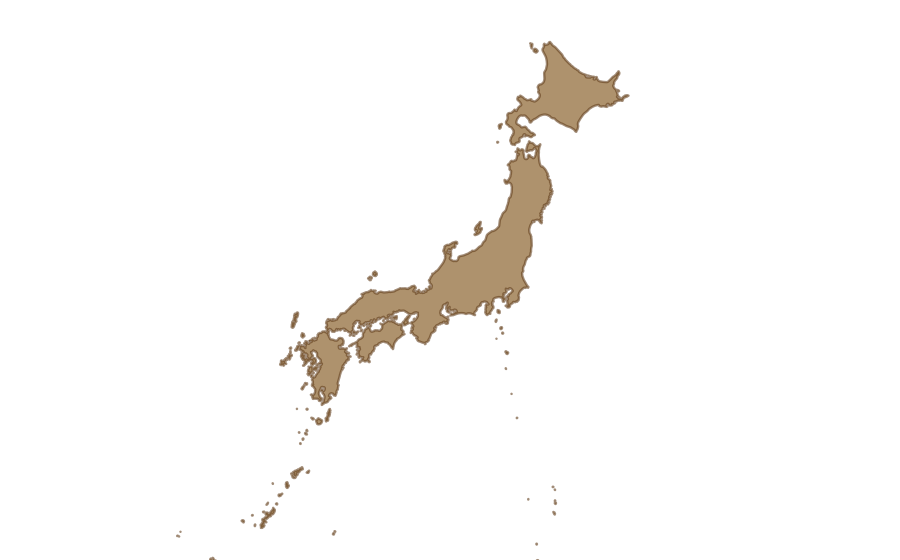
領地を見下ろす墓所と集落を歩き、検地帳、水路、米蔵、家臣団を扱った領主の実務を地域から考える。
小松帯刀
Address鹿児島県日置市日吉町吉利5004-3周辺
Nearby
京都府京都市
会談場所の標示から、宿泊、取次、書簡、武器と兵糧の取引が同盟へ結びついた過程をたどる。
小松帯刀
Address京都府京都市上京区室町通鞍馬口下る周辺
Nearby
長崎県長崎市
曳揚げ軌道と港の地形から、小松・五代・グラバーらが進めた船舶修理事業と長崎交易を確認する。
小松帯刀
Address長崎県長崎市小菅町5周辺
Nearby
Keys
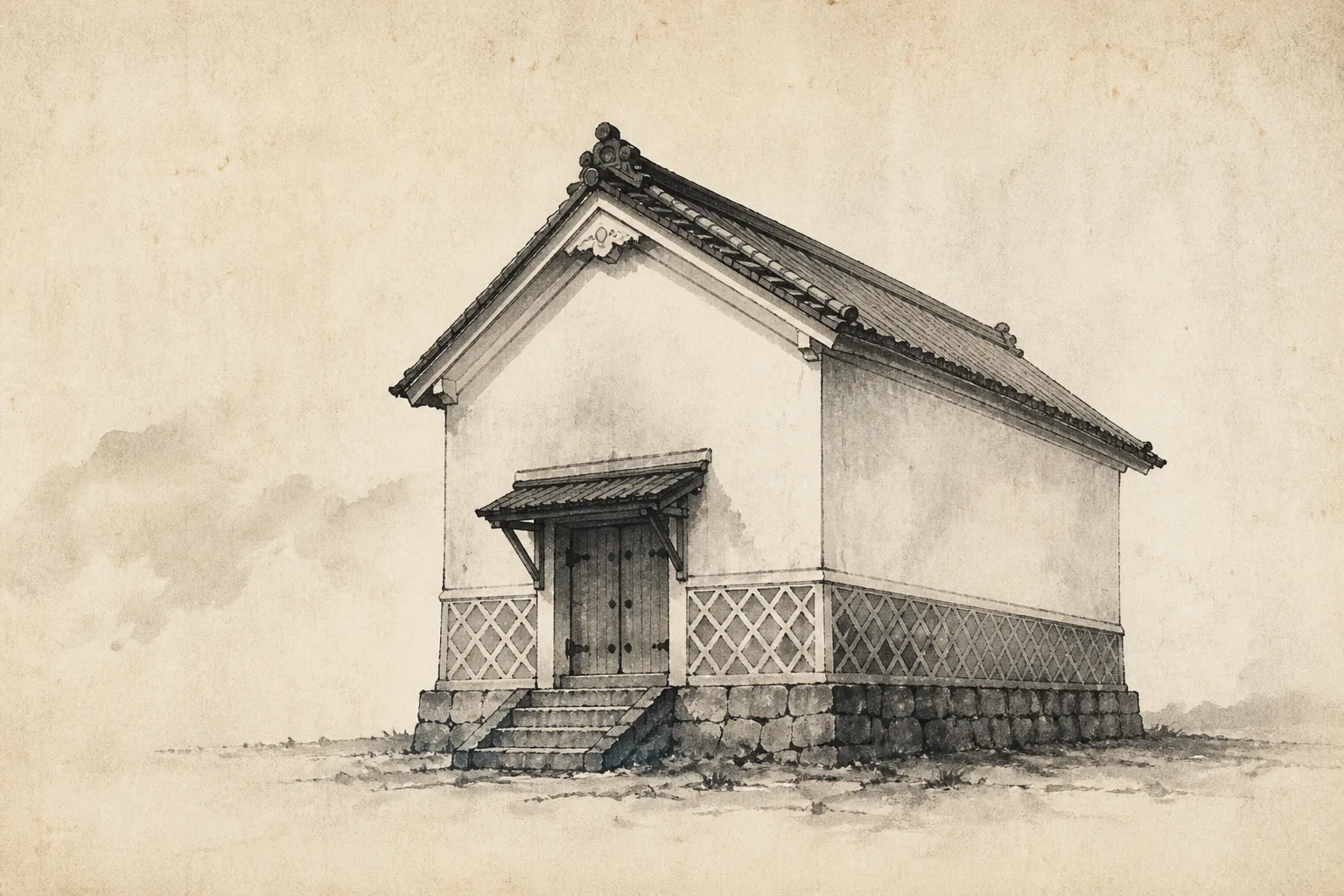
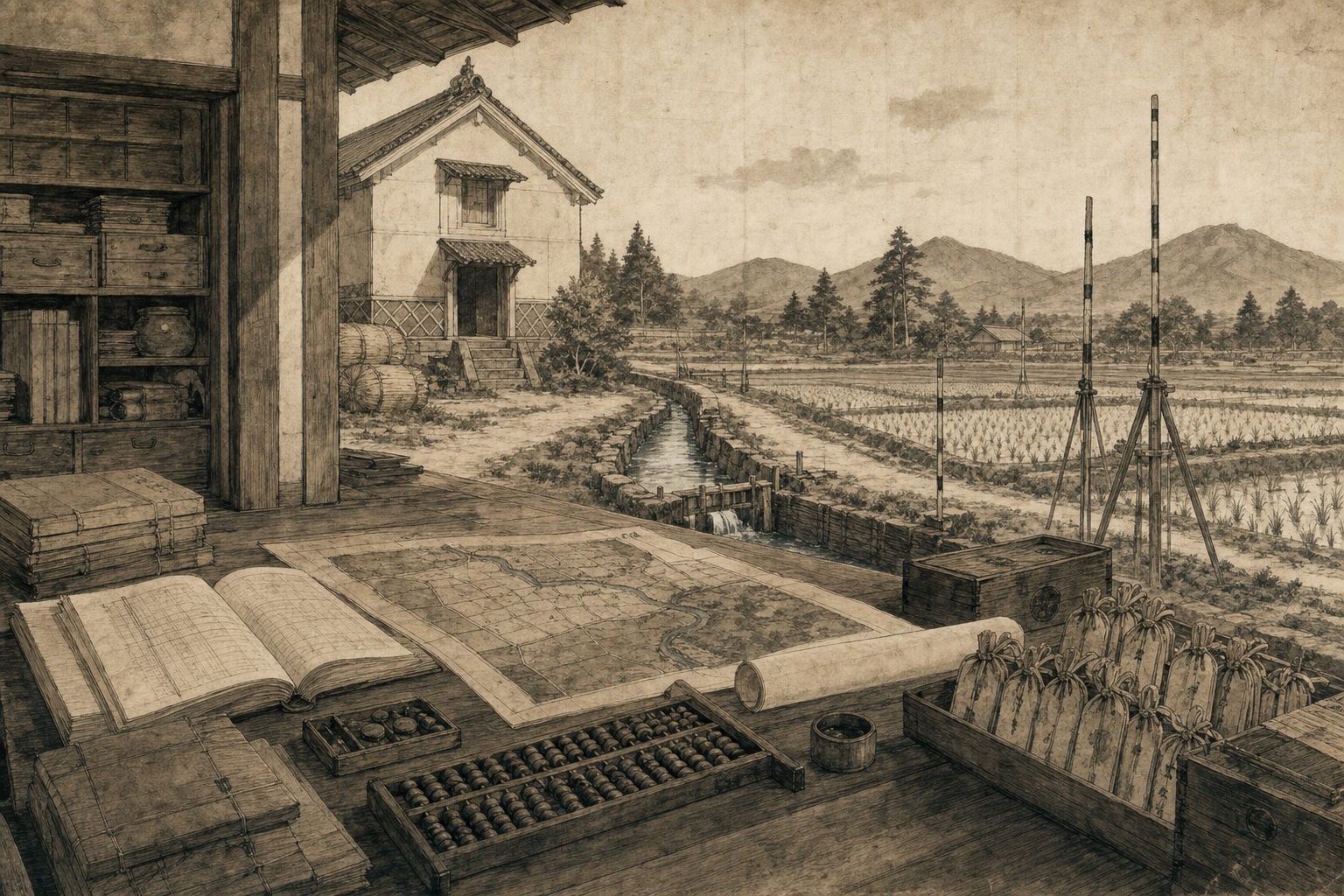
Born to the Kimotsuki lords of Kiire, Tatewaki succeeded the Komatsu household as lord of Yoshitoshi and shared responsibility for the estate with his wife Ochika. A land register, irrigation map, abacus, tax-rice tags, surveying poles, and storehouse show rule as practical work: measuring fields, allocating water, collecting revenue, and maintaining retainers. Handling the Yoshitoshi estate through records and household accounts prepared him to coordinate finance, vessels, and personnel at the scale of Satsuma. The grave site overlooking the settlement returns a central political figure to the governed landscape beneath him.
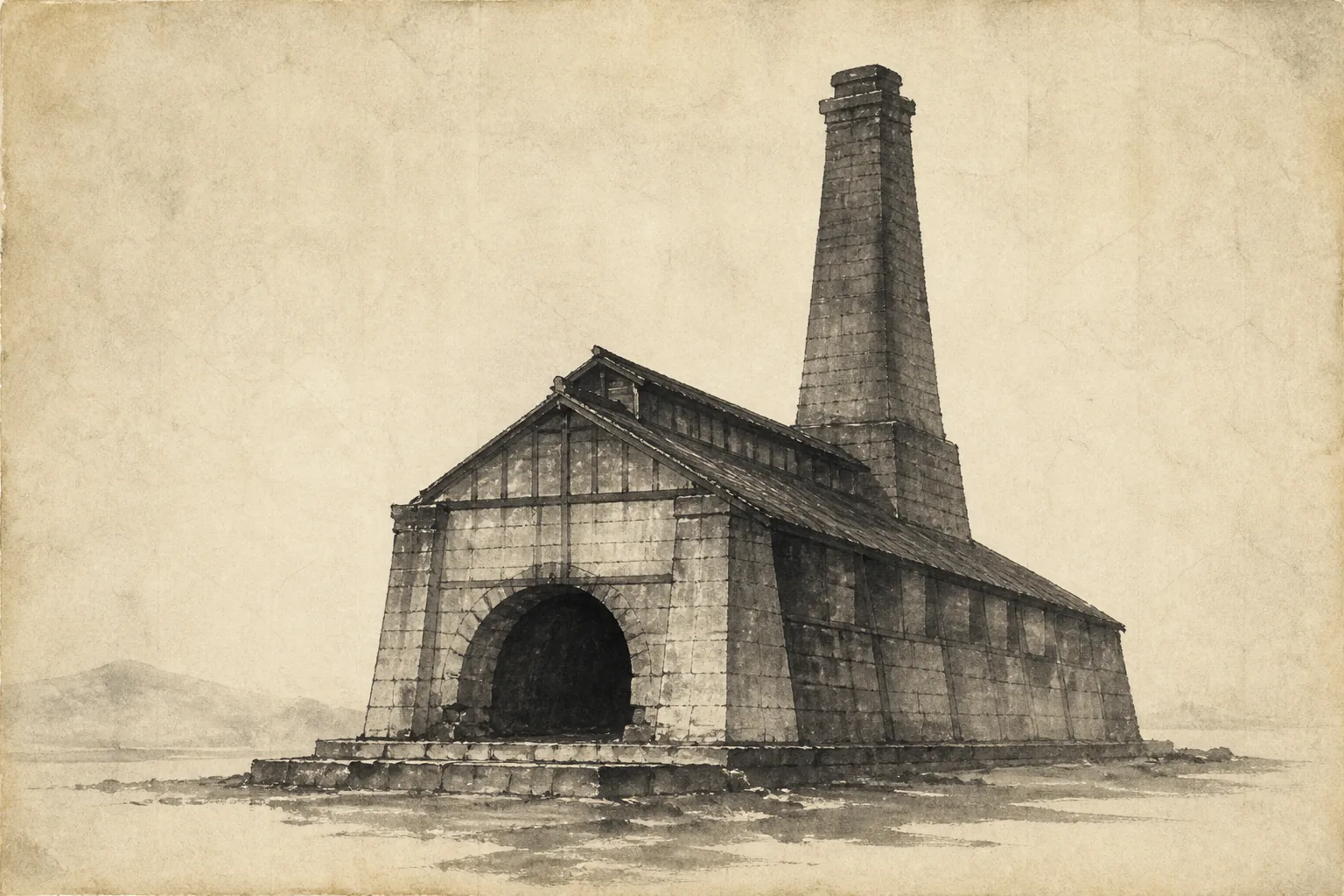
The Shuseikan program begun by Shimazu Nariakira joined furnaces, casting, machinery, textiles, and Western-style shipbuilding in a domain enterprise. By the time Komatsu became chief retainer, steamship drawings, gears, molds, boiler parts, coal, and workshops embodied decisions about whether and how to continue imported technology. Shuseikan and its steamship work were not Komatsu's inventions: lords, officials, craftsmen, translators, and foreign knowledge made them possible. His task was to preserve and deploy this costly institutional capacity for defense, diplomacy, transport, and trade.
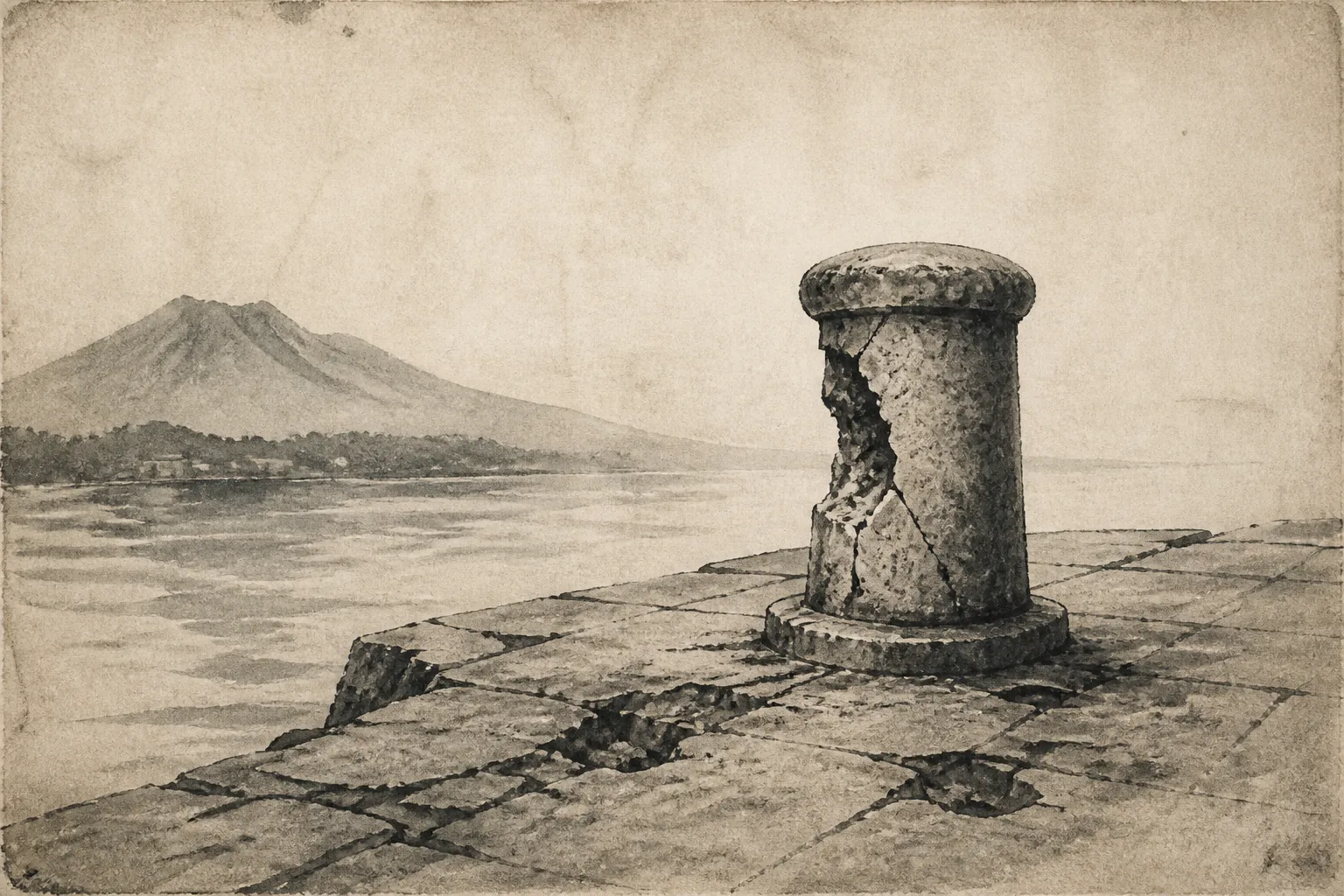
After the Anglo-Satsuma War damaged Kagoshima's town and harbor, Satsuma moved into postwar negotiation and a repaired relationship with Britain. A burned-port plan, bilingual papers, translations, seals, interpreter notebook, naval chart, steamship model, and tea service show that the transition required arguments over compensation, responsibility, supplies, and technology. As a chief retainer, Komatsu supported this reversal and helped create conditions for trade and overseas study after Satsuma had recognized British naval power. The violence and urban loss should remain visible beside the modernization that followed.
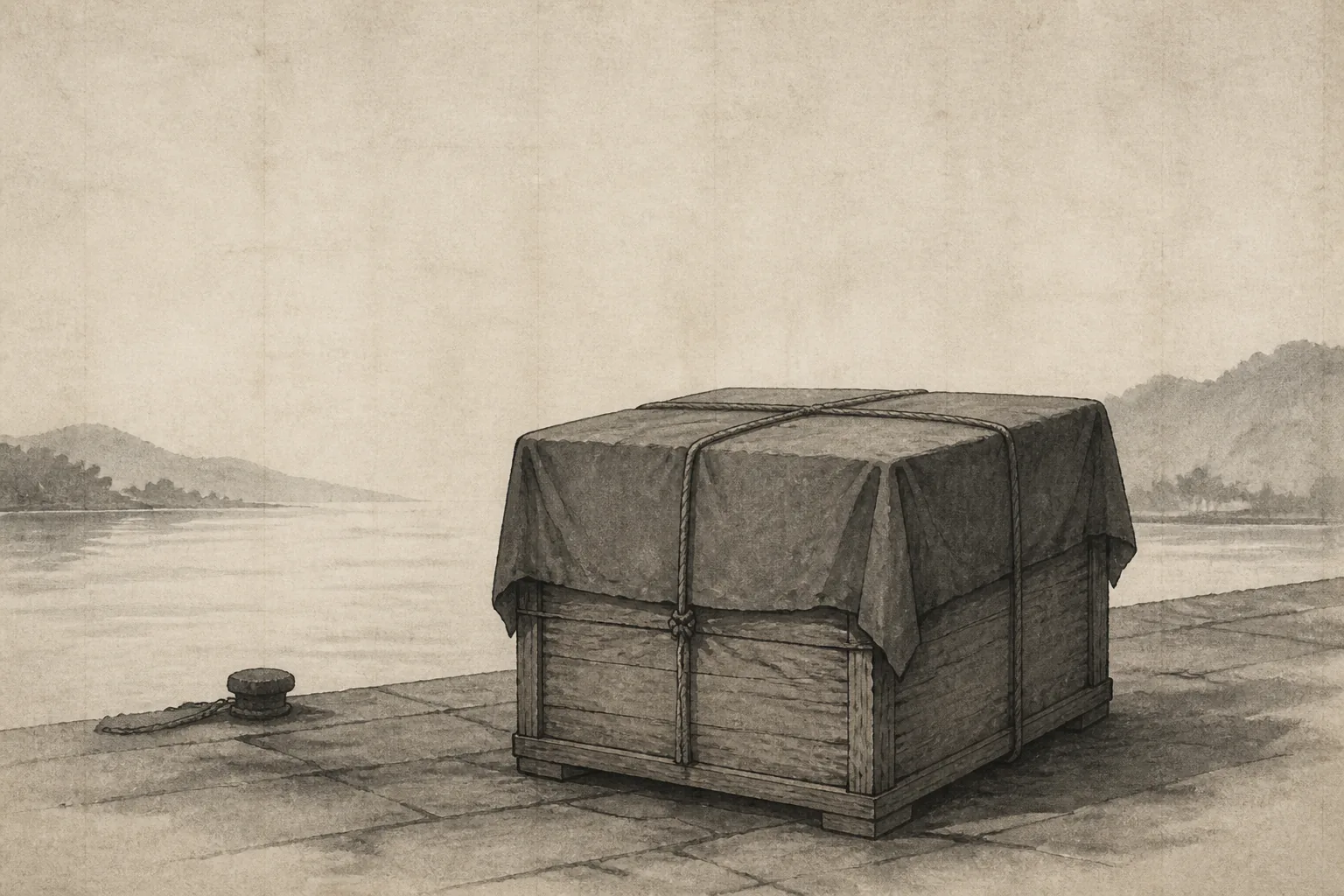
In Nagasaki, Komatsu supported Sakamoto Ryoma's Kameyama Shachu and helped make Satsuma's name and credit available for Choshu purchases of arms and ships. Covered rifle cases, a ship model, cargo tags, invoices, seals, rice bales, and a bill of lading reveal political cooperation beginning as transport and accounting. Choshu's supply of rice to Satsuma added reciprocal need. Ryoma's mediation mattered, but so did a chief retainer authorized to commit domain credit, merchants handling purchase, sailors moving cargo, and company clerks settling the paperwork.
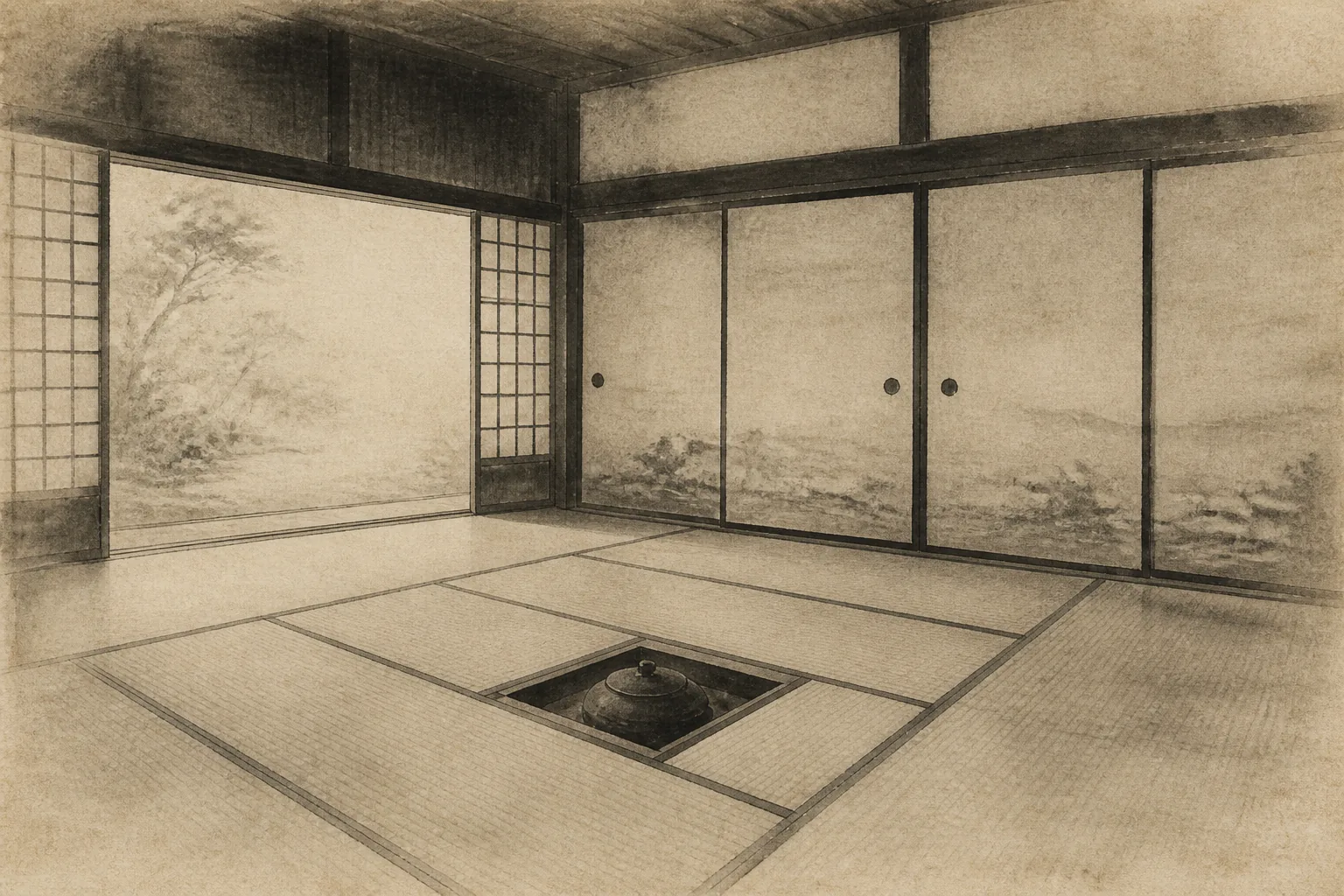
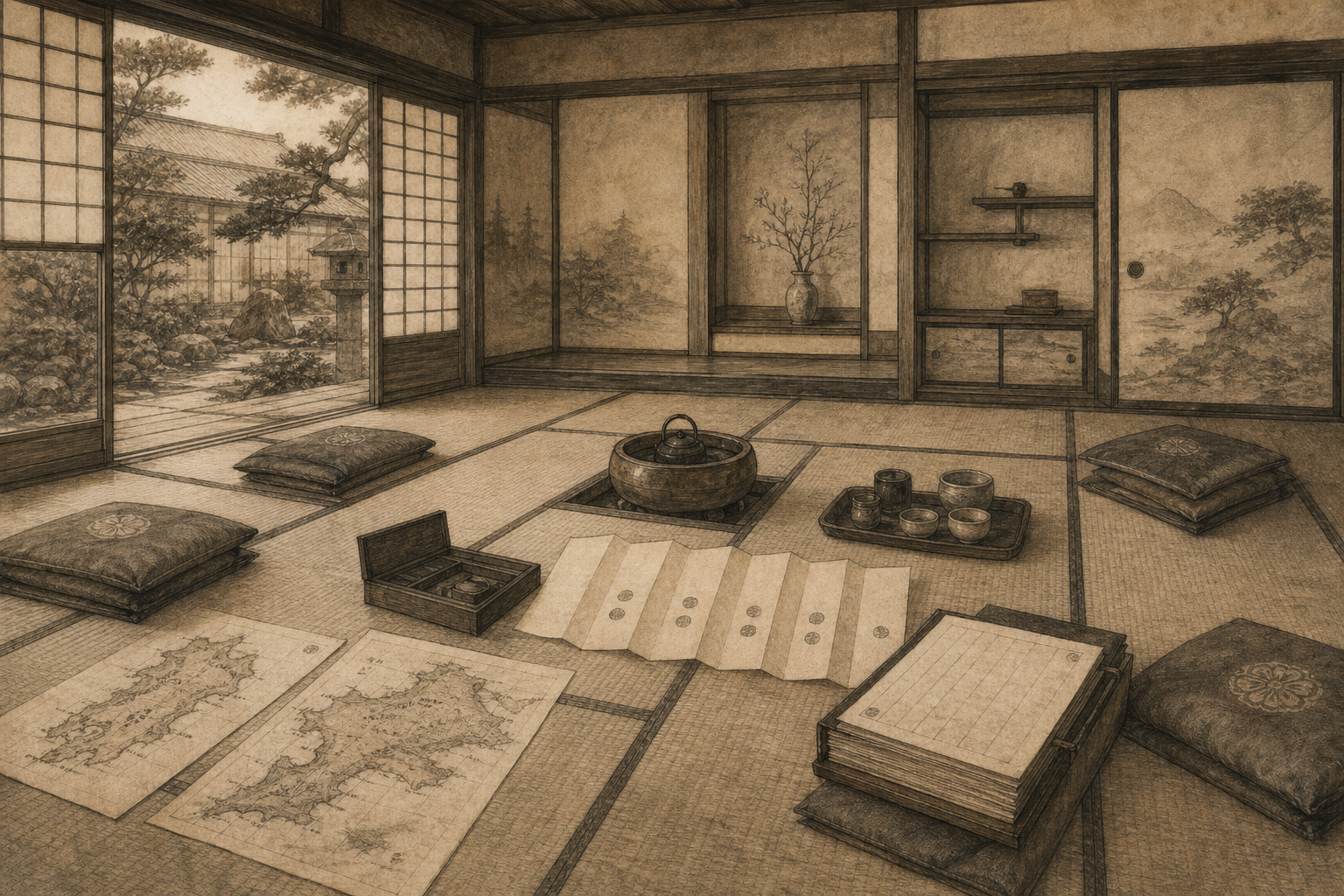
In 1866 Satsuma and Choshu representatives reached agreement at the Kyoto Komatsu residence identified as Ohanabatake. An empty tatami room, cushions, brazier, teacups, guest ledger, letter case, domain maps, and a memorandum of the six articles emphasize security, hospitality, secrecy, and verification over a dramatic handshake. Kagoshima Prefecture likewise identifies Komatsu's residence as the place of conclusion. The alliance did not arise in one evening: arms, ships, rice, and Ryoma's mediation accumulated into a political promise that the residence could safely host and record.
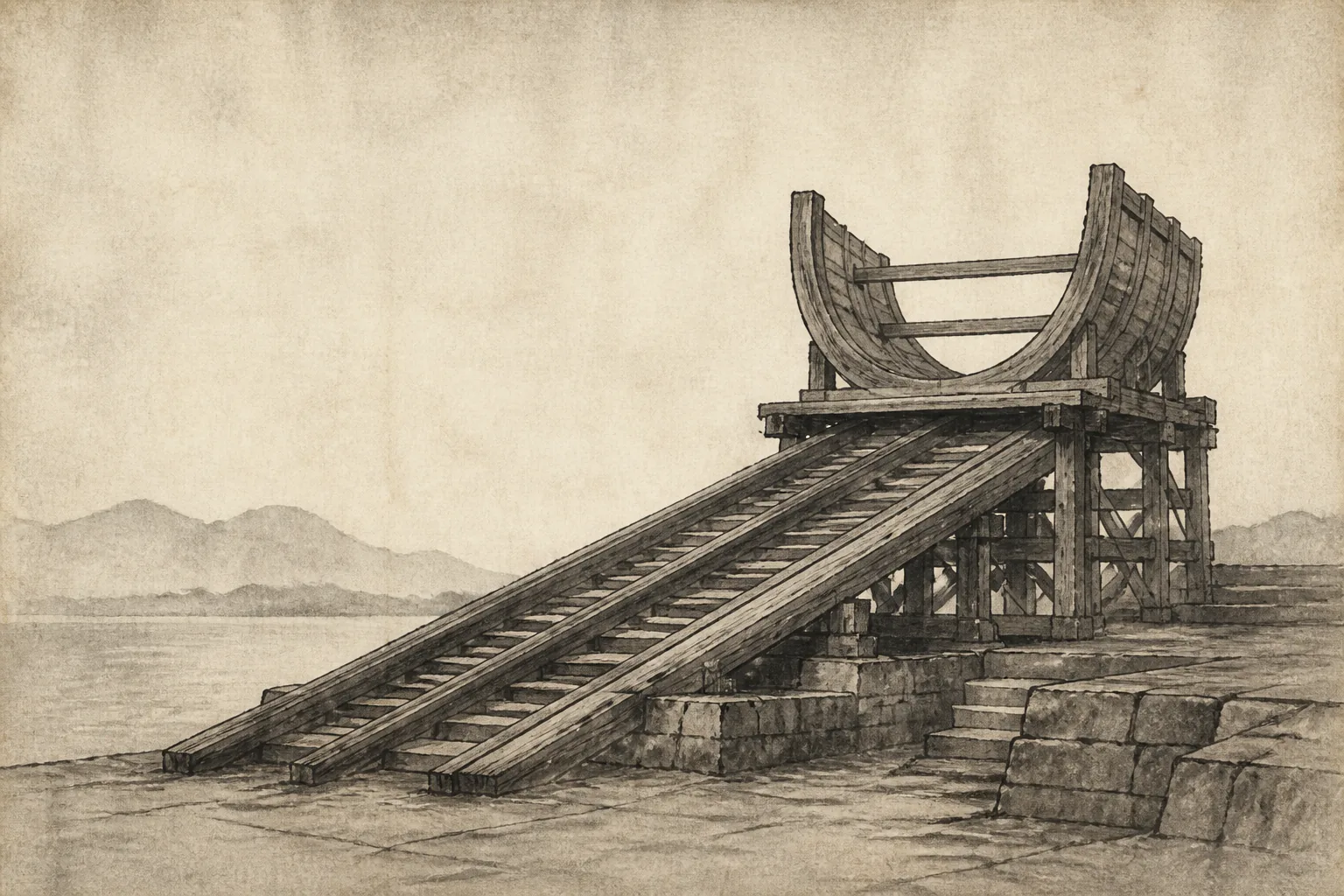
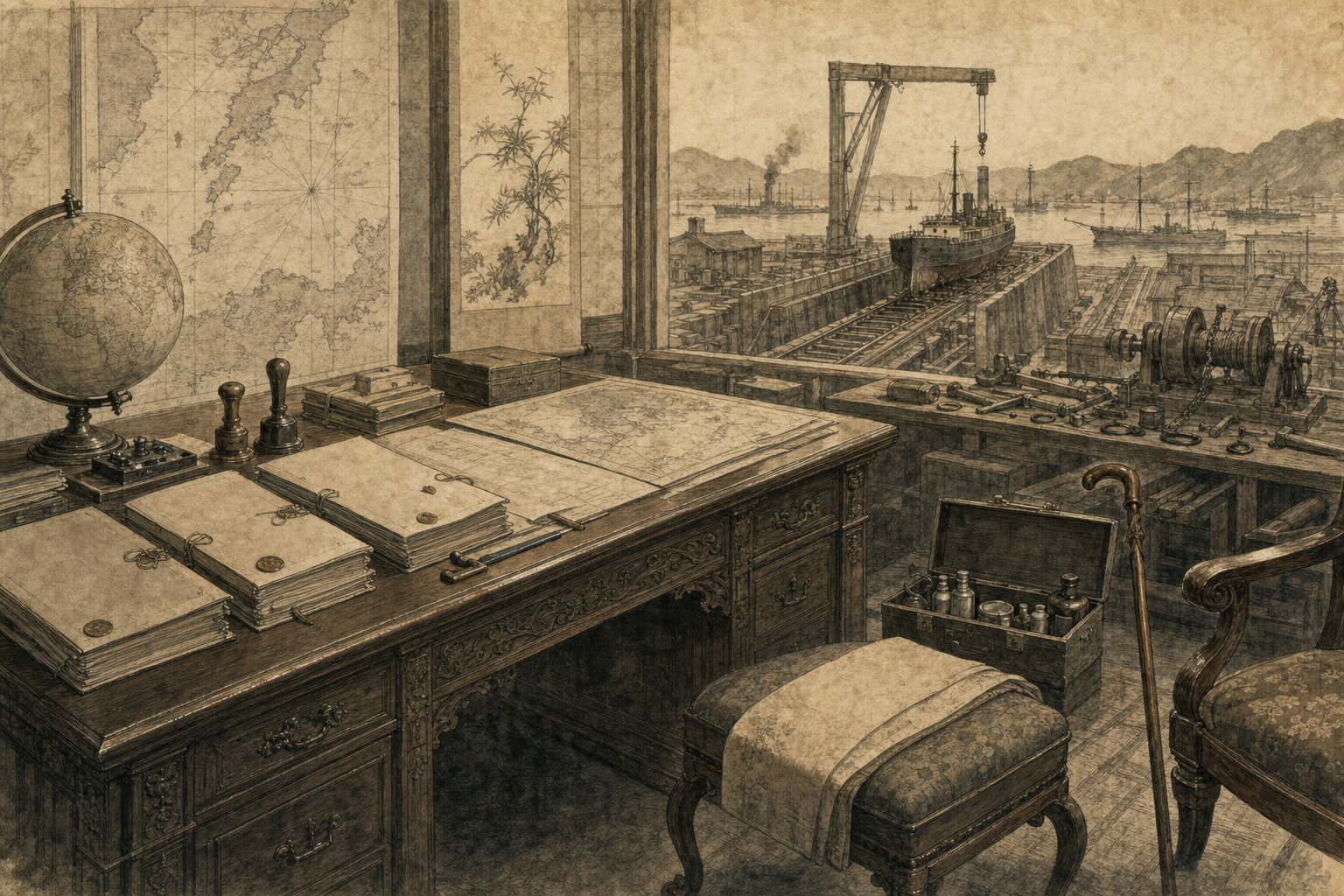
An opinion book from the Nijo Castle discussion of restoring rule, early government Foreign Affairs files, treaty folders, globe, and port charts represent Komatsu's work through regime change. In Nagasaki, the Kosuge Shipyard developed with Godai Tomoatsu, Thomas Glover, and others used rails, hauling machinery, and repair tools to pull vessels from the water. Neither diplomacy nor the shipyard was a solitary achievement. A medicine box, walking cane, and leg rest record chronic illness constraining his service. Komatsu died in Osaka in 1870 at thirty-five, leaving institutions rather than the later label of an unrealized prime minister.
VISIT
Kameyama Shachu Memorial Museum · NagasakiOfficial information
An exhibition using reproductions including Sakamoto Ryoma's letters to explain the Satsuma–Choshu Alliance and the political changes that followed.
Search events related to Tatewaki Komatsu →Browse all Bakumatsu events →