Koishikawa Mito Mansion, Edo
Born as the Third Son of the Mito Lord
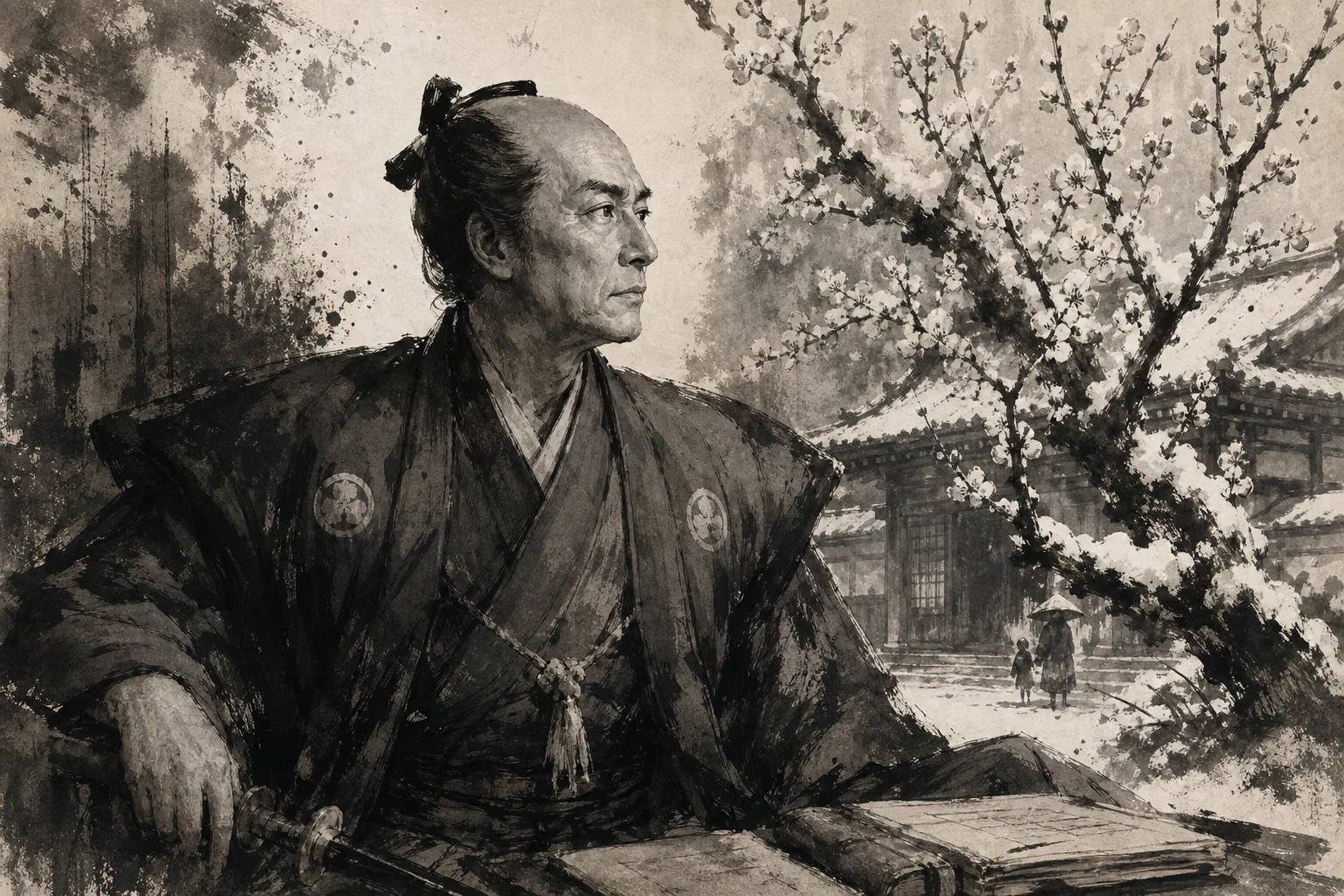
He grew up in the Edo residence while encountering Mito scholarship and domain problems.
Know the Person
Approach Tokugawa Nariaki through the things that made policy tangible: Kodokan classrooms and martial yards, Kairakuen's bamboo and plum groves, a farmer figure beside the dining tray, a coastal watch fortress, the Nakaminato reverberatory furnace, and sealed orders behind a closed mansion gate. These places and objects connect education, rest, agriculture, surveillance, manufacture, and punishment while exposing both the reach and the friction of his political program.
Life
Koishikawa Mito Mansion, Edo
He grew up in the Edo residence while encountering Mito scholarship and domain problems.
Mito
He connected finance, farming, education, and industry under a program of care and austerity.
Kodokan and Kairakuen, Mito
Kodokan opened provisionally, followed by Kairakuen as a planned place of restorative rest.
Edo and Mito
Shogunate concern over reform and armament forced him to yield the lordship and accept restrictions.
Edo, Mito, and Nakaminato
After Perry's arrival, he supported coastal readiness and an industrial base for iron cannon.
Mito Castle
Conflict with Ii Naosuke ended in confinement in Mito, where Nariaki died at age sixty-one.
茨城県水戸市
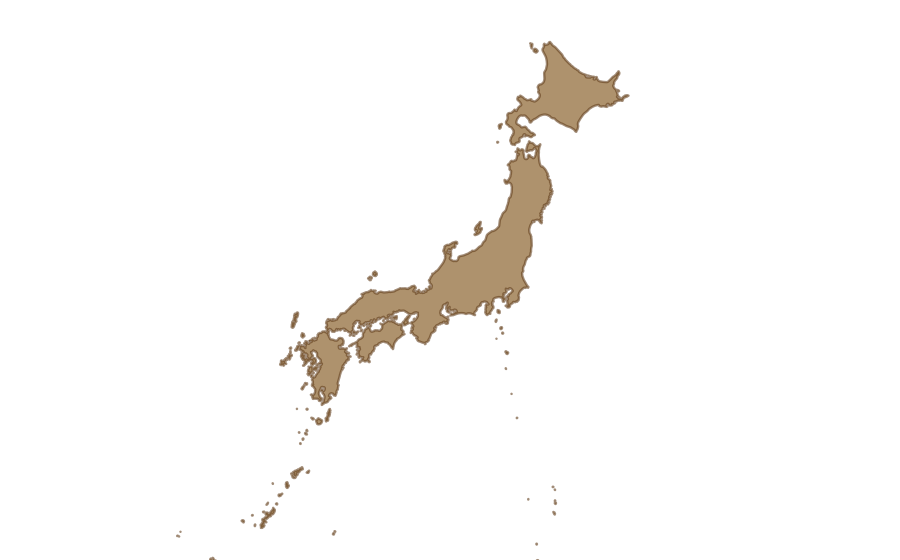
文武を学ぶ弘道館と、斉昭が藩政を担い晩年を過ごした水戸城の空間をたどる。
徳川斉昭
Address茨城県水戸市三の丸1丁目6-29
Nearby
茨城県水戸市
竹林、梅林、好文亭、千波湖の眺望から、弘道館と対をなす休養の設計を歩く。
徳川斉昭
Address茨城県水戸市常磐町1丁目3-3
Nearby
茨城県ひたちなか市
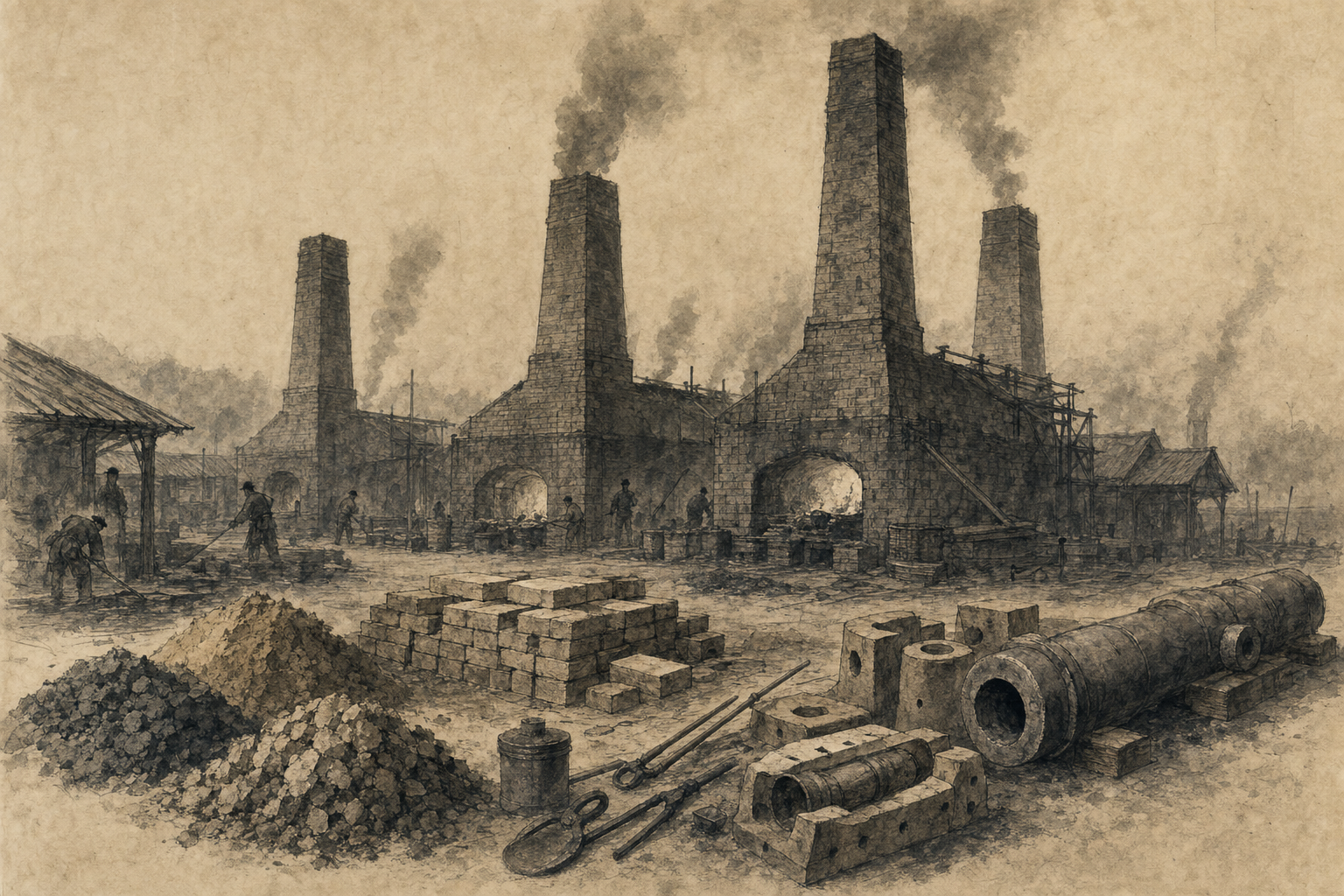
海防論が耐火煉瓦、炉、鋳型、鉄製大砲へ変わった製造拠点を確認する。
徳川斉昭
Address茨城県ひたちなか市栄町1丁目10周辺
Nearby
Keys
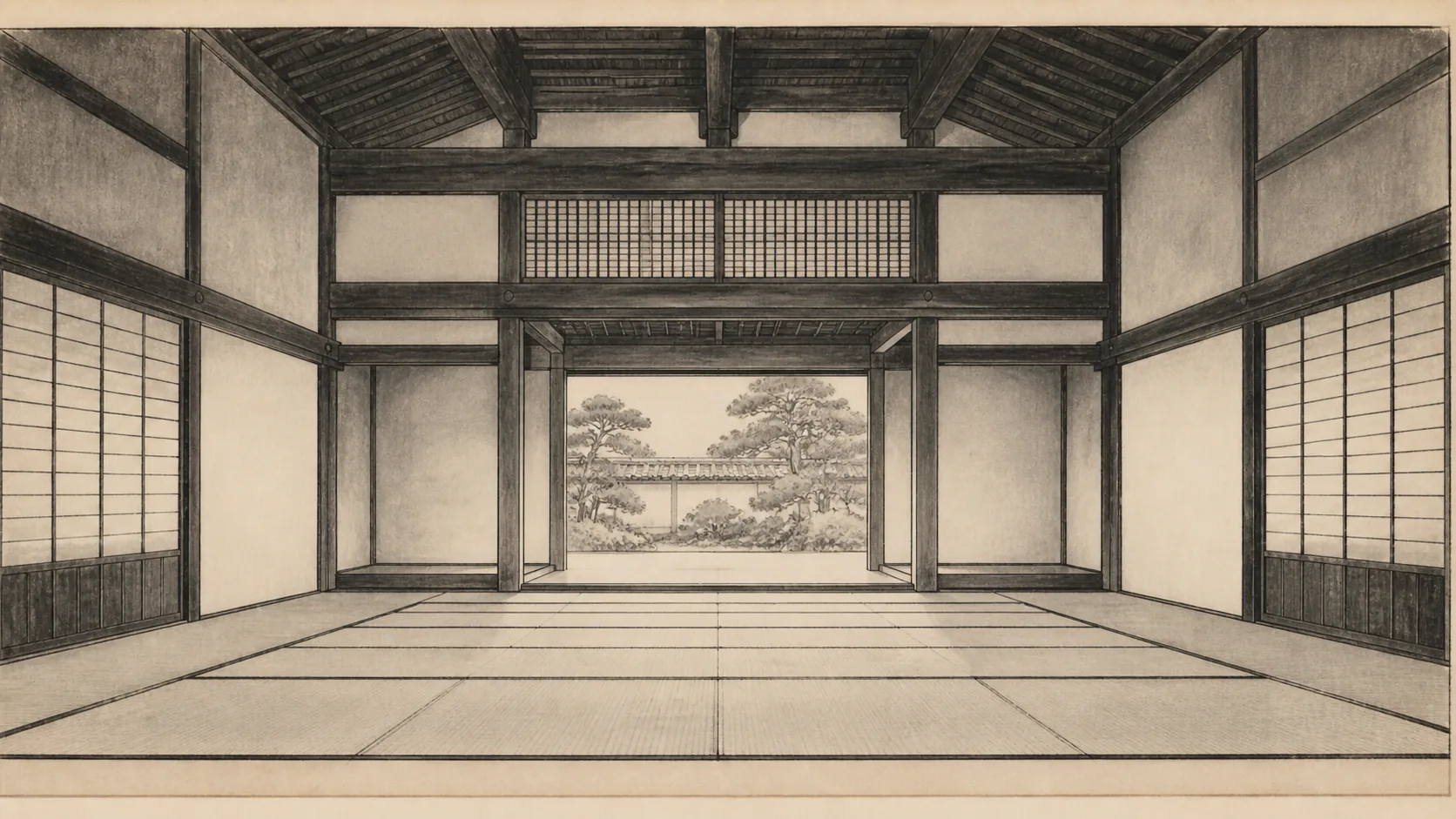
Kodokan provisionally opened in 1841 as far more than a lecture school. Its broad grounds joined formal halls and classrooms to martial practice spaces, medical study, and other domain institutions. In his poem on Kodokan's plum blossoms, Nariaki linked flowers opening first through snow with both literary cultivation and martial strength. Tatami rooms, practice weapons, yards, and trees made Mito learning into a routine that connected texts, disciplined bodies, and the practical preparation of domain officials.
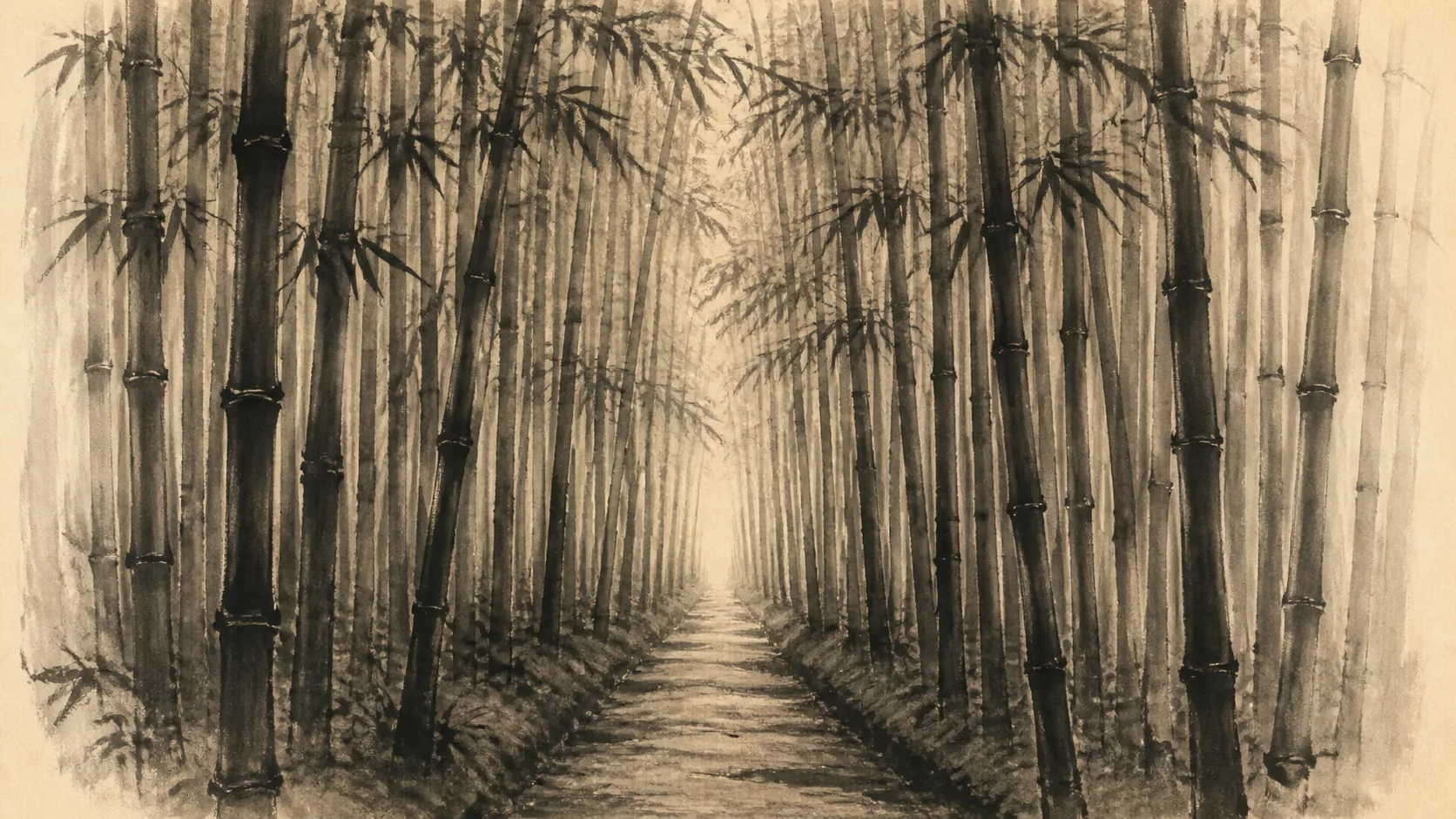
Kairakuen opened in 1842 as a counterpart to Kodokan, expressing the idea that sustained learning required the relaxation of mind and body. A route from the shaded Moso bamboo grove into bright plum orchards and views over Lake Senba gives physical form to contrast between darkness and light. Kobuntei, whose design involved Nariaki, hosted retainers and people of the domain for poetry and recreation. School and garden together treated education as a rhythm extending beyond the classroom.
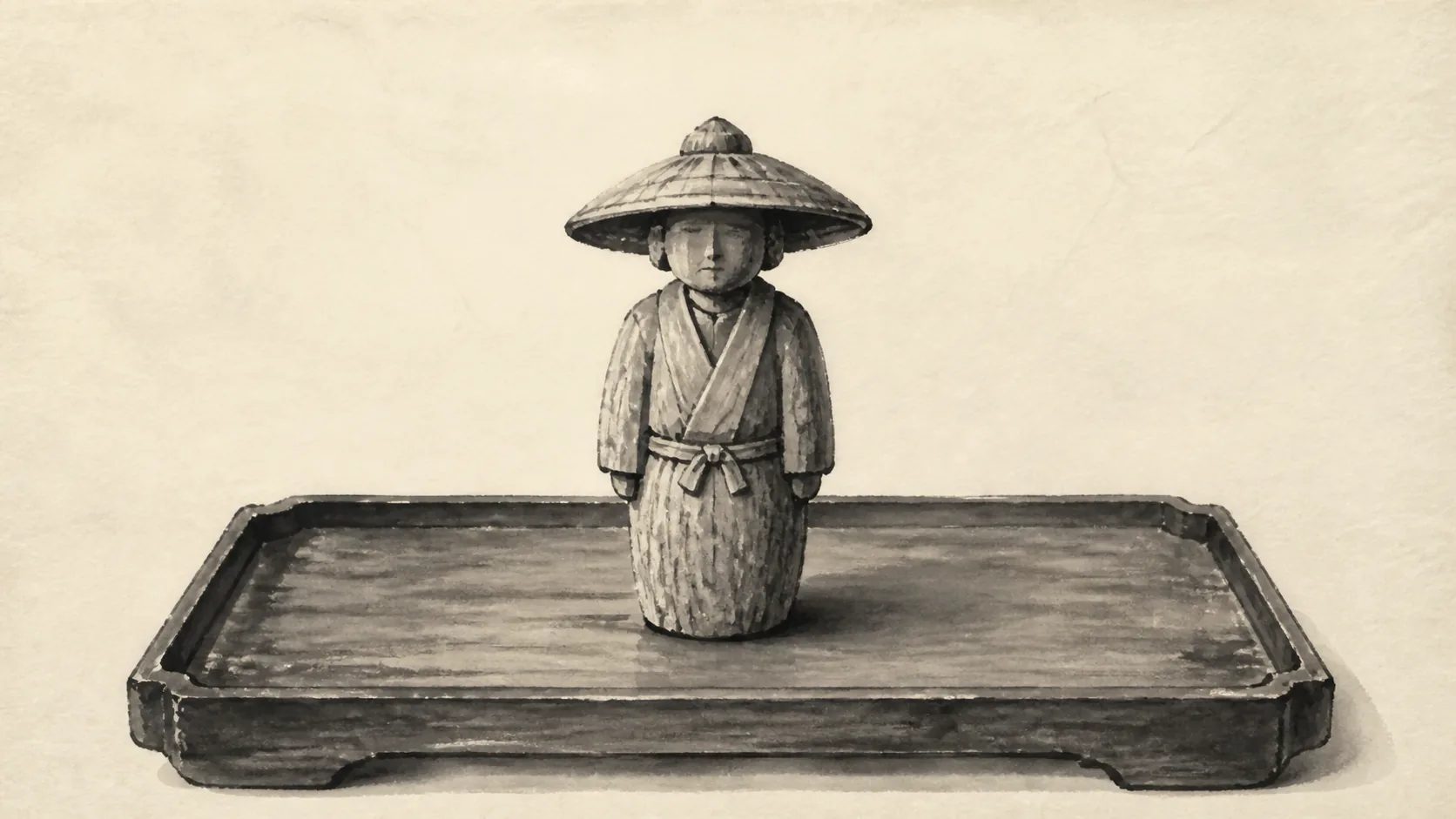
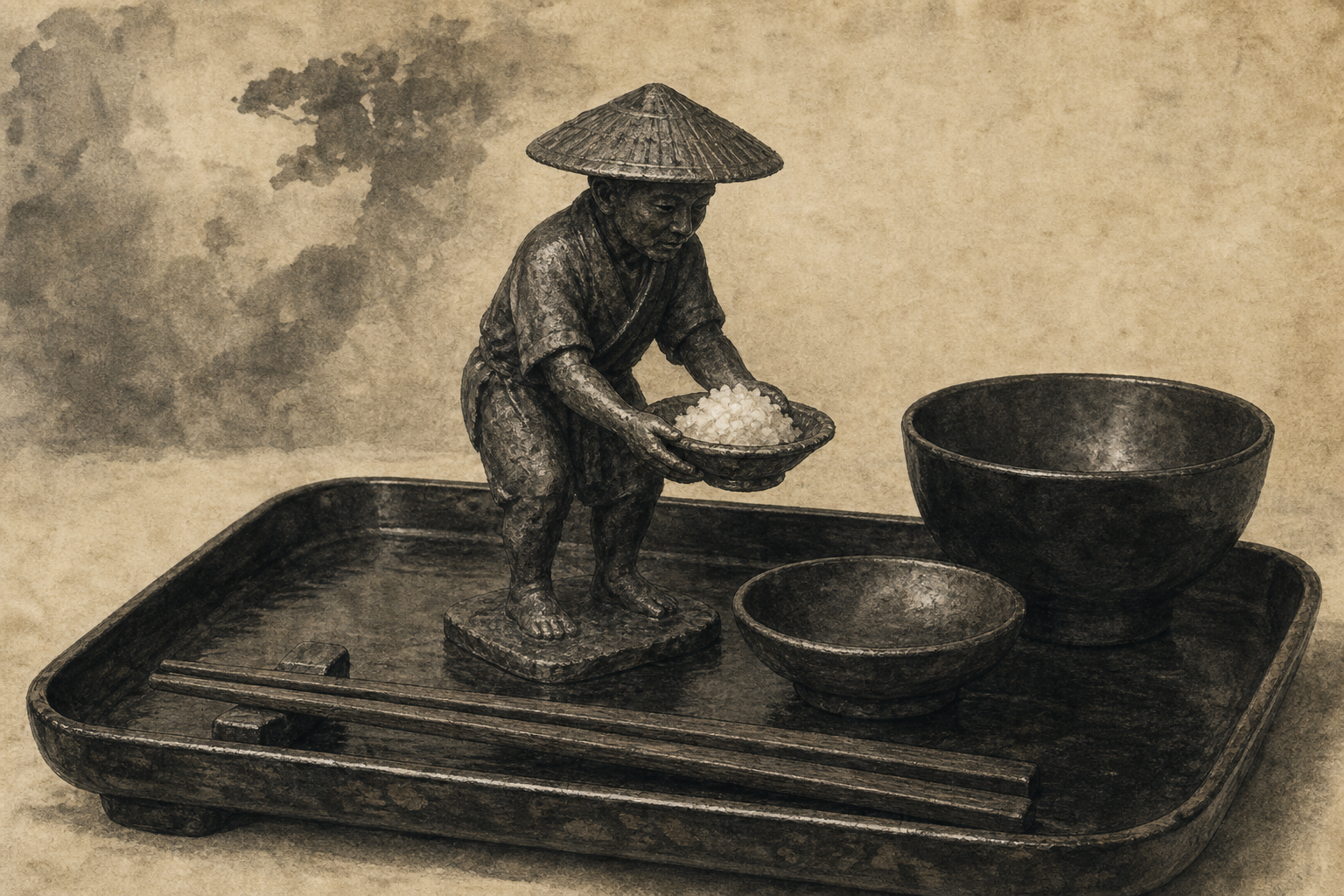
On becoming lord, Nariaki announced a priority often rendered as single-minded care for the people and undertook agricultural reform. A well-known account places a small farmer figure at his dining tray, with one chopstickful of rice offered into its hat to recall the labor producing every meal. The wooden folk objects familiar today developed later and should not be confused with a securely identified original. Even as a transmitted practice, the small object connects fiscal austerity and rural policy to a repeated act of attention at the table.
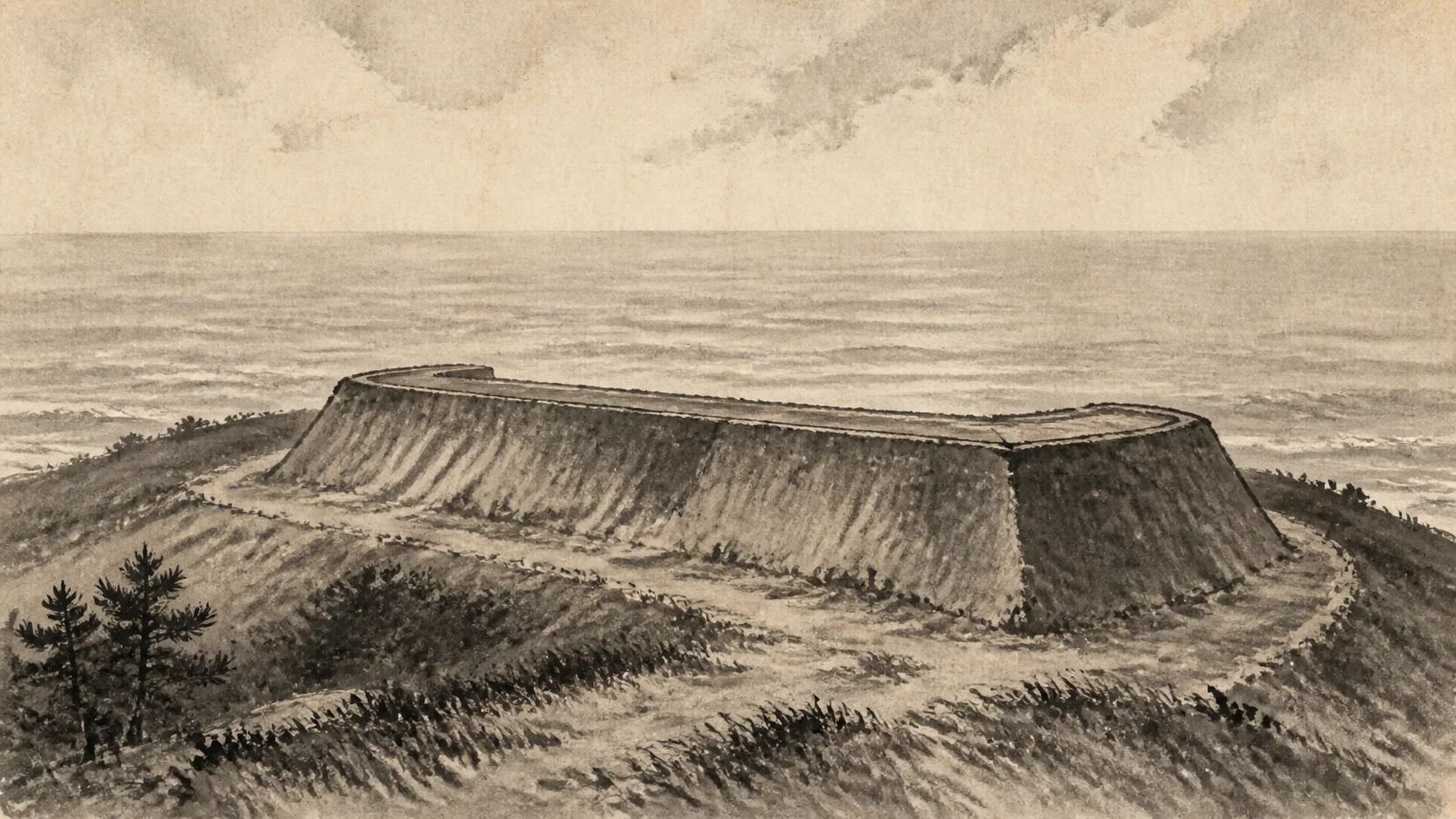
As foreign ships appeared off the Hitachi coast, Nariaki assigned senior retainer Yamanobe Yoshimi to coastal defense and developed Sukegawa on a hill overlooking the Pacific. Although remembered as a fortress, its daily purpose centered on sustained observation, reporting, signaling, and troop readiness. Earthen ramparts, a timber lookout, telescope, beacon, and shoreline turn exclusionist language into a practical routine: watching the horizon in poor weather, distinguishing ships, and moving information inland before any battle began.
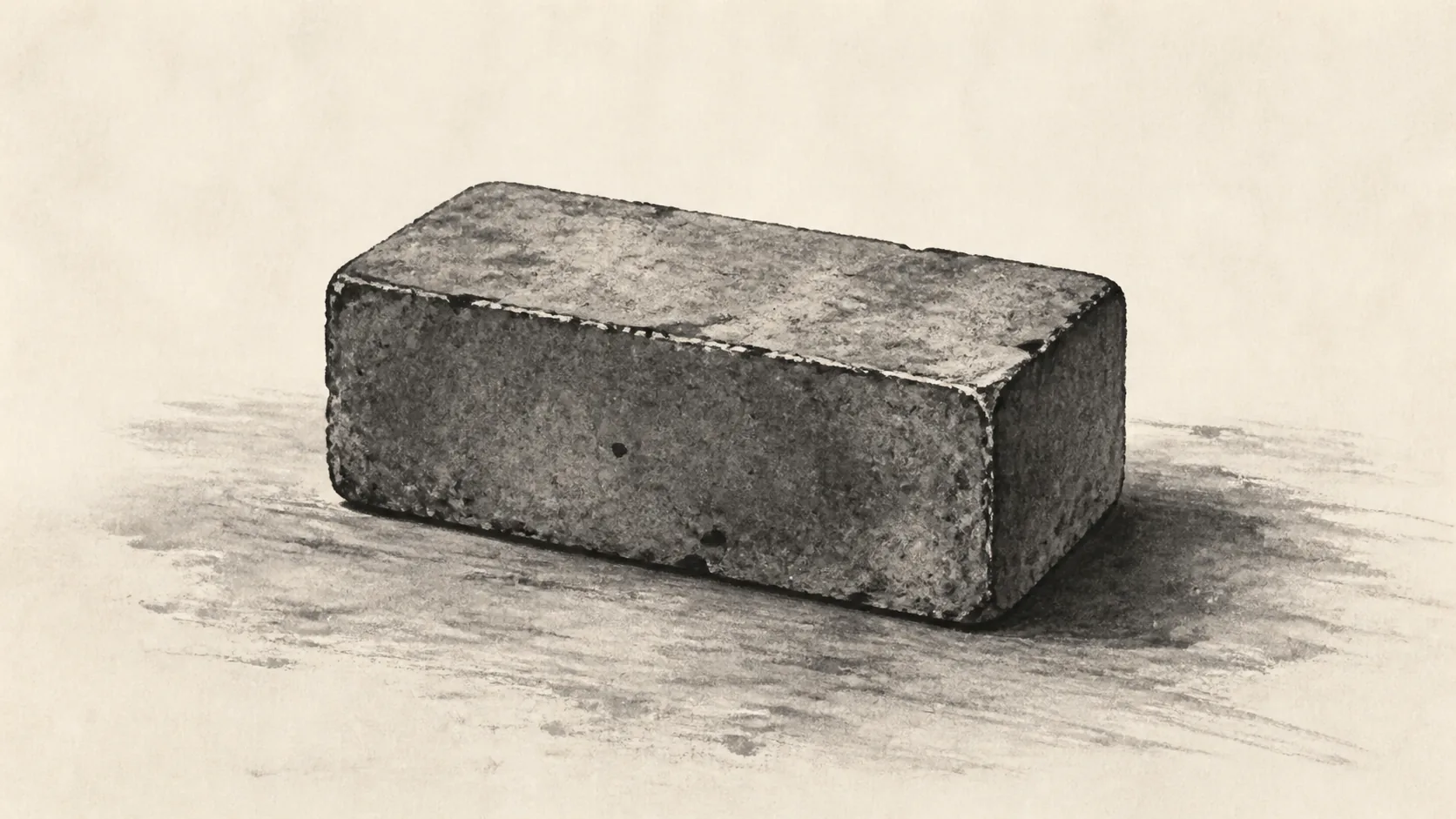
Completed in 1855, the Nakaminato reverberatory furnace was intended to cast iron cannon rather than rely on older bronze pieces. Its extreme heat demanded firebrick made from selected clay from Kosuna and powdered flint from Iwaki. Morioka engineer Oshima Takato, master carpenter Tobita Yoshichi, local artisans, transport workers, mold makers, and material suppliers all contributed. The site therefore corrects a story of one lord's foresight: Nariaki's defense program became real only through knowledge and labor gathered across domain borders.
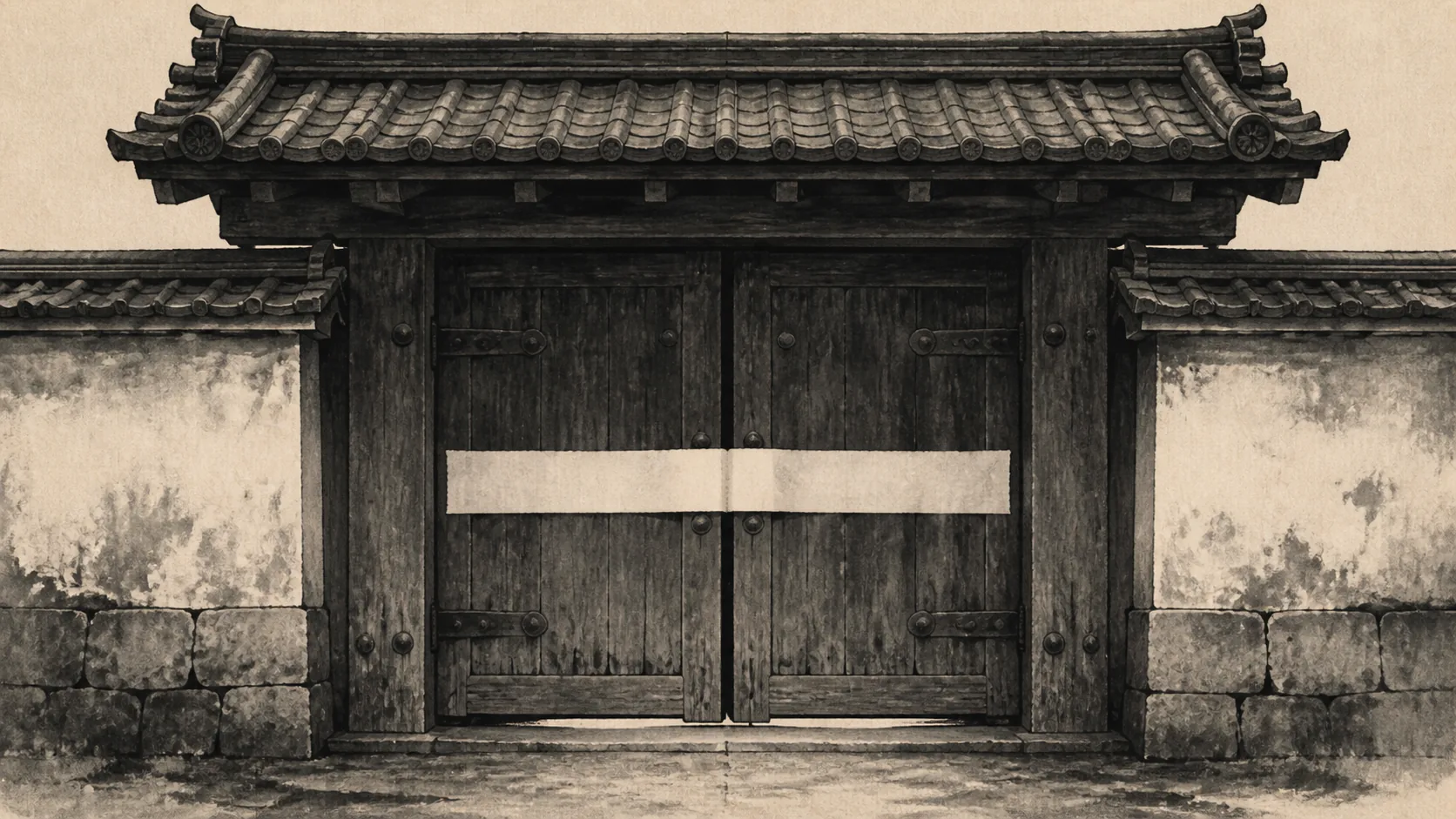
Recalled to shogunate affairs after Perry's arrival, Nariaki disputed not only foreign policy but also the shogunal succession and the procedure used for the commercial treaty. In 1858 his unauthorized appearance at Edo Castle brought a ban on attendance; the following year he received permanent confinement in Mito. Sealed orders, a shut gate, and an unused palanquin show punishment as a system controlling movement and communication. He died in Mito Castle in 1860 without seeing those restrictions removed.
VISIT
Search events related to Nariaki Tokugawa →Browse all Bakumatsu events →