Wakayama castle town
Grows among Kishu Date administrative papers and his father’s fall
A family experienced in finance and temple administration loses position when Date Munehiro falls in a domain factional struggle.
Know the Person
Mutsu Munemitsu is often introduced only as the “razor minister” who revised Japan’s unequal treaties. The surviving material record instead follows Kishu Date household accounts and a document chest sealed after his father Date Munehiro’s fall from office, charts and cargo books of the Kobe Naval Training Center and Kaientai, Wakayama reform conscription rolls and Western drill equipment, European histories and the Rigaku Seiso translation manuscript in Yamagata and Miyagi prisons, an equal Japan-Mexico Treaty draft at the Washington legation, and the original Anglo-Japanese Treaty of Commerce and Navigation, diplomatic cables, and Kenkenroku drafts. Collective institutions, burdens, war, and cession remain visible beside achievement.
Life
Wakayama castle town
A family experienced in finance and temple administration loses position when Date Munehiro falls in a domain factional struggle.
Kobe, Nagasaki, and at sea
He learns charts, ships, engines, accounting, cargo negotiation, and cross-domain cooperation through distinct maritime organizations.
Wakayama, Hyogo, Kanagawa, Tokyo
Wakayama conscription and status reform lead into posts handling Hyogo, Kanagawa, land, tax, budgets, and personnel.
Yamagata and Miyagi prisons
Five years of confinement produce Rigaku Seiso and other translations, reflections, and poetry, distinct from the later Kenkenroku.
Europe, Washington, Tokyo
The 1888 Japan-Mexico Treaty creates reciprocal wording and a practical precedent for revision with Western powers.
Tokyo, London, Shimonoseki
Consular jurisdiction ends under the revised treaty, while war and the Shimonoseki settlement are documented in Kenkenroku.
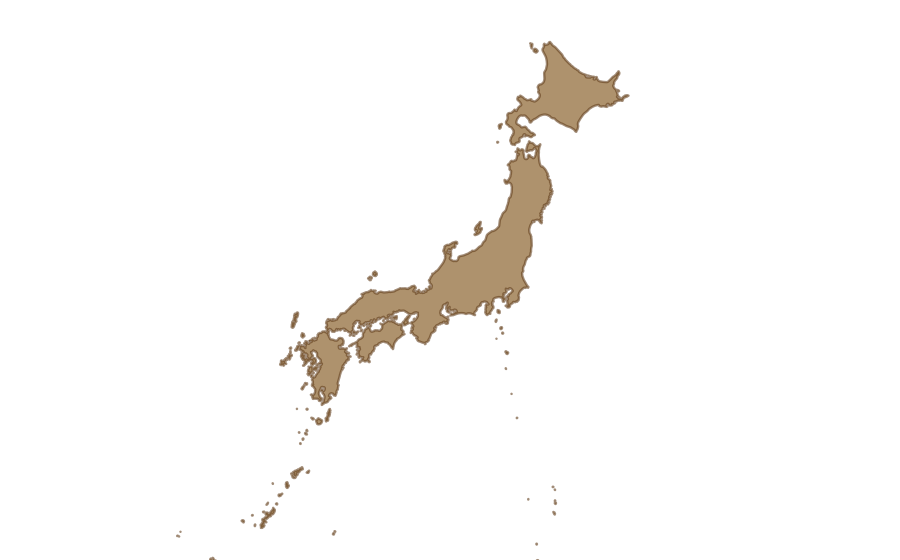
和歌山県和歌山市
和歌山城下と生地周辺から、重臣家の帳簿、封印された文書箱、明治初年の徴兵・財政改革をたどる。
陸奥宗光
Address和歌山県和歌山市一番丁3周辺
Nearby
兵庫県神戸市
錨形記念碑と港から、海図、測器、機関、航海日誌、貨物帳が結ぶ操練所・海援隊の実務を見る。
陸奥宗光
Address兵庫県神戸市中央区新港町周辺
Nearby
長崎県長崎市
陸奥個人の常駐を断定せず、社中跡と港を結んで、航海・貨物・交渉を担う共同組織の仕事をたどる。
陸奥宗光
Address長崎県長崎市伊良林2丁目7-24周辺
Nearby
山形県山形市
監獄の房跡と誤認しない研究拠点として、1878年以後の獄中読書、欧州史、ベンサム翻訳をたどる。
陸奥宗光
Address山形県山形市霞城町1-8周辺
Nearby
東京都港区
条約原本、批准書、公信、法典、電報、『蹇蹇録』草稿目録から、交渉を一人の機転でなく外交機構として読む。
陸奥宗光
Address東京都港区麻布台1丁目3-1
Nearby
Keys
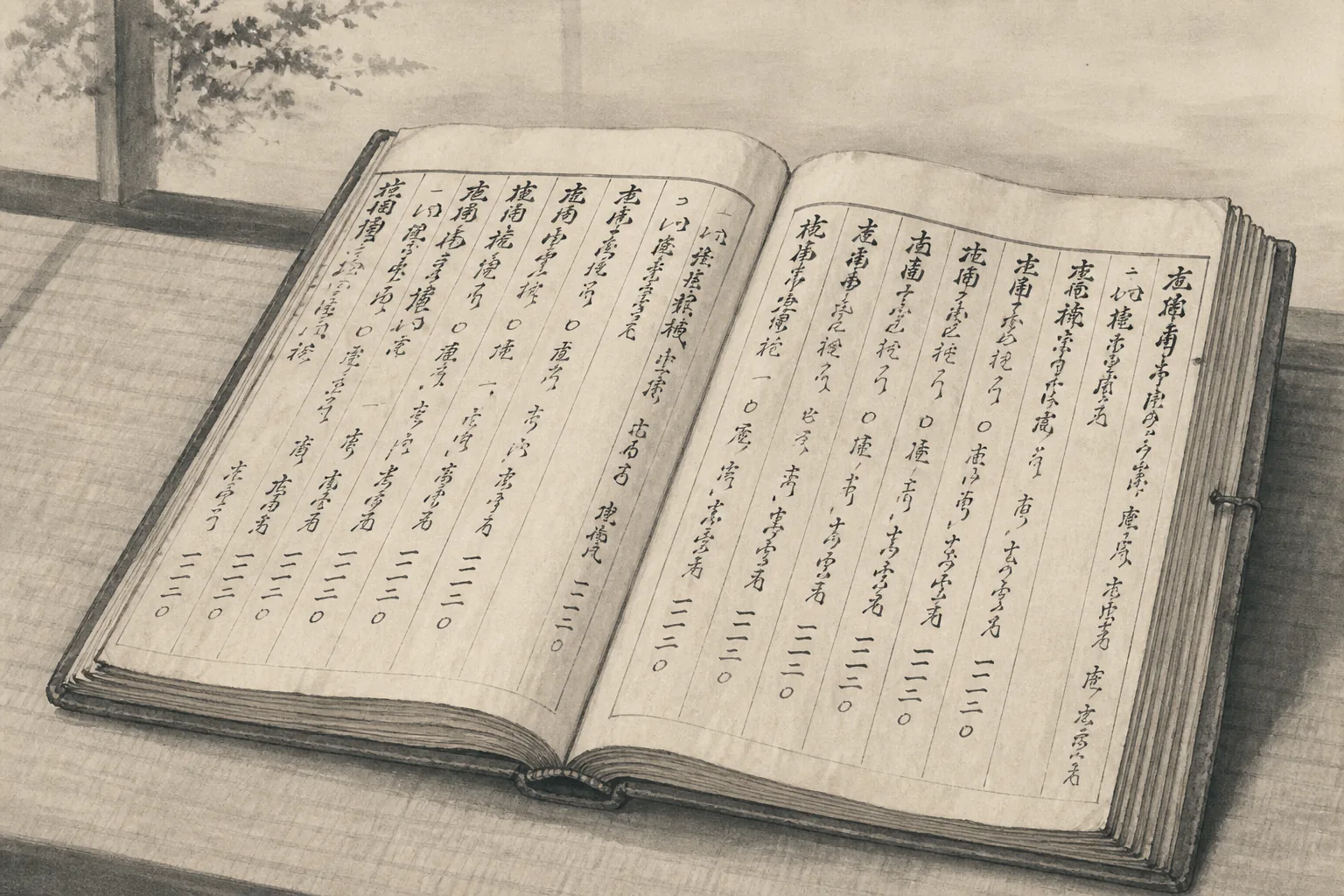
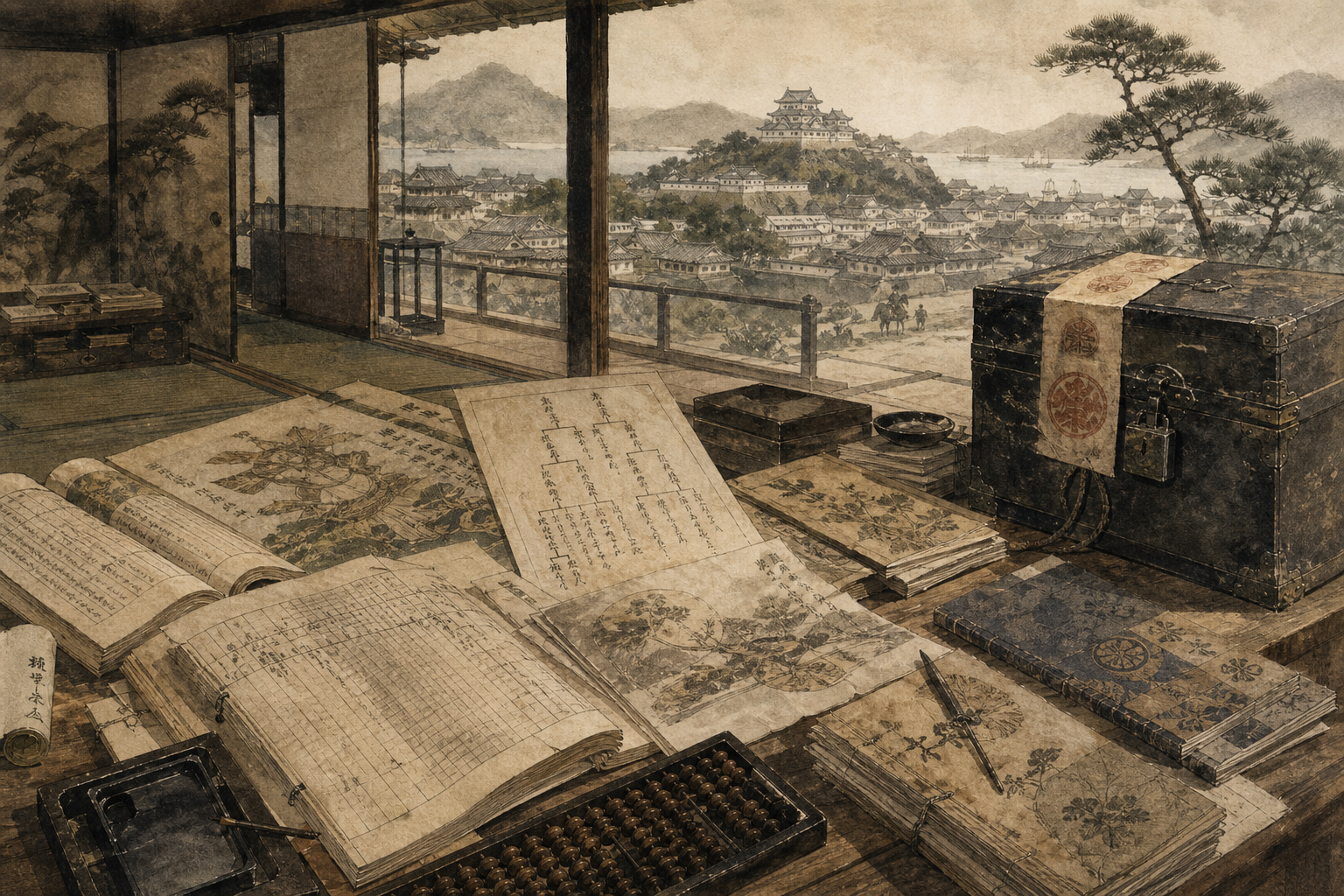
Mutsu was born in 1844 in Wakayama castle town, the sixth child of Date Munehiro, a Kishu official who served in finance and temple administration. Account books, petitions, an abacus, genealogy, office seals, and Chinese study texts show politics first encountered as numbers, applications, and rulings. During Mutsu’s childhood his father lost a factional struggle, was removed and confined, and the family’s office, income, and document chest were effectively closed. Later criticism of domain oligarchy should not be explained by poverty alone. He had also watched an administratively skilled parent be expelled through the machinery of political rivalry.
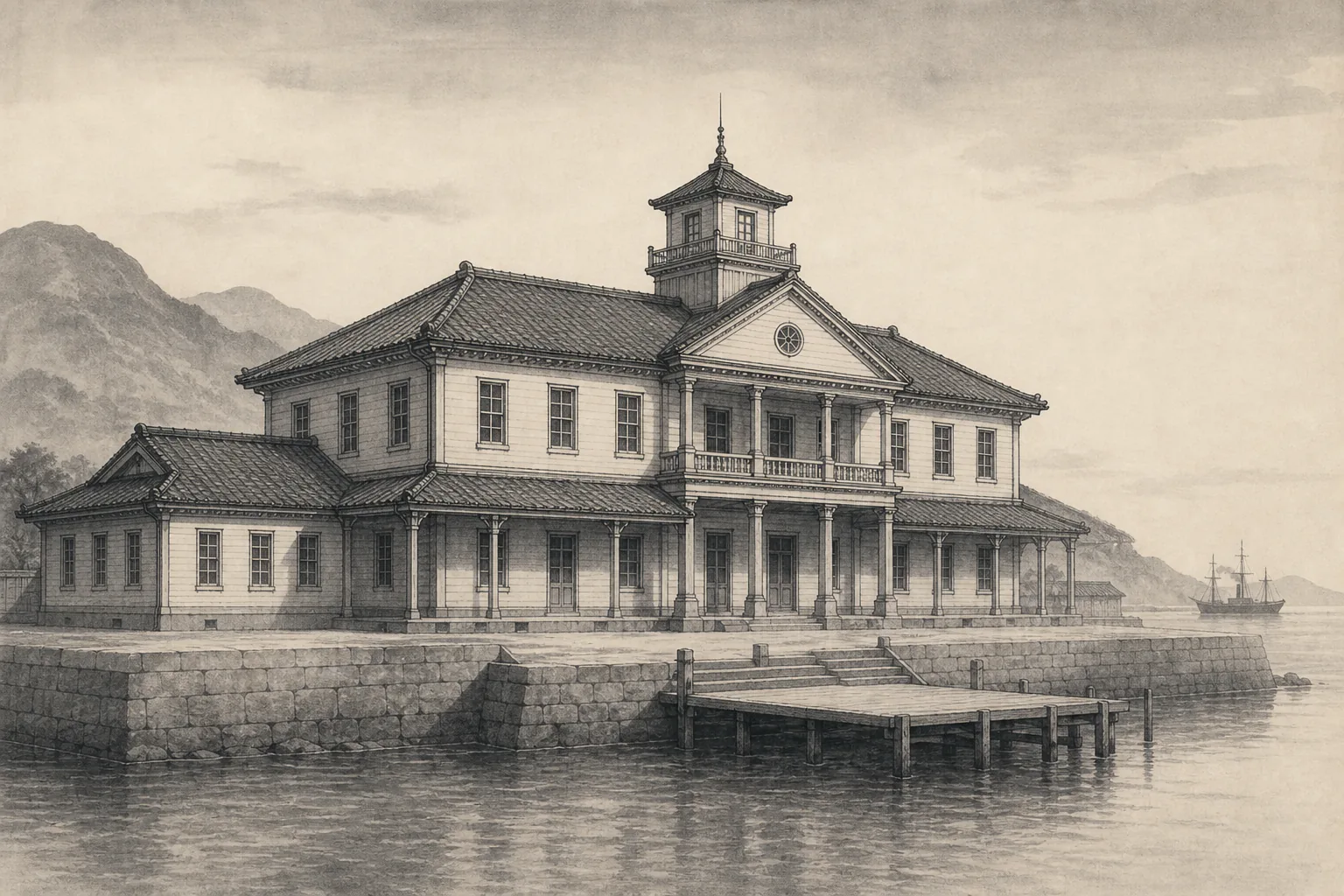
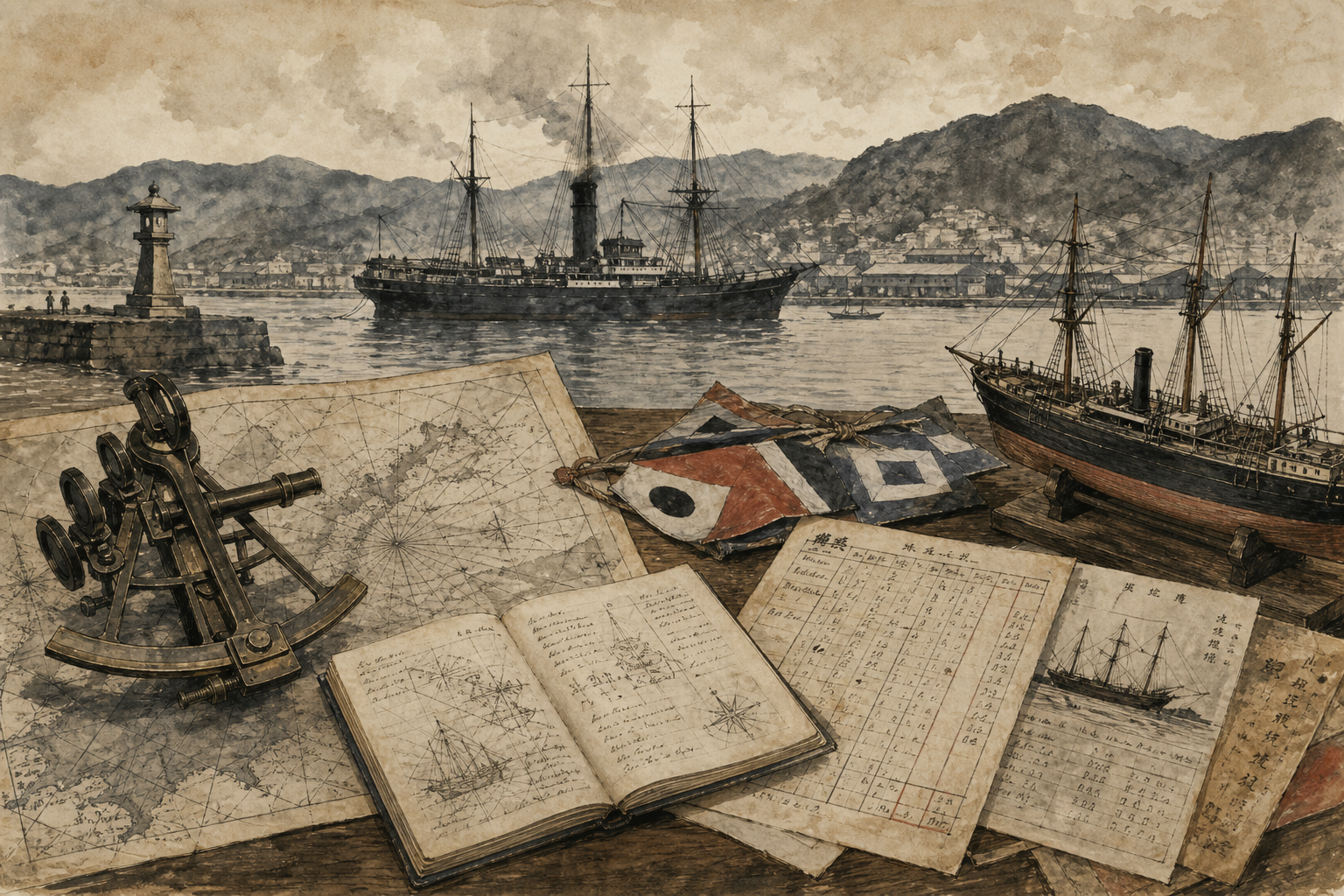
After leaving Kishu, Mutsu studied at Katsu Kaishu’s Kobe Naval Training Center and later joined Sakamoto Ryoma’s Kaientai. Charts, compass, sextant, ship model, logbook, signal flags, engine parts, cargo ledger, freight calculation, and damage account show maritime work built on position fixing, weather, repair, bookkeeping, and contract rather than courage alone. The Kobe school, Kameyama Shachu, and Kaientai belonged to different moments and should not be collapsed into one organization. Negotiating ships and cargo involved sailors, merchants, domains, foreign partners, and clerks, not a single celebrated intermediary.
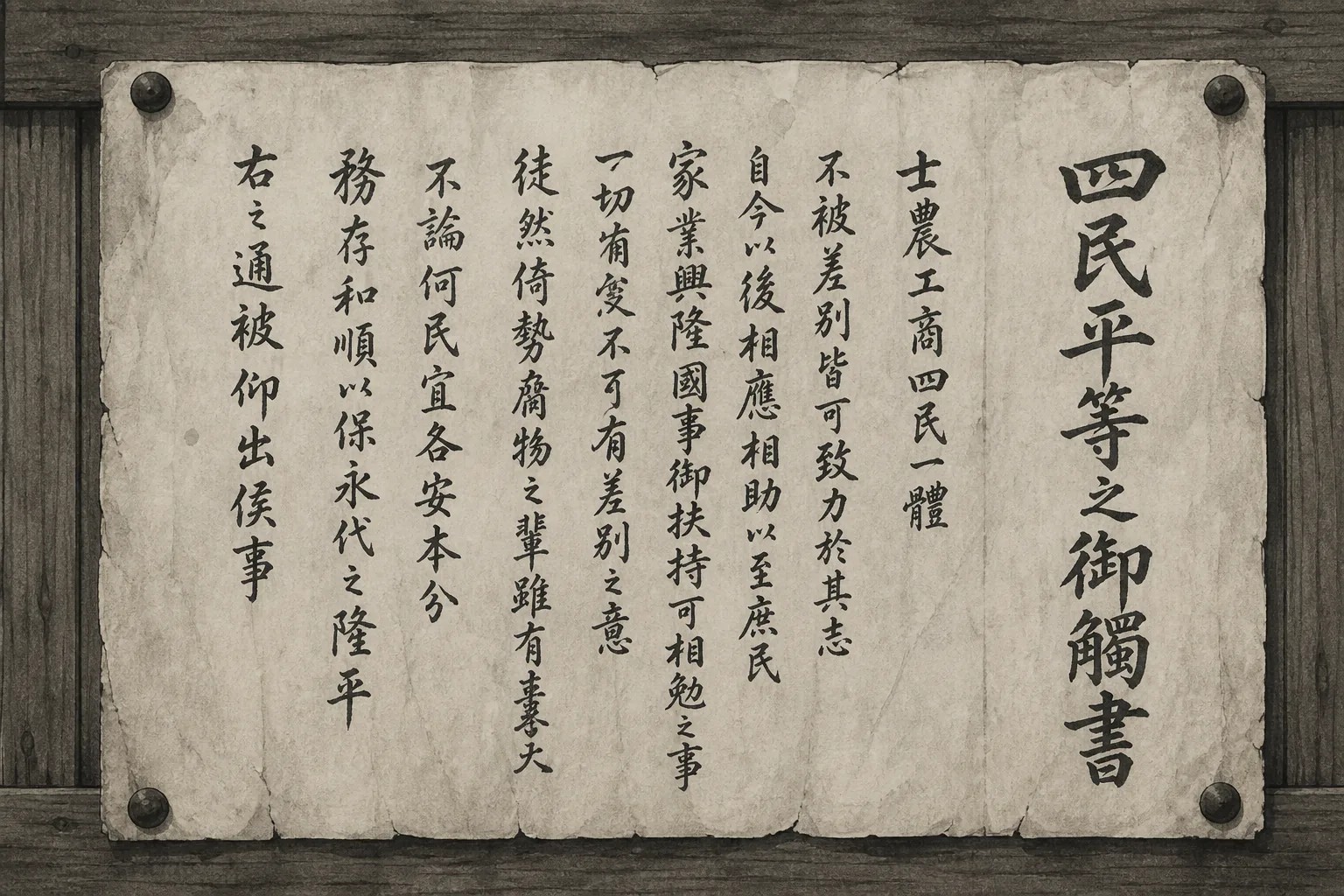
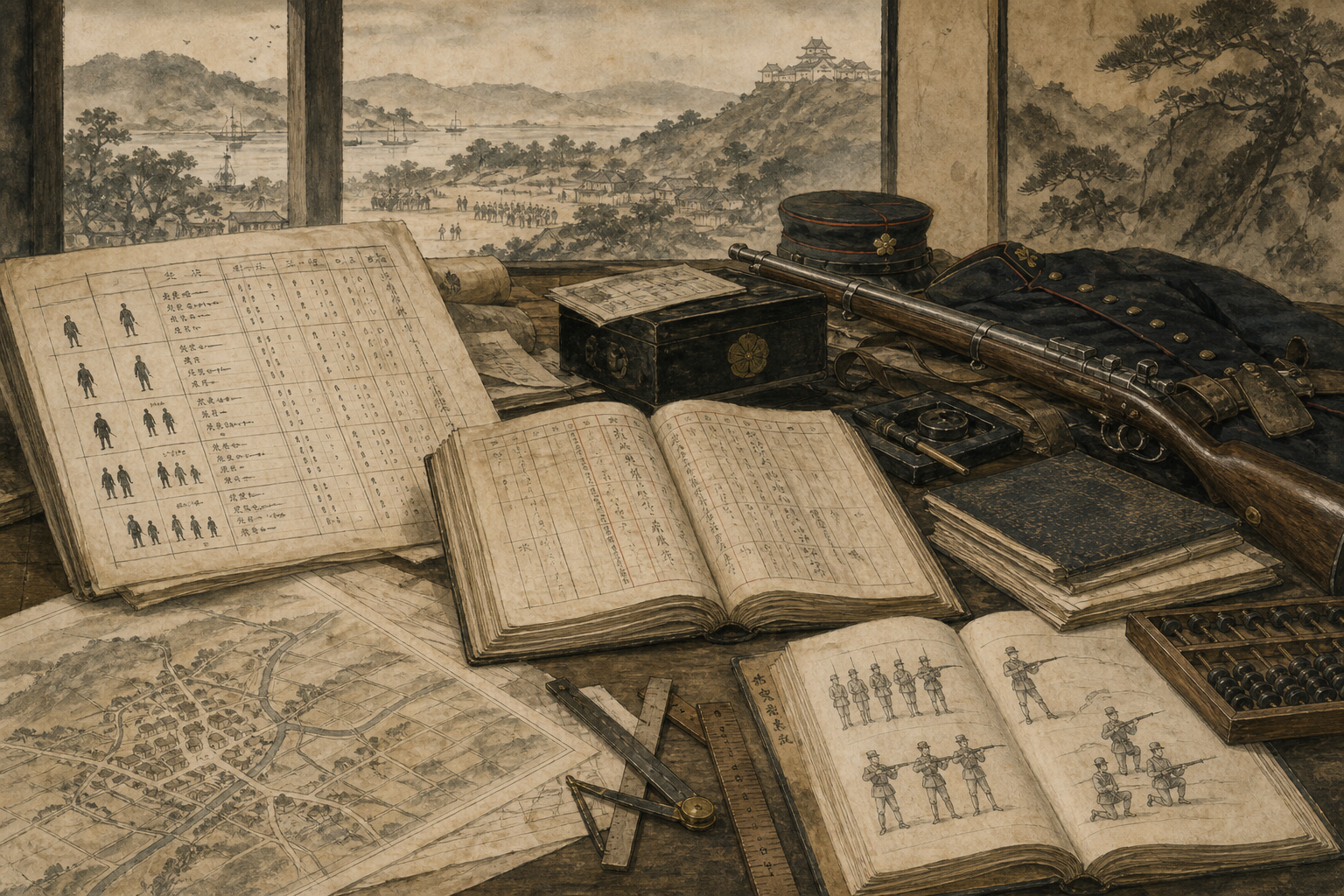
After the Restoration, Mutsu worked with Tsuda Izuru and others on Wakayama reforms that recruited soldiers across status lines, reorganized the military, and rationalized finance. Rolls listing samurai, cultivators, and townspeople, budgets, stipend tables, tax totals, Western drill manuals, a rifle, uniform equipment, survey instruments, and village maps reveal reform as redistribution of people and obligations. German adviser Carl Köppen, Tsuda, domain officers, instructors, and those conscripted all shaped the system. “Equal status” cannot be praised as liberation alone, since it also imposed new military duty, measurement, taxation, and discipline.
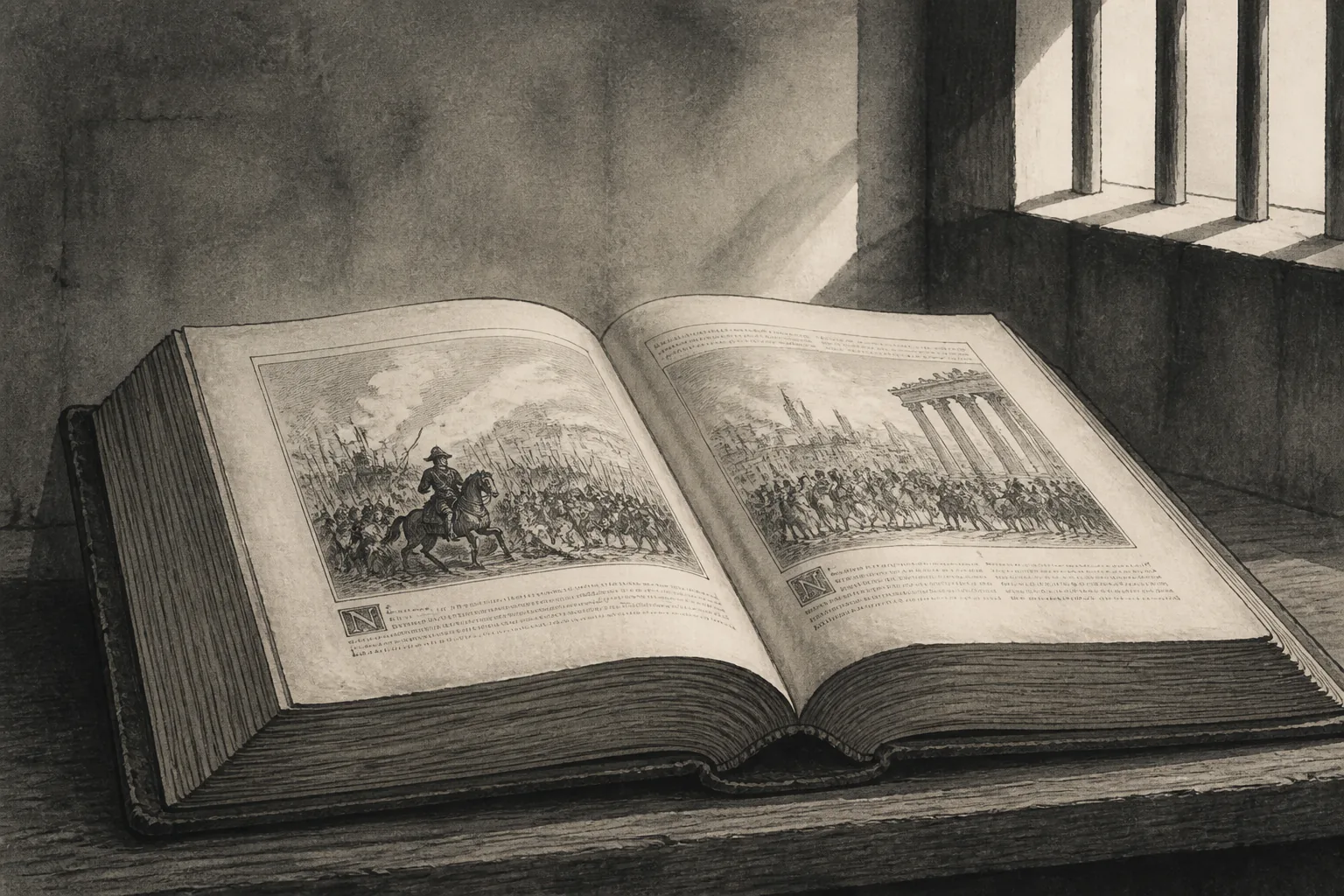
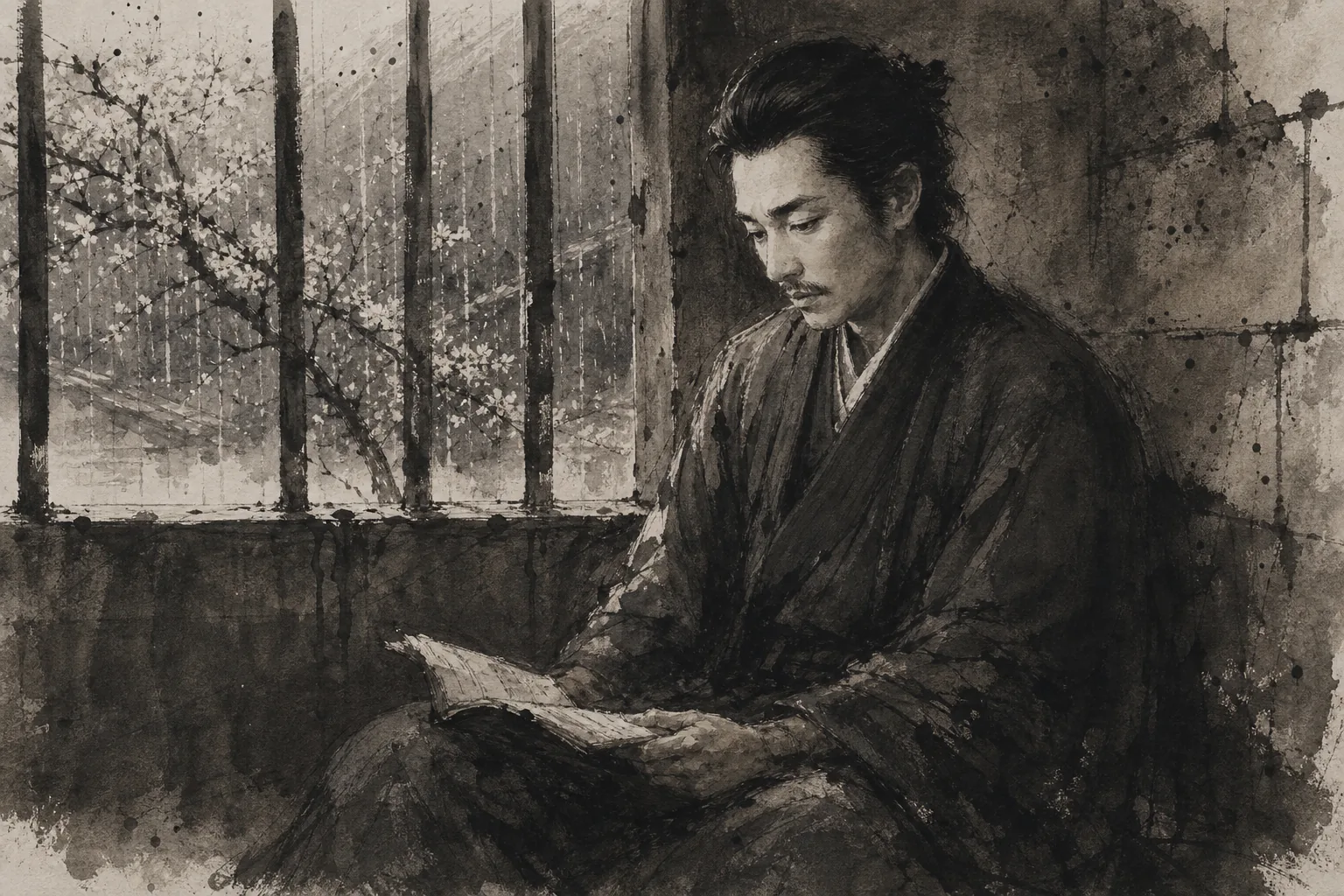
Arrested in 1878 for involvement in the Tosa Risshisha affair, Mutsu lost office and spent about five years in Yamagata and Miyagi prisons. A rain-struck barred window, oil lamp, European histories, pages on Rome’s rise and fall, English-Japanese dictionary, Bentham’s legal philosophy, the Rigaku Seiso translation manuscript, writing tools, and a go board represent his comparison of institutions under confinement. Prison poetry should not become a story that guarantees later triumph. Kenkenroku recorded diplomacy during the Sino-Japanese War and was not written in this cell; his translations, reflections, and poems belong to a different phase.
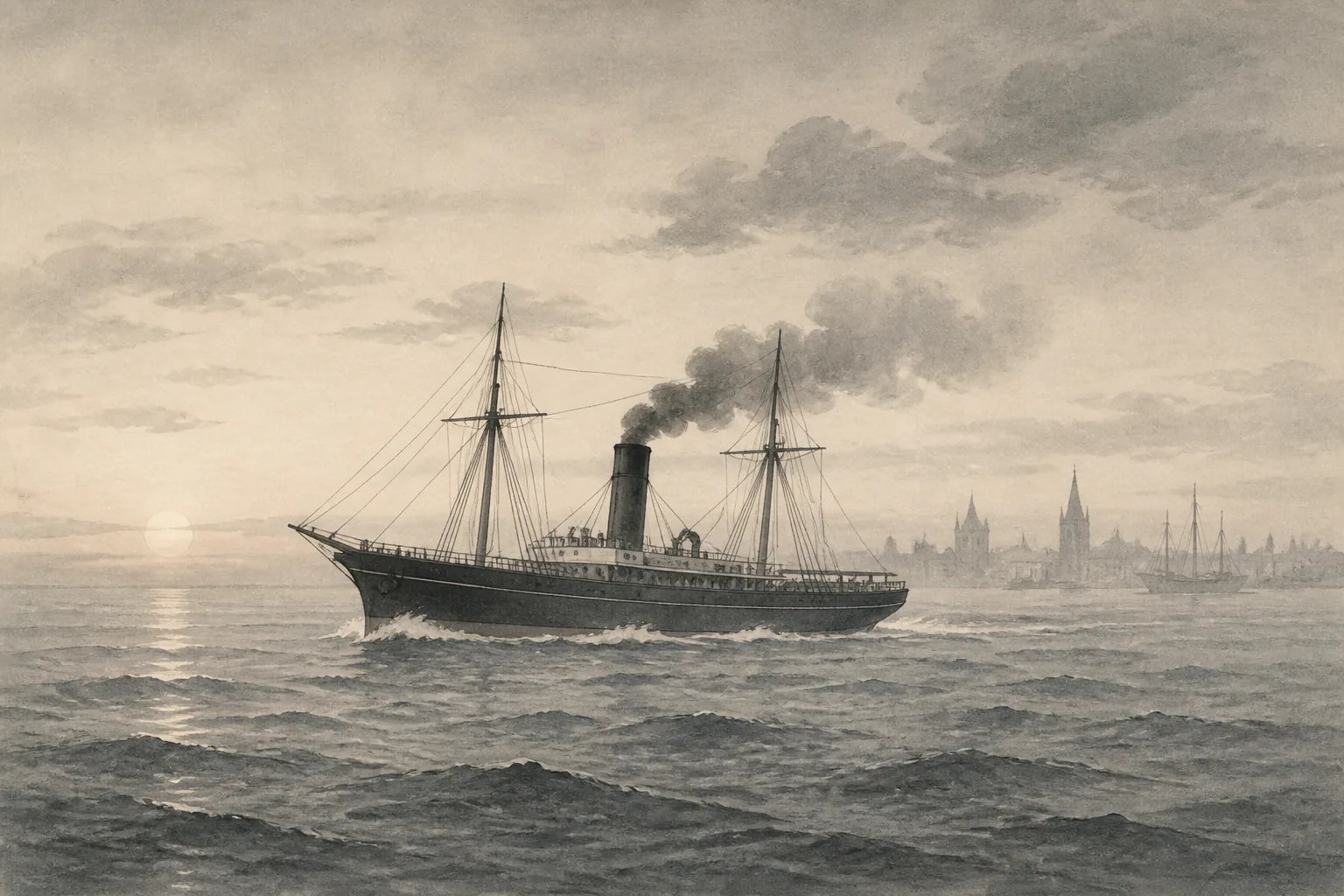
After release, Mutsu toured Europe and later served in Washington, studying foreign institutions and daily diplomatic procedure. A globe, Atlantic route map, legal codes, official dispatches, Japanese and foreign-language drafts, paired seals, and balanced scales show work in reciprocity and domestic jurisdiction rather than language skill alone. The 1888 Japan-Mexico Treaty allowed Mexican residence under Japanese law and avoided unconditional most-favored-nation treatment, making it an equal agreement. Negotiation with Mexican representative Matías Romero and work by foreign-ministry staff made the treaty a practical precedent for revising agreements with larger powers.
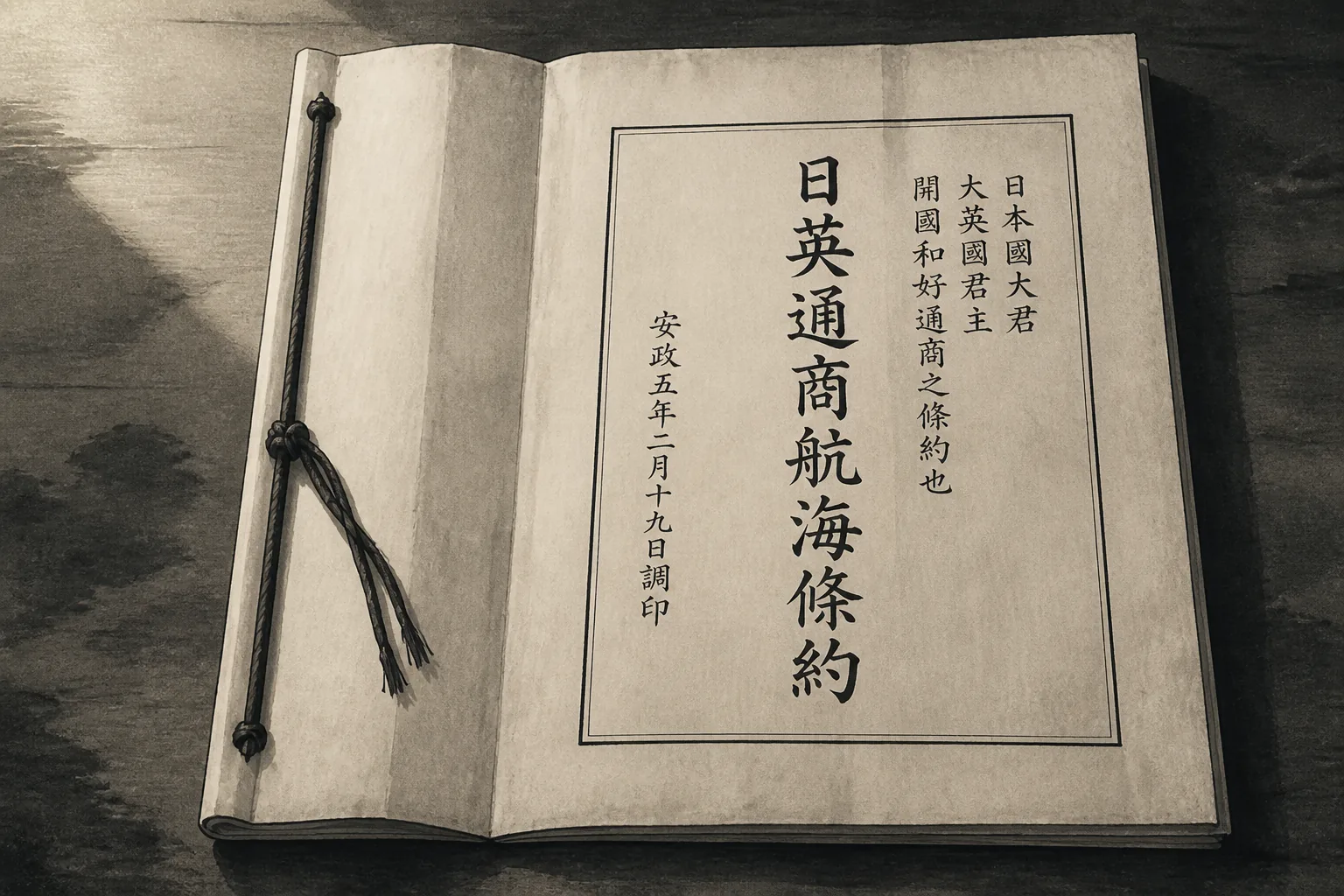
Under Foreign Minister Mutsu, the 1894 Anglo-Japanese Treaty of Commerce and Navigation provided for ending consular jurisdiction and making most-favored-nation treatment reciprocal when implemented five years later. It did not yet restore complete tariff autonomy and required opening residence, travel, and commerce inland. The original treaty, ratification case, legal codes, London map, cables with the legation, and seals reveal work by Aoki Shuzo, Hayashi Tadasu, officials, cabinet, and foreign negotiators. Kenkenroku draft bundles then recorded the Sino-Japanese War and Shimonoseki diplomacy, preserving not only achievement but war, indemnity, and the cession of Taiwan.
VISIT
Search events related to Munemitsu Mutsu →Browse all Bakumatsu events →