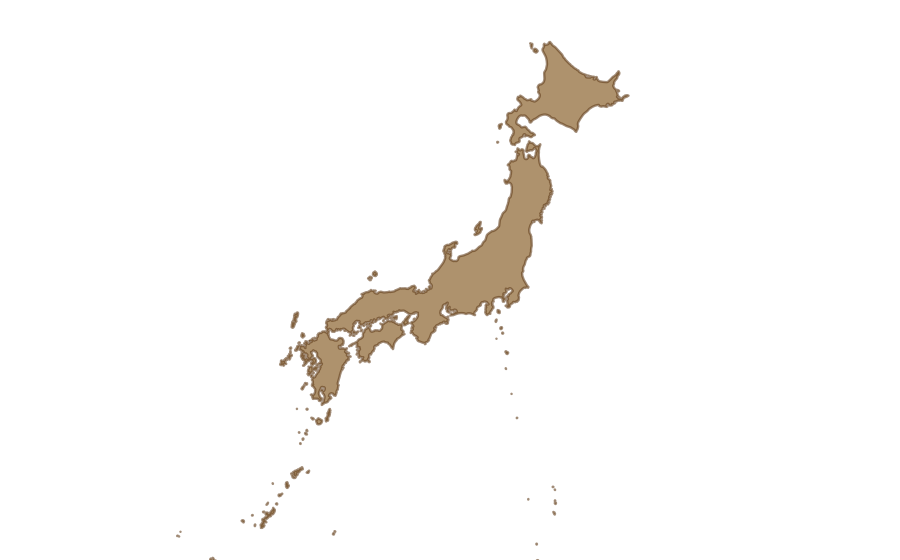
Shitaya, Edo, and Nagasaki
Moves from a surveyor's household into naval training
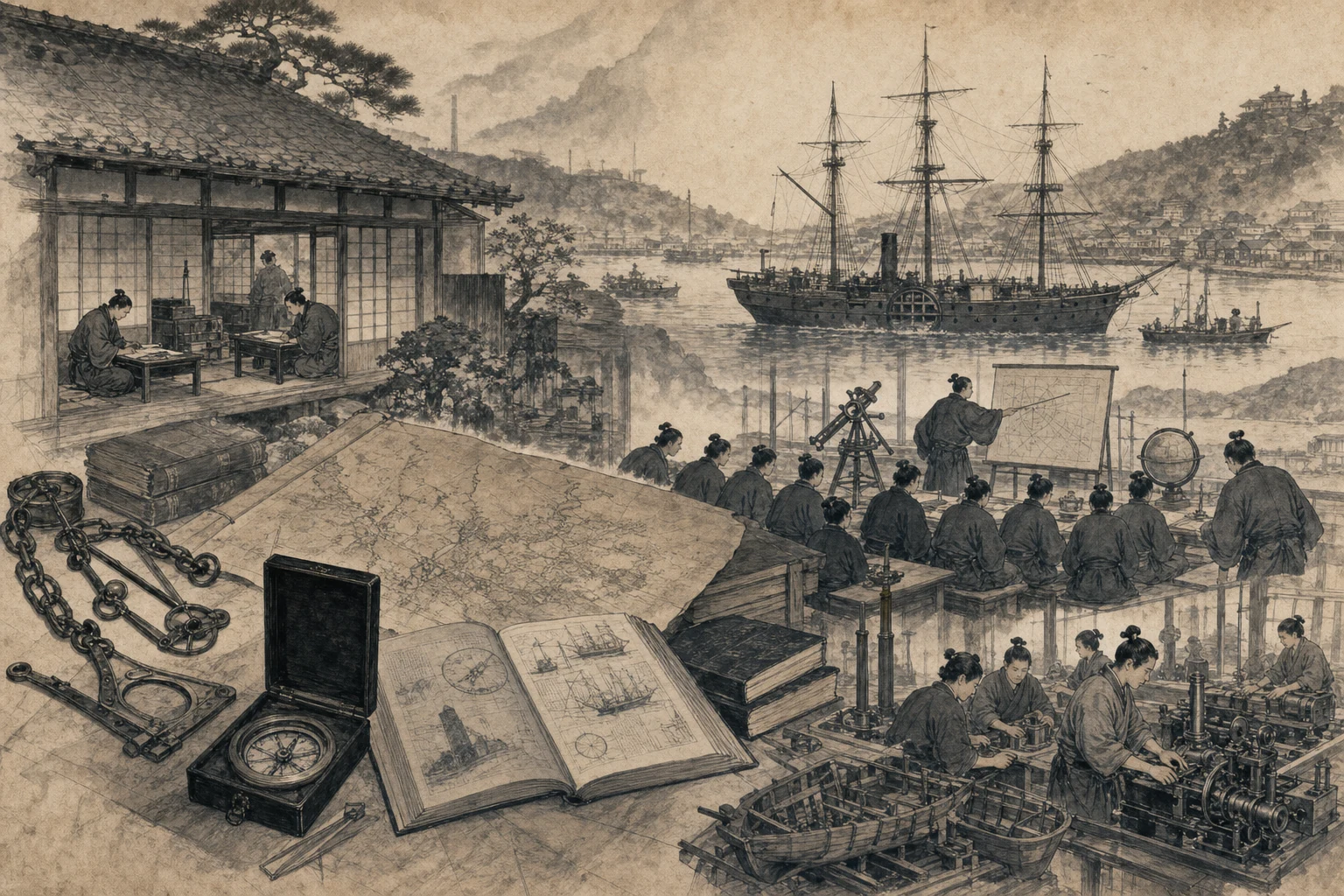
Maps and Dutch learning led him to study navigation, engineering, and gunnery at Nagasaki.
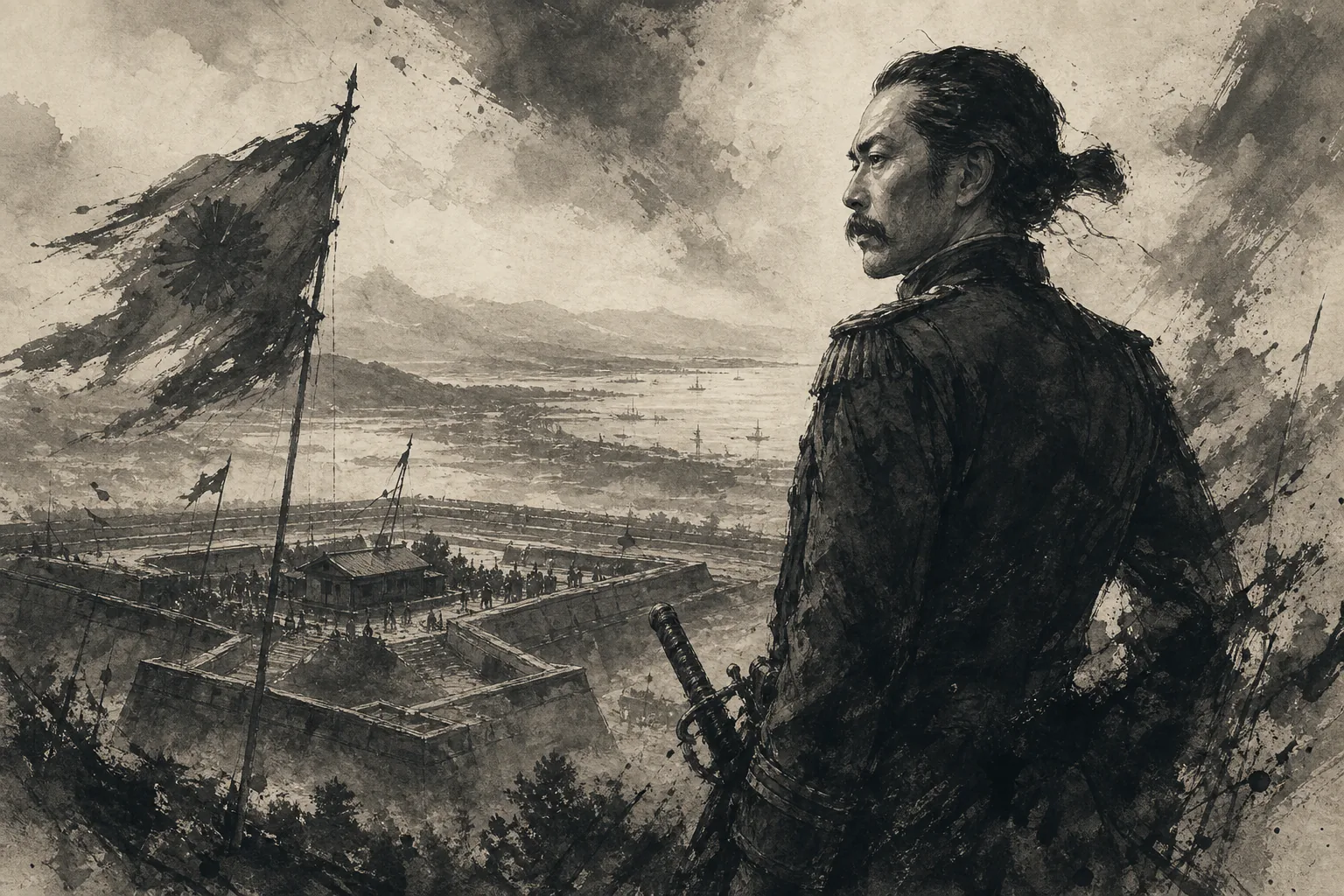
Know the Person
Enomoto Takeaki was a naval officer of the Tokugawa shogunate who led former shogunate forces to Hokkaido during the Boshin War. After surrendering at Goryokaku, he was imprisoned and later served the Meiji government as a diplomat and minister. His poems reveal how he reflected on defeat, captivity, and survival.
Life
Shitaya, Edo, and Nagasaki
Maps and Dutch learning led him to study navigation, engineering, and gunnery at Nagasaki.
Nagasaki and Tsukiji
After completing the Nagasaki program, Enomoto helped train personnel at the shogunate's naval center in Tsukiji.
The Netherlands and ports on the return voyage
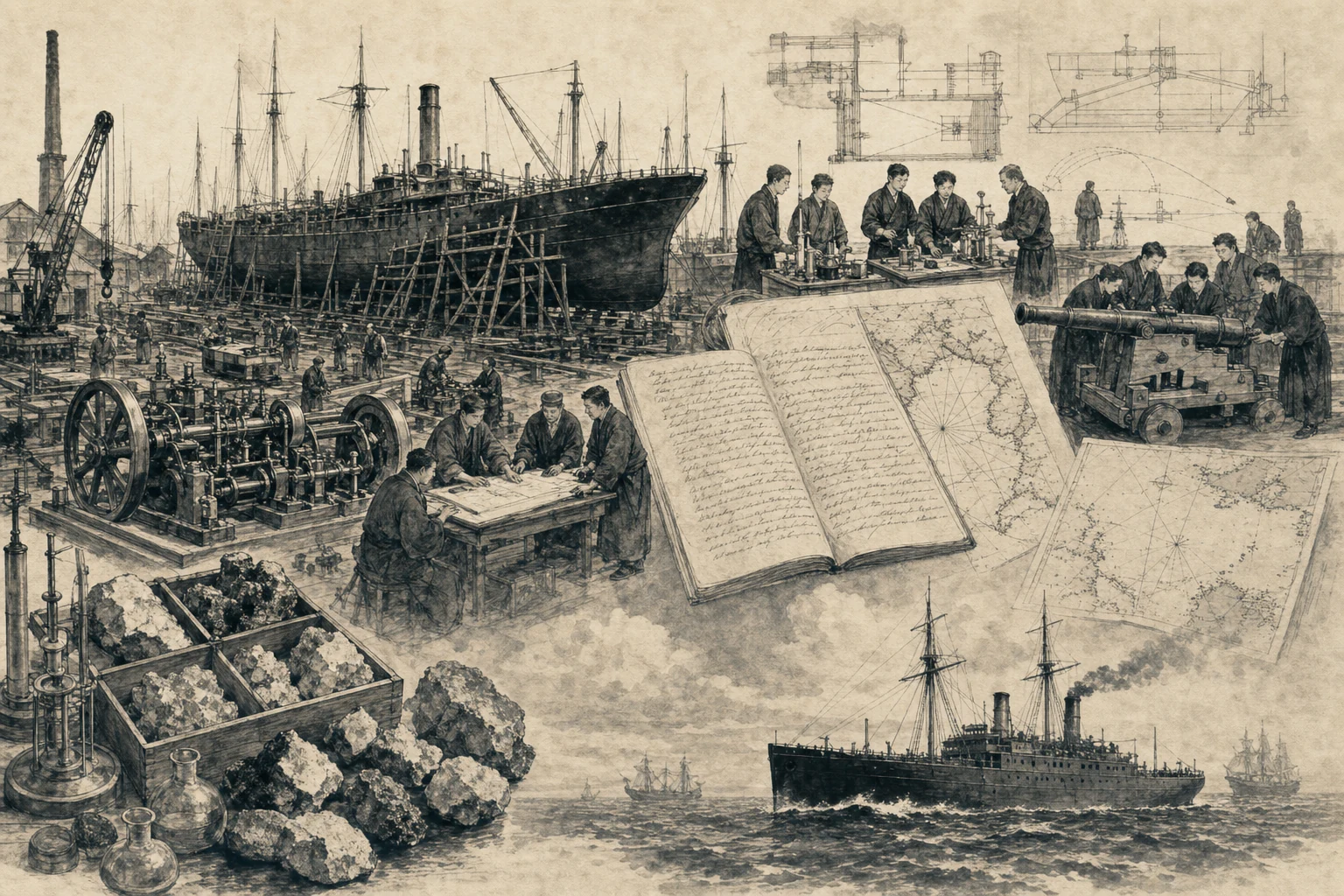
He studied shipbuilding, steam engineering, gunnery, chemistry, minerals, and maritime law before sailing home aboard Kaiyo Maru.
Shinagawa, northeastern Japan, and Esashi
He refused to surrender the warships and moved north with former retainers, but the loss of Kaiyo Maru off Esashi weakened the campaign.
Hakodate and Goryokaku
Former shogunate forces organized offices and supplies under military occupation before Enomoto surrendered at Goryokaku.
Tokyo prison
His technical knowledge contributed to the decision to spare him, pardon him, and later recruit him into government service.
Hokkaido, Russia, and Tokyo
He negotiated the 1875 treaty with Russia and later held cabinet posts while supporting industrial and agricultural projects.
Taito and Chuo wards, Tokyo
Enomoto grew up in a shogunal retainer's household in Shitaya and later connected his Nagasaki training to naval education in Tsukiji.
Enomoto Kamajiro, later Enomoto Takeaki
AddressShitaya and Tsukiji areas, Tokyo
Nearby
Nagasaki
Here Enomoto studied navigation, surveying, engineering, and gunnery as parts of a single naval organization.
Enomoto Kamajiro
AddressDejima area, Nagasaki
Nearby
Hakodate, Hokkaido
Goryokaku was the center of the Hakodate War, where former shogunate forces attempted military administration before surrendering.
Enomoto Takeaki
AddressGoryokaku-cho, Hakodate, Hokkaido
Nearby
Keys
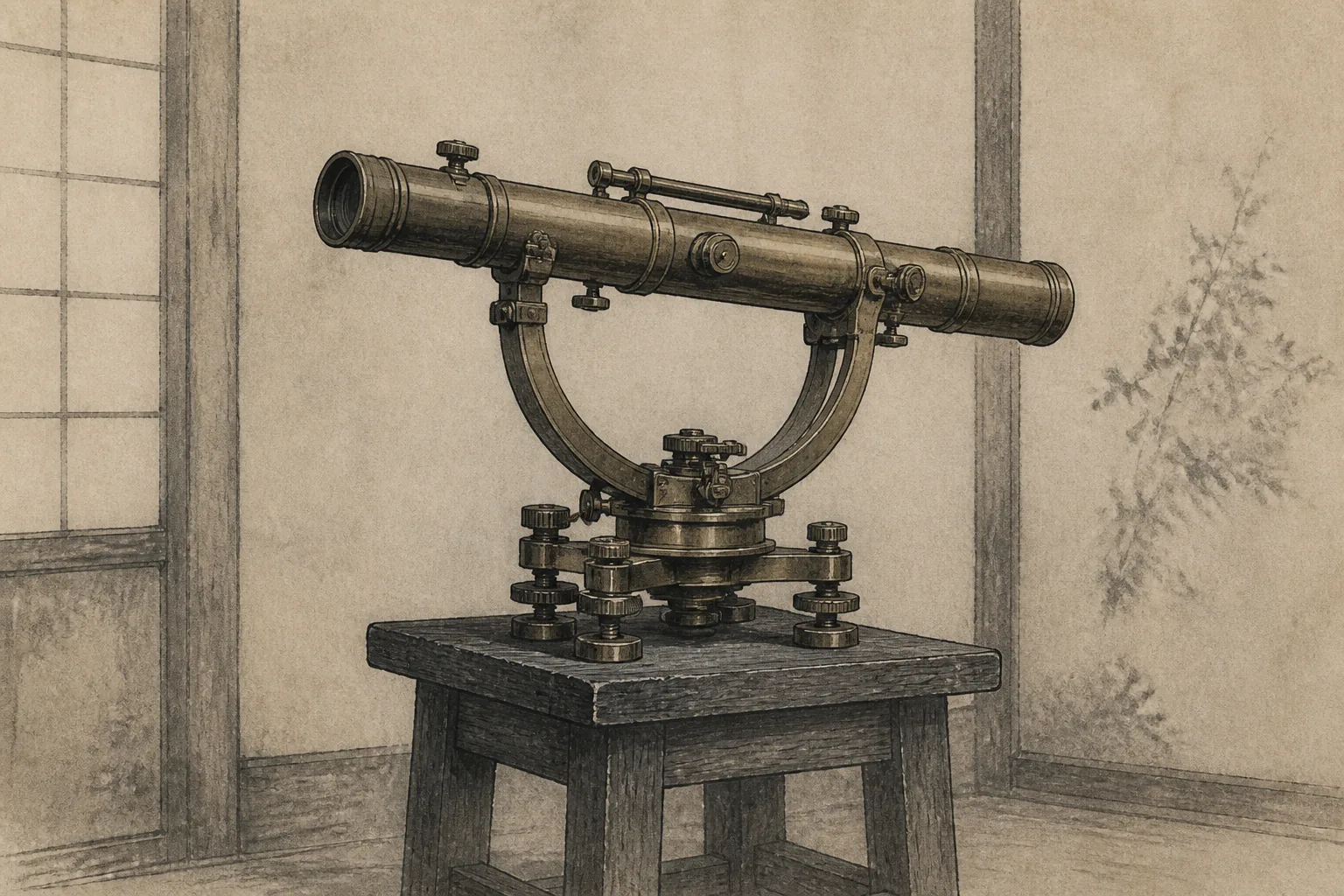
Surveying, navigation, engines, gunnery, calculation, and discipline taught Enomoto that ships depended on coordinated specialized knowledge. To investigate “From a Shogunal Household to the Combined Skills of a Navy” further, do not stop with a commemorative plaque. Compare the date, maker or former owner, provenance, restoration status, and present location of each element named in “Survey Tools and a Nagasaki Navigation Class.” Old maps, municipal histories, museum catalogues, document editions, material-culture studies, and field guides help distinguish contemporary evidence from reconstruction and later memory. They also provide a practical route to relevant books, facsimiles, maps, equipment histories, and a responsible site visit.
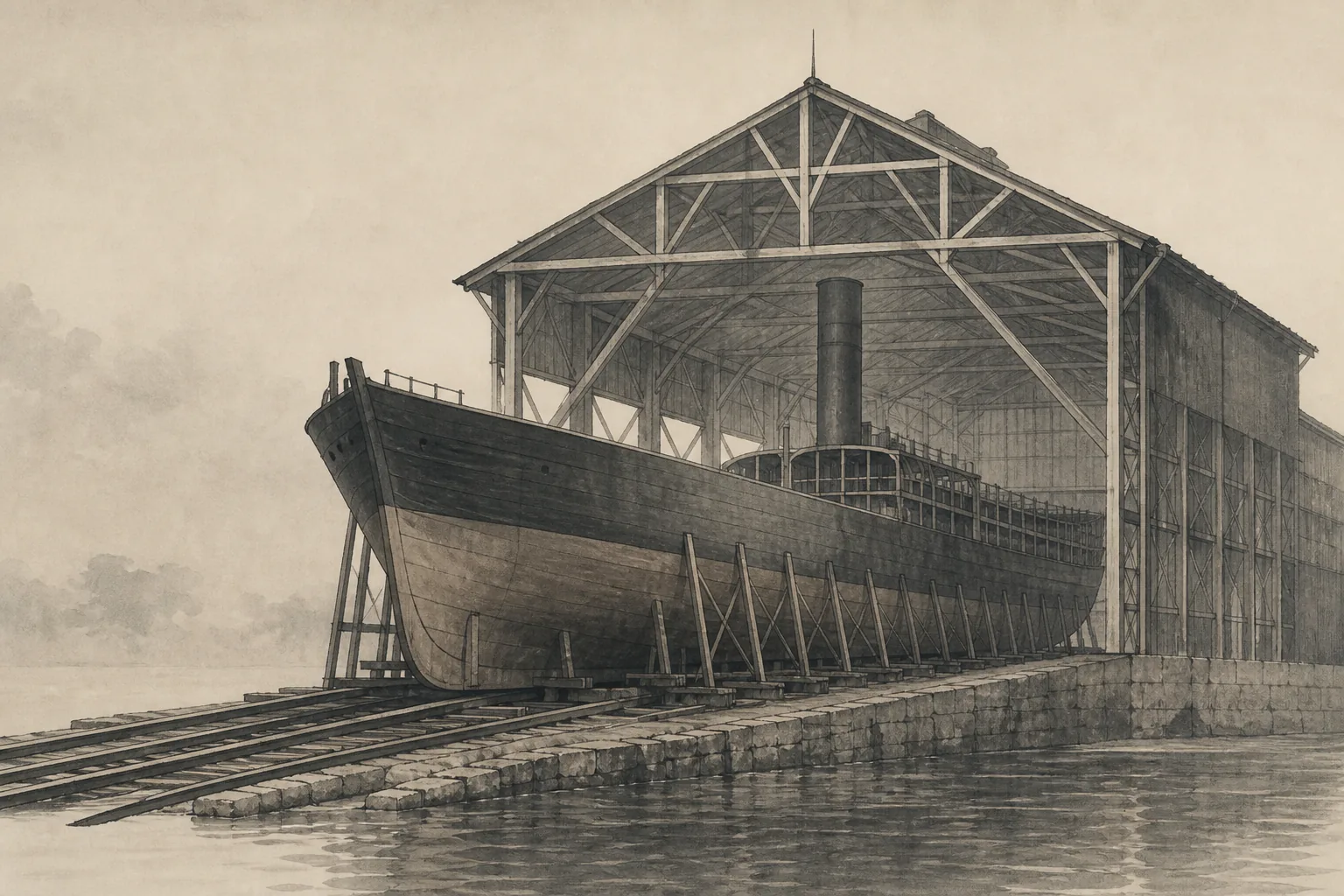
In the Netherlands he combined shipbuilding, steam engineering, science, and maritime international law while supervising Kaiyo Maru. To investigate “Building Kaiyo Maru and Studying Rules that Constrain War” further, do not stop with a commemorative plaque. Compare the date, maker or former owner, provenance, restoration status, and present location of each element named in “Dutch Shipyard and Maritime-Law Volume.” Old maps, municipal histories, museum catalogues, document editions, material-culture studies, and field guides help distinguish contemporary evidence from reconstruction and later memory. They also provide a practical route to relevant books, facsimiles, maps, equipment histories, and a responsible site visit.
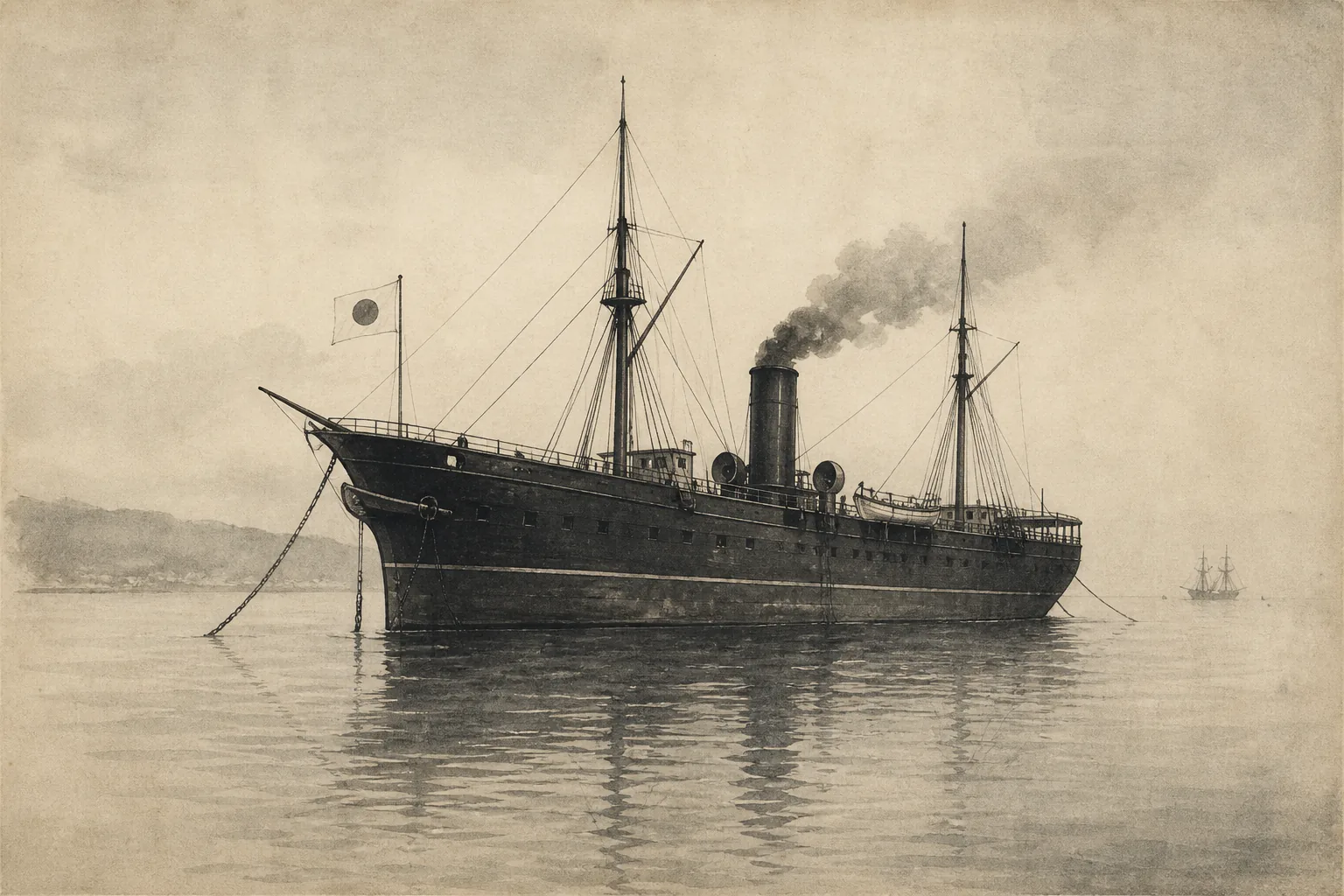
The fleet carried former retainers and a plan for a northern base, but the wreck of its strongest ship broke the material premise of that plan. To investigate “Refusing Transfer and Gambling on a Northern Base” further, do not stop with a commemorative plaque. Compare the date, maker or former owner, provenance, restoration status, and present location of each element named in “The Shinagawa Fleet and the Loss of Kaiyo Maru.” Old maps, municipal histories, museum catalogues, document editions, material-culture studies, and field guides help distinguish contemporary evidence from reconstruction and later memory. They also provide a practical route to relevant books, facsimiles, maps, equipment histories, and a responsible site visit.
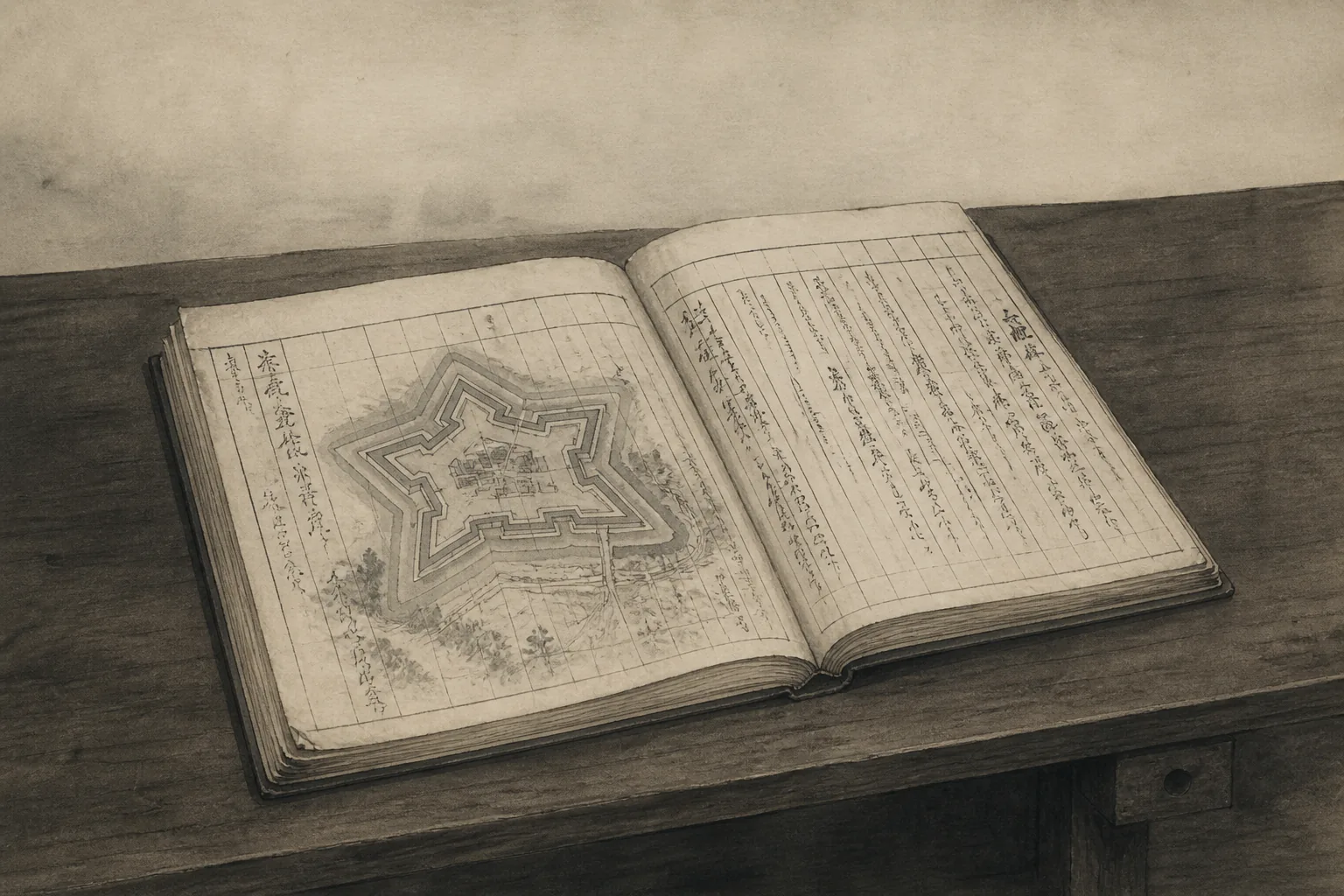
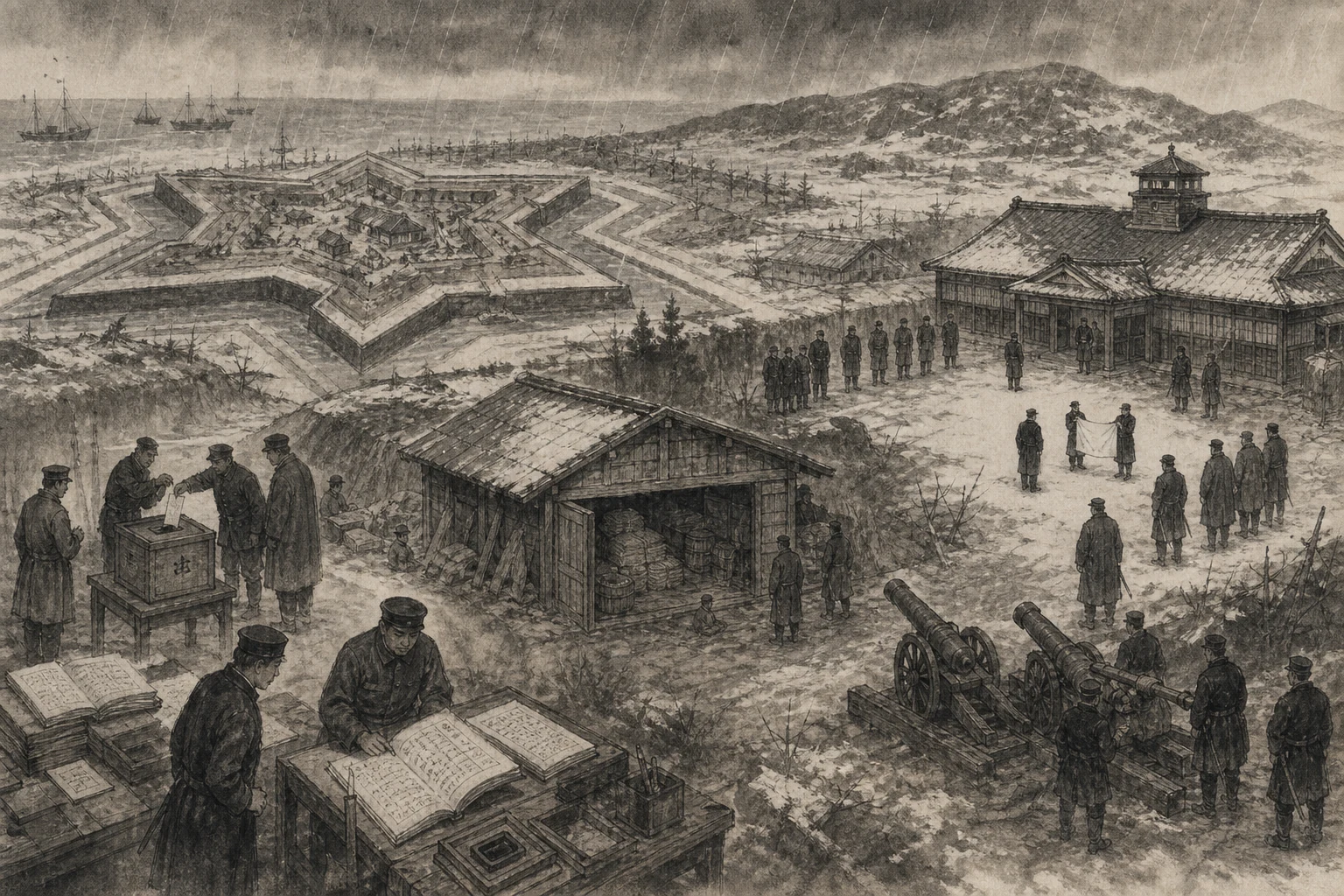
Officers selected leaders and organized offices, taxes, supplies, and diplomacy, but this was not a modern democratic republic with broad resident participation. To investigate “Attempting Administration under Military Occupation” further, do not stop with a commemorative plaque. Compare the date, maker or former owner, provenance, restoration status, and present location of each element named in “Goryokaku Registers, Ballot Box, and Storehouse.” Old maps, municipal histories, museum catalogues, document editions, material-culture studies, and field guides help distinguish contemporary evidence from reconstruction and later memory. They also provide a practical route to relevant books, facsimiles, maps, equipment histories, and a responsible site visit.
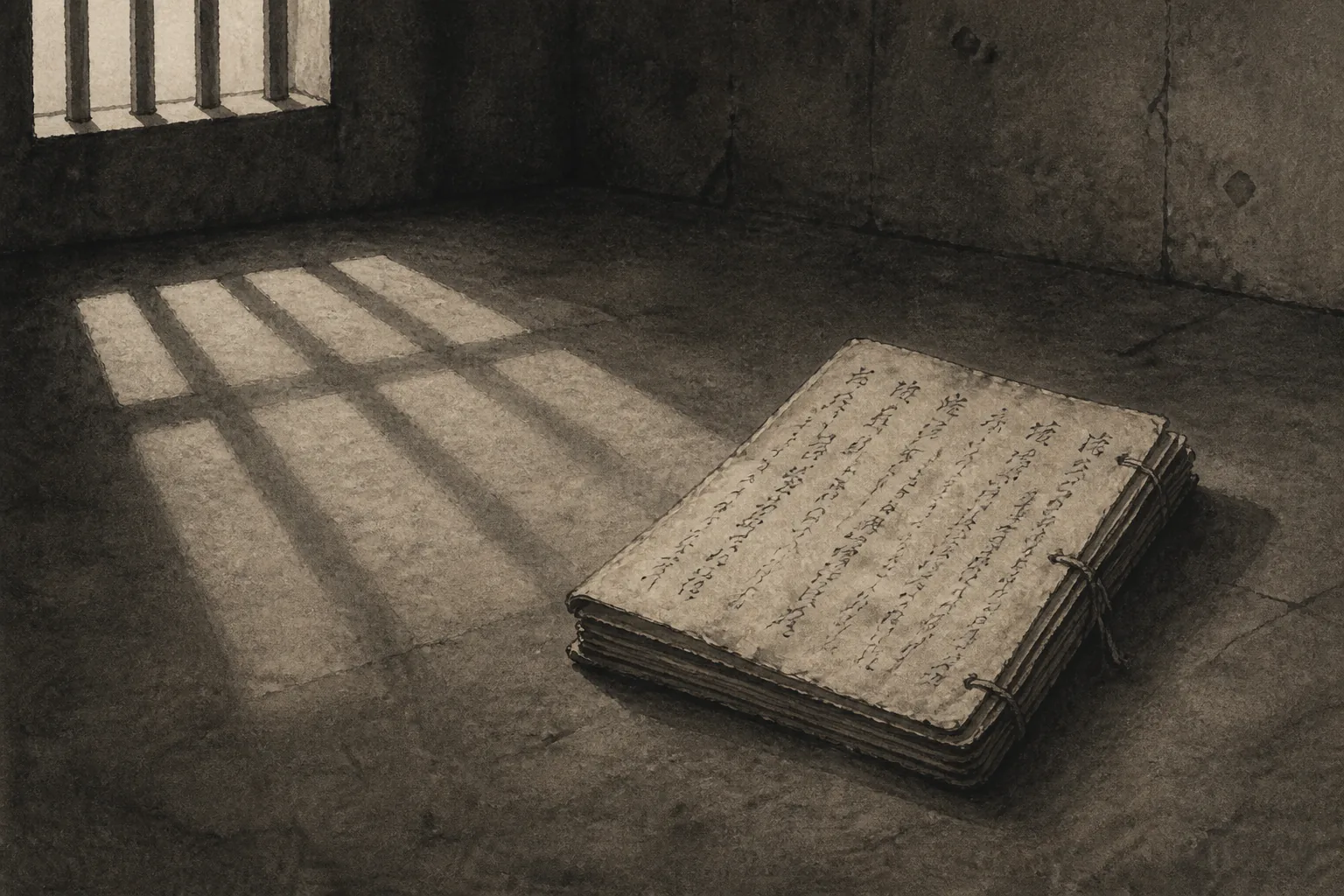
Translation and scientific records helped preserve expertise while Kuroda Kiyotaka and others argued against execution and for eventual reuse. To investigate “Separating Useful Knowledge from a Defeated Enemy” further, do not stop with a commemorative plaque. Compare the date, maker or former owner, provenance, restoration status, and present location of each element named in “Prison Translations and Chemical Apparatus.” Old maps, municipal histories, museum catalogues, document editions, material-culture studies, and field guides help distinguish contemporary evidence from reconstruction and later memory. They also provide a practical route to relevant books, facsimiles, maps, equipment histories, and a responsible site visit.
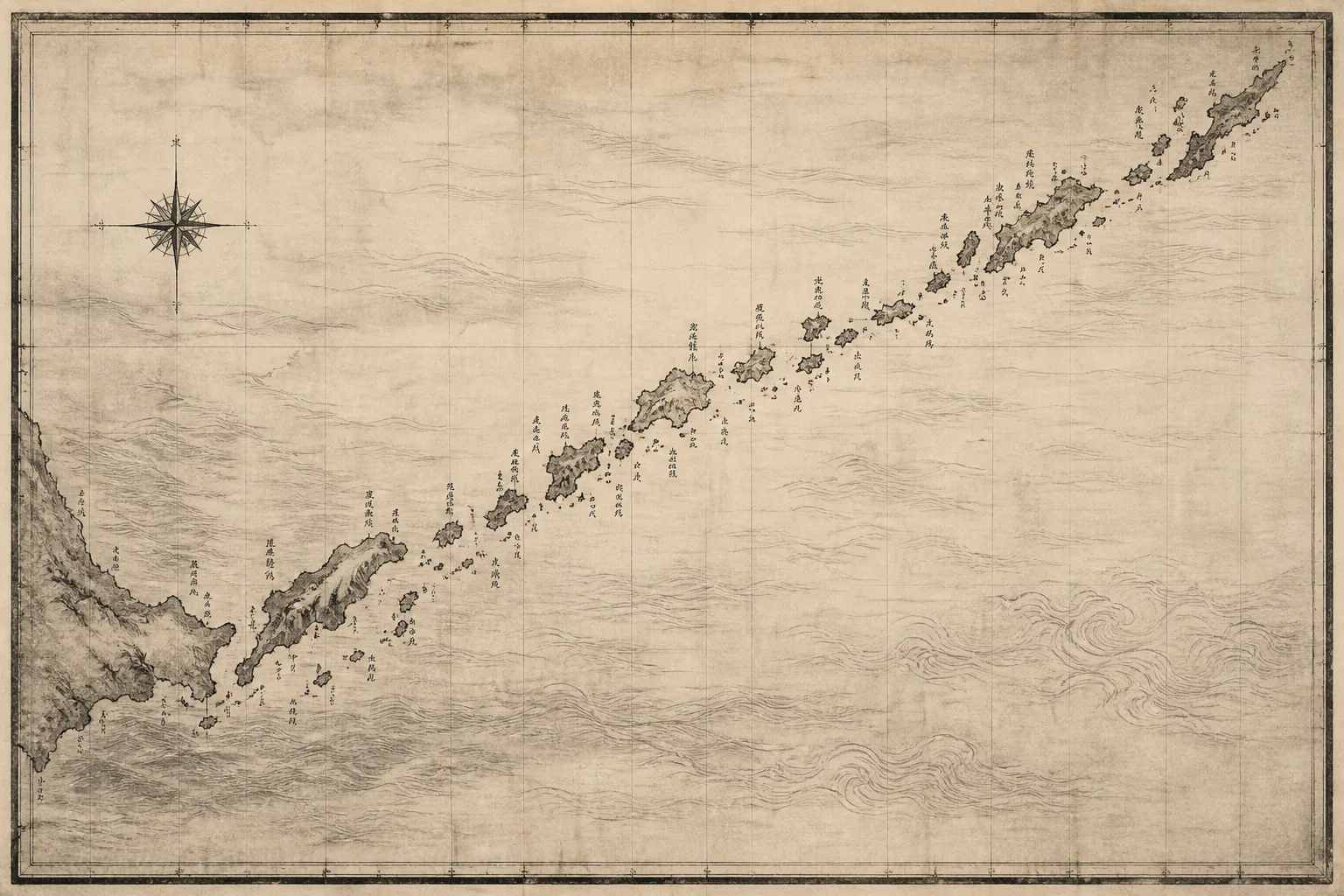
As envoy to Russia he concluded the 1875 territorial exchange, then served in ministries and projects that needed scarce technical and linguistic skills. To investigate “Reassigned to Borders, Diplomacy, and Technical Government” further, do not stop with a commemorative plaque. Compare the date, maker or former owner, provenance, restoration status, and present location of each element named in “Sakhalin-Kuril Maps and Treaty Seal Boxes.” Old maps, municipal histories, museum catalogues, document editions, material-culture studies, and field guides help distinguish contemporary evidence from reconstruction and later memory. They also provide a practical route to relevant books, facsimiles, maps, equipment histories, and a responsible site visit.
VISIT
Great Hall, Hakodate Magistrate's Office · HokkaidoOfficial information
A lecture by the director of the Hijikata Toshizo Museum on family accounts of Hijikata's final days during the Battle of Hakodate.
Yokohama Urban Development Memorial Hall · KanagawaOfficial information
A special exhibition using defense plans, urban plans, bird's-eye views, and foreign surveys to examine the making of the treaty-port city of Yokohama.
Storehouse opposite Hakodate Magistrate's Office · HokkaidoOfficial information
A limited opening of the surviving storehouse at Goryokaku, a building also used during the Battle of Hakodate.
Search events related to Takeaki Enomoto →Browse all Bakumatsu events →