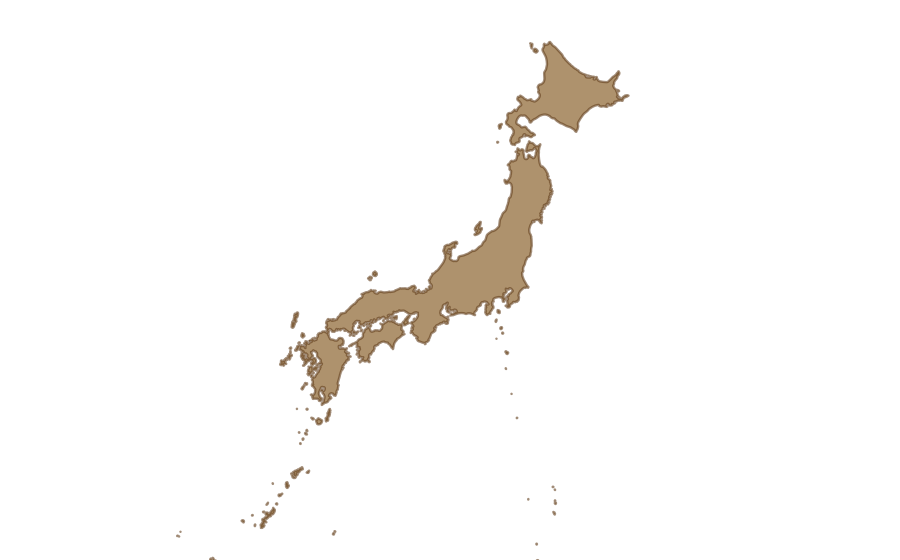
Aizu-Wakamatsu castle town
Encounters gun tools, technical books, targets, and practice records in Gonpachi’s household
Household occupation, Kakuma’s studies, and Yae’s own practice remain separate evidence.
Person Guide
Yamamoto Yae is not confined to the familiar portrait of a woman carrying a rifle at Tsurugajo. Her Aizu gunnery household is examined through technical books, gun tools, targets, measuring rods, and powder containers. The siege is reconstructed through a Spencer rifle, cartridges, repair, water, cooking, bandages, and castle plans. Defeat is followed through family dispersal, temporary housing, mending, weaving, ration records, travel permits, and the journey to Kyoto. At the Kyoto Nyokoba, appointment and lesson records join sewing samples, lace tools, exercise material, and tea utensils to define women’s vocational education as daily work. Red Cross volunteer nursing during the Sino-Japanese and Russo-Japanese wars returns to rosters, shifts, bandages, washing, meals, and cramped lodging rather than a heroic nickname. In later life, tea utensils, gathering records, letters, and guest books at the Niijima residence reveal a meeting place for students, religious figures, and supporters. Places and objects lead toward books, museum collections, historic firearms, sewing and lace, nursing history, tea, letters, and carefully documented visits.
Life
Aizu-Wakamatsu castle town
Household occupation, Kakuma’s studies, and Yae’s own practice remain separate evidence.
Tsurugajo
Weapon, ammunition, position, care work, and earliest poem witness require separate sources.
Aizu to Kyoto
Separation from Kawasaki, temporary homes, and travel dates remain documentary questions.
Kyoto Nyokoba and Doshisha
The Nyokoba, private school, and Doshisha Women’s School keep distinct institutions and dates.
Kyoto, Hiroshima, and Osaka
The two conflicts retain separate hospitals, periods, duties, and rosters.
Niijima residence, Kyoto
Tea, religious exchange, associations, funeral, and grave belong to separate records.
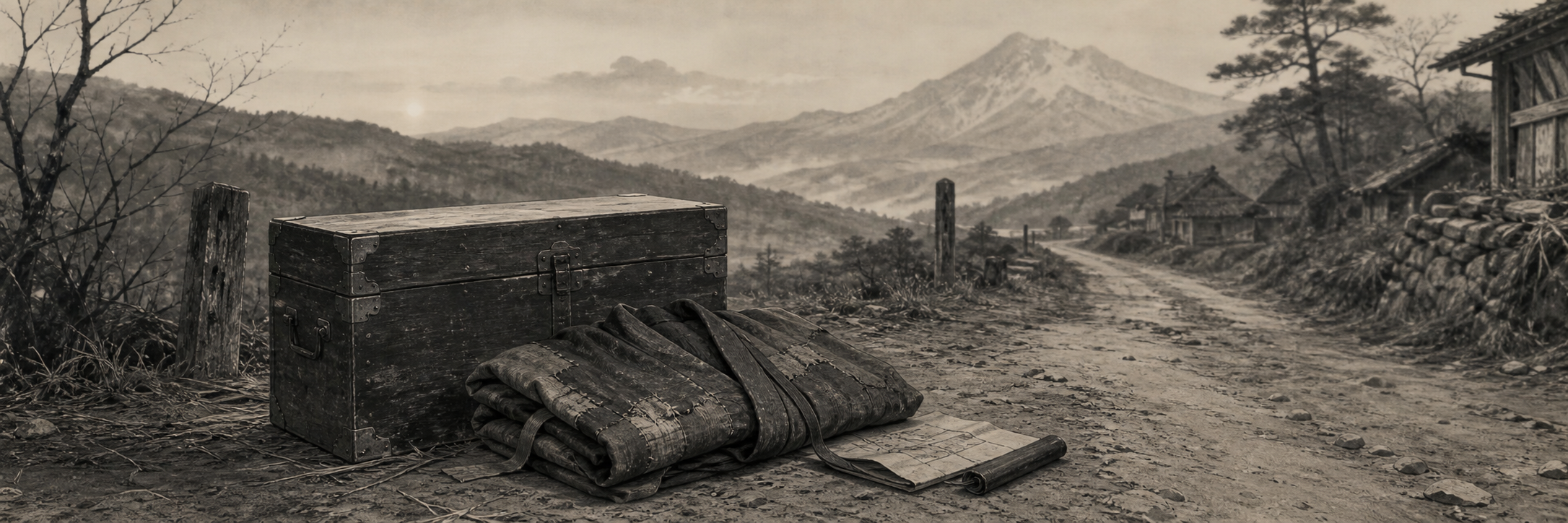
福島県会津若松市城東町
山本家の旧宅がそのまま残る地点とはせず、砲術師範の家業、火器、技術書、城下の位置を収蔵資料から確かめる調査拠点。
山本権八・覚馬・八重と会津藩砲術
Address福島県会津若松市城東町1-25
Nearby
福島県会津若松市追手町
復元天守を1868年の建物そのものとはせず、発掘・絵図・戦闘記録から八重のスペンサー銃、弾薬、修理、救護の条件を読む。
山本八重と鶴ヶ城籠城
Address福島県会津若松市追手町1-1
Nearby
福島県会津若松市河東町
現在の復元施設を八重の仮住居とはせず、会津戦争後の離散、織物、裁縫、配給、移住記録を調べる入口とする。
山本家と会津の戦後生活
Address福島県会津若松市河東町南高野字高塚山10
Nearby
京都府京都市上京区
女紅場の校舎変遷を確認し、八重が担った権舎長・教道試補の仕事、裁縫、編み物、茶道を教材と記録から読む。
山本八重・京都女紅場・同志社女学校
Address京都府京都市上京区下立売通新町西入薮ノ内町
Nearby
広島県広島市南区霞
現在の病院を当時の病棟そのものとはせず、篤志看護婦の名簿、勤務表、包帯、洗濯、食事、宿舎を史料で復元する。
新島八重と日本赤十字社篤志看護婦
Address広島県広島市南区霞1丁目周辺
Nearby
京都府京都市上京区寺町通丸太町上ル
八重が晩年を過ごした家で、茶道具、茶会記、掛物、花入、書簡、来客簿を通じて教育・宗教・社会活動の交友を読む。
新島八重の茶道と晩年
Address京都府京都市上京区寺町通丸太町上ル松蔭町
Nearby
Keys
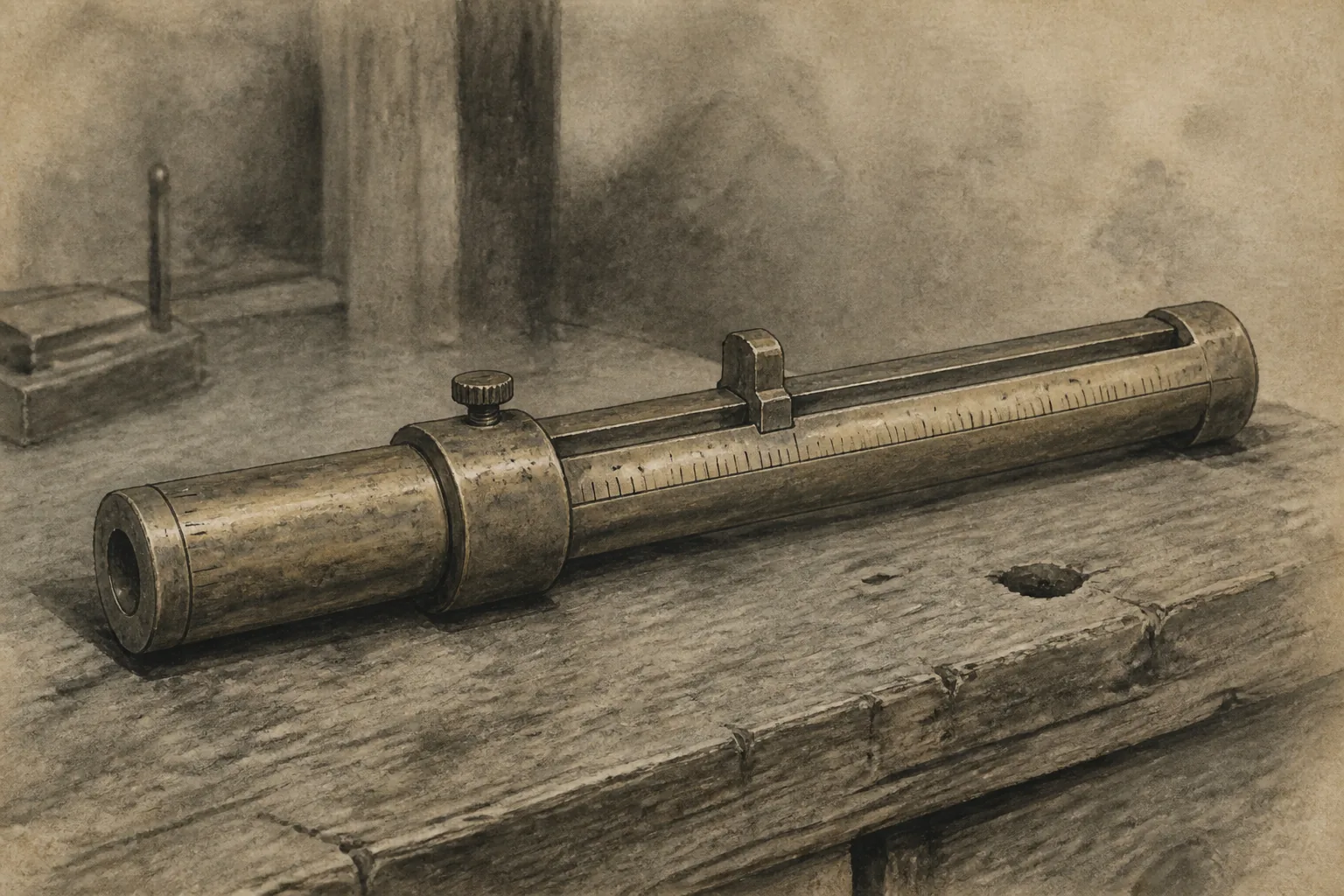
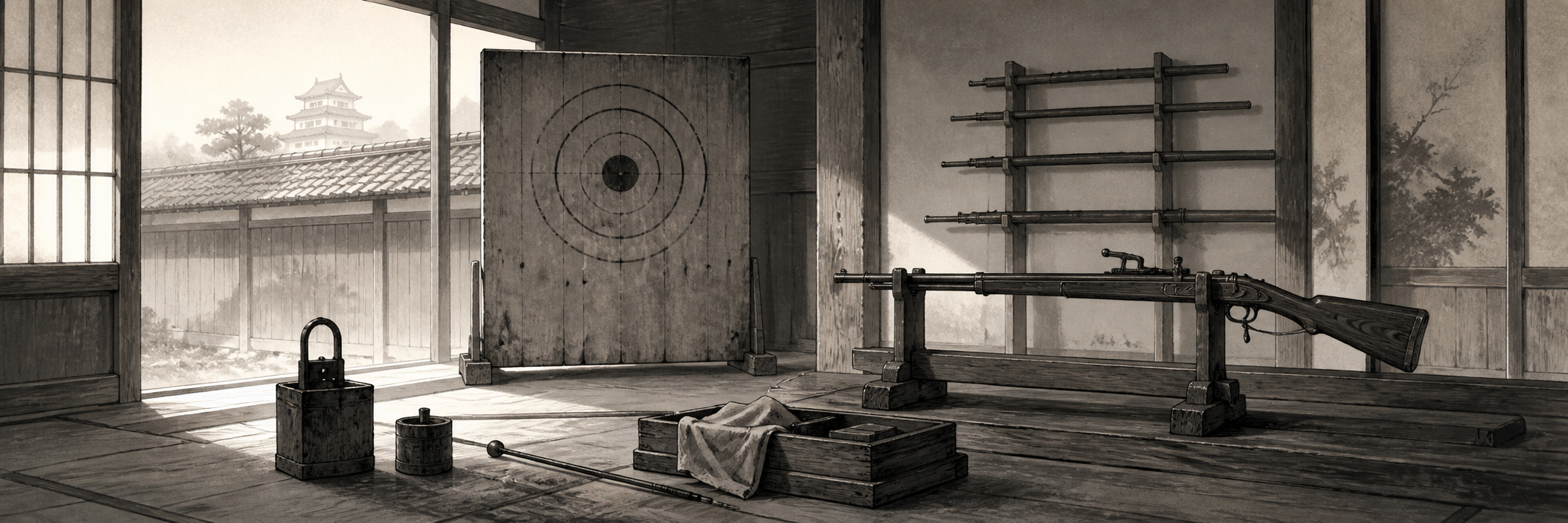
Yae was born into the household of Yamamoto Gonpachi, an Aizu-domain gunnery instructor, while her brother Kakuma also studied artillery and Western military knowledge. Gun tools, exploded diagrams, measuring rods, caliber gauges, targets, powder containers, bullet molds, technical books, practice ledgers, and castle-town maps place gunnery in measurement, maintenance, and repeated work rather than strength and courage alone. The childhood rice-bale story requires its earliest source and does not by itself prove later firearms skill. No pictured gun is presented as Yae’s surviving weapon. Reading paths include Aizu artillery, antique firearms, gunpowder history, Kakuma, technical education in warrior houses, museum catalogs, and replica-identification guides.
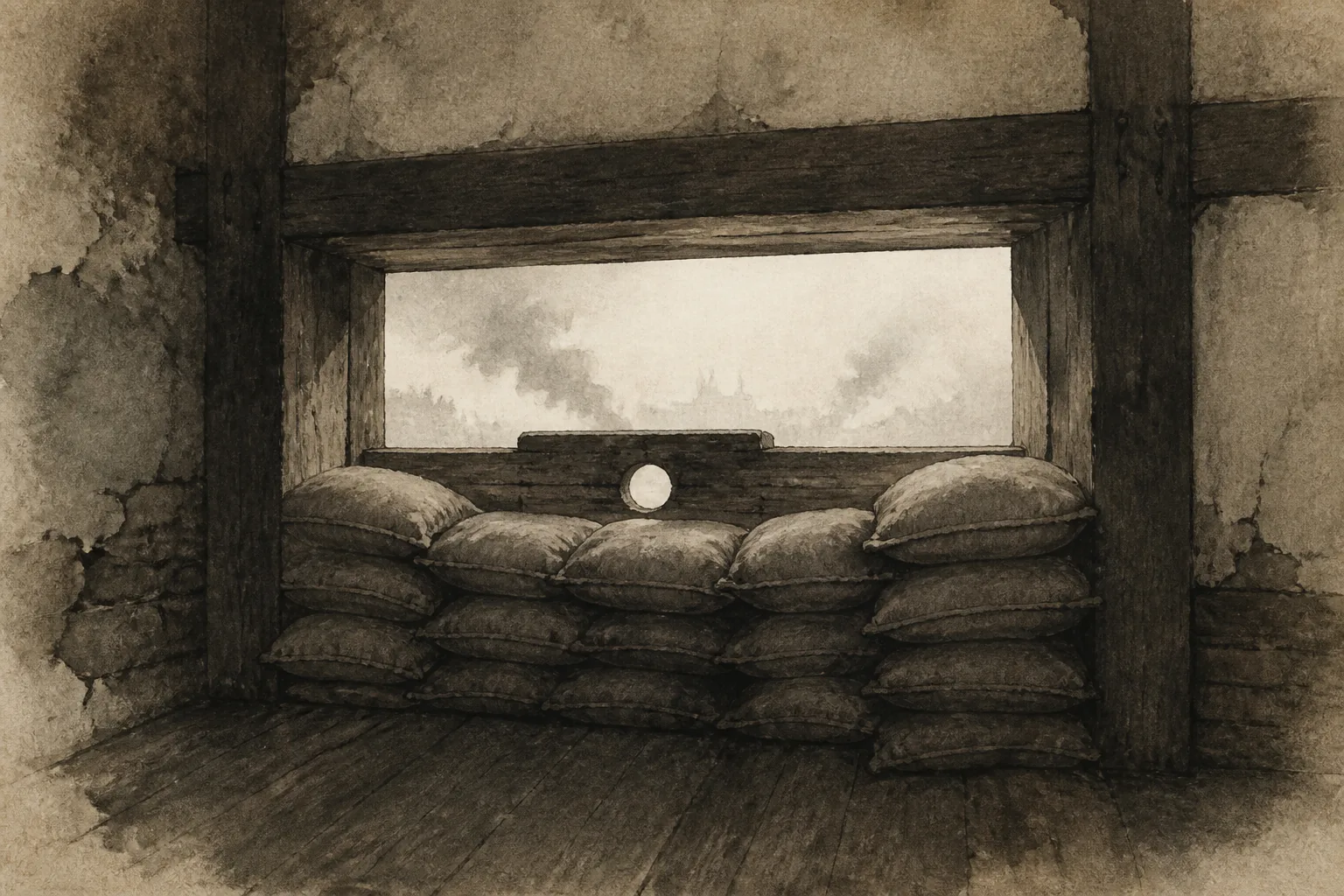
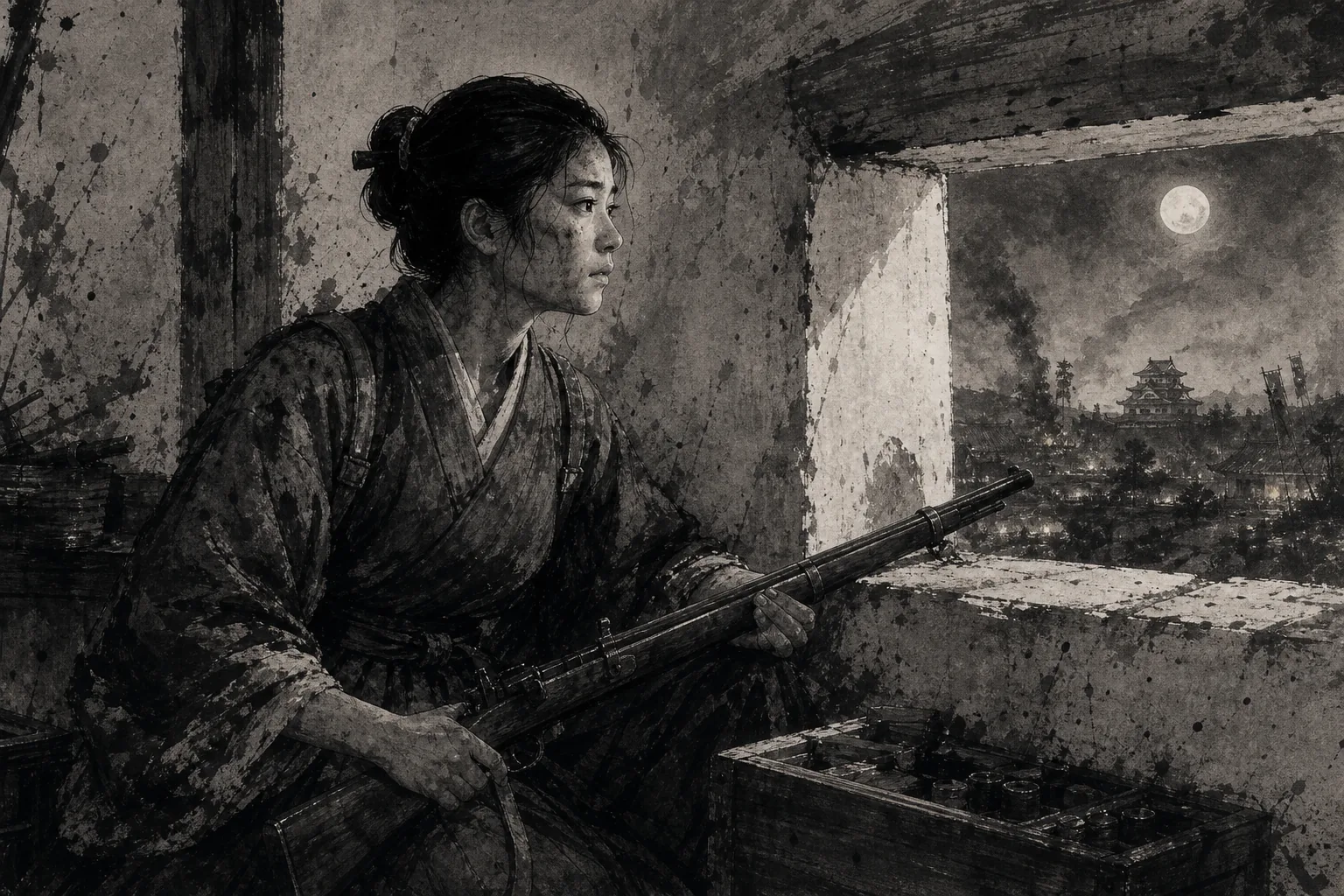
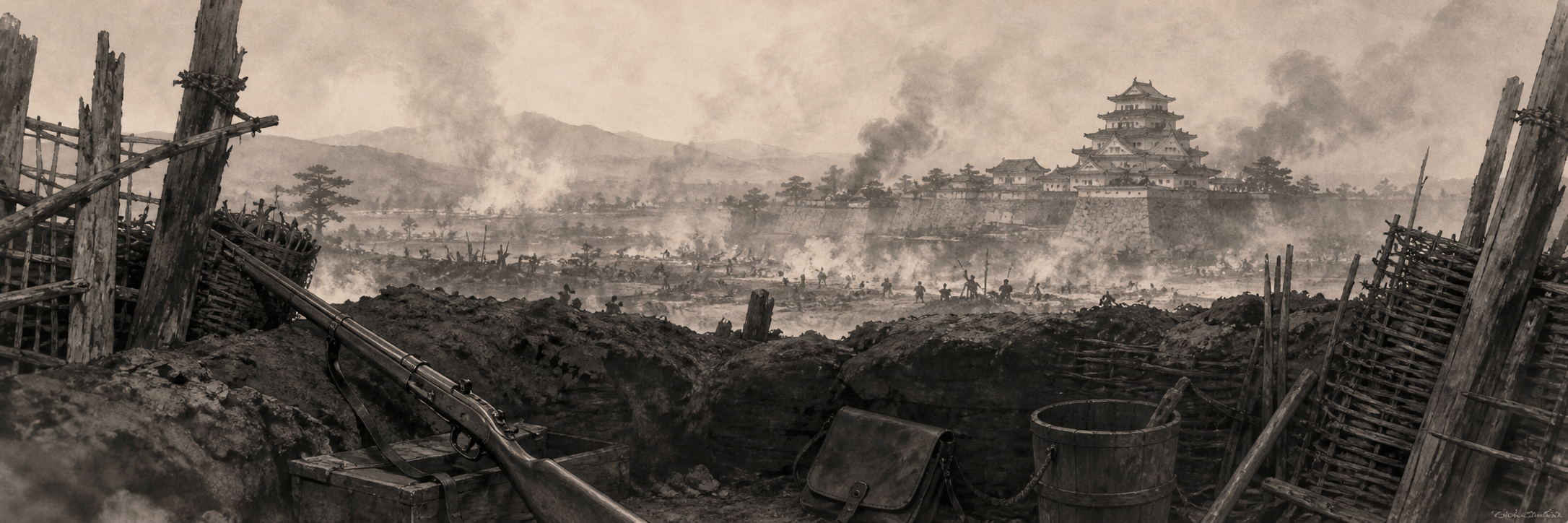
During the 1868 Aizu War, Yae is said to have cut her hair, dressed as a man, and joined the defense of Tsurugajo with a Spencer repeating rifle. The rifle, cartridges, molds, tools, sling, castle plans, firing positions, sandbags, water buckets, cooking vessels, bandages, and siege diaries reveal supply and shared work behind firearm performance. The present keep is a reconstruction; wartime damage and positions require photographs, plans, excavated evidence, and testimony. Her activity is not turned into a spectacular battle scene, because wounded people, fire, hunger, and the decision to surrender belong to the same place. Reading paths include historic firearms, the Boshin War, castles, emergency supply, and medical relief.
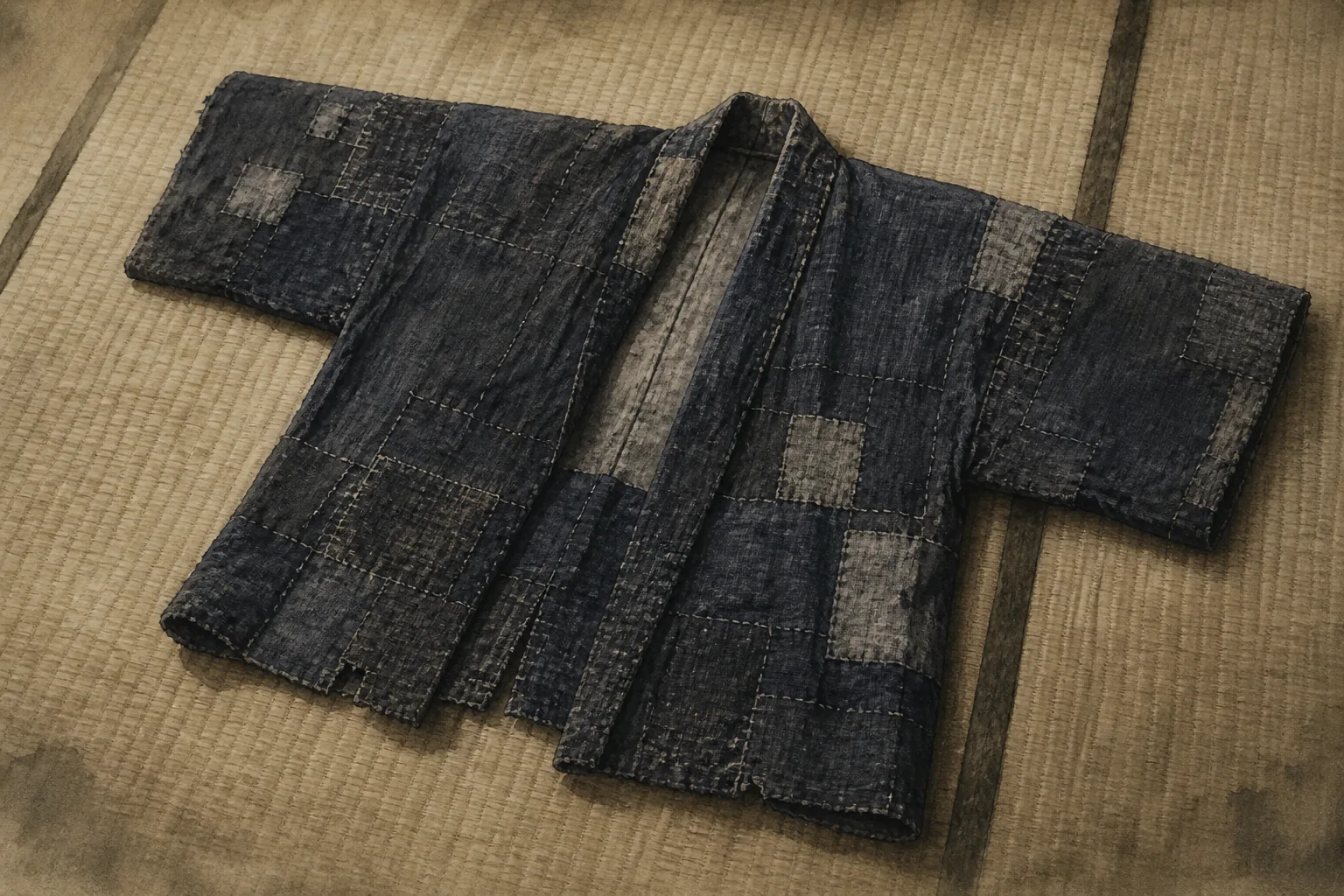
Yae’s story does not move instantly from surrender to a new Kyoto life. Her father’s death, separation from Kawasaki Shonosuke, dispersed relatives, temporary homes, mended clothing, food rations, travel permits, trunks, inn entries, and household work give the postwar years material form. Aizu families who remained nearby, relied on rural hosts, moved to Tonami, or joined relatives elsewhere did not share one route. Yae is generally dated as traveling to Kyoto in 1871 to join her brother Kakuma, but the day, companions, and stages require memoirs, letters, and household registers. Reading paths include defeated domains, women’s livelihoods, weaving, sewing, migration, family history, travel papers, and regional archives.
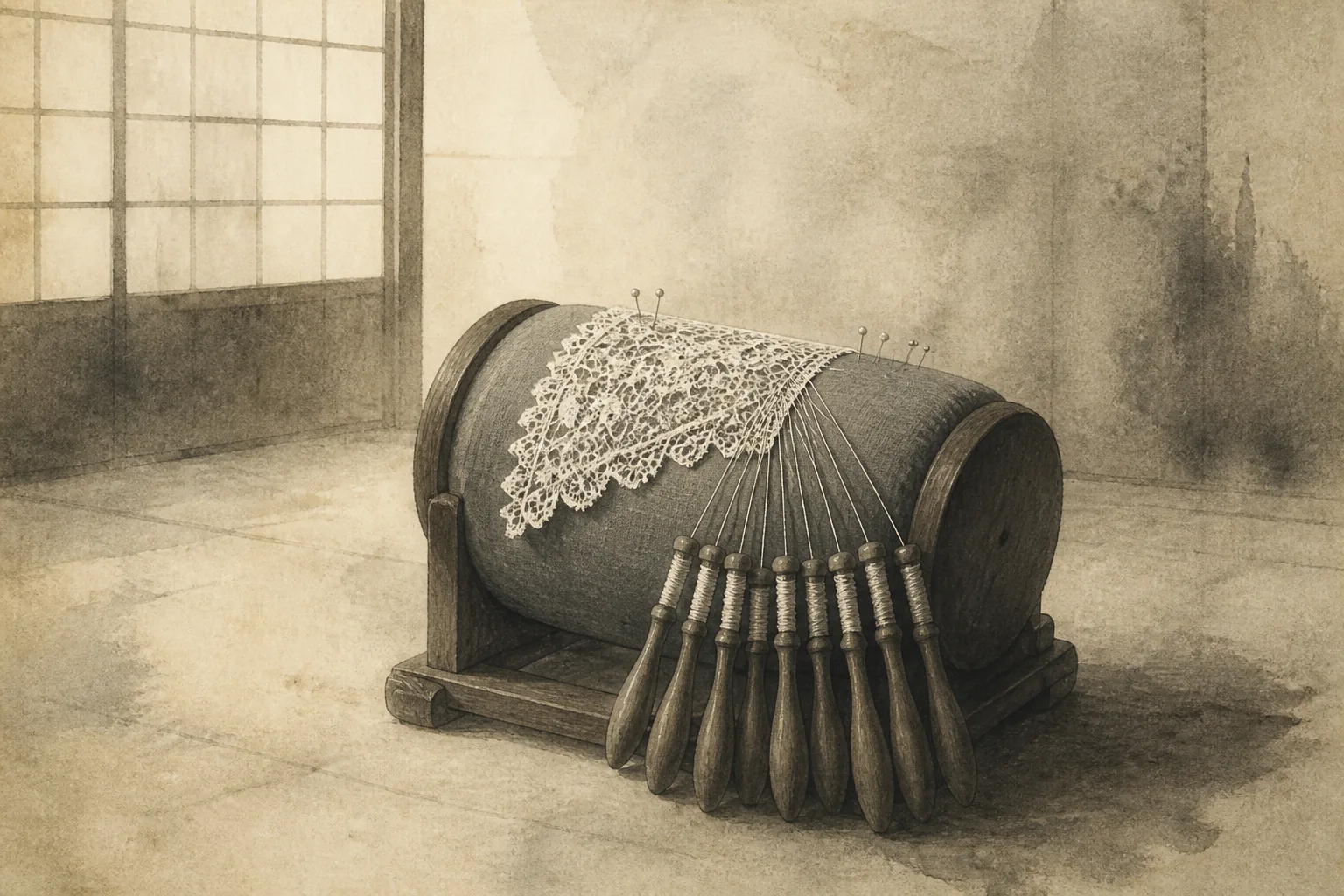
After reaching Kyoto, Yae became a dormitory head and assistant instructor at the Kyoto Nyokoba on her brother’s recommendation. Appointment papers, salary books, lesson ledgers, dormitory rules, sewing samples, bobbins, knitting needles, unfinished touch lace, exercise and language materials, and tea utensils reconstruct an ordinary classroom. Lace tools preserved in the Doshisha Women’s College archive require their accession and provenance before being labeled personal objects. The Kyoto Nyokoba, a school Yae later opened, and Doshisha’s women’s education belong to related but distinct institutions and dates. Reading paths include handicraft history, lace, women’s vocational education, school archives, historical patterns, sewing tools, and tea instruction.
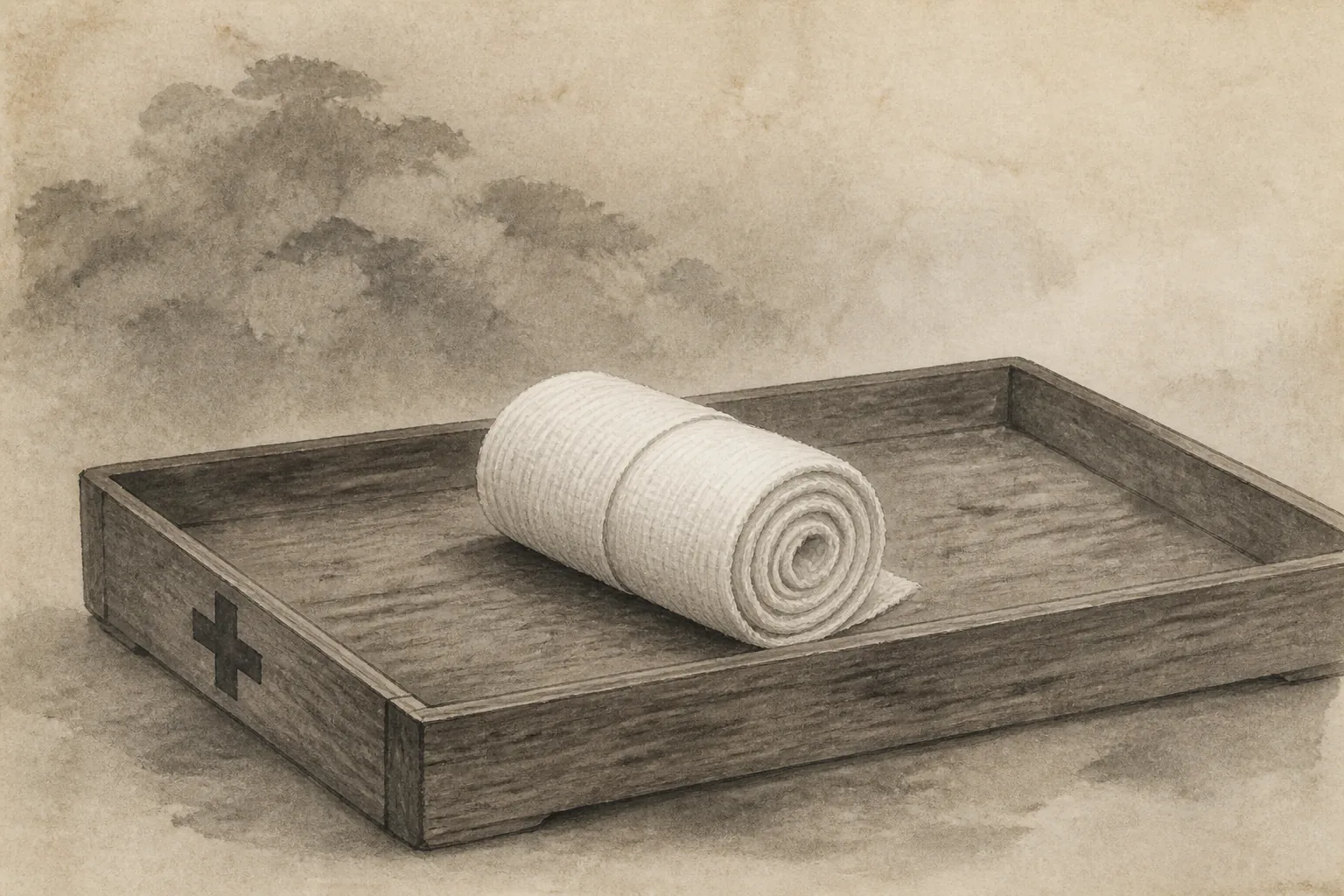
After Niijima Jo’s death, Yae joined Red Cross work. Doshisha Women’s College reports that she served at a Hiroshima army reserve hospital during the Sino-Japanese War and supervised about forty volunteer nurses. Membership lists, dispatch orders, shifts, ward diaries, bandages, basins, medical cases, meal tables, laundry, night work, and shared lodging test both duties and labor conditions. Her activity during the Russo-Japanese War needs its own places, dates, and roles rather than being merged with 1894–95. Nursing is not treated simply as patriotic wartime service: patients, infection control, exhaustion, and the low standing of women nurses remain visible. Reading paths include Red Cross history, nursing, medical instruments, military Hiroshima, uniforms, and hospital archives.
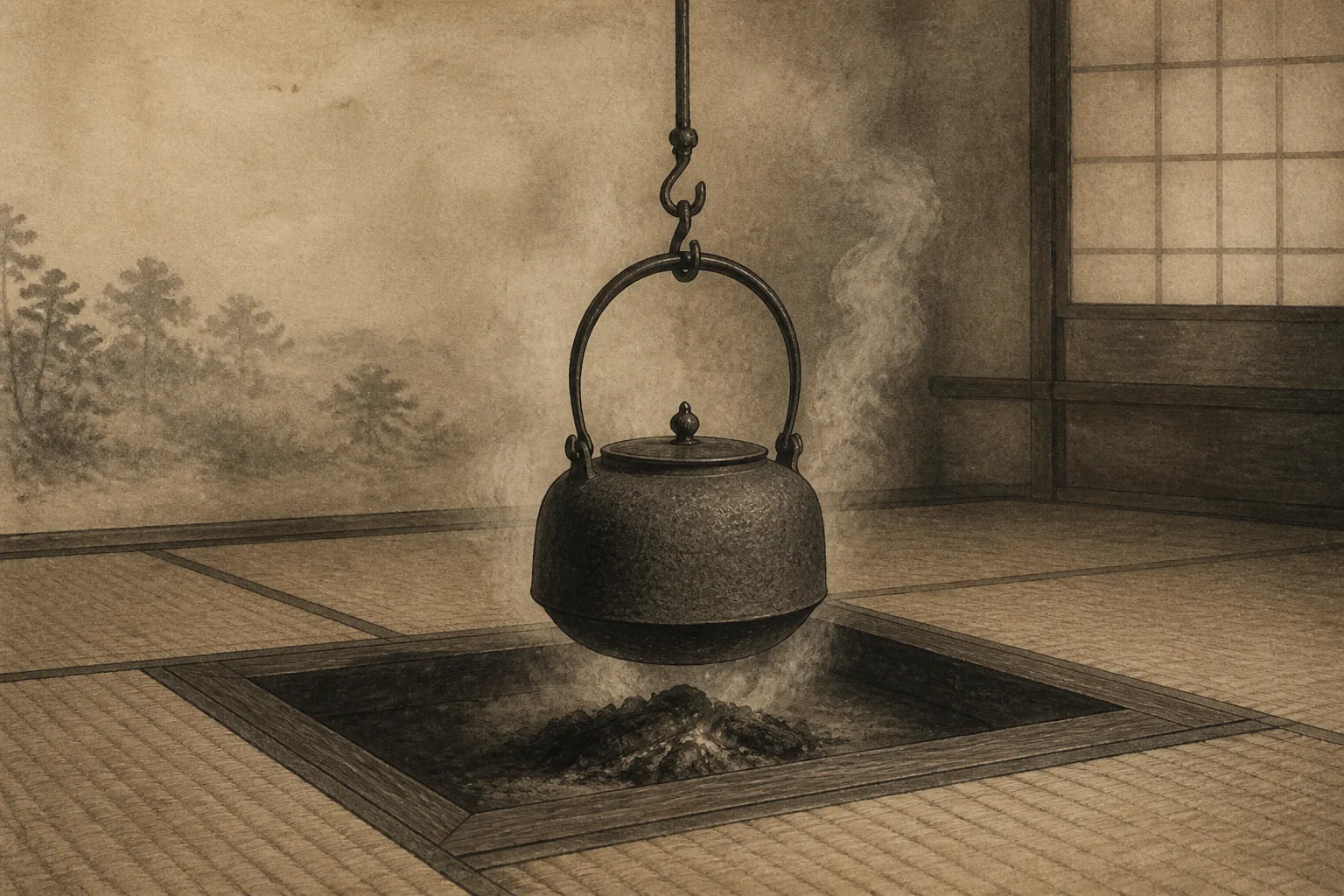
Doshisha relates that Yae encountered tea through the mother of thirteenth-generation Sen Soshitsu, Ennosai, while working at the Nyokoba. Rooms at the Niijima residence, bowls, kettles, scoops, hanging scrolls, flower vases, sweet containers, gathering records, letters, and guest books allow later tea practice to be studied as hospitality toward students, religious figures, and supporters rather than retirement decoration. Her friendship with the Kenninji monk Mokurai produced rumors of Buddhist conversion; rumor and personal faith must remain distinct. Provenance of utensils, tea names, and dates of school instruction also require checking. Reading paths include tea, modern Kyoto, women’s sociability, religious dialogue, collected letters, historic-house conservation, and public-opening schedules.
VISIT
Aizu History Museum at Aizu Bukeyashiki · FukushimaOfficial information
A special exhibition presenting Aizu samurai culture through military, artistic, historical, and everyday materials from the collection.
Tsurugajo Castle Tower, First-floor Exhibition Room · FukushimaOfficial information
A collection exhibition examining why the young Byakkotai fought and how the Boshin War led to their deaths.
Search events related to Yae Yamamoto →Browse all Bakumatsu events →