Otemachi, Aizu
Grows into chief-retainer work structured by registers, archives, rice, and castle access
Hereditary rank returns to practical coordination of finance, retainers, and the castle town.
Person Guide
Saigo Tanomo is often reduced to a farsighted opponent of the Kyoto Protector post, a defeated Shirakawa commander, or the chief retainer who lost his family. The surviving material record instead follows a 1,700-koku register and document boxes at the Otemachi residence, appointment papers and cost estimates for Kyoto, terrain maps and supply ledgers at Shirakawa, passes and luggage carried through Yonezawa, Sendai, and Hakodate, shrine registers and regulations from his postwar service, and correspondence and graves linked to his final Aizu years. The names Chikanori, Tanomo, and post-1869 Hoshina Chikanori are kept in historical sequence, while the reconstructed residence, historical site, and cemetery remain separate.
Life
Otemachi, Aizu
Hereditary rank returns to practical coordination of finance, retainers, and the castle town.
Aizu and Kyoto
Council records and transmission of the famous warning matter as much as later vindication.
Shirakawa and Komine Castle
Several command systems, logistics, and civilian damage remain beside judgments of command.
Aizu, Yonezawa, Sendai, Hakodate
Timing of news, route details, and his Hakodate role require comparison across sources.
Tanakura, Nikko, Ryozen
Former vassal ties and state Shinto are read together through institutional documents.
Aizuwakamatsu and Zenryuji
The late dwelling, graves, and later monument remain separate sites and dates.
福島県会津若松市
国家老千七百石の西郷家が置かれた追手町。東山の復元武家屋敷とは別地点で、城下図と文書から執務環境を復元する。
西郷頼母
Address福島県会津若松市追手町
Nearby
福島県会津若松市
再建天守内の展示と城下資料を用い、任命、費用、兵力、留守居、反対意見を一つの逸話にせず検証する。
西郷頼母
Address福島県会津若松市追手町1番1号
Nearby
福島県白河市
復元建物と戊辰戦争時の遺構を区別し、総督個人の勝敗ではなく部隊配置、伝令、糧食、住民被害を調べる。
西郷頼母
Address福島県白河市郭内
Nearby
北海道函館市
米沢・仙台を経た移動を一枚の直線にせず、手形、宿、船、同行者、情報の変化からたどる。箱館での役割は資料差を確認する。
西郷頼母
Address北海道函館市五稜郭町44
Nearby
福島県伊達市
明治22年から宮司を務め、明治31年の規定書は近悳自筆とみられる。祭具だけでなく認可、規定、創建家との協議を見る。
西郷頼母(保科近悳)
Address福島県伊達市霊山町大石字古屋舘1
Nearby
福島県会津若松市
頼母夫妻の墓、家族二十一人の墓、昭和3年建立の奈与竹の碑がある。晩年の十軒長屋や家族の死と同一地点にしない。
西郷頼母
Address福島県会津若松市北青木13番3号
Nearby
Keys
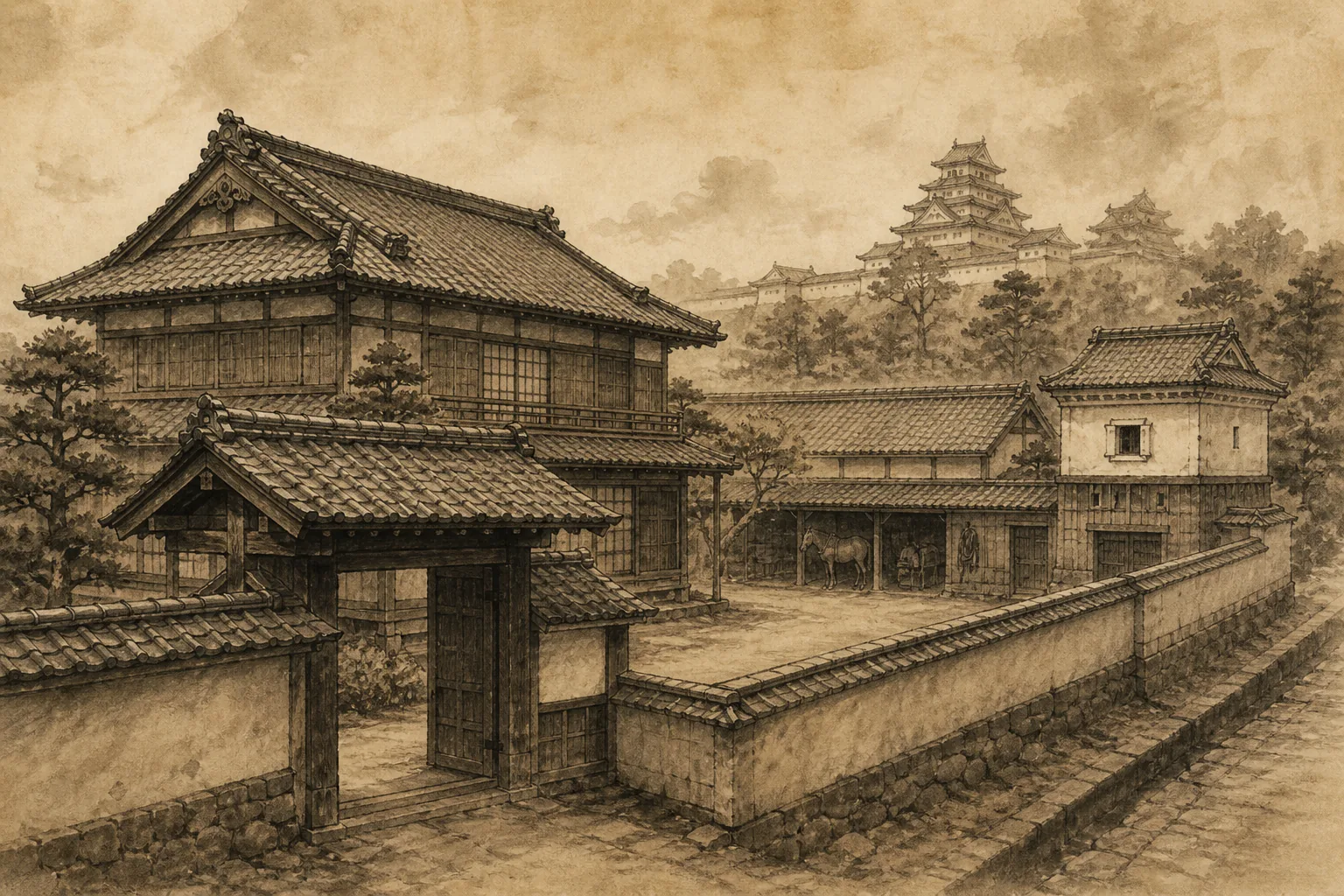
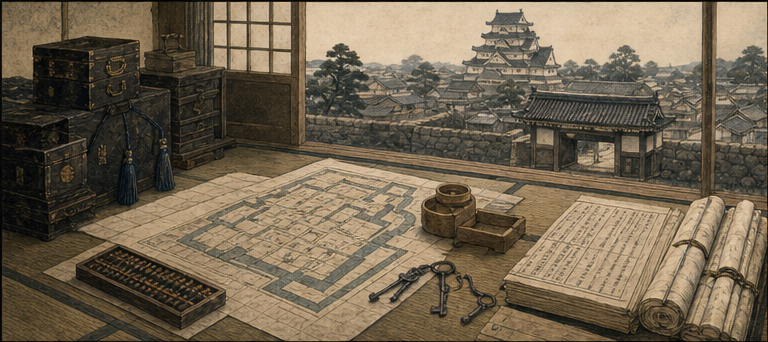
Saigo Chikanori, commonly called Tanomo, was born in 1830 into a family that had supplied Aizu chief retainers for generations. The Otemachi residence, a 1,700-koku status register, castle-town map, document boxes, seals, abacus, rice measure, storehouse keys, petitions, and attendance records show office rather than honor alone. A chief retainer coordinated reports to the lord, retainers, finance, the castle town, and emergencies through documents and people. Today’s Aizu Bukeyashiki is a reconstructed complex based on the residence, while the historical site stands opposite Tsurugajo’s north enclosure in Otemachi. Plans and locations must not be merged. Reading paths include Aizu status registers, chief-retainer administration, samurai archives, and stipend management.
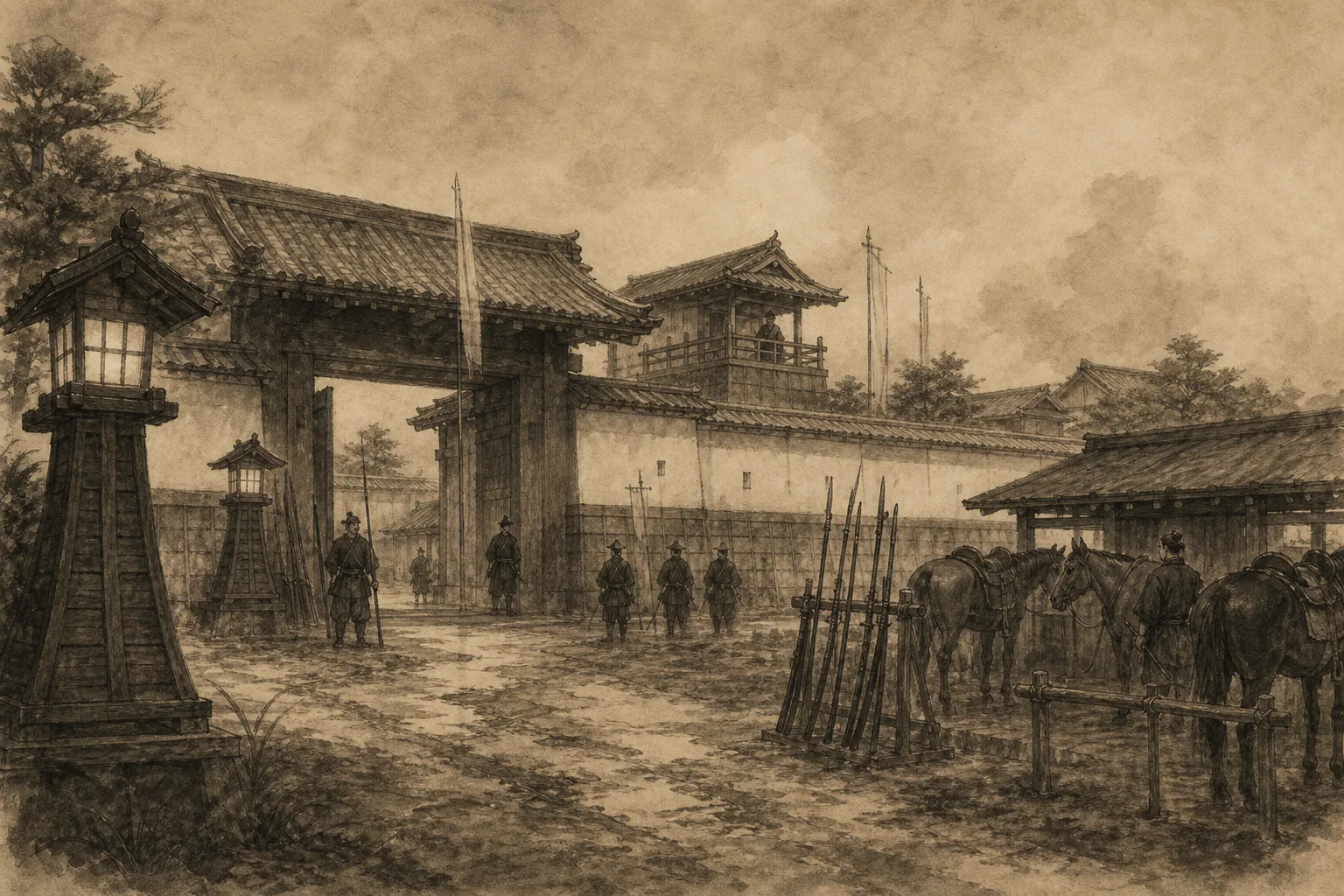
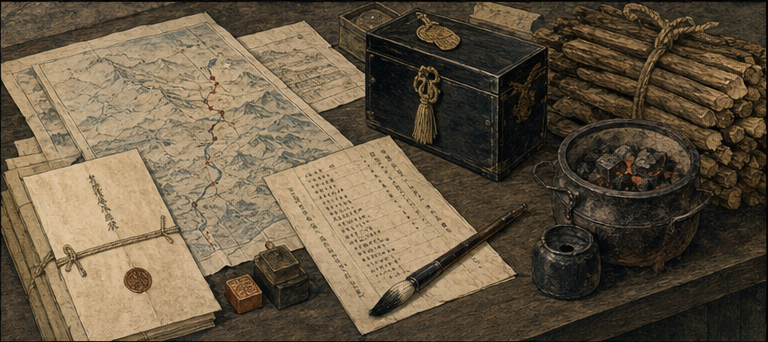
In 1862 Tanomo joined Tanaka Tosa in urging Lord Matsudaira Katamori to decline the Kyoto Protector post and was removed from the chief-retainer office. An appointment letter, Aizu–Kyoto route map, expense estimate, troop roster, lodging plan, sealed box, absence register, and bundled firewood beside a brazier translate policy into financial and human strain. The famous comparison to carrying firewood into a fire should not finish the story as proof of solitary foresight. The page asks which records transmit the phrase, how opposition operated inside domain council, and how the assignment affected finance, garrisons, and households. It leads to the Kyoto Protector office, Aizu budgets, council procedure, and dismissal records.
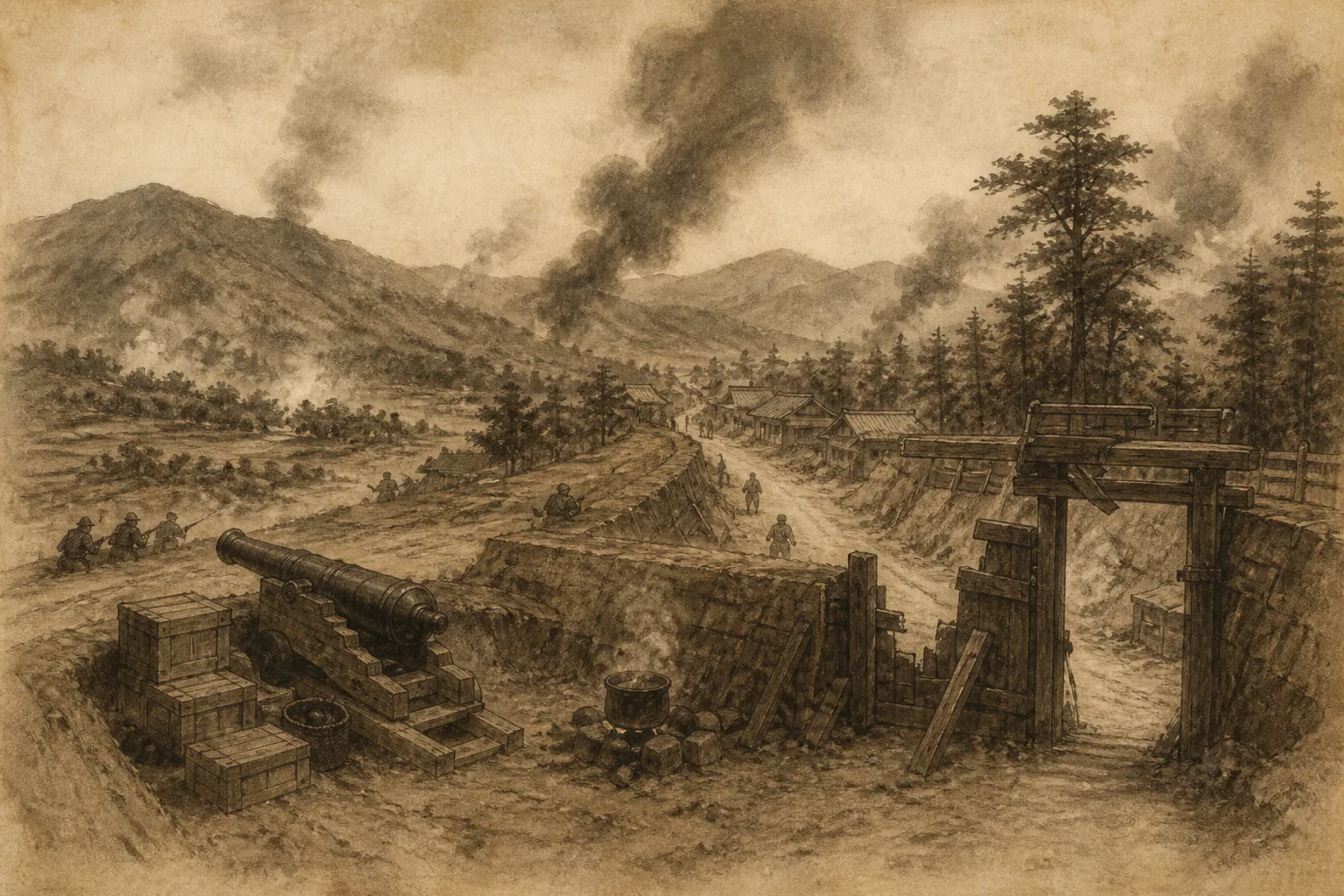
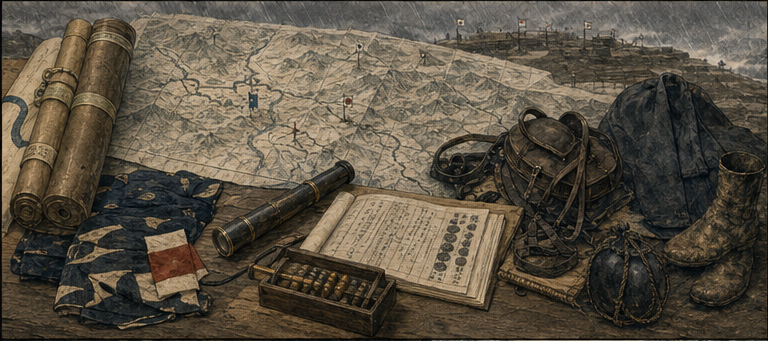
Restored to office in 1868, Tanomo became commander of the Shirakawa front, was defeated, and returned to Aizu. Maps of Komine Castle, roads, ridges, and rivers, together with dispatch tubes, telescope, signal cloths, tack, mud-stained boots, rain cape, ammunition accounts, and ration ledgers, reveal a front that cannot be judged through one commander’s courage or ability. Force ratios, command among several domains, communication time, weather, supply, retreat routes, and damage to townspeople belong on the same map. Reconstructed castle structures must be distinguished from excavated and documented wartime remains. The objects open research into Shirakawa, the Northern Alliance, logistics, and civilian war damage.
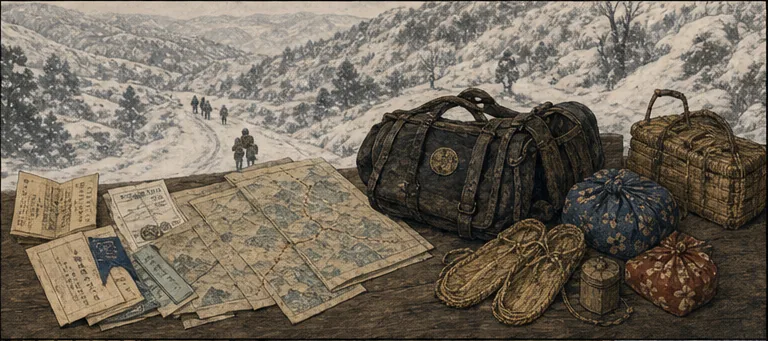
During the Aizu siege, Tanomo’s continued advocacy of accommodation met fierce opposition. He left the domain with his eldest son Kichijuro, traveled through the Yonezawa and Sendai area, joined the fleet associated with Enomoto Takeaki, and reached Hakodate by the war’s end according to standard accounts. Travel passes, road maps, saddlebags, straw sandals, medicine pouch, clothing bundles, lodging slips, and ferry papers return political departure to a difficult physical journey. The moment he learned of his family’s deaths, exact intermediate stops, companions, and role in Hakodate require source comparison. The route connects Aizu roads, the Northern Alliance, Sendai, maritime travel, and Hakodate without becoming a heroic escape line.
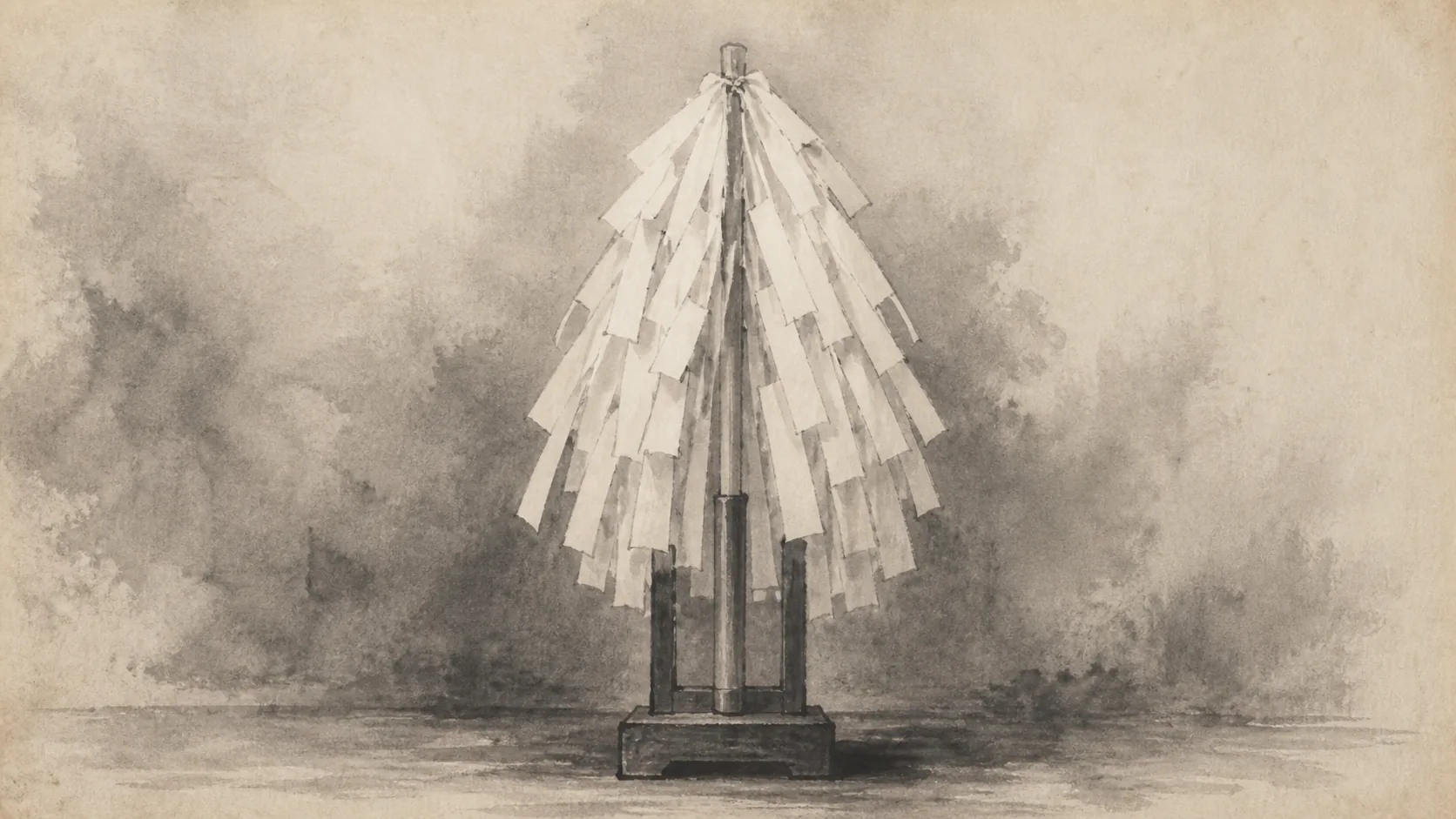
After the war Chikanori changed his family name from Saigo to Hoshina in 1869. He became chief priest of Tsutsukowake Shrine in 1875, served at Nikko Toshogu from 1880 while former lord Katamori was chief priest, and became chief priest of Ryozen Shrine in 1889. Shrine registers, folded eboshi and hitatare, ritual wand, offering vessels, festival notices, and approval seals show administration as well as worship. A 1898 regulation on the continuing qualifications of Ryozen’s founding families is considered likely to be in Chikanori’s hand from its script. This is not merely redemption: former lord-vassal ties, state Shinto, ranked shrines, local founders, and documentary governance intersect.
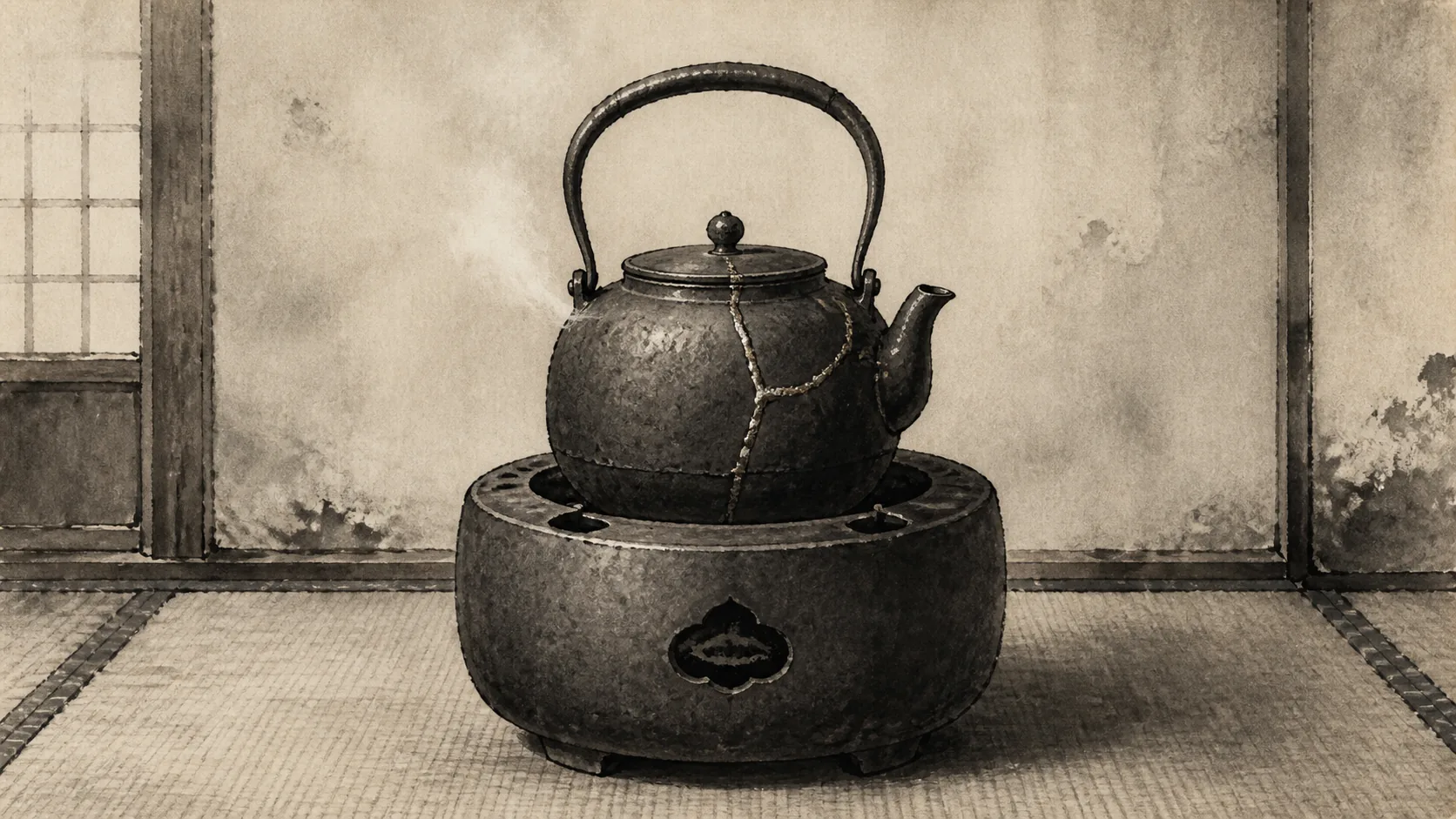
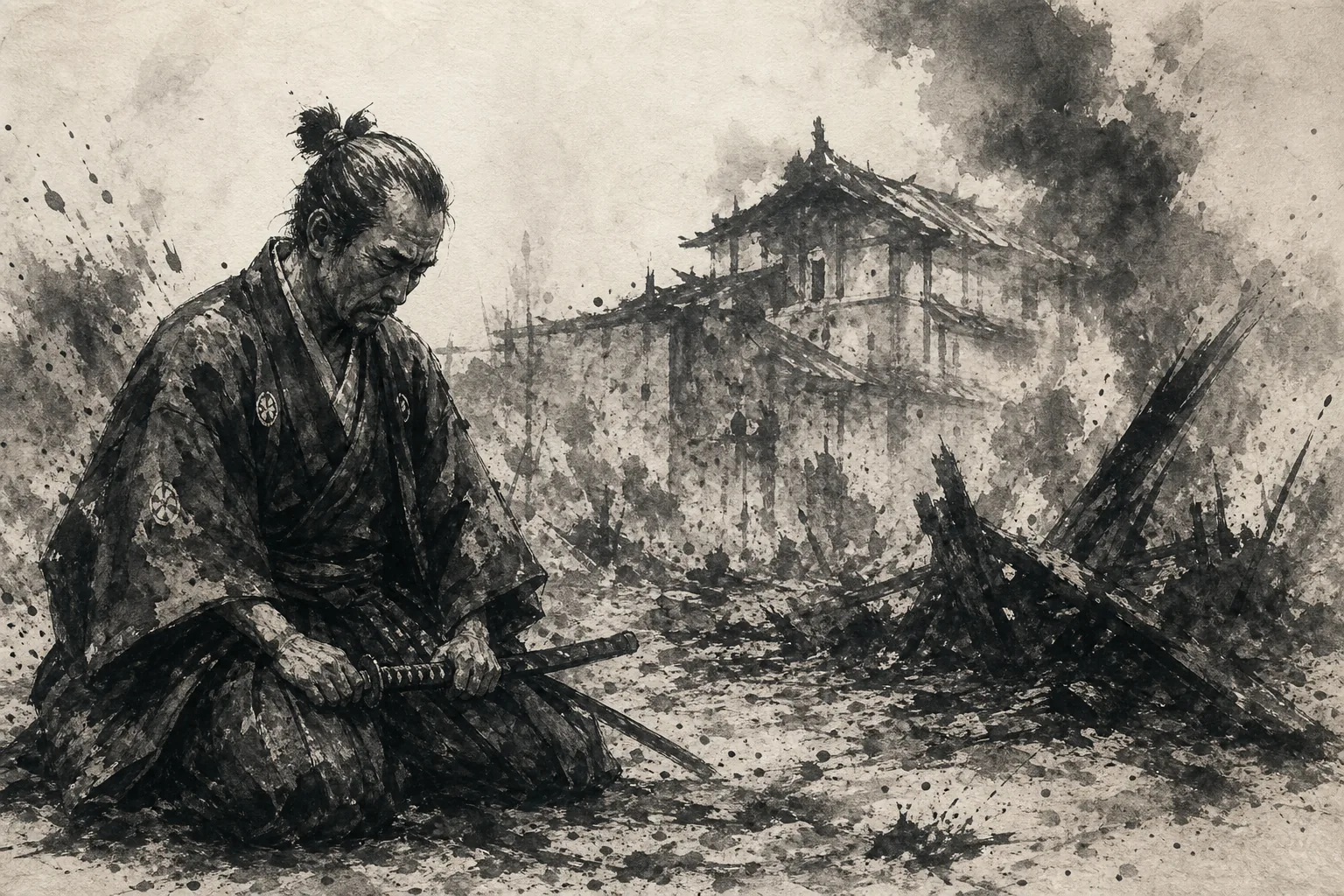
Tanomo returned to Aizuwakamatsu late in life and is said to have lived near the castle in a modest place called Jukken Nagaya, where he died in 1903. A writing desk, correspondence bundles, family memorial tablets, iron kettle, repaired bedding, and a map connecting the Otemachi residence, Zenryuji, and the late dwelling allow study beyond a simple fall from a 1,700-koku estate. The exact location and survival of Jukken Nagaya should not be asserted without stronger evidence. Zenryuji separately contains the couple’s grave, graves of the twenty-one relatives, and the Nay竹 monument erected in 1928. Residence, death, burial, and later commemoration therefore remain different places and times.
VISIT
Aizu History Museum at Aizu Bukeyashiki · FukushimaOfficial information
A special exhibition presenting Aizu samurai culture through military, artistic, historical, and everyday materials from the collection.
Tsurugajo Castle Tower, First-floor Exhibition Room · FukushimaOfficial information
An exhibition tracing historical connections between Kyoto and Aizu, including the Kyoto Shugoshoku.
Search events related to Tanomo Saigo →Browse all Bakumatsu events →