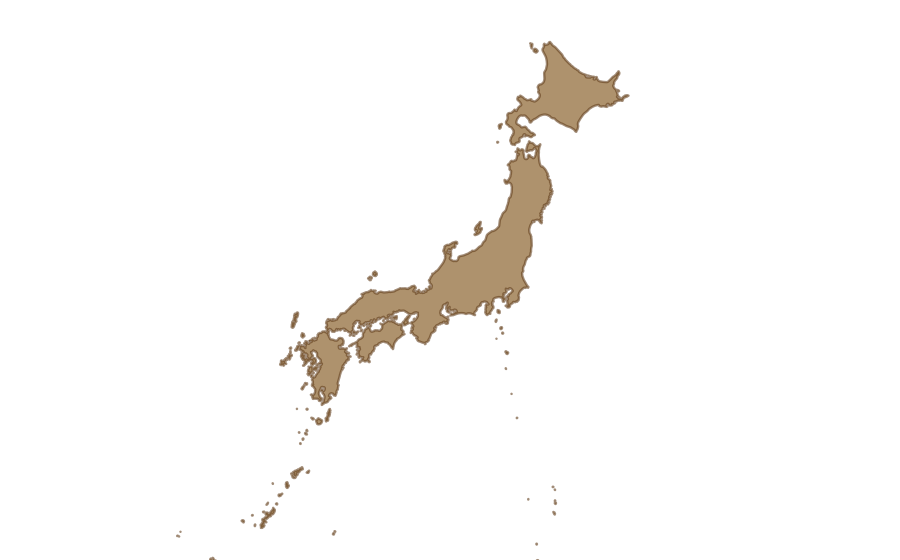
Kitagawa, Tosa
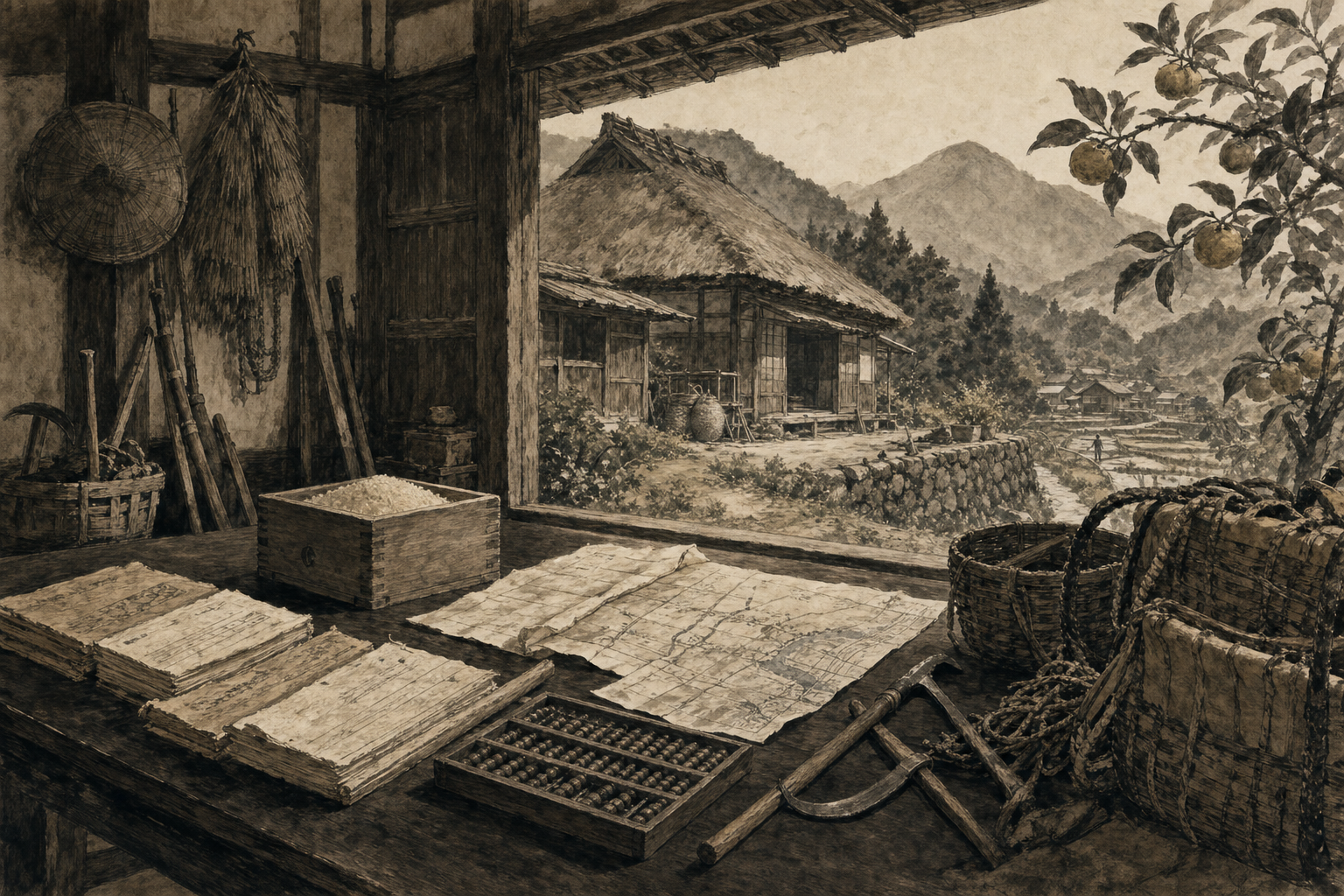
Grows among headman registers, rice measures, forests, and water administration
A household coordinating taxes, petitions, roads, produce, and transport teaches politics as information and practical response.
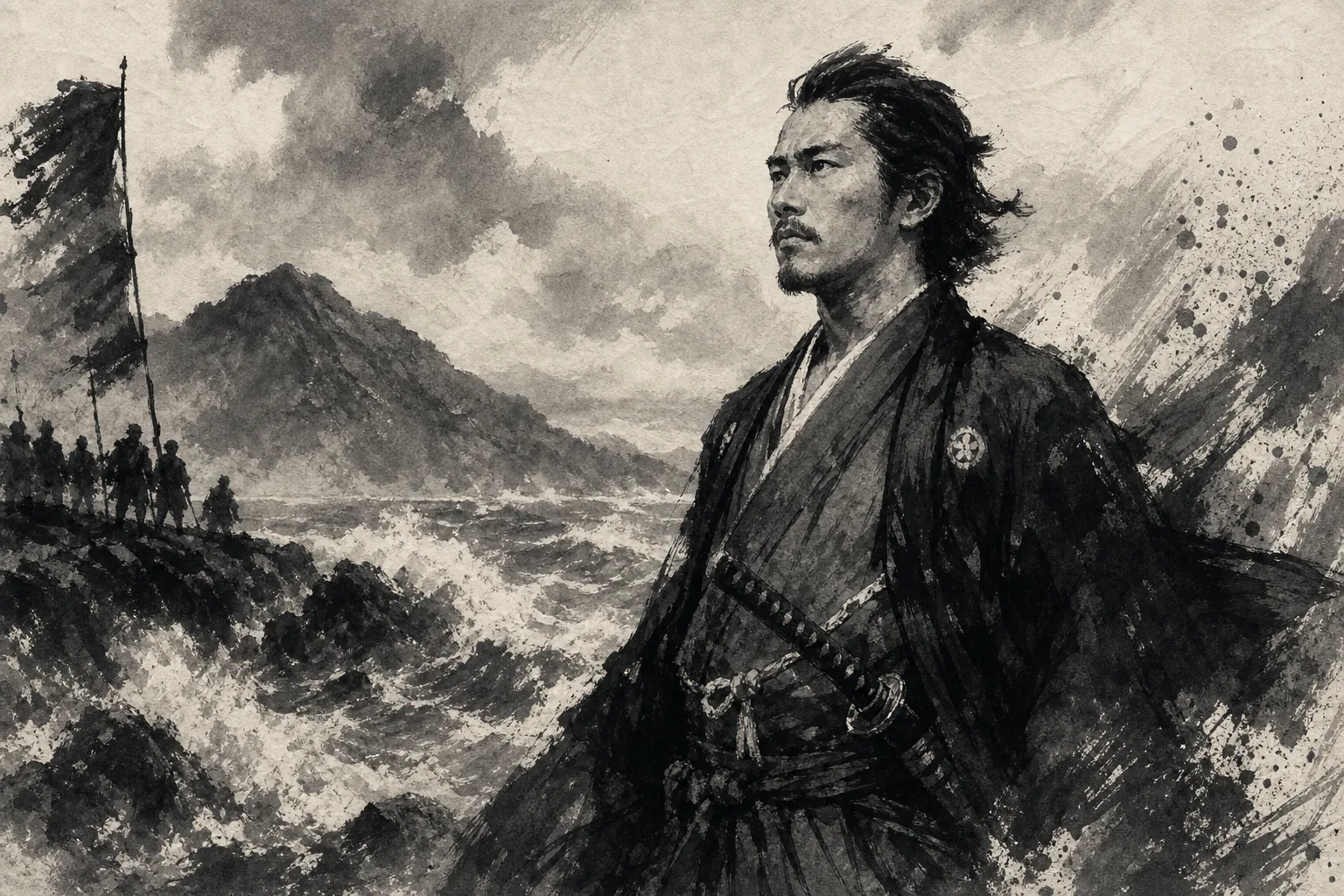
Know the Person
Nakaoka Shintaro should not remain only Sakamoto Ryoma's partner in arranging the Satsuma-Choshu alliance. The surviving material record follows tax and household registers, rice measures, abacus, forest and irrigation maps, pack baskets, and yuzu at a Kitagawa headman house; the Tosa Loyalist Party oath roster, pledge, inkstone, seals, and training swords; rain cape, sandals, route map, letter tube, medicine packet, and ferry token on an escape network; letters, seals, lodging book, travel account, and six-clause memorandum moving among Kagoshima, Shimonoseki, Dazaifu, and Kyoto; Rikuen-tai unit rules, rifle rack, cartridge pouches, bedding, muddy boots, and cooking pot; and the Omiya second-floor folding screen, hanging scroll, brazier, low table, scabbard, damaged screens, and stair. Politics emerges through administration, signatures, travel, correspondence, shared quarters, and material evidence.
Life
Kitagawa, Tosa
A household coordinating taxes, petitions, roads, produce, and transport teaches politics as information and practical response.
Kochi castle town and Tosa
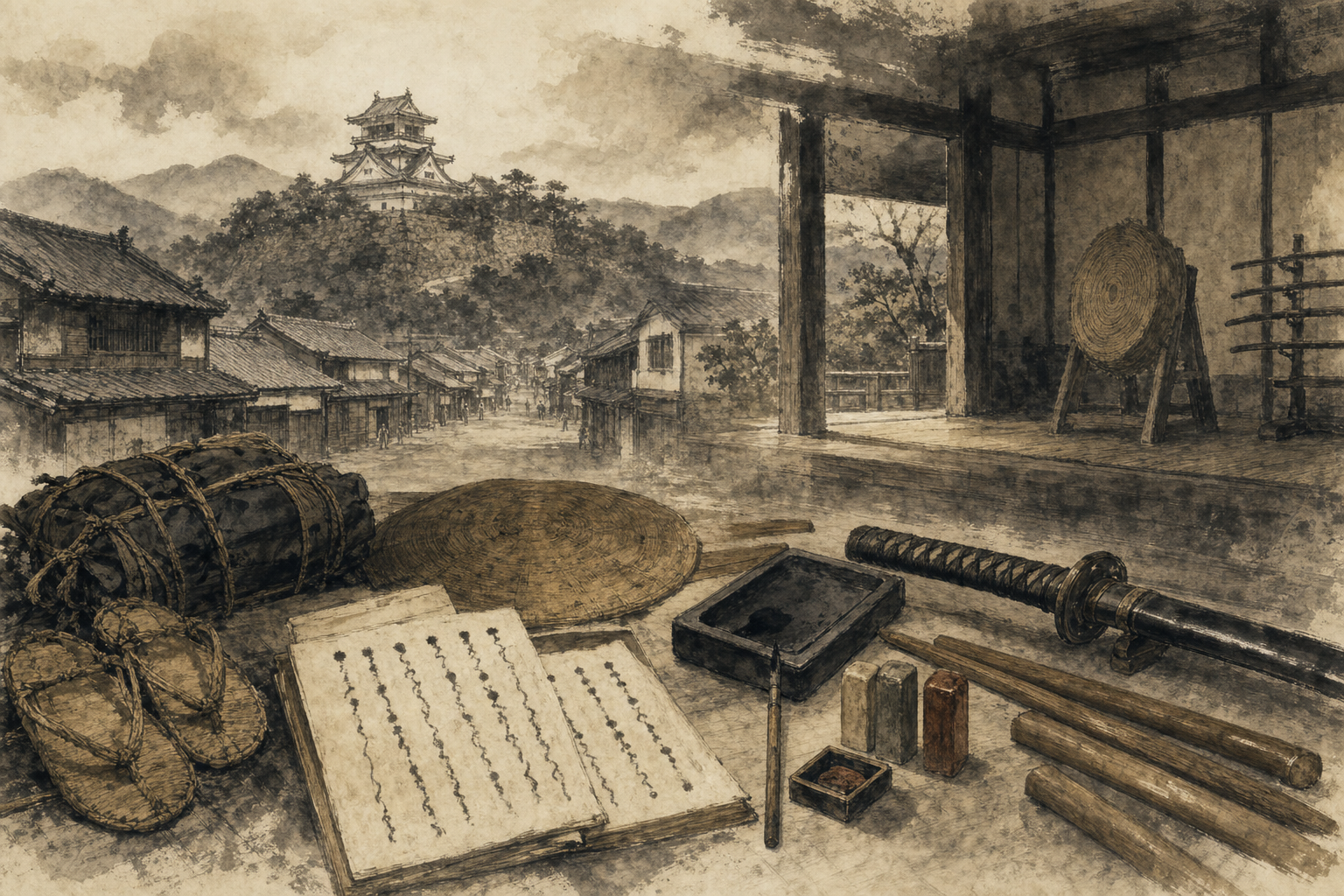
Pledges, signatures, couriers, and martial associates create an organization whose records later become targets of suppression.
Choshu, Shimonoseki, Kyushu, Dazaifu
Rain gear, sandals, letter tube, and ferry token sustain movement past checkpoints, rivers, straits, and pursuit.
Kagoshima, Shimonoseki, Dazaifu, Kyoto
Saigo, Kido, Ryoma, nobles, officers, couriers, and hosts manage distrust through travel and written confirmation.
Shirakawa, Kyoto
Rules, rosters, firearms, ammunition, accounts, bedding, and cooking sustain a group committed to armed overthrow.
Omiya, Kyoto
He dies after being wounded, while site marker and museum-held objects must be distinguished in investigating the event.
高知県安芸郡北川村
復元生家と資料館を入口に、年貢、戸口、米、山林、水路、運搬を扱った大庄屋家の実務と北川郷の生活をたどる。
中岡慎太郎
Address高知県安芸郡北川村柏木140
Nearby
高知県高知市
血盟簿や誓約文を一人の思想ではなく、署名者、道場、使者、宿の連絡網として読むための城下拠点。
中岡慎太郎
Address高知県高知市仁井田周辺・高知城下
Nearby
山口県下関市
特定の宿だけに固定せず、長州へ逃れた後の移動、使者、渡船、密書、薩摩・九州への海路を関門海峡から考える。
中岡慎太郎
Address山口県下関市長府・唐戸周辺
Nearby
福岡県太宰府市
孝明天皇崩御を五卿へ伝えた記録を軸に、書簡、使者、宿帳、旅費が政治情報を運ぶ場として見る。
中岡慎太郎
Address福岡県太宰府市宰府4丁目周辺
Nearby
京都府京都市左京区
陸援隊を隊名だけでなく、名簿、訓練、警備、会計、食事、寝泊まりを伴う集団として見る。跡地の範囲は現地案内と史料で確認する。
中岡慎太郎
Address京都府京都市左京区岡崎・白川周辺
Nearby
京都府京都市中京区・東山区
河原町の碑は近江屋跡を示し、血痕が伝わる屏風・掛軸は博物館資料。現在地に二階部屋や物証がそのまま残るわけではない。
中岡慎太郎
Address京都府京都市中京区河原町通蛸薬師付近
Nearby
Keys
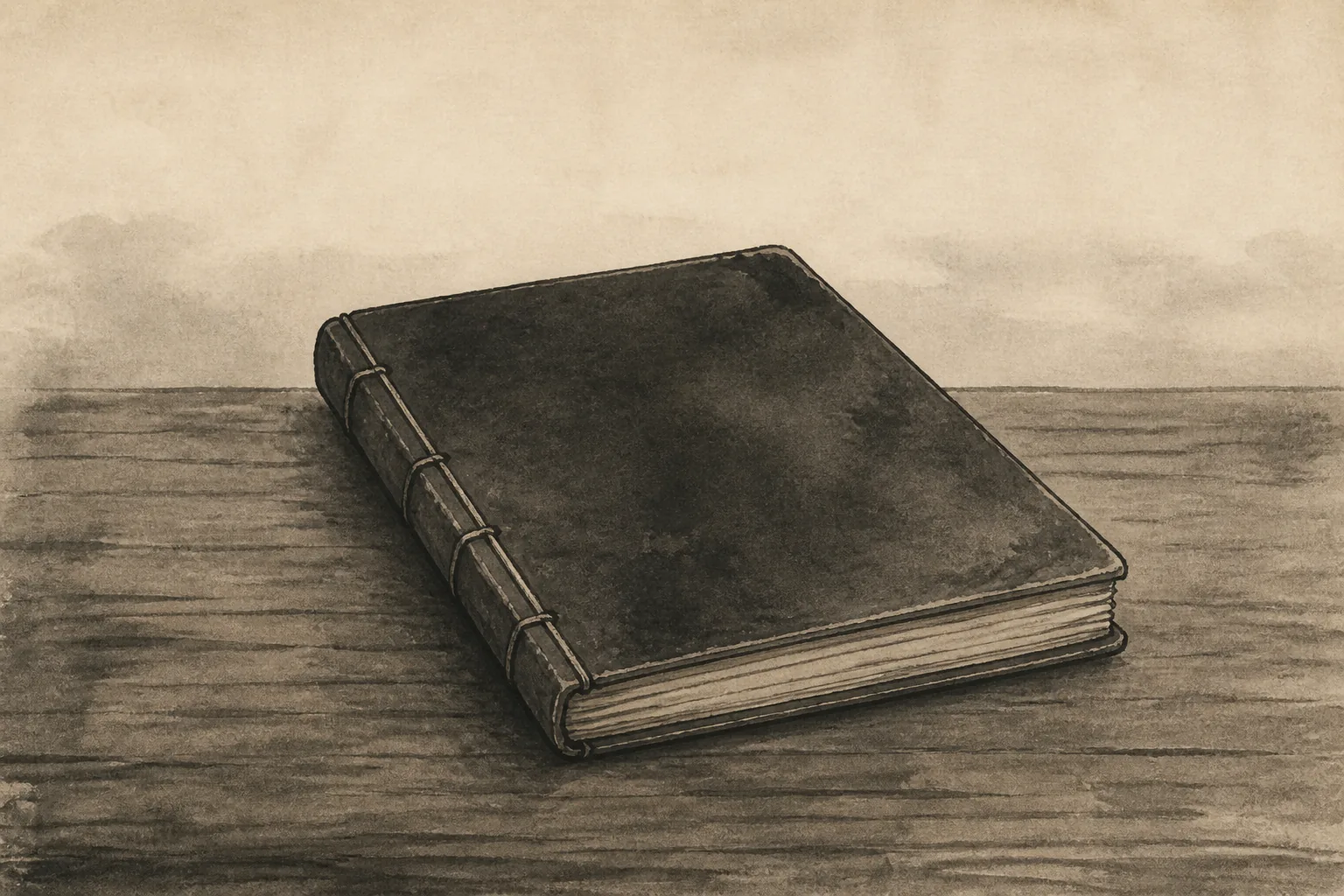
Nakaoka was born in 1838 at Kashiwagi in Kitagawa, Aki District, Tosa, into a household whose father served as a senior village headman. Tax and population registers, a rice measure, abacus, survey map, forest-boundary and irrigation diagrams, sickle, hatchet, pack baskets, and yuzu branches locate politics in mountain production and paperwork. A senior headman stood between cultivators and domain government, coordinating levies, petitions, disaster reports, roads, water, and transport. Childhood administration cannot mechanically explain his later diplomacy, but a household that gathered distant hamlet conditions into records and returned decisions to villagers offered an early model of politics as information and implementation.
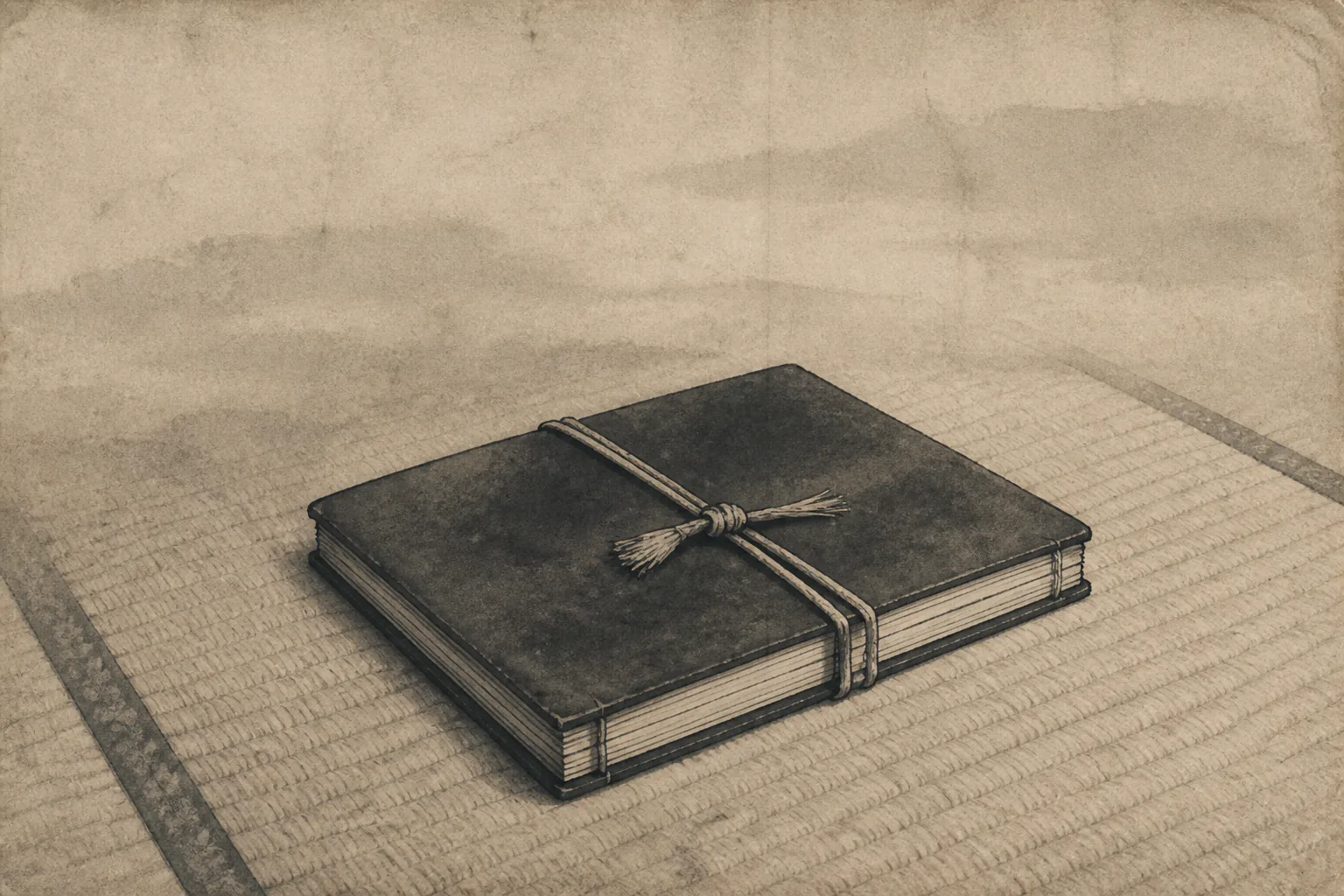
In 1861 Nakaoka joined the Tosa Loyalist Party organized by Takechi Zuizan. The oath roster, pledge, signatures, personal marks, inkstone, seal box, wrapped letters, bamboo swords, wooden practice weapons, sword, and sandals reveal that the association depended not only on loyalist language but on who entered a name, carried a message, met at a dojo or lodging, and accepted responsibility. Takechi should not erase differences among rural goshi, headman families, and castle-town martial networks. When the domain suppressed the movement, the same roster and relationships became objects of investigation, helping turn association into flight and exile.
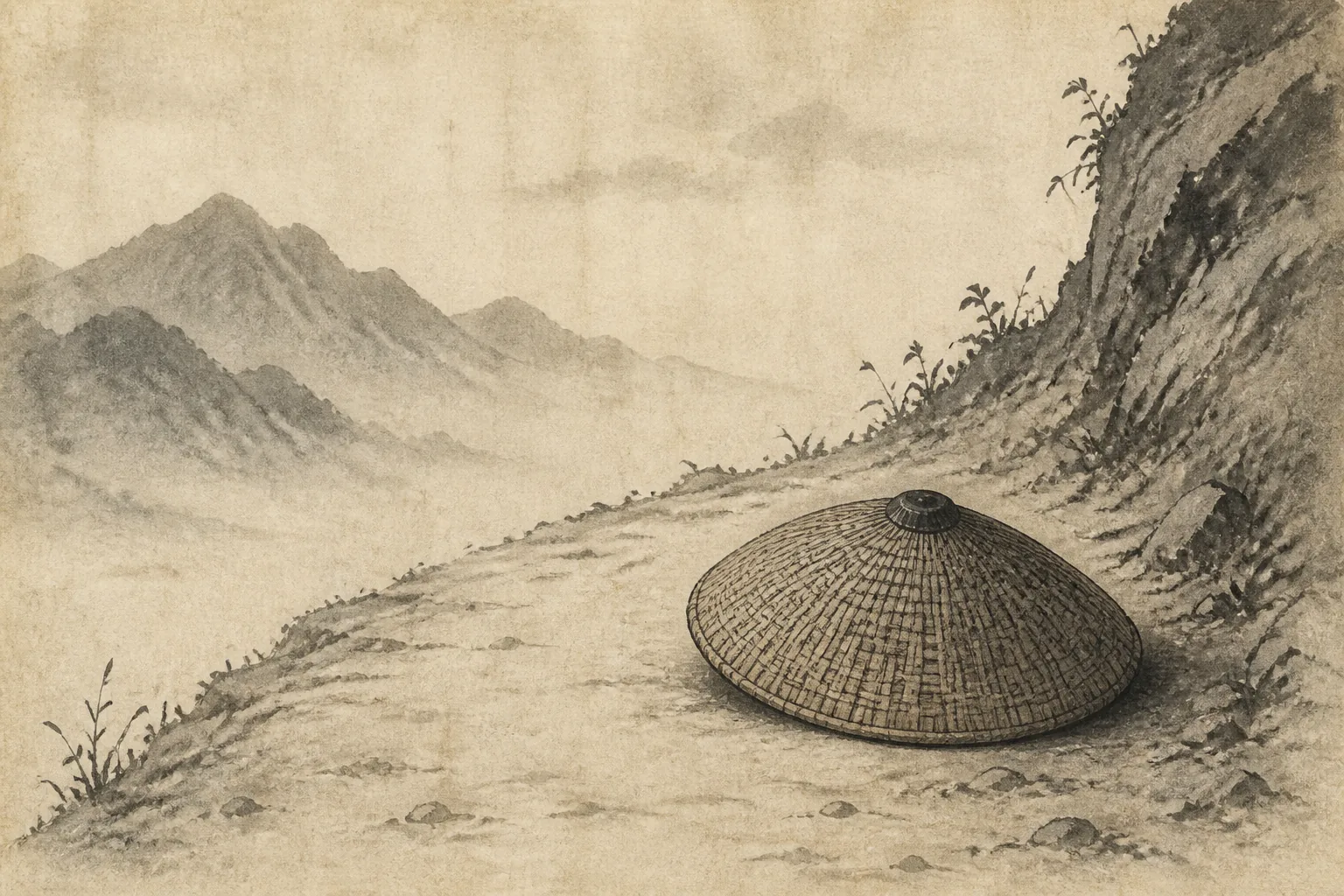
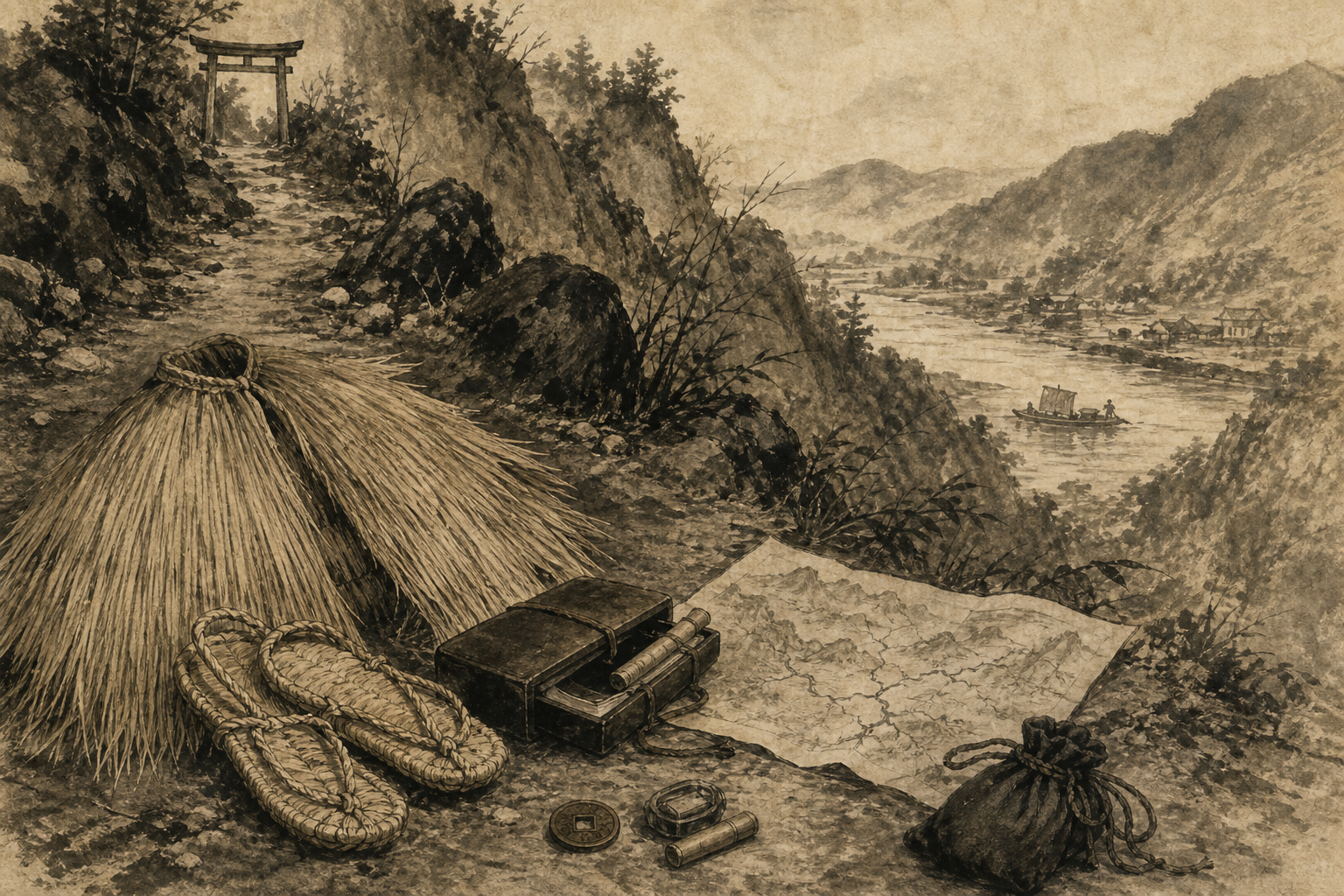
As repression advanced, Nakaoka left Tosa without permission in 1863 and moved toward Choshu. A rain cape, sedge hat, spare sandals, leggings, route map, hidden letter tube, medicine packet, coin string, ferry token, and lodging book under an assumed name turn escape from a clean arrow into checkpoints, weather, lodging costs, river crossings, straits, and pursuit. He later moved among Choshu, Shimonoseki, Kyushu, Dazaifu, and Kyoto, carrying news to court nobles and domains. The National Diet Library preserves handwriting associated with his report at Dazaifu of Emperor Komei's death. Correspondence survived because feet, boats, hosts, and concealment worked.
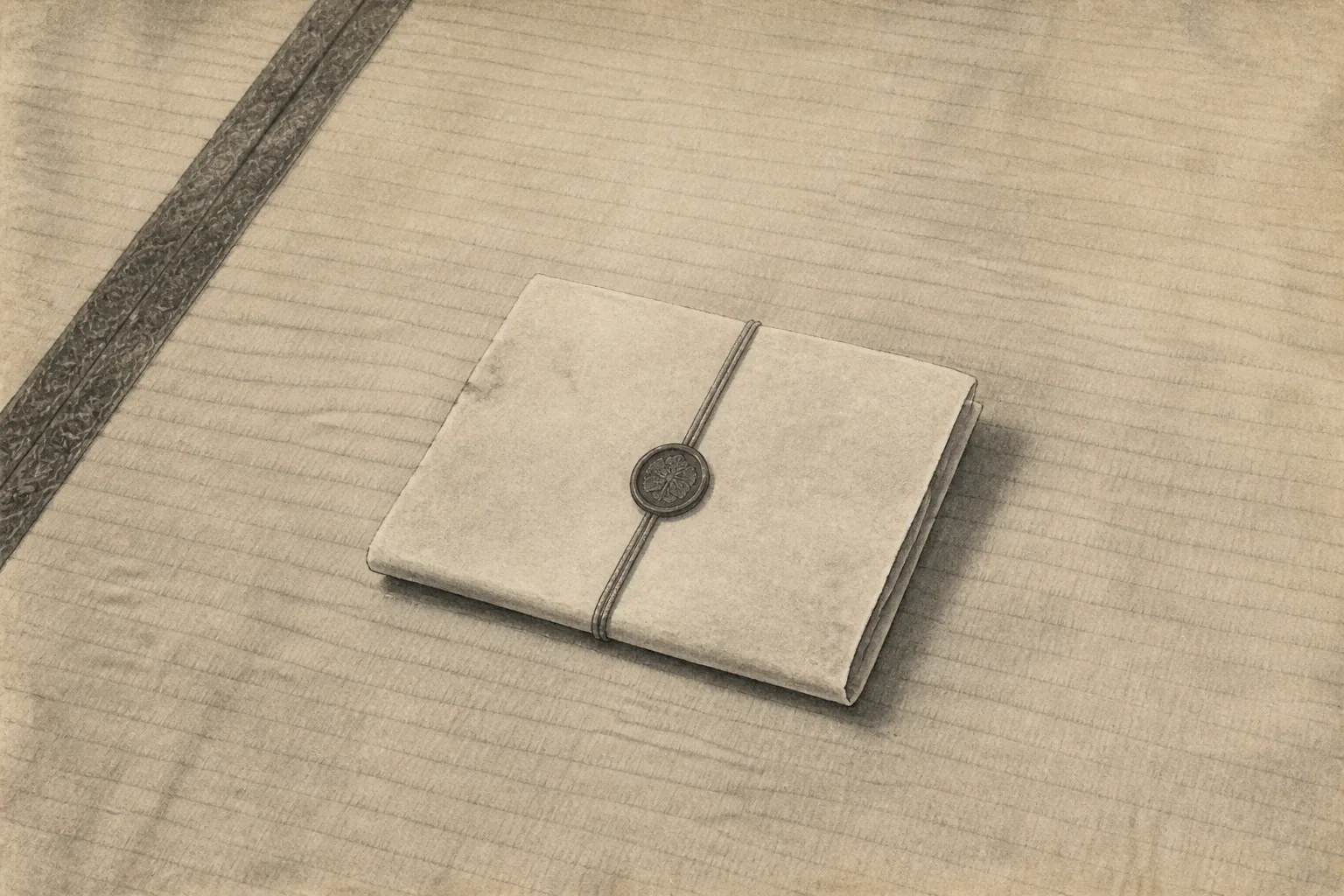
The Satsuma-Choshu alliance was not produced by one dramatic night in which Nakaoka and Ryoma simply introduced Saigo Takamori to Kido Takayoshi. Route maps linking Kagoshima, Shimonoseki, Dazaifu, and Kyoto; messenger names; introductions; seals; lodging books; a travel account; interview notes; and a six-clause memorandum show repeated work during separation to clarify arms, supplies, troop support, and court politics. Nakaoka, Ryoma, Saigo, Kido, the exiled nobles, domain officers, boatmen, hosts, and couriers all participated. The agreement remained a wartime cooperation shaped by distrust and interest, not an uncomplicated blueprint for the modern state.
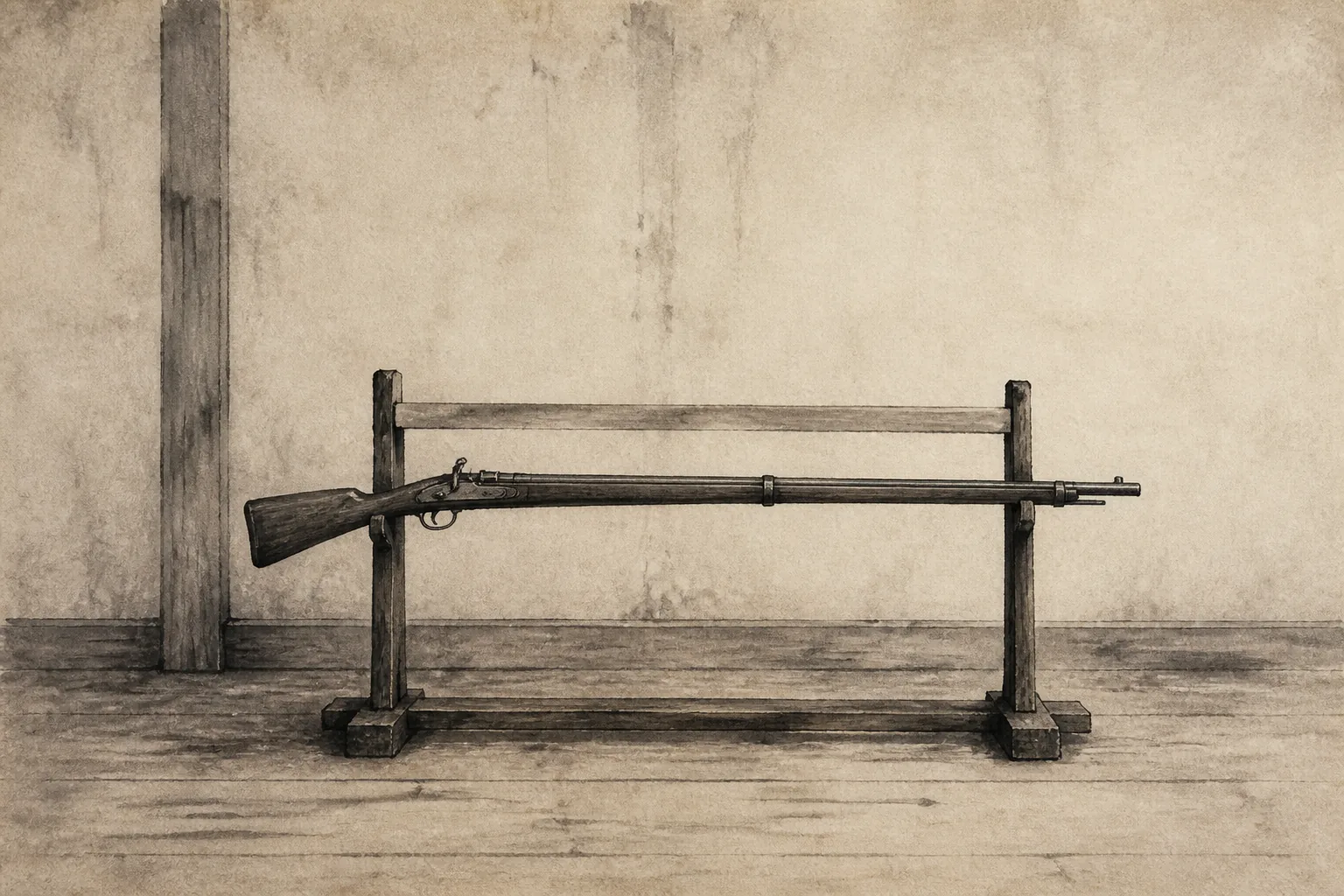
After his domain offense was pardoned, Nakaoka organized the Rikuen-tai in 1867 and became its commander. A roster, unit rules, duty board, rifle rack, matchlocks and Western guns, cartridge pouches, sword stand, drill notebook, rolled bedding, muddy boots, lantern, rice sacks, bowls, and cooking pot in quarters around Shirakawa reveal a collective that required training, guard duty, messages, weapon control, accounts, illness care, food, and sleep. It was distinct from the Kaientai in purpose and management and should not be treated as Nakaoka's private band. Men such as Hijikata Hisamoto and Tanaka Mitsuaki helped make daily operation possible.
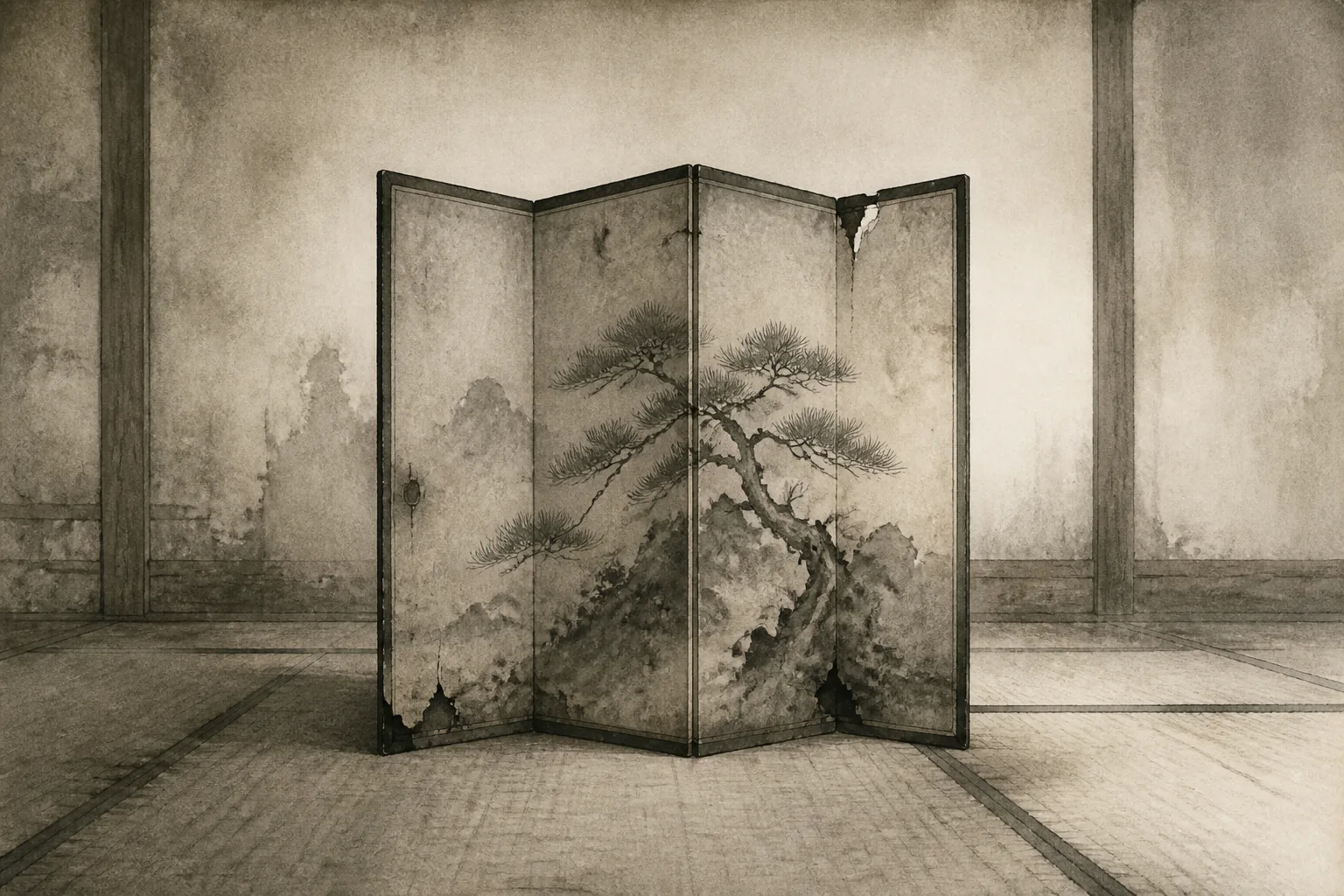
On 15 November 1867, several attackers entered the second floor of the Omiya soy merchant house on Kyoto's Kawaramachi while Nakaoka met Sakamoto Ryoma. Nakaoka died after sustaining wounds rather than disappearing into a single instantaneous heroic image. The folding screen and hanging scroll said to bear blood traces, overturned brazier, low table, cups, scabbard, damaged paper door, and narrow stair place the event inside a commercial household. Competing theories identify different perpetrators and sponsors, so the page does not choose one. Today's memorial marks the site; the room does not survive, while Omiya objects belong to museum collections, including Kyoto National Museum.
VISIT
Sakamoto Ryoma Memorial Museum · KochiOfficial information
An exhibition of Ryoma-related objects, calligraphy and paintings by his associates, and commemorative materials preserved by the goshi Sakamoto family.
Kochi Castle Museum of History · KochiOfficial information
An exhibition tracing Itagaki Taisuke's youth, exile, role in the Boshin War, and the Satsuma–Tosa alliance, with a related limited-time café menu also announced by the museum.
Search events related to Shintaro Nakaoka →Browse all Bakumatsu events →