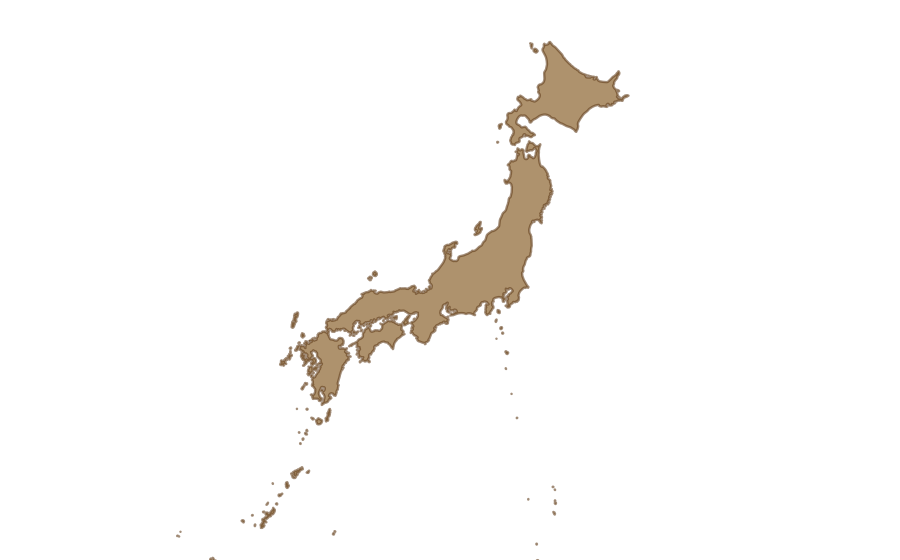
Fukui
He Grows Up in a Medical Household
Born to a domain physician, Hashimoto studied medicine and Chinese learning. At fifteen he wrote five headings for examining his own conduct in Keihatsuroku.
Know the Person
Trace Sanai through a domain physician's medicine chest, Dutch-study notes at Tekijuku, the notebook Keihatsuroku written at fifteen, a Meidokan teaching desk, sealed correspondence for succession politics, and the bars of Tenmacho prison. Medicine, education, political work, and his final verse belong to one short life.
Life
Fukui
Born to a domain physician, Hashimoto studied medicine and Chinese learning. At fifteen he wrote five headings for examining his own conduct in Keihatsuroku.
Osaka and Edo
At Ogata Koan's school he joined close reading, translation, medicine, and communal student life, bringing both information and new relationships back toward Fukui.
Fukui
Hashimoto helped manage curriculum, books, and examinations at the domain school, connecting medical habits of observation and record keeping to education and appointment.
Edo and Kyoto
As Shungaku's aide he worked through meetings and correspondence for the Hitotsubashi succession cause and foreign-policy debate, deepening conflict with Ii Naosuke's government.
Tenmacho, Edo
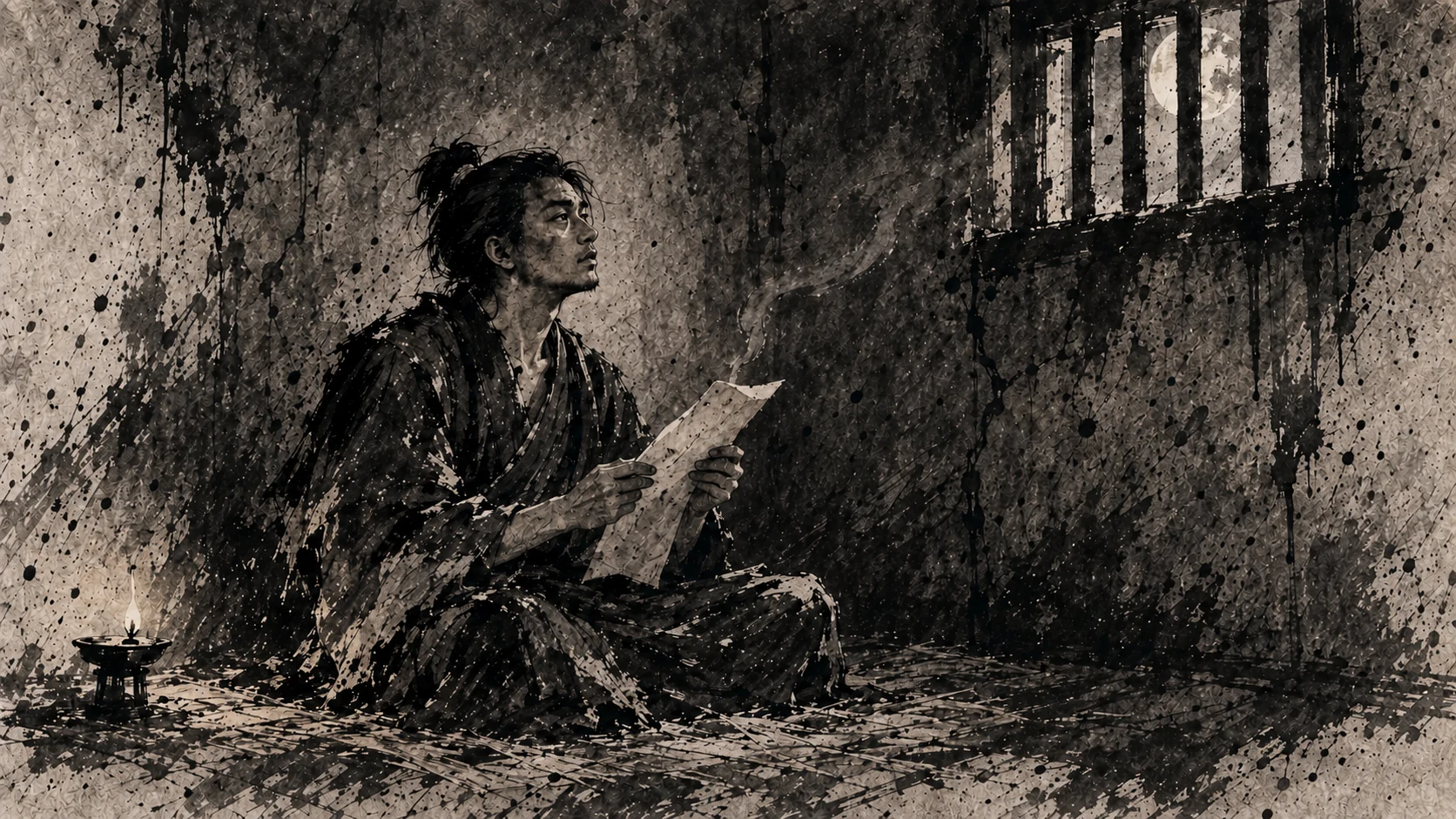
Arrested in the Ansei Purge, he looked back on twenty-six years and invoked Wen Tianxiang's Song of Righteous Spirit before execution. He was buried at Kozukappara Ekoin.
福井県福井市
墓所、像、生家跡、福井城下の距離から藩医の家と藩政登用をたどる。
橋本左内
Address福井県福井市左内町7
Nearby
大阪府大阪市
蘭学と医学を学んだ町家の塾で、机、階段、共同生活の密度を確かめる。
橋本左内・緒方洪庵門下
Address大阪府大阪市中央区北浜3丁目3-8
Nearby
東京都荒川区
伝馬町牢屋敷跡と墓所を分け、収監、処刑、埋葬の順序をたどる。
橋本左内・安政の大獄関係者
Address東京都荒川区南千住5丁目33-13
Nearby
Keys
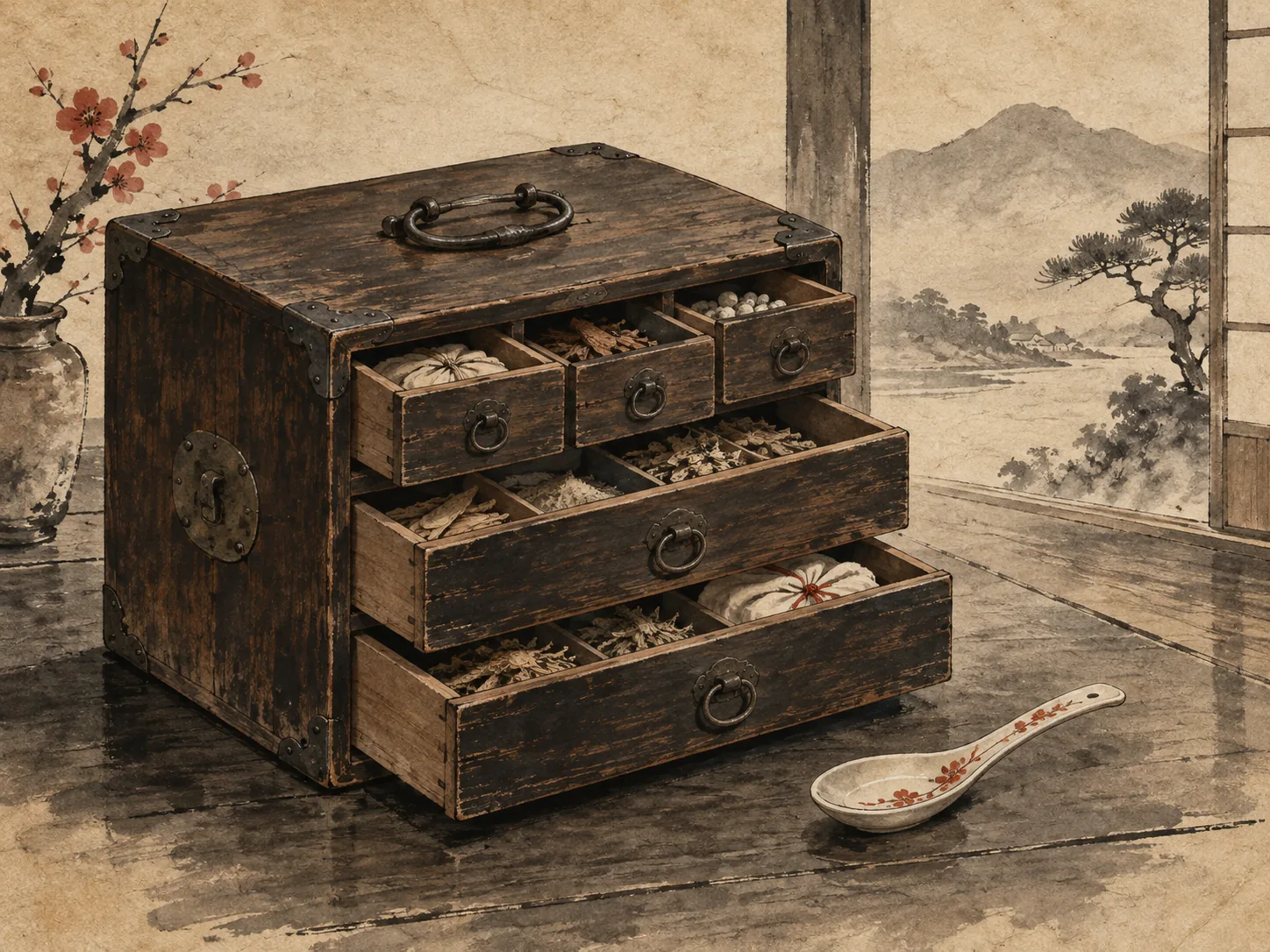
Born to a Fukui domain physician, Hashimoto grew up where learning led to diagnosis, preparation, and records. The drawers and medicine spoon make this household practice concrete. To investigate “Domain Physician's Medicine Chest” further, do not stop with a commemorative plaque. Compare the date, maker or former owner, provenance, restoration status, and present location of each element named in “Domain Physician's Medicine Chest.” Old maps, municipal histories, museum catalogues, document editions, material-culture studies, and field guides help distinguish contemporary evidence from reconstruction and later memory. They also provide a practical route to relevant books, facsimiles, maps, equipment histories, and a responsible site visit.
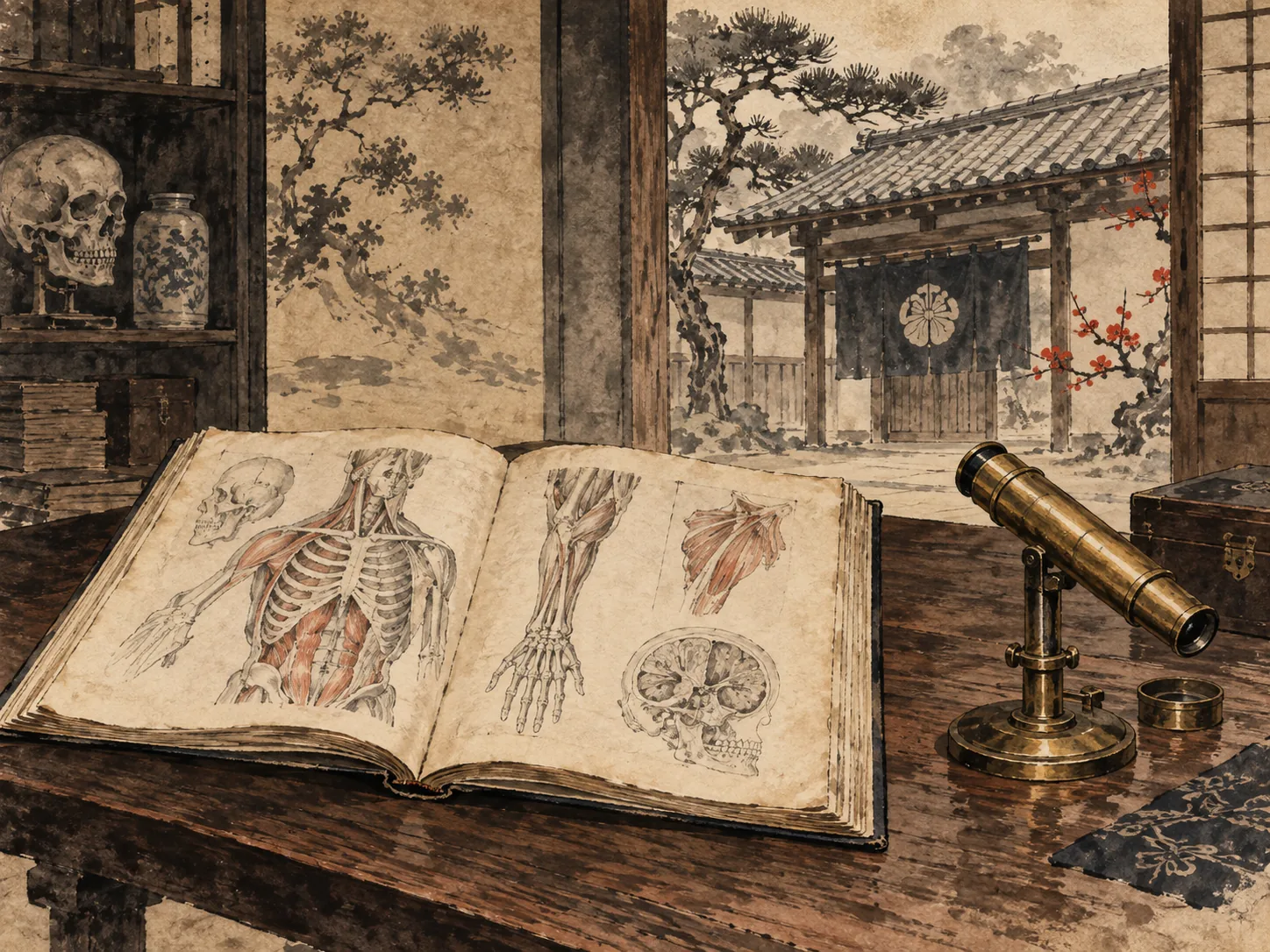
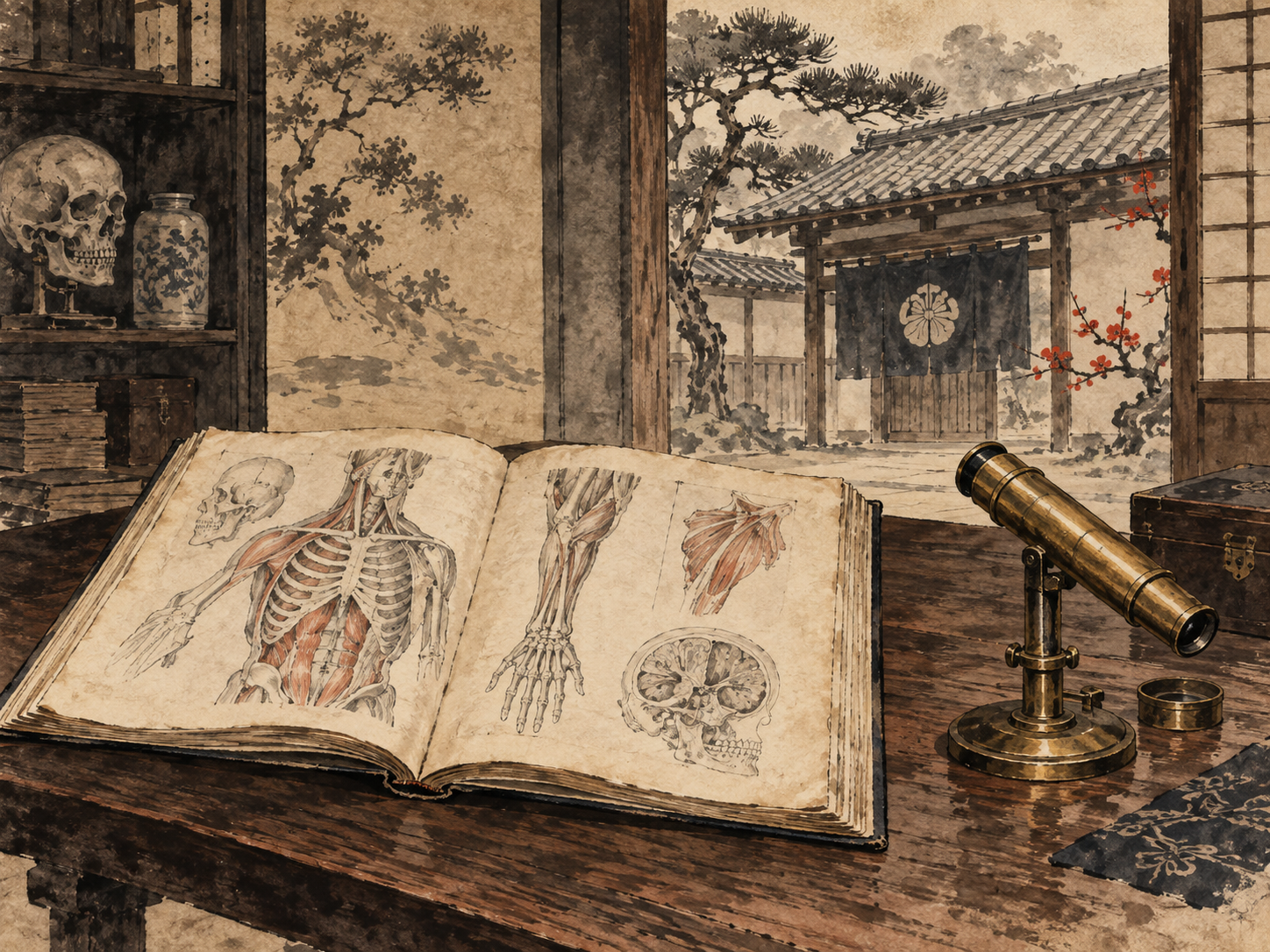
At Tekijuku, students read imported texts together and copied medical knowledge. An anatomy notebook and instrument place his ability inside translation, argument, and shared study rather than isolated genius. To investigate “Tekijuku Dutch-Study Notes” further, do not stop with a commemorative plaque. Compare the date, maker or former owner, provenance, restoration status, and present location of each element named in “Tekijuku Dutch-Study Notes.” Old maps, municipal histories, museum catalogues, document editions, material-culture studies, and field guides help distinguish contemporary evidence from reconstruction and later memory. They also provide a practical route to relevant books, facsimiles, maps, equipment histories, and a responsible site visit.
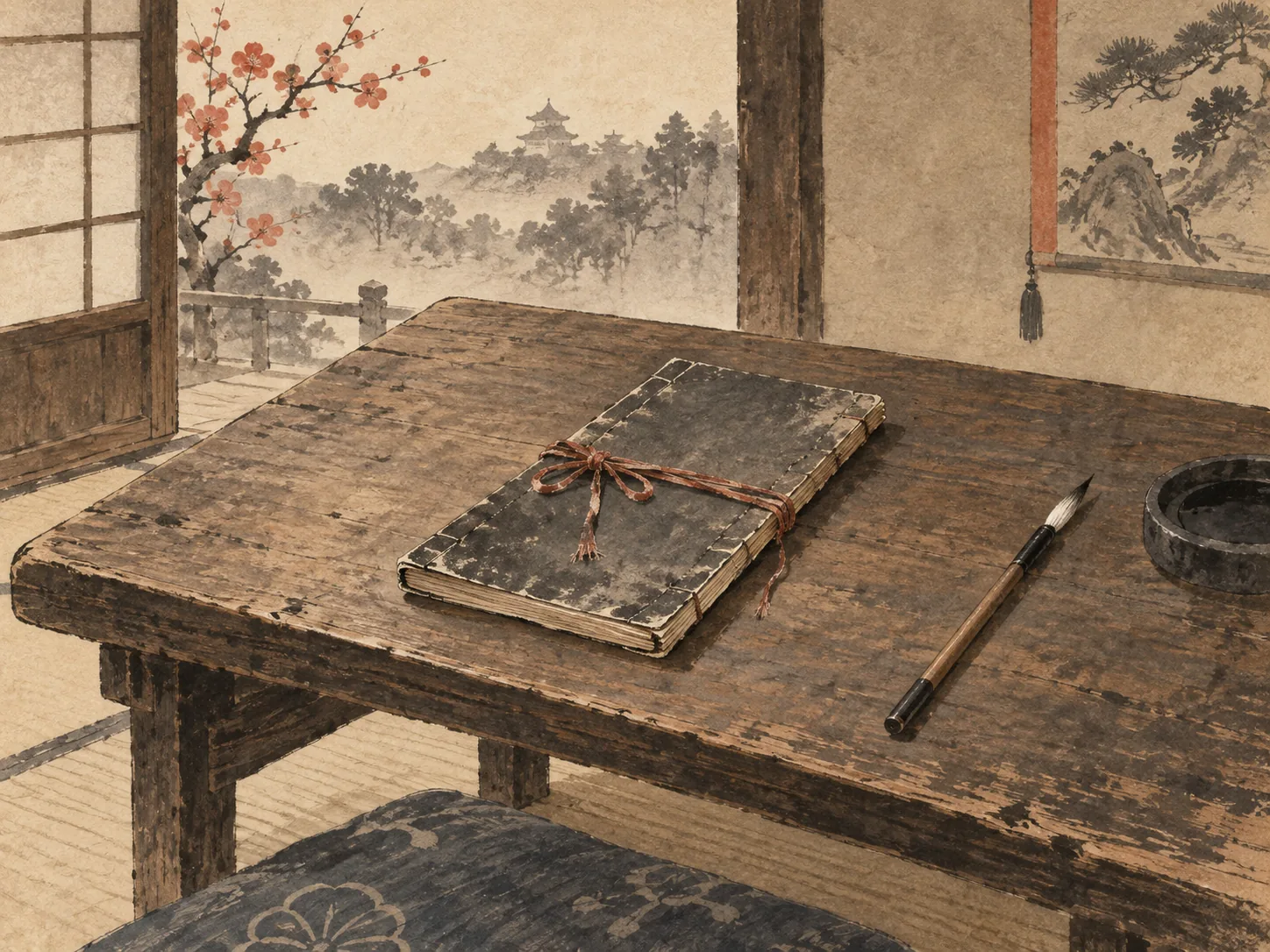
The five headings in Keihatsuroku began as private self-examination by a fifteen-year-old. The bound notebook is better read as a tool for managing immaturity than as proof of a finished heroic character. To investigate “Keihatsuroku at Fifteen” further, do not stop with a commemorative plaque. Compare the date, maker or former owner, provenance, restoration status, and present location of each element named in “Keihatsuroku at Fifteen.” Old maps, municipal histories, museum catalogues, document editions, material-culture studies, and field guides help distinguish contemporary evidence from reconstruction and later memory. They also provide a practical route to relevant books, facsimiles, maps, equipment histories, and a responsible site visit.
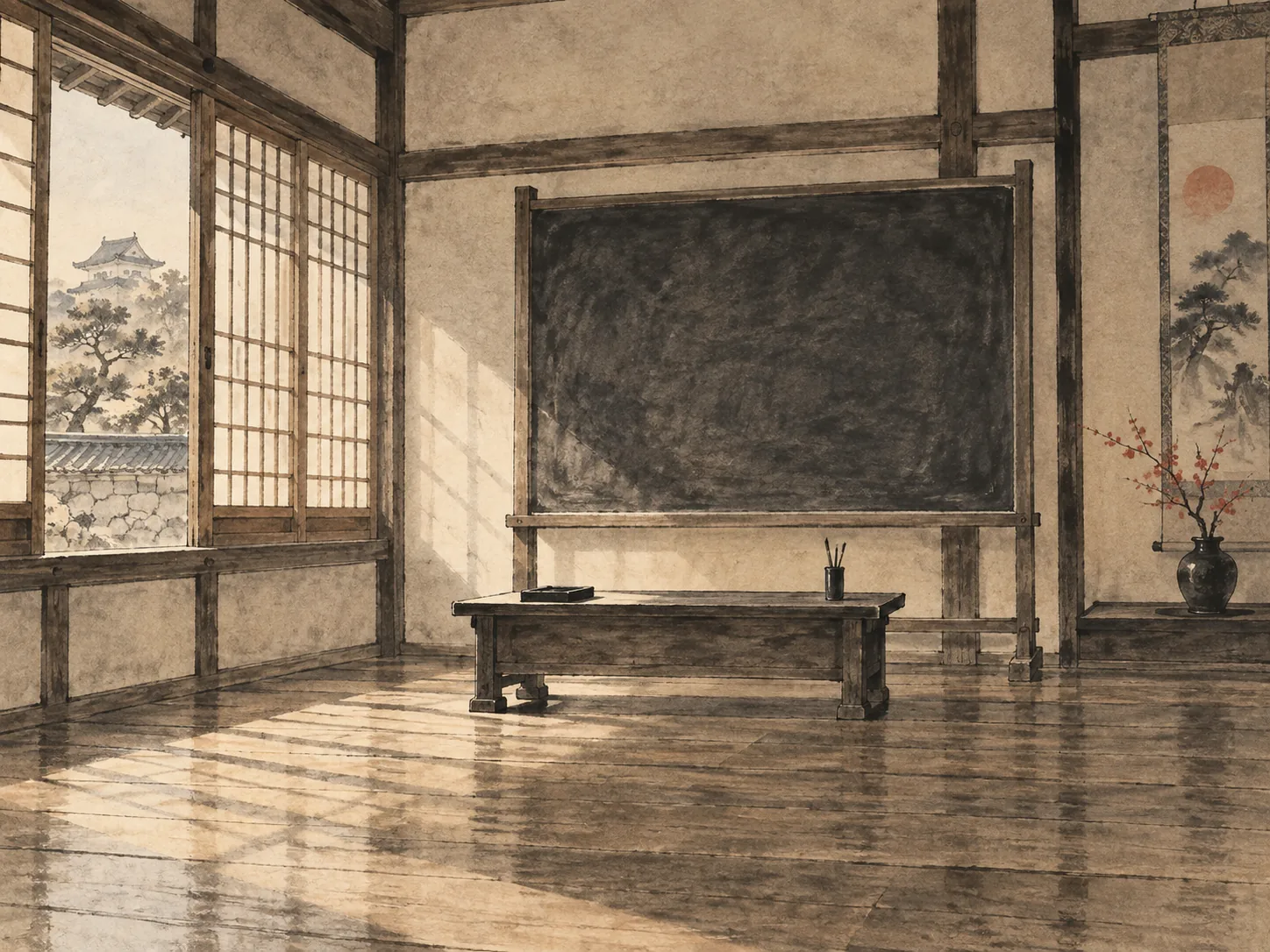
As an administrator at Meidokan he dealt with curriculum, books, and examinations. The empty desk shows that educational reform depended on schedules and record keeping as well as lectures. To investigate “Meidokan Teaching Desk” further, do not stop with a commemorative plaque. Compare the date, maker or former owner, provenance, restoration status, and present location of each element named in “Meidokan Teaching Desk.” Old maps, municipal histories, museum catalogues, document editions, material-culture studies, and field guides help distinguish contemporary evidence from reconstruction and later memory. They also provide a practical route to relevant books, facsimiles, maps, equipment histories, and a responsible site visit.
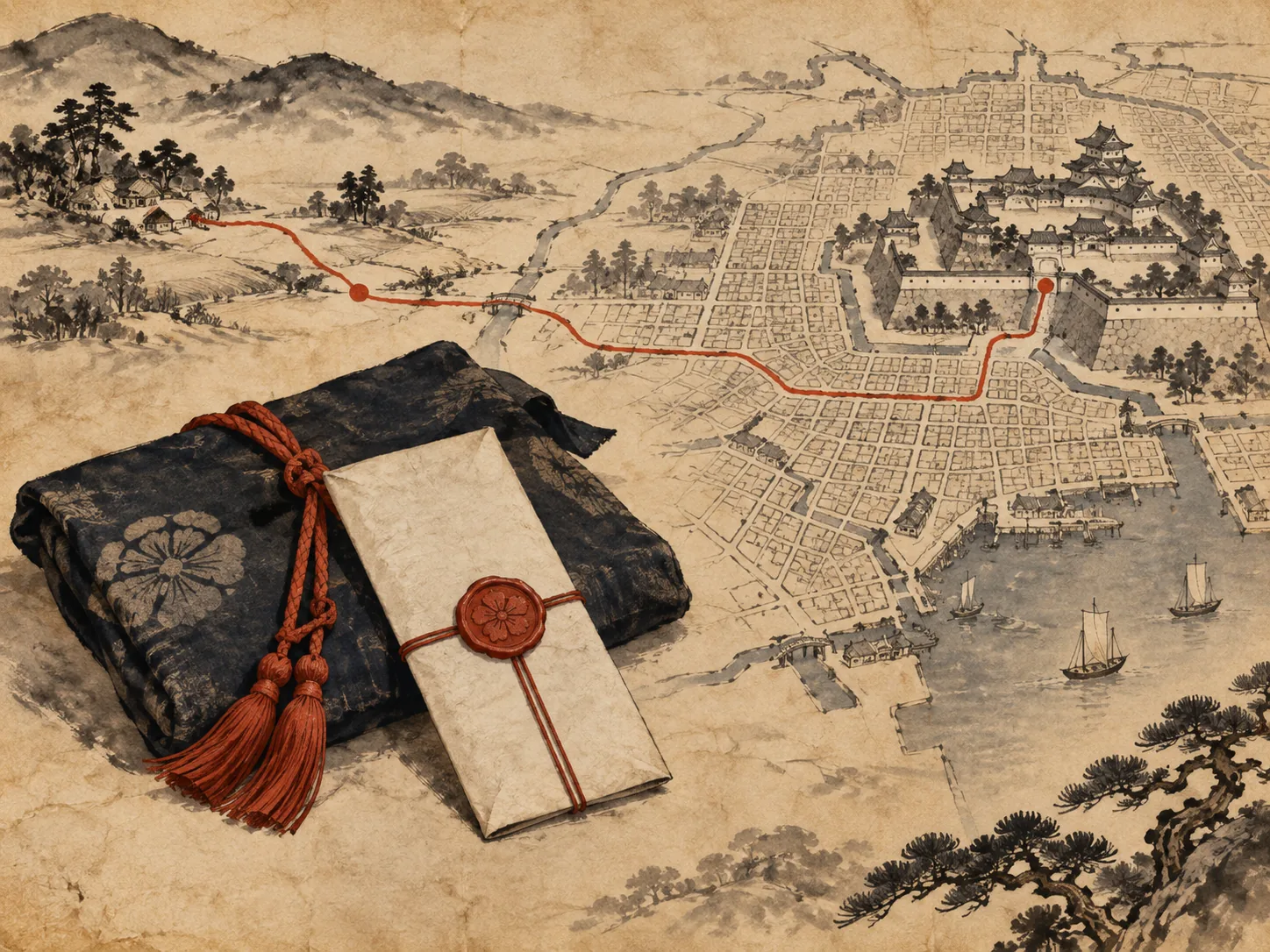
Working for Shungaku, he carried arguments for Hitotsubashi Yoshinobu through meetings, messengers, and sealed letters. Political principle moved by practical networks, and their failure became criminal liability. To investigate “Sealed Succession Memorandum” further, do not stop with a commemorative plaque. Compare the date, maker or former owner, provenance, restoration status, and present location of each element named in “Sealed Succession Memorandum.” Old maps, municipal histories, museum catalogues, document editions, material-culture studies, and field guides help distinguish contemporary evidence from reconstruction and later memory. They also provide a practical route to relevant books, facsimiles, maps, equipment histories, and a responsible site visit.
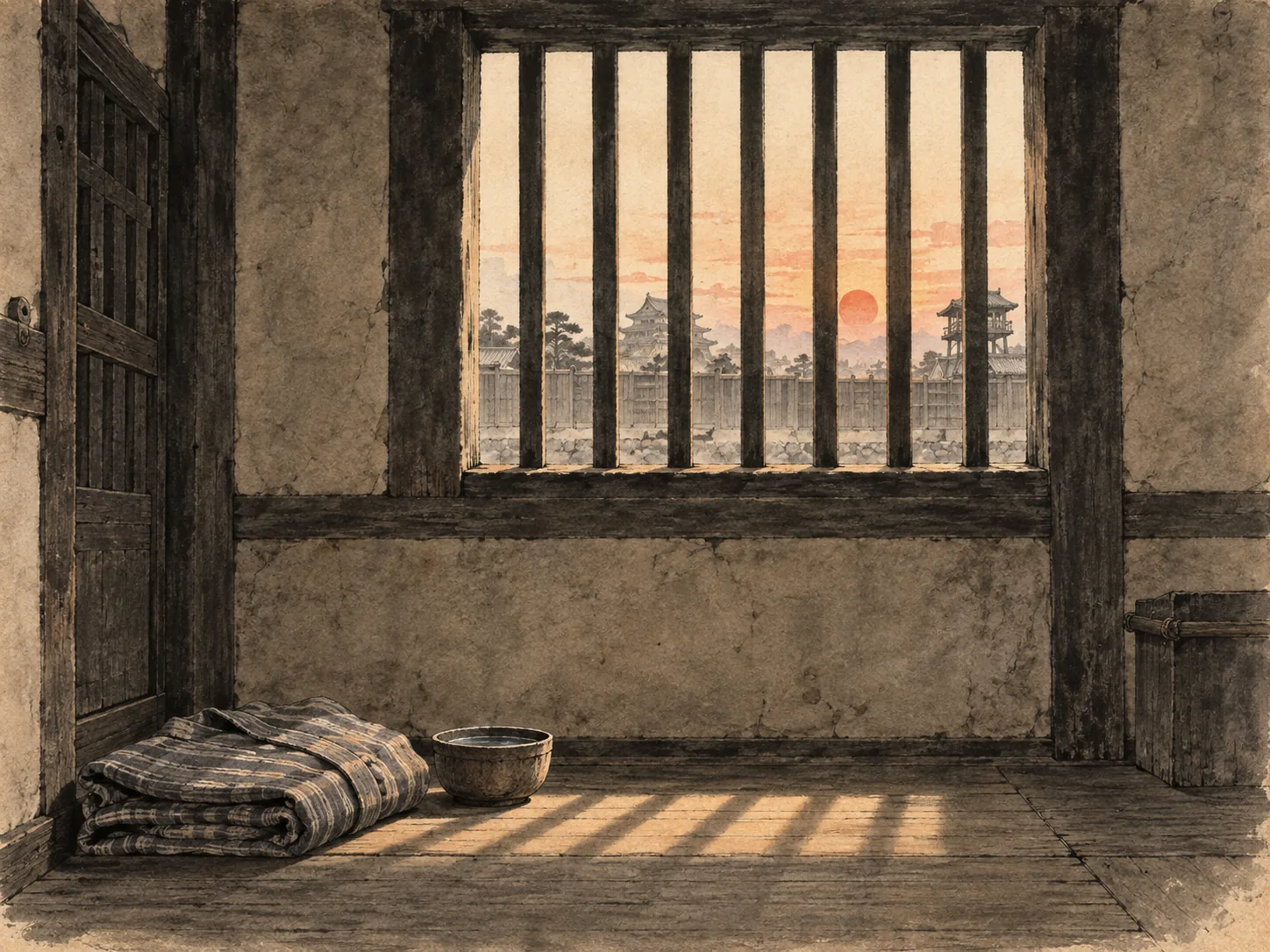
Bars, a water bowl, and prison clothing show where political work ended under the Ansei Purge. His final verse joined this cell to Wen Tianxiang's classical prison poem before execution. To investigate “Tenmacho Prison Window” further, do not stop with a commemorative plaque. Compare the date, maker or former owner, provenance, restoration status, and present location of each element named in “Tenmacho Prison Window.” Old maps, municipal histories, museum catalogues, document editions, material-culture studies, and field guides help distinguish contemporary evidence from reconstruction and later memory. They also provide a practical route to relevant books, facsimiles, maps, equipment histories, and a responsible site visit.
VISIT
Search events related to Sanai Hashimoto →Browse all Bakumatsu events →