Takeko Nakano · Aizu
Original
もののふの
Takeko Nakano's death poem, "もののふの猛き心にくらぶれば数にも入らぬ我が身ながらも". Read the original Japanese, modern translation, interpretation, and historical context as distinct parts of the poem.
Person
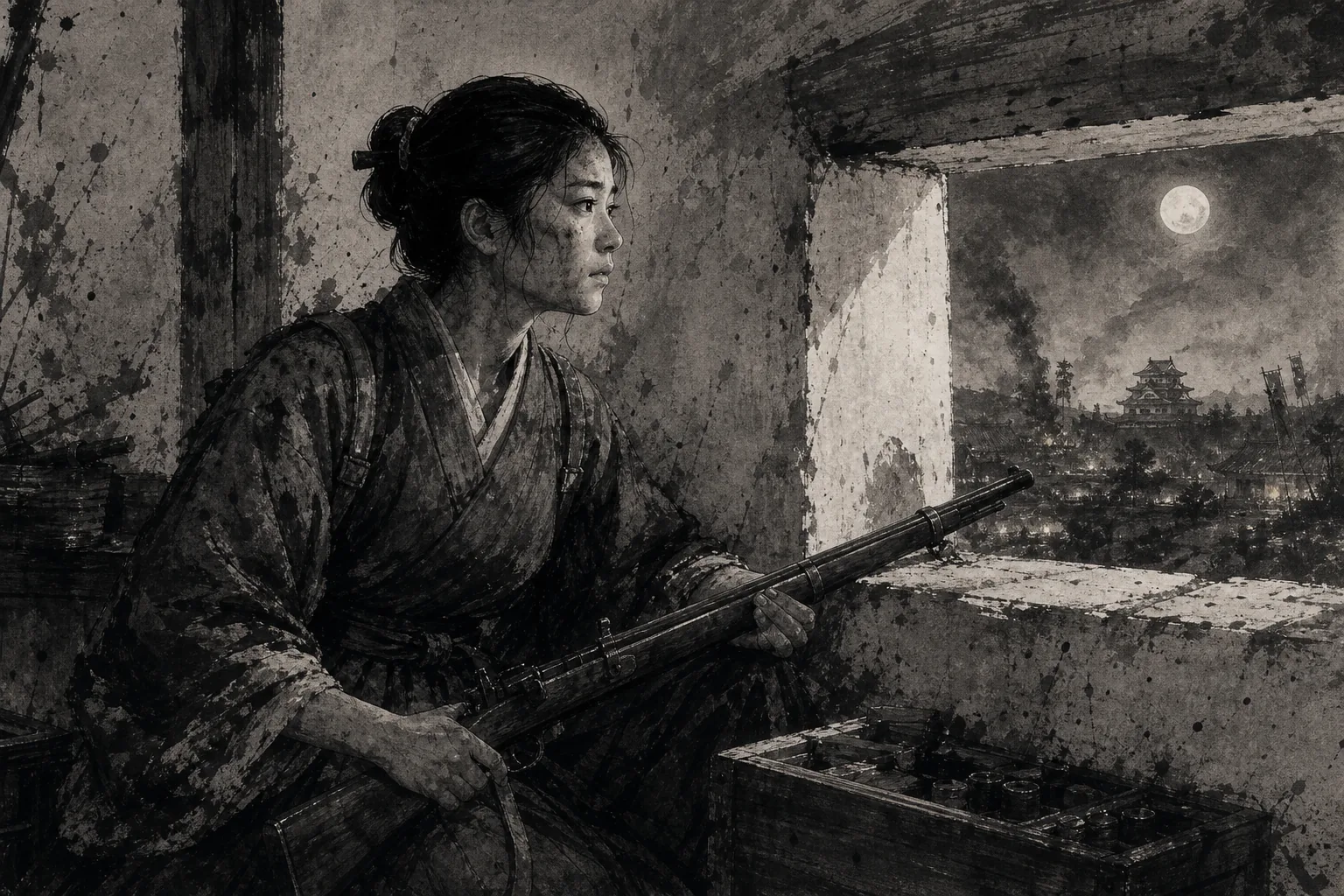
Born at the Aizu domain's Edo residence, she studied calligraphy, waka, and naginata. During the 1868 Aizu War she fought alongside her mother Ko and younger sister Yuko, and died near Yanagi Bridge at age twenty-two.
Learn about Nakano Takeko
Translation
Beside the fierce hearts of warriors, I may count for almost nothing. Even so, I will take this body into battle.
Poetic Shape A Japanese death poem is less a final explanation than a last shape given to feeling. Its brevity matters: a life is not narrated, but compressed into a few lines that leave room for silence.
Reading
The opening measures the speaker against the fierce hearts of warriors, then makes the self small with the phrase 'not even worth counting.' Yet the closing 'though this is my body' does not end in self-dismissal: it turns that smallness into a resolve to enter the fighting all the same.
Background
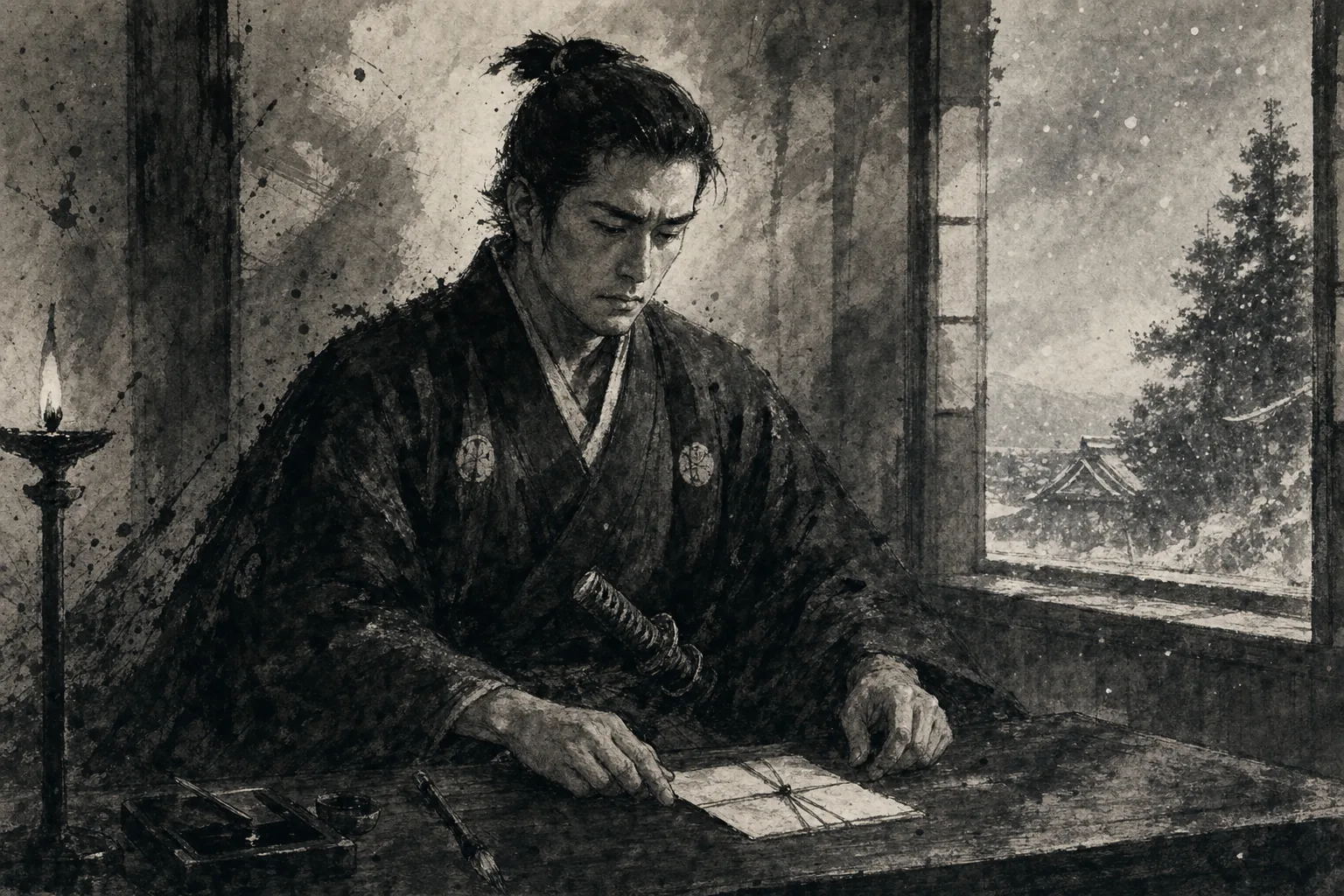
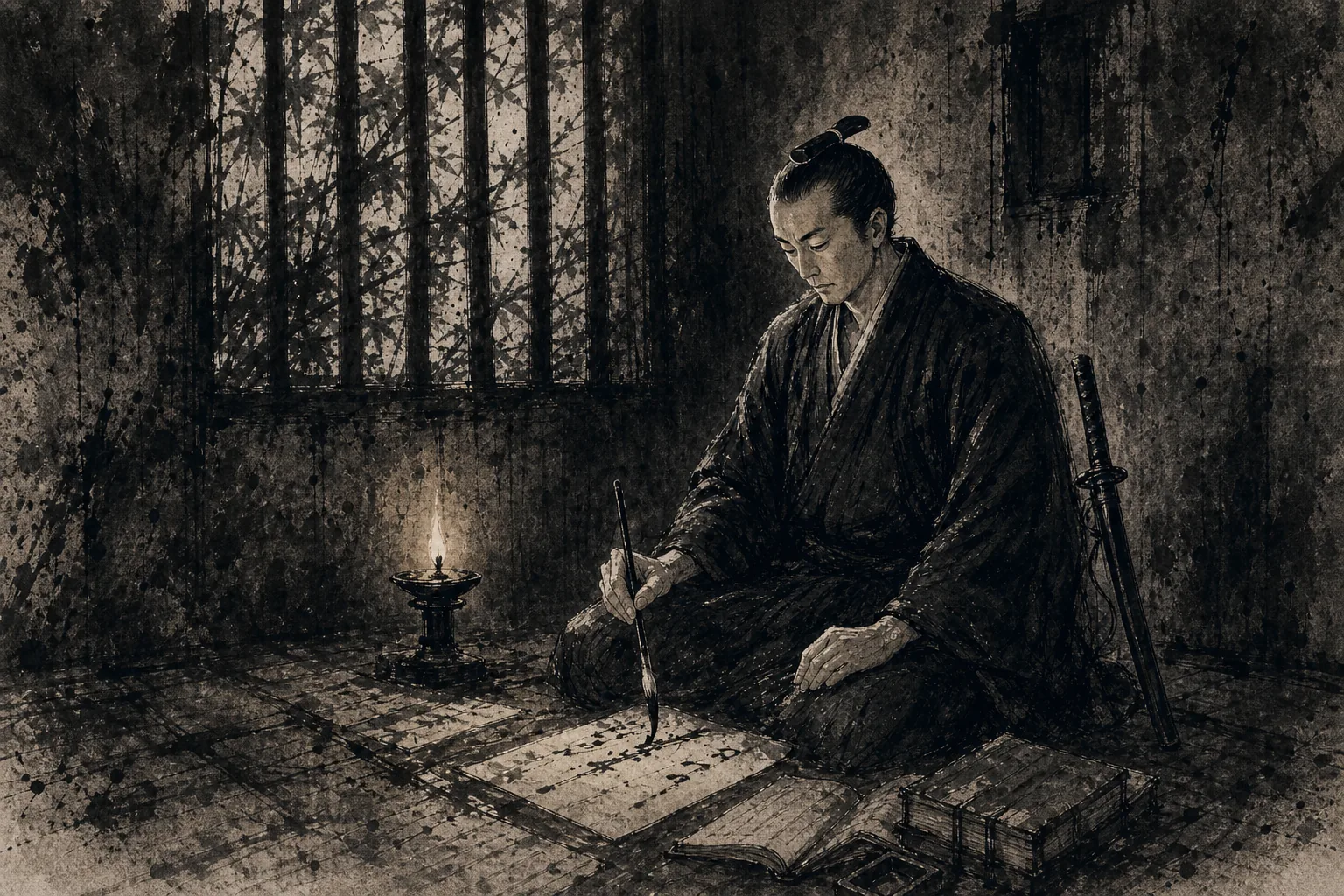
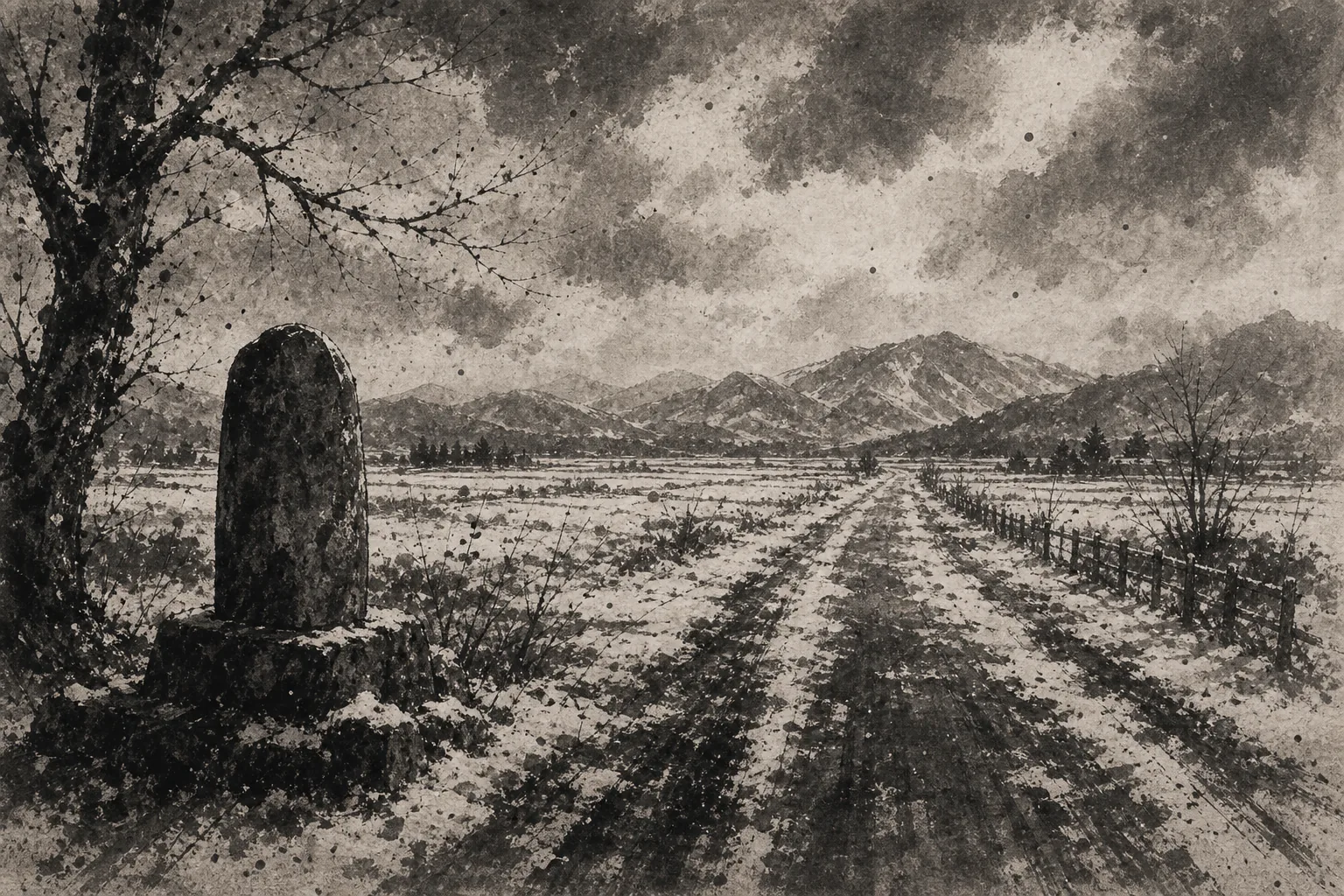
In 1868, as imperial forces approached the Aizu castle town, Takeko set out for Tsurugajo with her mother Ko, her sister Yuko, and other women, but they could not enter the castle.They later asked to join the fighting at Takaku, and Takeko died in combat near Yanagi Bridge.Tradition says she tied this farewell poem to her naginata before setting out; it is now carved on the back of the memorial near the site of her death.
Source / Transmission Wording and readings may differ by transmission; this page treats the text as one circulated form.
Further Reading
Find related books and places to stay For readers who want more historical context, these links search for related books on external stores.
Affiliate link