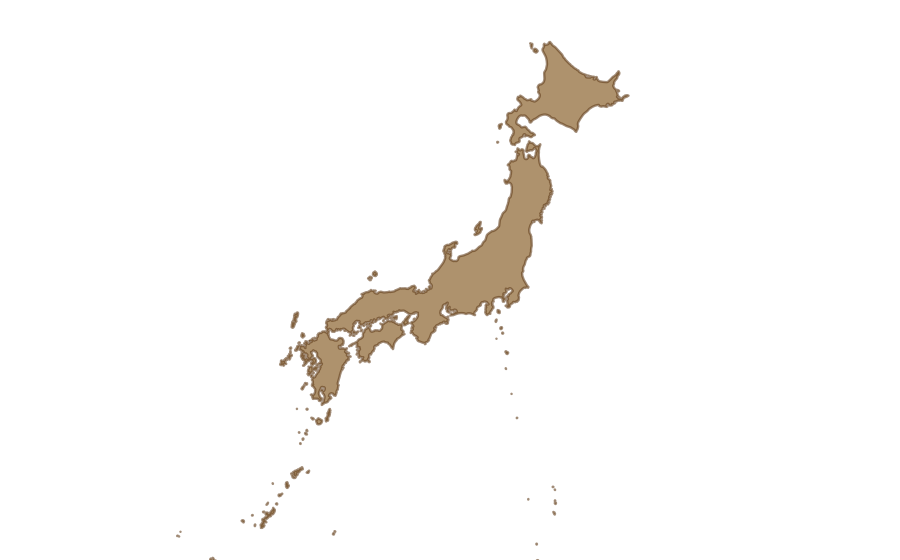
Edo and Aizu
He Inherits Aizu from the Takasu House
Adoption, family ties, and shogunal approval placed a teenage heir over Aizu's retainers and institutions. The office and house precepts were inherited before the later political choices were made.
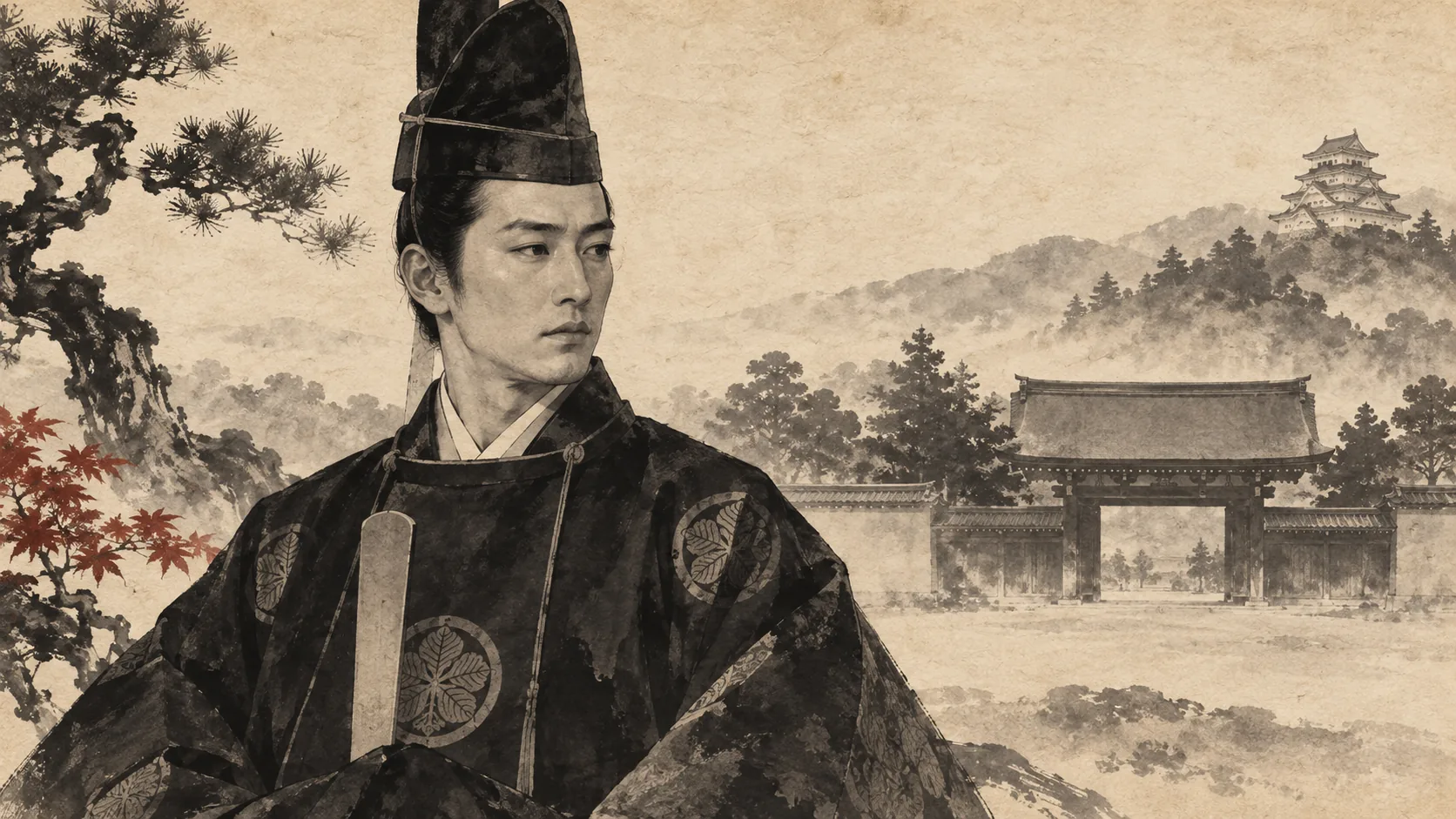
Know the Person
Katamori's life cannot be reduced to the label of a loyal lord. Trace the house and retainers inherited through adoption, the human and financial burden of the Kyoto Protectorate, the political consequences of victory in 1864, the collapse of command after Toba-Fushimi, the unequal costs of the Aizu War, and his later work of commemoration.
Life
Edo and Aizu
Adoption, family ties, and shogunal approval placed a teenage heir over Aizu's retainers and institutions. The office and house precepts were inherited before the later political choices were made.
Kyoto
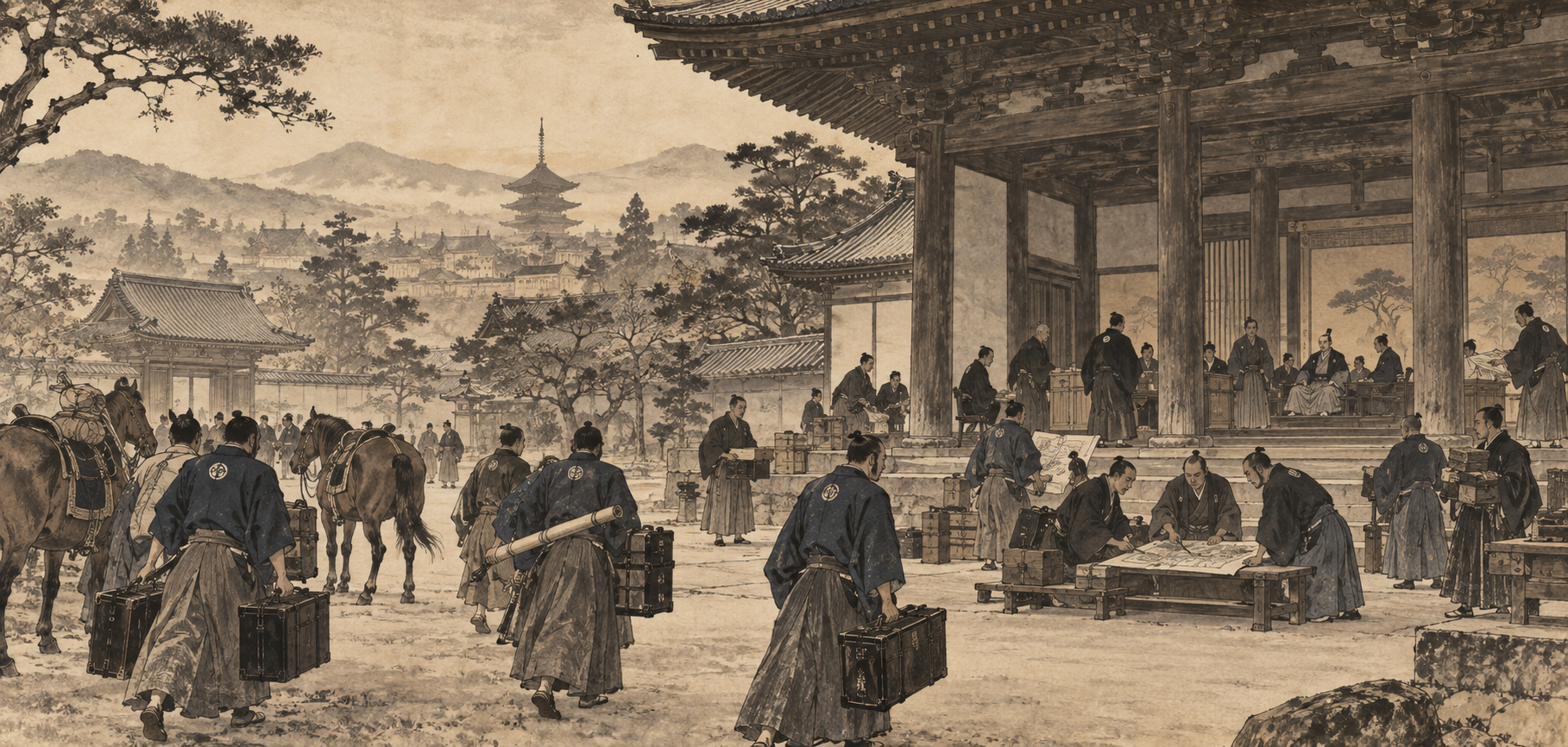
After repeated reluctance, Katamori accepted the new office and placed Aizu headquarters at Konkai Komyoji. Policing drew the domain into the center of court, shogunate, and domain rivalry.
Kyoto Palace
Aizu units fought Choshu forces around the palace. The action secured the court for the moment, while fire and fighting spread through the city and tied protector duties to civilian damage.
Osaka and Aizu
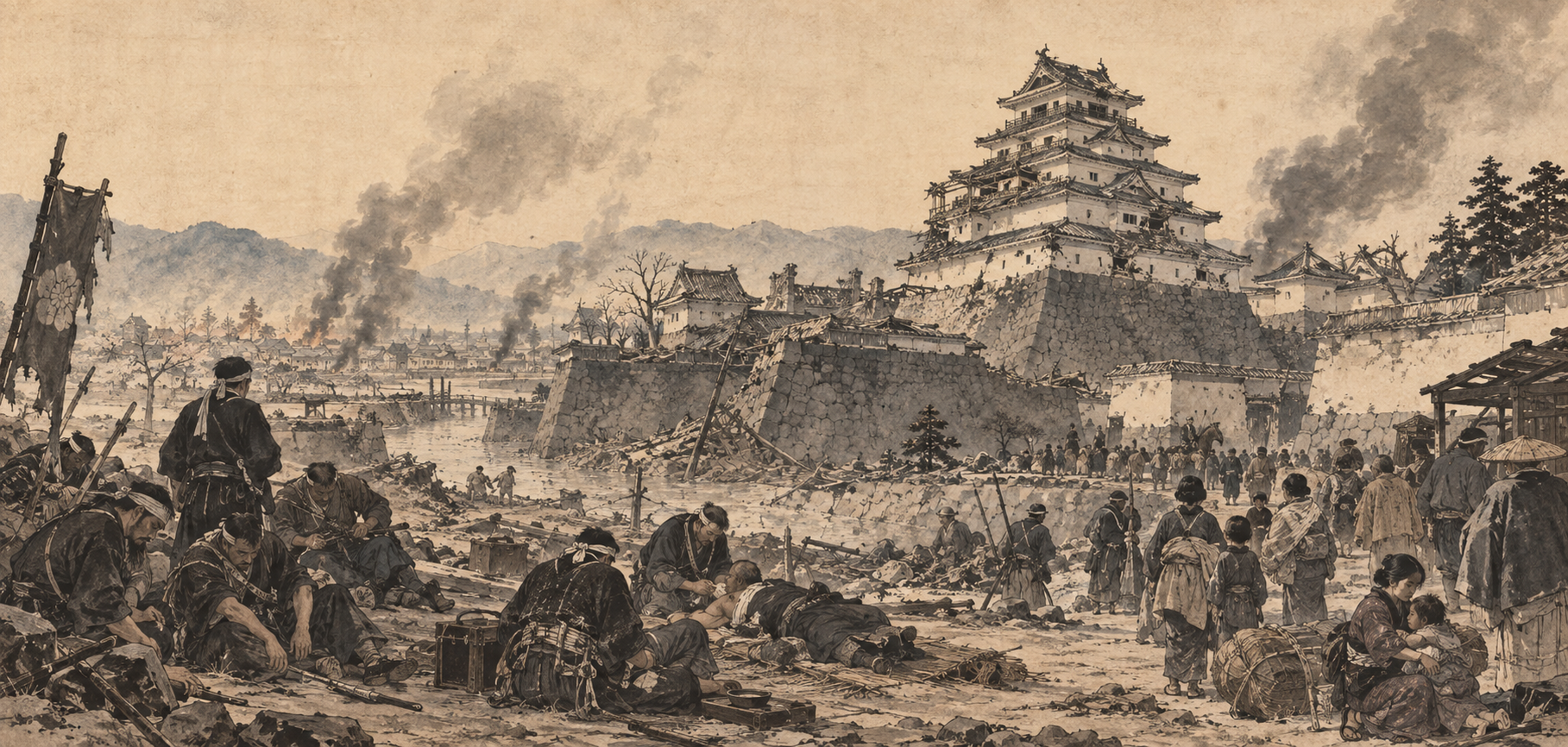
After Toba-Fushimi he returned from Osaka to Edo and then Aizu. The alliance could not reverse the war, and the Tsurugajo siege ended in surrender, confinement, and widespread displacement.
Nikko and Tokyo
Released from confinement, Katamori became chief priest of Nikko Toshogu in 1880. His preservation of Emperor Komei's letter and the poem transmitted as a verse for the twenty-third memorial of Boshin War dead are both acts of remembrance, but they concern distinct evidentiary contexts. He died in 1893.
福島県会津若松市
会津藩主の居城と戊辰戦争の籠城・降伏を、復元天守だけでなく石垣、門、城下の位置から確認する。
松平容保・会津藩士
Address福島県会津若松市追手町1-1
Nearby
京都府京都市
会津藩が本陣を置いた寺院から、藩士の宿営、警備範囲、京都の政治空間をたどる。
松平容保・会津藩
Address京都府京都市左京区黒谷町121
Nearby
栃木県日光市
謹慎を解かれた後の容保が宮司となった場所。幕府への忠誠が明治の職務へどう移ったかを見る。
松平容保
Address栃木県日光市山内2301
Nearby
Keys
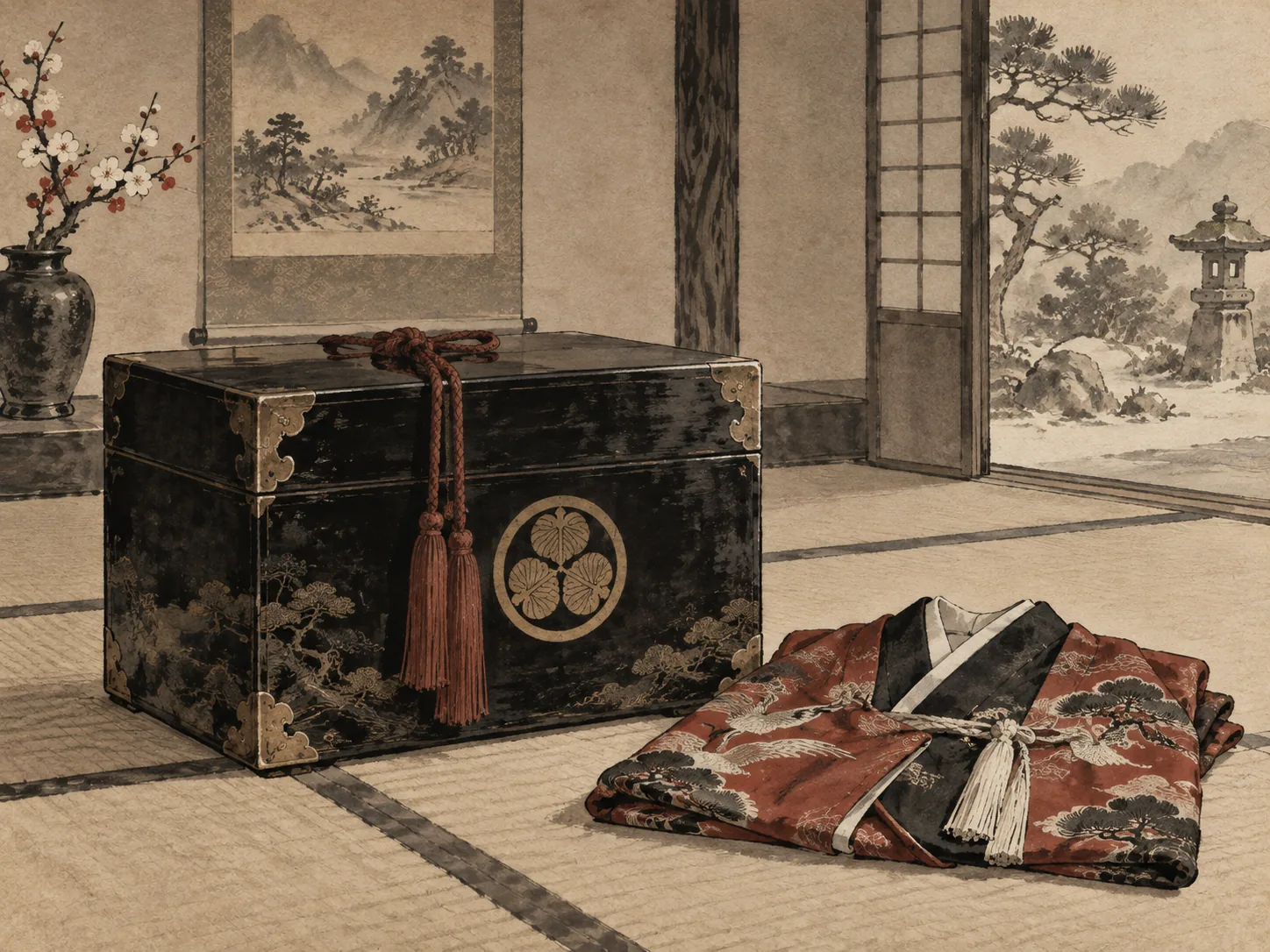
Born to the Takasu house, Katamori entered Aizu through adoption and shogunal approval. The document box and formal robe place family procedure before personal choice and show the office, retainers, and house precepts he inherited. To investigate “Aizu Succession Document Box” further, do not stop with a commemorative plaque. Compare the date, maker or former owner, provenance, restoration status, and present location of each element named in “Aizu Succession Document Box.” Old maps, municipal histories, museum catalogues, document editions, material-culture studies, and field guides help distinguish contemporary evidence from reconstruction and later memory. They also provide a practical route to relevant books, facsimiles, maps, equipment histories, and a responsible site visit.
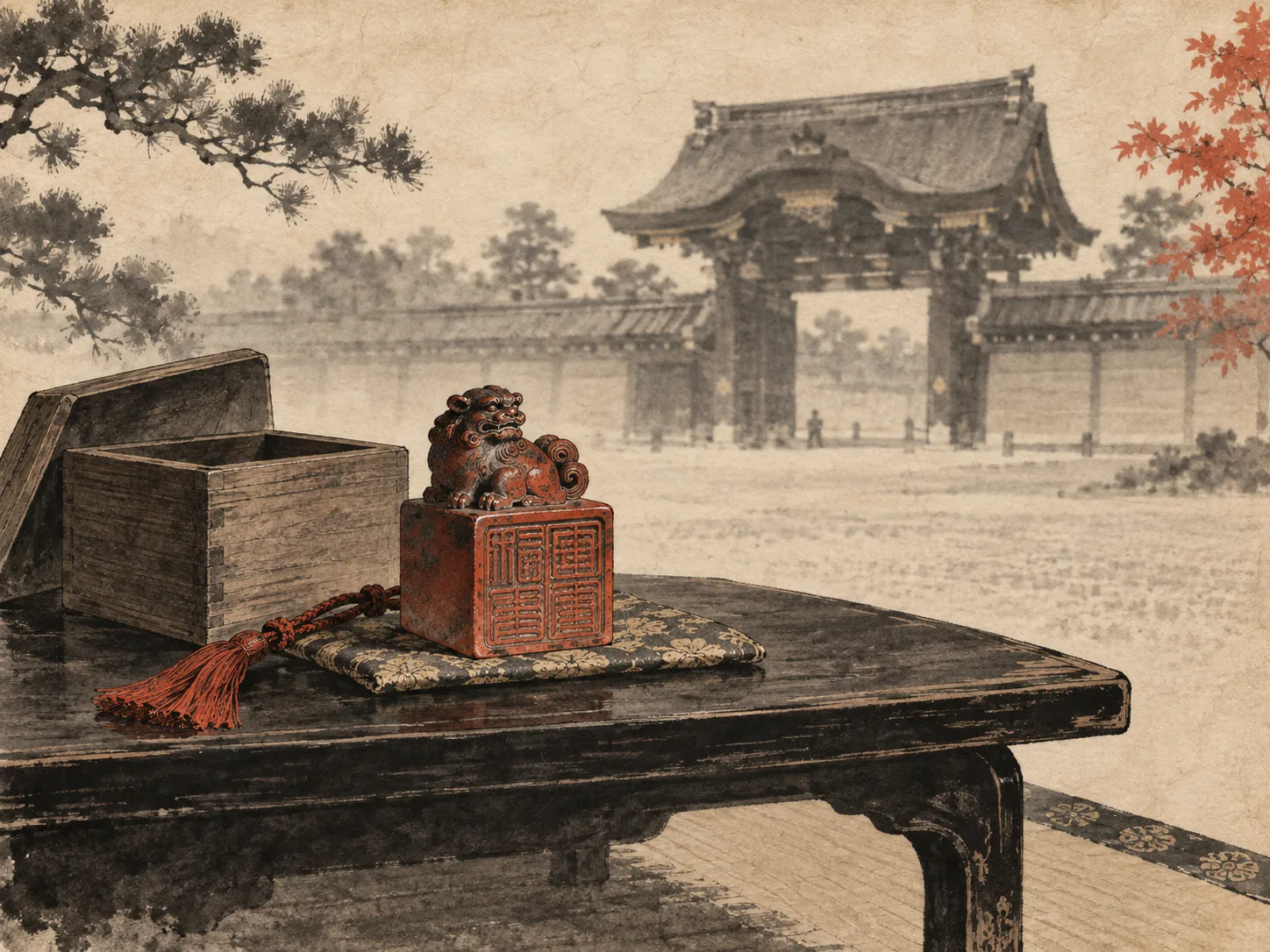
The new office moved Aizu retainers, money, orders, and patrol maps into Kyoto. Its seal belongs to an administrative system, not only to Katamori's personal loyalty. Konkai Komyoji makes the scale of lodging and policing visible. To investigate “Kyoto Protector Seal” further, do not stop with a commemorative plaque. Compare the date, maker or former owner, provenance, restoration status, and present location of each element named in “Kyoto Protector Seal.” Old maps, municipal histories, museum catalogues, document editions, material-culture studies, and field guides help distinguish contemporary evidence from reconstruction and later memory. They also provide a practical route to relevant books, facsimiles, maps, equipment histories, and a responsible site visit.
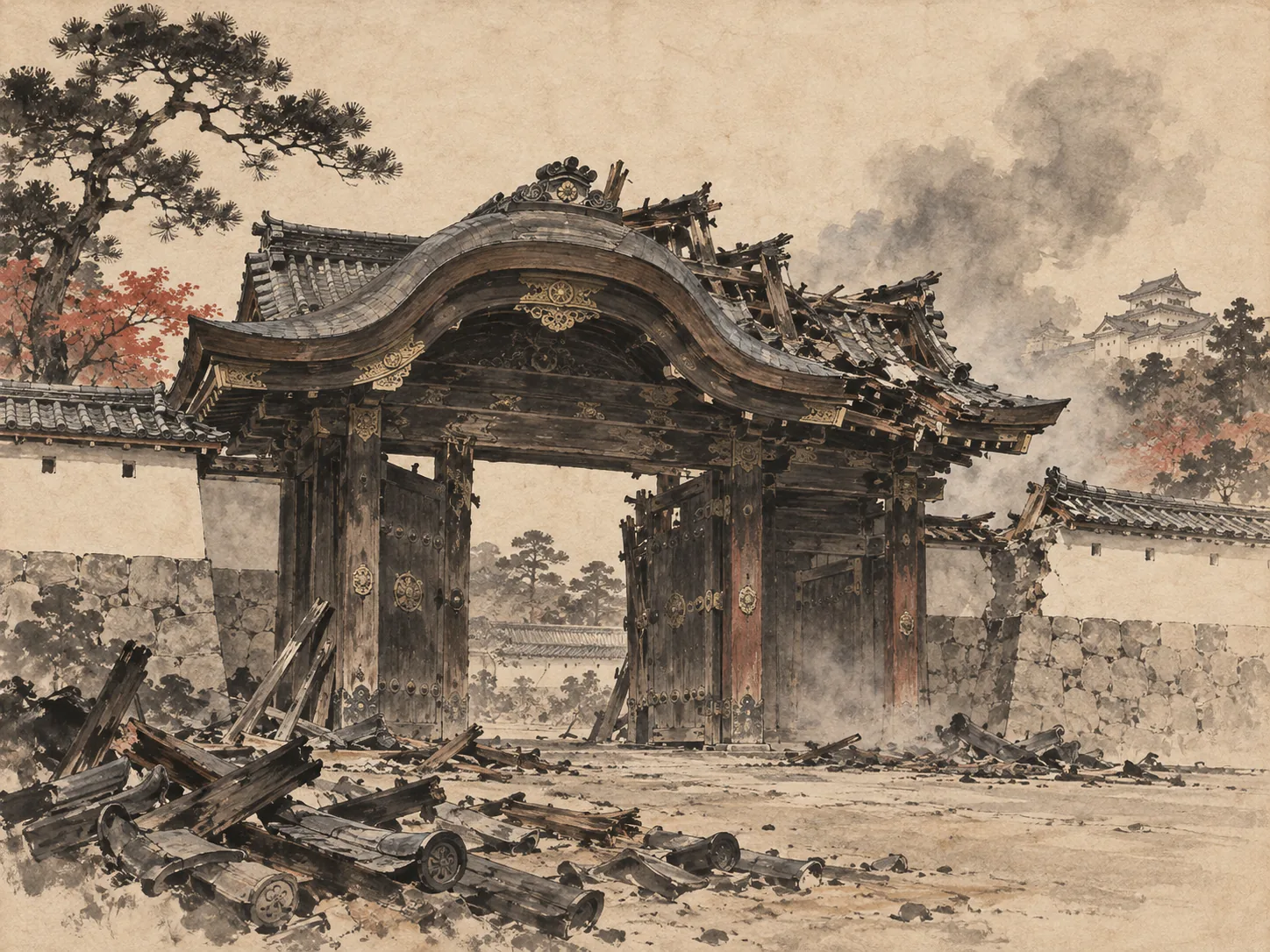
In 1864 Aizu forces fought Choshu units around the palace. Broken beams, tiles, and gun damage turn political alignment into a city battle. A victory account must also include troop placement, fire, and civilian loss. To investigate “Damage at Hamaguri Gate” further, do not stop with a commemorative plaque. Compare the date, maker or former owner, provenance, restoration status, and present location of each element named in “Damage at Hamaguri Gate.” Old maps, municipal histories, museum catalogues, document editions, material-culture studies, and field guides help distinguish contemporary evidence from reconstruction and later memory. They also provide a practical route to relevant books, facsimiles, maps, equipment histories, and a responsible site visit.
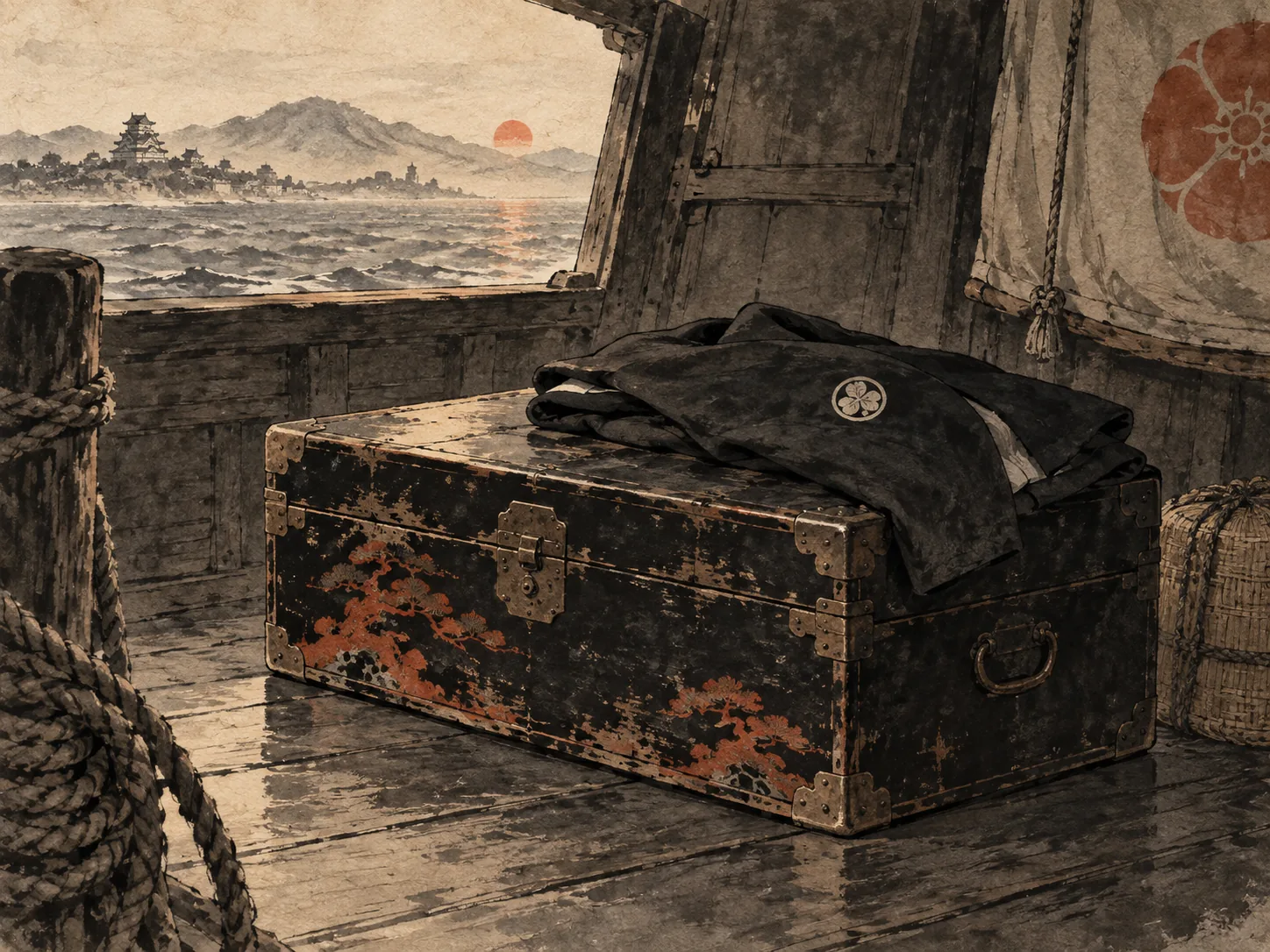
After Toba-Fushimi, Yoshinobu, Katamori, and others left Osaka by ship. A worn trunk and folded haori mark the abrupt collapse of the Kyoto command and the uncertainty left to retainers returning toward Aizu. To investigate “Retreat Travel Trunk” further, do not stop with a commemorative plaque. Compare the date, maker or former owner, provenance, restoration status, and present location of each element named in “Retreat Travel Trunk.” Old maps, municipal histories, museum catalogues, document editions, material-culture studies, and field guides help distinguish contemporary evidence from reconstruction and later memory. They also provide a practical route to relevant books, facsimiles, maps, equipment histories, and a responsible site visit.
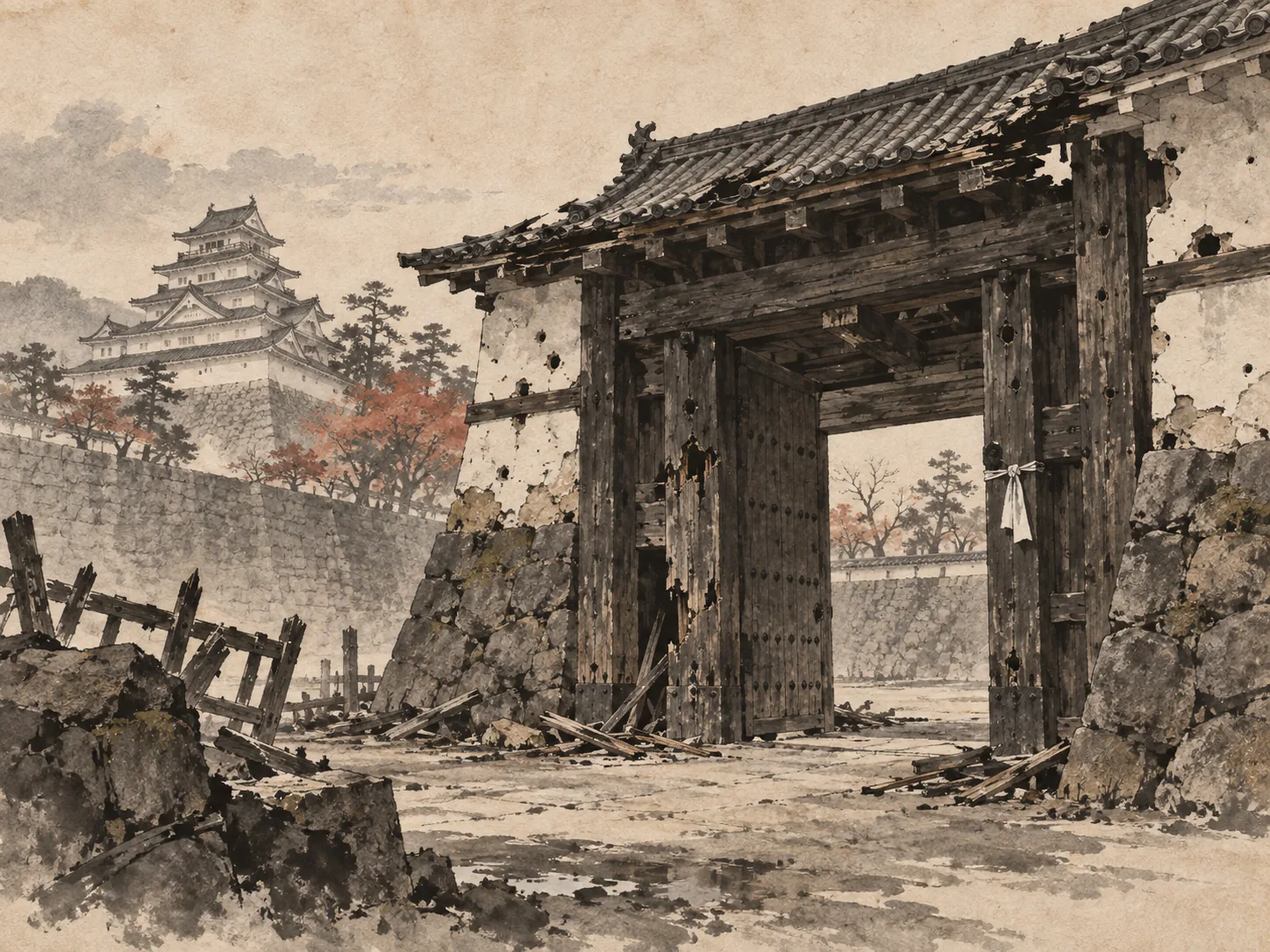
The siege involved walls, food, treatment of the wounded, and displaced townspeople. A damaged gate places the lord's decision beside the cost paid by households. Surrender was followed by confinement and dispersal. To investigate “Damaged Tsurugajo Gate” further, do not stop with a commemorative plaque. Compare the date, maker or former owner, provenance, restoration status, and present location of each element named in “Damaged Tsurugajo Gate.” Old maps, municipal histories, museum catalogues, document editions, material-culture studies, and field guides help distinguish contemporary evidence from reconstruction and later memory. They also provide a practical route to relevant books, facsimiles, maps, equipment histories, and a responsible site visit.
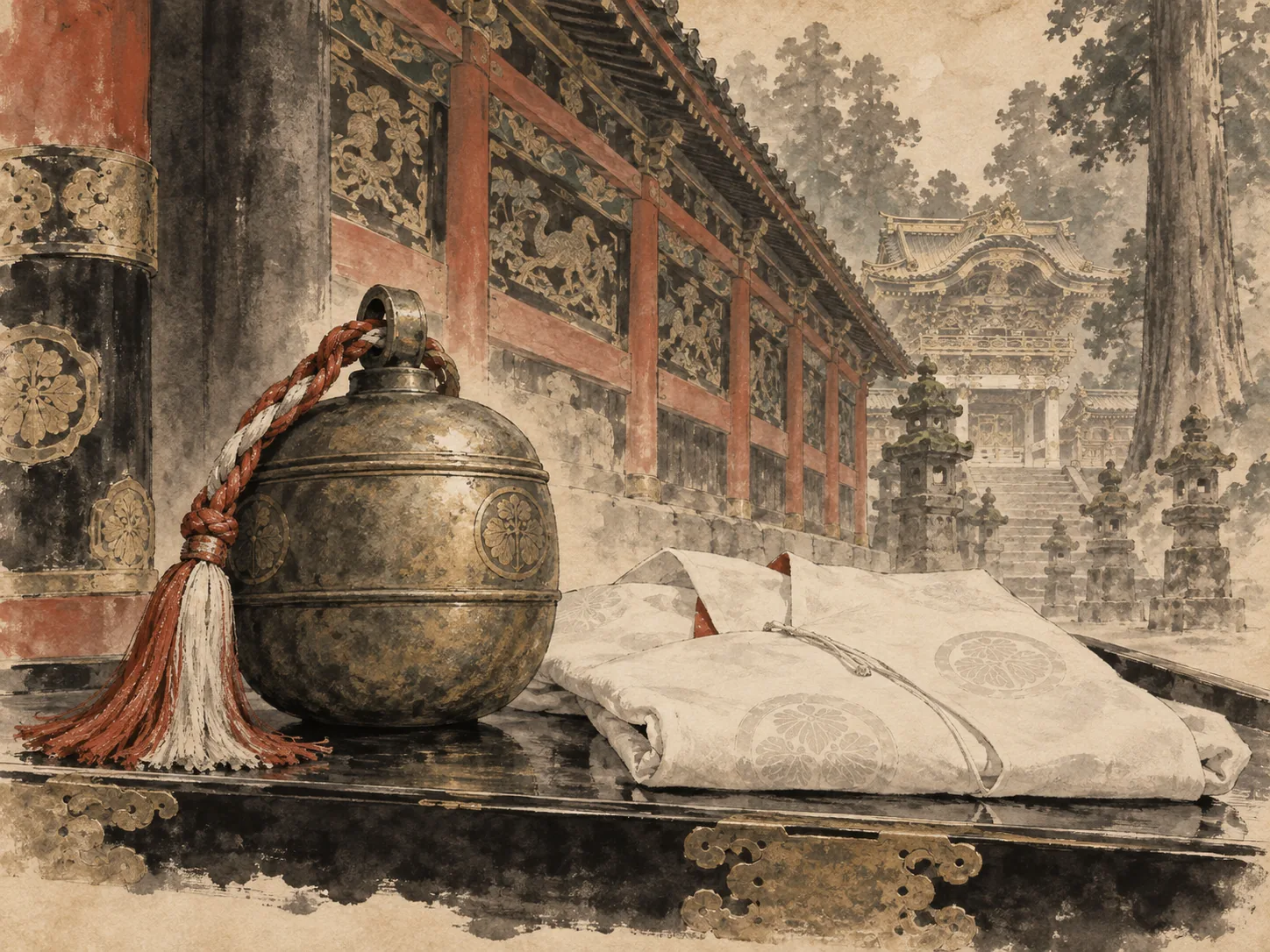
Katamori became chief priest of Nikko Toshogu in 1880, translating an old Tokugawa relationship into a public office of the Meiji period. An Iimoriyama memorial inscription presents his 'even now' poem as a verse for the twenty-third memorial of Boshin War dead. Because the poem does not name its object, it should first be read in that commemorative setting rather than assigned automatically to Emperor Komei.
VISIT
Search events related to Katamori Matsudaira →Browse all Bakumatsu events →