Chieko Saigo · Aizu
Original
なよたけの
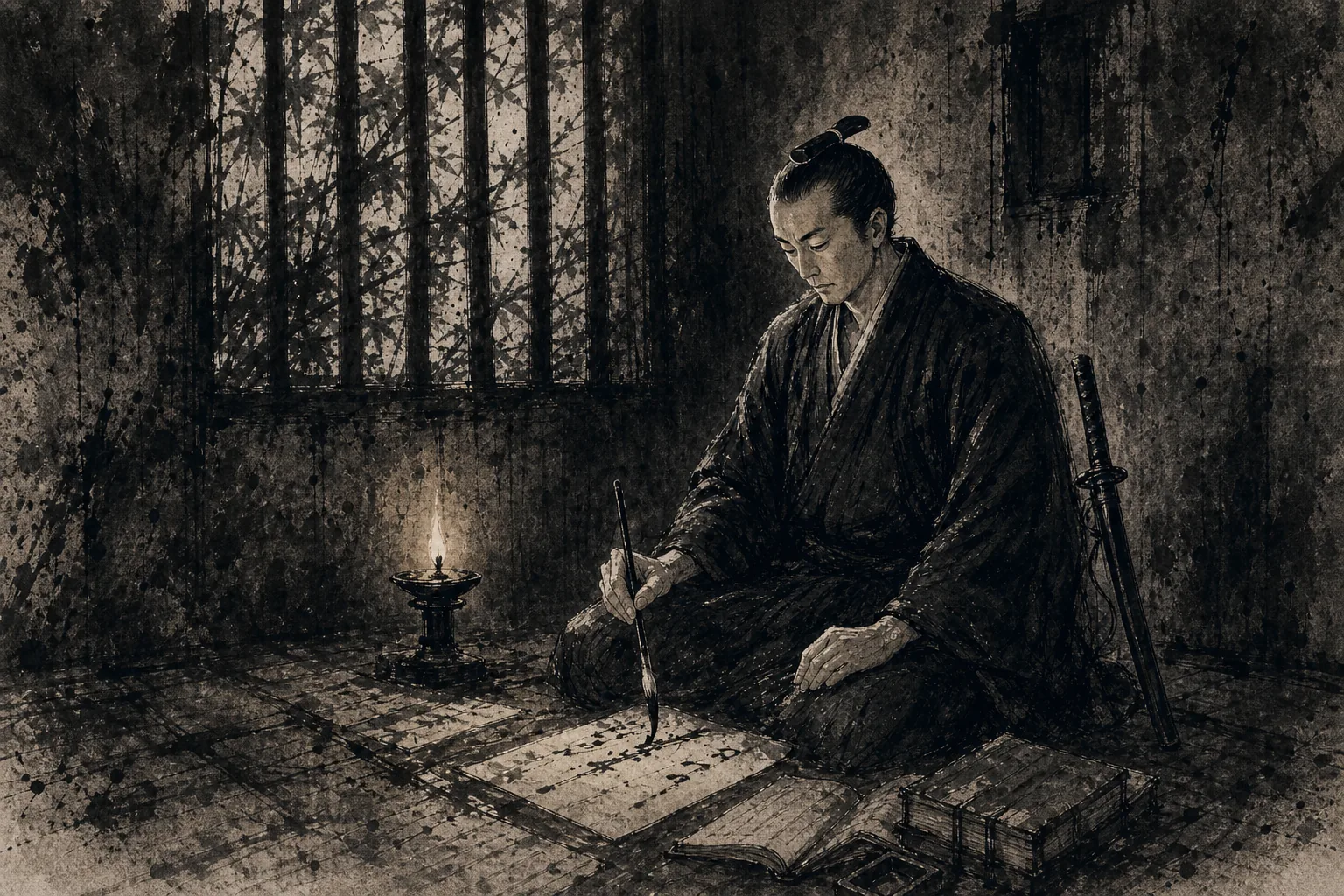
Chieko Saigo's death poem, "なよたけの風にまかする身ながらも". Read the original Japanese, modern translation, interpretation, and historical context as distinct parts of the poem.
Person
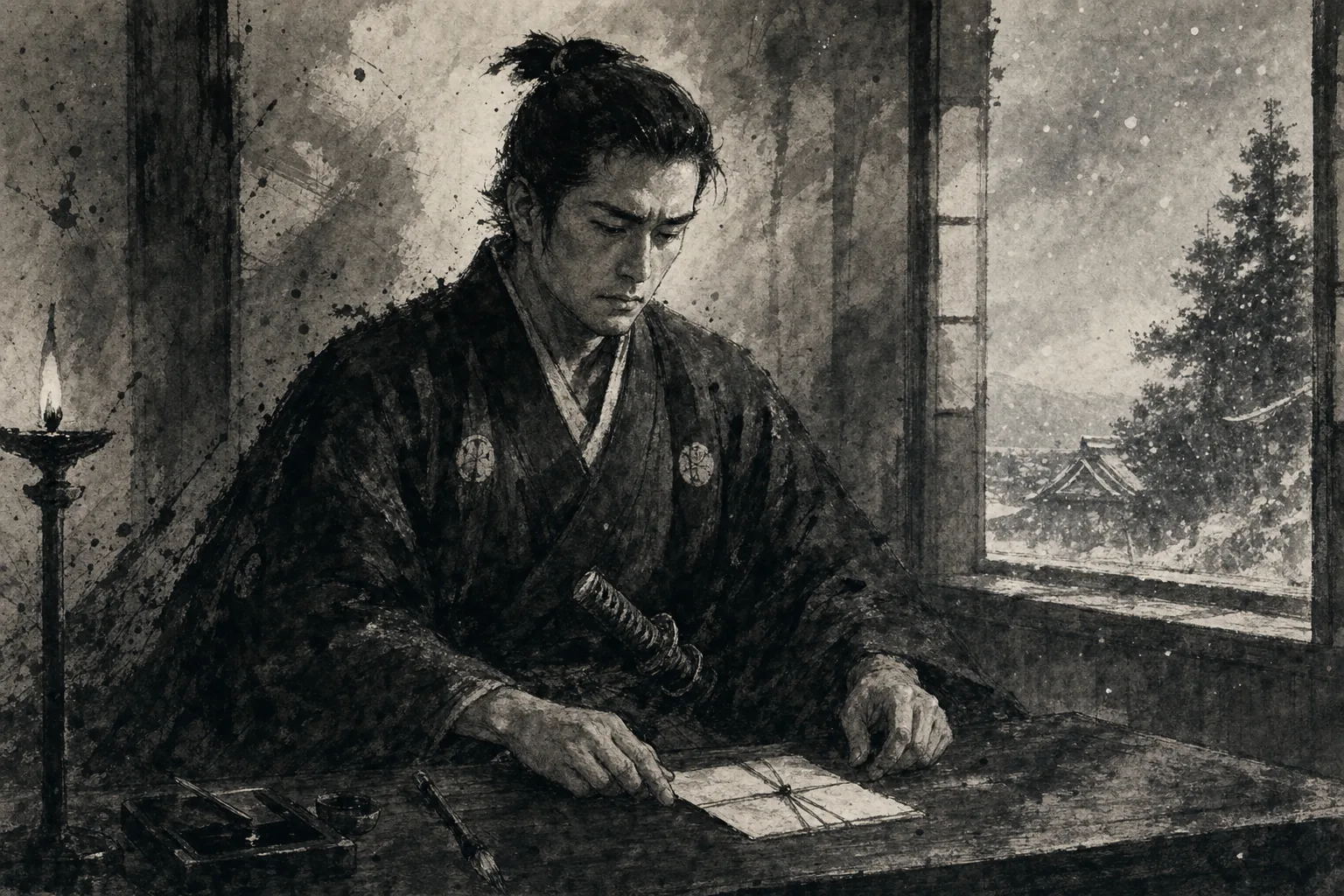
Wife of Aizu senior retainer Tanomo Saigo, who died by suicide with women of the Saigo household during the Aizu War.
Learn about Saigo Chieko
Translation
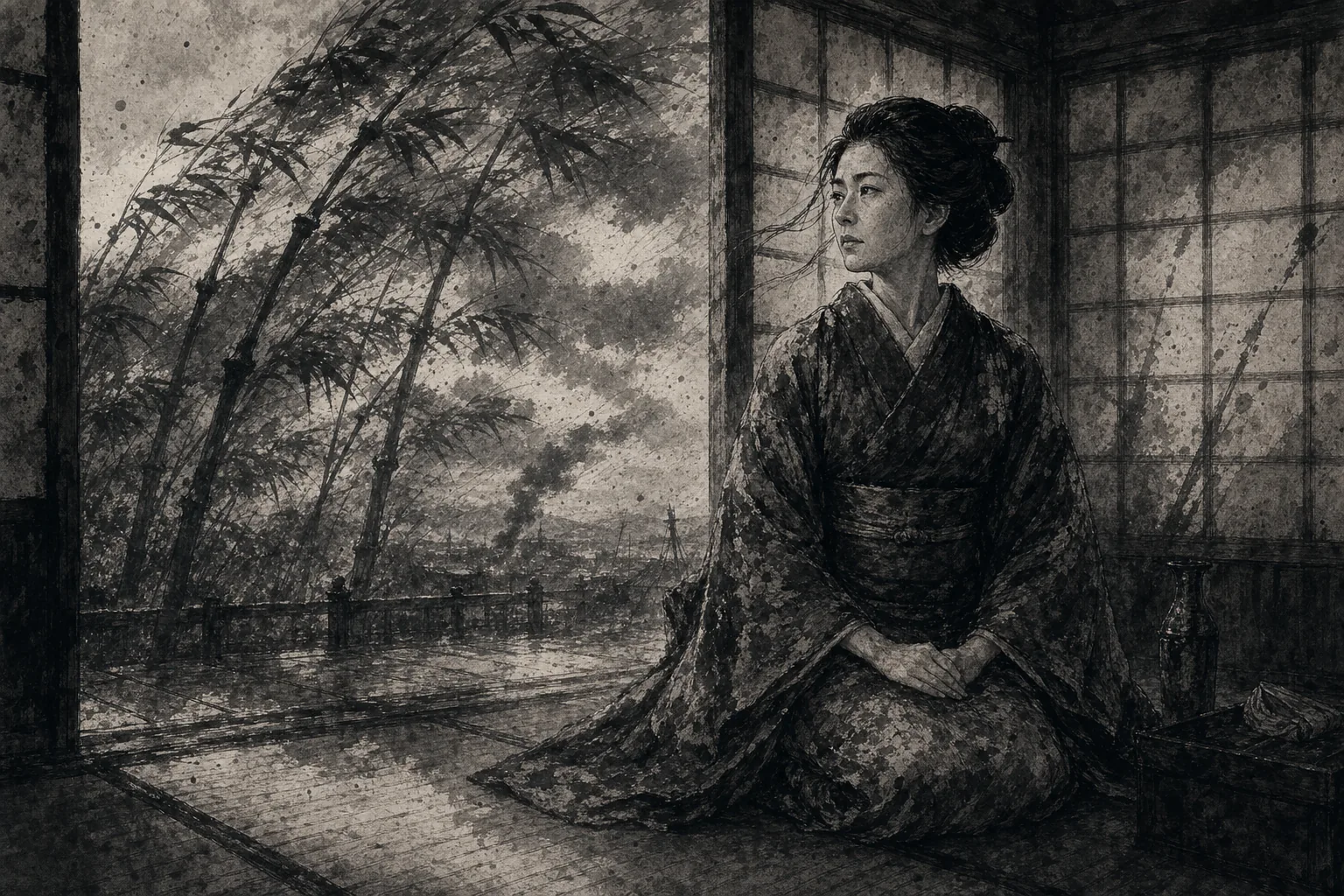
Though my body bends like slender bamboo in the wind, know that there is still a joint within me that will not yield.
Poetic Shape A Japanese death poem is less a final explanation than a last shape given to feeling. Its brevity matters: a life is not narrated, but compressed into a few lines that leave room for silence.
Reading
This death poem places softness and strength in the same image.Slender bamboo bends in the wind, yet its joints do not yield.Chieko speaks of herself as physically fragile, but insists that the principle within her will not bend.Rather than battlefield valor, the resolve of a woman choosing death inside a household is compressed into a bamboo joint.
Background
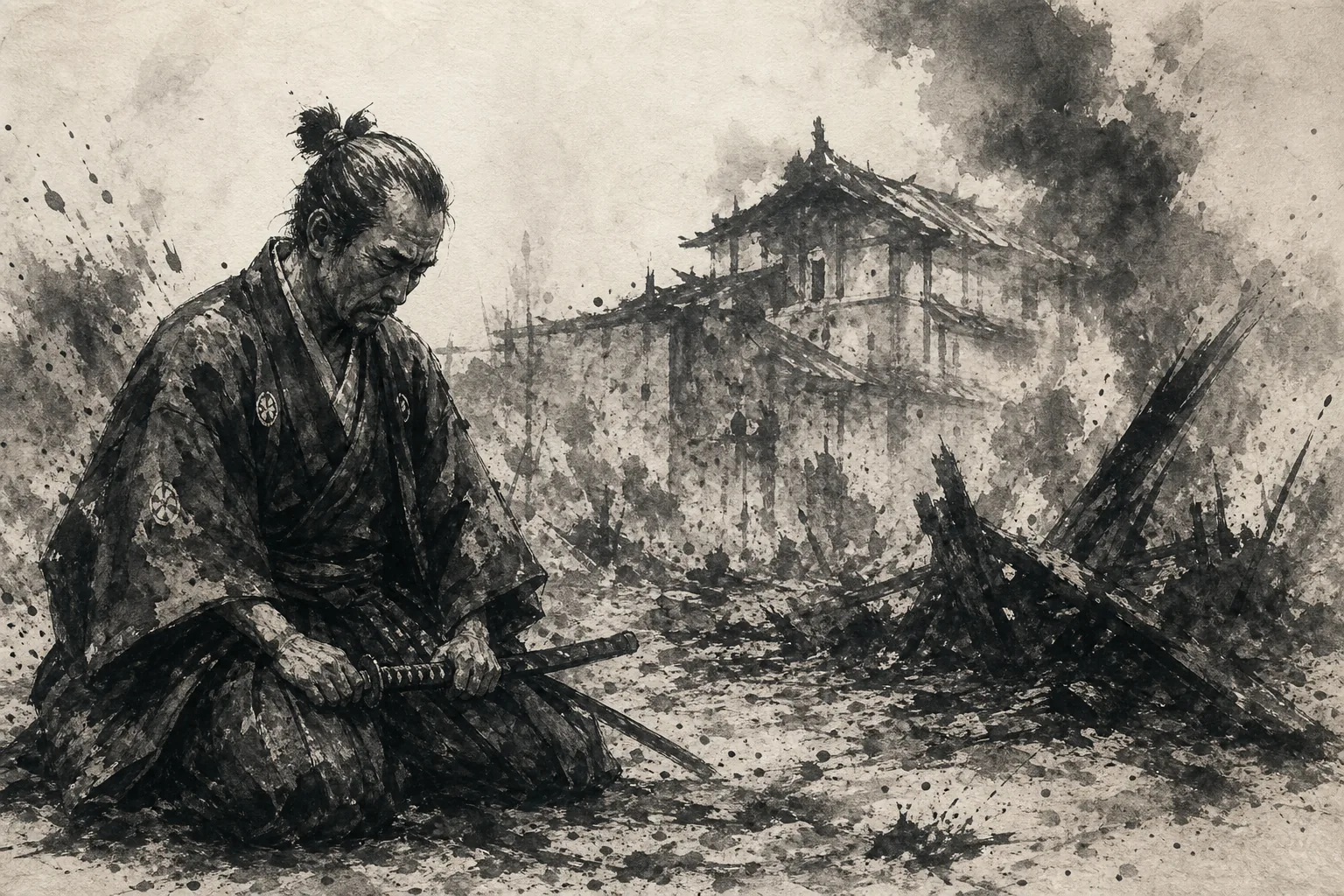
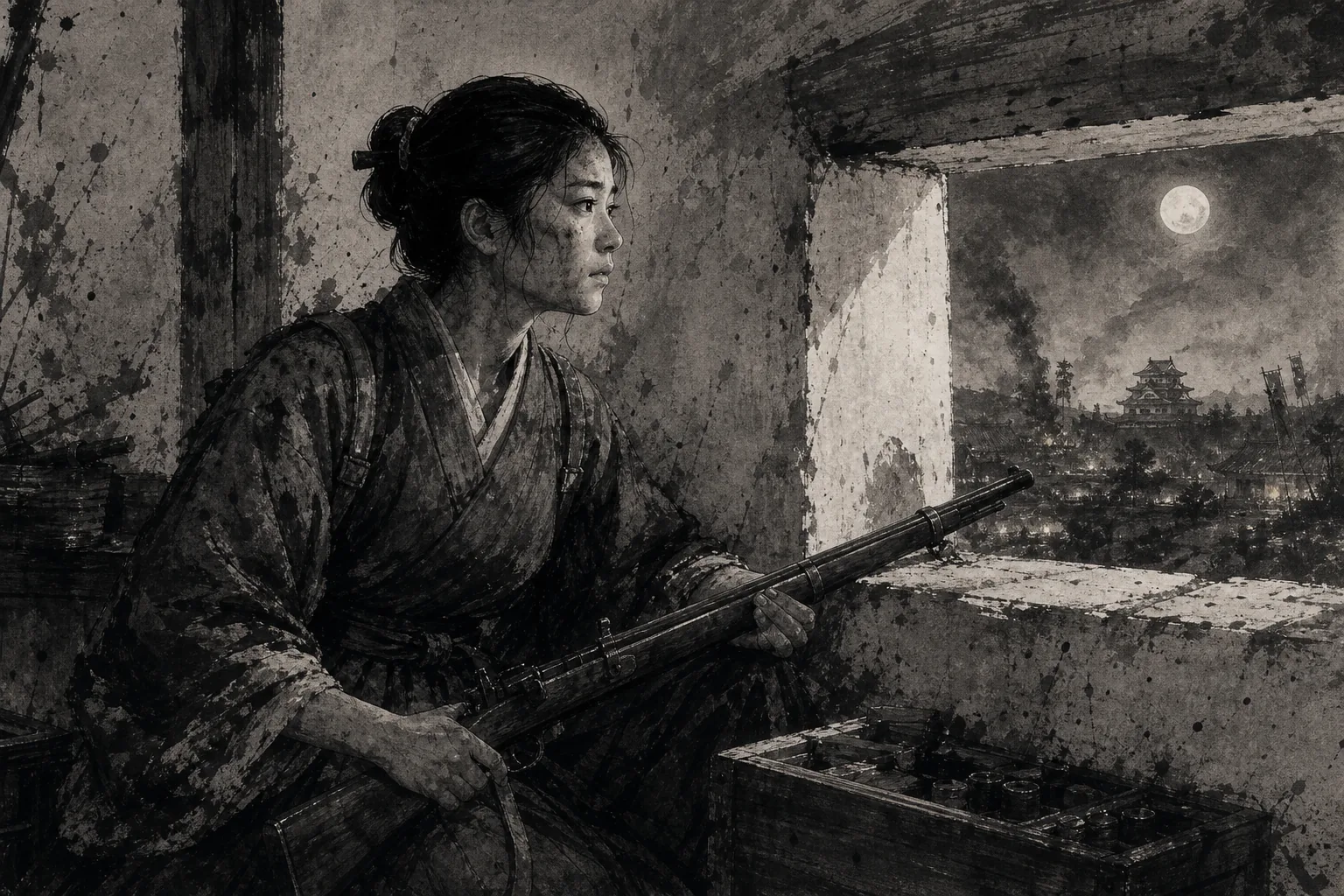
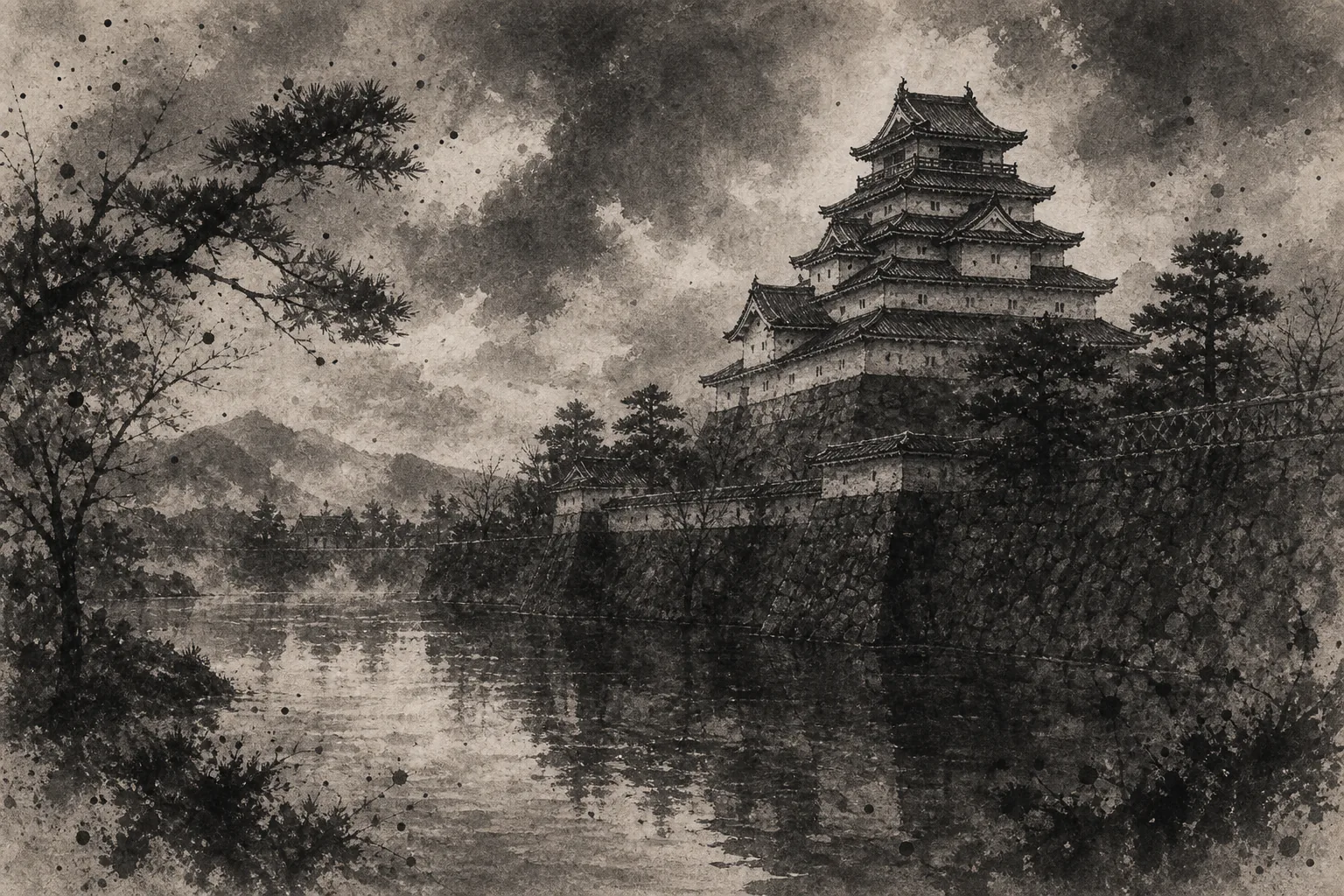
Passed down as the death poem of Chieko Saigo, wife of Tanomo Saigo.In 1868, as the new government forces pressed into the Aizu castle town, women and children of the Saigo household are said to have died by suicide.The poem does not cry out the horror directly; by turning it into the image of slender bamboo, it leaves both Aizu principle and family tragedy in one quiet form.
Source / Transmission Wording, headnotes, and transmission may differ by source; this page treats the text as one circulated form.
Further Reading
Find related books and places to stay For readers who want more historical context, these links search for related books on external stores.
Affiliate link