Kochi Castle and Edo
Moves from a Yamauchi branch through adoption and approval to become the fifteenth lord
Genealogy, petition, bakufu approval, and installation retain separate dates.
Know the Person
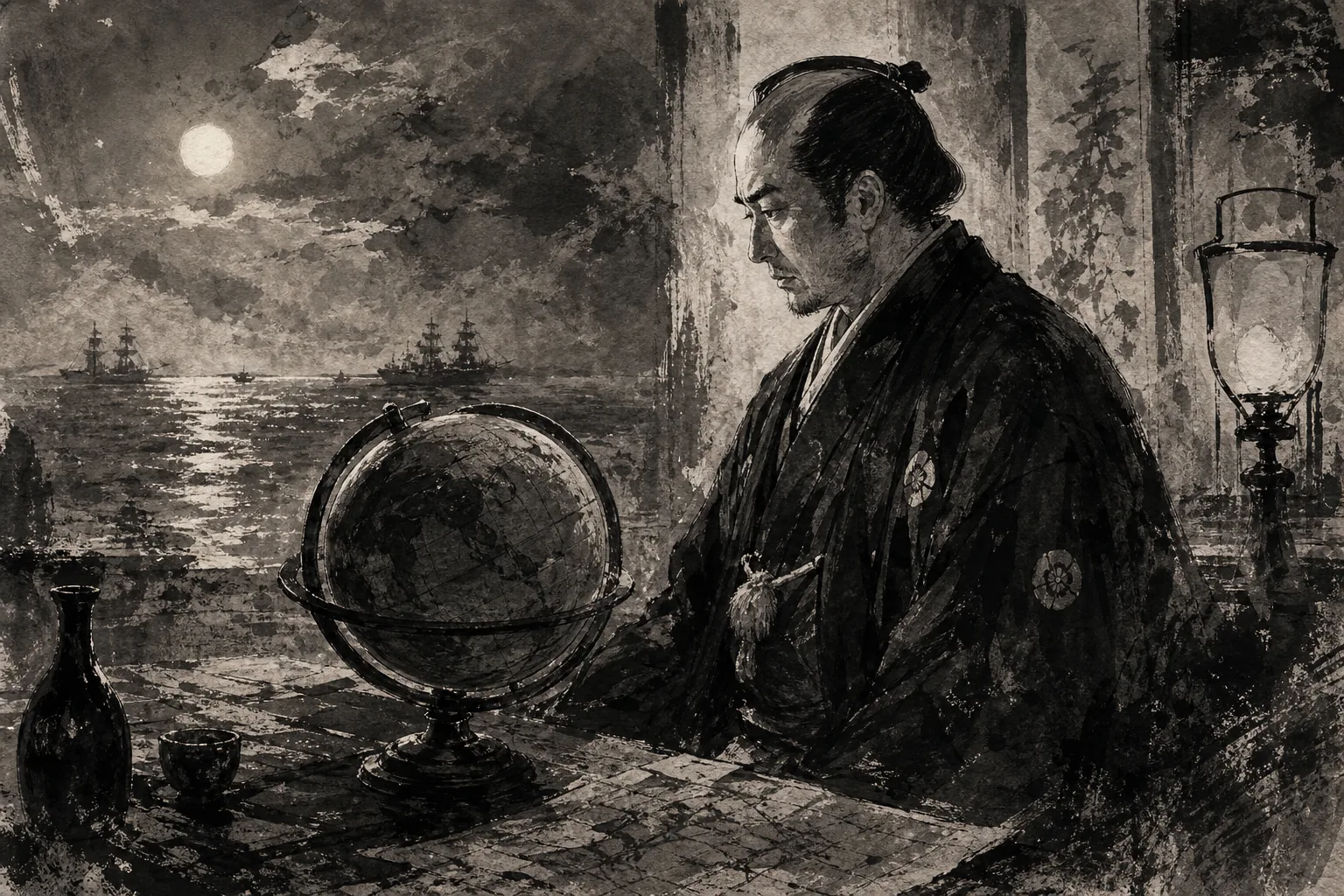
Yamauchi Yodo is not reduced to the labels Wise Lord, heavy drinker, and sponsor of the restoration of government. His rise from a branch of the Yamauchi house to fifteenth lord is examined through genealogies, adoption and succession papers, seals, stipend books, and castle plans. Reform under Yoshida Toyo returns to budgets, market diagrams, coastal-defense maps, weapons catalogs, school plans, abaci, and petitions, placing benefits and opposition on the same desk. Investigation of the Tosa Loyalist Party after Toyo’s assassination is reconstructed through orders, testimony, custody registers, family petitions, and punishment books without visualizing torture or execution. Political activity among Kochi, Kyoto, and Edo becomes the work of domain residences, messengers, couriers, lodging tags, fares, and letter boxes. The 1867 memorial is separated into Goto Shojiro’s recommendation, drafts, Yodo’s authorization, submission, bakufu receipt, and the announcement at Nijo Castle. Name seals, calligraphy, poetry, gift books, and Tosa drinking vessels turn the self-name “Geikai Suiko” into material self-fashioning rather than a drunken caricature. Places and objects lead to archives, books, castle visits, travel culture, seals, brushes, ceramics, and museum collections.
Life
Kochi Castle and Edo
Genealogy, petition, bakufu approval, and installation retain separate dates.
Kochi castle town and Urado Bay
Proposal, implementation, burdens, and opposition are assigned document by document.
Kochi castle town
Yodo’s order, procedures, testimony, family petitions, and penalties remain distinct.
Kochi, Kyoto, and Edo
Changes of position are tested through dated correspondence, not memoir alone.
Kyoto and Nijo Castle
Drafting, submission, consultation, announcement, and court receipt keep separate dates.
Tokyo, Kochi, and collections
Creation, gifting, death, memorialization, donation, and accession are not one event.
高知県高知市追手筋
分家出身の豊信が十五代藩主となる過程を、家譜、養子縁組、相続願、将軍家の承認、印章から確認する。
山内豊信と山内家
Address高知県高知市追手筋2-7-5
Nearby
高知県高知市帯屋町
殉難地を劇的な暗殺場面としてではなく、予算、流通、海防、教育改革と、それに反発した政治構造を調べる地点とする。
山内容堂・吉田東洋と土佐藩改革
Address高知県高知市帯屋町2丁目付近
Nearby
高知県高知市桟橋通
取調、投獄、処分を容堂の激情だけで説明せず、命令系統、供述書、家族願書、処分簿、後世の顕彰を分ける。
山内容堂と土佐勤王党取調
Address高知県高知市桟橋通4-14-3
Nearby
京都府京都市中京区木屋町通
藩邸跡碑を当時建物そのものとはせず、宿札、使者日記、飛脚賃、藩邸出入簿から中央政治との接続を読む。
山内容堂・土佐藩京都留守居・使者
Address京都府京都市中京区木屋町通蛸薬師付近
Nearby
京都府京都市中京区二条通堀川西入
後藤象二郎の進言、容堂名義の建白書、幕府への提出、慶喜の表明を一つの瞬間にせず、草案・写し・受領記録で追う。
山内容堂・後藤象二郎・徳川慶喜
Address京都府京都市中京区二条城町541
Nearby
高知県高知市鷹匠町
鯨海酔侯という自称を酒豪逸話で終わらせず、雅印、揮毫、詩稿、贈答帳、土佐の酒器、収蔵番号から自己表現を検証する。
山内容堂の雅印・書・酒器
Address高知県高知市鷹匠町2-4-65
Nearby
Keys
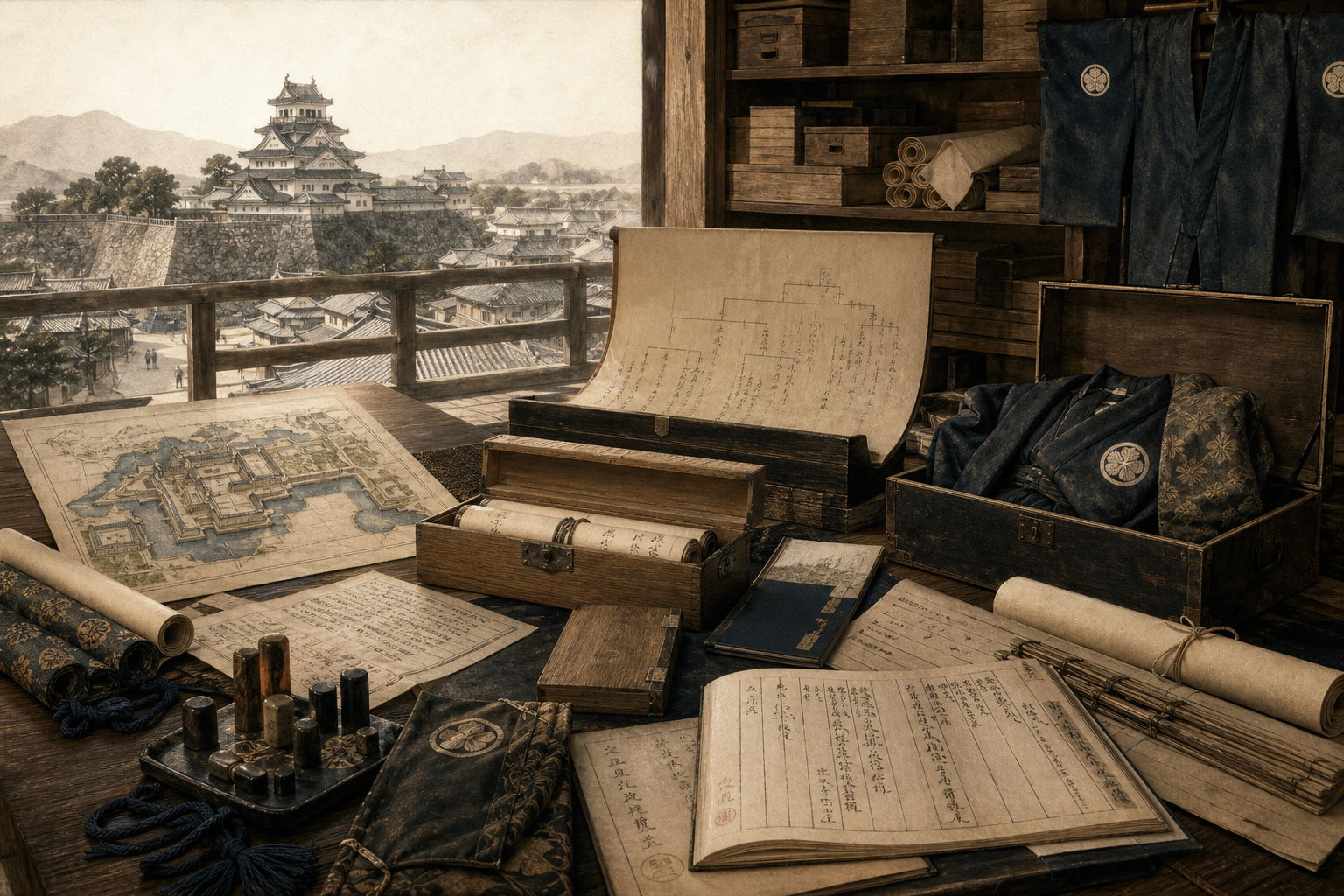
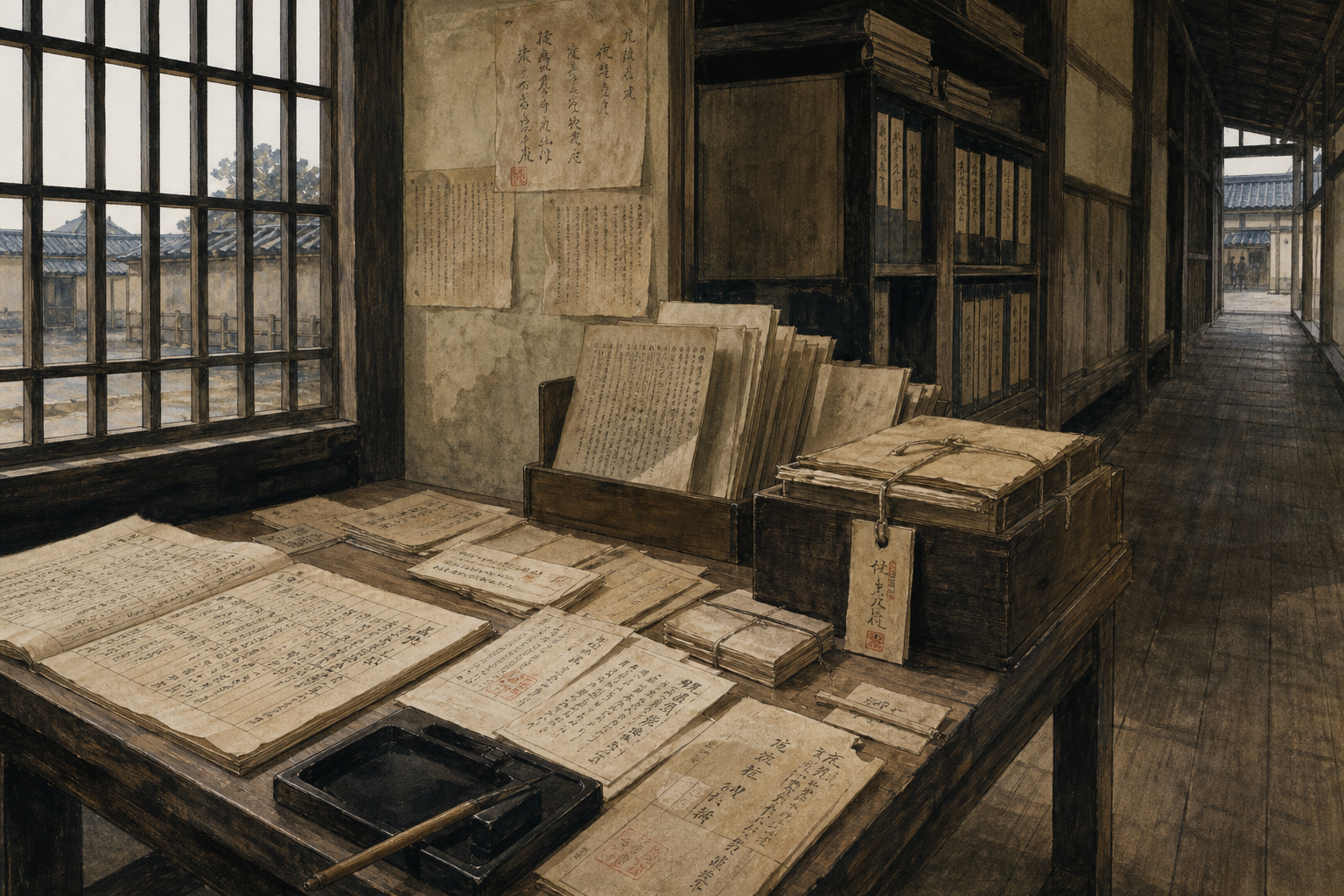
Yamauchi Toyoshige did not grow up as the direct heir of the main house. He came from a southern branch and became the fifteenth lord around the turn of 1848–49. Yamauchi family genealogies, adoption papers, succession petitions, bakufu approval, stipend books, installation protocols, seals, garment chests, and Kochi Castle plans reveal candidate selection and status. Differences between Japanese calendar dates and Western years remain explicit, while later praise of a youthful wise lord is not treated as the cause of selection. The Kochi Castle Museum of History preserves the large Yamauchi collection but rotates displays, so titles, numbers, and access require checking. Reading paths include daimyo genealogy, castles, seals, warrior clothing, and museum catalogs.
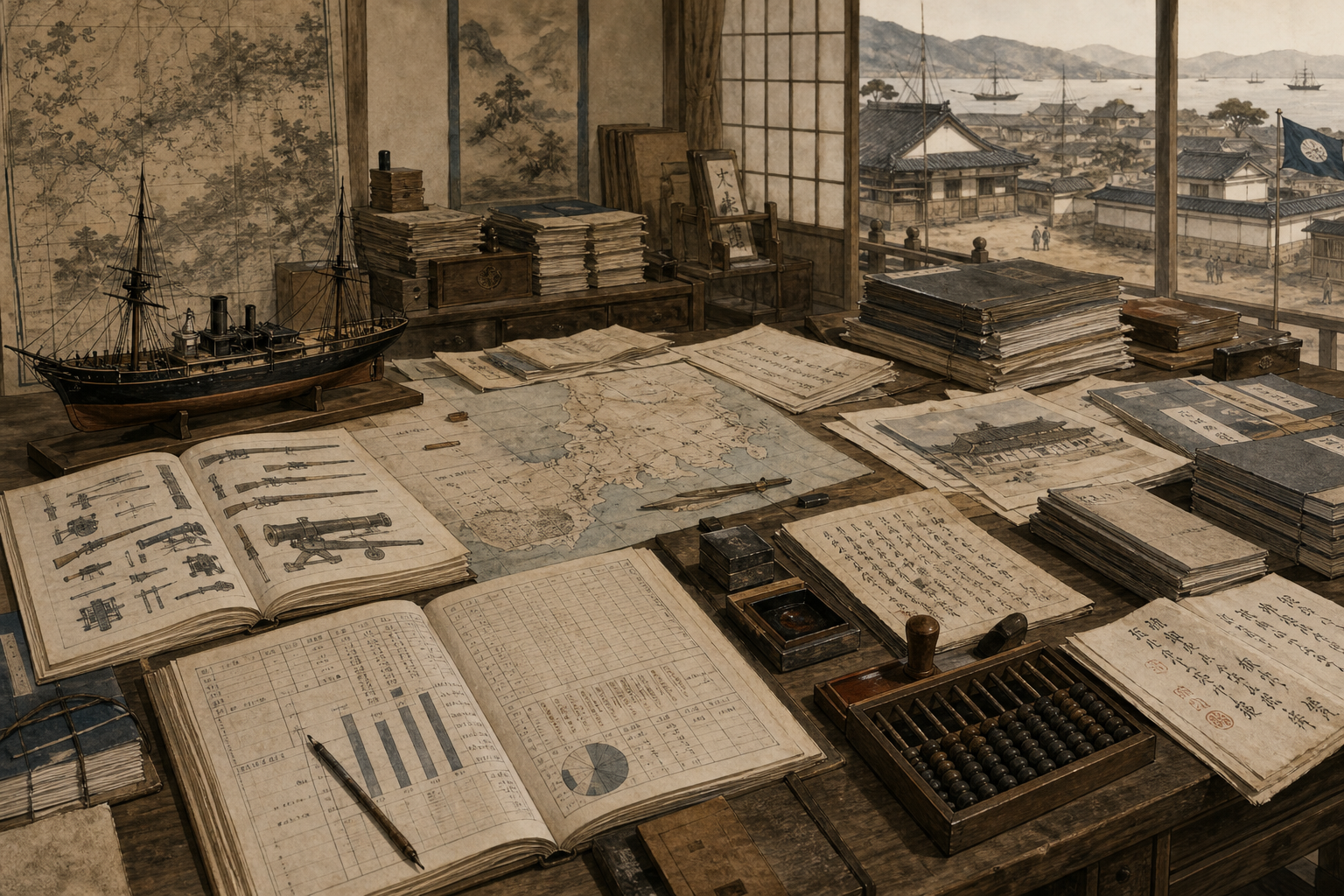
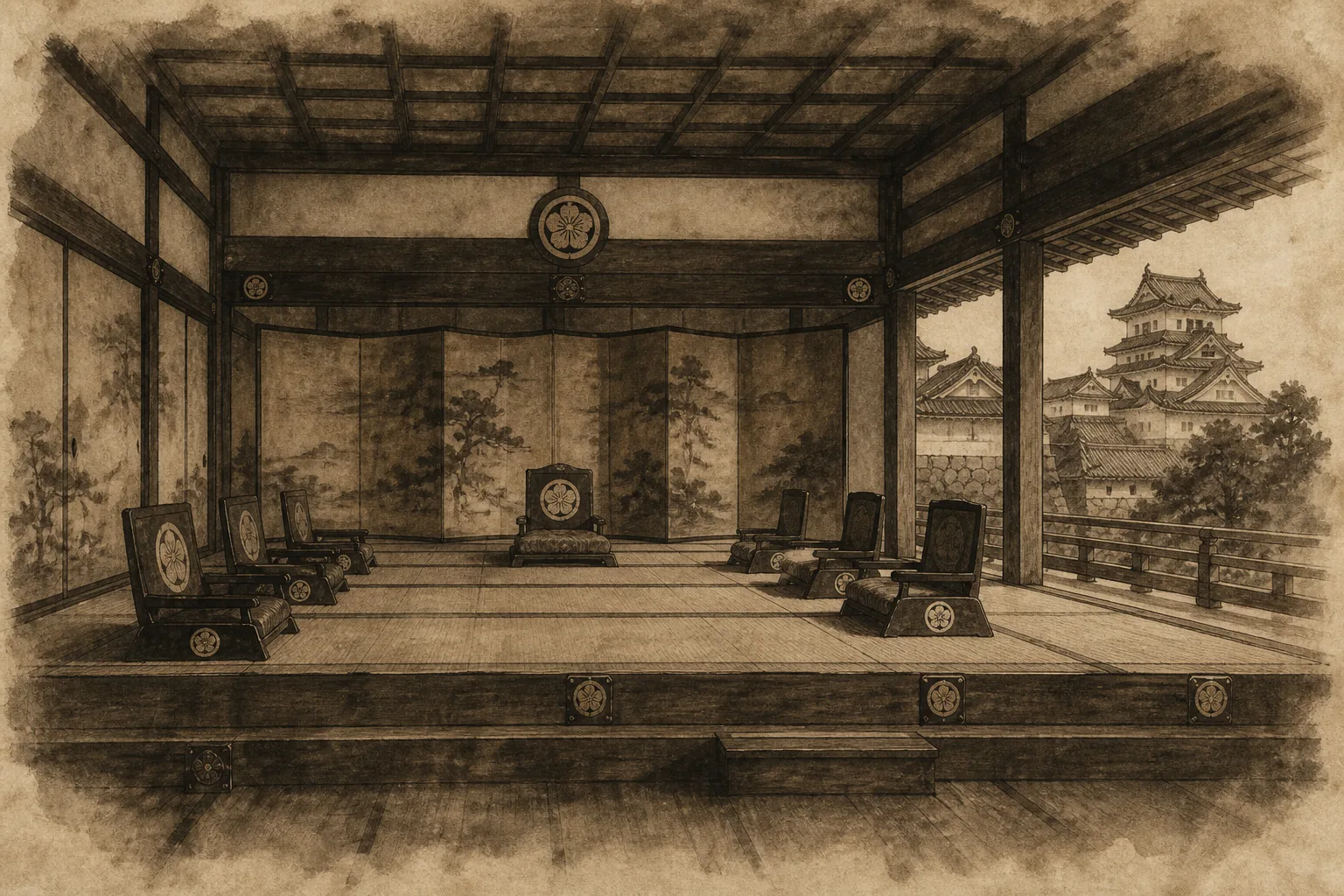
Yodo appointed Yoshida Toyo and pursued changes in hereditary officeholding, finance, distribution, coastal defense, military equipment, and education. Budgets, tax and monopoly books, market-flow maps, defense charts, weapons catalogs, ship models, school plans, abaci, petitions, and appointment records distinguish who proposed, executed, paid for, or resisted each measure. Toyo’s dismissal and return, Yodo’s forced retirement during the Ansei Purge, and opposition to reform did not form a simple upward path. Toyo’s death marker is a research location, not the setting of every reform. Reading paths include Tosa government, Bakumatsu finance, coastal defense, Western arms, academies, merchants, and administrative archives.
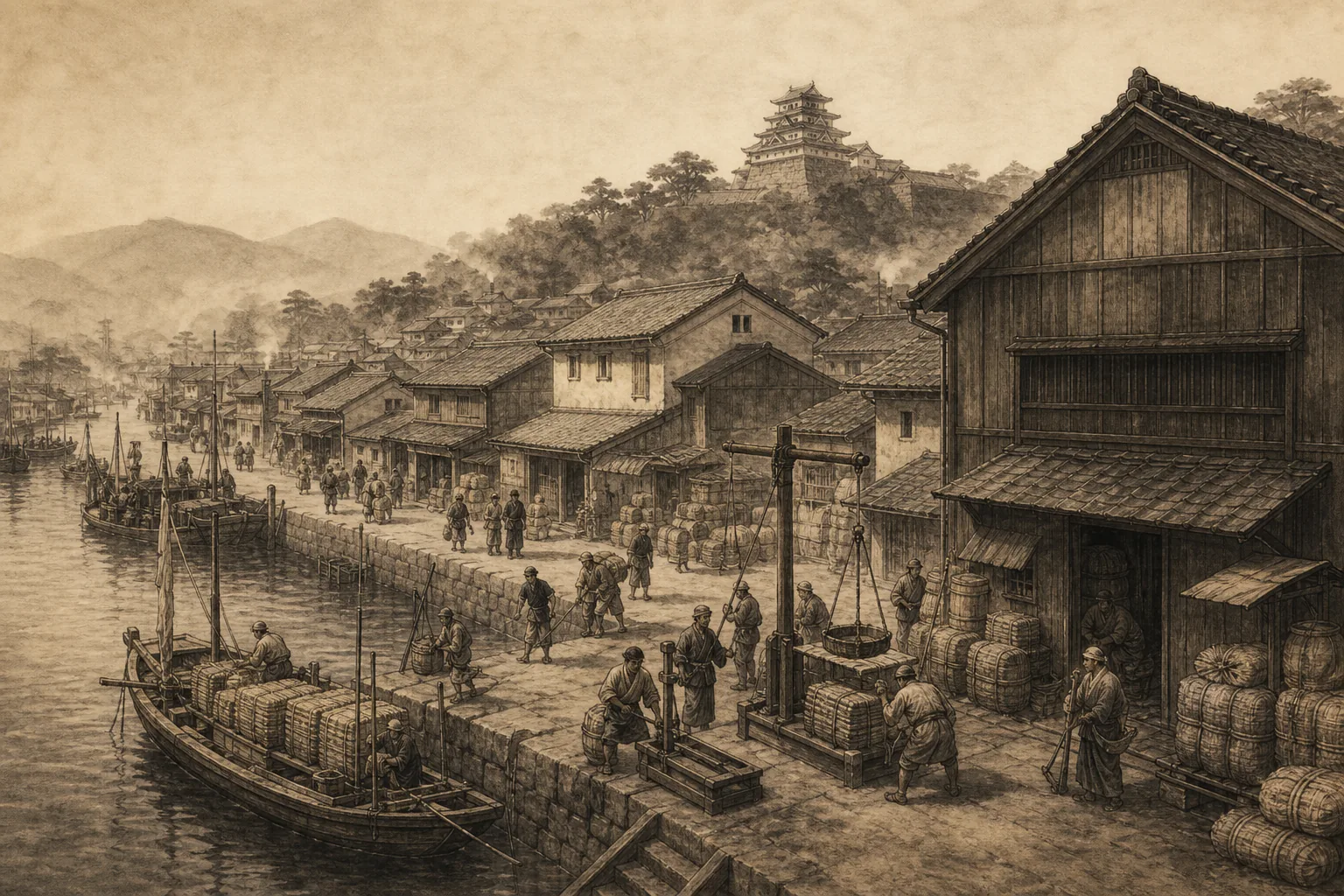
After Yoshida Toyo’s assassination and another turn in central politics, investigations and punishments reached Takechi Hanpeita and the Tosa Loyalist Party. Interrogation books, testimony, custody registers, summonses, evidence packets, family petitions, official diaries, and punishment ledgers separate Yodo’s wishes, administrative command, investigating officers, and wider politics. Conditions under which statements were produced, prolonged imprisonment, status-based penalties, and effects on families matter. Images omit prisoners, torture, and seppuku and instead show the record system. Loyalist memoirs, domain papers, and later memorial culture are compared. Reading paths include legal history, prisons, petitions, documentary coercion, family experience, and contested memory.Takechi was imprisoned in September 1863 and ordered to commit seppuku in the intercalary fifth month of 1865. Nearly two years of confinement and punishment of Loyalist Party members were concrete results of the domain administration’s collection of statements and sentencing, not merely an expression of Yodo’s temperament.
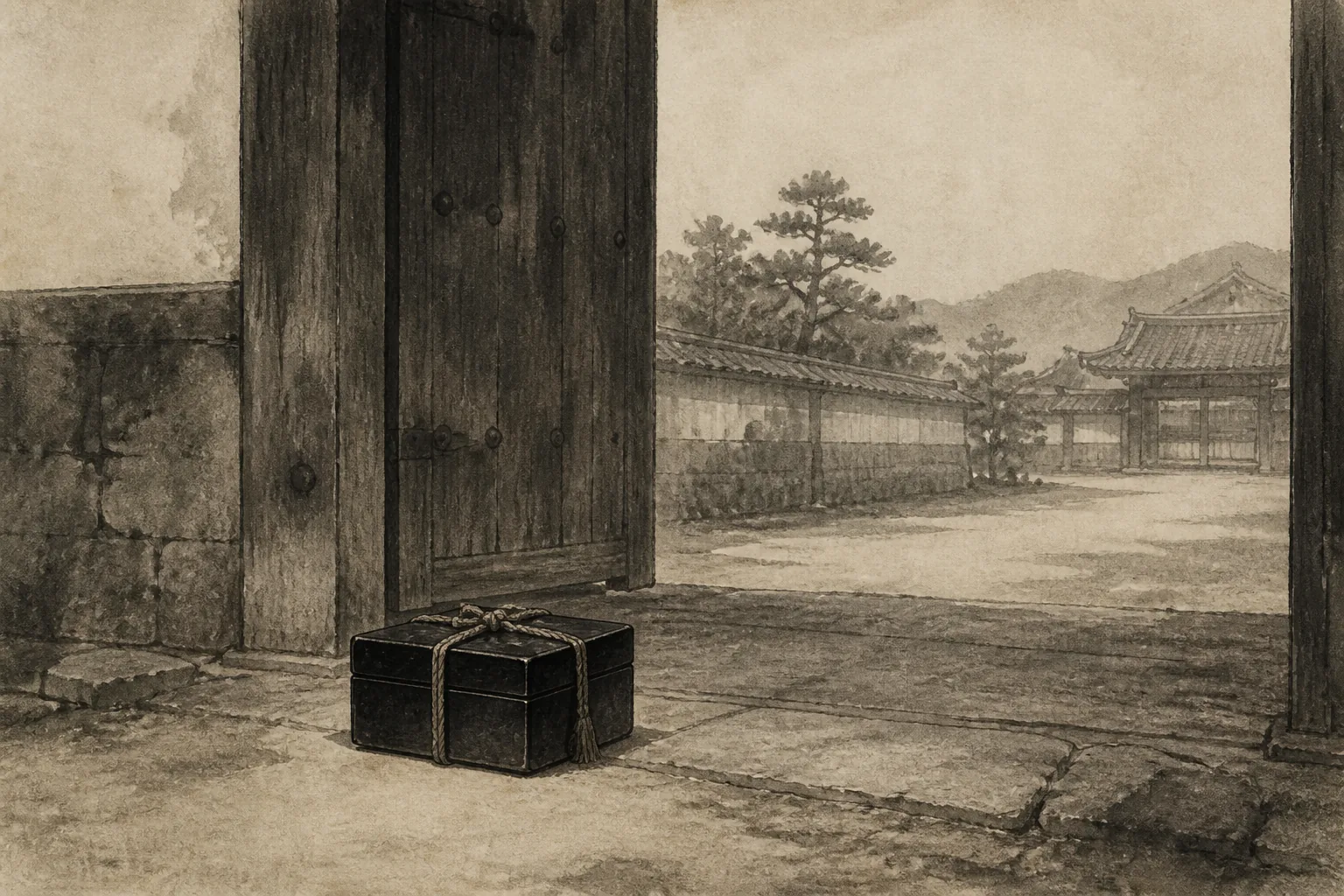
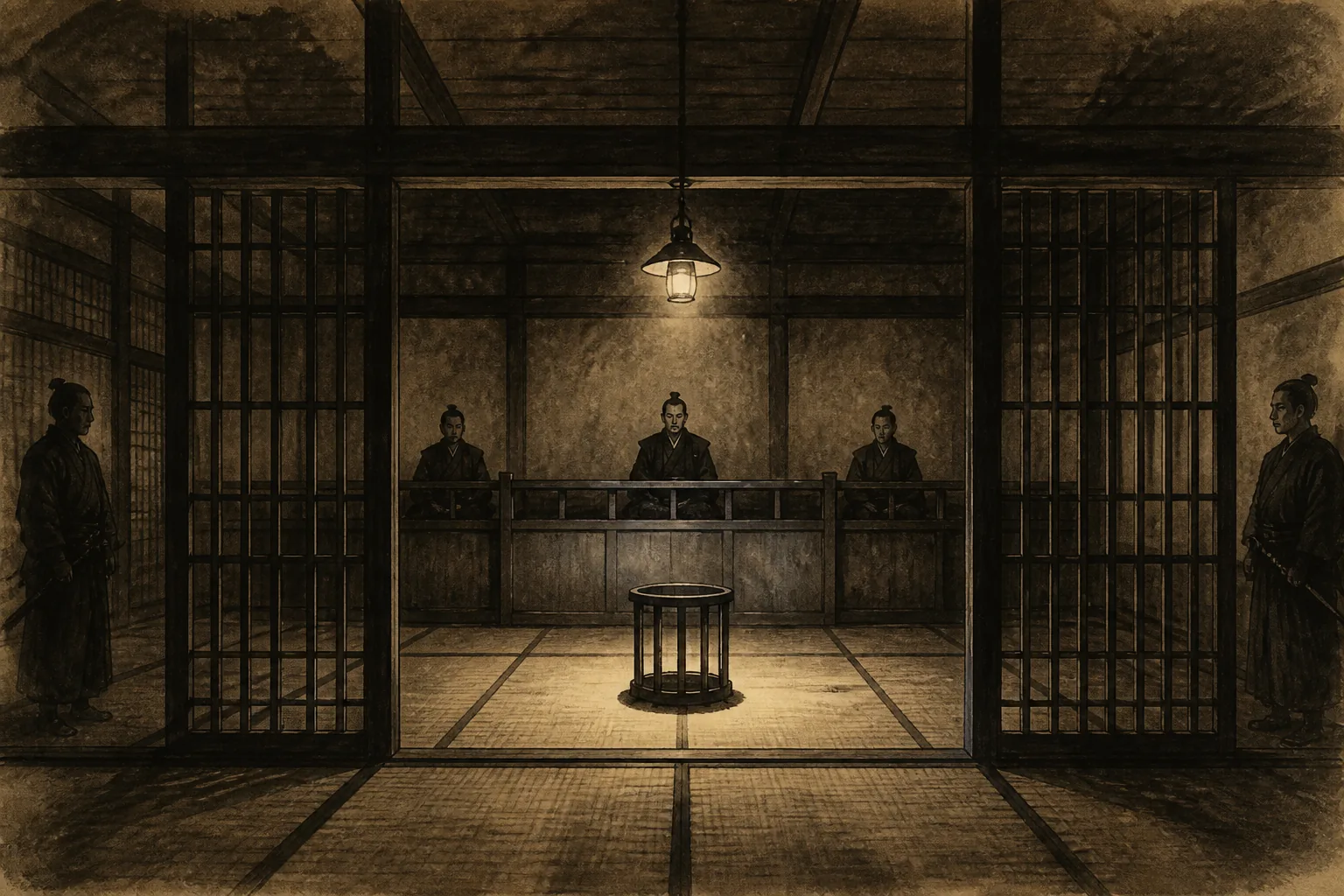
Yodo’s national politics required more than attendance at famous councils. Tosa residences, liaison officers, messengers, couriers, ships, and inns connected Kochi with Kyoto and Edo. Visitor ledgers, Edo-mansion diaries, messenger journals, letter boxes, lodging tags, courier fares, palanquin labels, rain capes, sandals, and highway maps reveal the speed and alteration of information. Court-bakufu cooperation, treatment of Choshu, and talks with Satsuma should not be turned into one consistent position; the date, addressee, draft, and reply of each letter take priority. A Kyoto residence marker is not the original building. Reading paths include domain residences, couriers, highways, old maps, travel equipment, and correspondence collections.
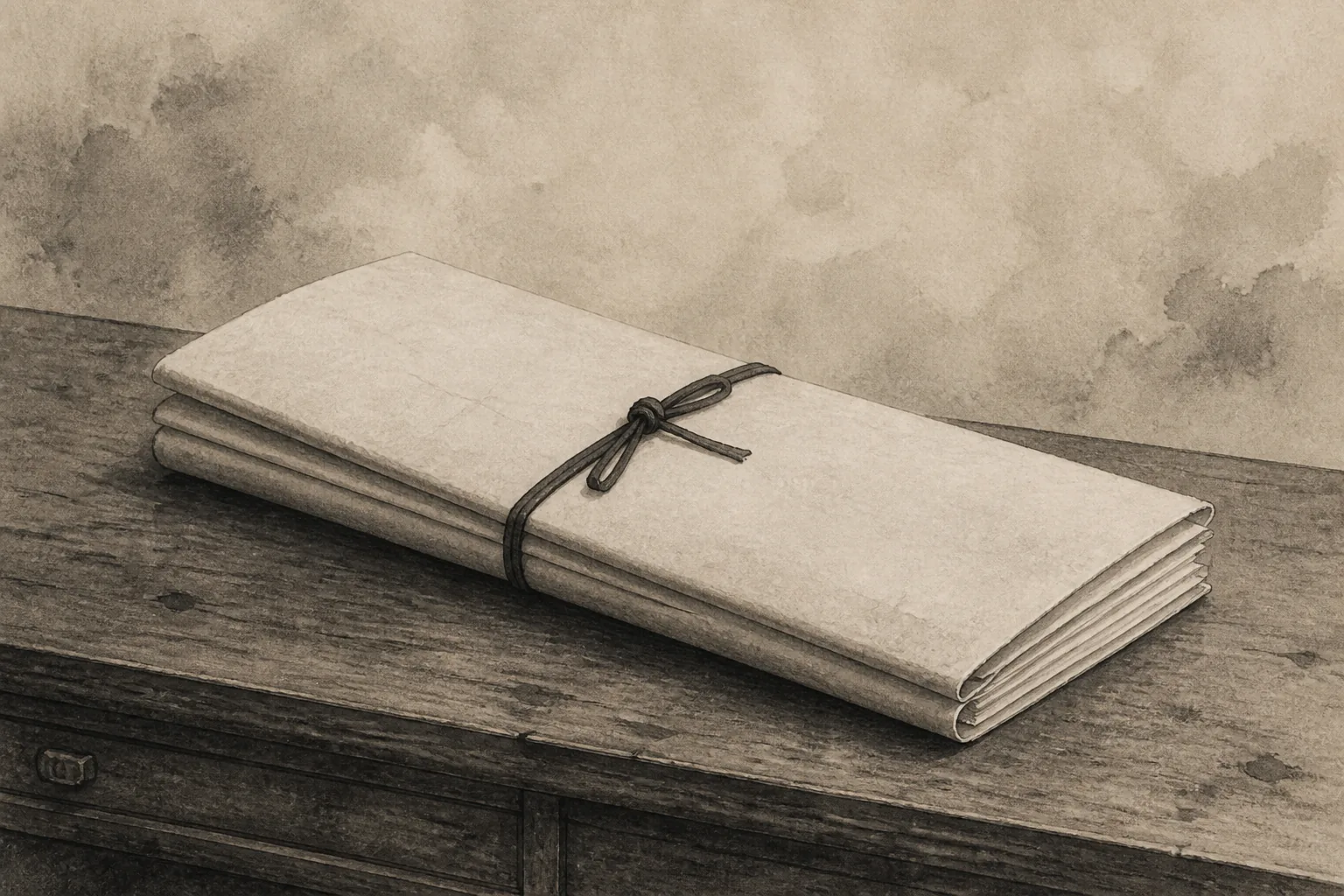
In 1867 Goto Shojiro recommended restoration of governing authority, and Tosa submitted a memorial in Yodo’s name to the bakufu. Drafts, the clean copy, envelope, seals, Goto’s recommendation, the text later called Senchu Hassaku, Tosa office copies, bakufu receipt records, and plans of Nijo Castle prevent Sakamoto Ryoma, Goto, Fukuoka Takachika, Yodo, and Tokugawa Yoshinobu from collapsing into one author. Submission on 3 October, Yoshinobu’s consultations and announcement, and court acceptance remain separate dates. Original, copy, later title, and political result are distinguished. Reading paths include Taisei Hokan, political documents, Nijo Castle, facsimiles, archival editions, and biography.
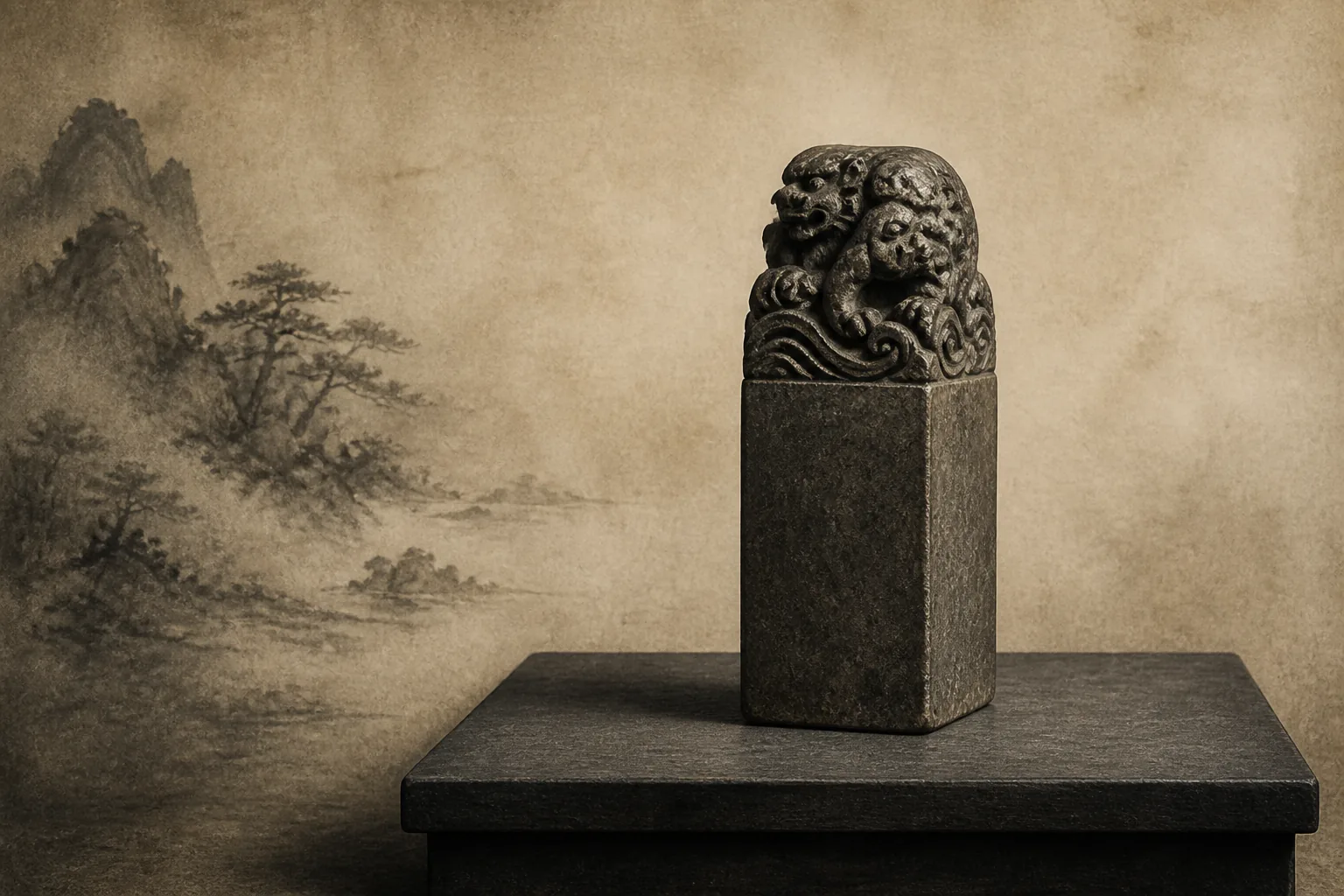
The Kochi Castle Museum of History has received a collection of Yodo’s name seals carved by many late-Edo and Meiji seal artists. Seals, impressions, calligraphy, Chinese poetry drafts, inkstones, brushes, Tosa flasks and cups, gift ledgers, storage boxes, inscriptions, and accession numbers make sobriquets, friendships, gift exchange, and drinking culture researchable. “Geikai Suiko” is not used as a universal explanation for changes in policy, and drinking-volume stories require their earliest witness. Pictured vessels are not claimed personal possessions. Reading and shopping paths can naturally lead to seal carving, calligraphy, Chinese poetry, Tosa ceramics, sake history, museum reproductions, and collection catalogs.
VISIT
Sakamoto Ryoma Memorial Museum · KochiOfficial information
An exhibition on the regions and people behind major late-Edo processions, including Yamauchi Toyonori's attendance journey, Princess Kazu's marriage procession, and Shogun Tokugawa Iemochi's journey to Kyoto.
Kochi Castle Museum of History · KochiOfficial information
An exhibition using Yamauchi family materials to trace the politics and society of Tosa and its emergence as a major Bakumatsu domain.
Search events related to Yodo Yamauchi →Browse all Bakumatsu events →