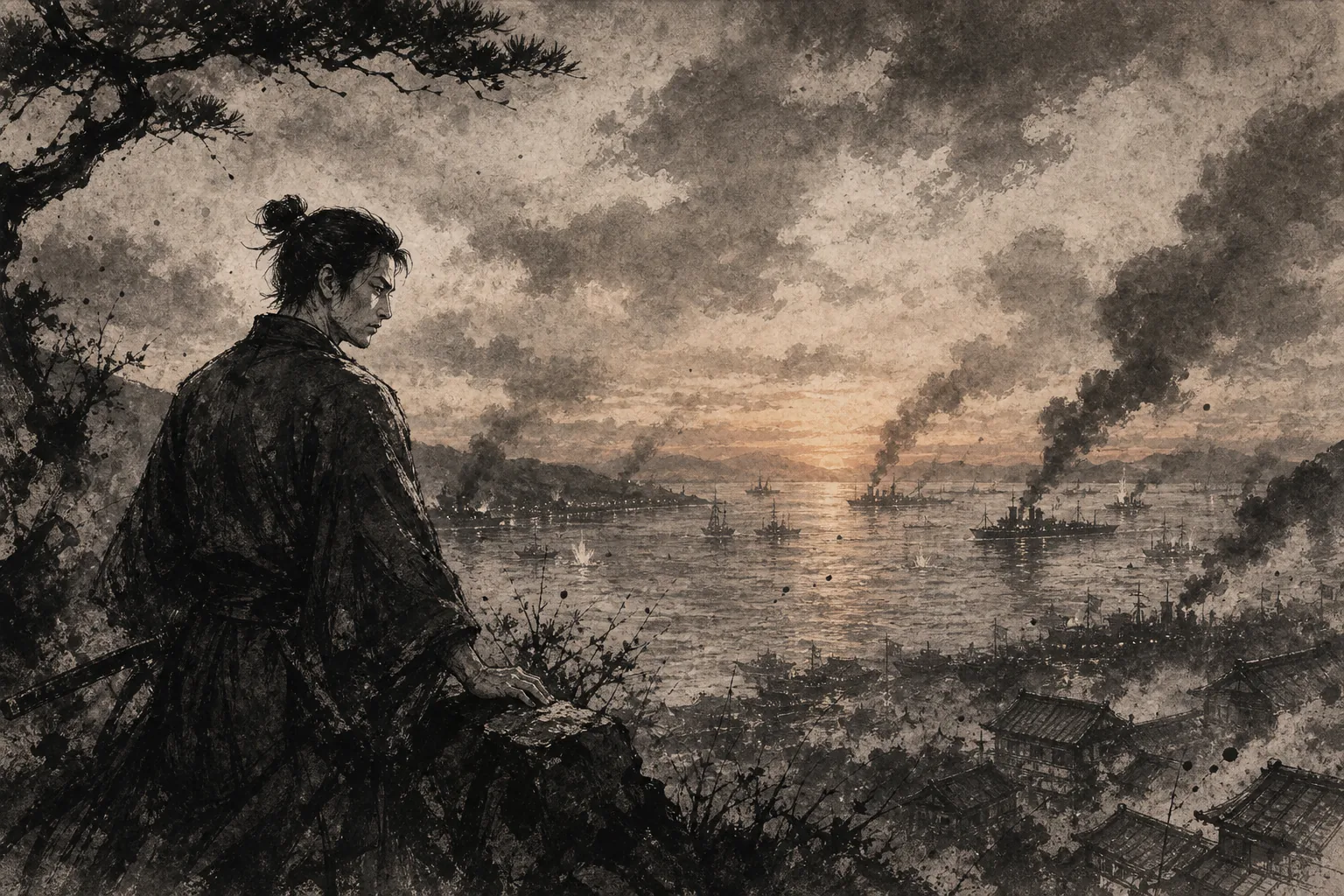
Ryoma Sakamoto · Tosa
Original
世の人は
Ryoma Sakamoto's tanka, "世の人はわれをなにともゆはばいへ". Read the original Japanese, modern translation, interpretation, and historical context as distinct parts of the poem.
Person
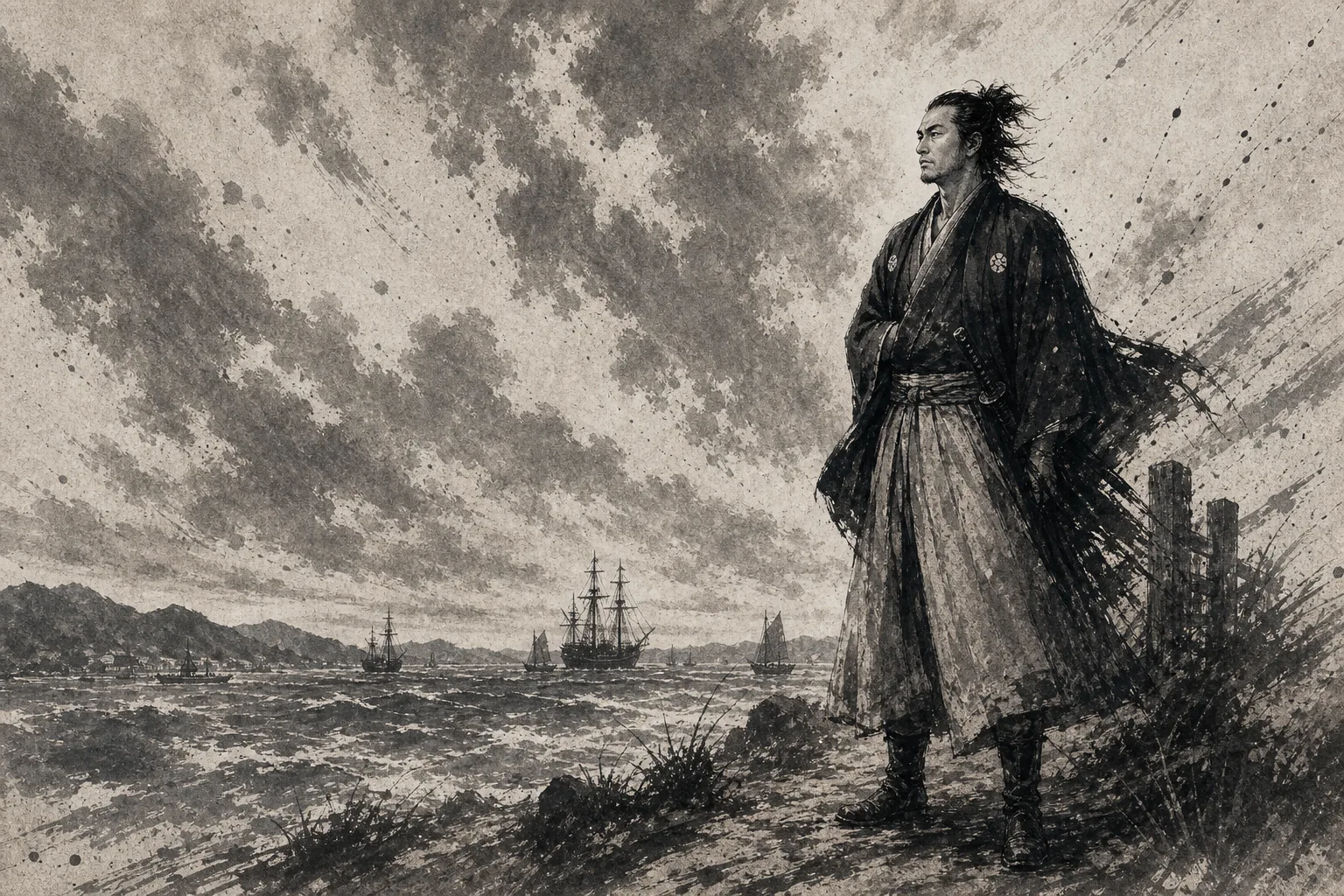
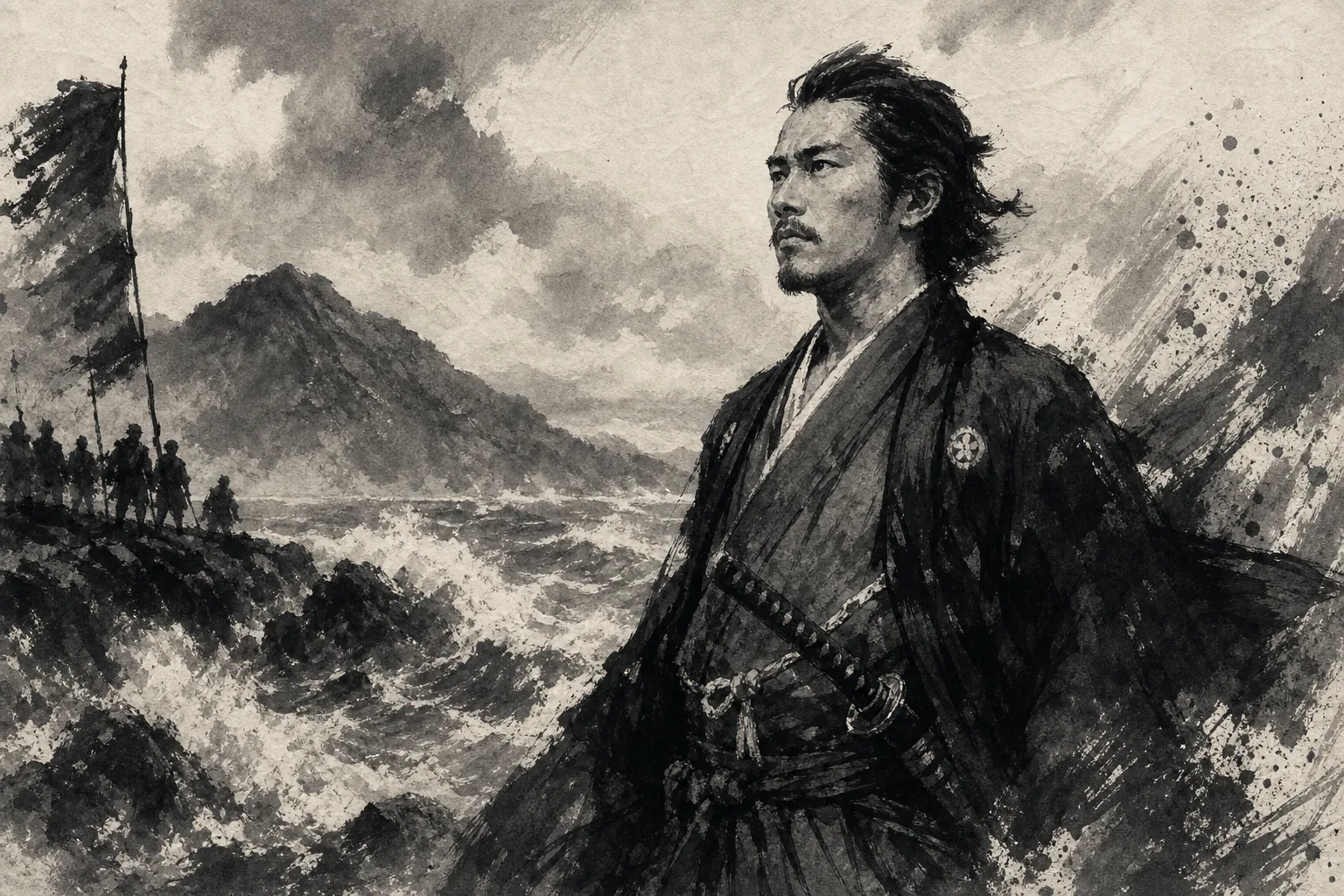
A Tosa-born reformer who formed the Kaientai and helped open the path toward restoration.
Learn about Sakamoto Ryoma
Translation
Let people say whatever they wish about me. I alone know the meaning of what I am trying to do.
Poetic Shape Tanka compresses feeling into five short movements, traditionally heard as a 5-7-5-7-7 rhythm. Its force is in the turn from image to emotion, and in what the poem leaves unsaid.
Reading
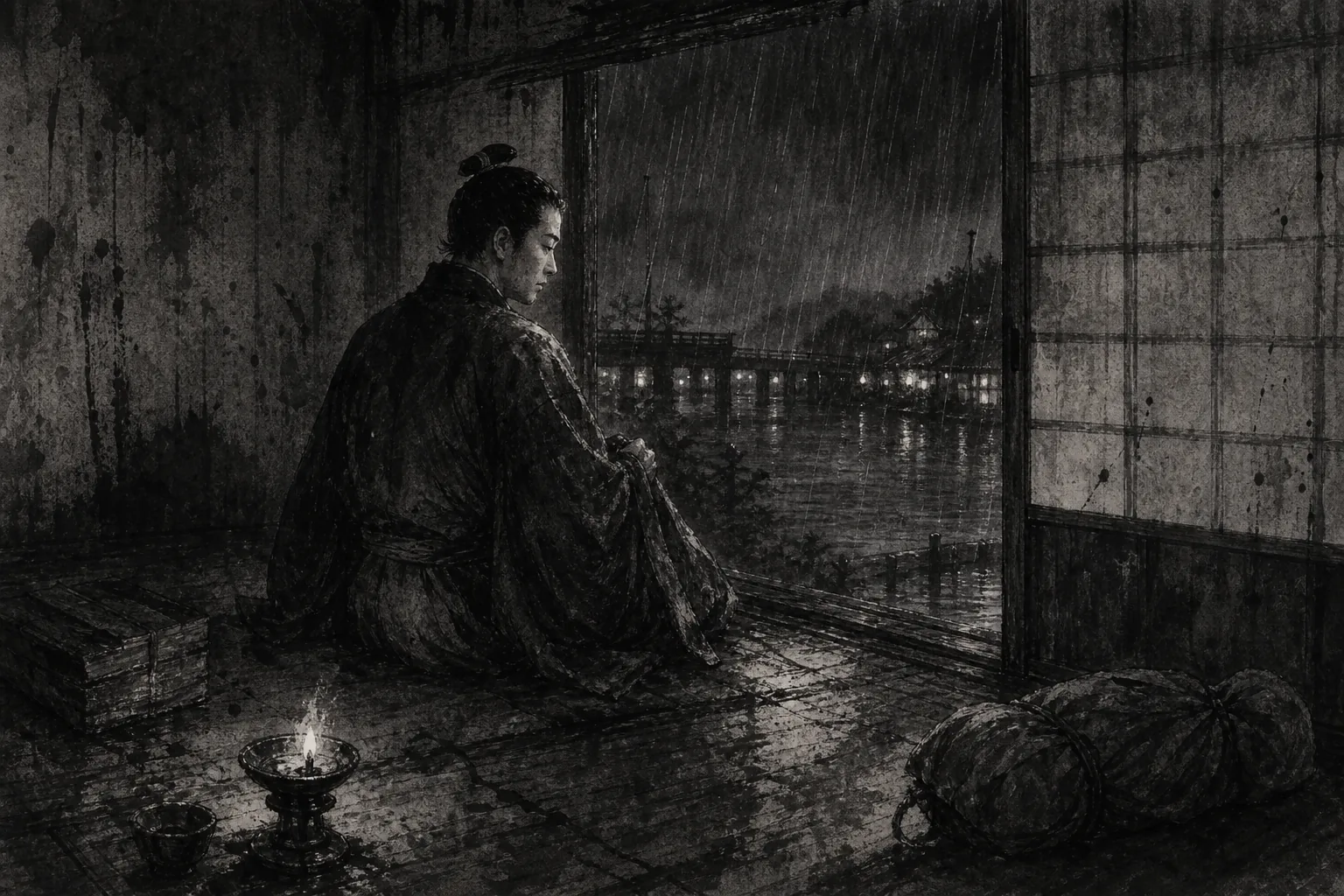
This poem contains the solitude of someone who has stepped outside public judgment.Let people say what they wish; only I know the meaning of what I am doing.Ryoma's freedom was not simple cheerfulness.To move beyond domain, status, and convention, he had to accept long periods of being misunderstood by almost everyone around him.
Background
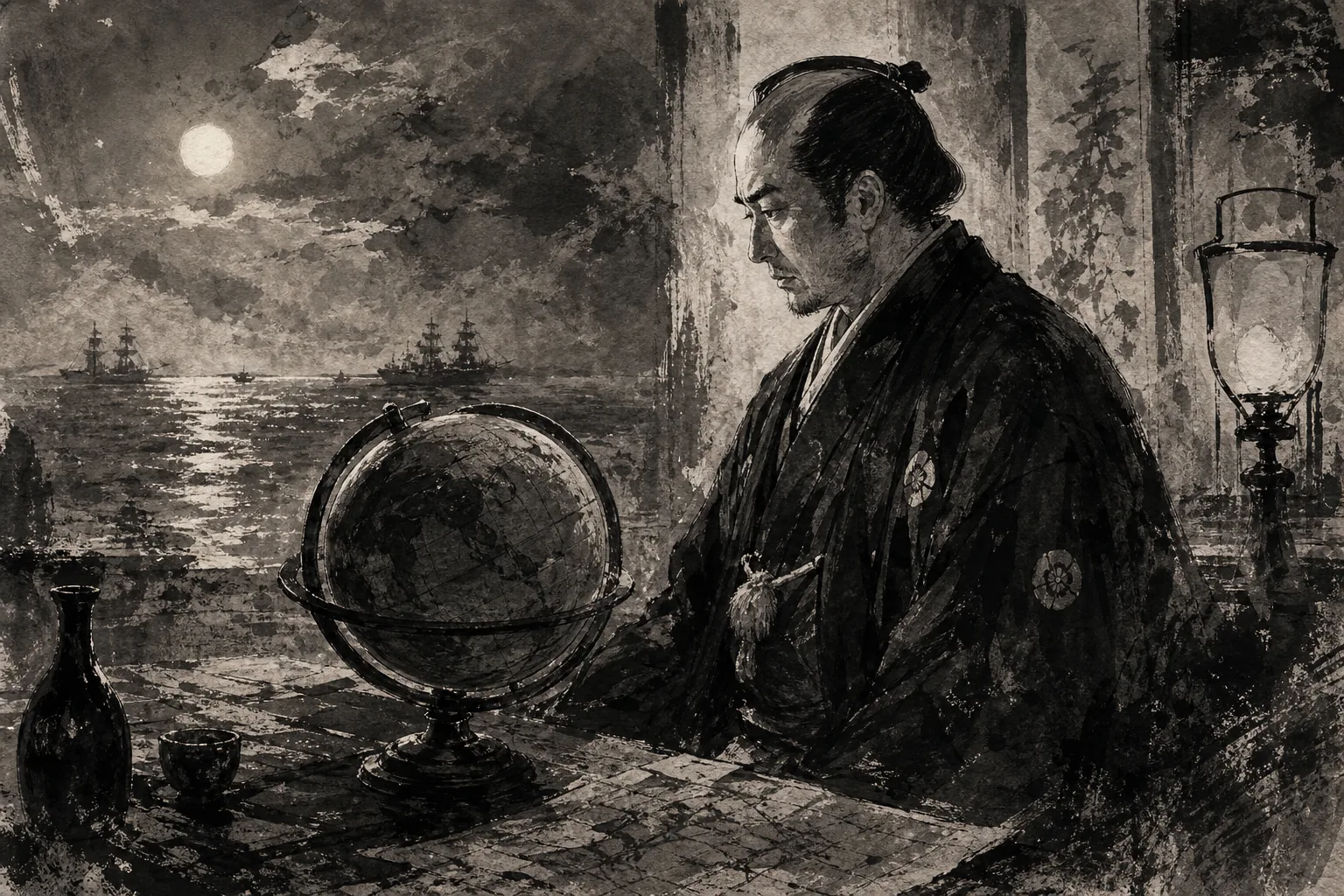
Sakamoto Ryoma left the Tosa domain, formed the Kaientai, and acted within the currents that led toward the Satsuma-Choshu Alliance and the return of political authority to the emperor.His view reached beyond the logic of any single domain and looked toward the sea and the wider world.That made his actions difficult for many contemporaries to understand.The poem resonates strongly with an image of Ryoma believing in his role outside reputation and misunderstanding.
Source / Transmission Wording varies by source; a related text appears in materials such as Cultural Heritage Online, "Eiso 2: Waka."
Further Reading
Find related books and places to stay For readers who want more historical context, these links search for related books on external stores.
Affiliate link