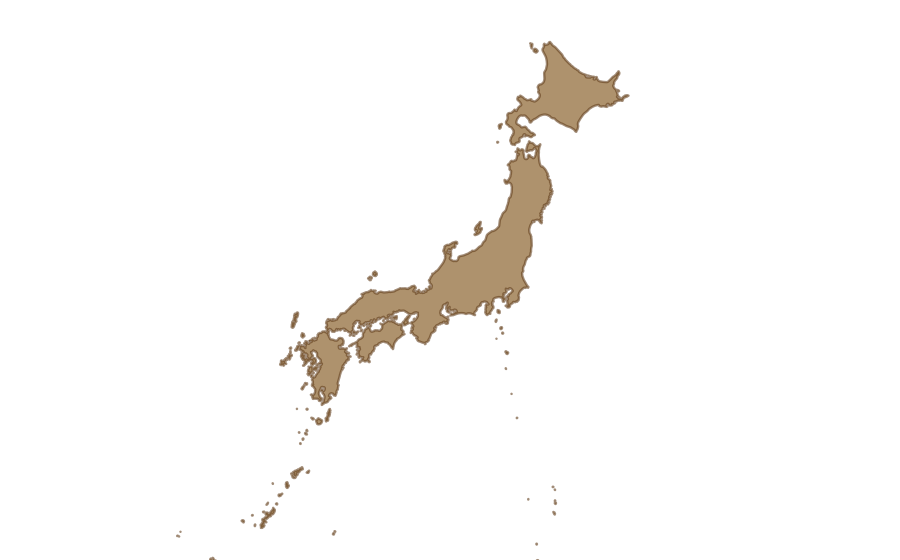
Hiyako, Hagi
Born into a Domain Physician's Household
Medical books and treatment tools surrounded his childhood before study at Koseikan.
Know the Person
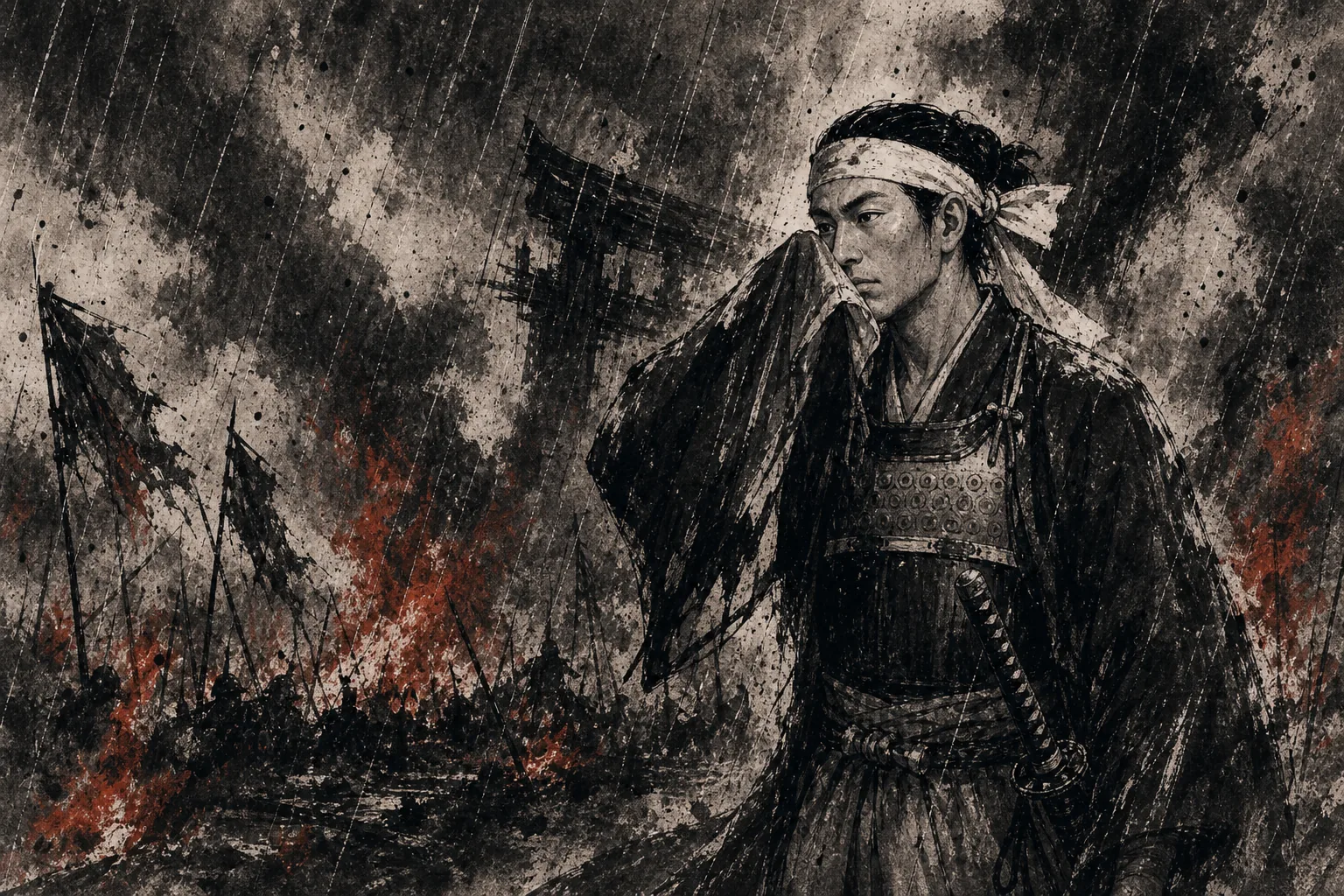
Kusaka Genzui was a young samurai of the Choshu Domain who studied under Yoshida Shoin. He helped move Choshu toward armed resistance against foreign powers and died during the Kinmon Incident in Kyoto. His writings, poems, journeys, and associated places reveal the choices that led from political argument to armed conflict.
Life
Hiyako, Hagi
Medical books and treatment tools surrounded his childhood before study at Koseikan.
Hagi and Kyushu
After successive family deaths, encounters with Gessei helped redirect his learning toward Shoin.
Hagi and Edo
Sonjuku and travel networks carried intense debate with his teacher, spouse, and associates.
Hagi and Edo
He fought Nagai Uta's policy and participated in burning the unfinished diplomatic compound.
Shimonoseki and Kyoto
He pressed Choshu to execute expulsion, contributing to attacks and foreign retaliation.
Hamaguri Gate and Takatsukasa residence
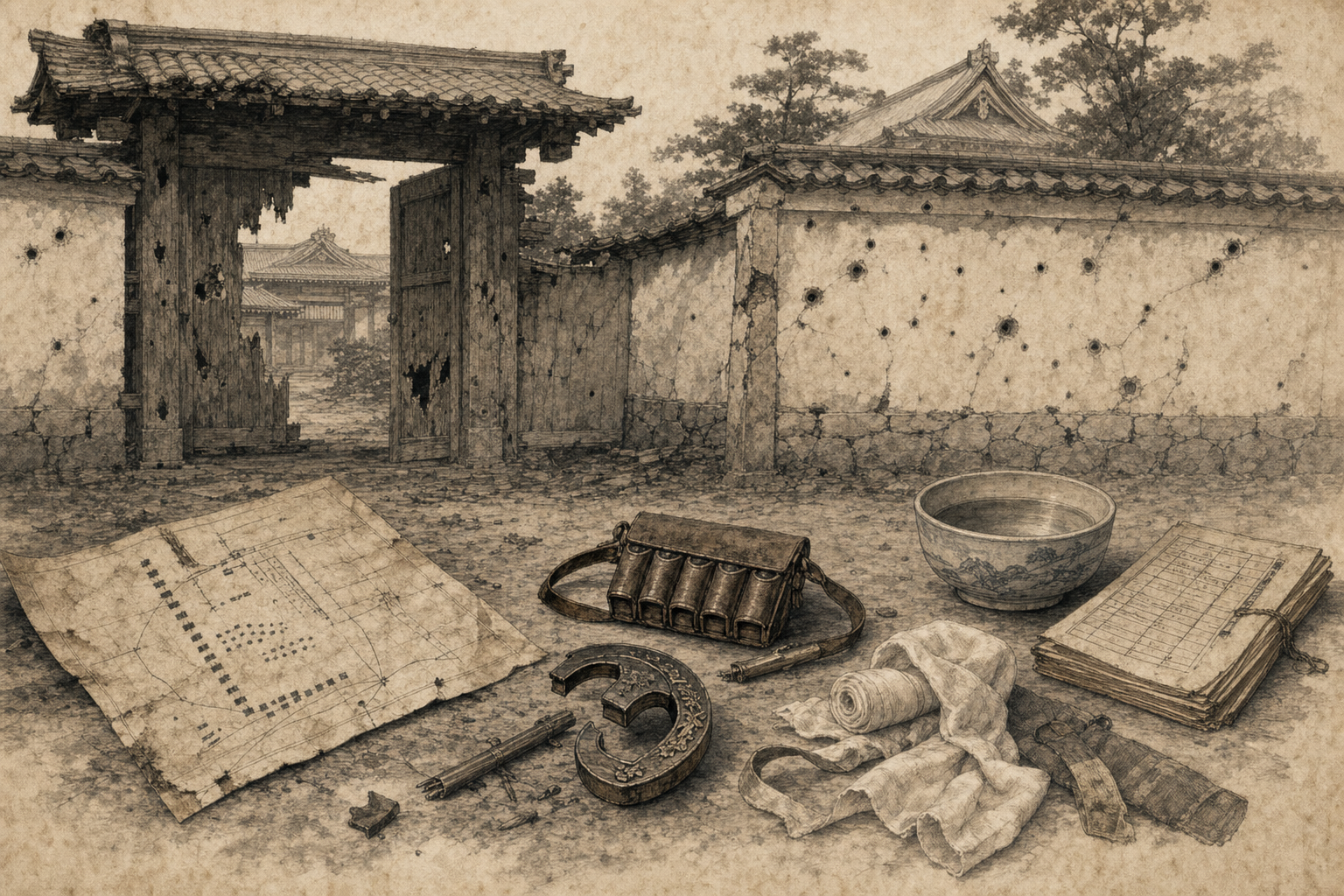
Wounded during Choshu's attempted Kyoto return, he took his life at twenty-five.
Hagi, Yamaguchi Prefecture
Connect the birthplace, Hagi Museum, and the former castle town around Koseikan to trace Kusaka's medical upbringing, letters, and life before Shoka Sonjuku.
Kusaka Genzui
AddressNear 537-2 Hiyako-machi, Hagi, Yamaguchi Prefecture
Nearby
Shimonoseki, Yamaguchi Prefecture
The temple, batteries, and shipping lanes of the Kanmon Strait show how the attempt to expel foreign powers led to attacks and retaliation.
Kusaka Genzui
Address1-7-10 Hosoe-cho, Shimonoseki, Yamaguchi Prefecture
Nearby
Kyoto
The gate and the former courtier residences reveal the Choshu advance, the fighting around the Imperial Palace, and the Takatsukasa residence where Kusaka died.
Kusaka Genzui
AddressKyoto Gyoen National Garden, Kamigyo Ward, Kyoto
Nearby
Keys
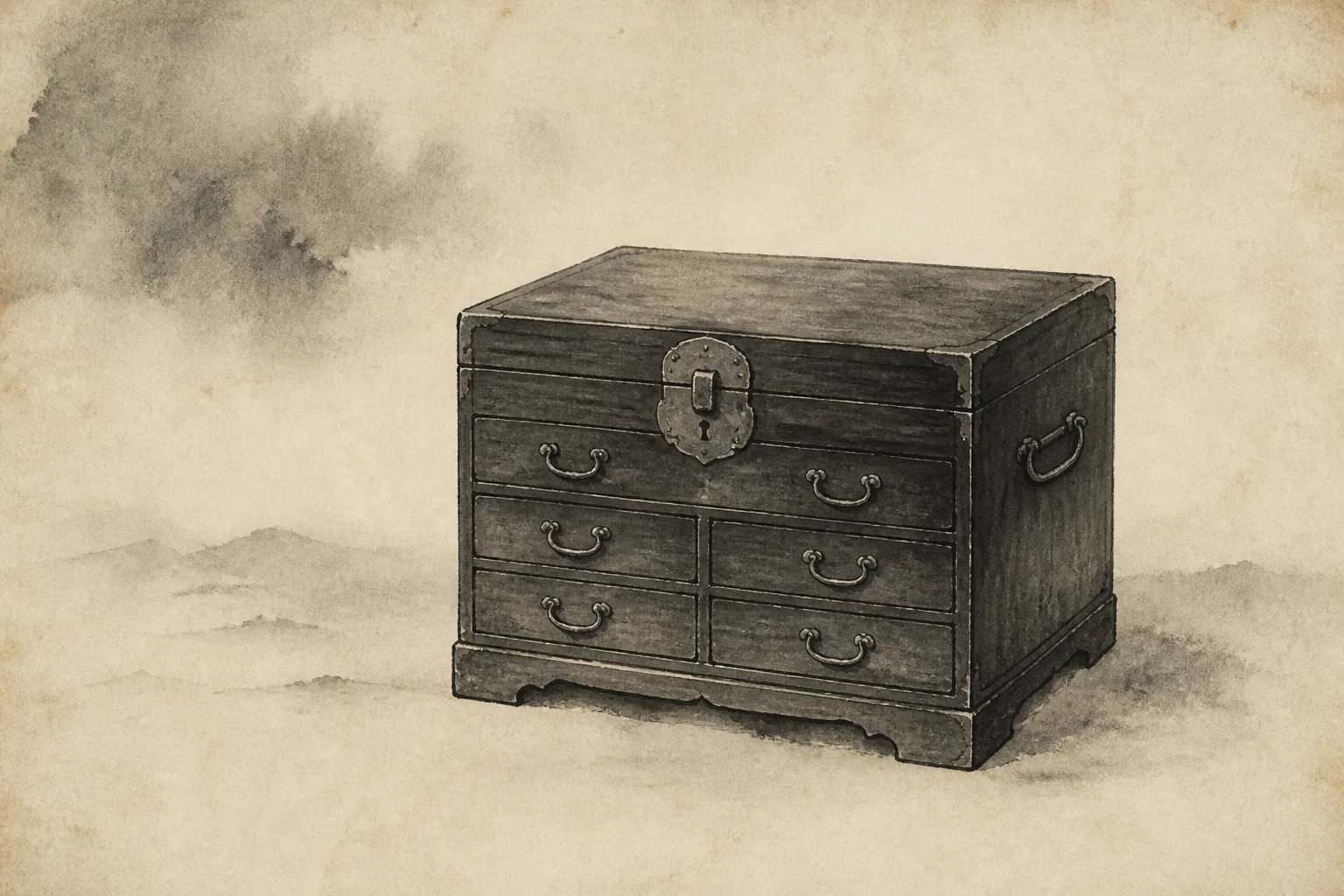
Genzui was born in Hiyako, Hagi, as the third son of domain physician Kusaka Ryoteki and studied at the domain medical school Koseikan. Medical books, herb drawers, mortar, bottles, smallpox vaccination tools, and patient notes locate the household in professional care rather than abstract scholarship. His elder brother Genki, not Genzui himself, had served as head student at Ogata Koan's Tekijuku. After his mother, brother, and father died in succession, the adolescent Genzui inherited the household. Its books and instruments became both an educational foundation and evidence of responsibility assumed early.
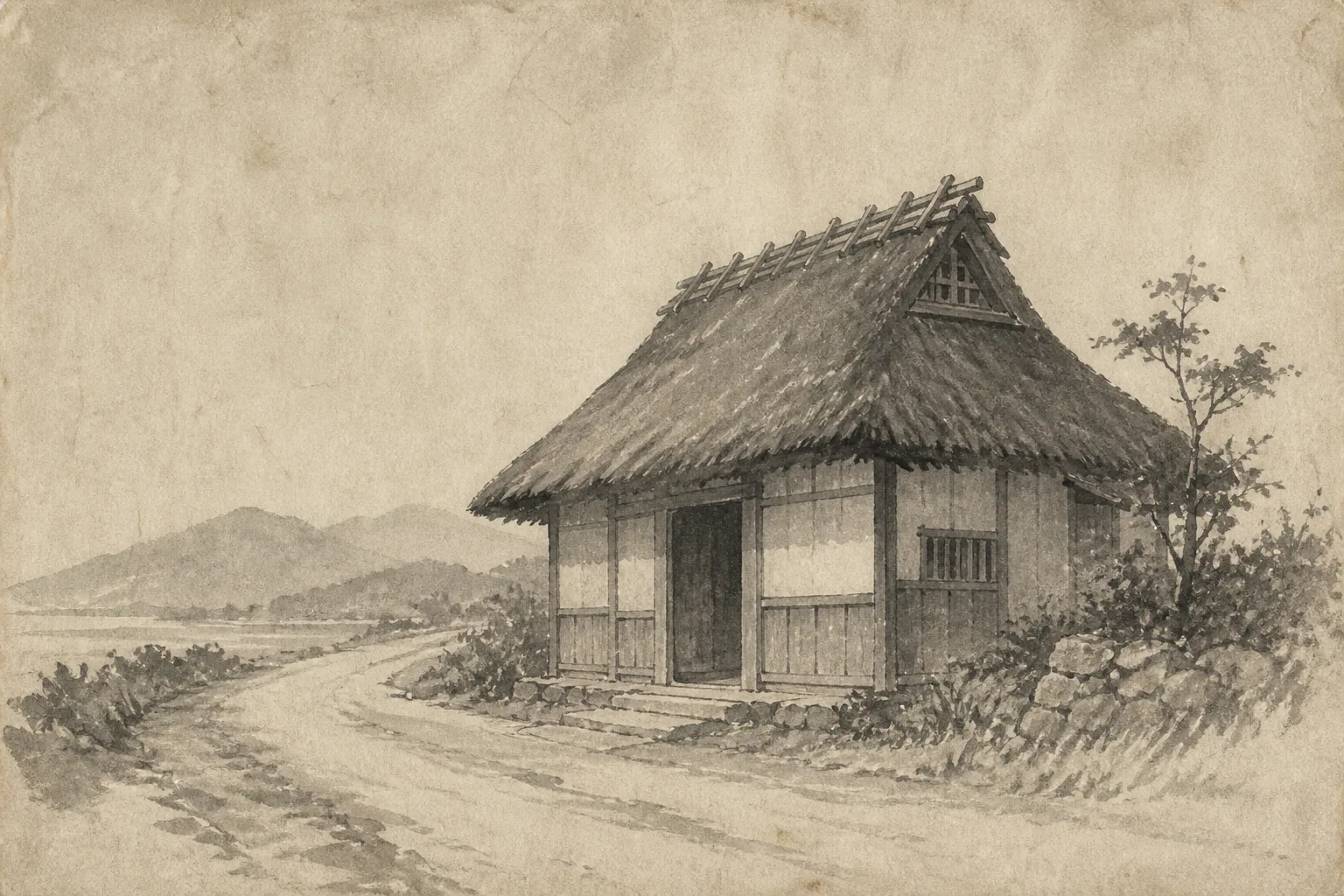
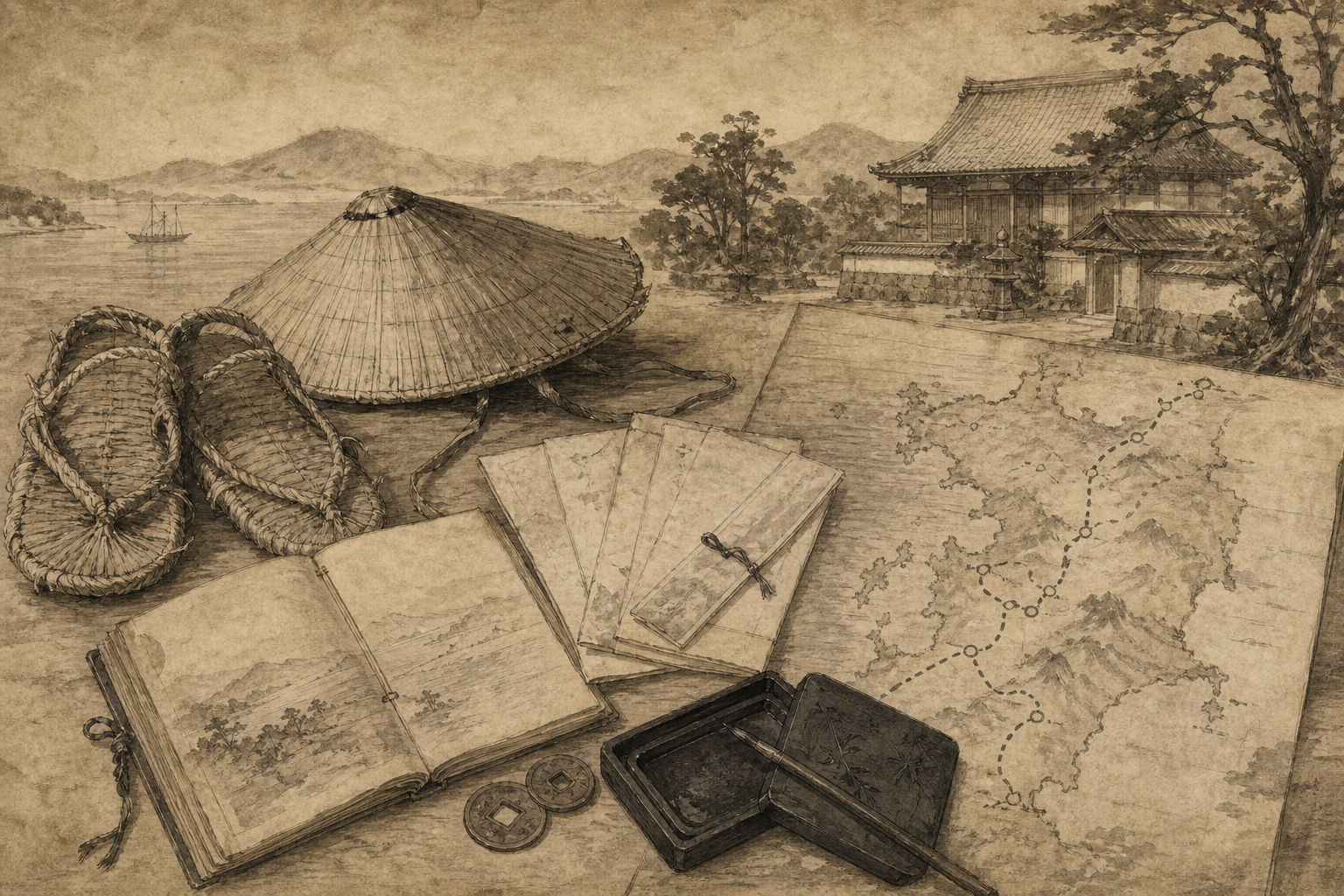
During a Kyushu journey, Kusaka visited regional scholars and encountered the loyalist-expulsionist thinking of the monk Gessei. Straw sandals, travel hat, route diary, letters of introduction, portable inkstone, ferry tokens, a map from Choshu into northern Kyushu, and Gessei's Seikyo Sodo show ideas depending on fares, lodging, boats, introductions, and face-to-face dispute. Gessei encouraged him toward Yoshida Shoin and Shoka Sonjuku. The journey connected an expected future in a medical household to a new field of political learning about the court, shogunate, and foreign powers.
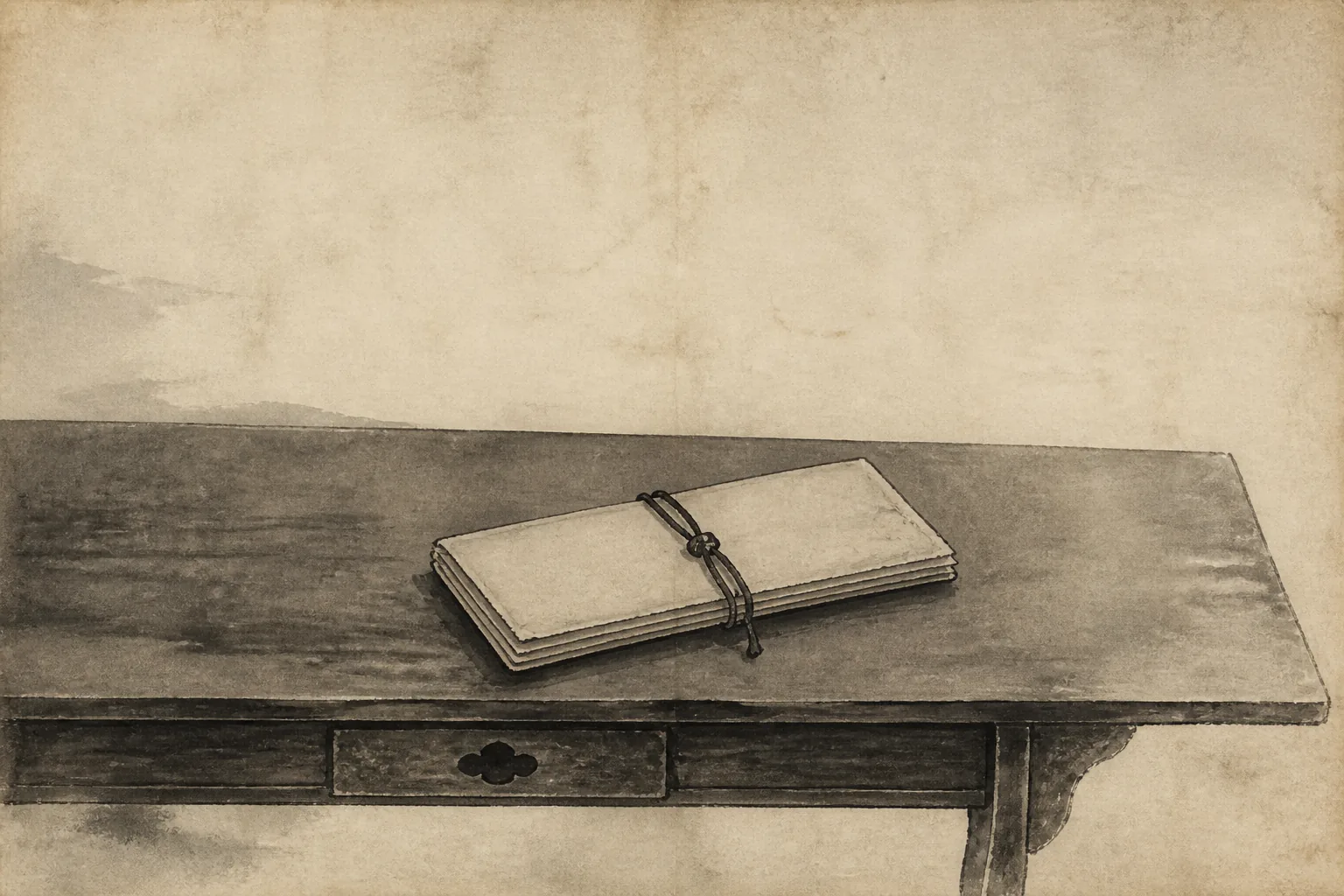
In Shoka Sonjuku's eight-tatami room, low desks, oil lamp, Chinese classics, maps, and brushes supported discussion across status lines. Kusaka pressed a forceful expulsionist case in letters to Shoin, who answered with deliberate resistance that made the pupil refine his claims. Kusaka married Shoin's sister Fumi but spent long periods traveling and organizing away from home. Letters later gathered in Ruishucho preserve not a polished romance or quotation book but the practical distance between spouses: money, health, household news, attachment, and political resolve carried by folded paper.
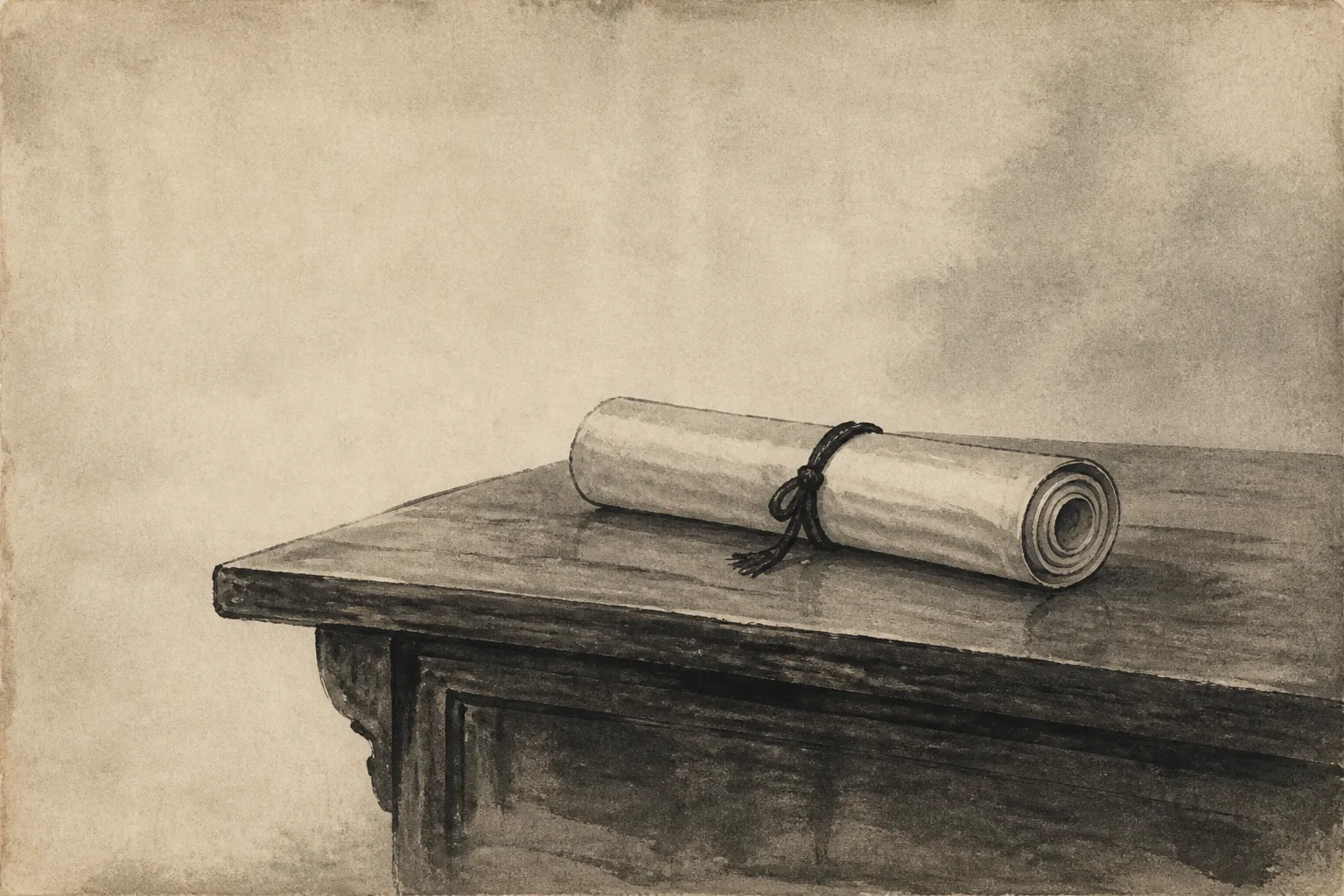
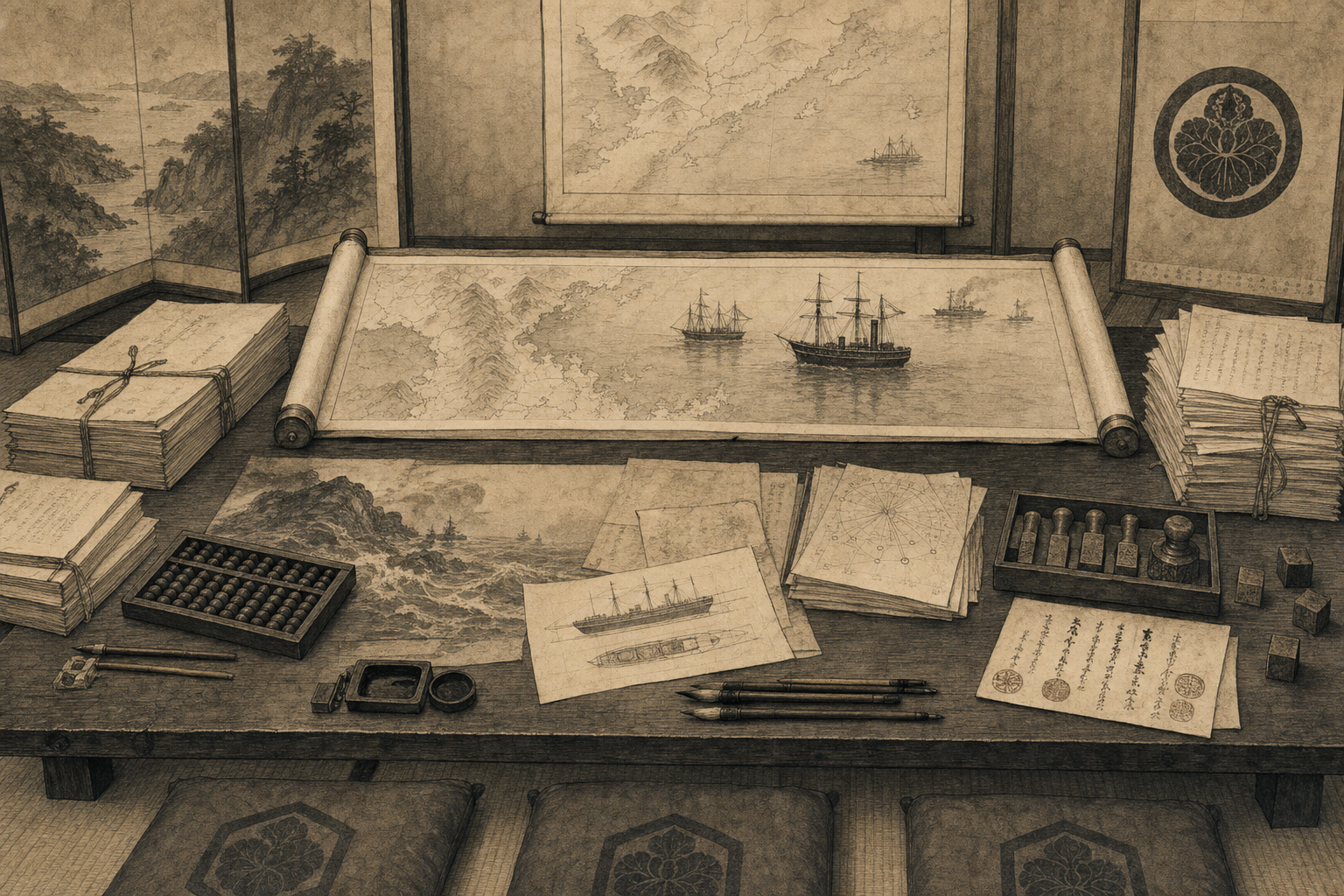
Nagai Uta's Kokai Enryakusaku proposed court-shogunate cooperation, acceptance of opening, and eventual overseas advance. Maritime maps, foreign-ship plans, policy scroll, seals, abacus, and council minutes face Kusaka's repeated opposition petition demanding loyalist expulsion and rejection of treaties made without imperial approval. The issue was not courage against cowardice but a conflict between accumulating strength within the treaty order and refusing its legitimacy. Through petitions, correspondence, allies, and court lobbying, Kusaka helped push Choshu's decision-making toward a more radical and immediately confrontational policy.
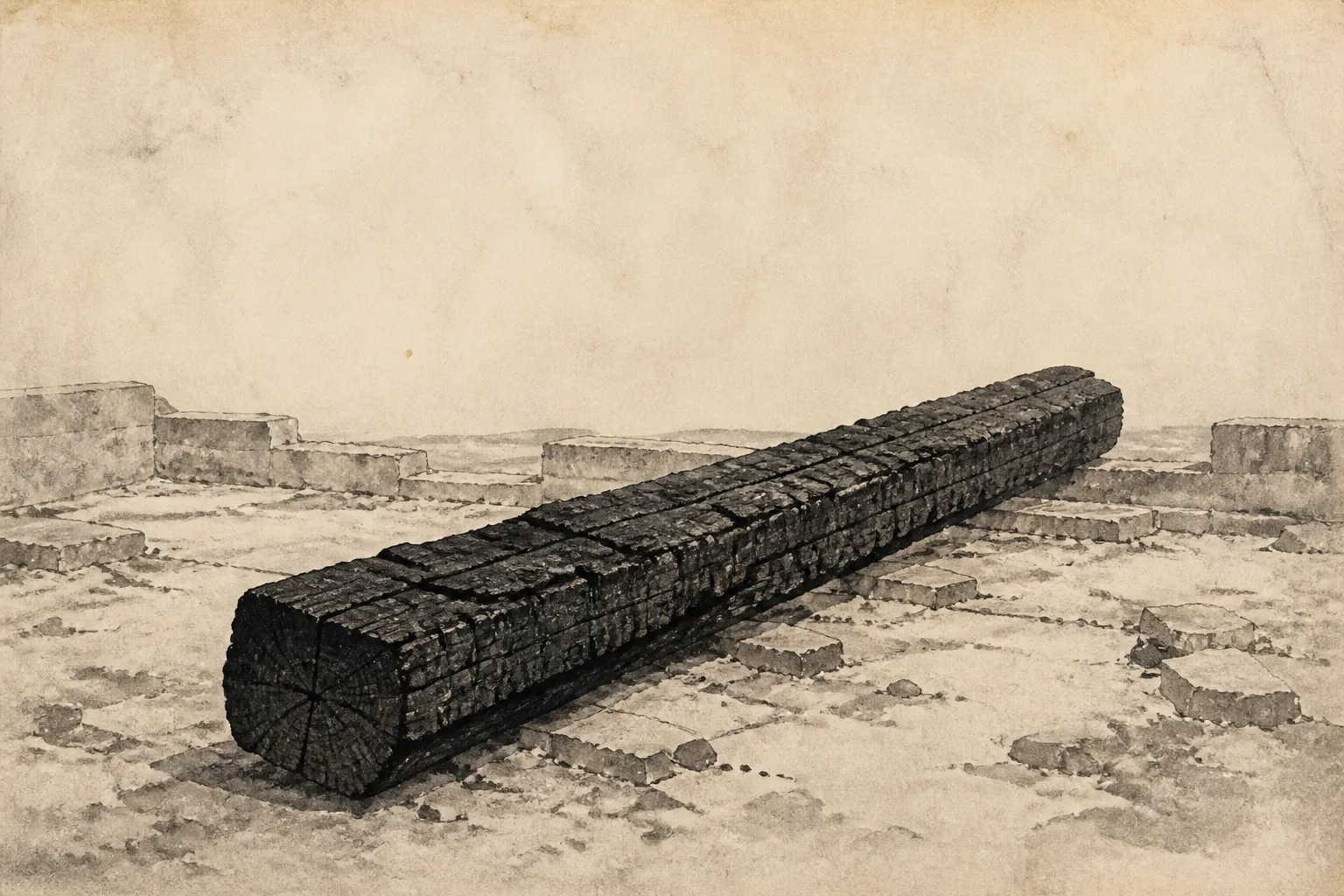
In 1862 Choshu activists including Kusaka participated in burning the unfinished British legation at Gotenyama. In 1863 he organized the Komyoji group at Shimonoseki and joined attacks on foreign vessels passing the strait. Legation timber and plans, a fire-damage view, cannon carriage, shot crate, powder tools, telescope, range diagram, and ship route make the targets and mechanisms visible. Attempted expulsion had moved from protest into attacks on a diplomatic building and maritime traffic. Foreign retaliation and danger to the route followed, consequences obscured when the episodes are praised only as energetic action.
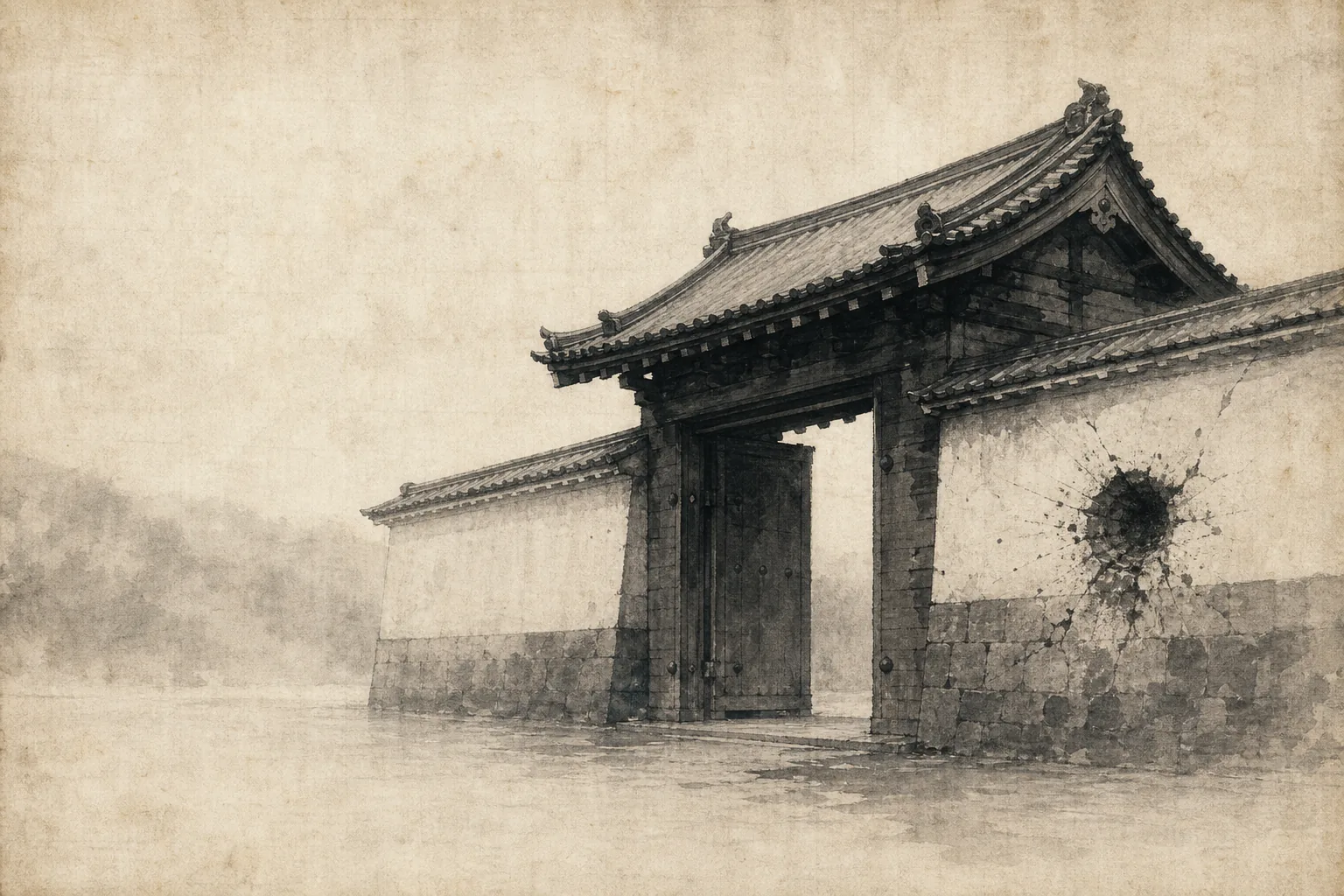
After Choshu was expelled from Kyoto in the political change of 18 August, domain forces returned seeking restored standing and pardon for their lords. The 1864 Kinmon Incident brought combat around the Imperial Palace and damage to gates and the courtier district. Bullet-marked walls, a formation map, ammunition pouch, broken fittings, bandages, water bowl, and casualty record show political urgency turning into an urban military defeat. Wounded and unable to withdraw, Kusaka died by suicide at the Takatsukasa residence. His death at twenty-five belongs to the consequences of the decision, not only to a heroic final scene.
VISIT
Search events related to Genzui Kusaka →Browse all Bakumatsu events →