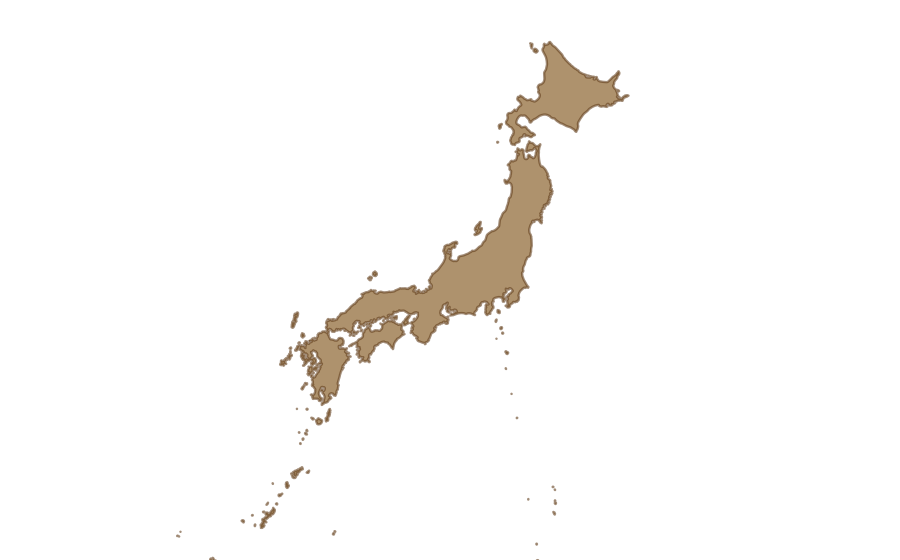
Kiyokawa village, Dewa
Born beside a River-Transport Junction
He grew up in the Saito household near a checkpoint, landing, and moving cargo.
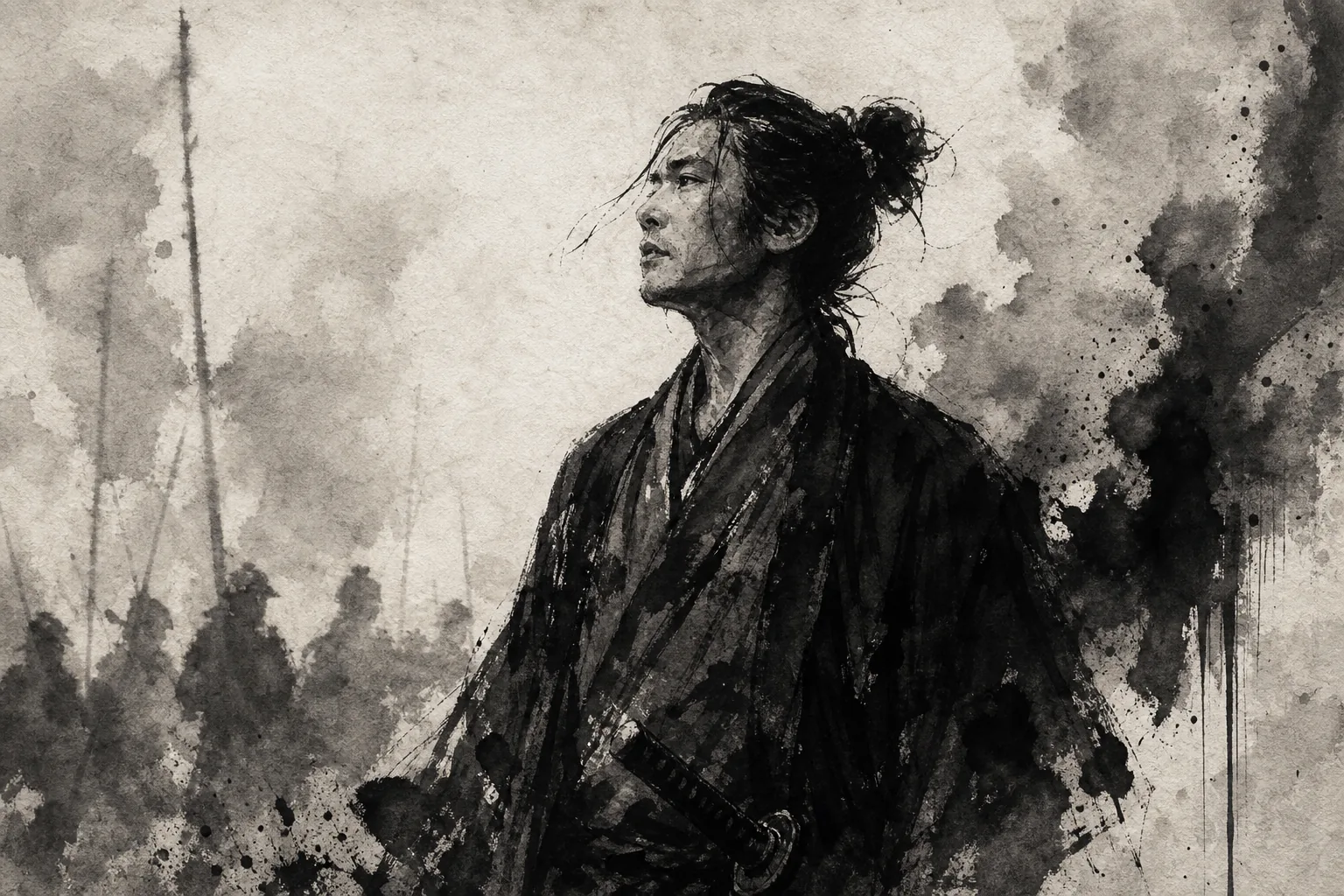
Know the Person
Follow Kiyokawa Hachiro through infrastructure and records rather than the single label of political schemer: river transport and a checkpoint at Kiyokawa village, practice gear at Genbukan and desks in the Kiyokawa school, the travel equipment behind Seiyu Kiji, a Torao Society covenant and Oren's prison keepsakes, the Three Urgent Measures and Roshigumi lodging lists, and physical evidence at Azabu Ichinohashi. His ability to learn, write, recruit, and move people opened a new political path, but it also exposed followers and family to grave costs.
Life
Kiyokawa village, Dewa
He grew up in the Saito household near a checkpoint, landing, and moving cargo.
Edo and Kyushu
Genbukan training and the Seiyu Kiji journey widened both discipline and regional knowledge.
Kanda, Edo
Private teaching built a network that turned toward organized loyalist action after 1860.
Flight and Edo
After Oren died in prison, his proposal for ronin recruitment gained shogunate approval.
Edo to Shintokuji, Kyoto
The split between returnees and stay-behinds led toward the Shinchogumi and Shinsengumi.
Azabu Ichinohashi, Edo
His redirected political project made him a target; he was killed near Ichinohashi at thirty-four.
山形県庄内町
記念館の自筆資料と、関所・舟着場・生家跡を歩き、清河の出発点を物流と地域社会から見る。
清河八郎
Address山形県東田川郡庄内町清川字上川原37
Nearby
東京都千代田区
剣術と儒学、私塾経営、人脈形成が重なった江戸の学習環境を街路からたどる。
清河八郎
Address東京都千代田区神田東松下町周辺
Nearby
京都府京都市
上京した浪士が集められ、江戸帰還組と京都残留組に分かれた壬生の現場をたどる。
清河八郎
Address京都府京都市中京区壬生賀陽御所町48周辺
Nearby
Keys
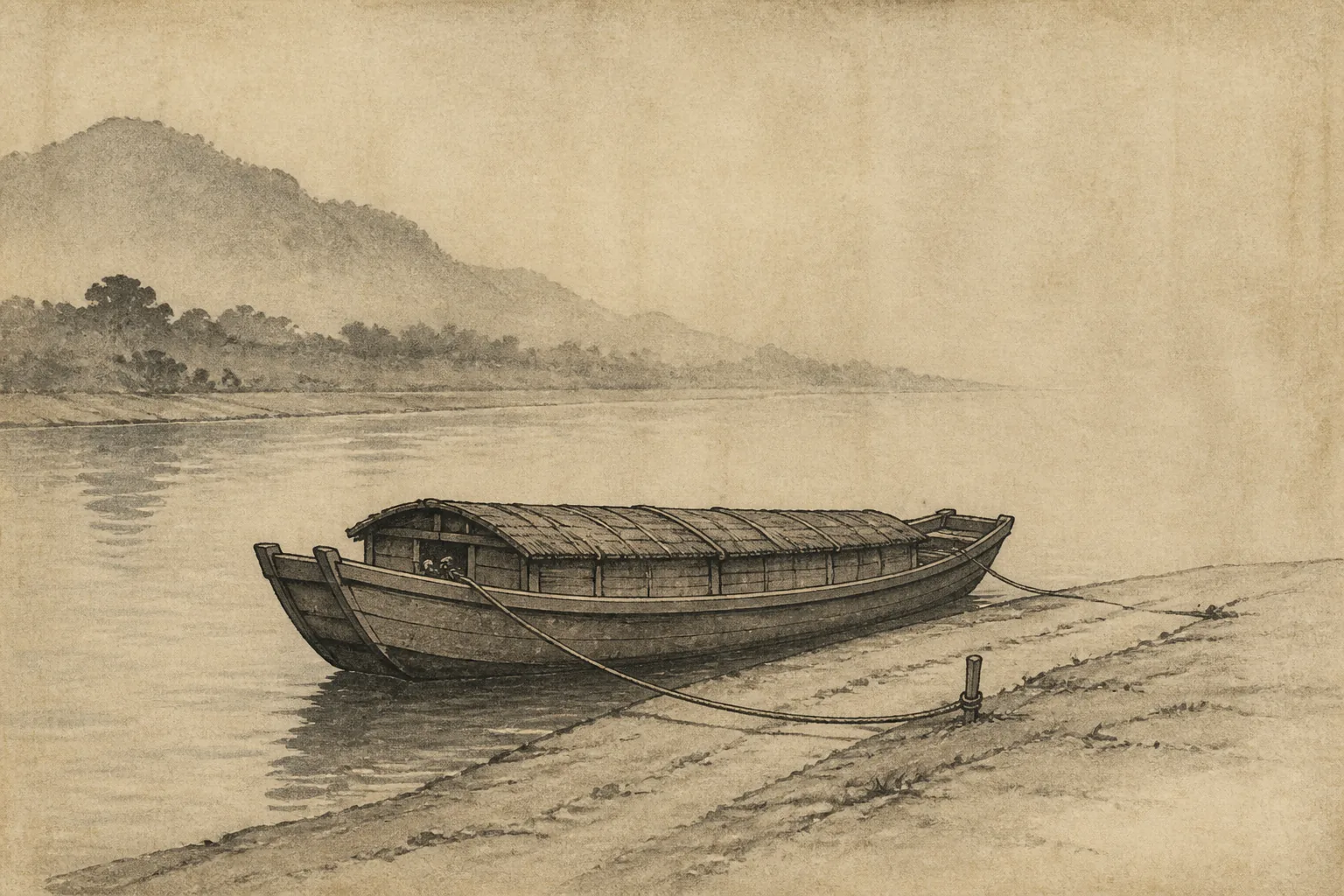
Kiyokawa village stood where Mogami River transport met an overland route. Boats, rice bales, merchants, travelers, and checkpoint inspections brought movement into a snow-country settlement. A household accounting corner, abacus, cargo tags, warehouses, and landing reveal that Hachiro grew up near information arriving with people and goods, not in an isolated rural world. This material geography helps explain his later confidence in nationwide travel and networking. Visitors can compare the manuscripts in the memorial museum with the checkpoint, landing, shrine, and birthplace site in one walk.
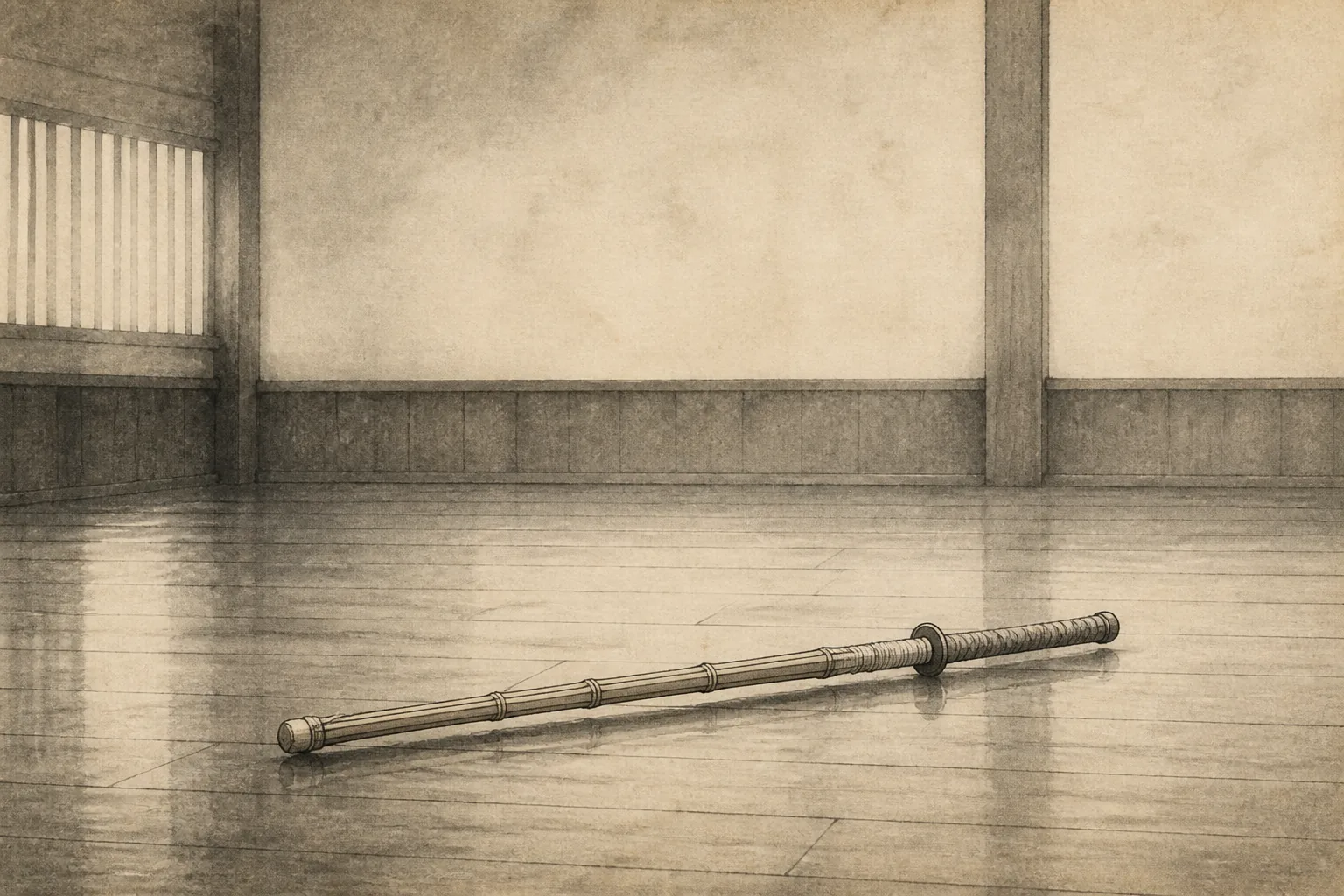
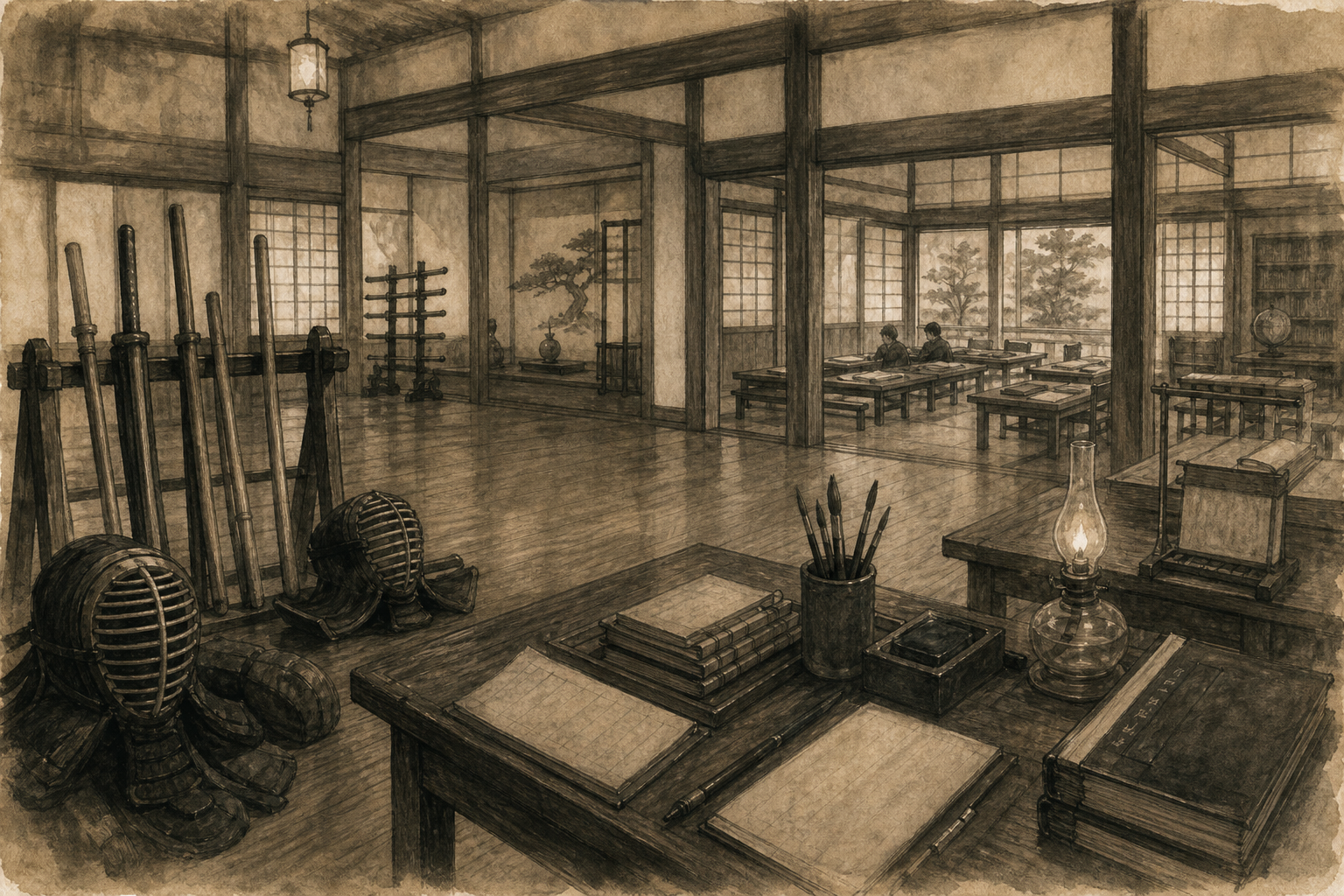
In Edo, Kiyokawa studied under Tojo Ichido and Asaka Gonsai and trained in Hokushin Itto-ryu at Chiba Shusaku's Genbukan. Bamboo swords, armor, racks, low desks, brushes, Chinese classics, and attendance books show repetition rather than effortless brilliance. He later opened the Kiyokawa school in Kanda, becoming responsible for teaching, attracting pupils, and maintaining a place. The school was both an intellectual room and practical training in gathering people, exchanging information, and sustaining an organization.
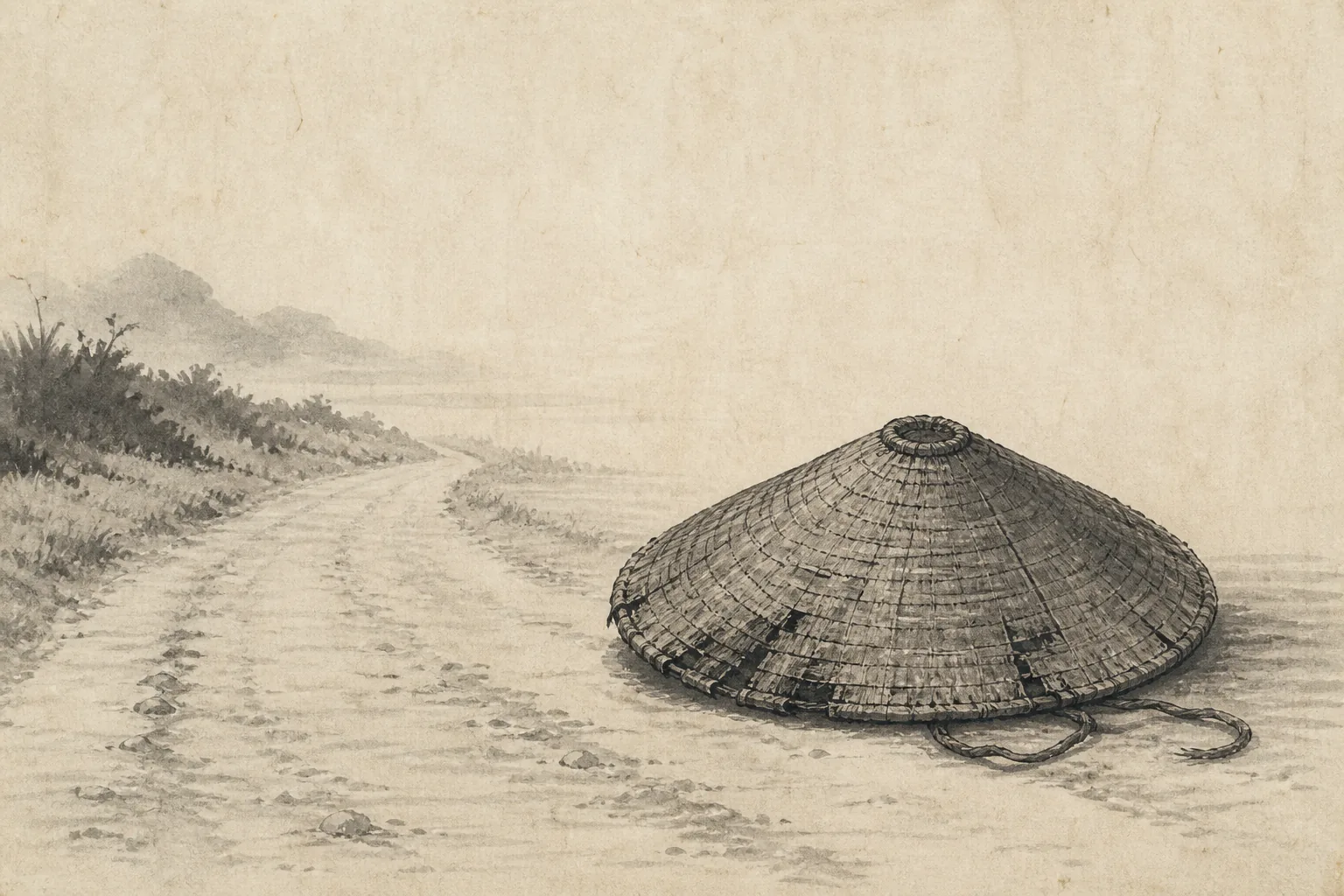
Kiyokawa traveled through Kyushu for more than two months and recorded the experience in Seiyu Kiji. Straw sandals, hat, rain cape, portable inkstone, route maps, ferry tokens, lodging slips, and notebooks show travel as an arrangement of weather, roads, introductions, fares, and shelter. He observed places including Nagasaki and compared regional worlds of trade, learning, and politics. Writing while moving turned encounters and routes into usable memory. That bodily knowledge later mattered when he connected activists and planned the movement of a large group across the highway to Kyoto.
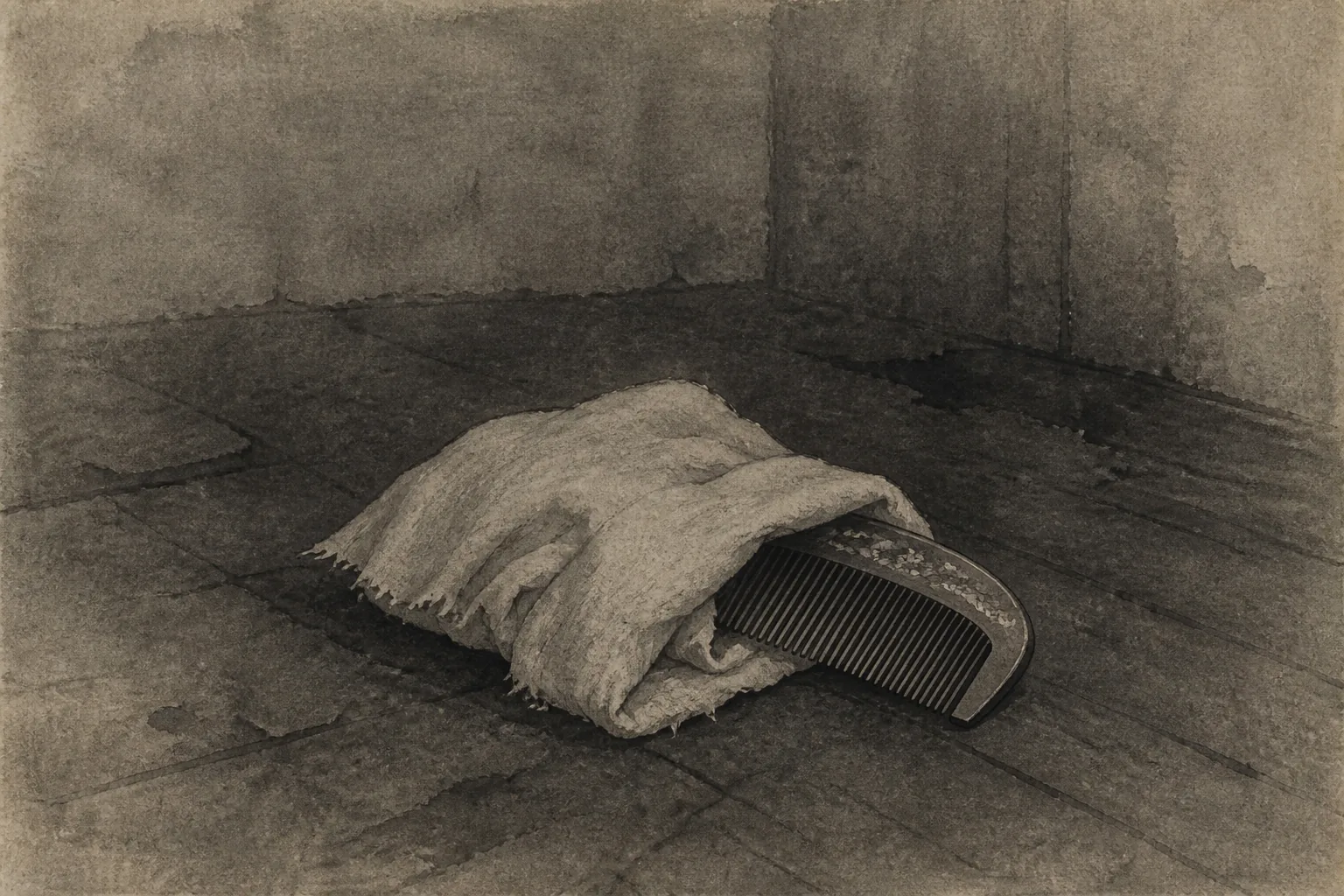
After the Sakuradamon Incident, Kiyokawa and associates including Yamaoka Tesshu formed the Torao Society for loyalist and expulsionist action. A covenant, roster, sealed correspondence, brushes, and a shuttered lamp represent trust maintained through secrecy. When an associate's violence put Kiyokawa under pursuit, his wife Oren, his brother, and others were imprisoned through collective implication; Oren died in confinement. A comb and hairpin in a prison parcel make visible how political commitment transferred danger from an activist to people around him.
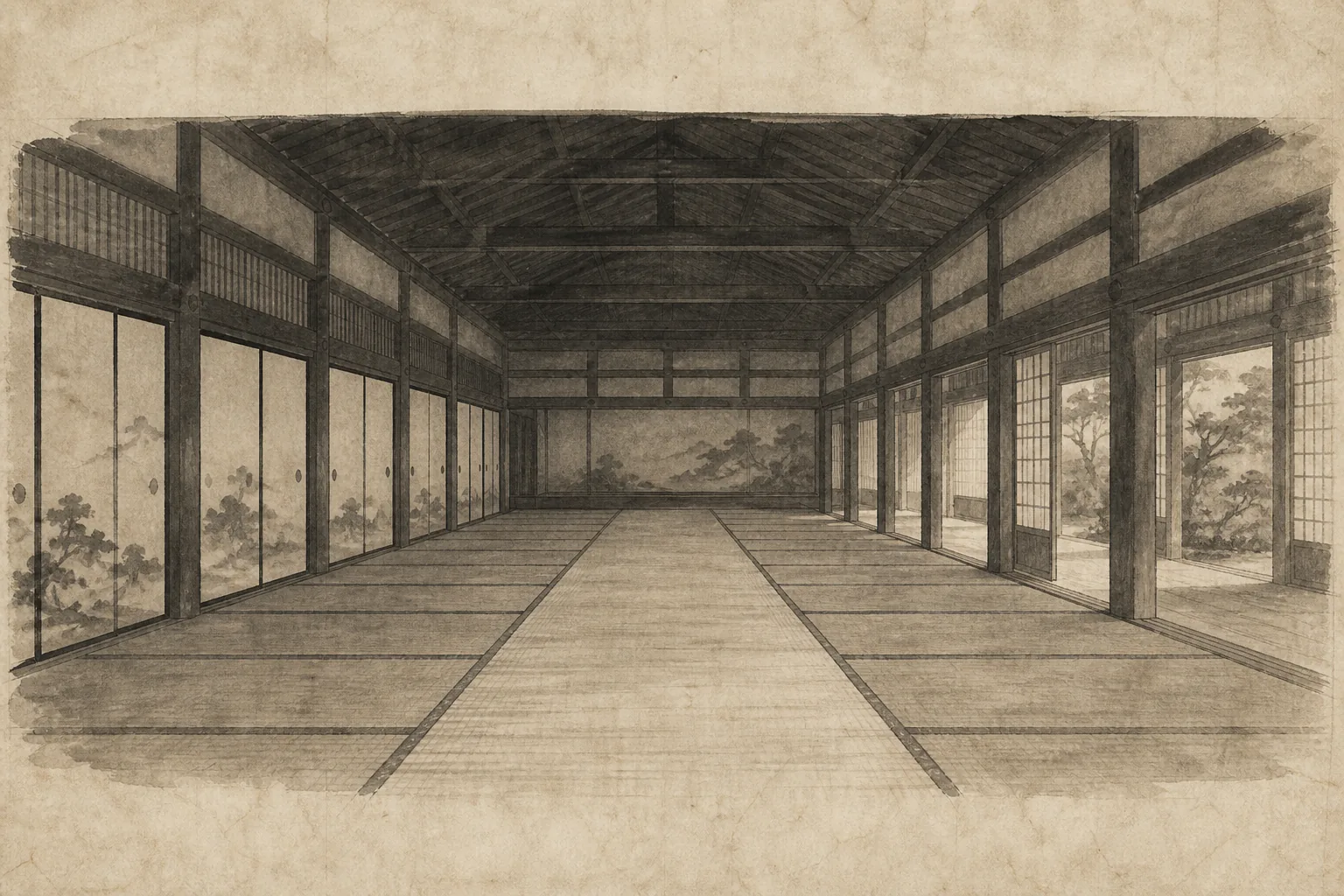
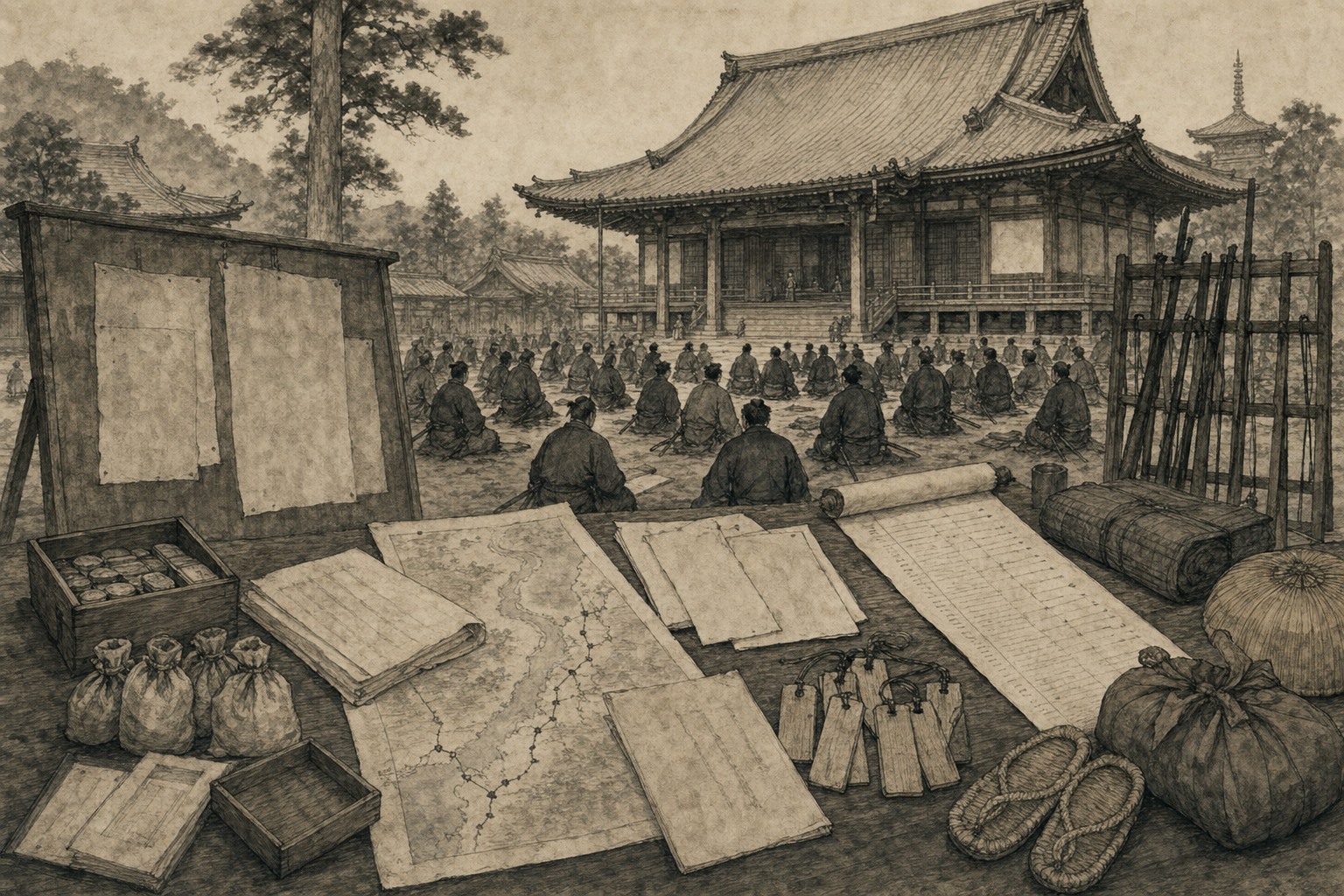
The shogunate adopted Kiyokawa's Three Urgent Measures and recruited the Roshigumi under the stated purpose of guarding the shogun's Kyoto journey. The petition, a long roster, allowances, road map, lodging allocations, sandals, and baggage tags expose the administration required to move more than two hundred ronin. At Shintokuji he declared a loyalist purpose and pressed for return to Edo. Kondo Isami, Serizawa Kamo, and others stayed in Kyoto, forming the Mibu group that became the Shinsengumi; returnees fed into the Shinchogumi. Kiyokawa created the consequential fork, not the later Shinsengumi directly.
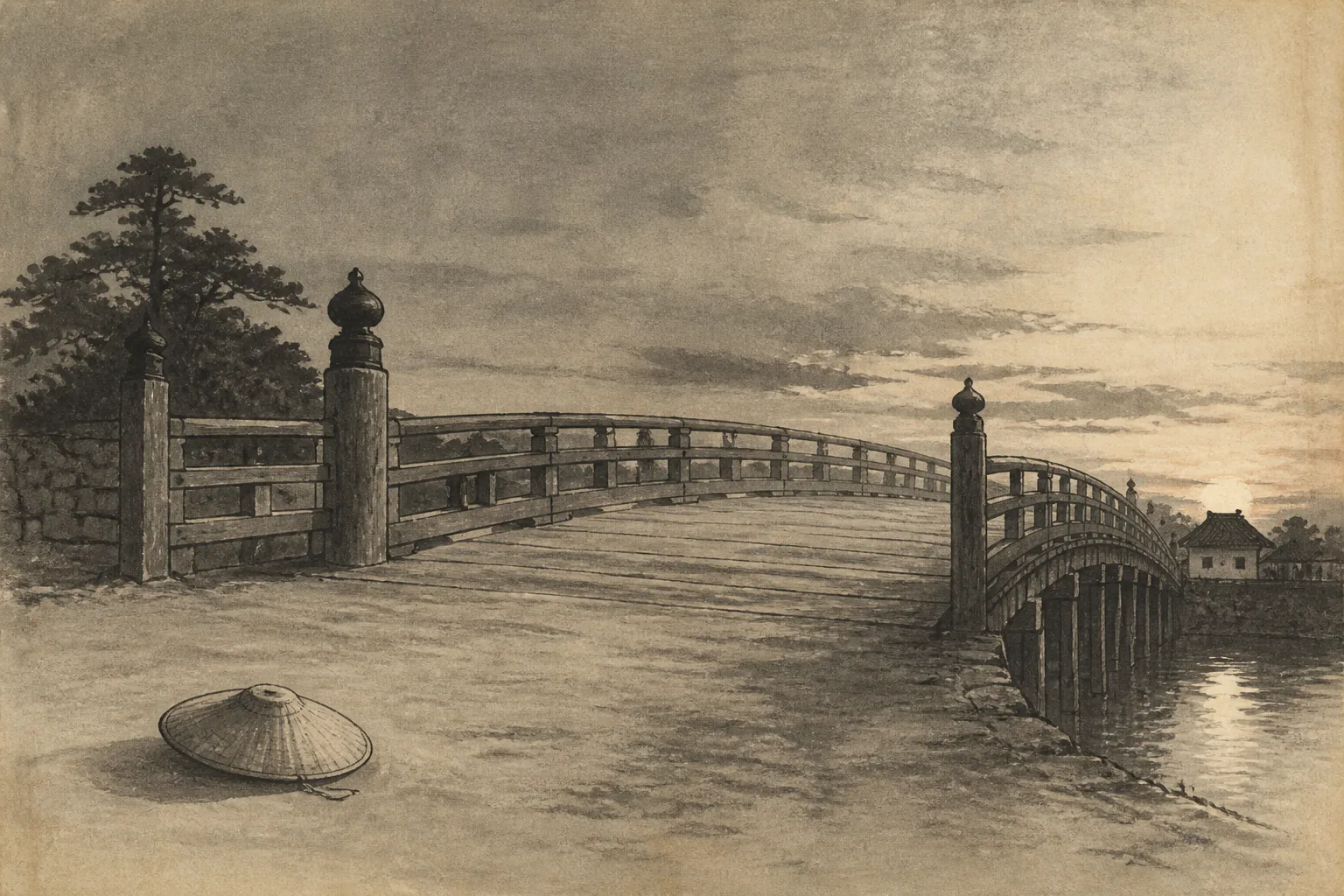
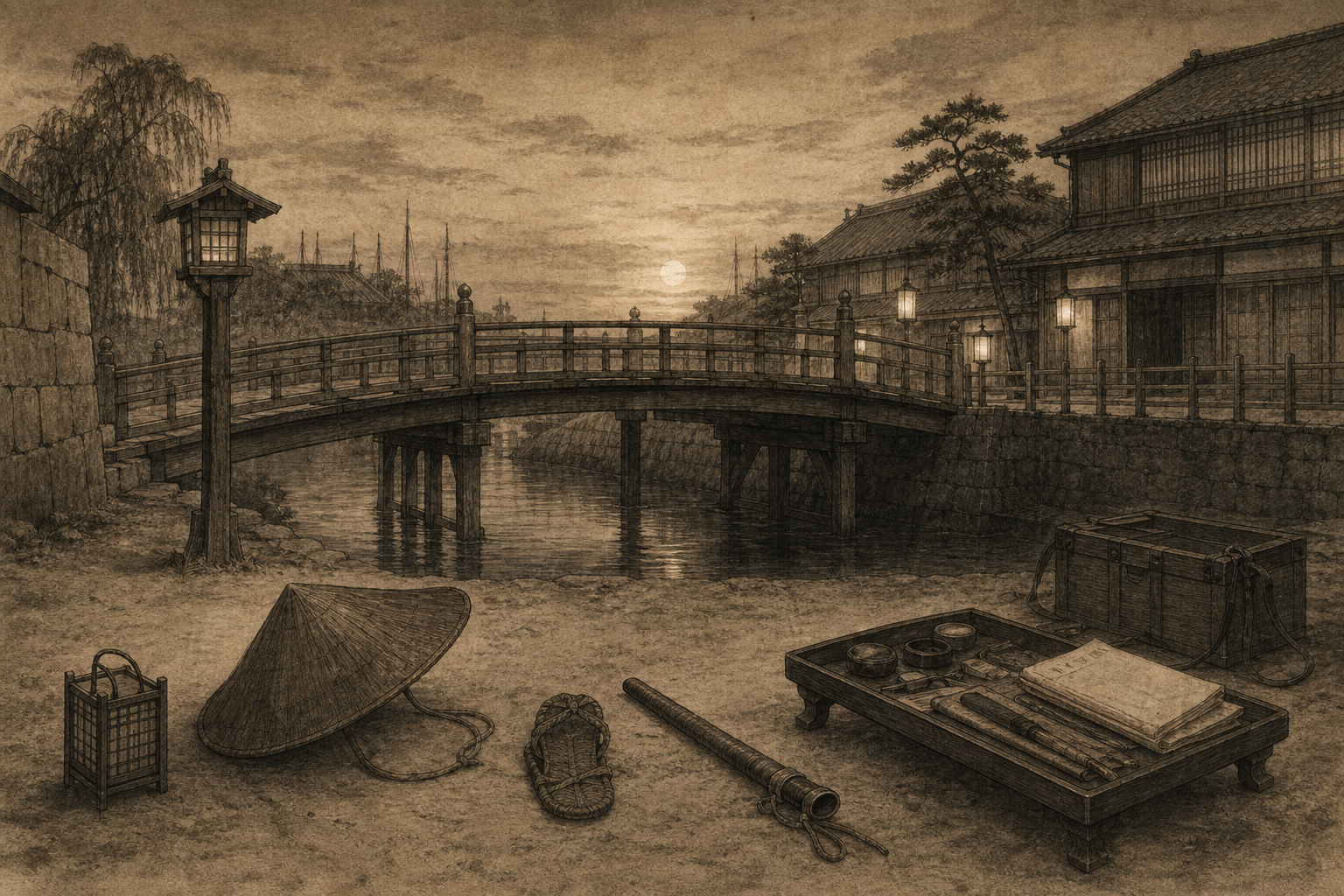
After returning to Edo, Kiyokawa was assassinated by shogunate agents near Azabu Ichinohashi in 1863. Bridge, canal, street corner, fallen hat, sandal, separated scabbard, lantern, and inspection papers shift attention from a heroic death portrait to the conditions of surveillance and ambush. Ichinohashi was an ordinary point of passage whose approaches could also be watched. The evidence-based still life shows how his attempt to redirect an institution created by the shogunate had made him a target for removal. He died at thirty-four.
VISIT
Search events related to Hachiro Kiyokawa →Browse all Bakumatsu events →