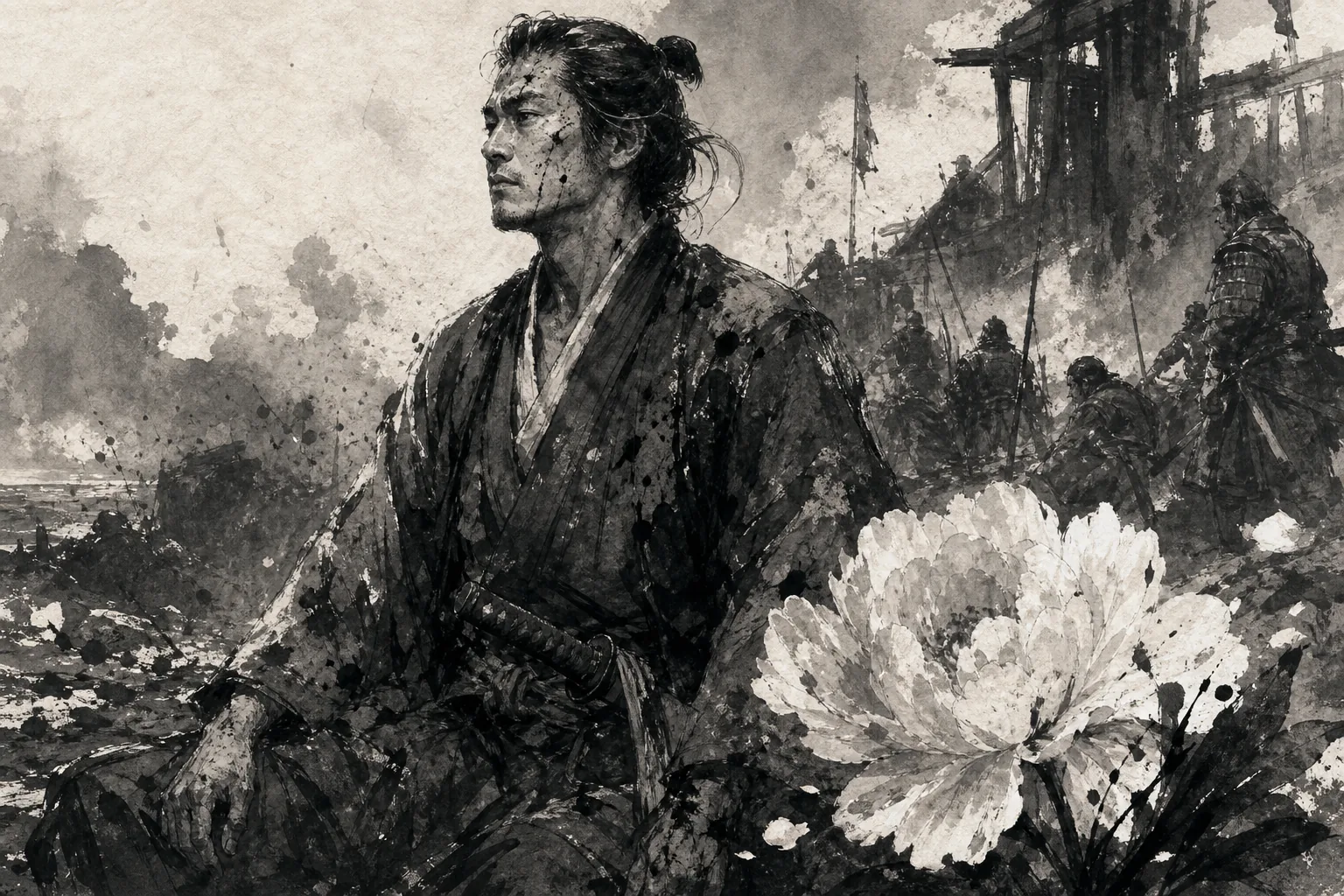
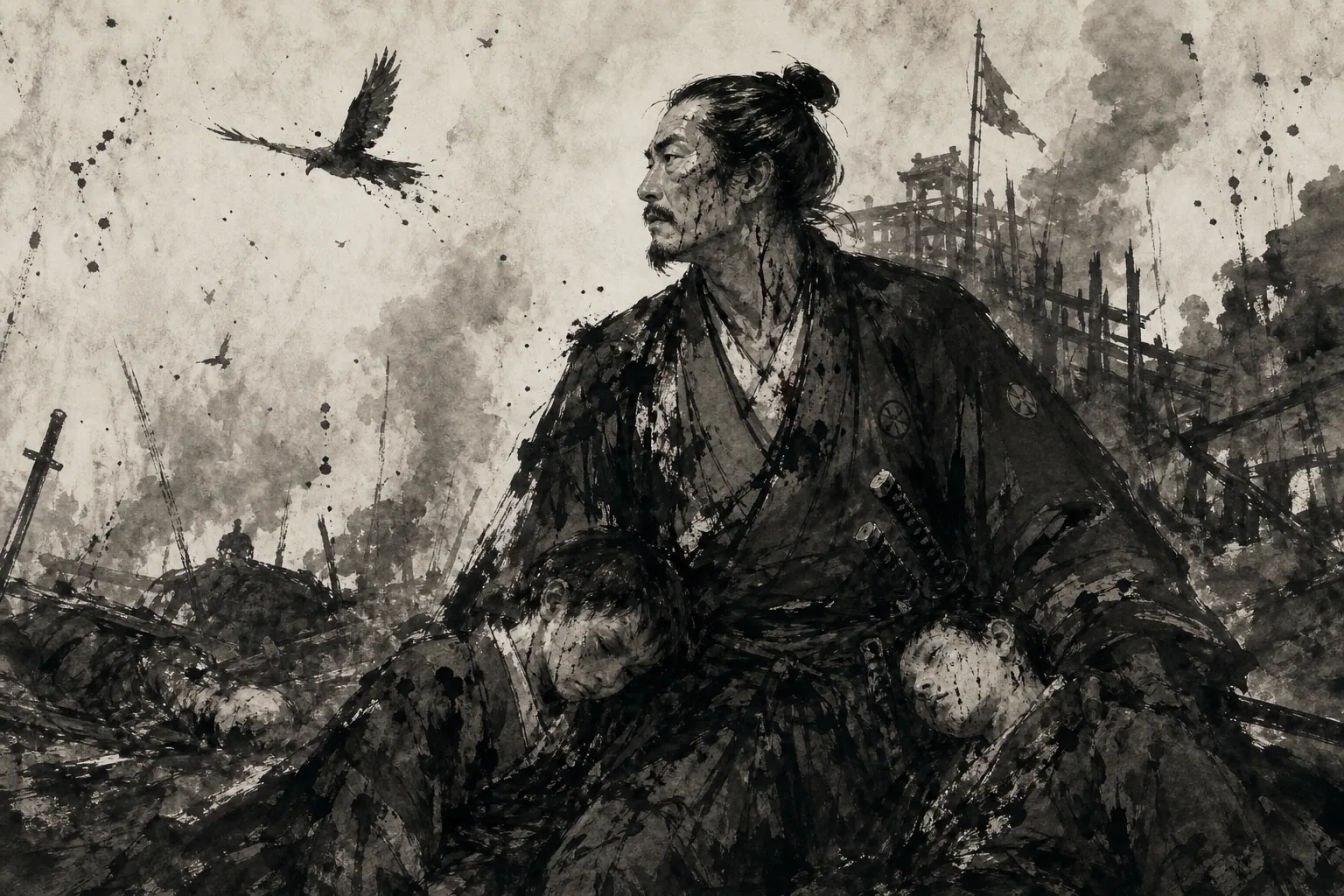
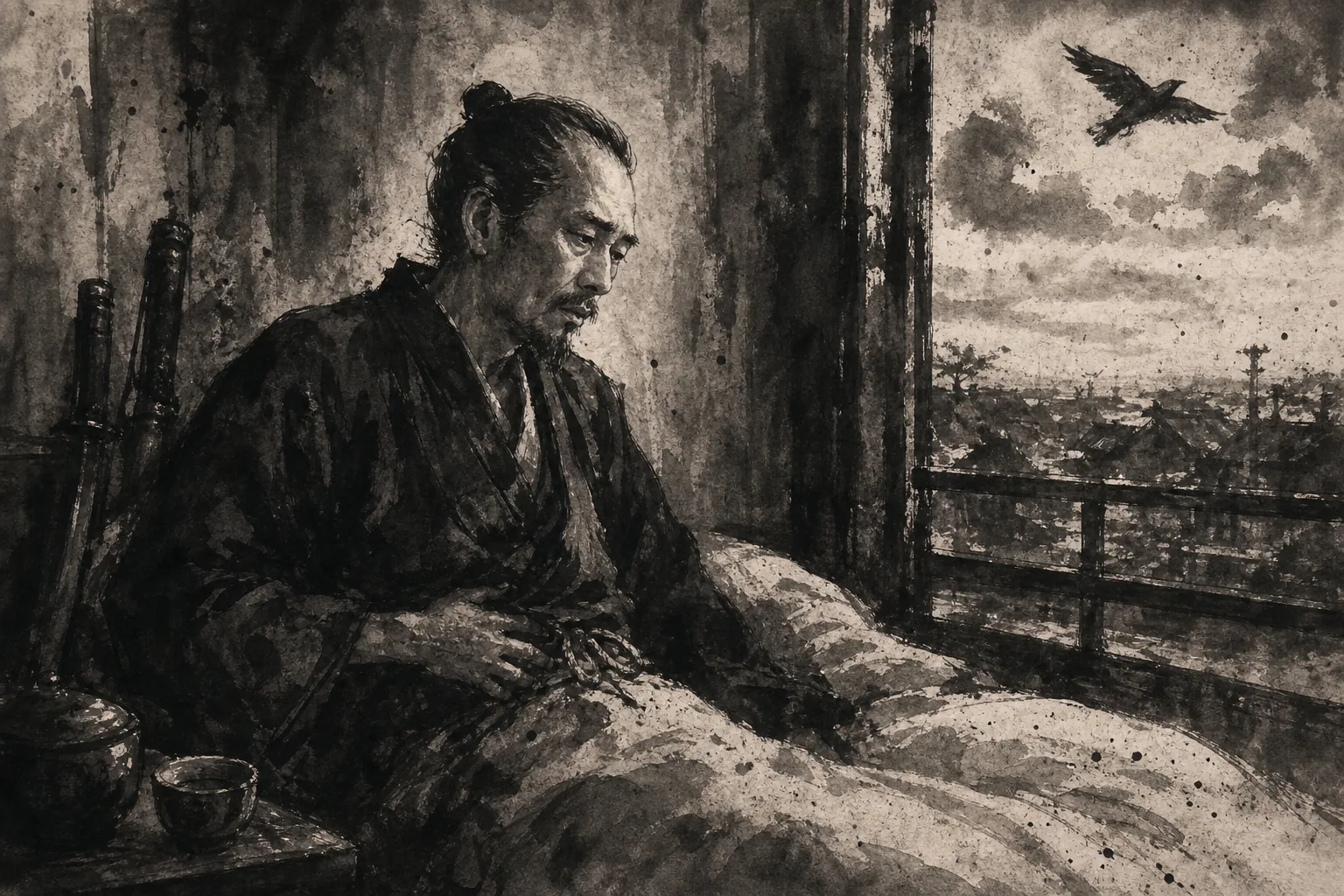
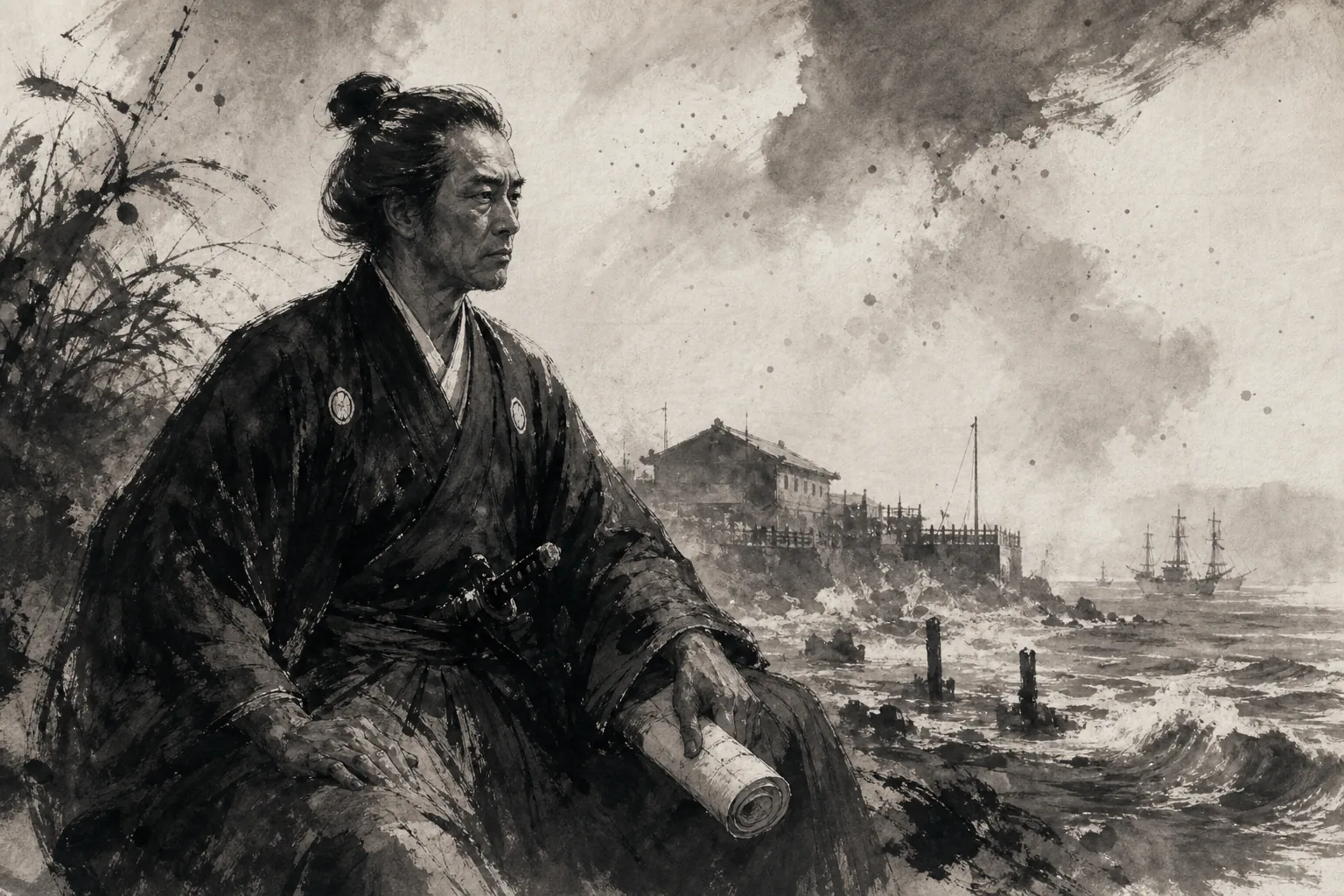
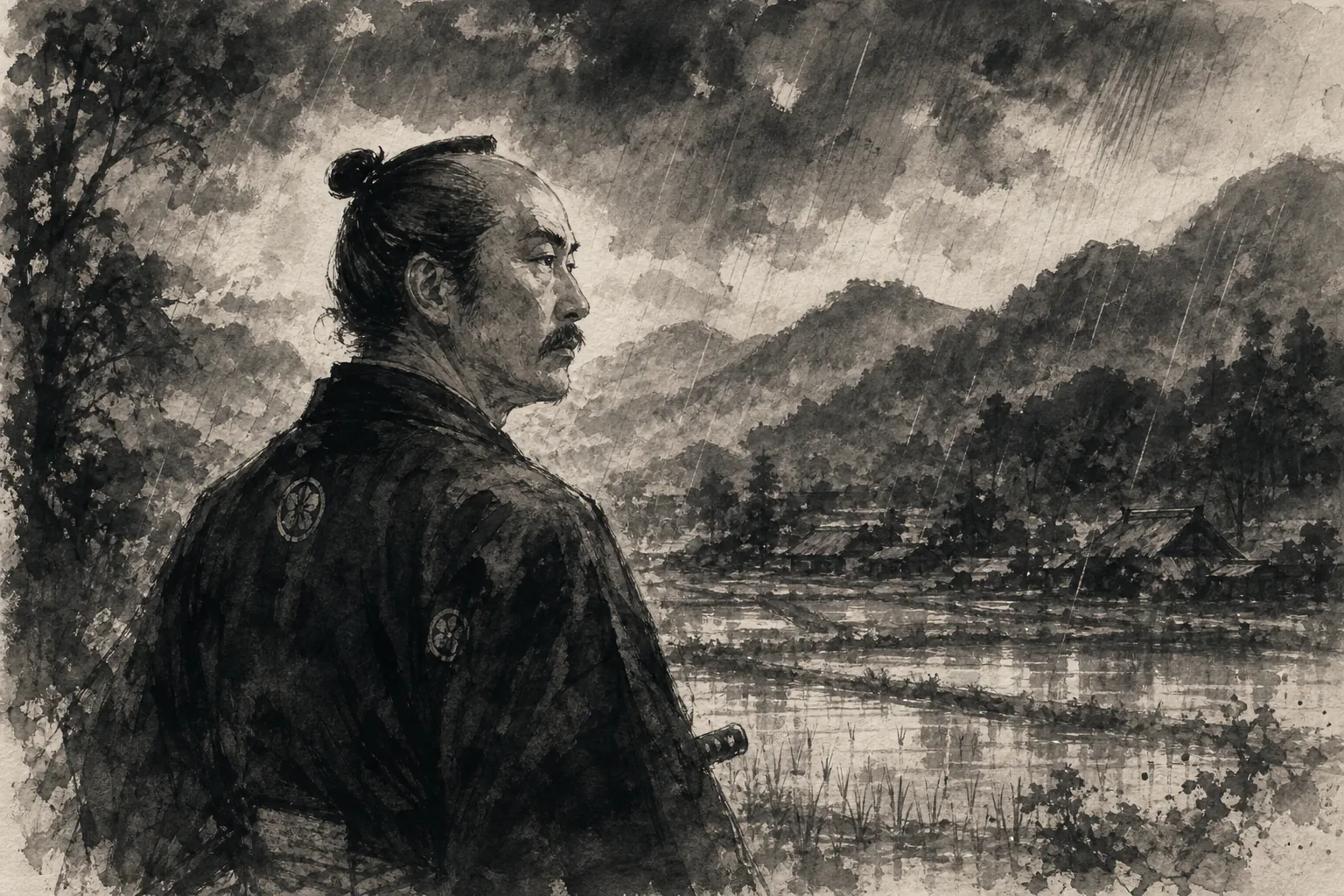
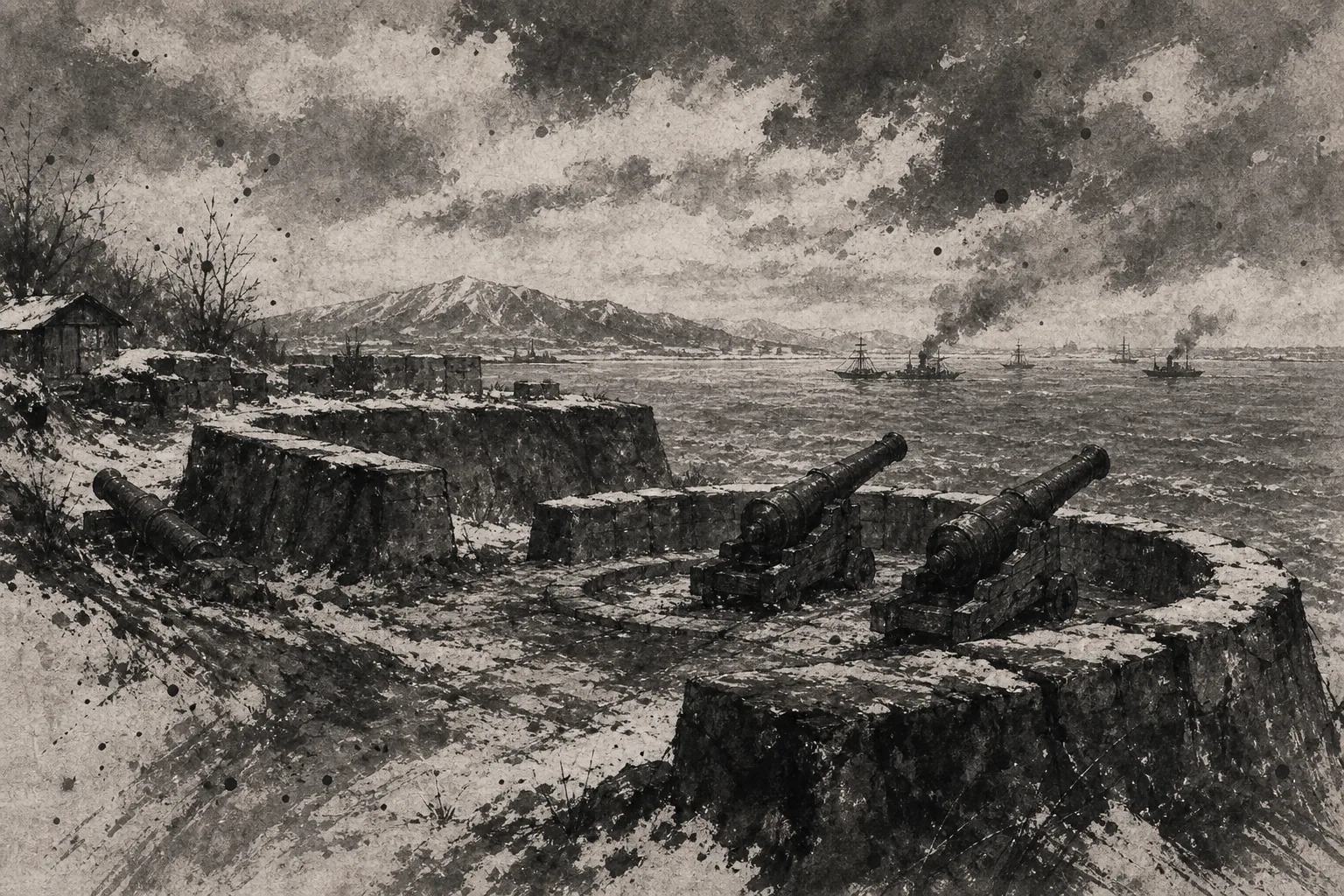
Saburosuke Nakajima · Shogunate retainer Saburosuke Nakajima's death poem, "われもまた死士と呼ばれん白牡丹". Read the original Japanese, modern translation, interpretation, and historical context as distinct parts of the poem.
Person
A former shogunate officer from Uraga who fought through the Hakodate War and died at Chiyogadai.
Learn about Nakajima Saburosuke
Translation
Let me too be called a man of death, a white peony prepared to fall.
Poetic Shape A Japanese death poem is less a final explanation than a last shape given to feeling. Its brevity matters: a life is not narrated, but compressed into a few lines that leave room for silence.
Reading
The purity of the white peony and the hard word 'death warrior' form a beautiful contrast.It can quietly adorn the end of a former shogunate retainer.
Background
Passed down as Nakajima Saburo-suke's death poem.It resonates with the aesthetics of a former shogunate man who refused surrender and died at the end of the Hakodate War.
Source / Transmission Wording and readings may differ by transmission; this page treats the text as one circulated form.
Further Reading
Find related books and places to stay For readers who want more historical context, these links search for related books on external stores.
Affiliate link