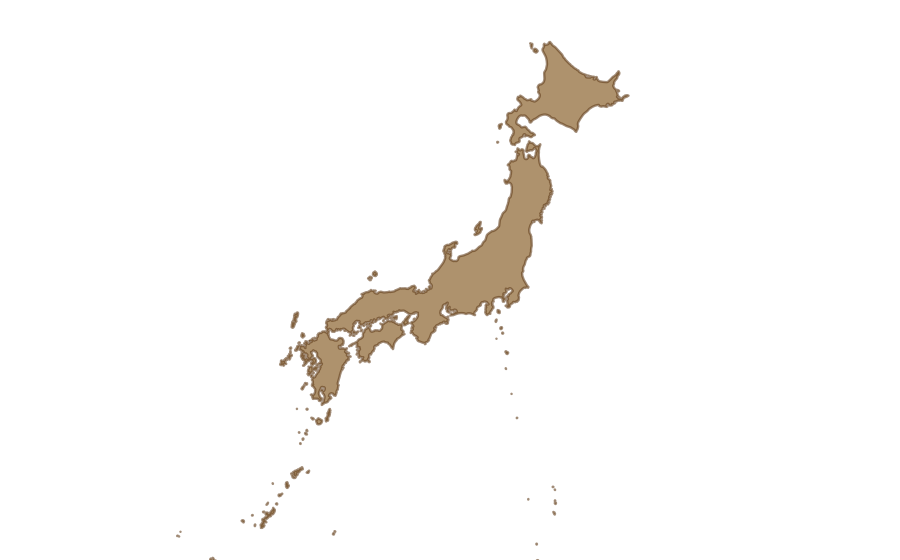
Fukuoka
She Studies Waka and Moves to Hirao Sanso
Born to a Fukuoka retainer family, she married Nomura Shinzaburo, studied under Okuma Kotomichi, and made the retreat a place of poetry and visitors.
Know the Person
Nomura is traced not only as a 'mother of activists' but as a trained poet, manager of a household refuge, prisoner on Himeshima, and participant in the work of care, mourning, and prayer after her rescue.
Life
Fukuoka
Born to a Fukuoka retainer family, she married Nomura Shinzaburo, studied under Okuma Kotomichi, and made the retreat a place of poetry and visitors.
Hirao Sanso
After her husband's death she took the name Boto-ni. Sheltering Takasugi Shinsaku brought political danger into the household itself.
Himeshima
Fukuoka's purge led to confinement on Himeshima, where boats, weather, food, and guards defined daily restriction.
Himeshima and Shimonoseki
Rescuers brought her by boat to Shimonoseki, where she later joined those caring for the dying Takasugi.
Yamaguchi and Hofu
After prayer at Hofu Tenmangu, she fell ill and died at a friend's house in Mitajiri. Her grave stands on Mount Kuwayama.
福岡県福岡市
歌人の生活空間が、なぜ志士の交流と避難の場になったかを見る。
野村望東尼・高杉晋作
Address福岡県福岡市中央区平尾5丁目2-28
Nearby
福岡県糸島市
島の渡船と獄舎跡から、流刑が作る距離と監視を確かめる。
野村望東尼
Address福岡県糸島市志摩姫島
Nearby
山口県防府市
救出後の下関・山口での活動を、最期の滞在地と墓からたどる。
野村望東尼
Address山口県防府市三田尻本町・桑山
Nearby
Keys
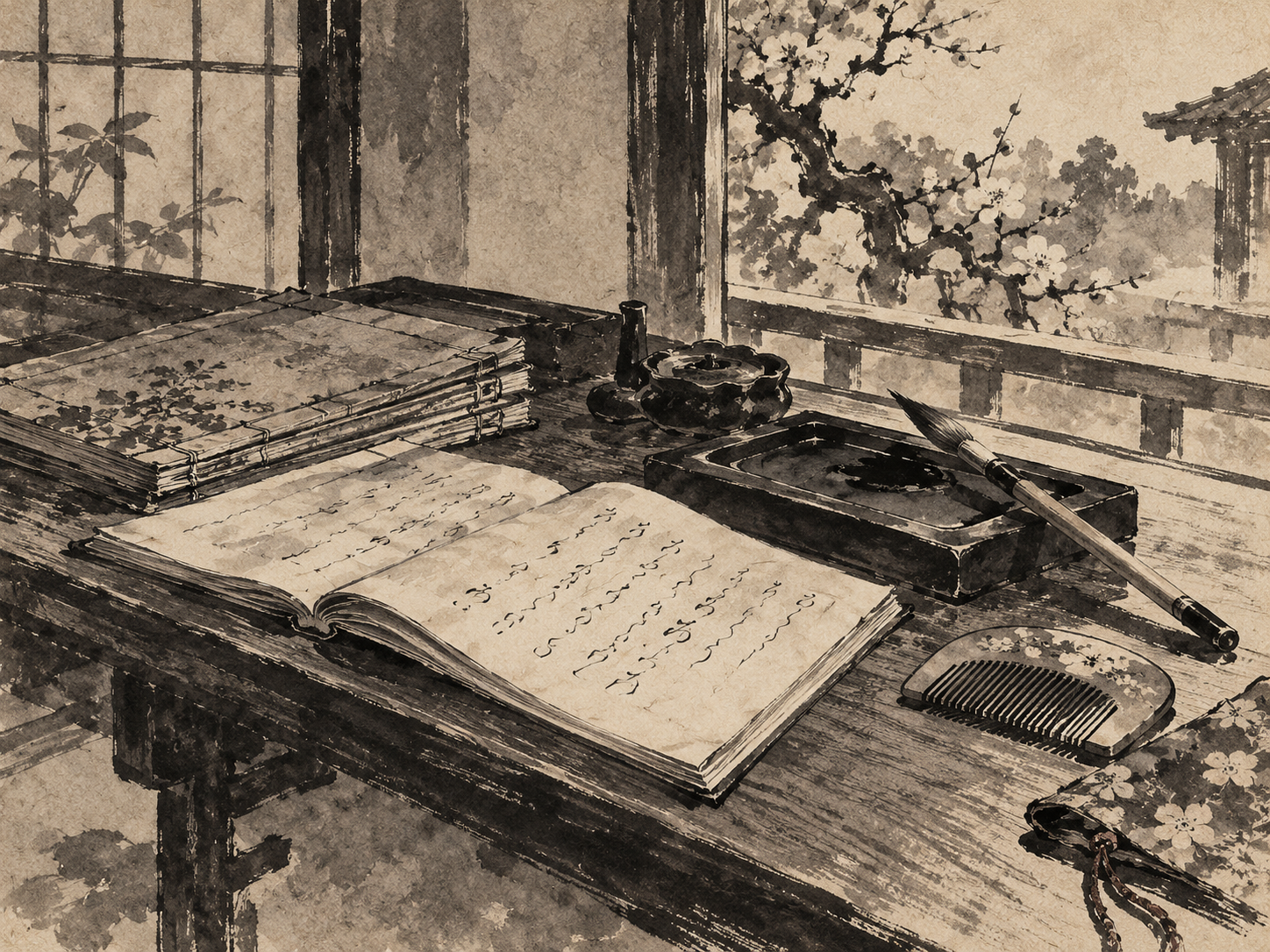
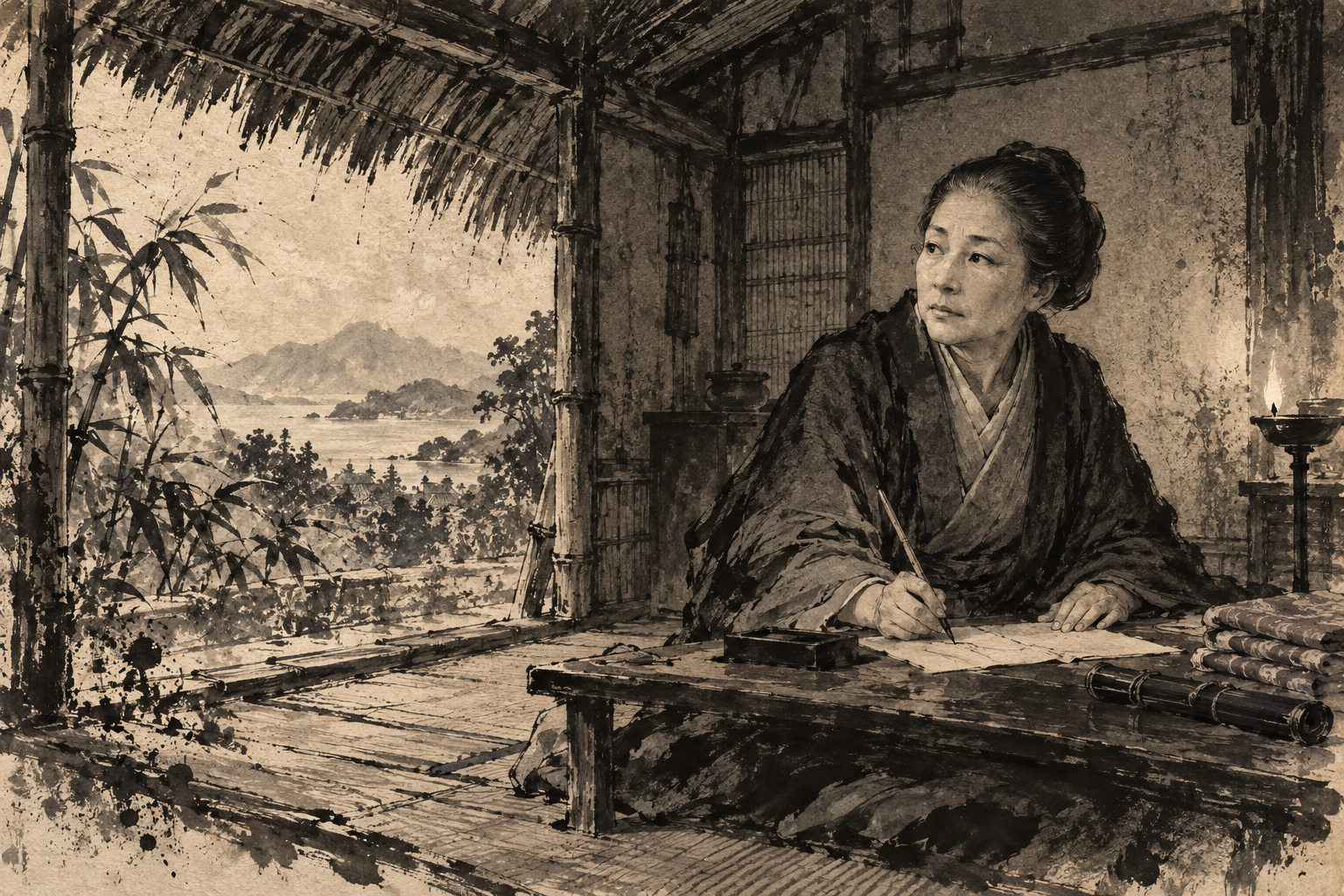
Nomura studied waka under Okuma Kotomichi and continued the work gathered in Koryoshu. Her ability to send precise words to others had been cultivated long before the crisis years. To investigate “Decades of poetic practice came before political fame.” further, do not stop with a commemorative plaque. Compare the date, maker or former owner, provenance, restoration status, and present location of each element named in “A Poet's Writing Desk.” Old maps, municipal histories, museum catalogues, document editions, material-culture studies, and field guides help distinguish contemporary evidence from reconstruction and later memory. They also provide a practical route to relevant books, facsimiles, maps, equipment histories, and a responsible site visit.
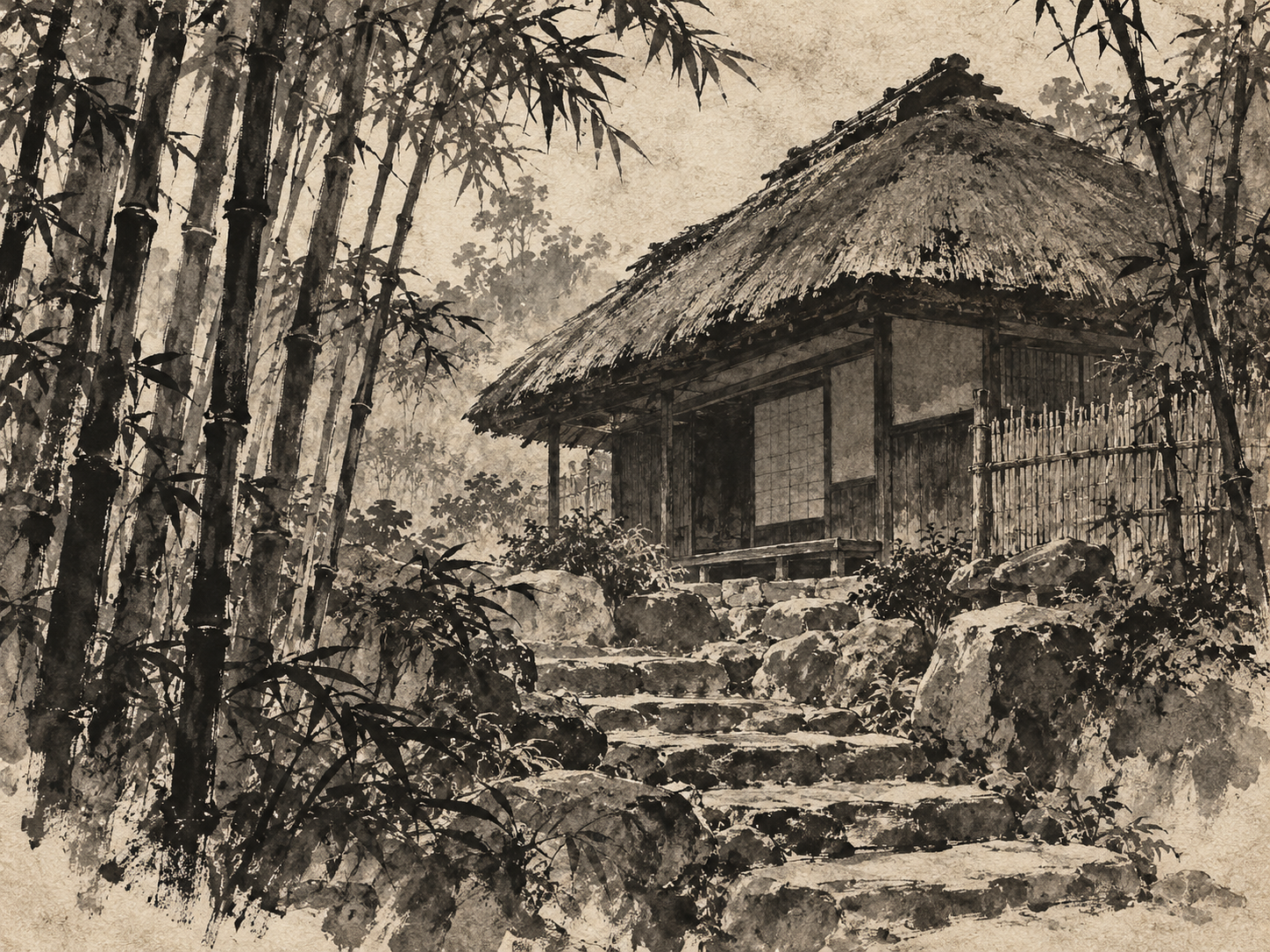
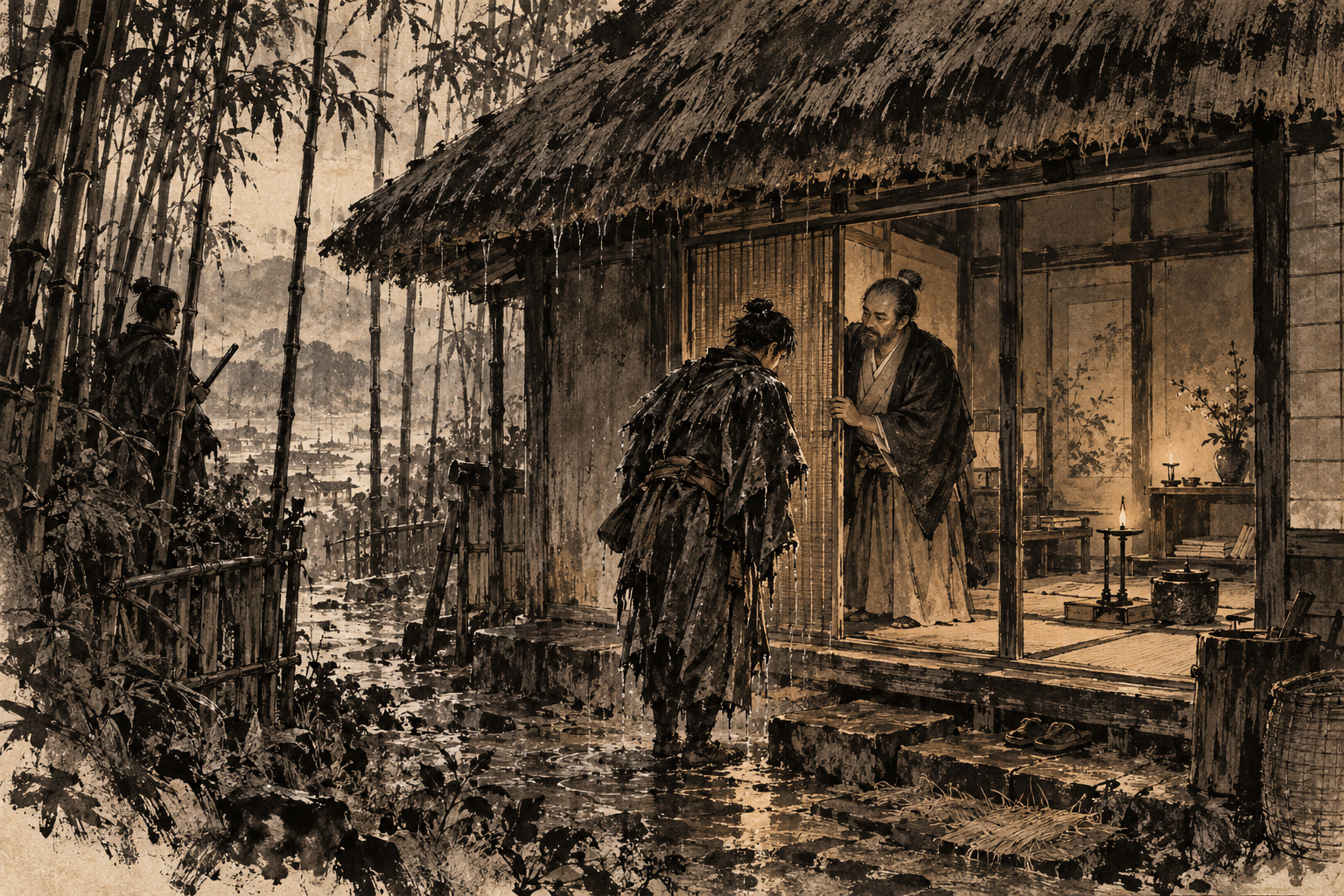
Hirao Sanso was a place of gardening, writing, and visitors. Those domestic capacities made it possible to shelter people once political surveillance intensified. To investigate “A home for poetry also became a refuge.” further, do not stop with a commemorative plaque. Compare the date, maker or former owner, provenance, restoration status, and present location of each element named in “The Thatched Hirao Retreat.” Old maps, municipal histories, museum catalogues, document editions, material-culture studies, and field guides help distinguish contemporary evidence from reconstruction and later memory. They also provide a practical route to relevant books, facsimiles, maps, equipment histories, and a responsible site visit.
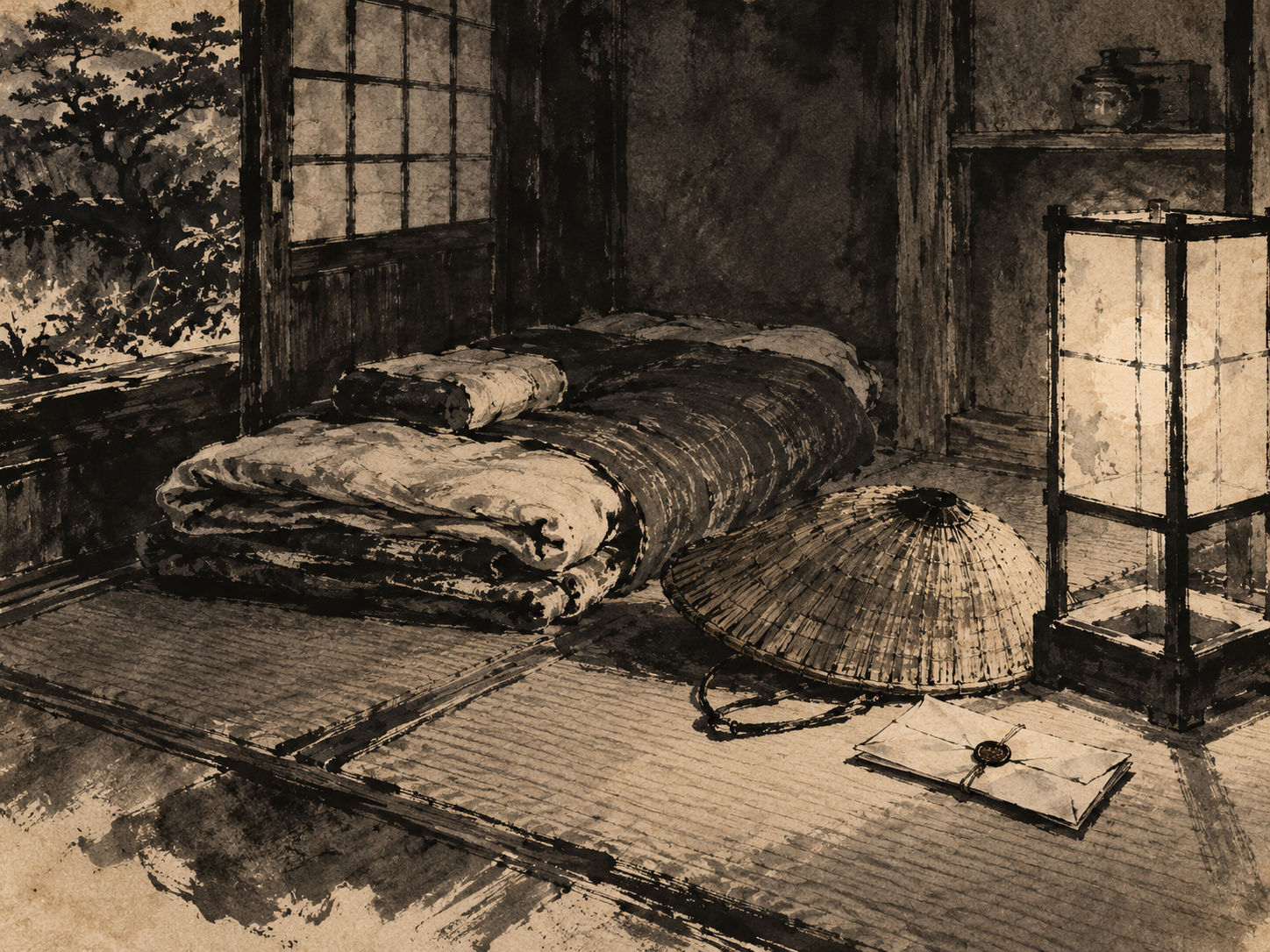
Food, bedding, messages, and concealed movement exposed the helper as well as the fugitive. Nomura's later exile grew from this material practice of support. To investigate “Shelter meant bringing danger into the household.” further, do not stop with a commemorative plaque. Compare the date, maker or former owner, provenance, restoration status, and present location of each element named in “Letters Hidden in a Guest Room.” Old maps, municipal histories, museum catalogues, document editions, material-culture studies, and field guides help distinguish contemporary evidence from reconstruction and later memory. They also provide a practical route to relevant books, facsimiles, maps, equipment histories, and a responsible site visit.
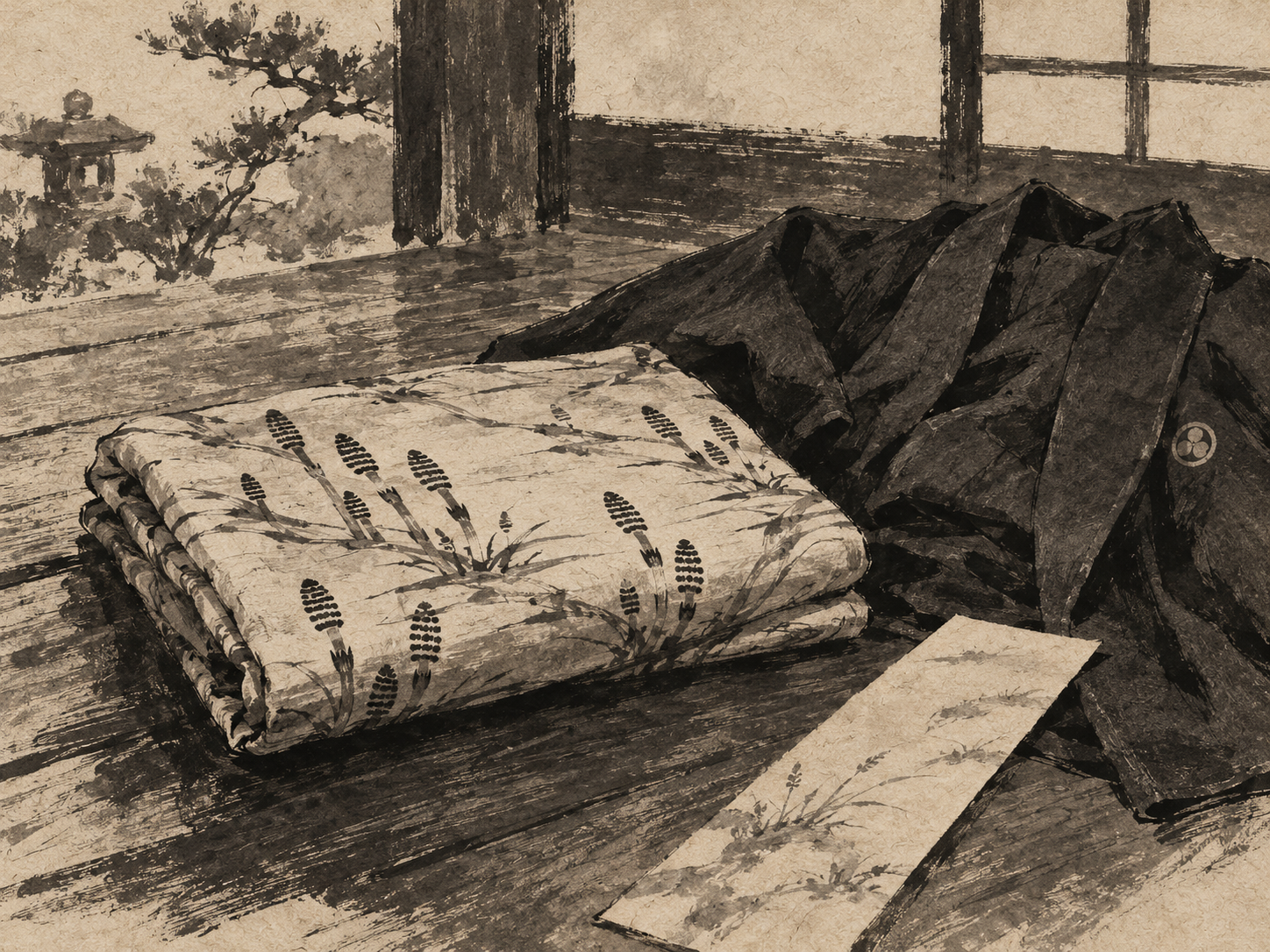
The transmitted poem joins Tsukushi with the verb 'to devote fully.' Cloth is not decoration here but something worn by a body expected to stand and act again. To investigate “A practical gift carried a call to return.” further, do not stop with a commemorative plaque. Compare the date, maker or former owner, provenance, restoration status, and present location of each element named in “Cloth from Tsukushi.” Old maps, municipal histories, museum catalogues, document editions, material-culture studies, and field guides help distinguish contemporary evidence from reconstruction and later memory. They also provide a practical route to relevant books, facsimiles, maps, equipment histories, and a responsible site visit.
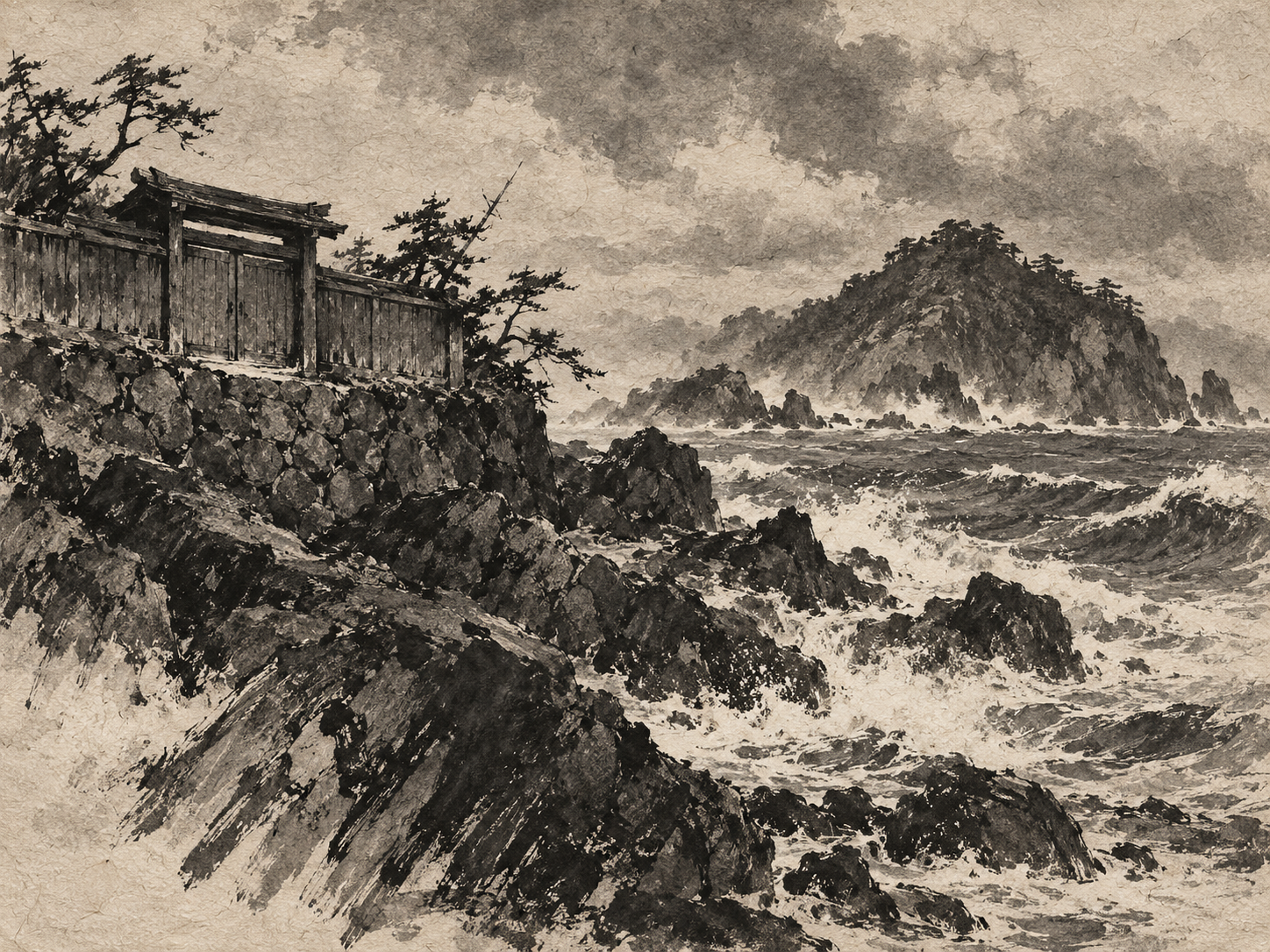
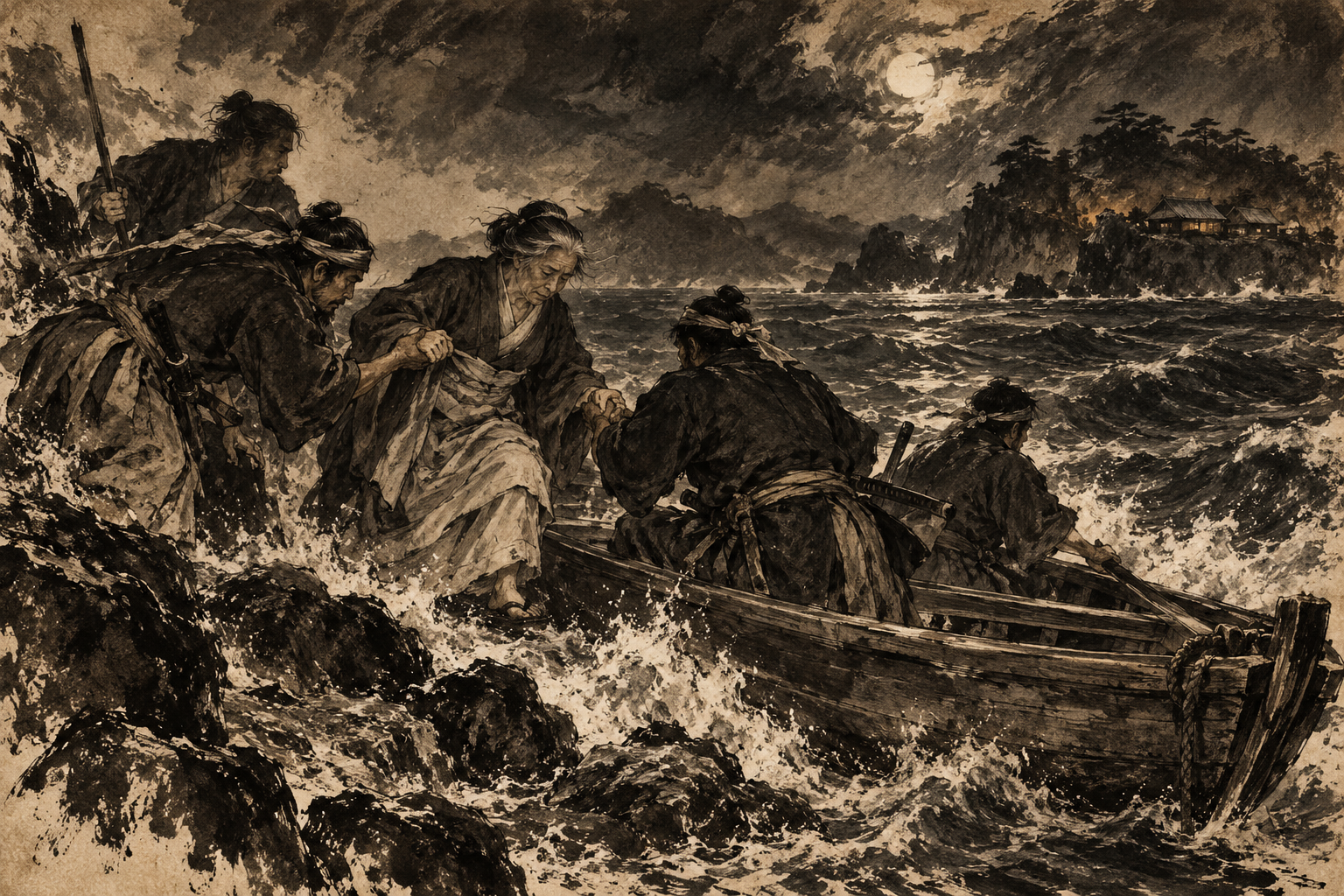
Restricted boats and supplies made the island itself part of confinement. The surviving memorial and reconstructed hall preserve the duration before the celebrated rescue. To investigate “Exile was built from sea, weather, and surveillance.” further, do not stop with a commemorative plaque. Compare the date, maker or former owner, provenance, restoration status, and present location of each element named in “The Shore of Himeshima.” Old maps, municipal histories, museum catalogues, document editions, material-culture studies, and field guides help distinguish contemporary evidence from reconstruction and later memory. They also provide a practical route to relevant books, facsimiles, maps, equipment histories, and a responsible site visit.
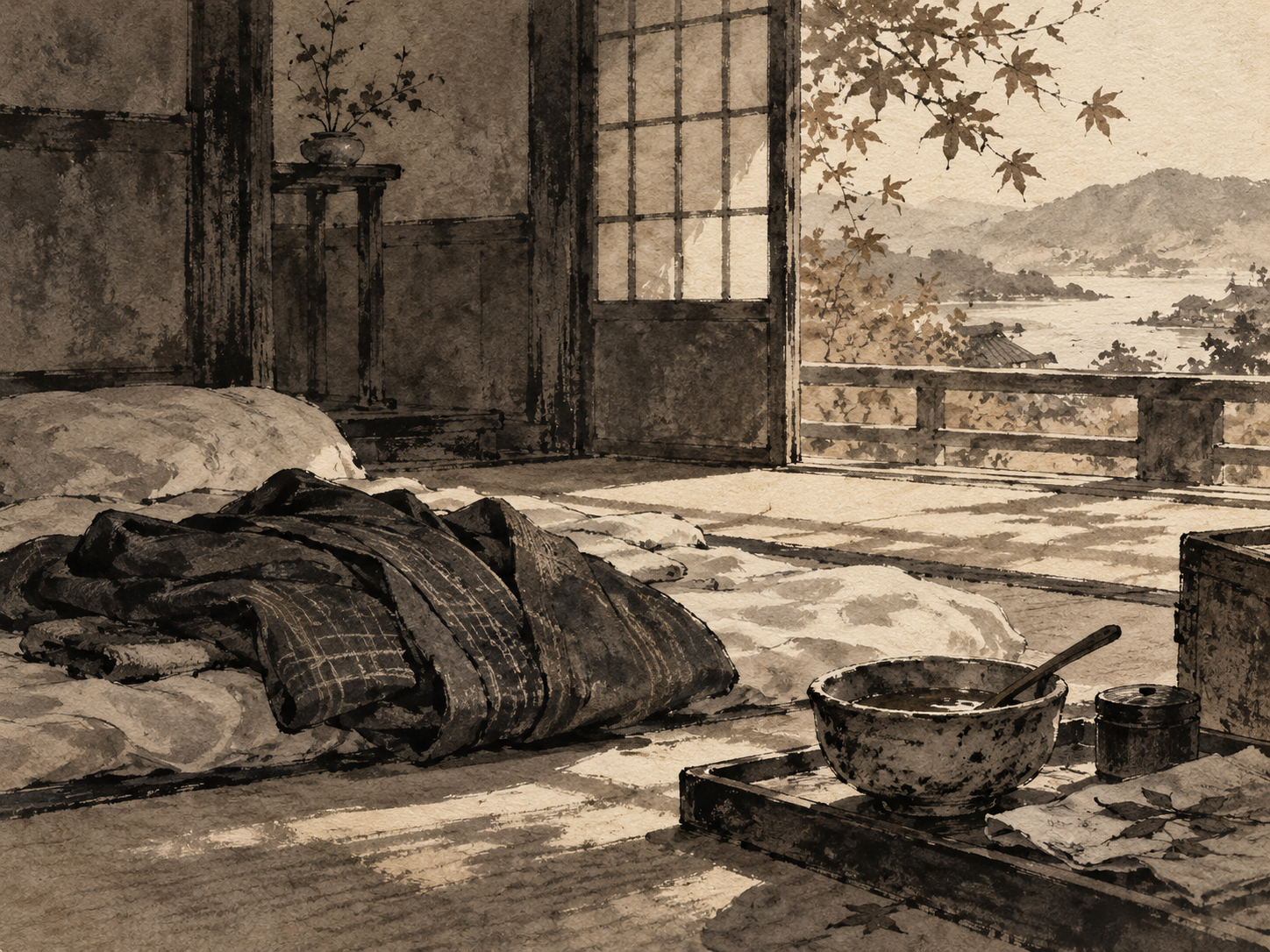
After joining those around the dying Takasugi, Nomura moved through Yamaguchi to Hofu. She fell ill after prayer for the eastern campaign and died at Mitajiri. To investigate “Rescue was followed by care, mourning, and prayer.” further, do not stop with a commemorative plaque. Compare the date, maker or former owner, provenance, restoration status, and present location of each element named in “A Medicine Bowl at Mitajiri.” Old maps, municipal histories, museum catalogues, document editions, material-culture studies, and field guides help distinguish contemporary evidence from reconstruction and later memory. They also provide a practical route to relevant books, facsimiles, maps, equipment histories, and a responsible site visit.
VISIT
Search events related to Boto-ni Nomura →Browse all Bakumatsu events →