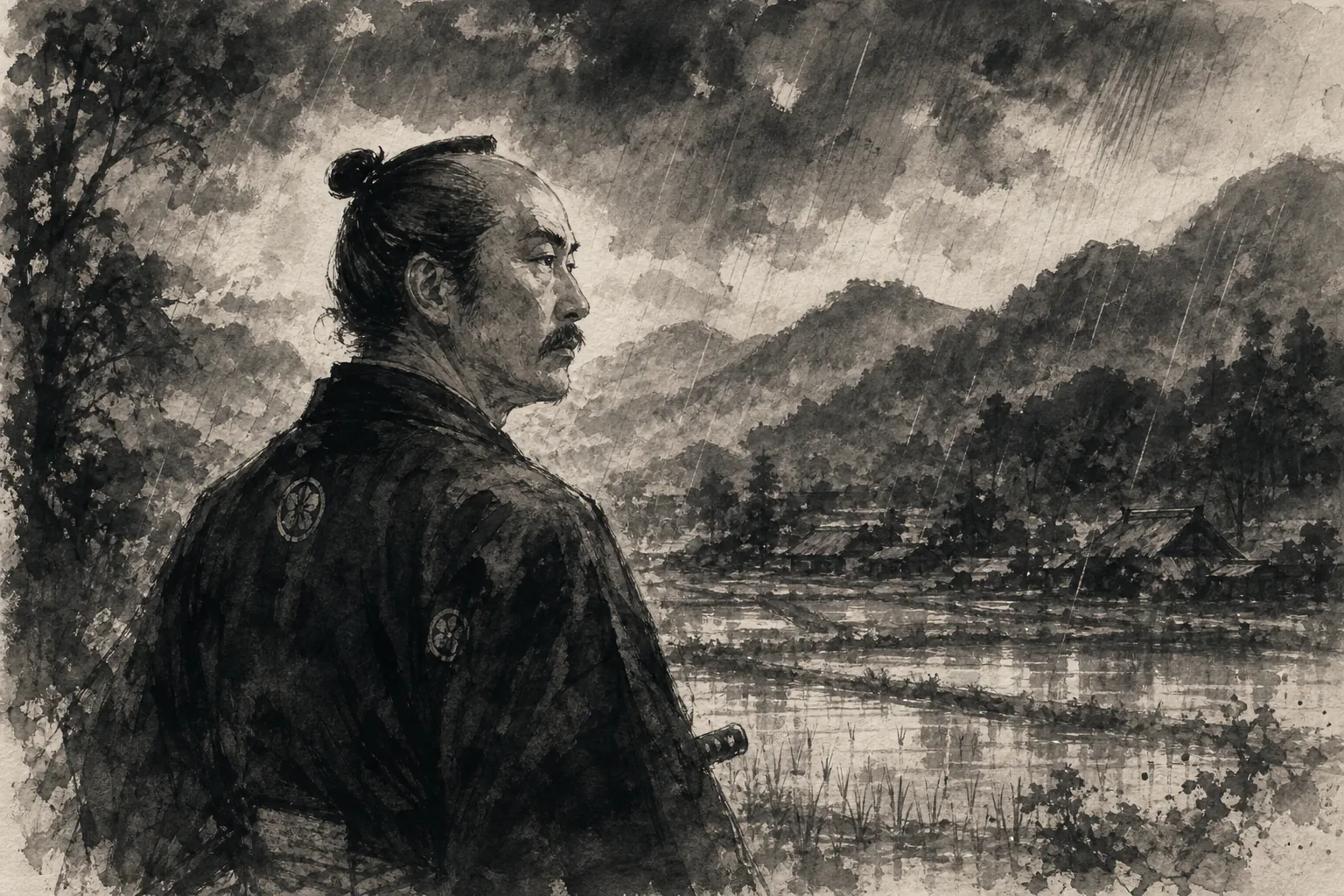
Kaishu Katsu · Shogunate retainer
Original
丙寅初秋題神戸海軍舊趾
Kaishu Katsu's Chinese-style poem, "丙寅初秋題神戸海軍舊趾百年胸裏總參差". Read the original Japanese, modern translation, interpretation, and historical context as distinct parts of the poem.
Person
A shogunate naval reformer and mediator who helped bring about the bloodless surrender of Edo Castle.
Learn about Katsu Kaishu
Translation
The naval school has closed and my plans lie in disorder, yet the great design planted here must become an embryo for the future.
Poetic Shape Kanshi draws on a classical Chinese poetic tradition, where restraint, allusion, and moral tension carry much of the weight. The poem sounds formal, but the pressure beneath it is personal.
Reading
This poem strongly expresses Katsu Kaishu's sense that even defeat can leave seeds behind.The subject is not a flashy hero, but an embryo entrusted to the future.
Background
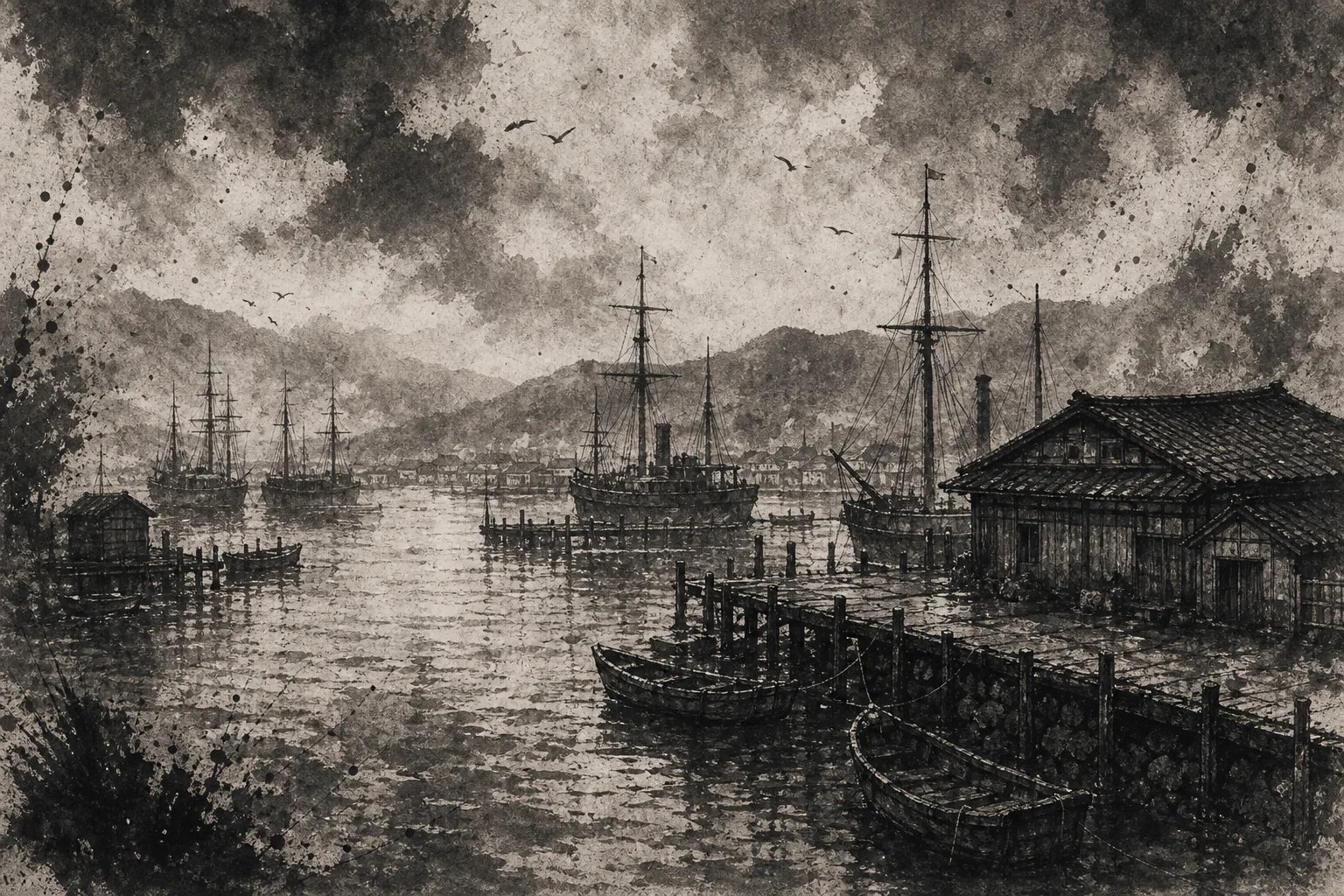
A Chinese poem written at the former site of the Kobe Naval Training Center.It contains both the frustration and pride of naval education that also connects to Sakamoto Ryoma.
Source / Transmission Wording and readings may differ by transmission; this page treats the text as one circulated form.
Further Reading
Find related books and places to stay For readers who want more historical context, these links search for related books on external stores.
Affiliate link