Isami Kondo · Shinsengumi
Original
靡他今日復何言
Isami Kondo's Chinese-style poem, "靡他今日復何言取義捨生吾所尊快受電光". Read the original Japanese, modern translation, interpretation, and historical context as distinct parts of the poem.
Person
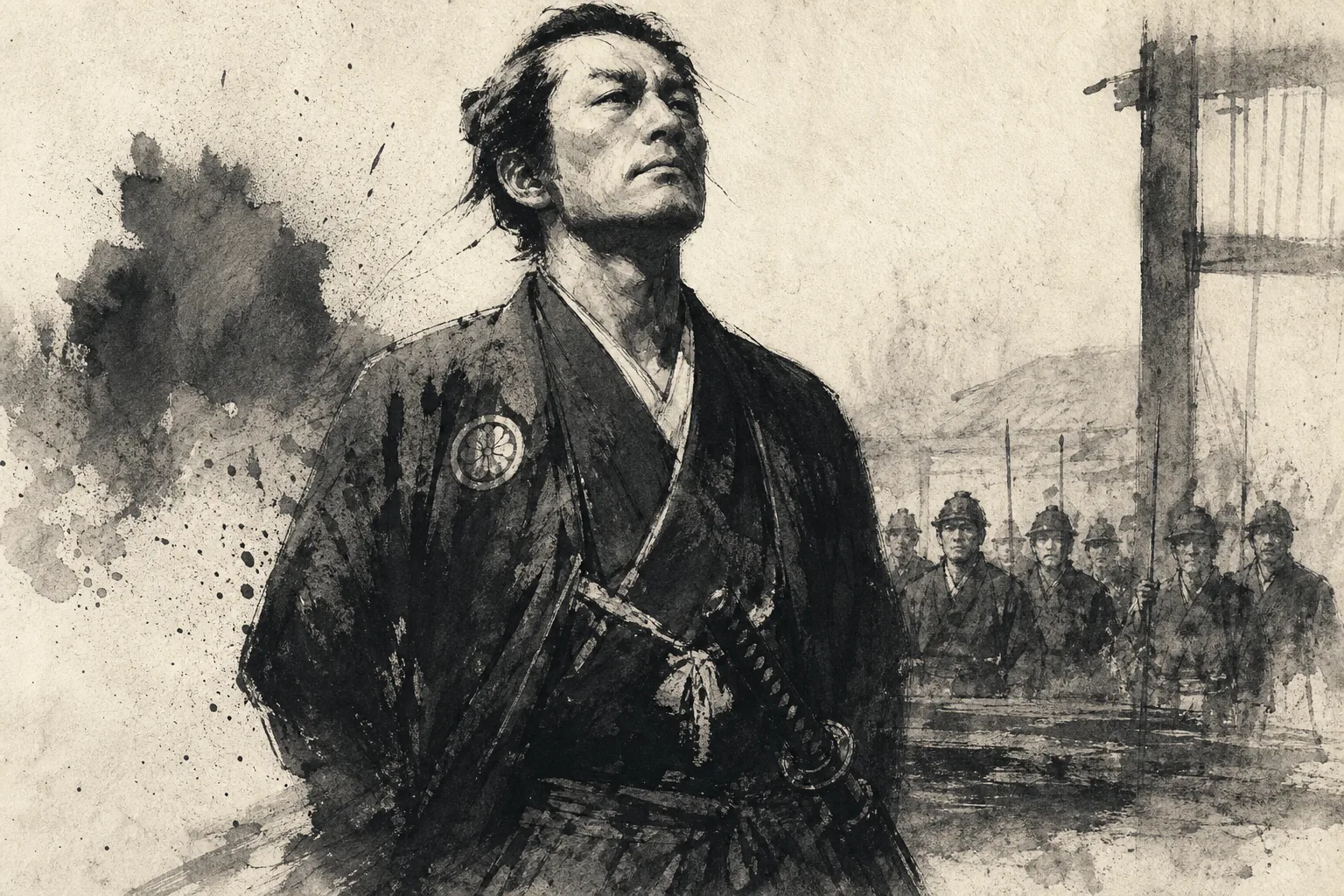
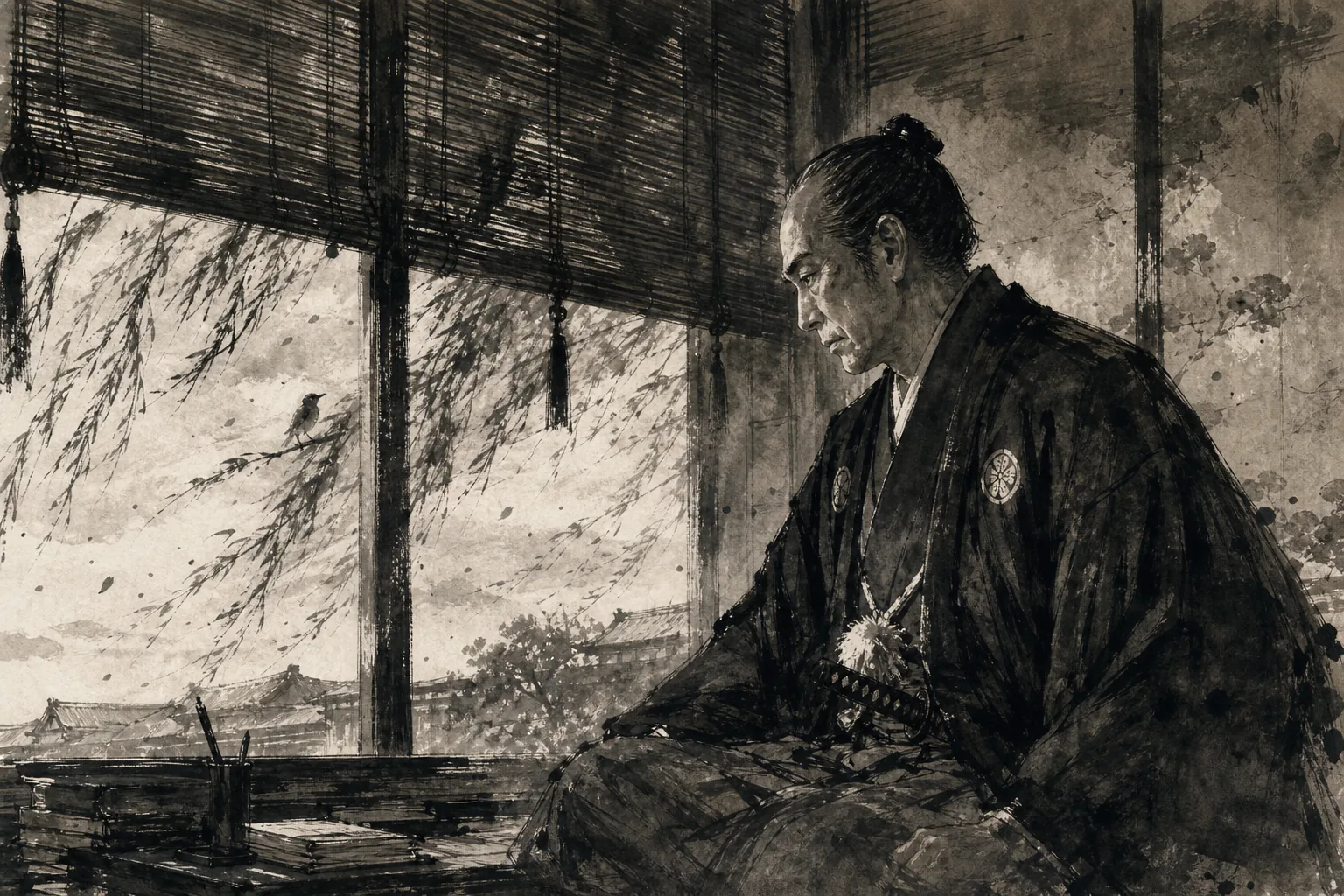
Commander of the Shinsengumi and head of the Tennen Rishin-ryu school, executed at Itabashi.
Learn about Kondo Isami
Translation
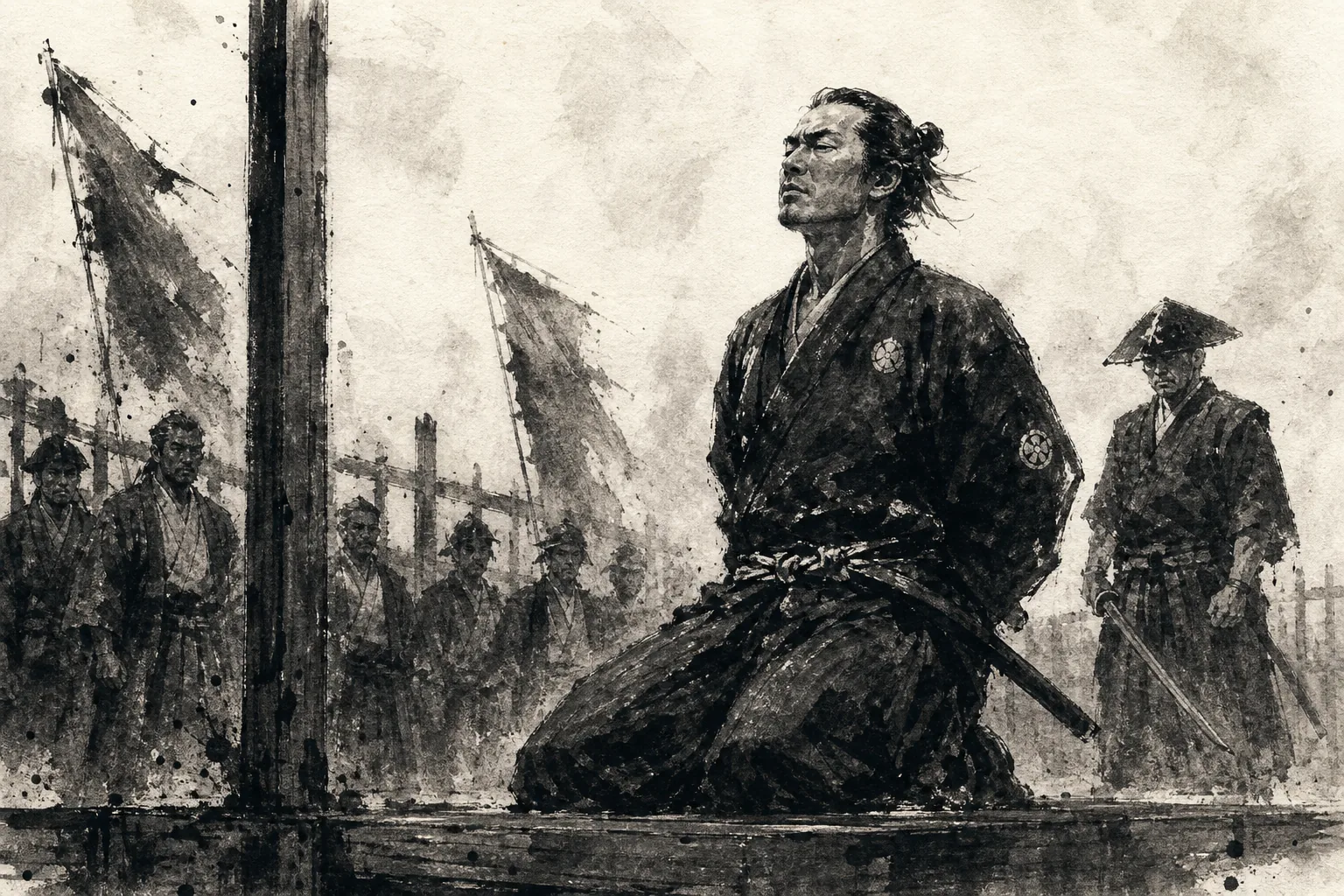
I will not bend elsewhere. To take righteousness and abandon life is what I honor; I gladly receive the sword and repay my lord with death.
Poetic Shape Kanshi draws on a classical Chinese poetic tradition, where restraint, allusion, and moral tension carry much of the weight. The poem sounds formal, but the pressure beneath it is personal.
Reading
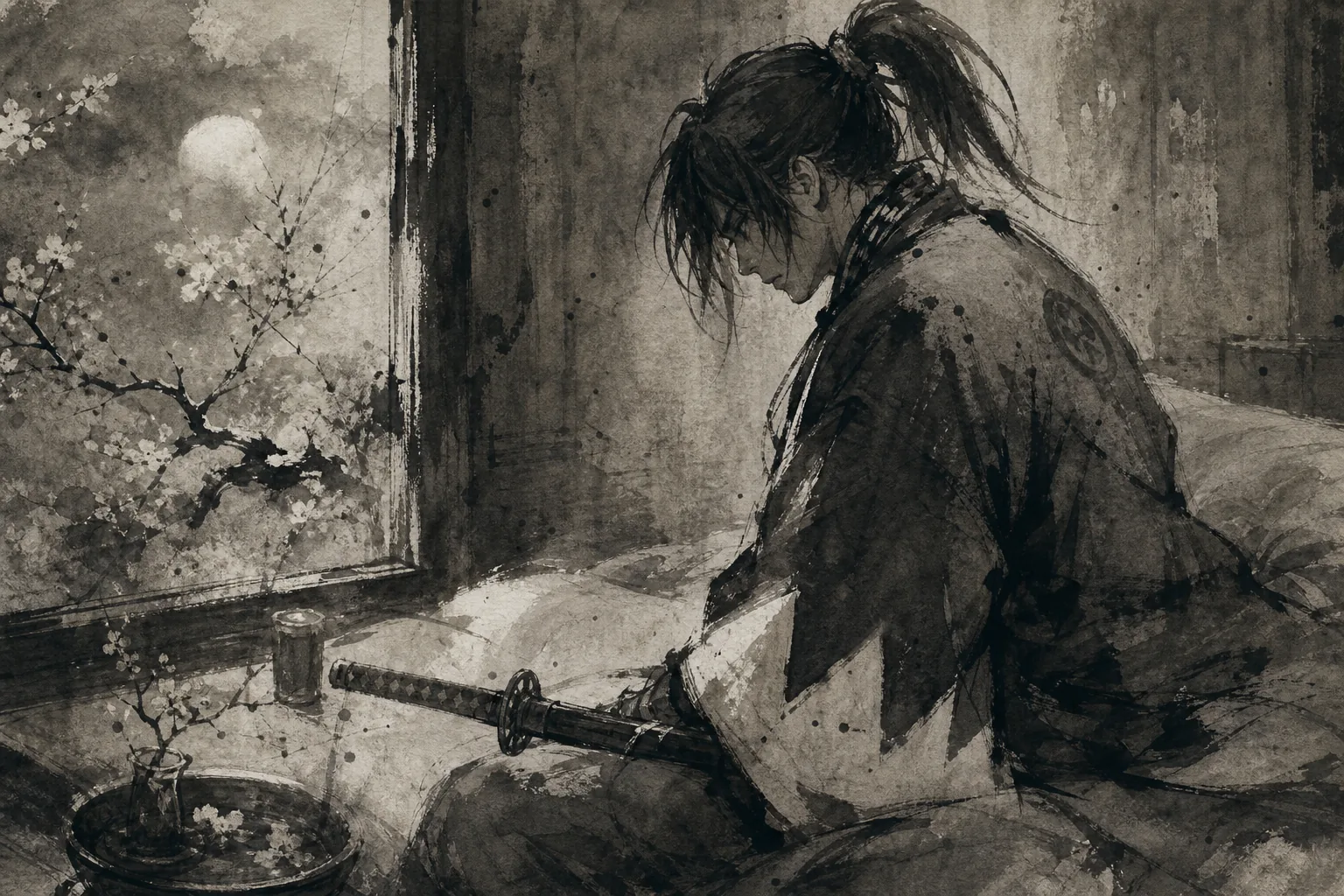
Among Kondo's death poems, this one stands out for its hardness as it faces the moment of beheading.It can draw the Shinsengumi commander in a straight, severe line.
Background
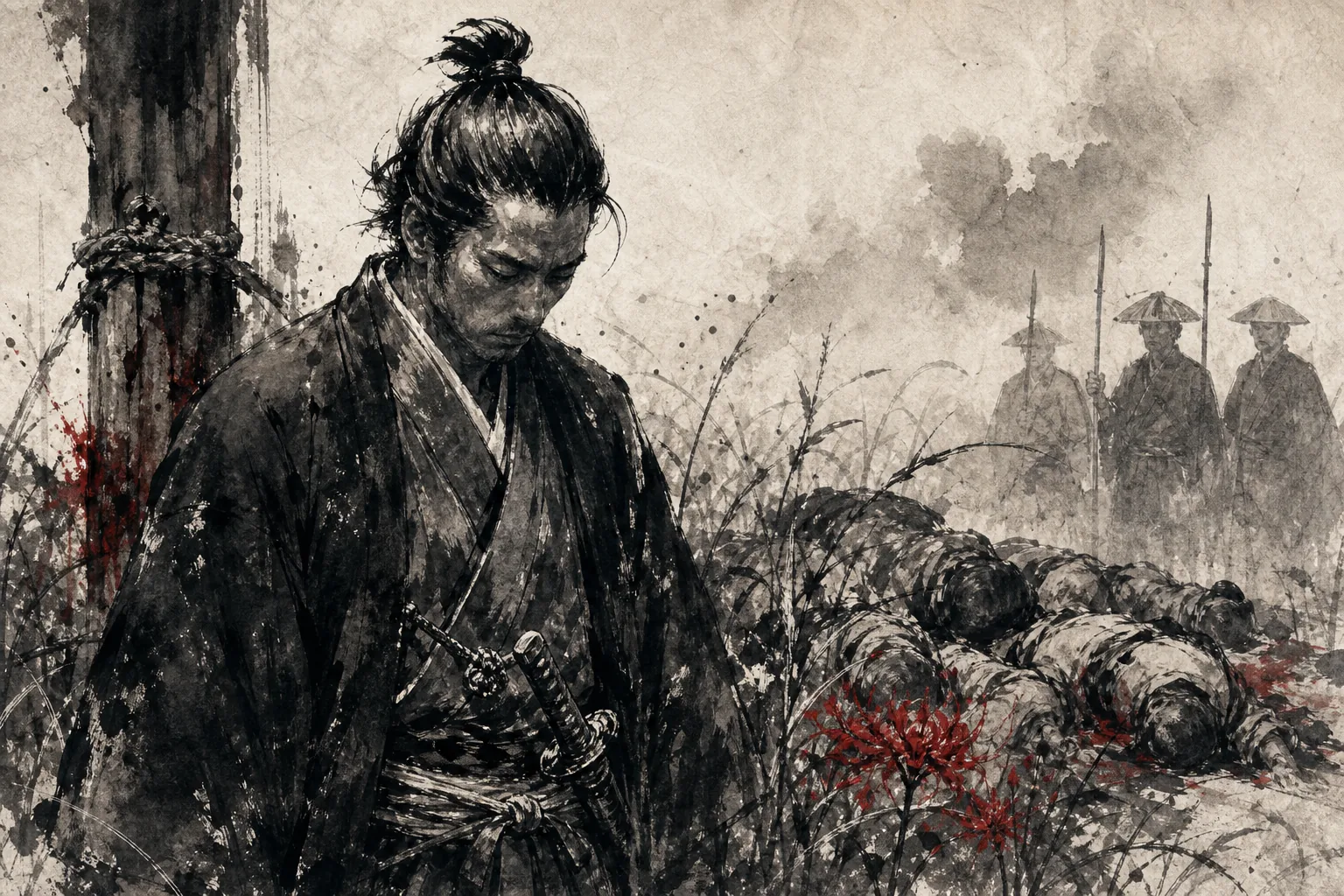
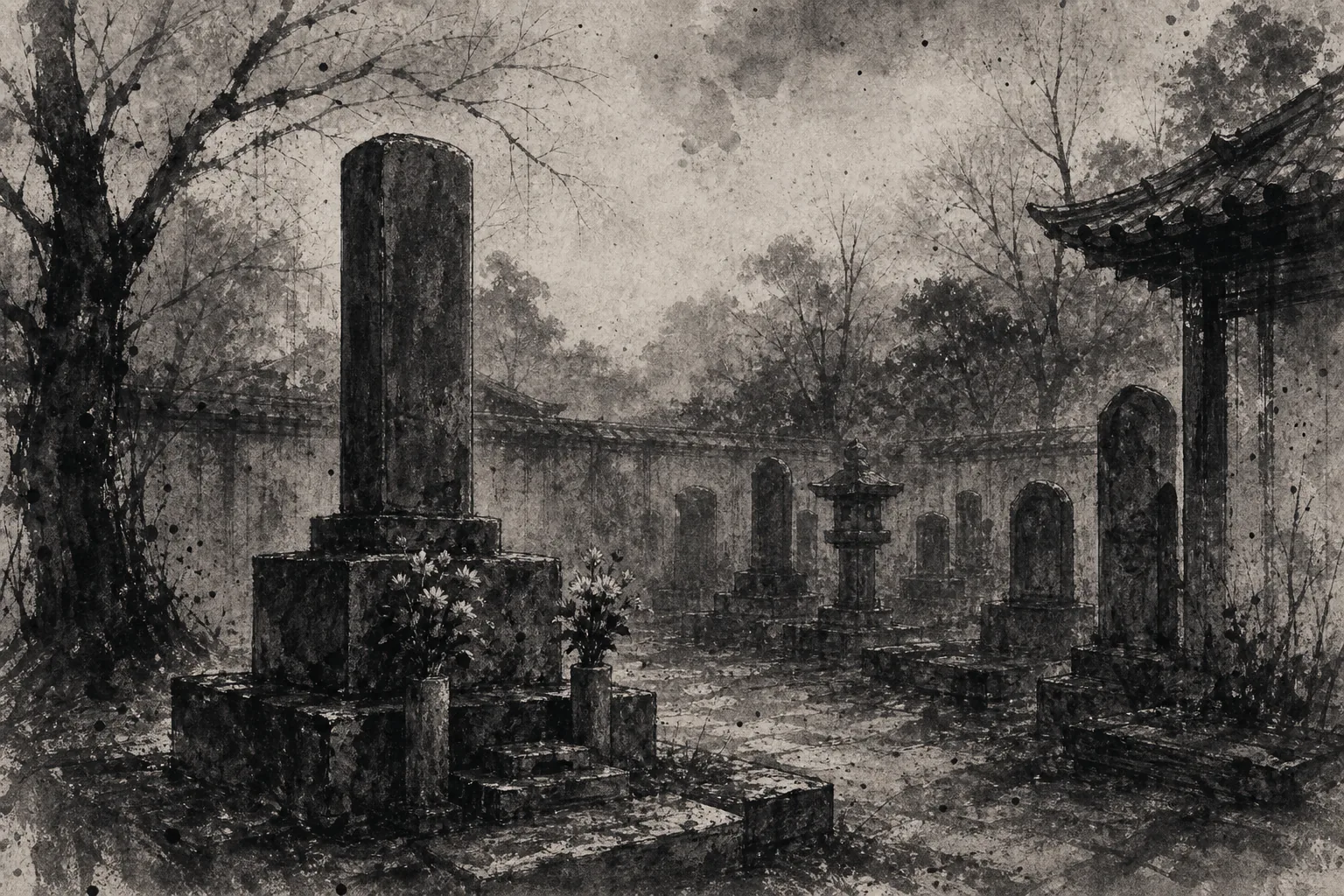
Passed down as a Chinese death poem of Kondo Isami.Behind it lies the defeat of the Koyo Chinbutai, his surrender at Nagareyama, and execution at Itabashi.
Source / Transmission Wording and readings may differ by transmission; this page treats the text as one circulated form.
Further Reading
Find related books and places to stay For readers who want more historical context, these links search for related books on external stores.
Affiliate link