Edo and Shishido
Succeeds to the 10,000-koku Shishido house as an adopted heir
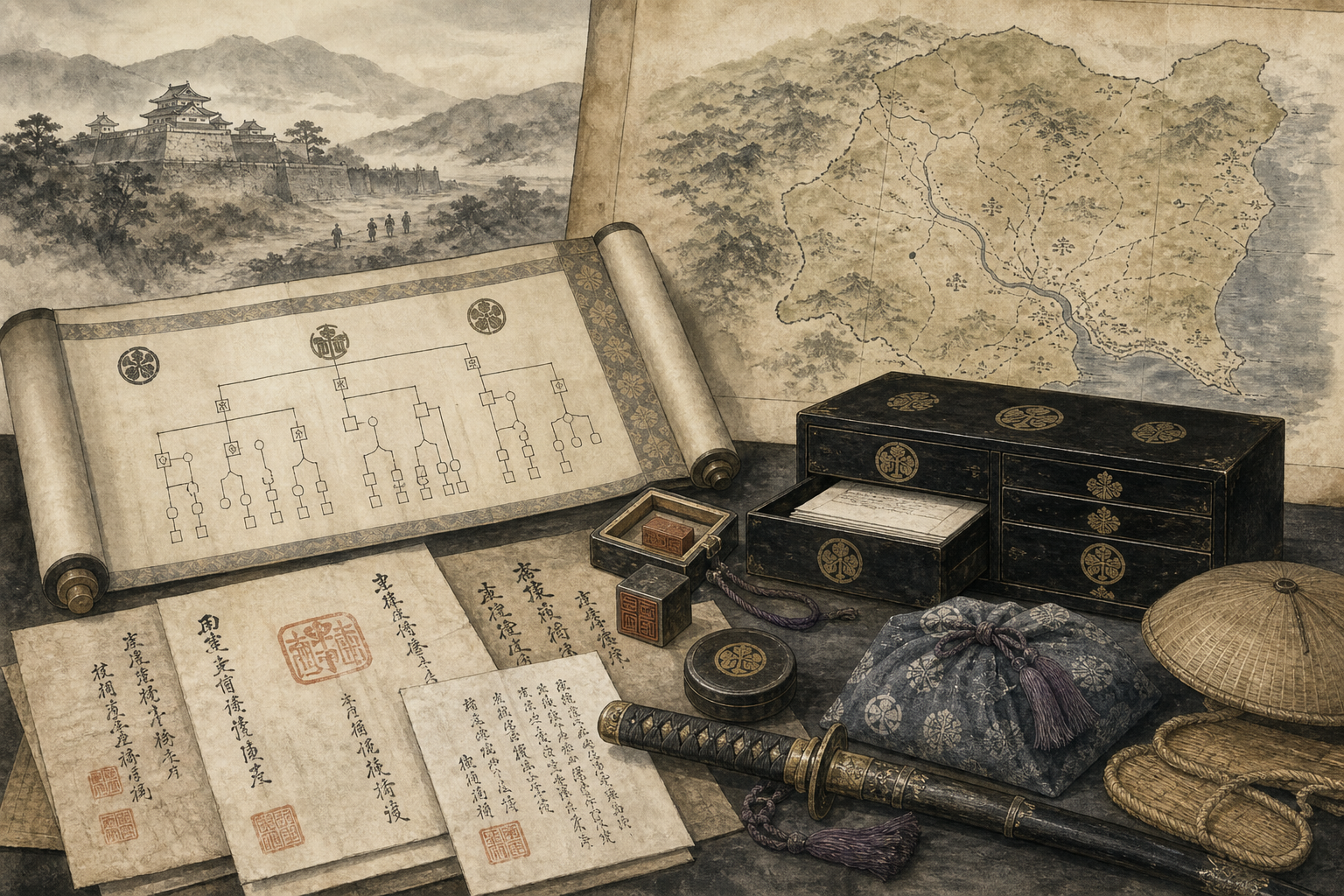
Genealogy, succession petitions, and shogunate approval place him under obligations to both the Mito main house and the shogunate.
Know the Person
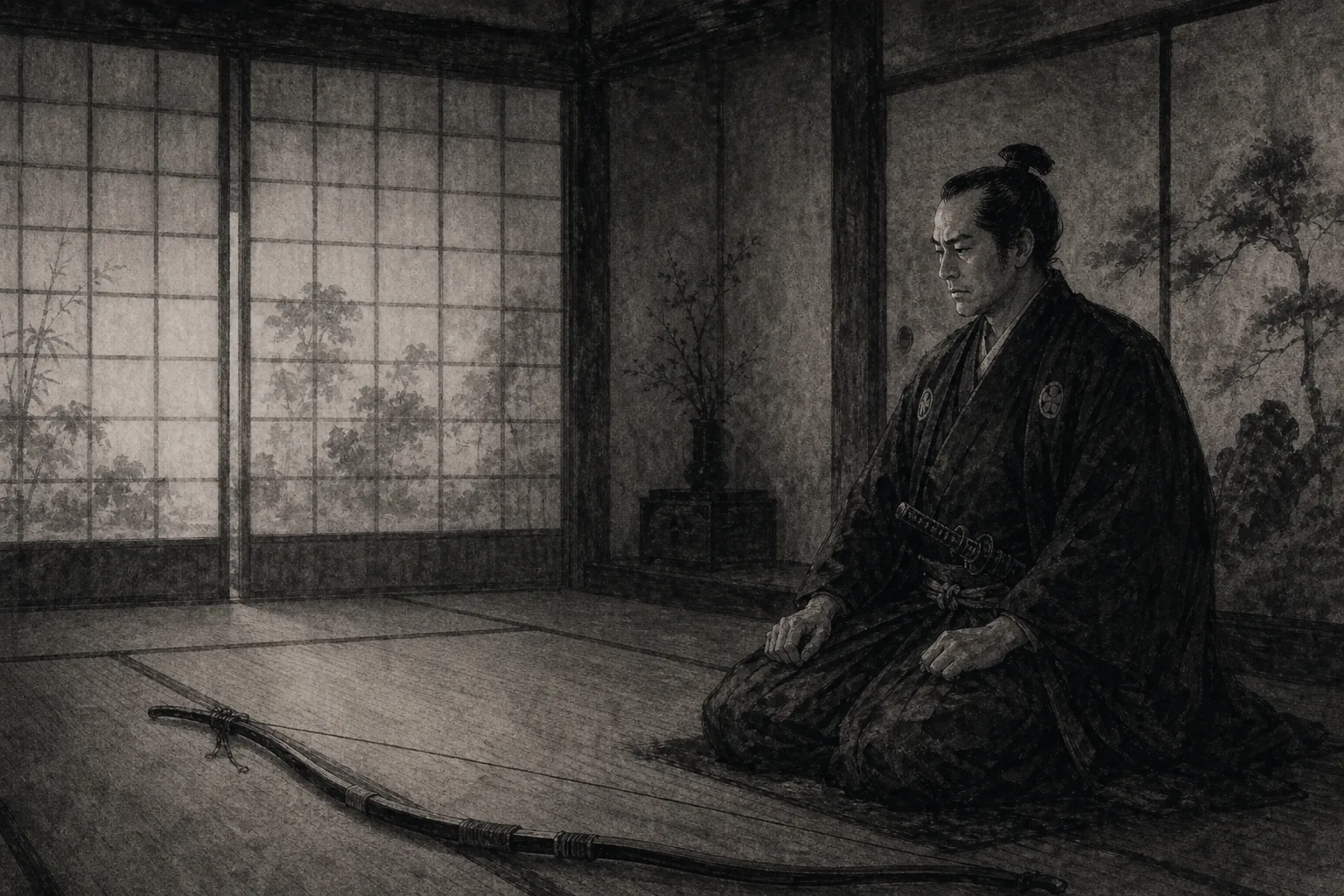
Matsudaira Yorinori is often reduced to the Shishido lord ordered to die after failing to suppress the Tenguto uprising. The surviving material record instead follows an adopted heir’s genealogy and succession papers, a map of a 10,000-koku domain, village ledgers and courier packets linking permanent Edo residence with the Shishido jin'ya, Tokugawa Yoshiatsu’s sealed proxy commission and procession roster, the closed gates of Mito Castle and returned petitions, a Nakaminato battle map with powder, medicine, and rations, and interrogation files, a bamboo bow, judgment papers, and the Yofukuji memorial monument. Yorinori, the Daihatsusei followers, and the Tenguto are not treated as one body.
Life
Edo and Shishido
Genealogy, succession petitions, and shogunate approval place him under obligations to both the Mito main house and the shogunate.
Edo and Shishido jin'ya
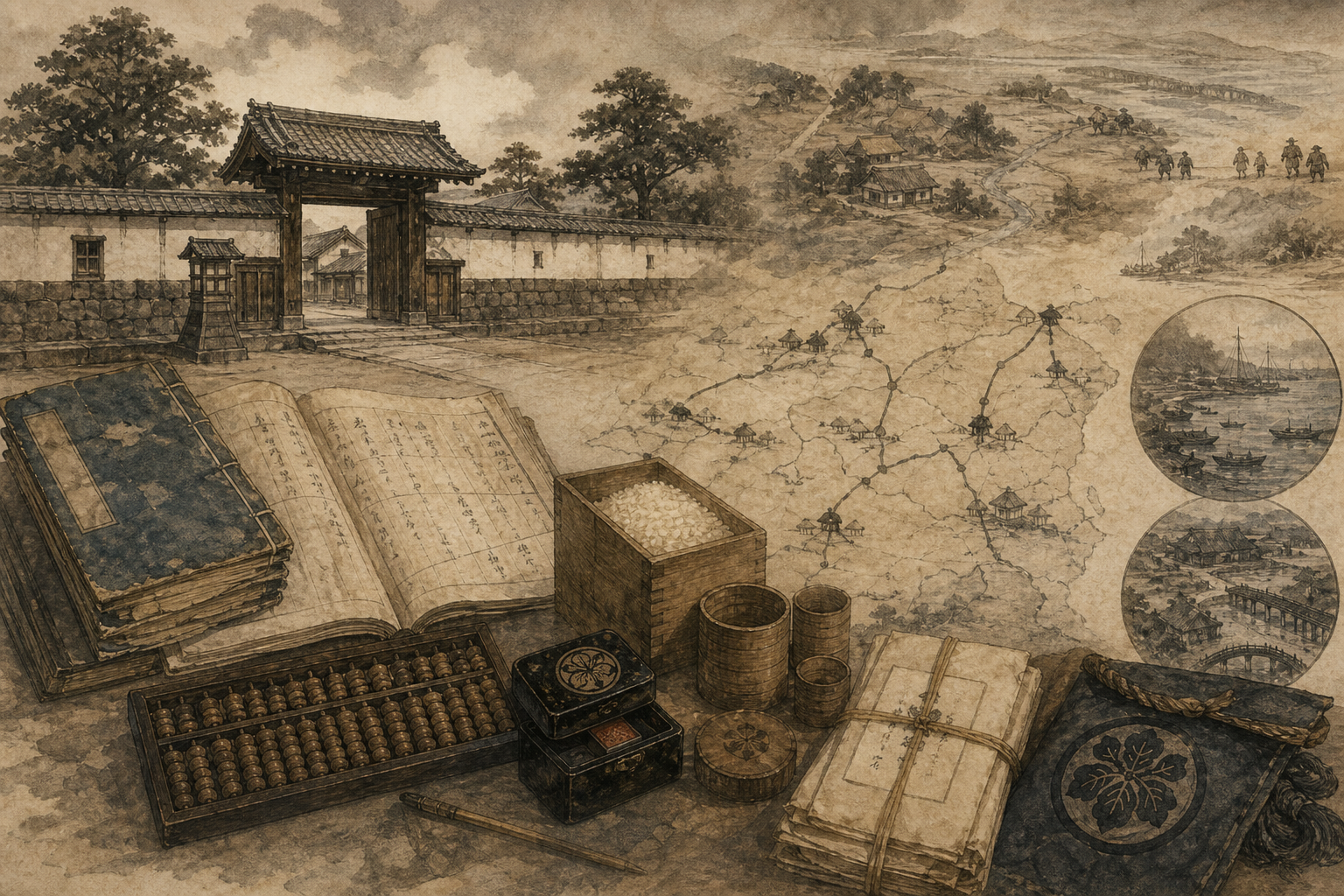
Jin'ya officers handle villages and tax while couriers, ledgers, and seals support remote government from the Edo residence.
Edo/Shishido to Mito
The official mission becomes the Daihatsusei as many activists join, placing people with different purposes in one column.
Mito castle town
Credentials and petitions cannot overcome factional control of the gate, destroying his practical position as an authorized mediator.
Nakaminato
Fighting consumes the harbor, food, medicine, buildings, and civilian security while opponents identify his column with rebels.
Under shogunate detention
Tradition places the death at the Matsudaira Manjiro residence. Date variants, retainer executions, 1868 restoration, and the memorial remain visible.
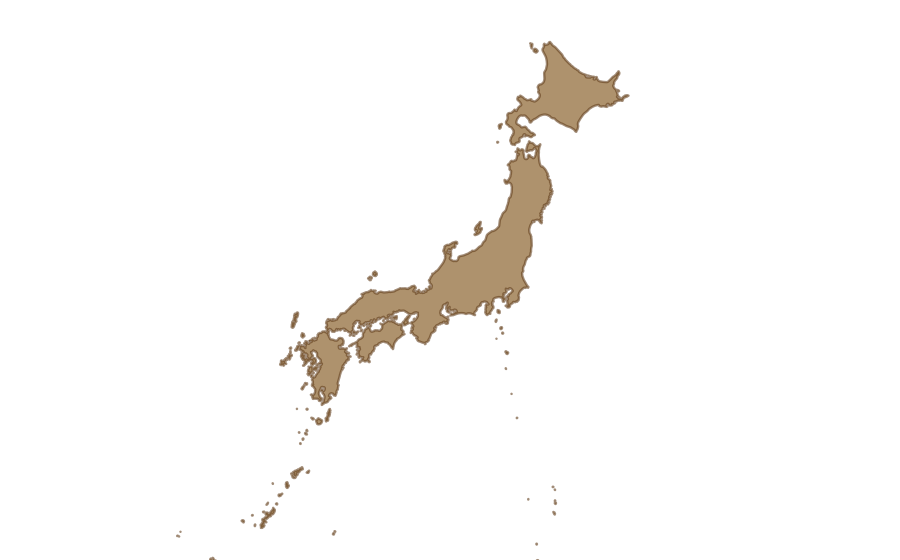
茨城県笠間市
陣屋跡で常府制下の地域行政を、養福寺の殉難碑で頼徳と家臣たちの処分・追悼を分けてたどる。
松平頼徳
Address茨城県笠間市平町周辺
Nearby
東京都文京区
正確な屋敷境界は時期差に注意し、江戸常住の藩主と宍戸陣屋を飛脚文書が結んだ統治構造を見る。
松平頼徳
Address東京都文京区関口三丁目周辺
Nearby
茨城県水戸市
水戸城跡と弘道館周辺から、諸生党が占めた城、差し戻された名代状、大発勢の陣具を読み解く。
松平頼徳
Address茨城県水戸市三の丸1丁目周辺
Nearby
茨城県ひたちなか市
港、那珂川、倉庫、街道の位置から、頼徳一行・尊攘派・追討側の戦闘と補給、住民被害を考える。
松平頼徳
Address茨城県ひたちなか市湊中央1丁目周辺
Nearby
Keys
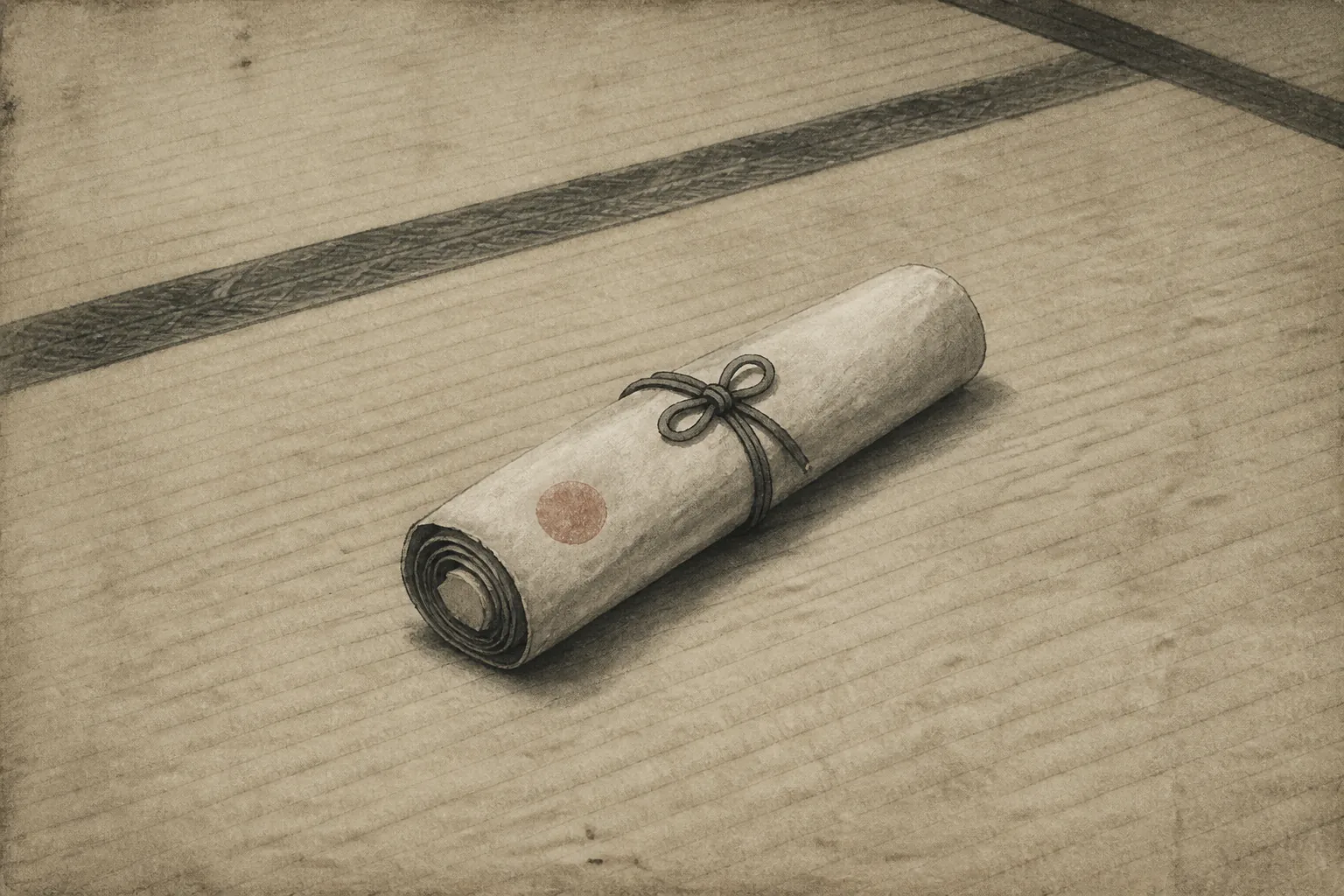
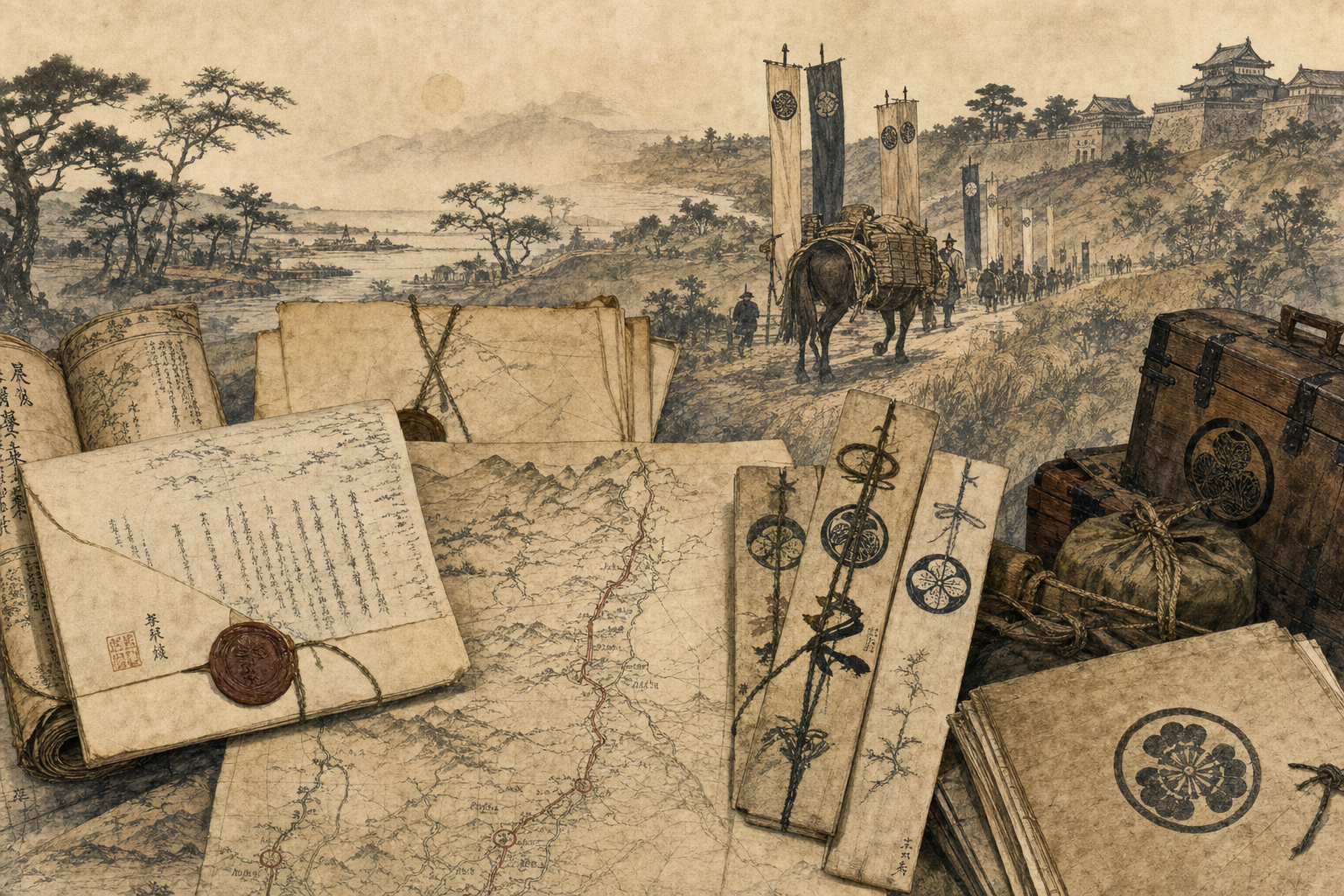
Yorinori became the adopted heir of the Shishido Matsudaira house and succeeded when his predecessor died without a son in 1839. A genealogy, adoption and succession petitions, shogunate approval, office seal, sword, 10,000-koku territorial map, and document cabinet show lordship created through procedures involving the Mito main house, the shogunate, and retainers rather than blood alone. Shishido was both a formally separate small domain and a Mito collateral house unable to stand apart from a crisis in the main domain. That dual position set the institutional conditions for Yorinori’s fatal proxy mission twenty-five years later.
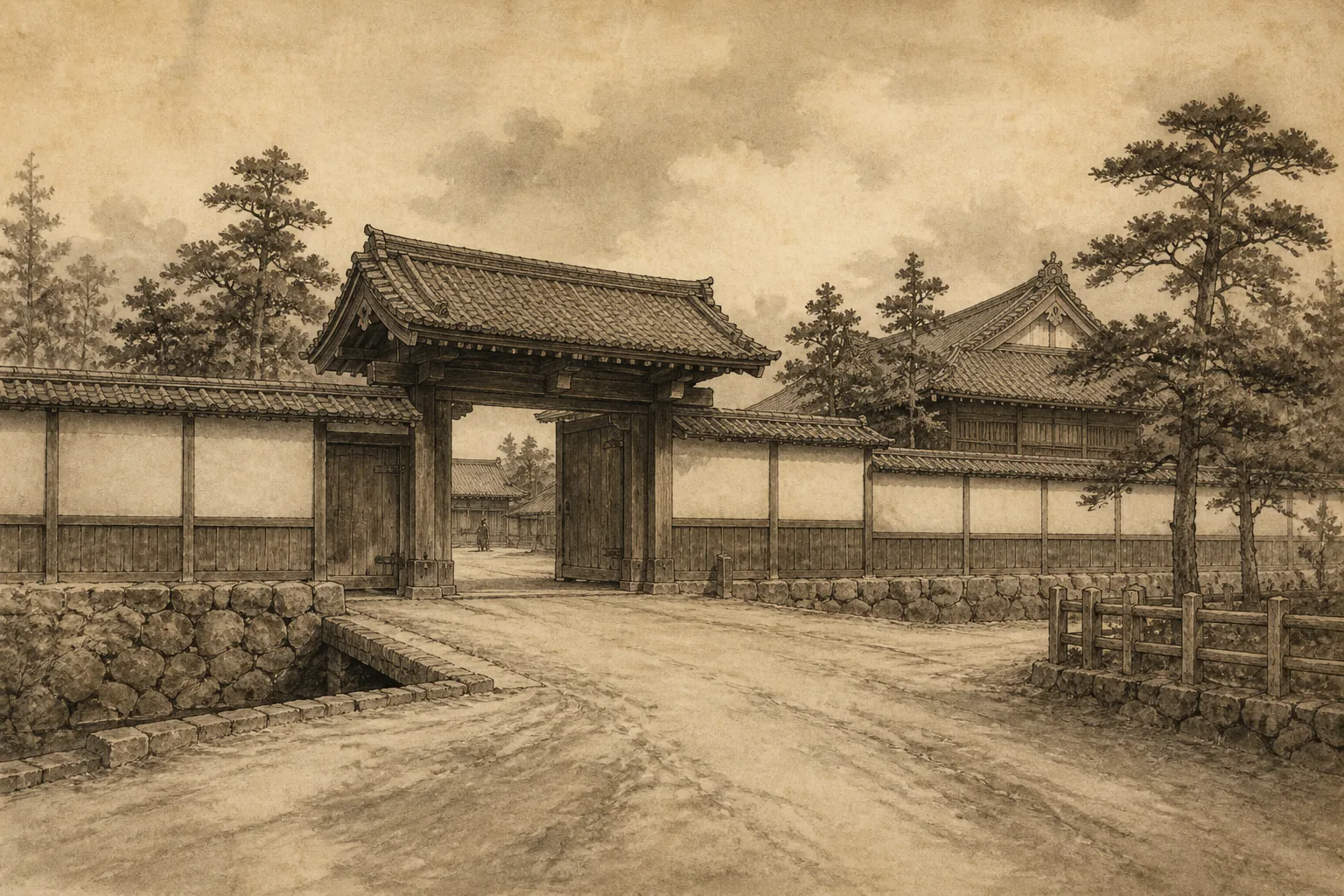
The Shishido Matsudaira lords followed a system of permanent Edo residence while a jin'ya built on the old castle enclosure handled local administration. Village registers, tax assessments, rice measures, an abacus, storehouse keys, seals, maps, petitions, and courier packets to Edo reveal government as repeated exchanges between a distant lord and working officials. Yorinori did not personally decide every daily matter: Edo stewards, jin'ya officers, village headmen, and cultivators linked records and payments. When the domain was abolished, the disruption reached employment, tax processing, families, and villages, not simply the honor of its ruling house.
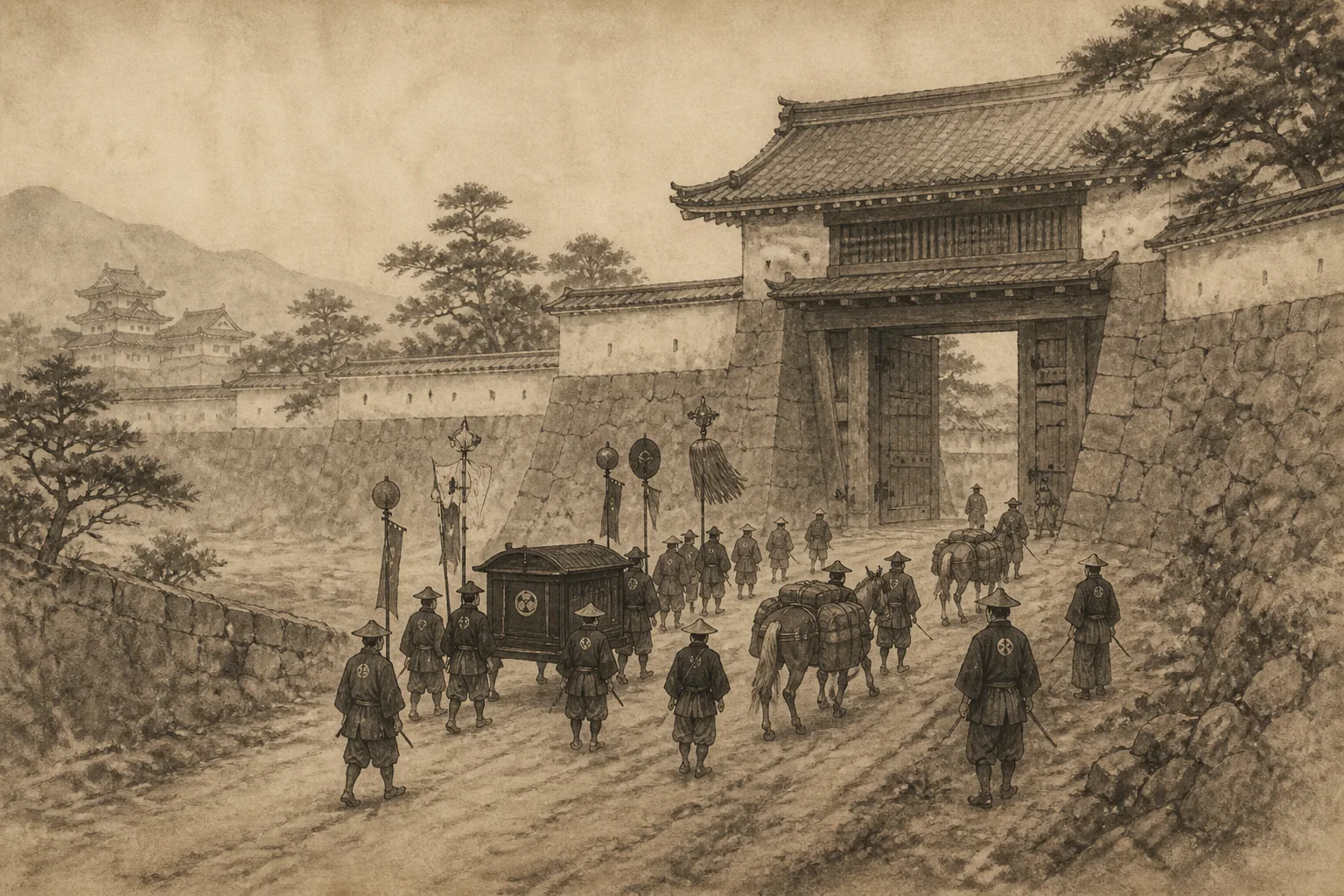
In 1864 Mito lord Tokugawa Yoshiatsu, responding partly to shogunate demands, sent collateral lord Yorinori toward Mito as his proxy to settle the domain conflict. A sealed commission, route map, checkpoint passes, lodging plan, procession roster, standards, travel chests, and horse gear establish an official mission rather than private enlistment in the Tenguto. Yet numerous pro-imperial activists joined the column, known as the Daihatsusei, making its boundary appear ambiguous to opponents. Yorinori’s orders, each follower’s political purpose, and the pursuing side’s perception must therefore remain separate questions.
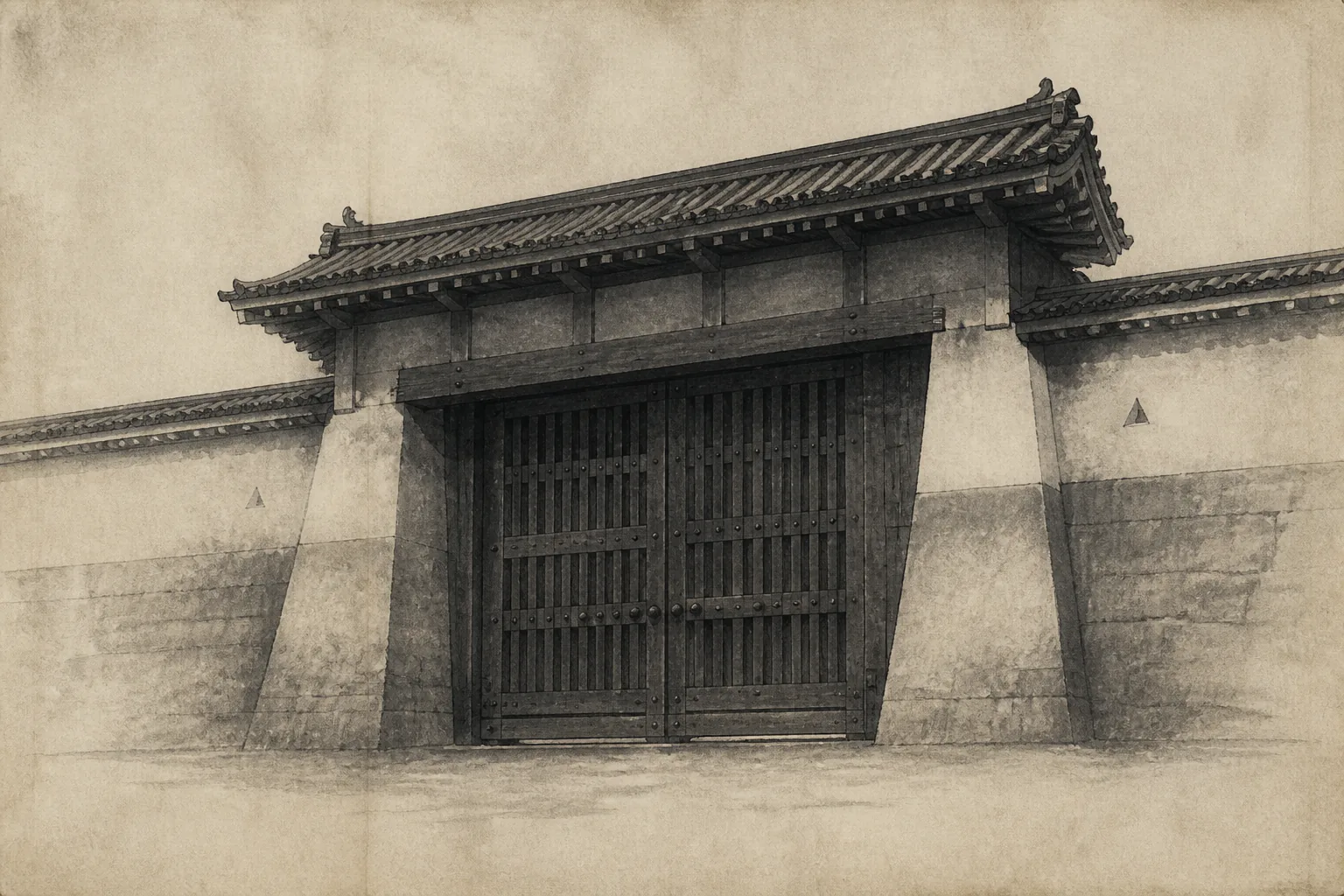
When Yorinori’s party reached Mito, the castle controlled by the Shoseito side refused entry. A massive barred gate, presented proxy credential, returned petitions, messenger records, and baggage, standards, and cooking gear accumulated outside make visible a situation in which military possession outweighed delegated lordly authority. The presence of many activists in the Daihatsusei explains suspicion, but it does not make Yorinori an original Tenguto insurgent from Mount Tsukuba. The failed exchange at the gate stripped an appointed mediator of a workable neutral position and pushed the mission into one side of an armed confrontation.
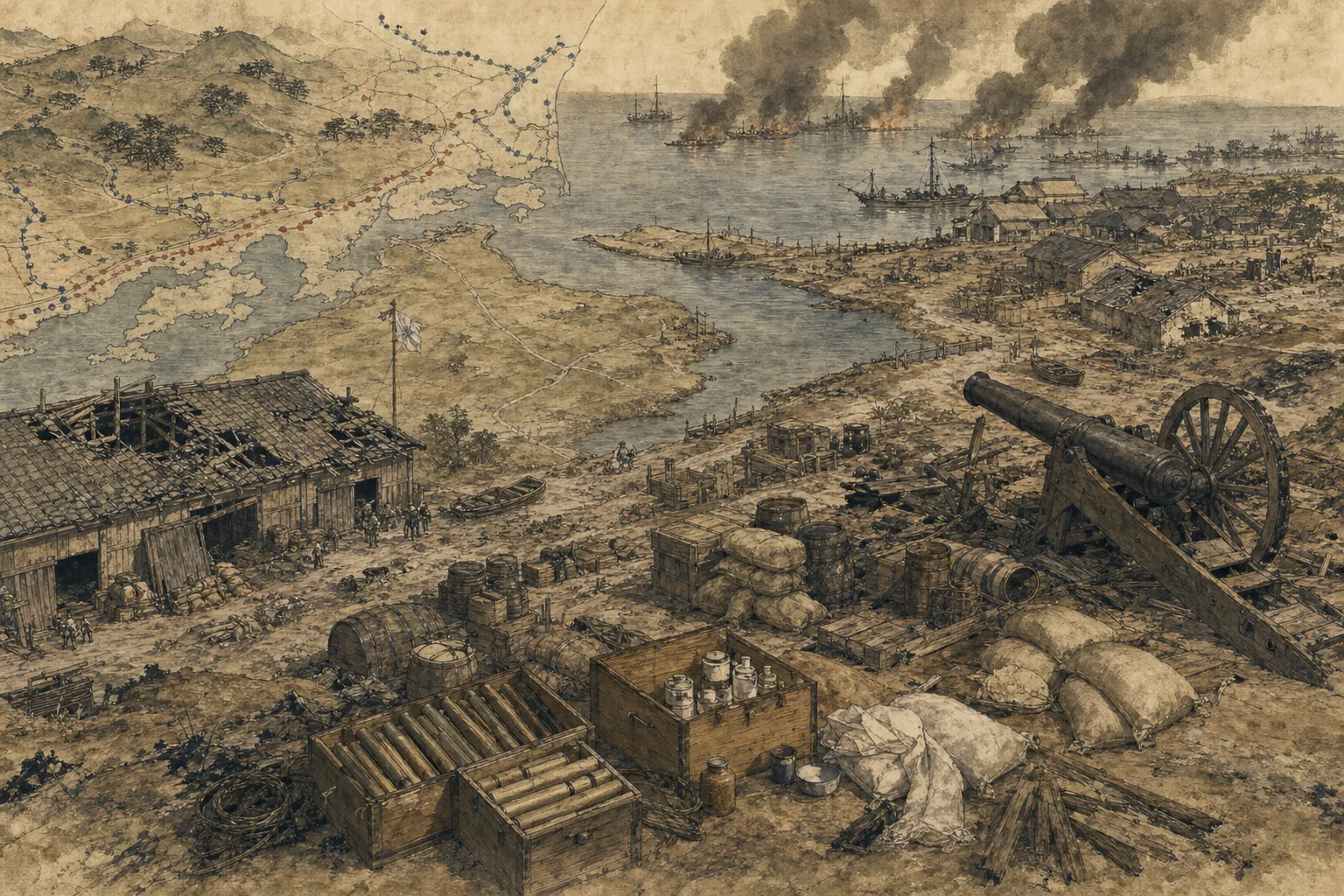
After the refusal at Mito Castle, Yorinori’s column and pro-imperial forces moved around Nakaminato and became caught in fierce fighting against shogunate and Shoseito forces. A battle map of the harbor and Naka River, powder barrels, cartridges, artillery carriage, field medicine chest, ration sacks, damaged warehouses, and evacuation routes show civil conflict destroying transport, food, treatment, homes, and resident safety. The punitive claim that Yorinori fought as one with the Tenguto and the collapsing intention of a proxy sent to restore order are different records. Keeping both visible prevents the later death sentence from proving its own accusation.
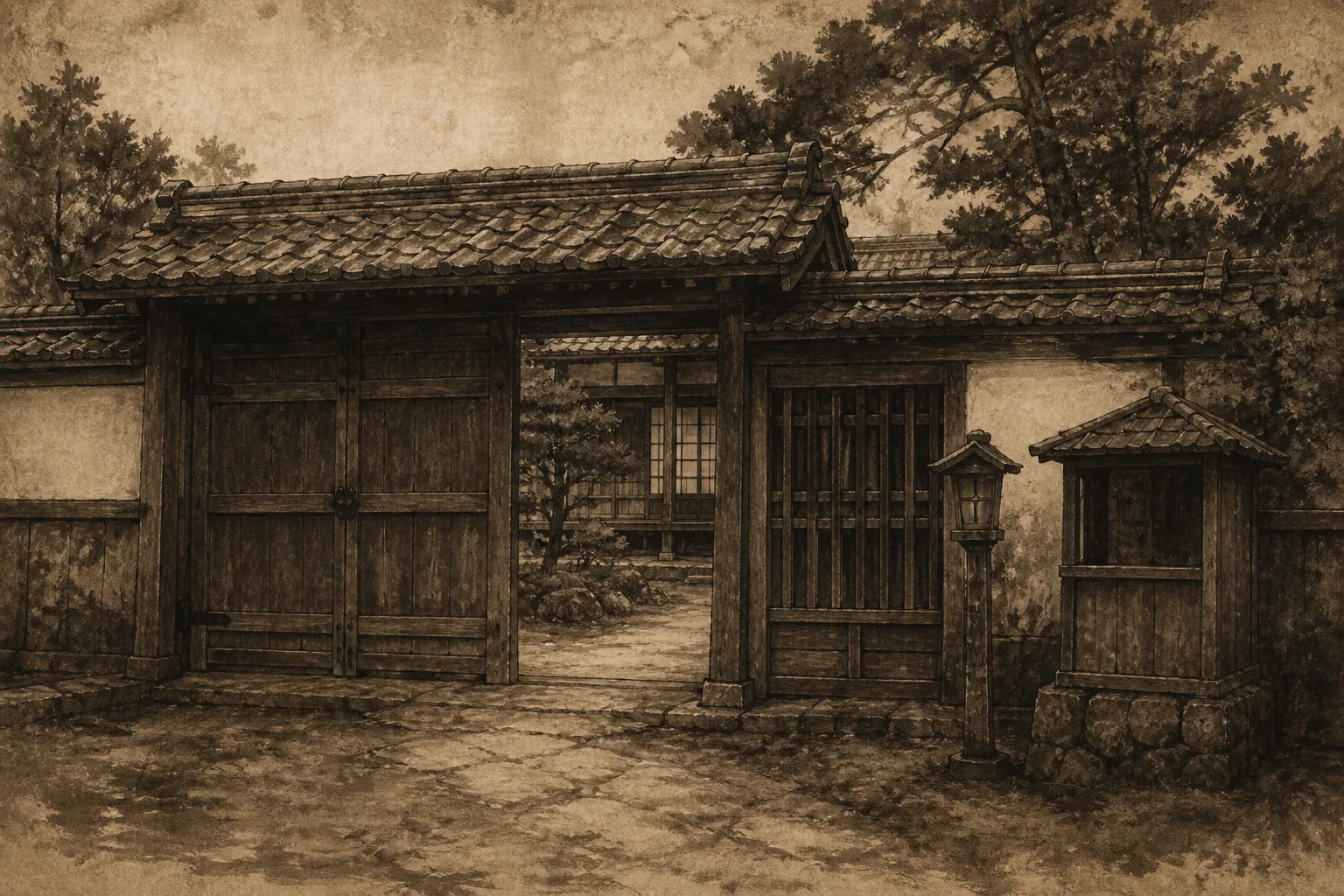
Yorinori went to the shogunate side to explain his intent, was detained, and is said to have been ordered to die at the Matsudaira Manjiro residence. Interrogation files, a sealed judgment, brush and inkstone, a final poem associated with a bamboo bow, formal clothing, and a short sword represent the reversal from mediator to condemned rebel. Sources differ between old-calendar dates in the tenth month. Shishido was abolished and many retainers were executed before restoration in 1868. The Yofukuji memorial monument remembers Yorinori together with sixty-two retainers, resisting a tale in which one lord’s dignified death absorbs everyone else’s loss.
VISIT
Search events related to Yorinori Matsudaira →Browse all Bakumatsu events →