Mito
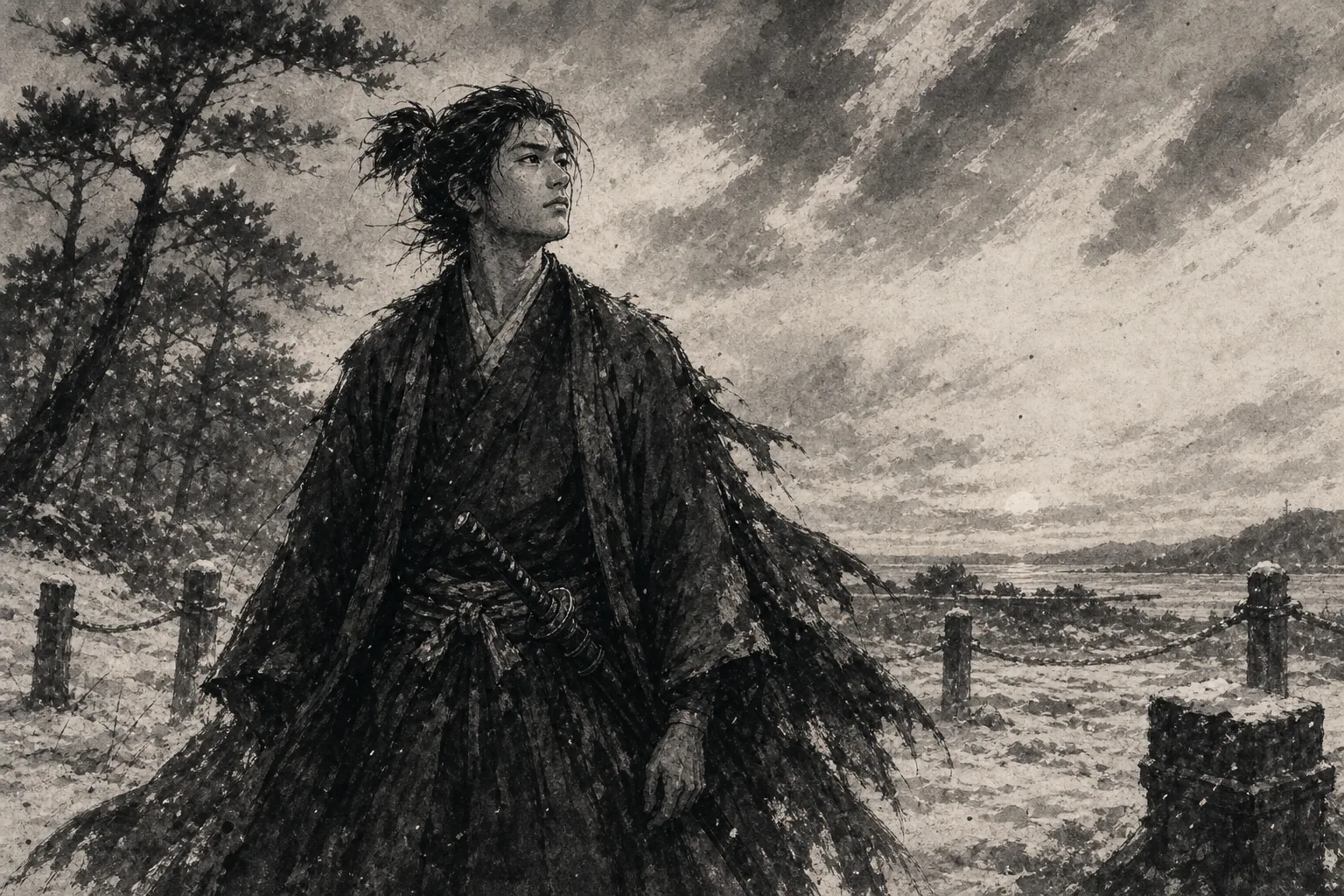
Born into a Mito retainer household
Known personally as Nobuyoshi, he grew within household registration and inherited service; a specific school record is not asserted.
Know the Person
Kokubu Shintaro is usually encountered only as a twenty-one-year-old Tenguto marcher executed at Tsuruga. The surviving material record instead follows a Mito retainer household register and document chest, a Shinchogumi guard post and duty roster, passes and baggage used while accompanying Shishido lord Matsudaira Yorinori, a route map, regulations, and snow gear for the westward march, stacked weapons and surrender papers at Shinbo, and the herring warehouse, final verse paper, execution field, and burial mounds at Tsuruga. Evidence about Kokubu himself is kept separate from records of the party as a whole.
Life
Mito
Known personally as Nobuyoshi, he grew within household registration and inherited service; a specific school record is not asserted.
Edo
Expectations of anti-foreign action coexist with routine guard posts, patrols, fire prevention, discipline, and transmitted orders.
Shishido toward Mito
While traveling in an official procession, he enters the Tenguto movement amid the widening internal conflict of the Mito domain.
Kanto–Shinano–Mino–Echizen
Winter movement requires regulations, lodging, food, clothing, weapons maintenance, and burdens placed on communities along the route.
Shinbo, Tsuruga
Unable to present the cause to Yoshinobu, the group is counted, disarmed, and moved into custody in Tsuruga.
Raikoji-no, Tsuruga
He dies at twenty-one. A final verse survives, while local memorial services and grave visits preserve a history larger than heroic death.
茨城県水戸市
国分本人の弘道館在学は断定せず、藩士の家中名簿、城下勤務、尊攘論が交差した藩の制度を見る。
国分新太郎
Address茨城県水戸市三の丸1丁目6-29周辺
Nearby
茨城県笠間市
宍戸藩主の通行手形、行列、荷物から、水戸へ向かう途中で国分の進路が変わった経緯をたどる。
国分新太郎
Address茨城県笠間市平町周辺
Nearby
茨城県つくば市
国分は当初挙兵者とせず、後から合流した人物として、横浜鎖港、軍資金、軍律、内部対立を学ぶ。
国分新太郎
Address茨城県つくば市筑波1周辺
Nearby
福井県敦賀市
新保の降伏地、舟町の鯡肥料蔵跡、来迎寺野の刑場・墓を一地点にまとめず、処分の段階をたどる。
国分新太郎
Address福井県敦賀市松島町2丁目周辺
Nearby
Keys
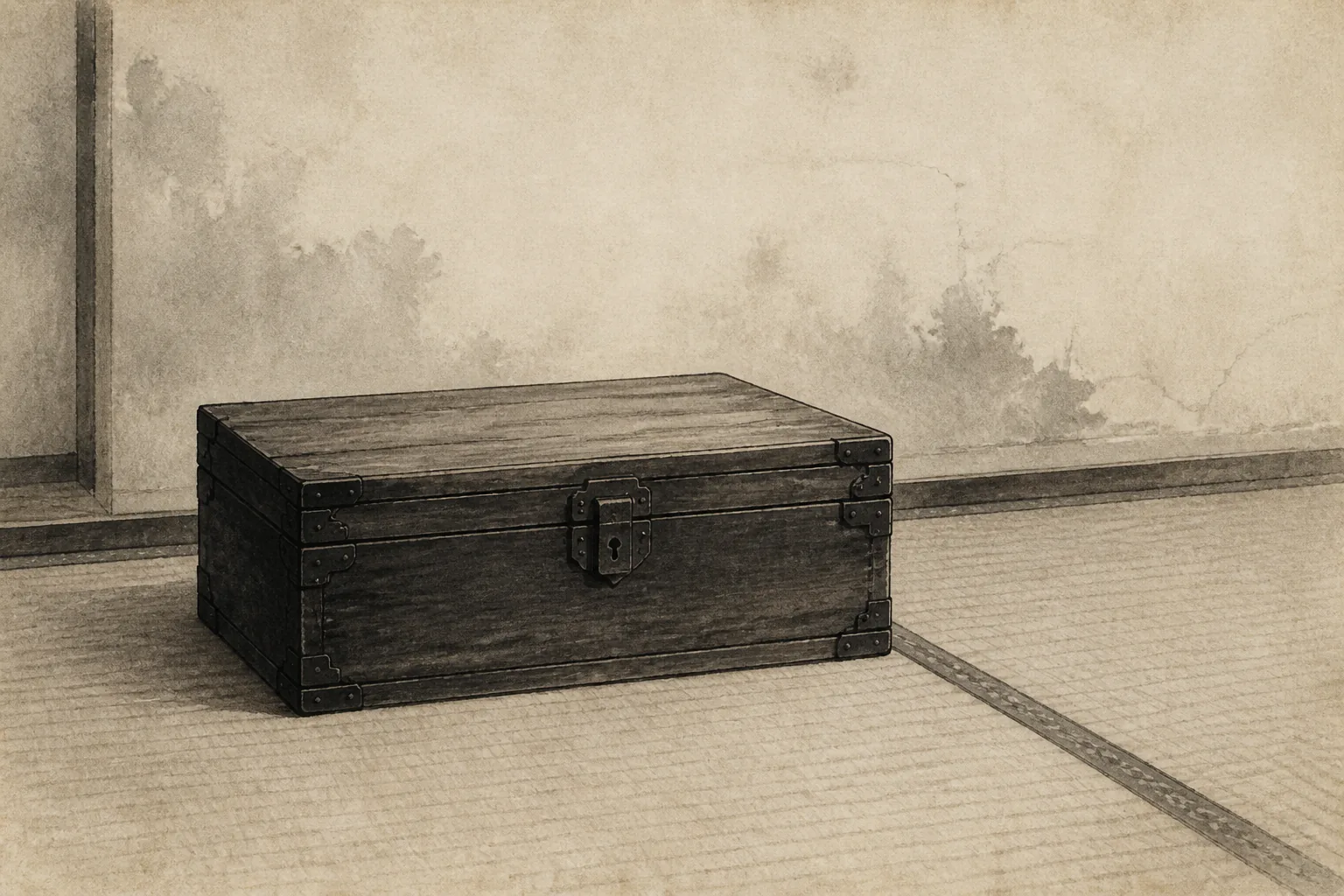
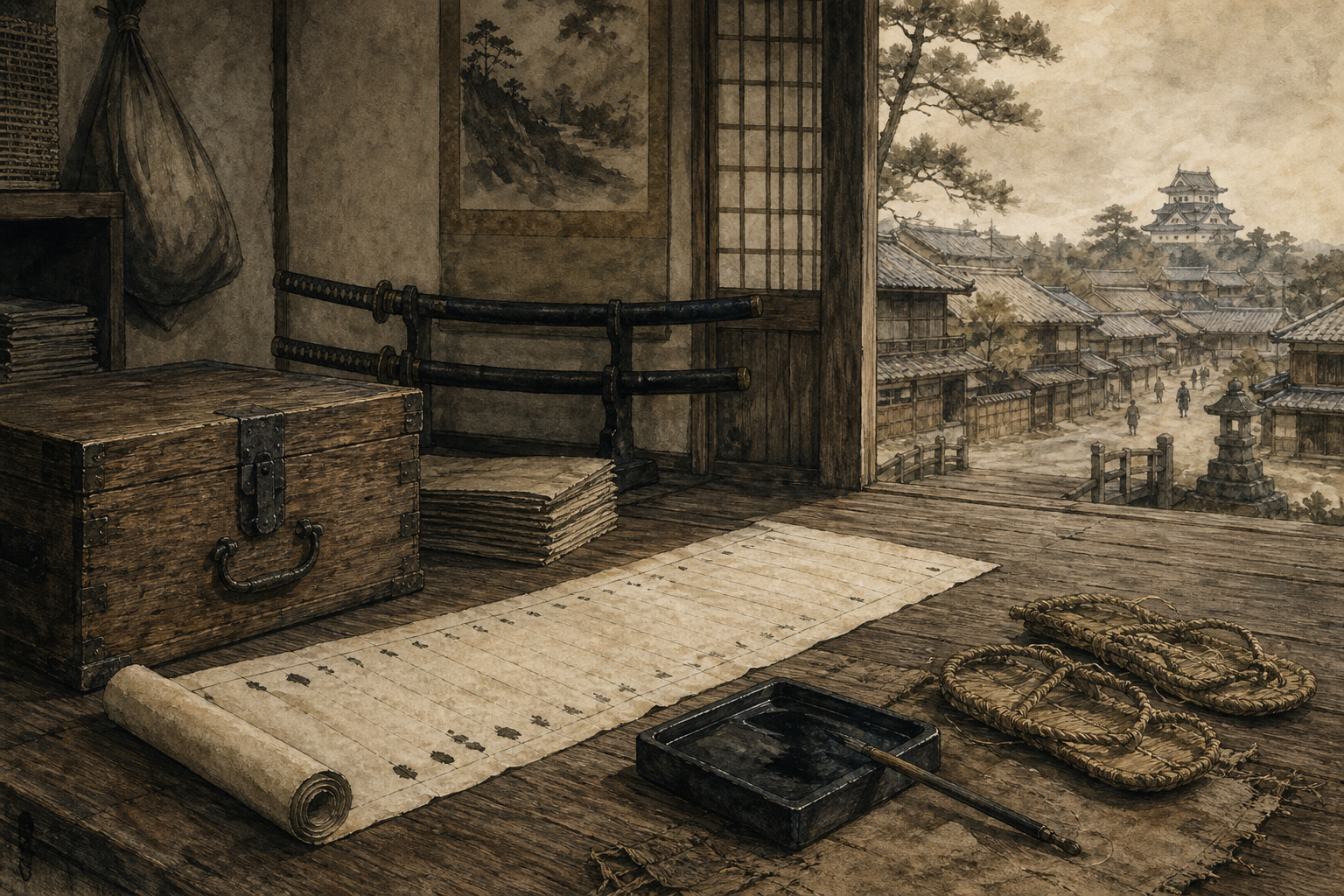
Kokubu Shintaro, personal name Nobuyoshi, was born in 1845 into a Mito retainer family. A household register, genealogy, account of stipend and office, document chest, paired swords, inkstone, and sandals for castle-town service show status as a structure of family registration and inherited obligation rather than a private identity. No firm evidence places Kokubu himself at Kodokan, so the domain school is not claimed as his individual record. The political atmosphere of Mito and the requirement to answer orders in the household name nevertheless formed the institutional ground from which his later choices emerged.
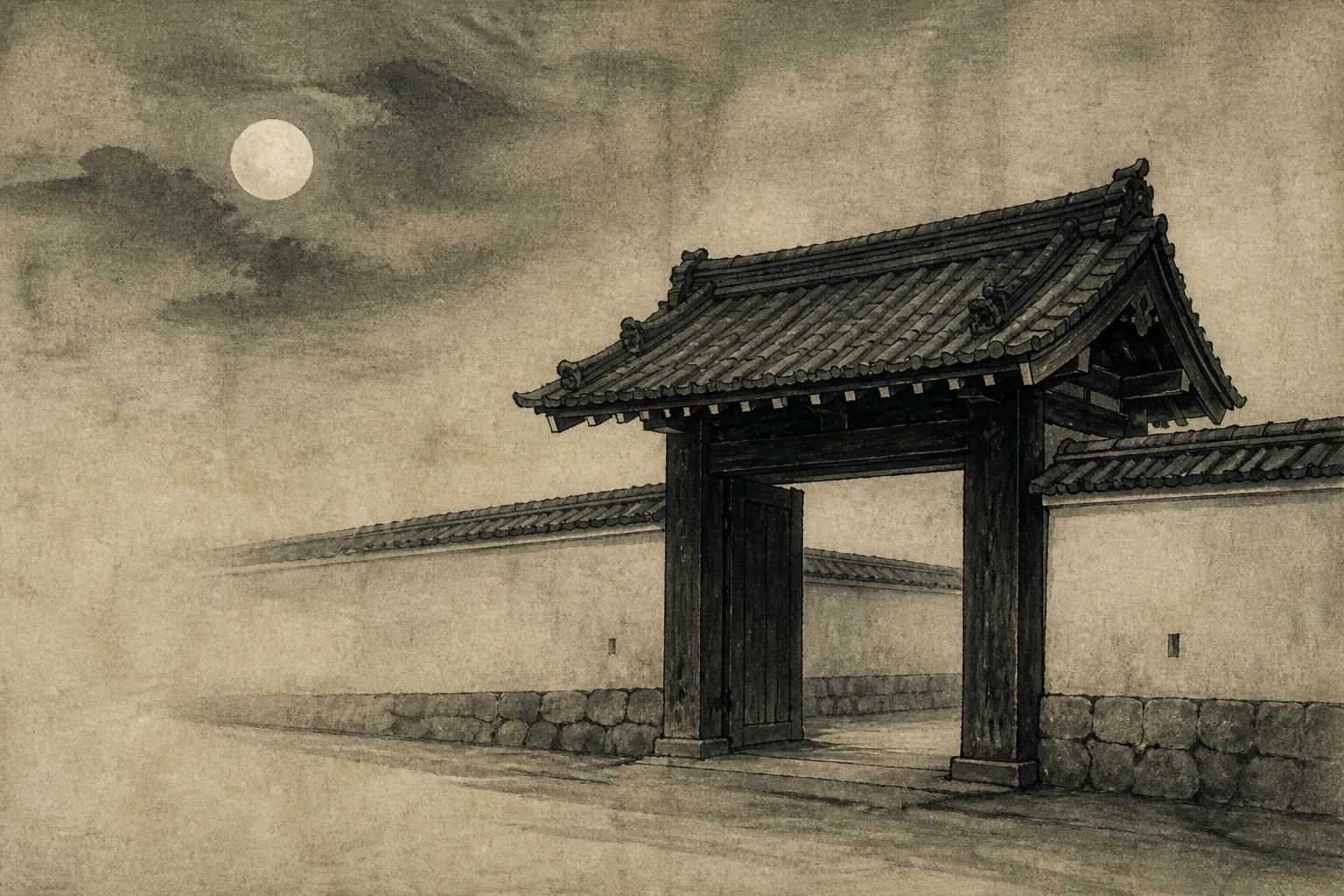
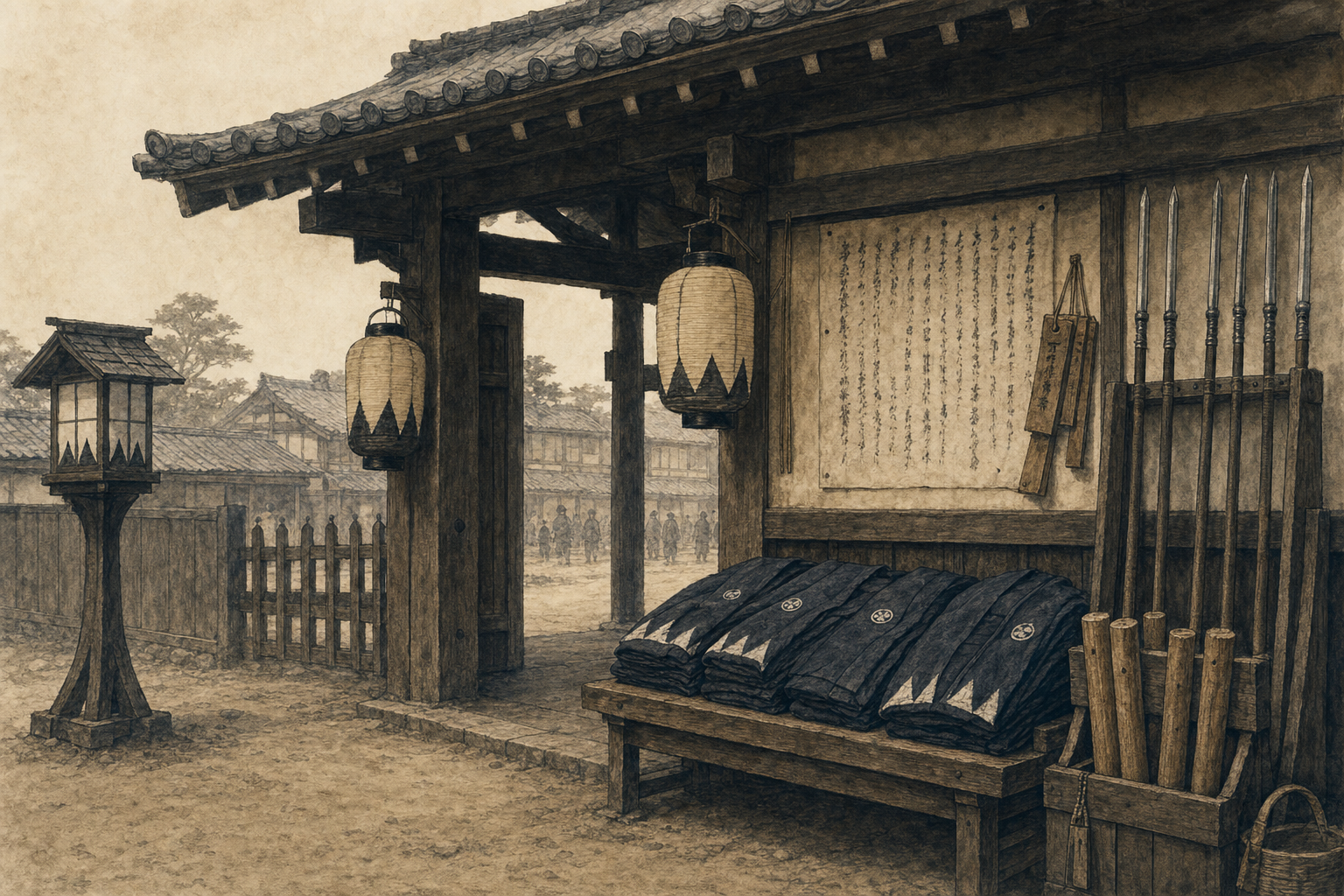
In 1863 Kokubu joined the Shinchogumi and performed Edo security duty. A guard roster, gate pass, folded uniform coats, spear rack, lanterns, fire-watch clappers, and patrol equipment reveal an organization sustained by gate shifts, rounds, fire prevention, and transmitted orders. Some recruits hoped to serve as an advance force for expulsion of foreigners, yet daily work meant urban policing and discipline. Kokubu’s exact post and surviving equipment are unknown; these objects explain the shared institution rather than pretending to be personal relics. They place ideology beside collective routines and a chain of command.
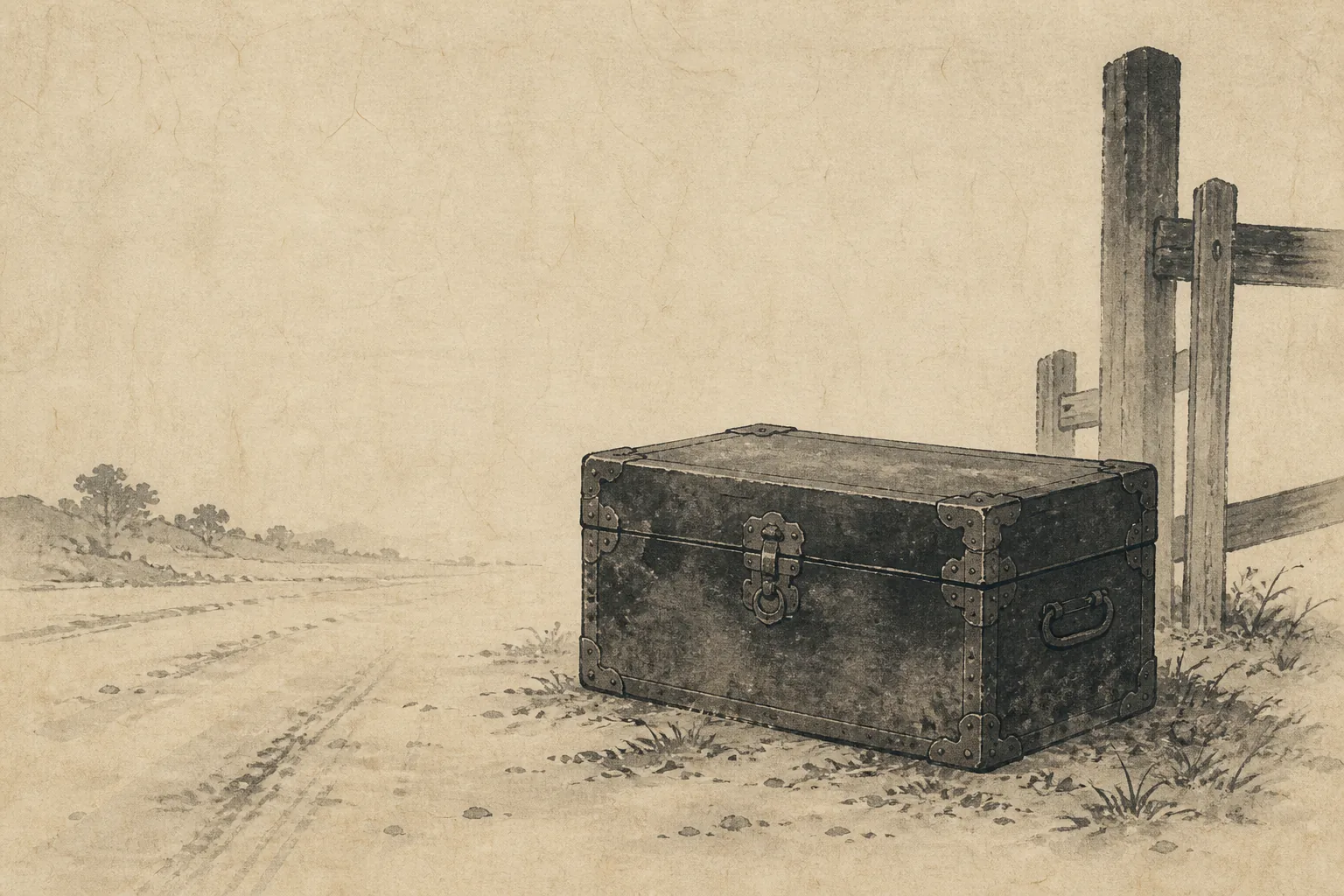
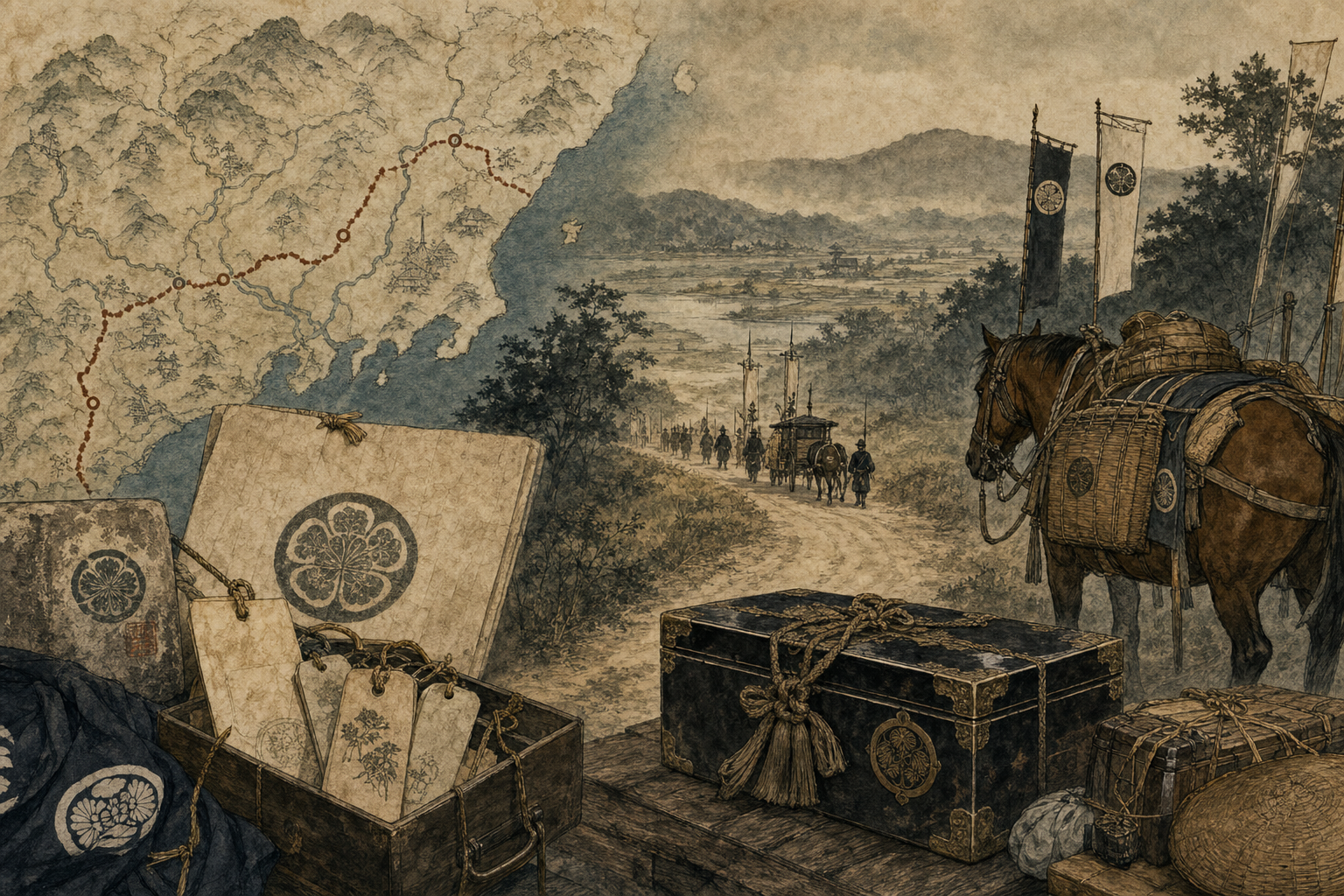
In 1864 Kokubu accompanied Shishido lord Matsudaira Yorinori toward Mito. Route maps, checkpoint passes, lodging allocations, lacquered travel chests, baggage tags, horse gear, and standards show movement prepared as official service rather than a private journey. A biographical dictionary says Kokubu joined the Tenguto uprising while on this mission. He therefore should not be inserted among the original leaders who raised forces at Mount Tsukuba. The evidence instead shows a retainer following one authorized procession whose allegiance and destination changed while conflict inside the Mito domain expanded around it.
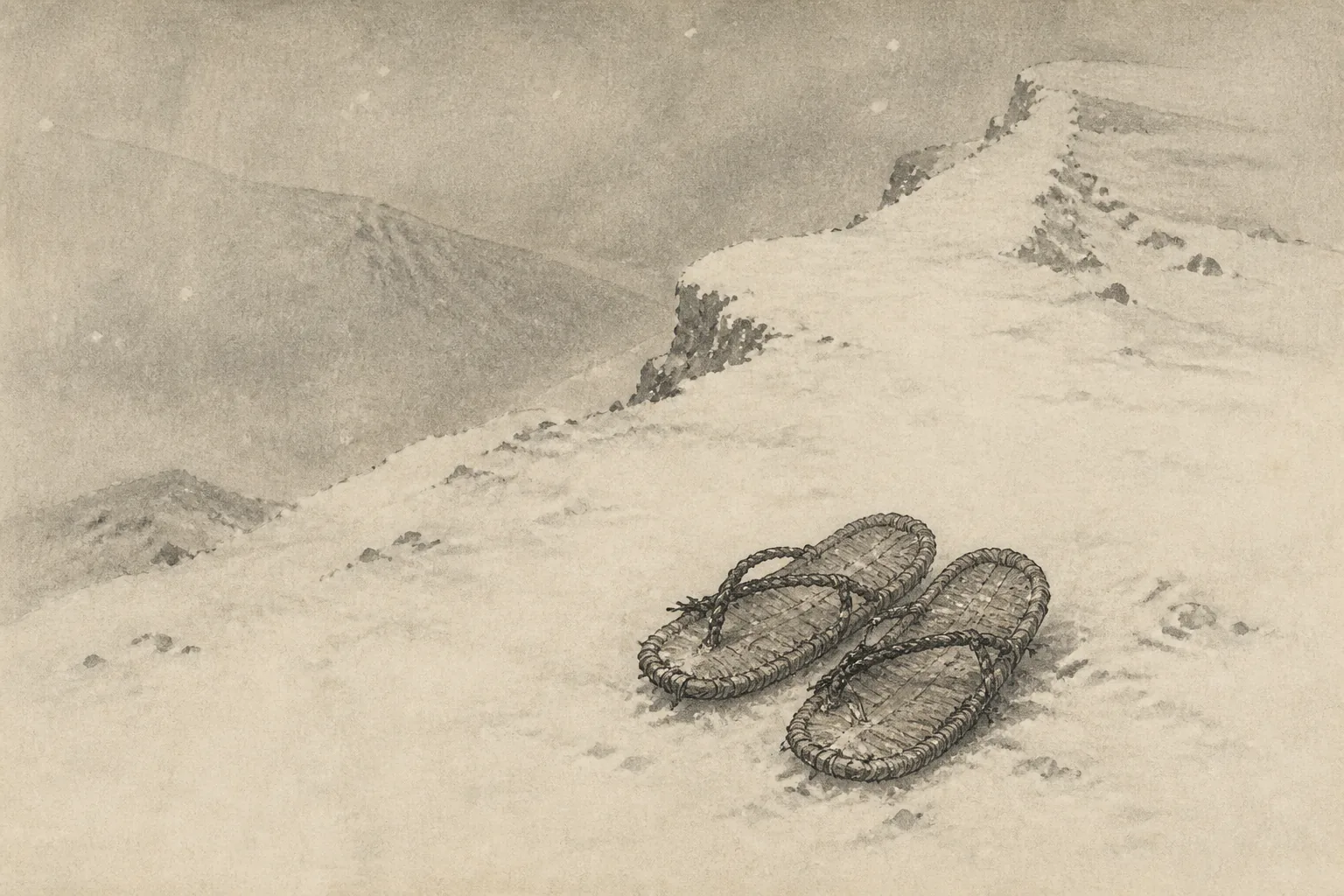
Kokubu joined Takeda Kounsai and others in the Tenguto westward march intended to reach Hitotsubashi Yoshinobu in Kyoto. A route map, written regulations, straw snow boots, rain capes, ration sacks, cartridge materials, and matchlock tools expose the logistical work behind movement from Kanto through Shinano, Mino, and Echizen in winter. The party issued rules against coercive fundraising, but the wider uprising also brought disputed collections, burdens on residents, factional division, and civil fighting. The banner of loyalism and expulsion cannot erase the cost of feeding, housing, and controlling a large armed body.
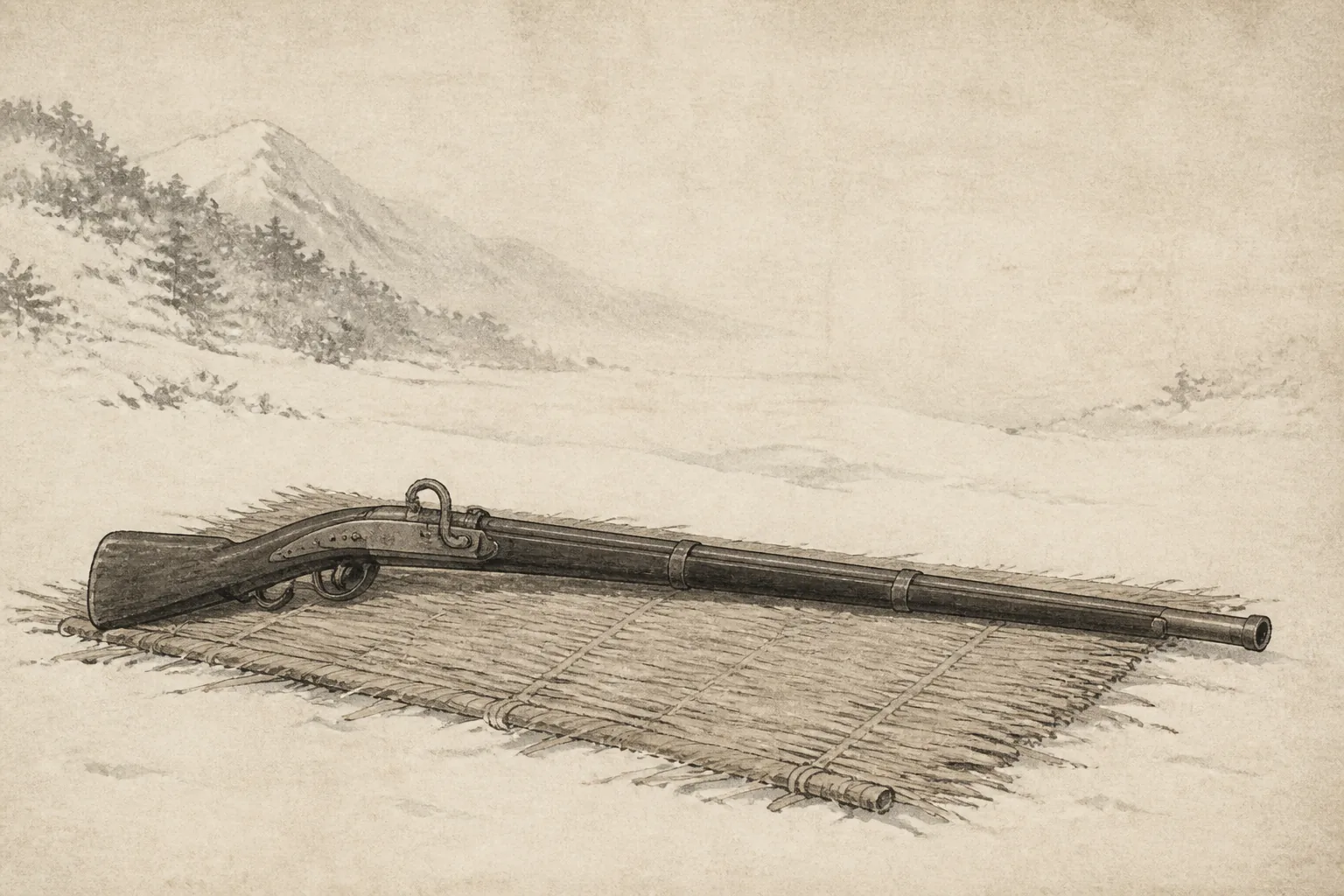
In the twelfth month of 1864 the Tenguto surrendered at Shinbo near Tsuruga to Kaga forces leading the pursuit. Swords, spears, guns, ammunition boxes, name lists, surrender papers, seals, camp curtains, and the snowy settlement represent the administrative conversion of an armed column into counted prisoners. Kaga’s initial treatment was relatively respectful, but conditions changed sharply after transfer to shogunate authority. No single weapon is identified as Kokubu’s. The scene instead tracks how he and hundreds of companions lost their arms, freedom of movement, and ability to speak politically as an organized group.
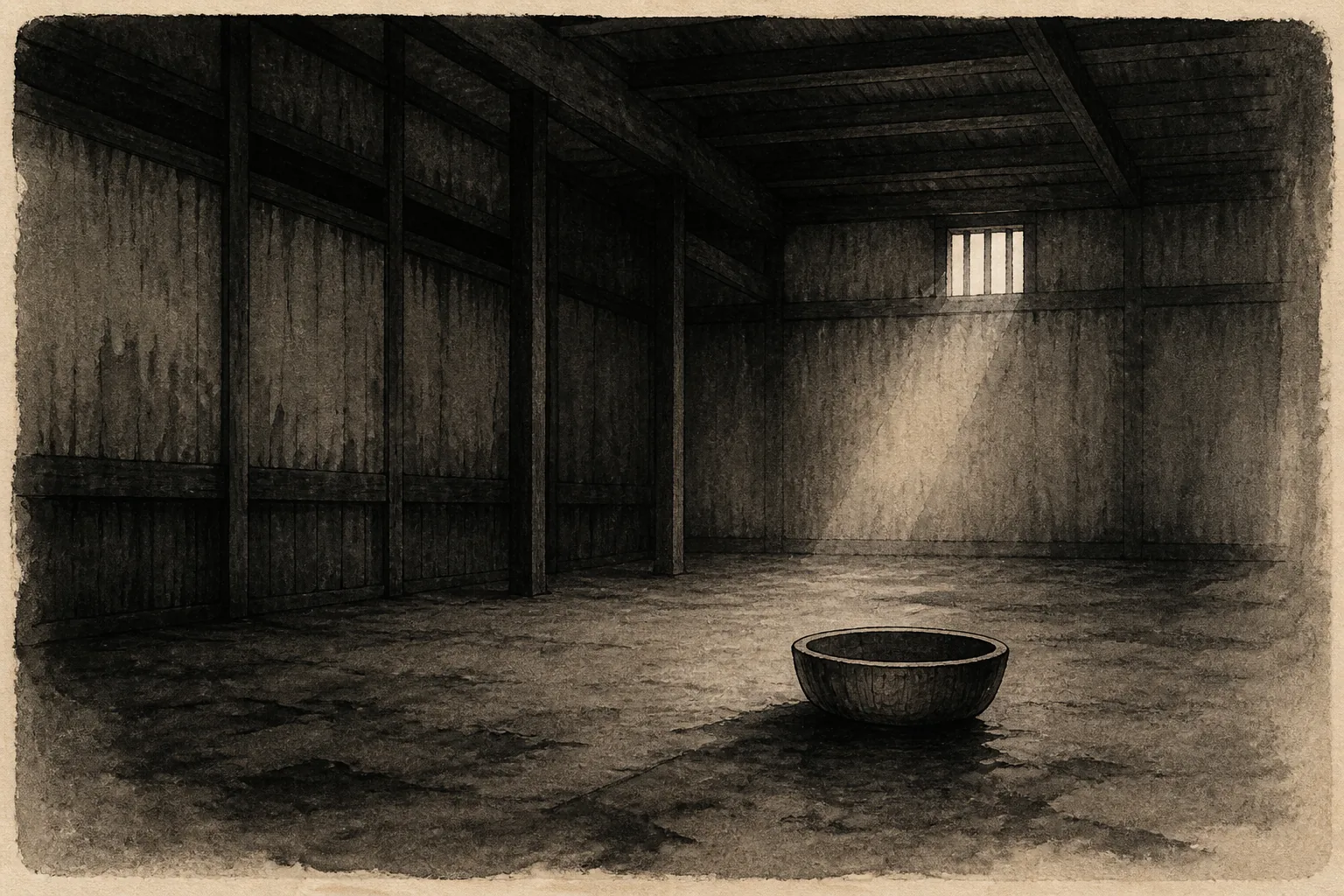
After transfer to shogunate custody, 823 Tenguto prisoners were taken through Tsuruga temples and then packed about fifty at a time into sixteen warehouses normally used for herring fertilizer. Dark timbers, straw, wooden bowls, summary interrogation records, paper and inkstone for a final verse, the field at Raikoji-no, and five burial mounds distinguish confinement, judgment, execution, and burial. Kokubu was executed on 4 February 1865 at age twenty-one. His transmitted final verse should not turn coercive death into heroic spectacle; remembrance also belongs to Tsuruga residents who held services and visited the graves despite restrictions.
VISIT
Search events related to Shintaro Kokubu →Browse all Bakumatsu events →