Yae Tamaru · Mito Yae Tamaru's death poem, "引きつれて死出の旅路も花ざかり". Read the original Japanese, modern translation, interpretation, and historical context as distinct parts of the poem.
Person
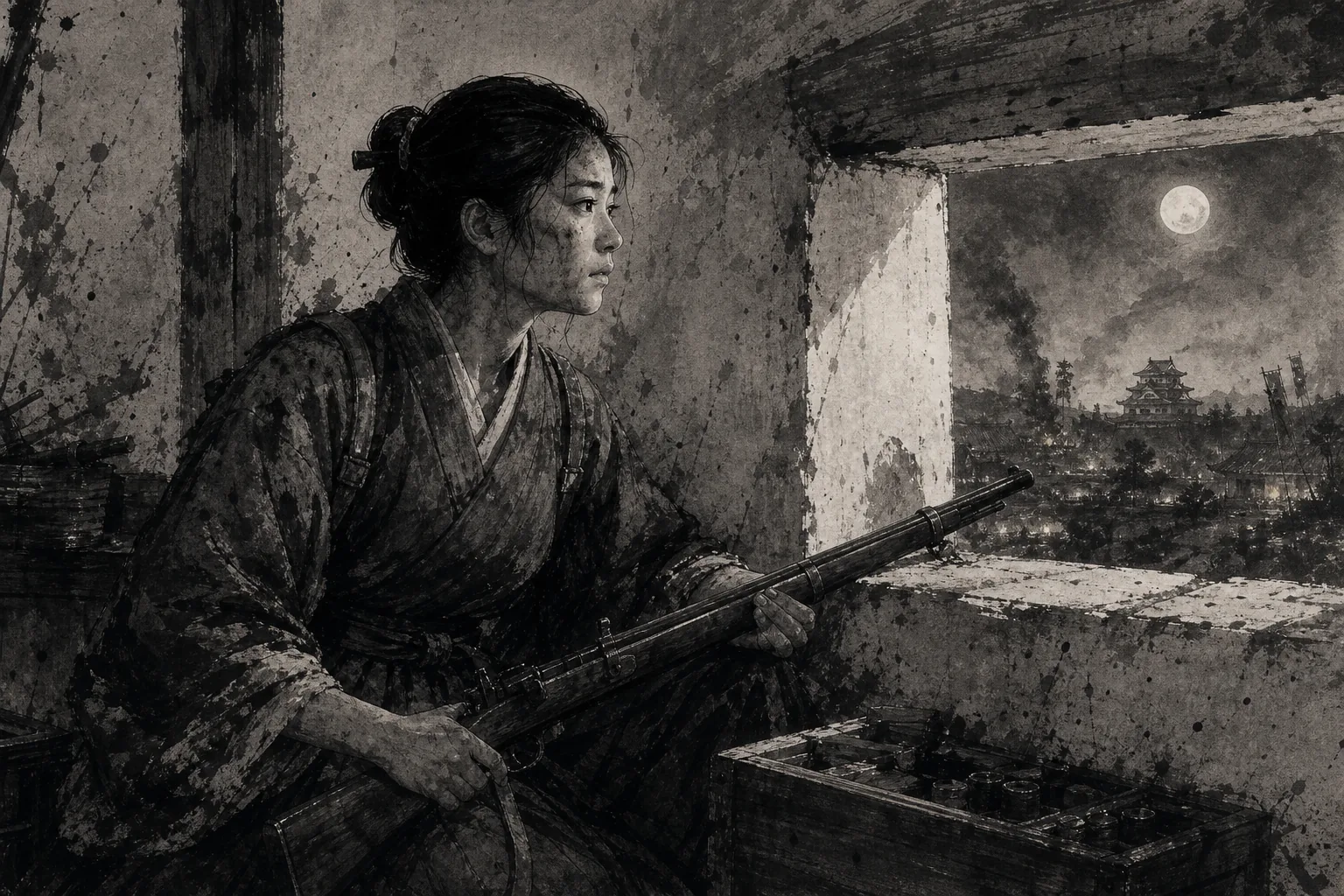
Remembered as Tamaru Inanoemon's second daughter Yae, age seventeen, through a transmitted death poem associated with collective punishment after the Tengu Party affair.
Learn about Tamaru Yae
Translation
Even the journey to death, when we go together, is in the full bloom of flowers.
Poetic Shape A Japanese death poem is less a final explanation than a last shape given to feeling. Its brevity matters: a life is not narrated, but compressed into a few lines that leave room for silence.
Reading
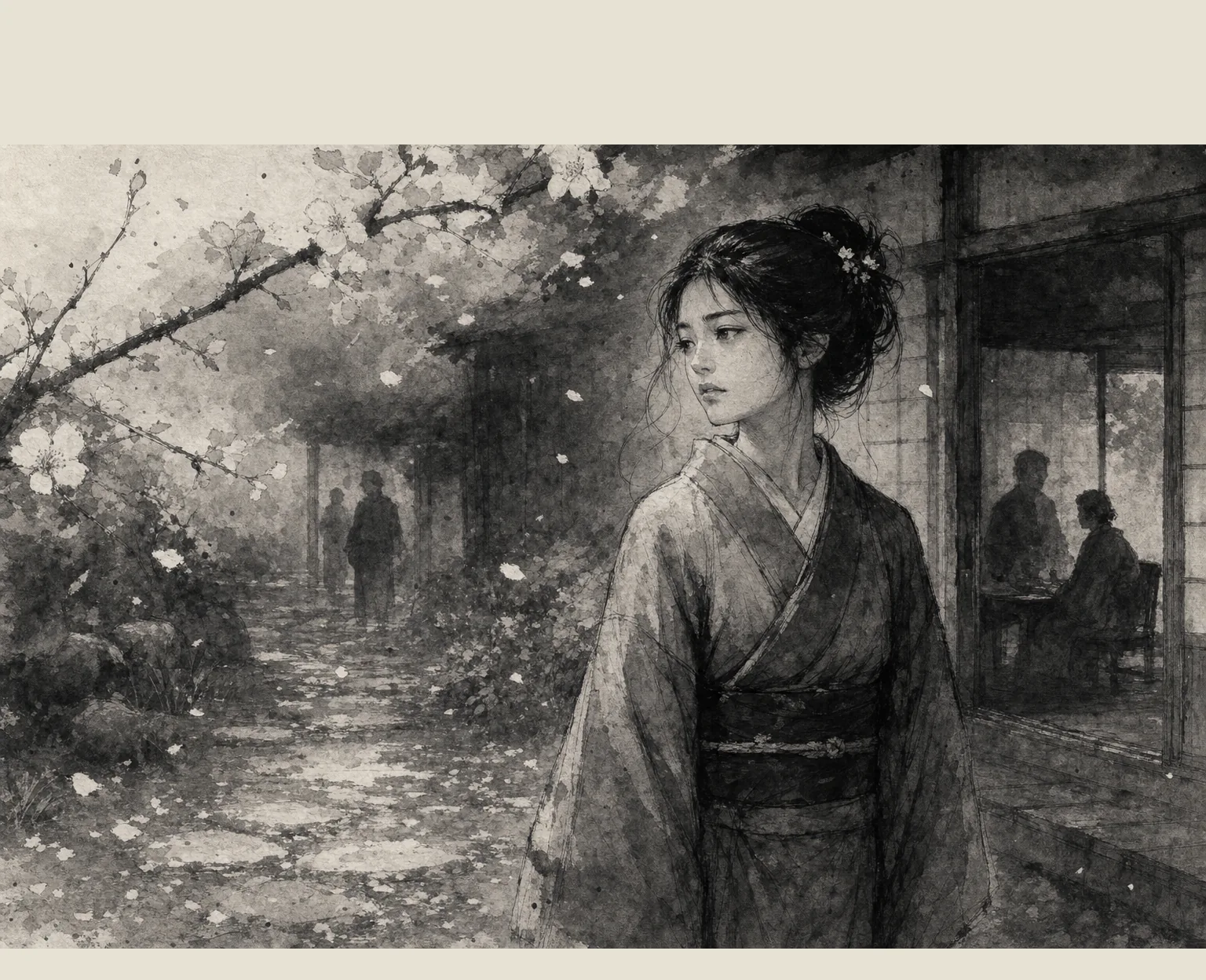
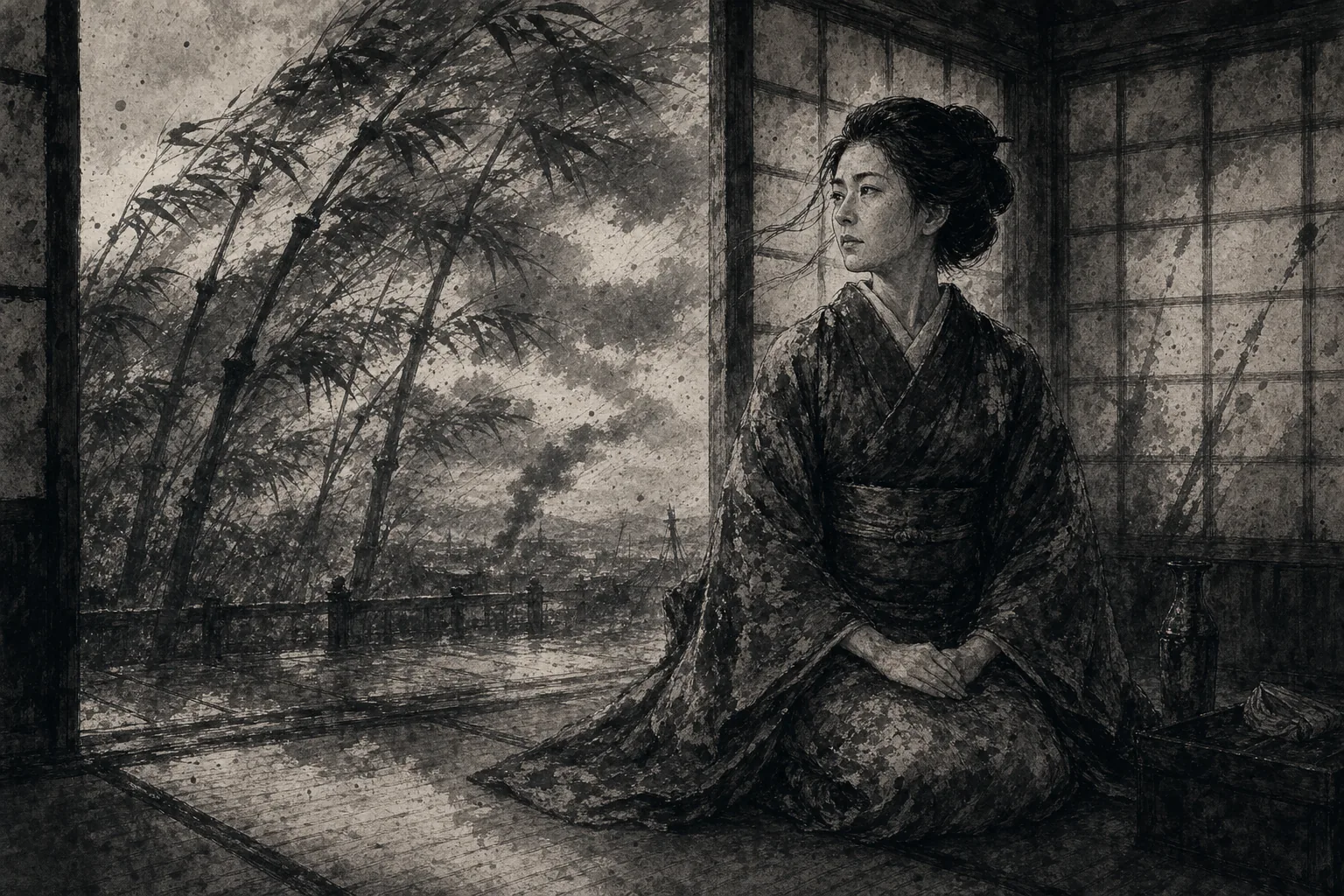
The frightening part of this poem is the beauty of full bloom.Death is not shouted; it is turned into a journey and flowers, which makes the family's forced movement toward death feel even quieter and more painful.The Tengu Party affair was political, but it also cut through ordinary family life.
Background
The circulated attribution identifies the poet as Yae, the seventeen-year-old second daughter of Tengu Party leader Tamaru Inanoemon.The former database name Yatsu lacked support and has been corrected.The original witness for the wording, age, and execution circumstances still requires verification, so the poem is also examined as later transmission of collective-punishment memory.
Source / Transmission A circulated form attributed to Yae, the seventeen-year-old second daughter of Tamaru Inanoemon. The original witness for the wording, age, and execution circumstances has not yet been located.
Further Reading
Find related books and places to stay For readers who want more historical context, these links search for related books on external stores.
Affiliate link