Know the Person

Shoin Yoshida

長州藩 / 1830-1859

Trace Yoshida Shoin through the institutions, journeys, failed plans, prisons, and writing practices that shaped him: Meirinkan, travel across Japan, the Shimoda attempt, Noyama Prison, Shoka Sonjuku, and Tenmacho.

Life

Shoin Yoshida's Journey

Edo Period
Tenpo 1-111830-40Kaei 3-61850-53Kaei 71854Ansei 1-21854-55Ansei 3-51856-58Ansei 5-61858-59Ansei 61859
1

Hagi

Raised to Teach Military Studies


Born into the Sugi family, Shoin was adopted into the Yoshida house of Yamaga military instructors. Teaching at Meirinkan while still young made learning a duty of judgment and explanation, not a private accomplishment. This stage of Shoin Yoshida's life becomes clearer when the event is read with the places, objects, and documents associated with Hagi, revealing both its immediate setting and the conditions that shaped the next decision.
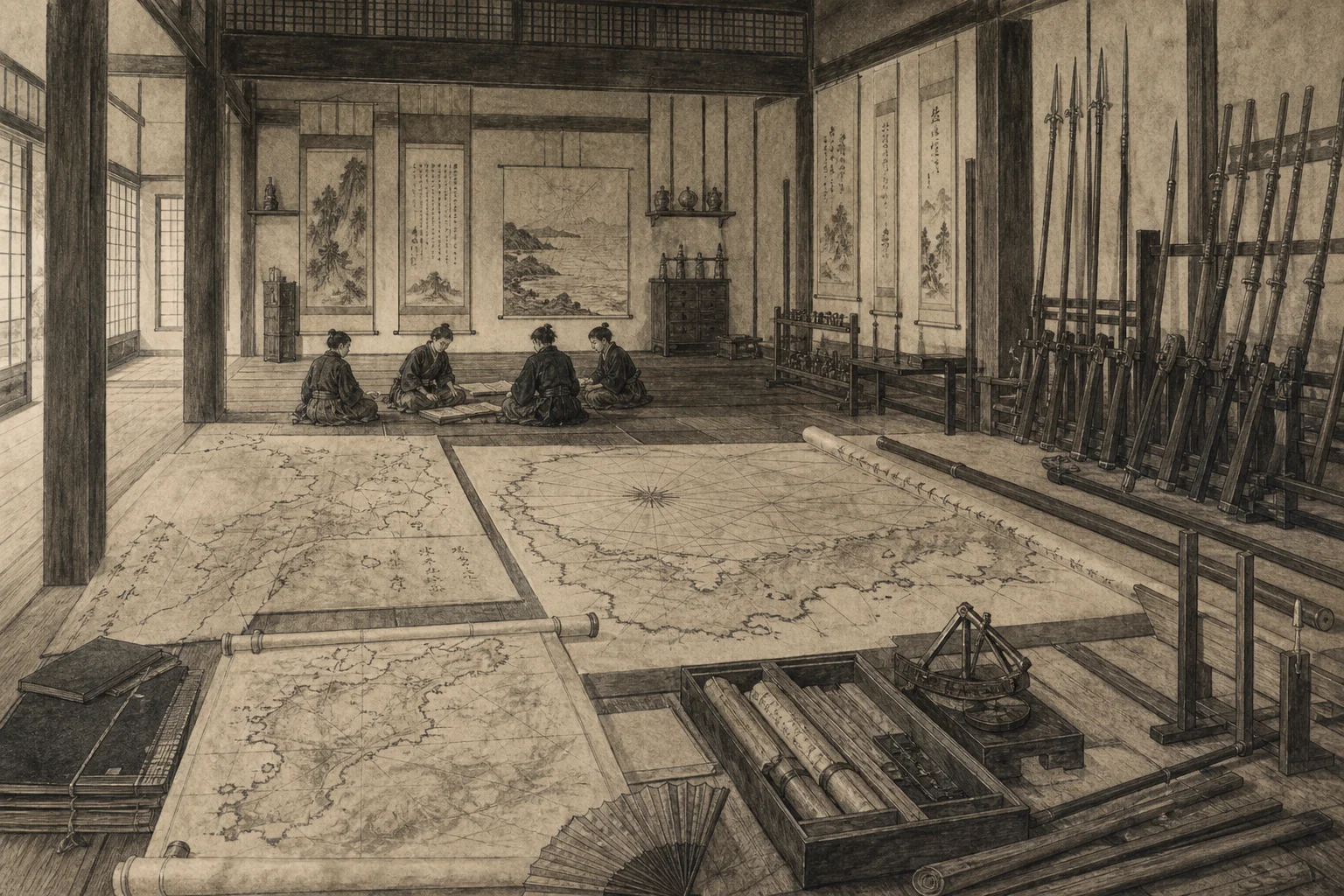
Meirinkan ink painting

Kyushu, Tohoku, Edo

Measuring the Country on Foot


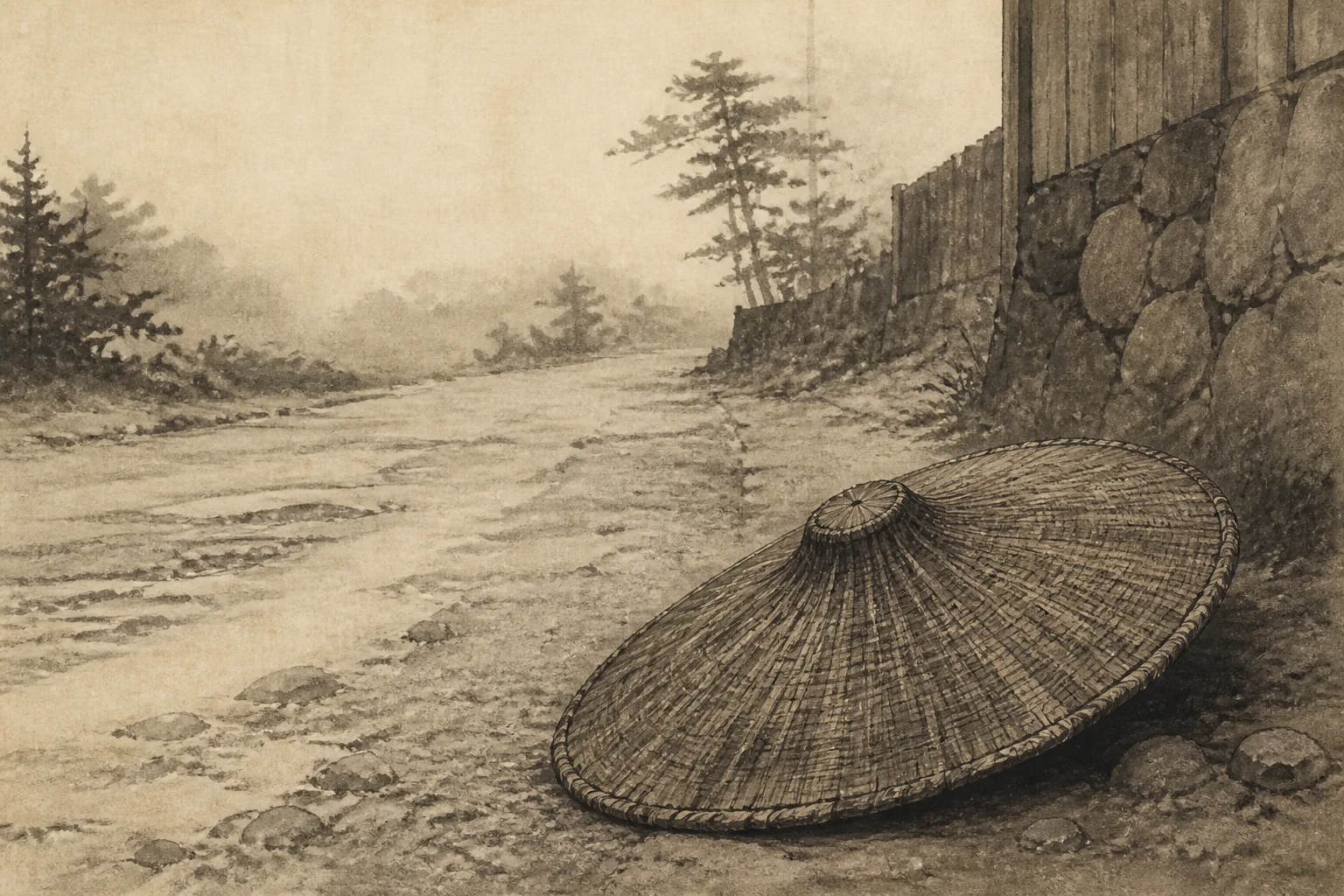
Travel through Kyushu, Edo, and Tohoku exposed Shoin to coastal defenses, roads, and people outside Choshu. Study with Sakuma Shozan brought Western military knowledge into this practical geography. This stage of Shoin Yoshida's life becomes clearer when the event is read with the places, objects, and documents associated with Kyushu, Tohoku, Edo, revealing both its immediate setting and the conditions that shaped the next decision.

Travel Kit ink painting
2

Shimoda

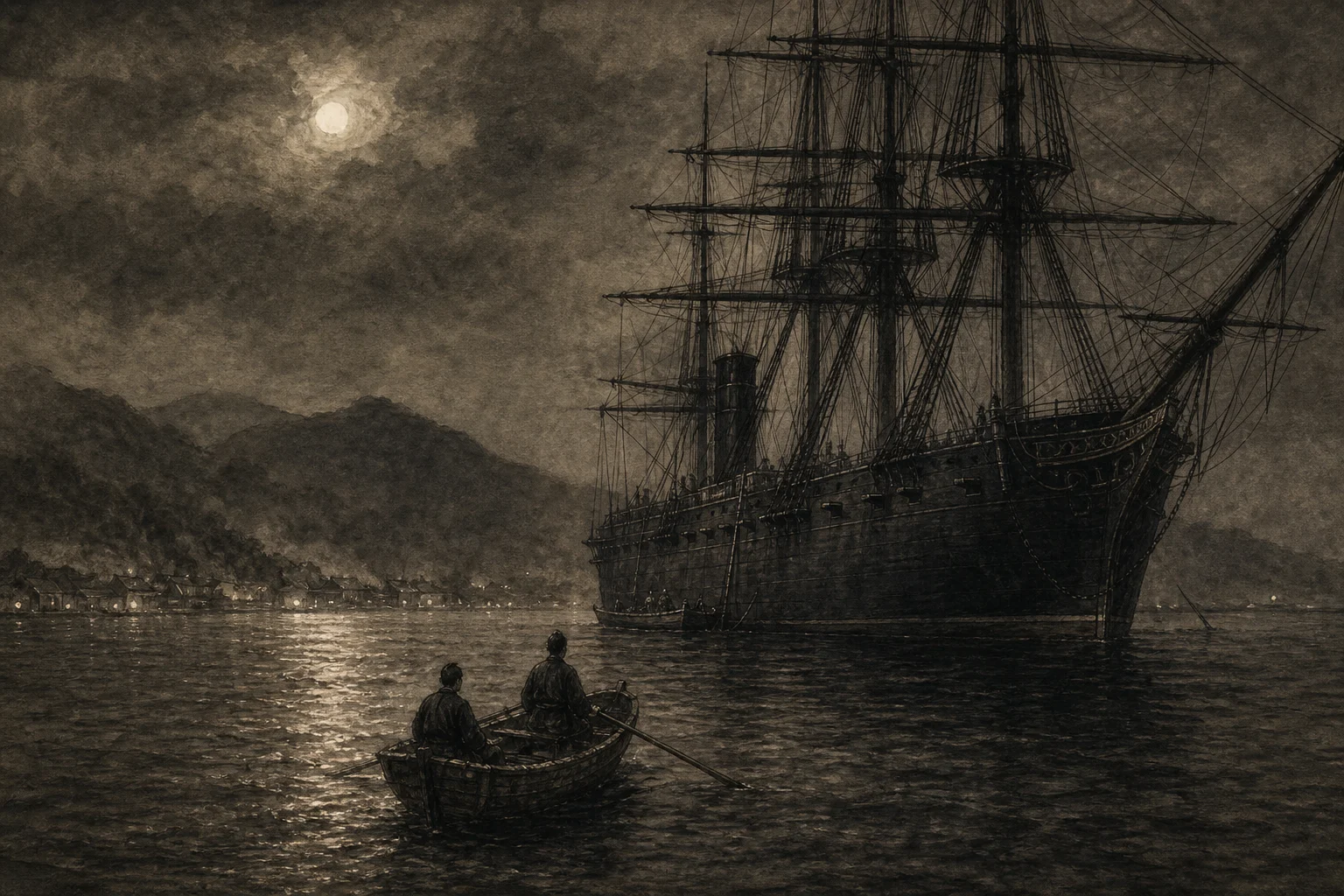
Rowing toward a Black Ship


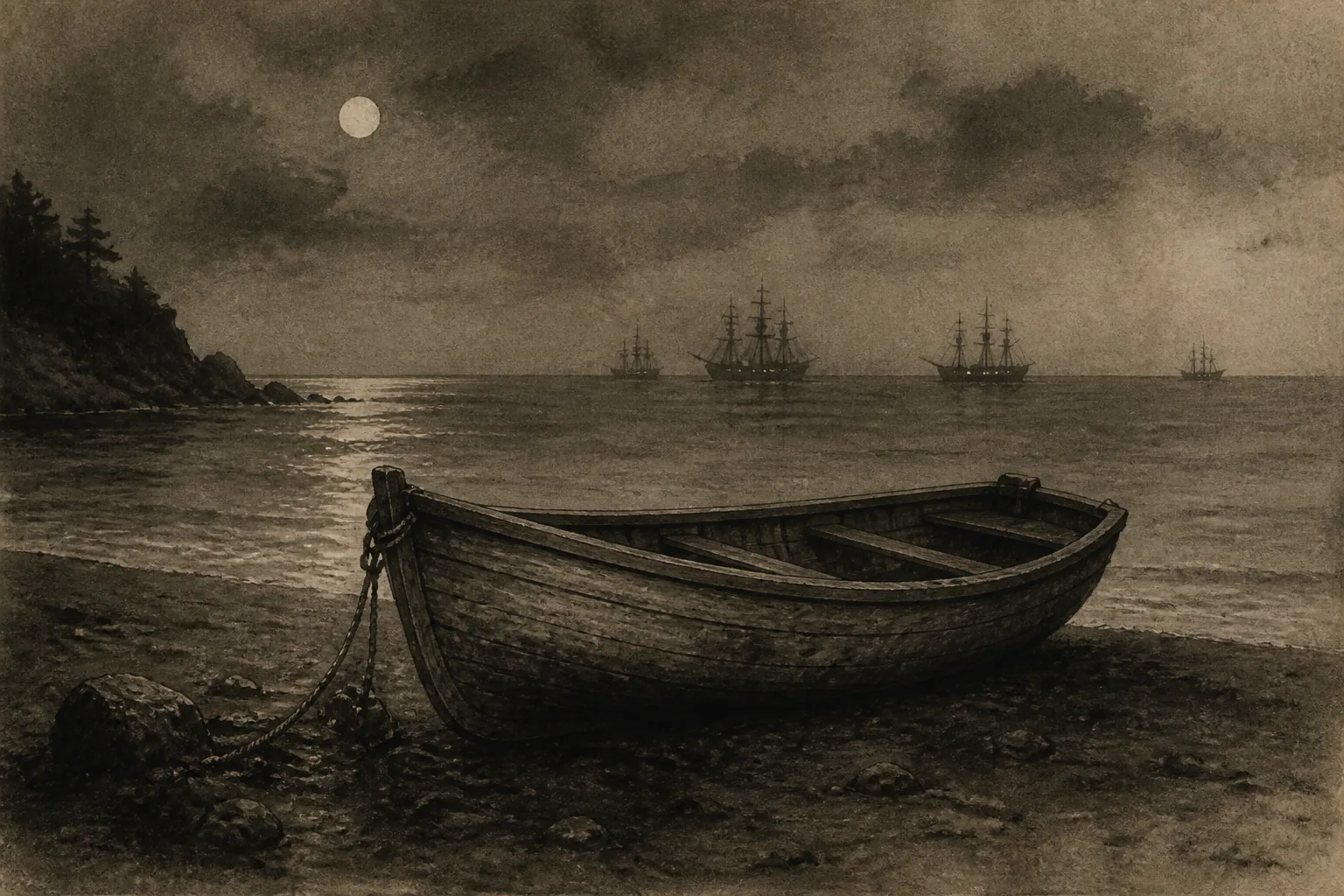
Shoin and Kaneko Shigenosuke approached the USS Powhatan in a small boat and asked to travel overseas. The refusal and surrender reveal both his demand for firsthand knowledge and his willingness to break the law to obtain it. This stage of Shoin Yoshida's life becomes clearer when the event is read with the places, objects, and documents associated with Shimoda, revealing both its immediate setting and the conditions that shaped the next decision.

Small Boat ink painting
1

Noyama Prison, Hagi

Turning Prison into Mutual Study


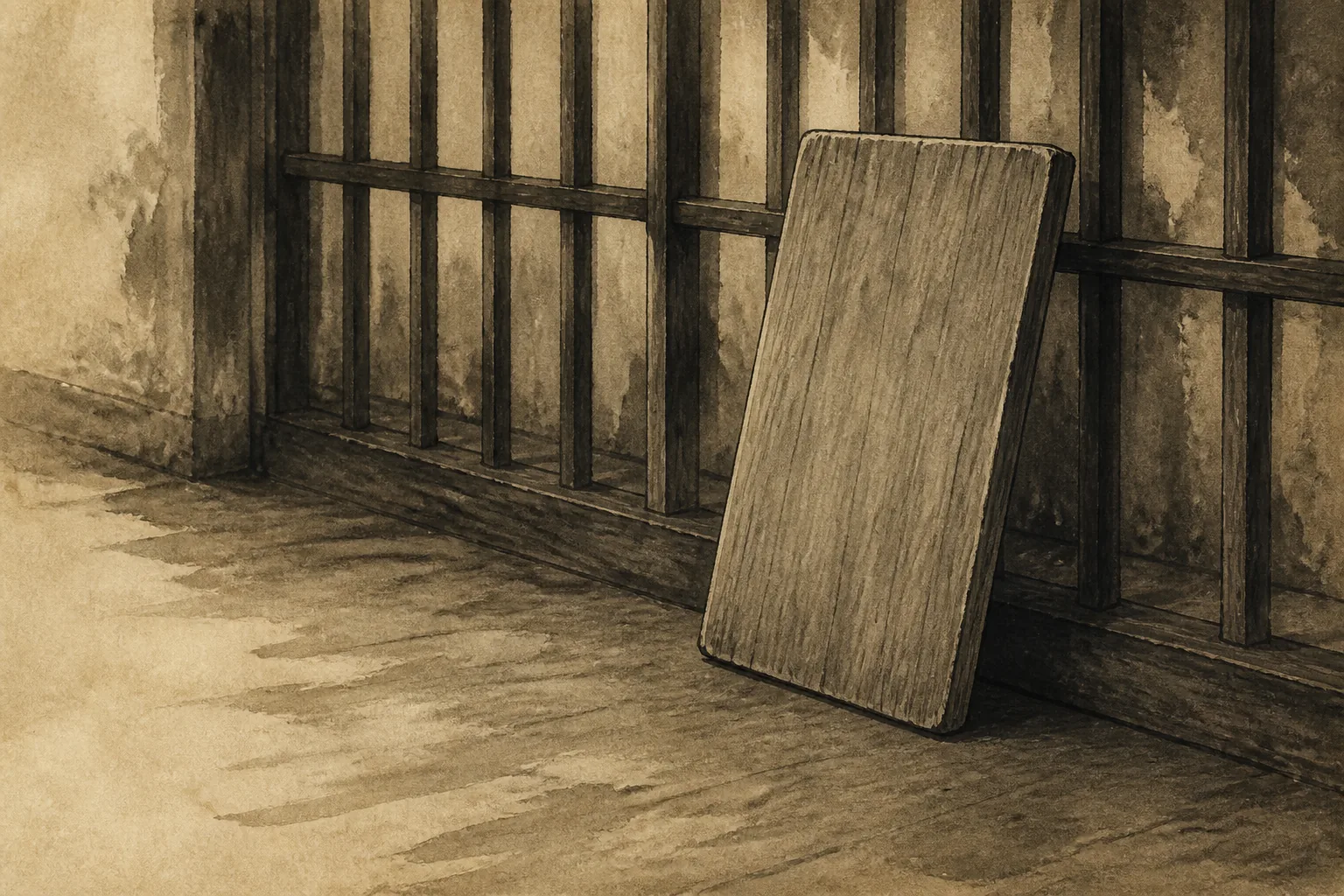
At Noyama Prison, inmates taught one another from their different skills. Shoin learned to treat varied experience as a shared resource, a method that prepared the close, dialogic teaching of Shoka Sonjuku. This stage of Shoin Yoshida's life becomes clearer when the event is read with the places, objects, and documents associated with Noyama Prison, Hagi, revealing both its immediate setting and the conditions that shaped the next decision.

Noyama Prison ink painting
1

Shoka Sonjuku, Hagi

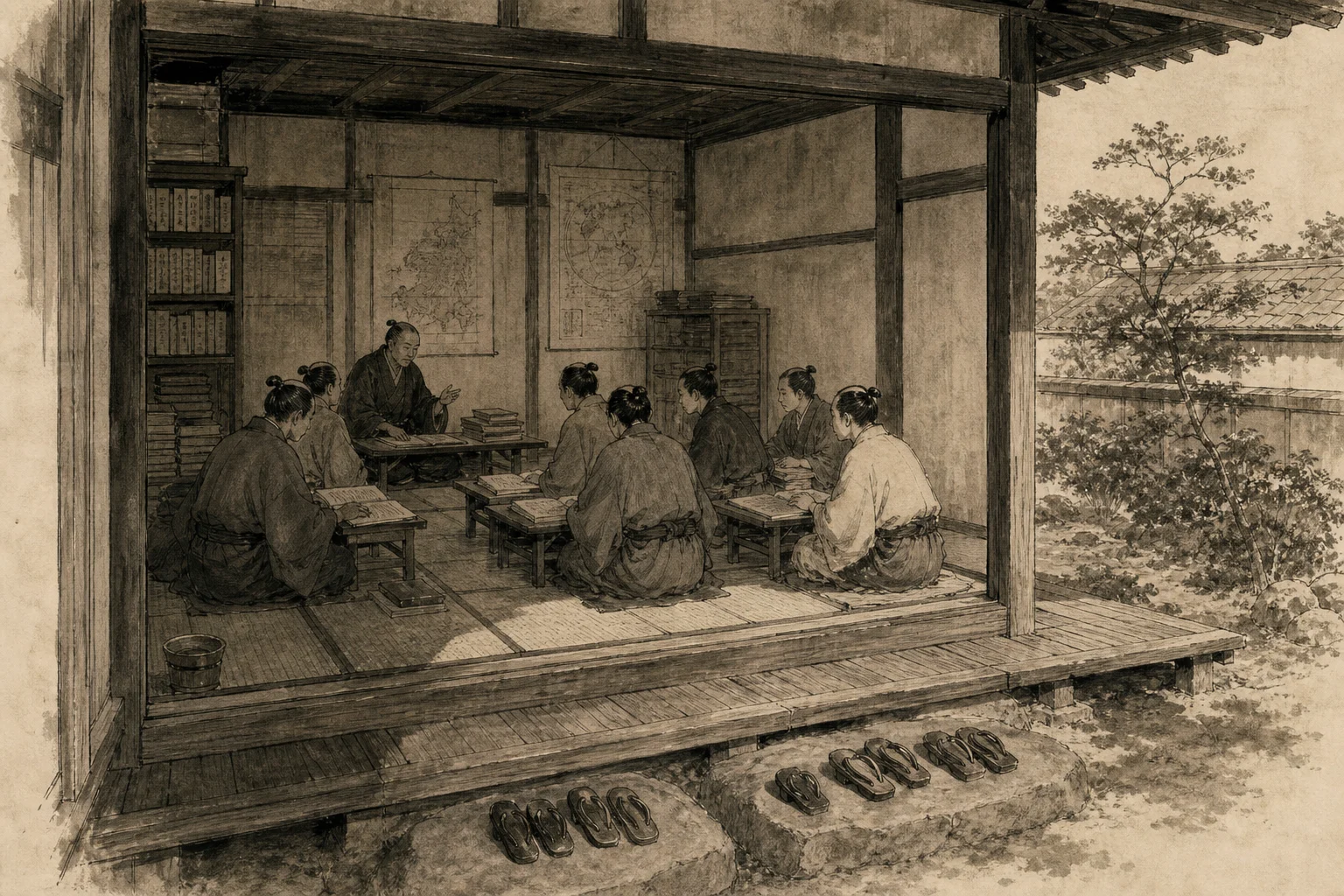
Connecting Questions to Action


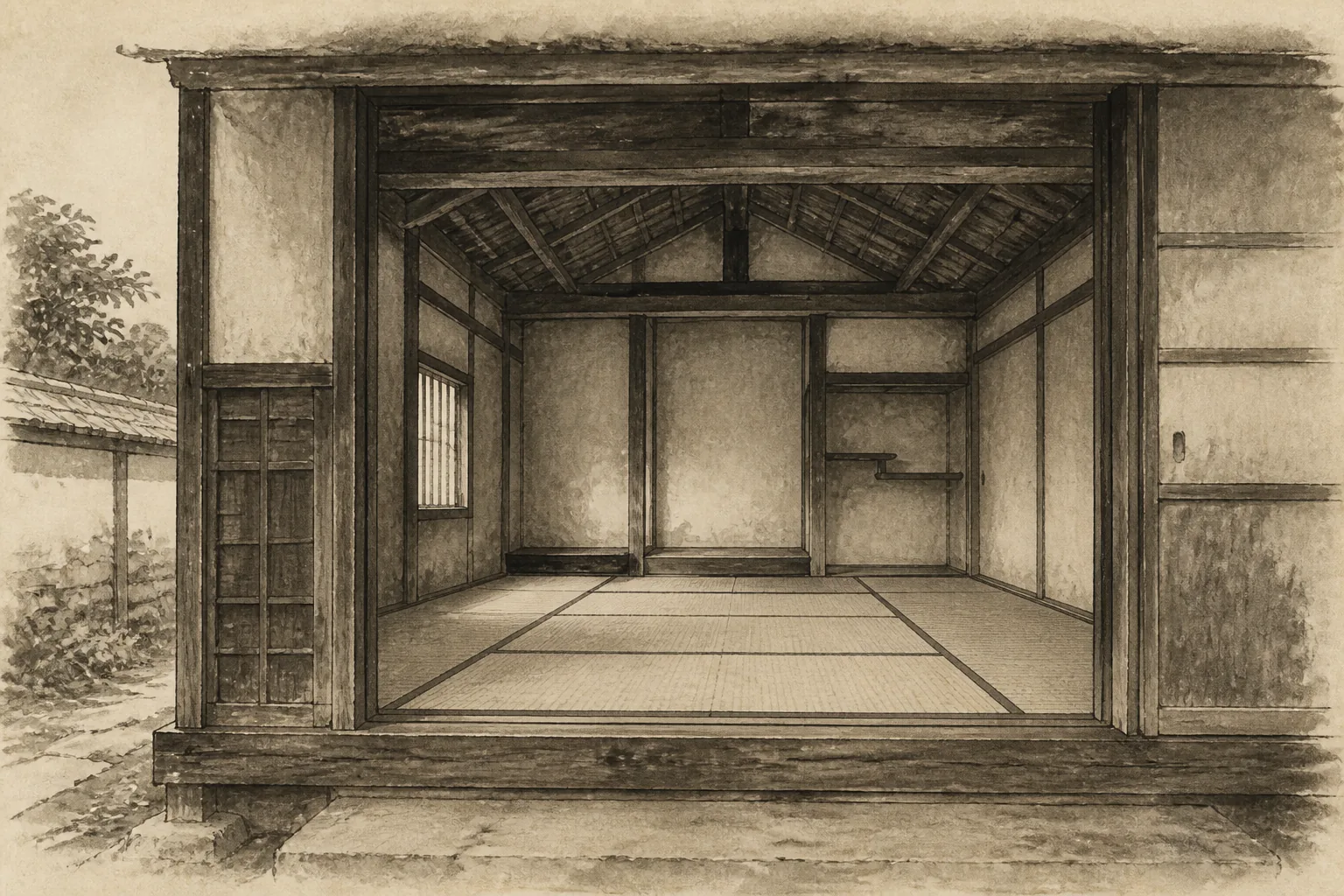
Under house confinement, Shoin taught young men including Kusaka Genzui, Takasugi Shinsaku, Ito Hirobumi, and Yamagata Aritomo. Debate, letters, current affairs, and attention to individual character carried learning beyond the small classroom.

Shoka Sonjuku ink painting
3

Hagi to Edo

Political Plans Return Him to Prison


Shoin planned action against senior councillor Manabe Akikatsu and was imprisoned again. His story includes not only sincerity but an urgency capable of placing himself and others in danger. This stage of Shoin Yoshida's life becomes clearer when the event is read with the places, objects, and documents associated with Hagi to Edo, revealing both its immediate setting and the conditions that shaped the next decision.

3

Tenmacho, Edo

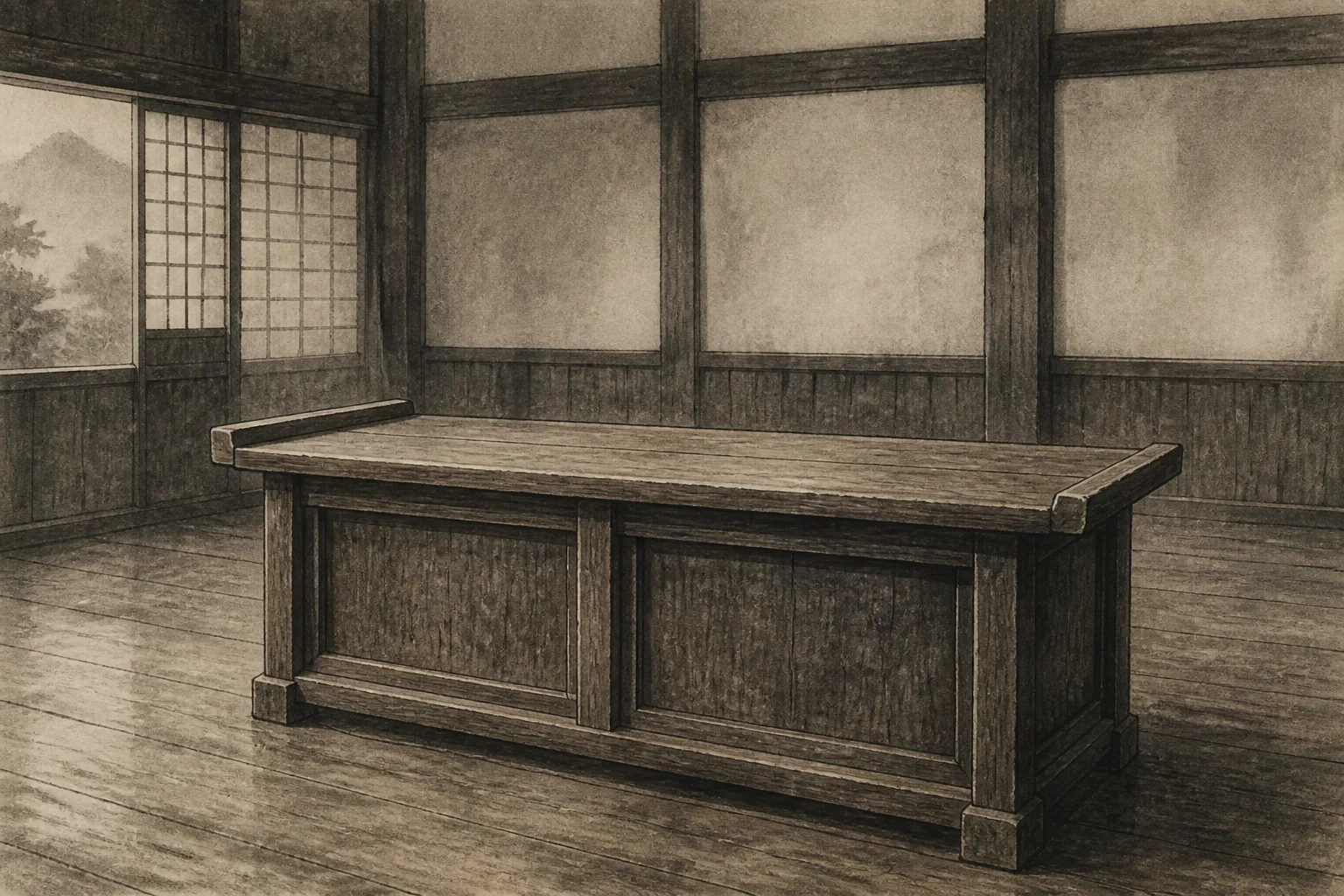
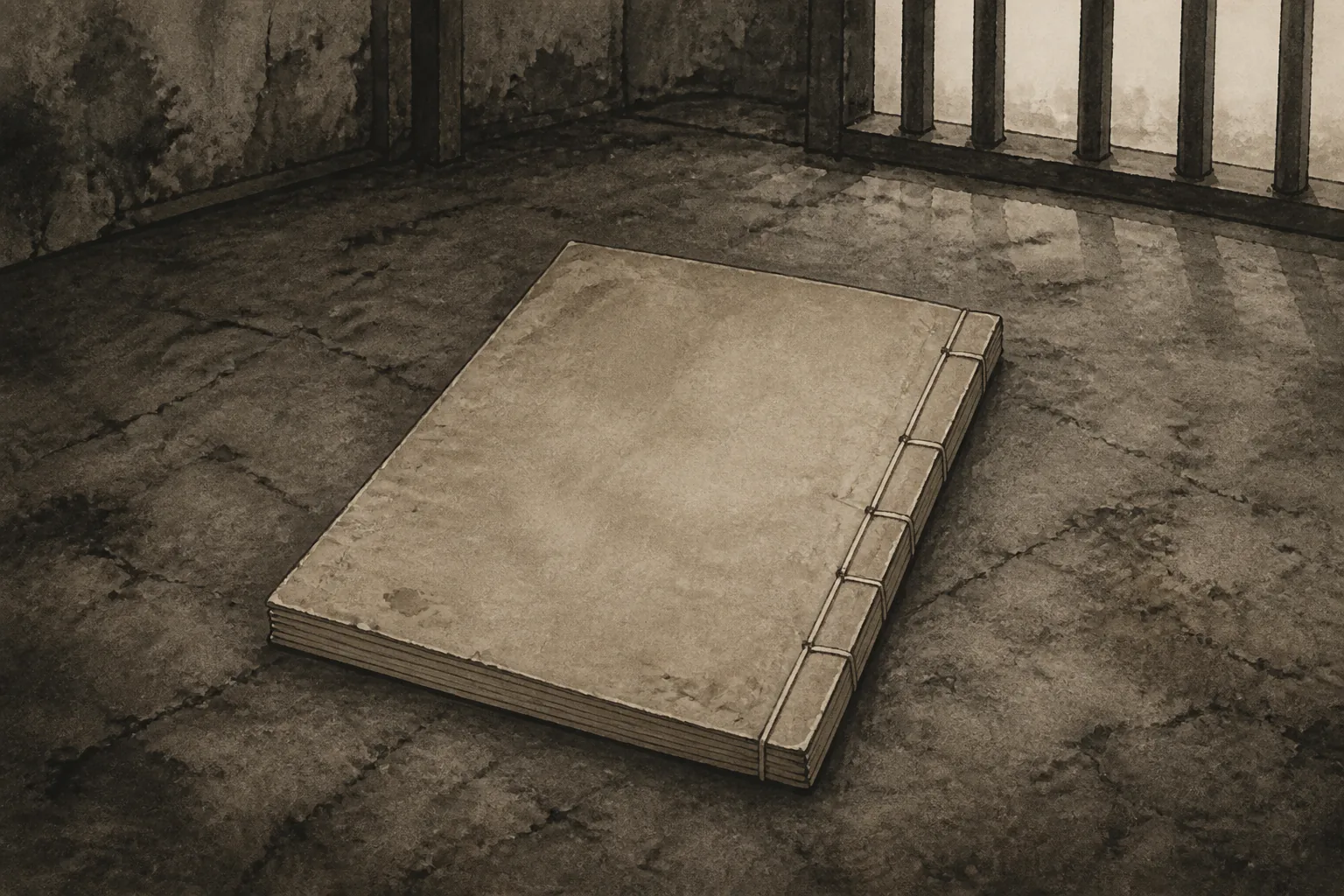
Passing Words from Confinement


Before his execution at Tenmacho, Shoin wrote Ryukonroku and other final texts. Writing turned education from face-to-face instruction into a question carried to readers after his death. This stage of Shoin Yoshida's life becomes clearer when the event is read with the places, objects, and documents associated with Tenmacho, Edo, revealing both its immediate setting and the conditions that shaped the next decision.

Tenmacho ink painting
123
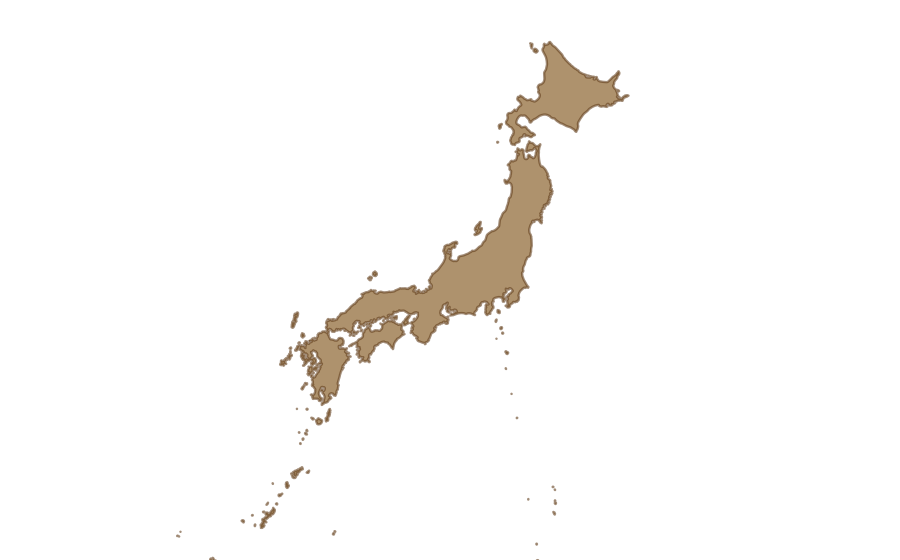
Map of Japan
1
2
3

Keys

What Shaped Shoin Yoshida

Yamaga Military Studies and Meirinkan ink painting
01

Meirinkan

Adoption into a military-instructor house placed Shoin on the teaching side early. Maps, defensive planning, and classical military texts tied knowledge to public responsibility. To investigate “Yamaga Military Studies and Meirinkan” further, do not stop with a commemorative plaque. Compare the date, maker or former owner, provenance, restoration status, and present location of each element named in “Meirinkan.” Old maps, municipal histories, museum catalogues, document editions, material-culture studies, and field guides help distinguish contemporary evidence from reconstruction and later memory. They also provide a practical route to relevant books, facsimiles, maps, equipment histories, and a responsible site visit.

Travel and Sakuma Shozan ink painting
02

Travel Kit

Roads, ports, maps, and conversations let Shoin compare domains directly. Western military study with Sakuma Shozan recast foreign pressure as a problem of technology and institutions. To investigate “Travel and Sakuma Shozan” further, do not stop with a commemorative plaque. Compare the date, maker or former owner, provenance, restoration status, and present location of each element named in “Travel Kit and Maps.” Old maps, municipal histories, museum catalogues, document editions, material-culture studies, and field guides help distinguish contemporary evidence from reconstruction and later memory. They also provide a practical route to relevant books, facsimiles, maps, equipment histories, and a responsible site visit.

The Shimoda Attempt ink painting
03

Small Boat

The scale between the small boat and the American ship captures both curiosity and danger. The failed attempt to leave Japan became the turning point that led to imprisonment and a new form of teaching. To investigate “The Shimoda Attempt” further, do not stop with a commemorative plaque. Compare the date, maker or former owner, provenance, restoration status, and present location of each element named in “Small Boat and Black Ship.” Old maps, municipal histories, museum catalogues, document editions, material-culture studies, and field guides help distinguish contemporary evidence from reconstruction and later memory. They also provide a practical route to relevant books, facsimiles, maps, equipment histories, and a responsible site visit.

A Study Circle in Prison ink painting
04

Noyama Prison

Shoin did not treat inmates only as people to reform. They exchanged their different skills, turning confinement into a small learning community and preparing his later teaching method. To investigate “A Study Circle in Prison” further, do not stop with a commemorative plaque. Compare the date, maker or former owner, provenance, restoration status, and present location of each element named in “Noyama Prison.” Old maps, municipal histories, museum catalogues, document editions, material-culture studies, and field guides help distinguish contemporary evidence from reconstruction and later memory. They also provide a practical route to relevant books, facsimiles, maps, equipment histories, and a responsible site visit.

The Eight-Mat Classroom ink painting
05

Shoka Sonjuku

Books, letters, current affairs, rivalry, and close debate shared one modest room. The environment mattered because questions passed from Shoin to several people able to act independently. To investigate “The Eight-Mat Classroom” further, do not stop with a commemorative plaque. Compare the date, maker or former owner, provenance, restoration status, and present location of each element named in “Shoka Sonjuku.” Old maps, municipal histories, museum catalogues, document editions, material-culture studies, and field guides help distinguish contemporary evidence from reconstruction and later memory. They also provide a practical route to relevant books, facsimiles, maps, equipment histories, and a responsible site visit.

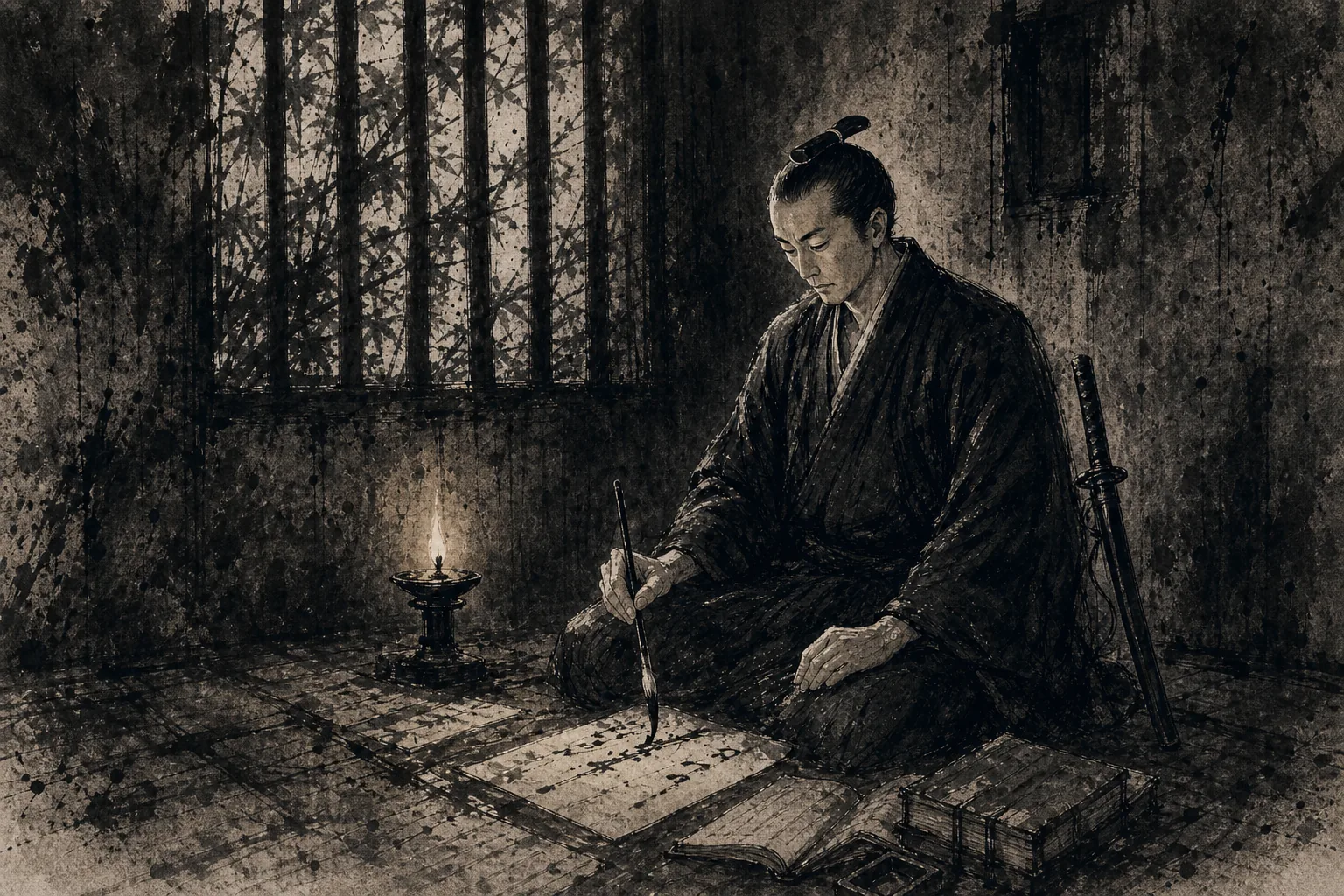
Writing in the Final Cell ink painting
06

Tenmacho

Paper, brush, and ink became Shoin's final teaching tools. Ryukonroku left readers not a finished doctrine but the problem of how they would inherit and reinterpret his purpose. To investigate “Writing in the Final Cell” further, do not stop with a commemorative plaque. Compare the date, maker or former owner, provenance, restoration status, and present location of each element named in “Tenmacho and Ryukonroku.” Old maps, municipal histories, museum catalogues, document editions, material-culture studies, and field guides help distinguish contemporary evidence from reconstruction and later memory. They also provide a practical route to relevant books, facsimiles, maps, equipment histories, and a responsible site visit.

Poems by This Person