Takayoshi Kido · Choshu
Original
去歳王師迫我疆
Takayoshi Kido's Chinese-style poem, "去歳王師迫我疆今朝孤剣入他郷回頭世事". Read the original Japanese, modern translation, interpretation, and historical context as distinct parts of the poem.
Person
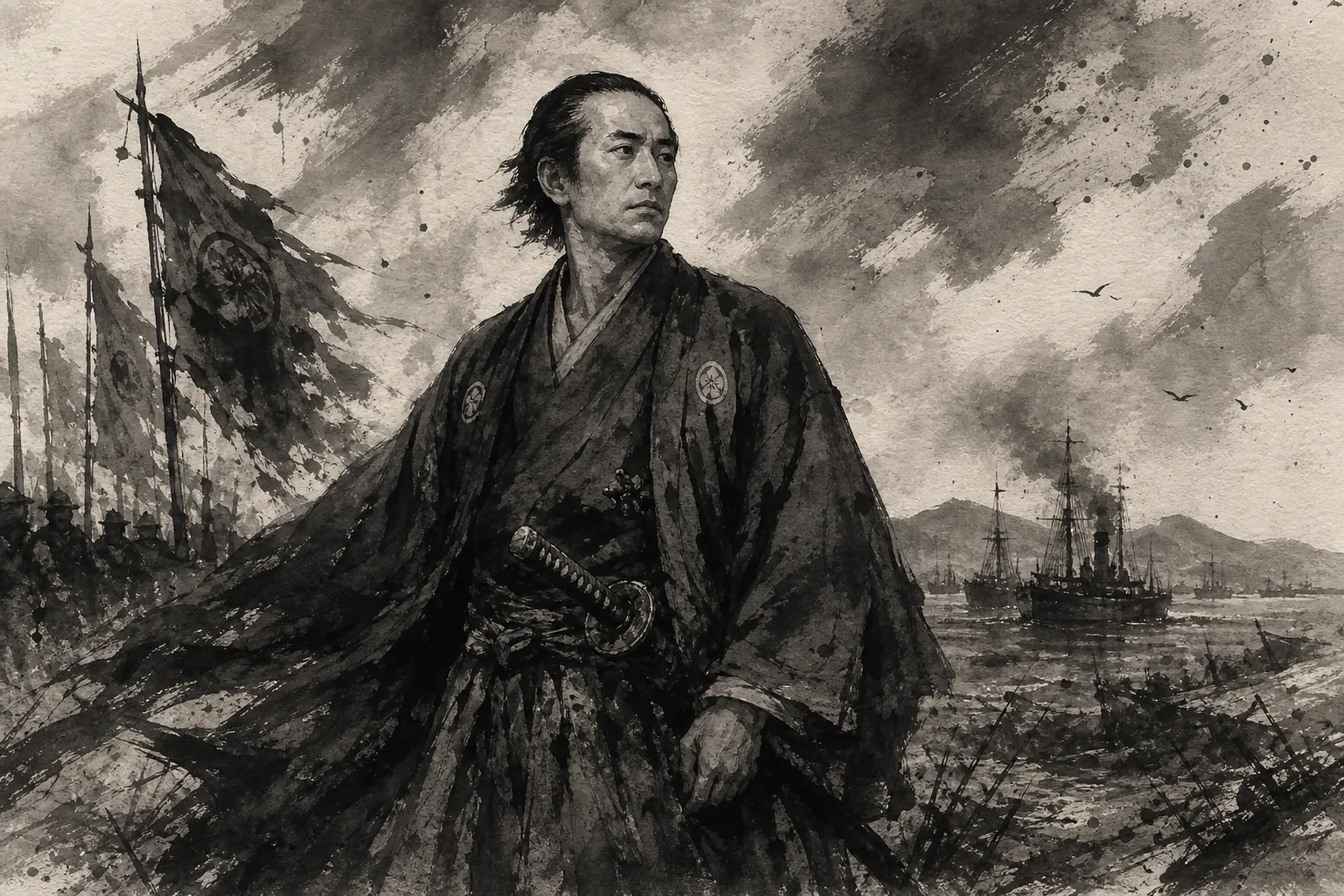
Known as Katsura Kogoro, a Choshu mediator who helped shape the Satsuma-Choshu Alliance and the Meiji government.
Learn about Kido Takayoshi
Translation
Last year armies pressed my homeland; now I enter another province with a lone sword. The world changes like a dream, yet my heart remains.
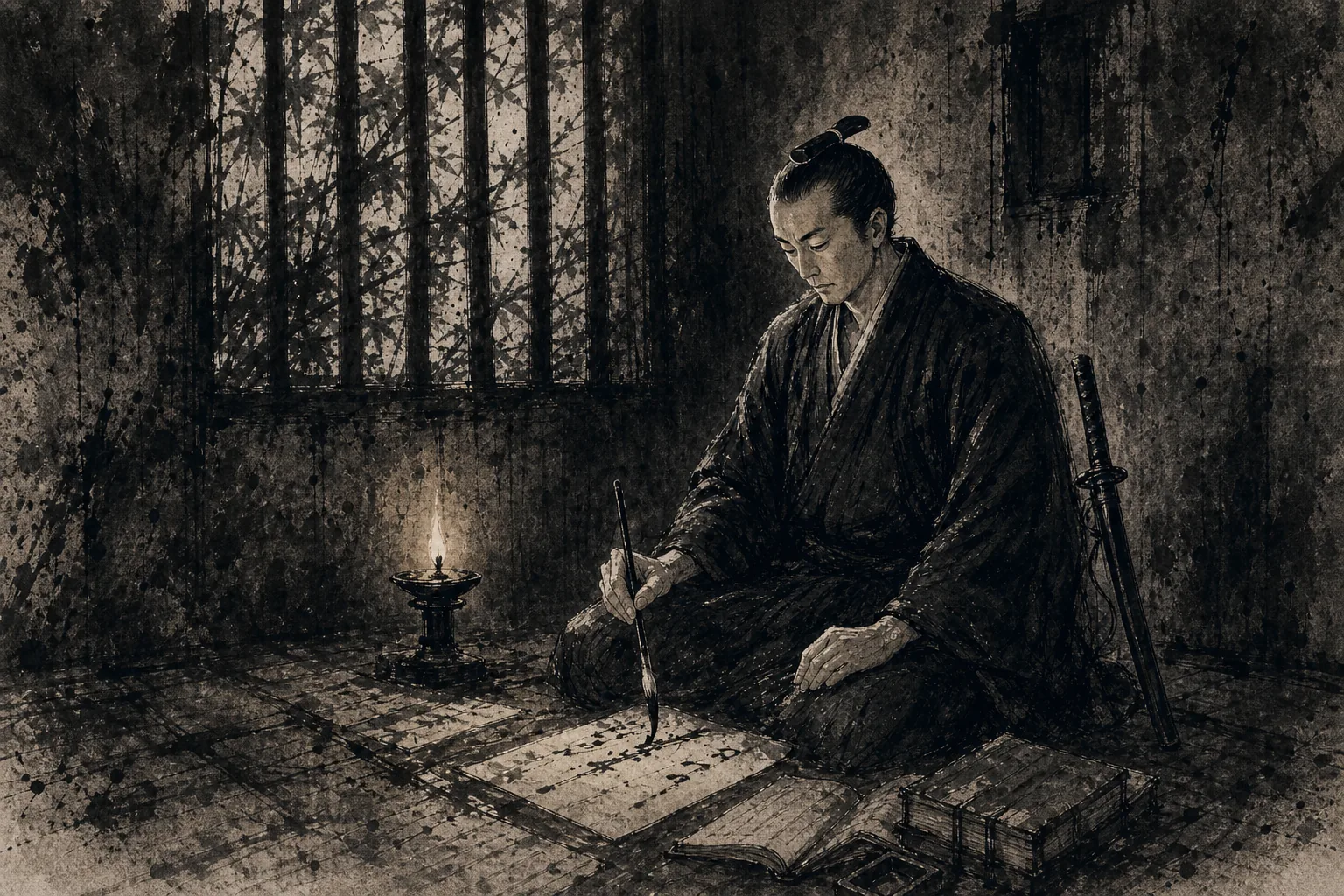
Poetic Shape Kanshi draws on a classical Chinese poetic tradition, where restraint, allusion, and moral tension carry much of the weight. The poem sounds formal, but the pressure beneath it is personal.
Reading
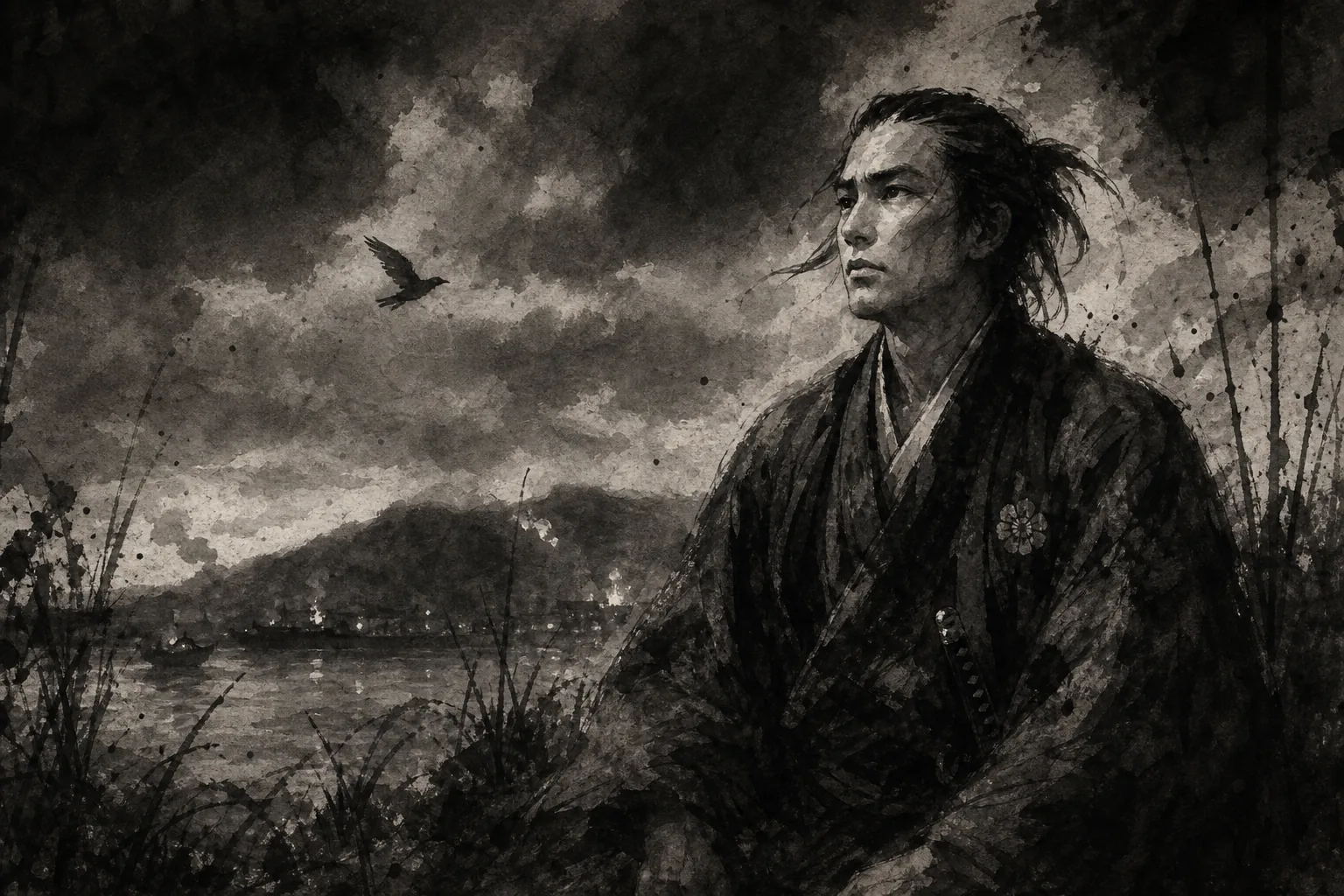
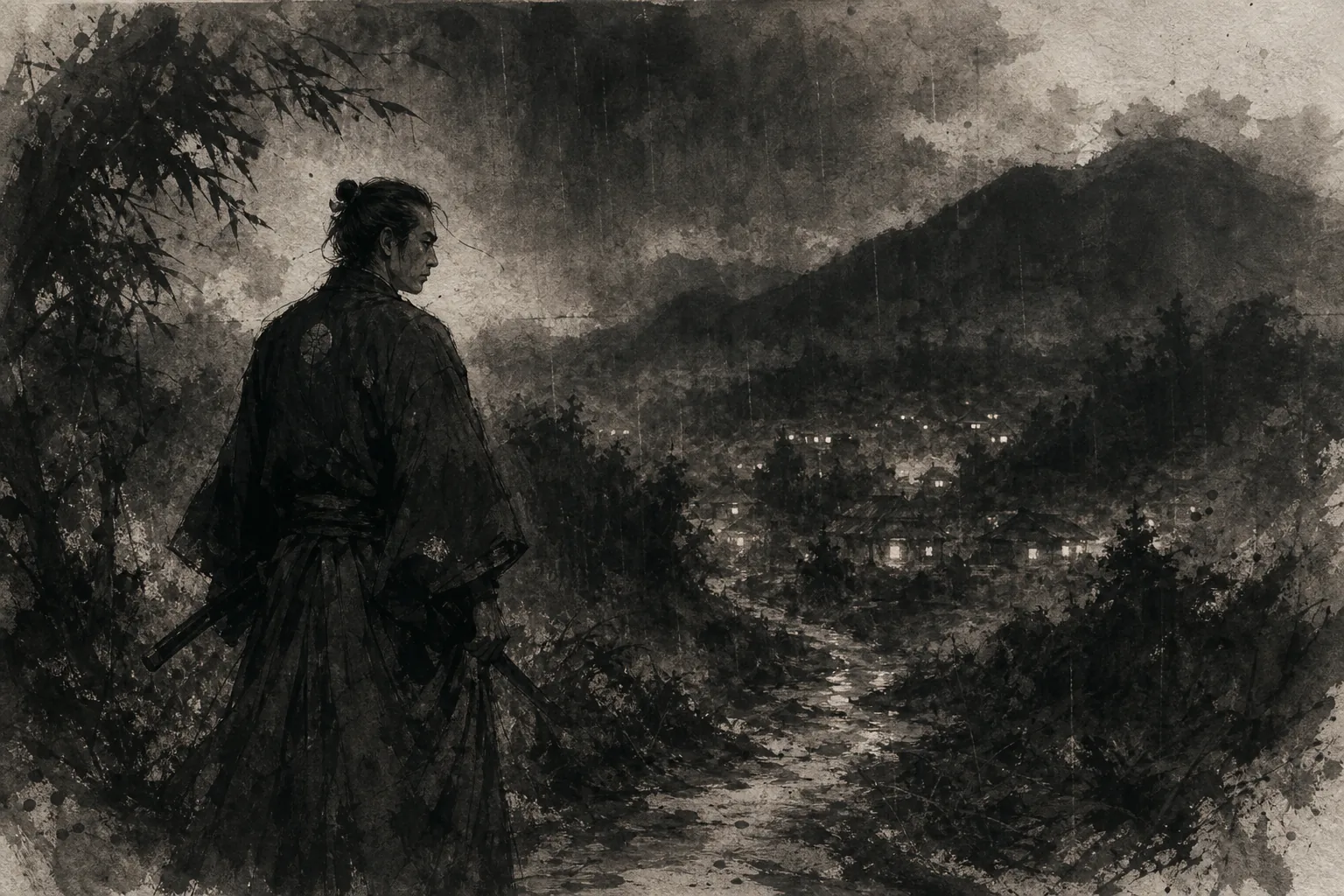
Even after moving to the side of the victors, the poem does not become triumphant.It carries Kido's cool sadness as he watches how quickly the world changes.
Background
Written in the period of the Boshin War.Choshu's turn from being attacked to attacking is received here inside one man's chest.
Source / Transmission Wording and readings may differ by transmission; this page treats the text as one circulated form.
Further Reading
Find related books and places to stay For readers who want more historical context, these links search for related books on external stores.
Affiliate link