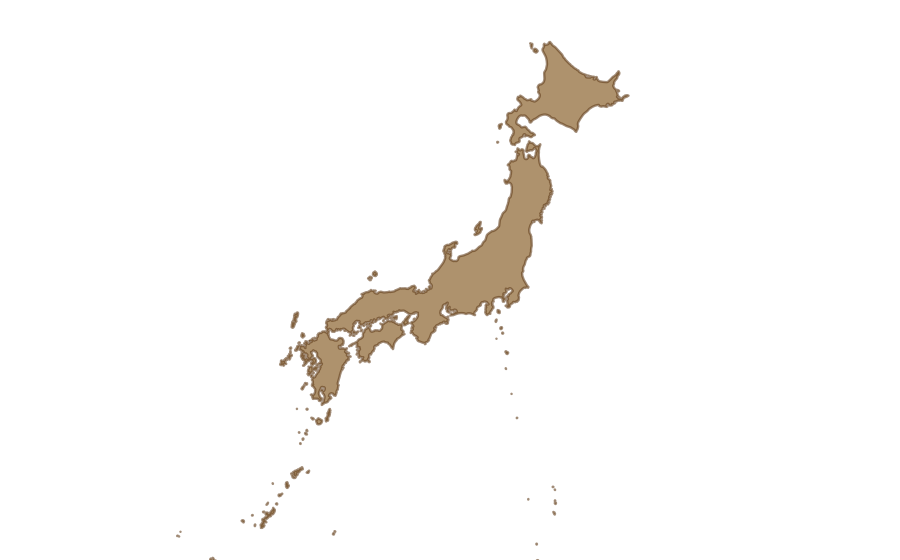
Mito
He Learns in Fujita Yukoku's Household
Born into a house tied to Mito historical scholarship, Toko learned to read domain records, history, and political obligation before entering office.
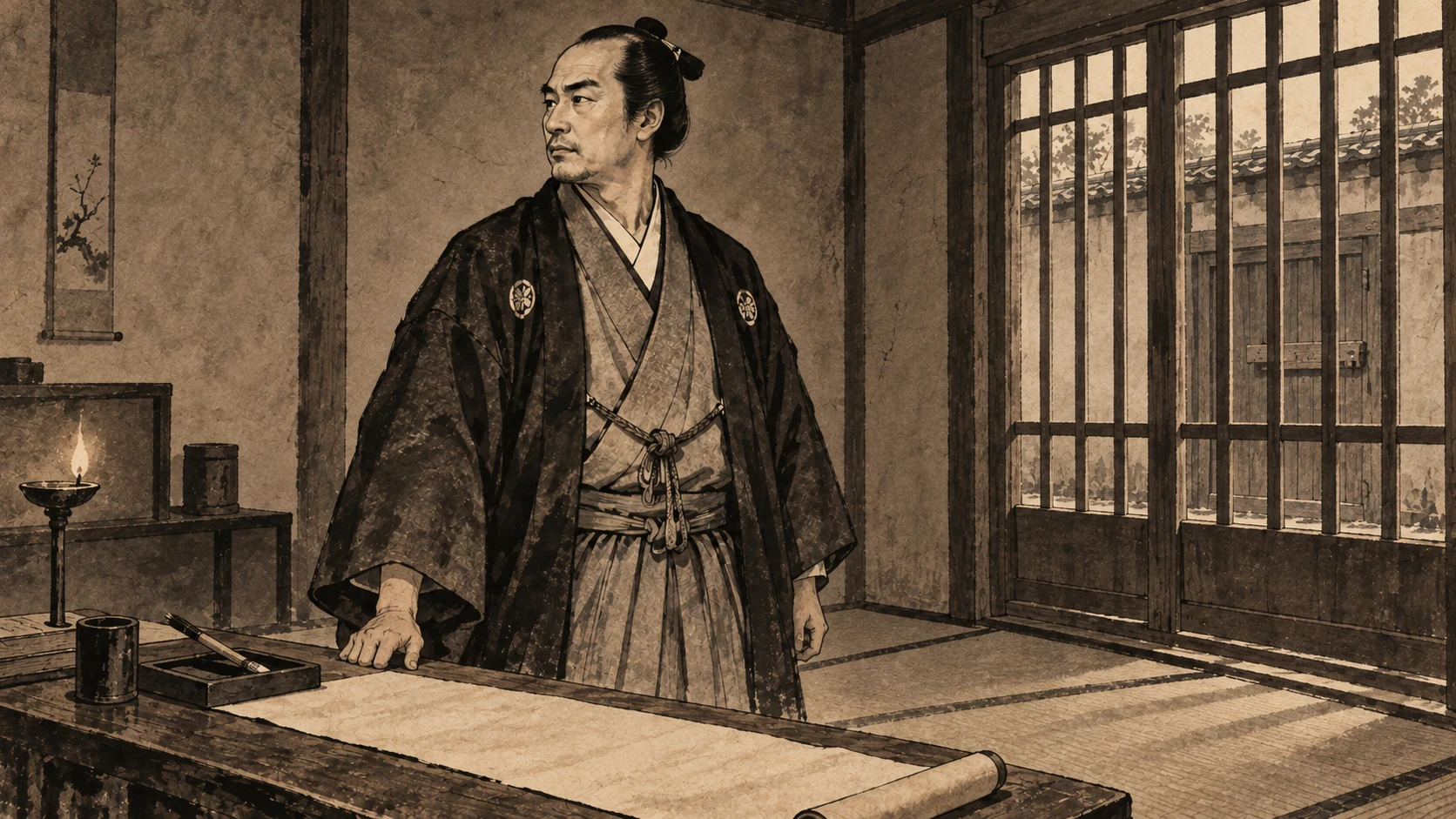
Know the Person
Trace Toko through the Kodokan school building, coastal-defense maps, the Nakaminato reverberatory furnace, an order of confinement, the inkstone of Wabun Tensho Seikika, and debris from the 1855 Ansei Edo earthquake. Scholarship moves here into education, armament, domain conflict, poetry, and action during disaster.
Life
Mito
Born into a house tied to Mito historical scholarship, Toko learned to read domain records, history, and political obligation before entering office.
Mito Domain
Toko advised on appointments, schooling, and coastal defense. Reform brought promotion but also factional conflict, leaving his position dependent on the lord's political strength.
Mito and Nakaminato
Kodokan and coastal projects connected scholarship to education, surveying, batteries, and technical work. Ideas had to be divided among facilities, materials, and workers.
Mito
Confined after Nariaki's punishment, Toko wrote Wabun Tensho Seikika in 1845. Its movement from Fuji and sea to historical loyalty rebuilt a political position through classical poetry.
Koishikawa, Edo
After returning to service, Toko died at forty-nine when the Mito upper residence collapsed. His death in disaster and the later circulation of Seikika should be examined separately.
茨城県水戸市
藩校の建物、教育科目、武芸施設から東湖が担った改革実務を確かめる。
藤田東湖・水戸藩士
Address茨城県水戸市三の丸1丁目6-29
Nearby
茨城県ひたちなか市
反射炉と港の位置から、海防論が測量、資材、鋳造、労働へ移る過程を見る。
水戸藩改革関係者
Address茨城県ひたちなか市栄町1丁目10周辺
Nearby
東京都文京区
現存庭園と旧屋敷範囲を分け、安政江戸地震の被災地を確認する。
藤田東湖・水戸藩邸居住者
Address東京都文京区後楽1丁目6-6
Nearby
Keys
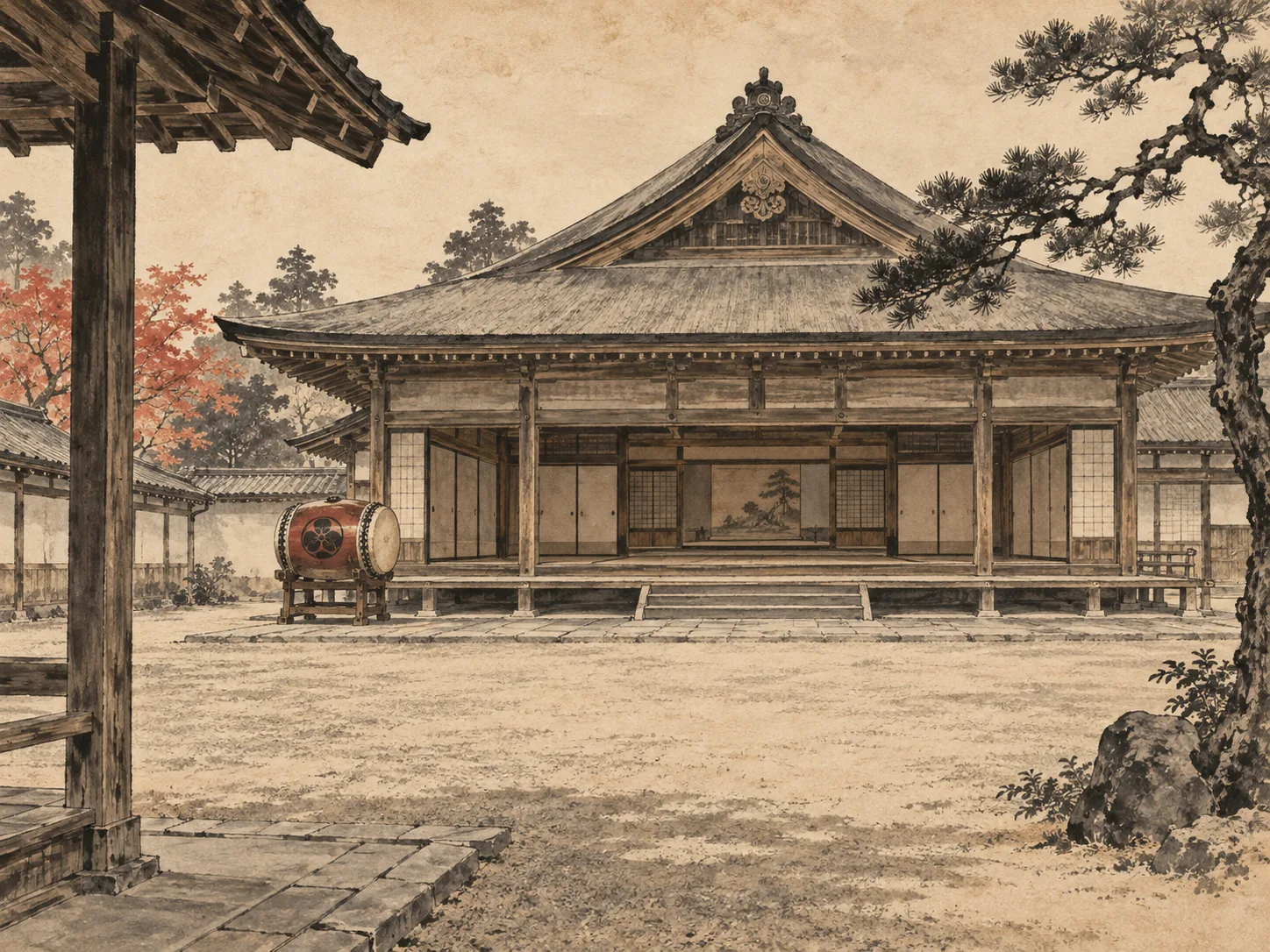
Kodokan joined learning and martial training within Nariaki's reforms. Buildings, rules, instructors, and schedules show Toko's scholarship moving into institutional operation. To investigate “Kodokan School Hall” further, do not stop with a commemorative plaque. Compare the date, maker or former owner, provenance, restoration status, and present location of each element named in “Kodokan School Hall.” Old maps, municipal histories, museum catalogues, document editions, material-culture studies, and field guides help distinguish contemporary evidence from reconstruction and later memory. They also provide a practical route to relevant books, facsimiles, maps, equipment histories, and a responsible site visit.
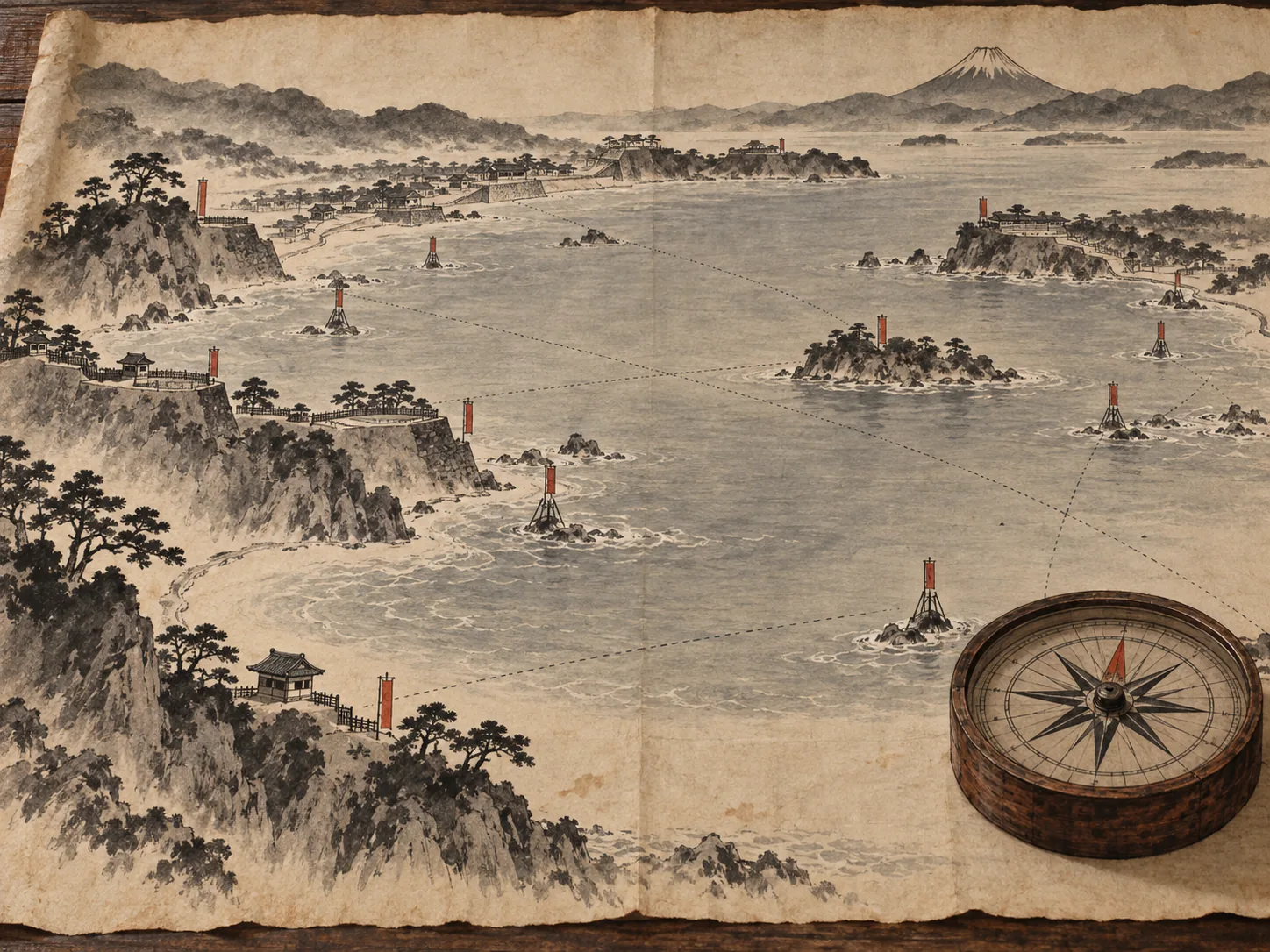
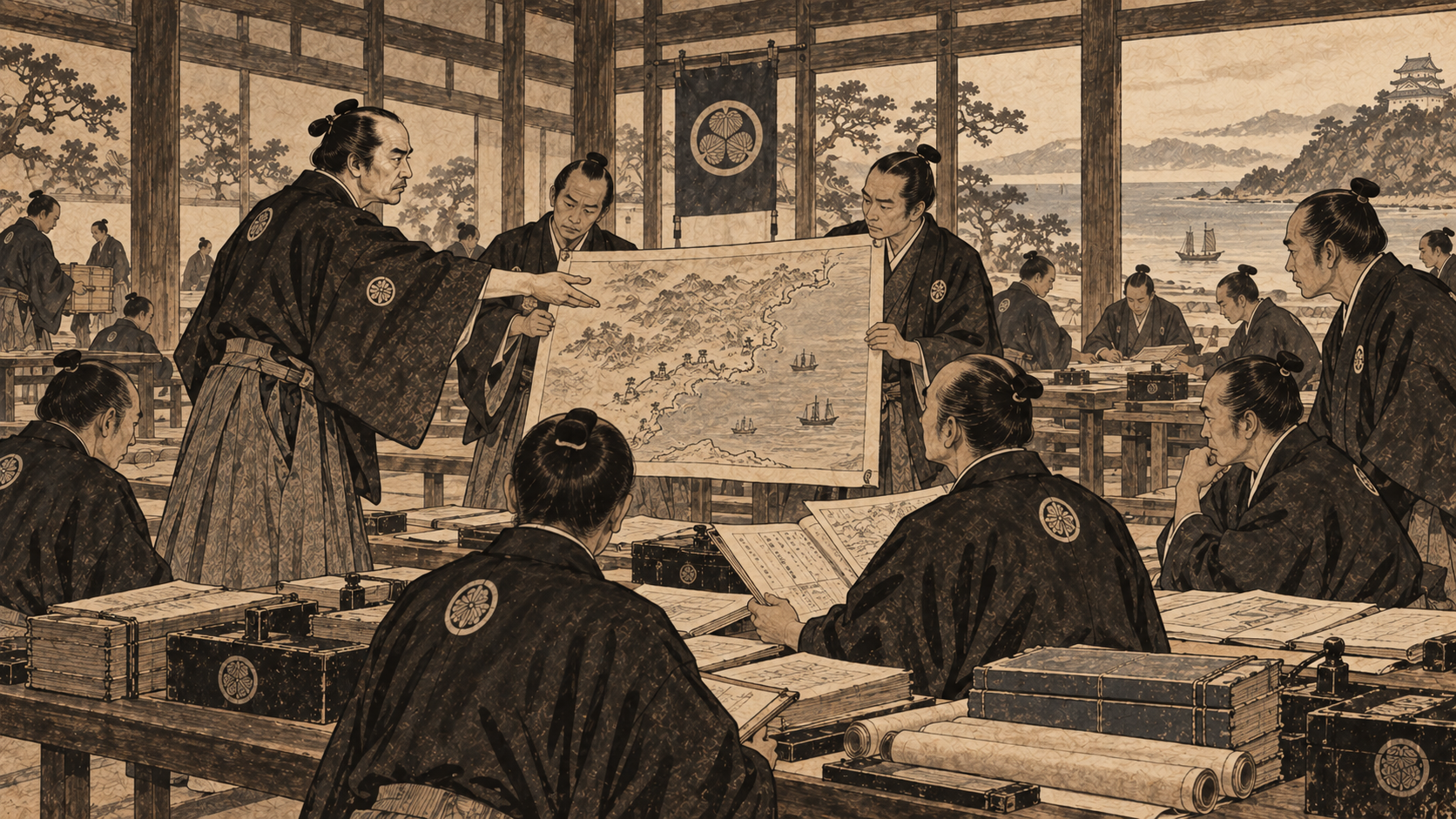
A map and compass turned anxiety over foreign ships into measured coastlines, routes, and battery sites. The work also required materials, transport, and burdens on local communities. To investigate “Mito Coastal-Defense Map” further, do not stop with a commemorative plaque. Compare the date, maker or former owner, provenance, restoration status, and present location of each element named in “Mito Coastal-Defense Map.” Old maps, municipal histories, museum catalogues, document editions, material-culture studies, and field guides help distinguish contemporary evidence from reconstruction and later memory. They also provide a practical route to relevant books, facsimiles, maps, equipment histories, and a responsible site visit.
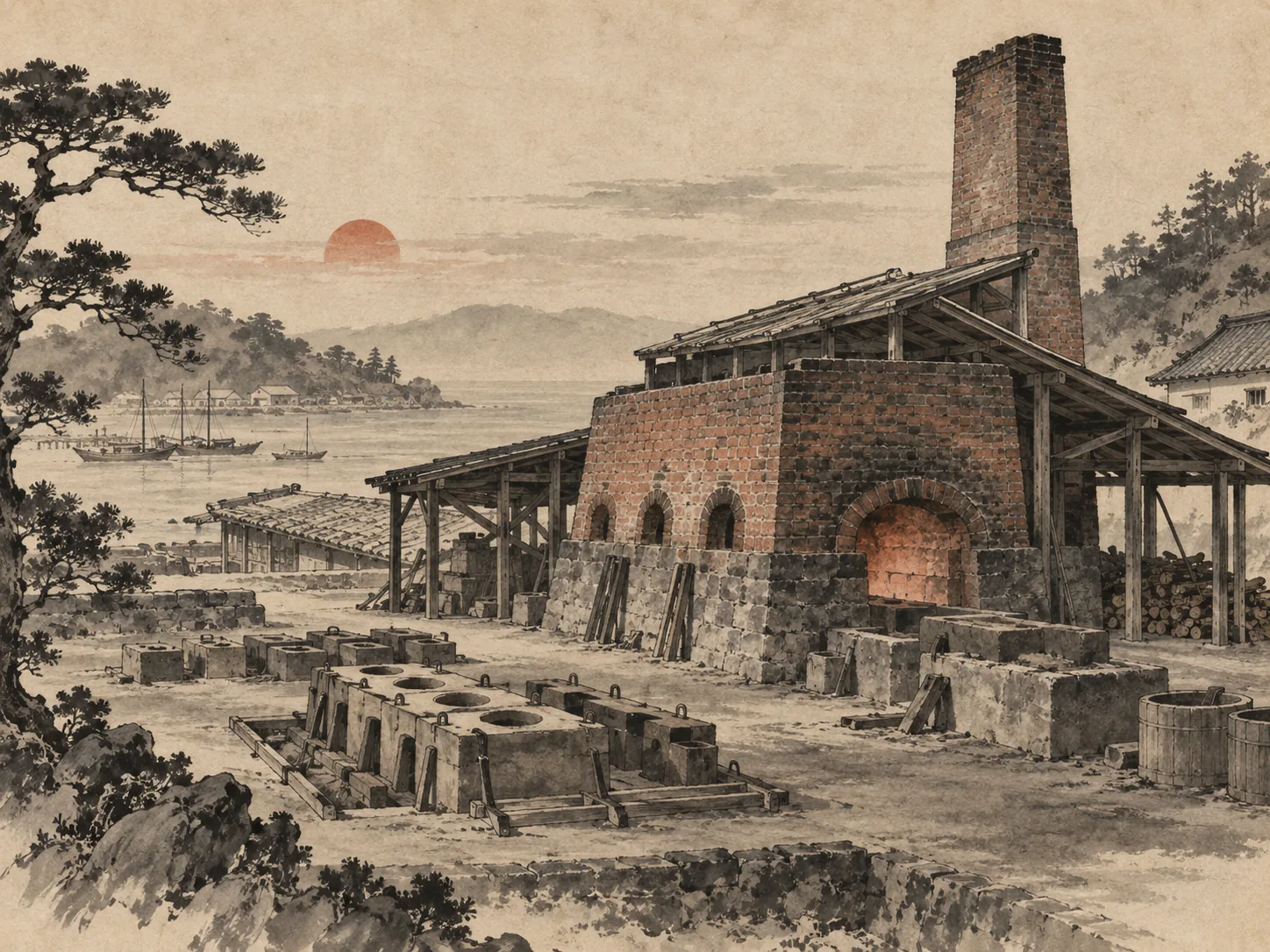
The furnace project translated defense policy into brick, fuel, molds, casting knowledge, and skilled labor. It should be read as collective technical work, not a single thinker's invention. To investigate “Nakaminato Reverberatory Furnace” further, do not stop with a commemorative plaque. Compare the date, maker or former owner, provenance, restoration status, and present location of each element named in “Nakaminato Reverberatory Furnace.” Old maps, municipal histories, museum catalogues, document editions, material-culture studies, and field guides help distinguish contemporary evidence from reconstruction and later memory. They also provide a practical route to relevant books, facsimiles, maps, equipment histories, and a responsible site visit.
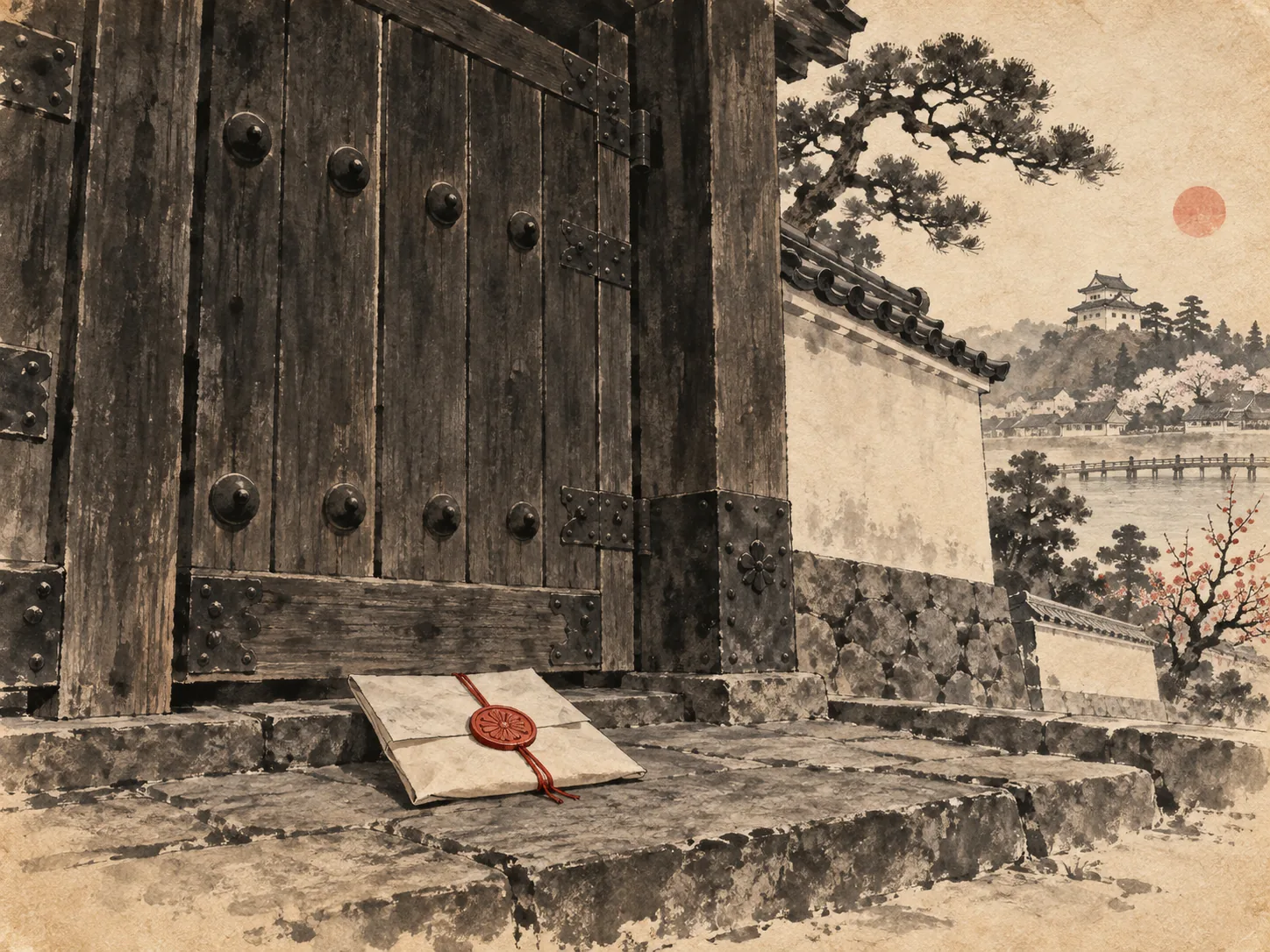
When Nariaki fell from power, Toko was confined. A sealed order and closed gate show reform language meeting disciplinary institutions and create the conditions in which the long poem was written. To investigate “Order of Confinement” further, do not stop with a commemorative plaque. Compare the date, maker or former owner, provenance, restoration status, and present location of each element named in “Order of Confinement.” Old maps, municipal histories, museum catalogues, document editions, material-culture studies, and field guides help distinguish contemporary evidence from reconstruction and later memory. They also provide a practical route to relevant books, facsimiles, maps, equipment histories, and a responsible site visit.
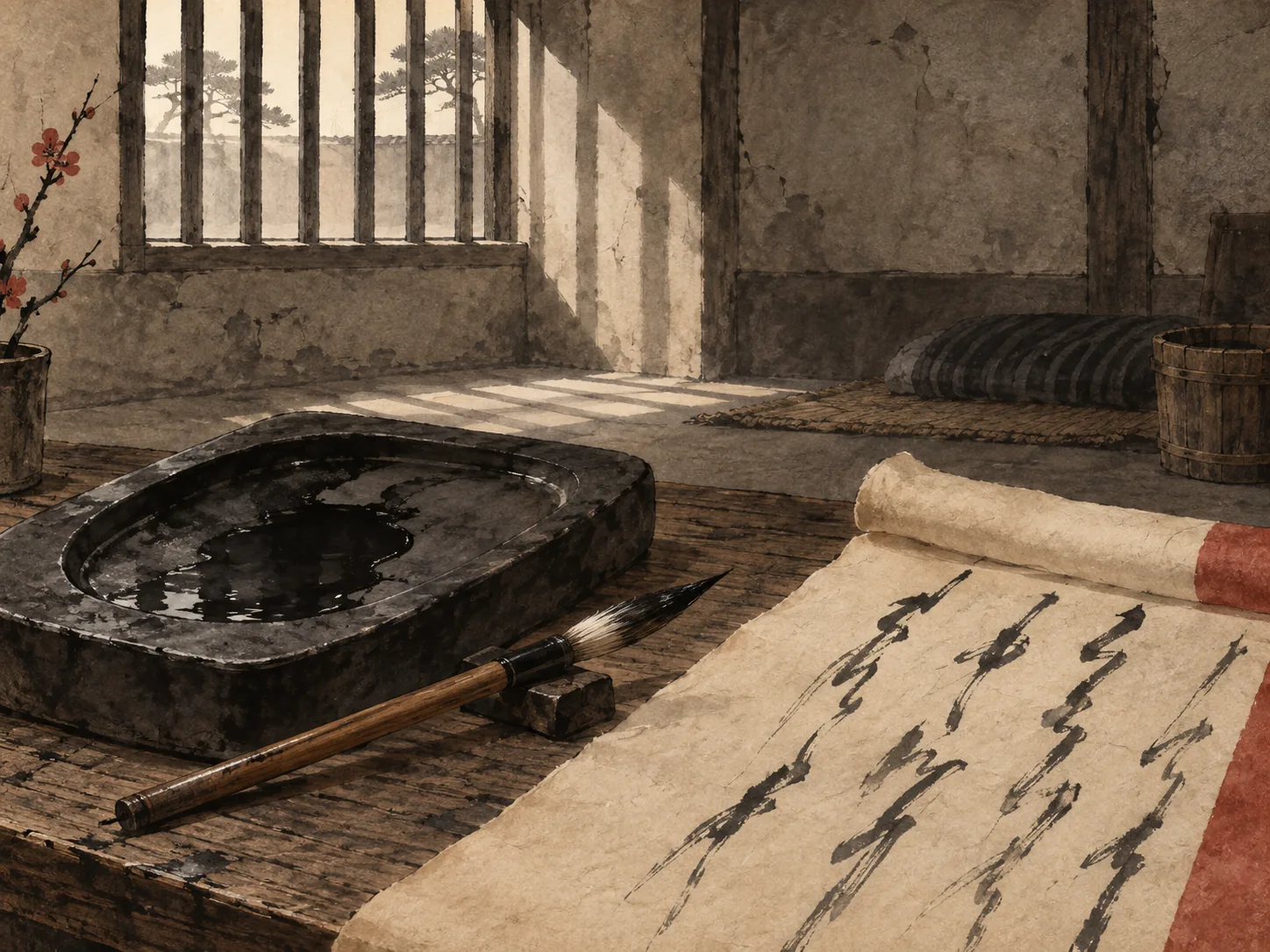
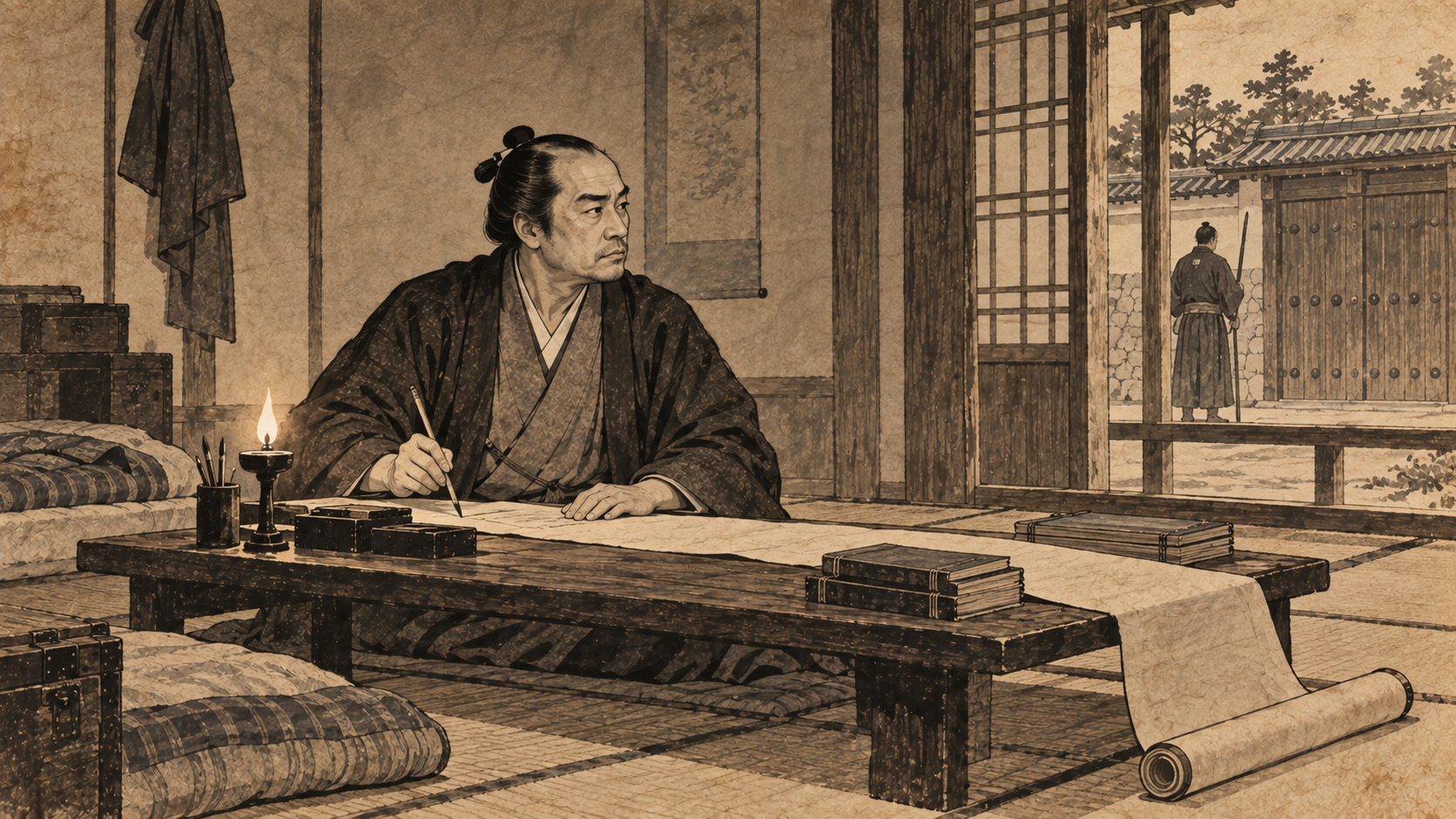
In 1845 Toko answered Wen Tianxiang with a long Chinese-style poem. Inkstone, brush, and long paper remind readers to place the famous opening inside the full sequence and the time of confinement. To investigate “Inkstone of Wabun Tensho Seikika” further, do not stop with a commemorative plaque. Compare the date, maker or former owner, provenance, restoration status, and present location of each element named in “Inkstone of Wabun Tensho Seikika.” Old maps, municipal histories, museum catalogues, document editions, material-culture studies, and field guides help distinguish contemporary evidence from reconstruction and later memory. They also provide a practical route to relevant books, facsimiles, maps, equipment histories, and a responsible site visit.
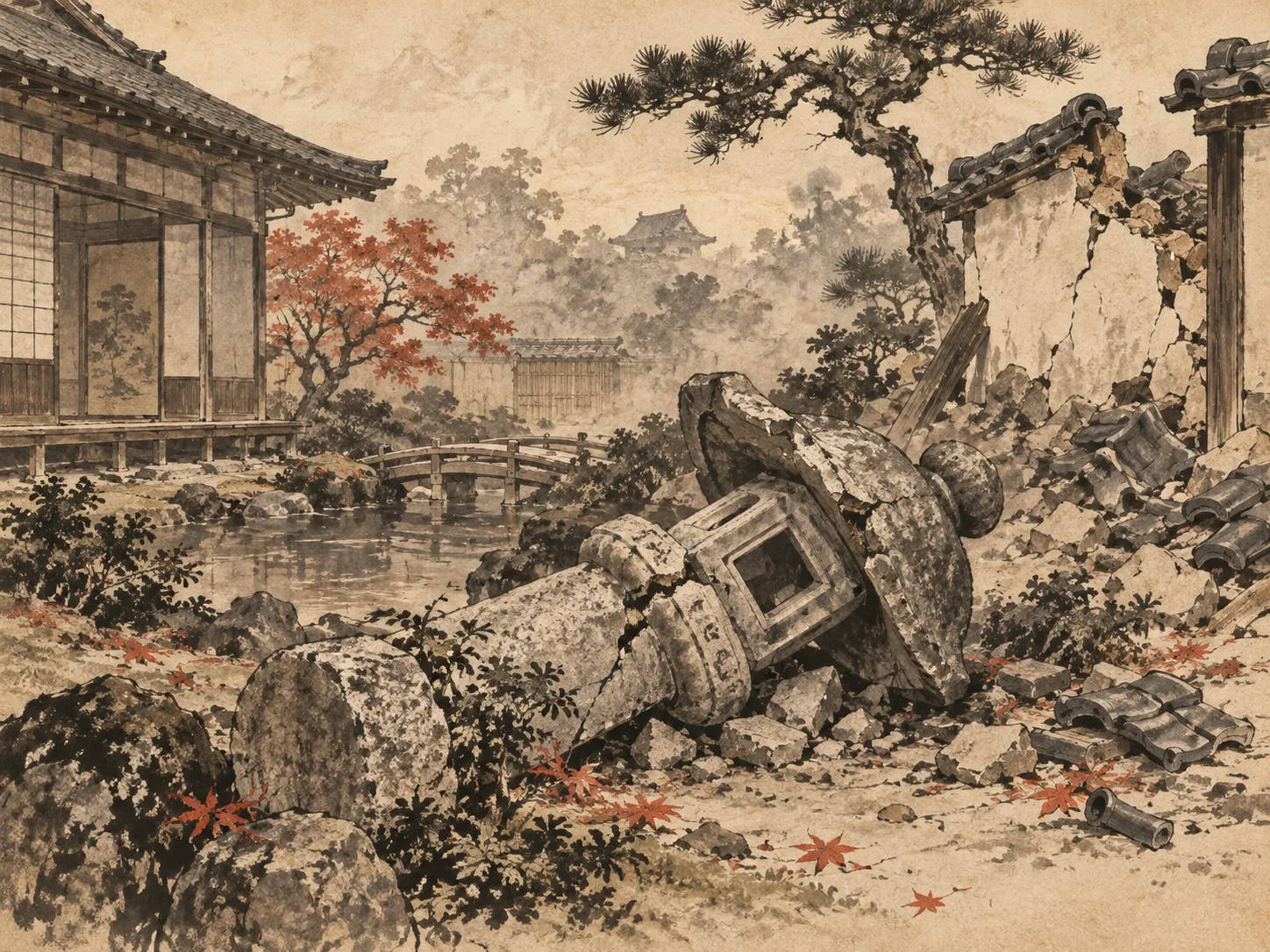
Toko died when the Mito upper residence collapsed in 1855. A fallen stone lantern places his death in urban disaster rather than battle; later stories about saving his mother require source separation. To investigate “Debris of the Ansei Edo Earthquake” further, do not stop with a commemorative plaque. Compare the date, maker or former owner, provenance, restoration status, and present location of each element named in “Debris of the Ansei Edo Earthquake.” Old maps, municipal histories, museum catalogues, document editions, material-culture studies, and field guides help distinguish contemporary evidence from reconstruction and later memory. They also provide a practical route to relevant books, facsimiles, maps, equipment histories, and a responsible site visit.
VISIT
Search events related to Toko Fujita →Browse all Bakumatsu events →