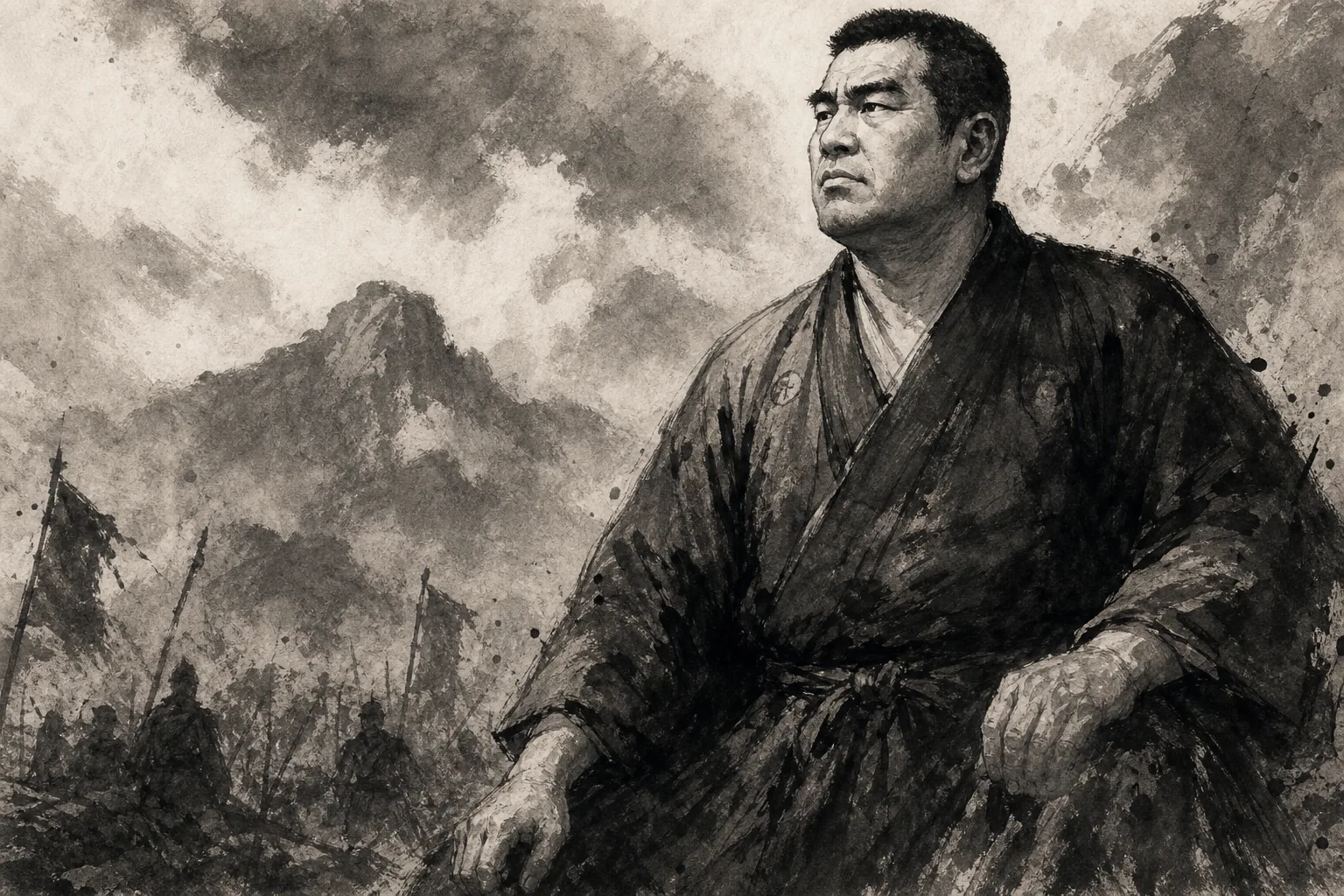
Takamori Saigo · Satsuma
Original
王家衰弱使人驚 憂憤捐身千百兵 忠義凝成腸鐡石 爲楹爲礎築堅城
Takamori Saigo's Chinese-style poem, "王家衰弱使人驚憂憤捐身千百兵忠義凝成". Read the original Japanese, translation, meaning, and historical background. Rather than Saigo's private feeling, this poem depicts the collective resolve that moves an age.
Person
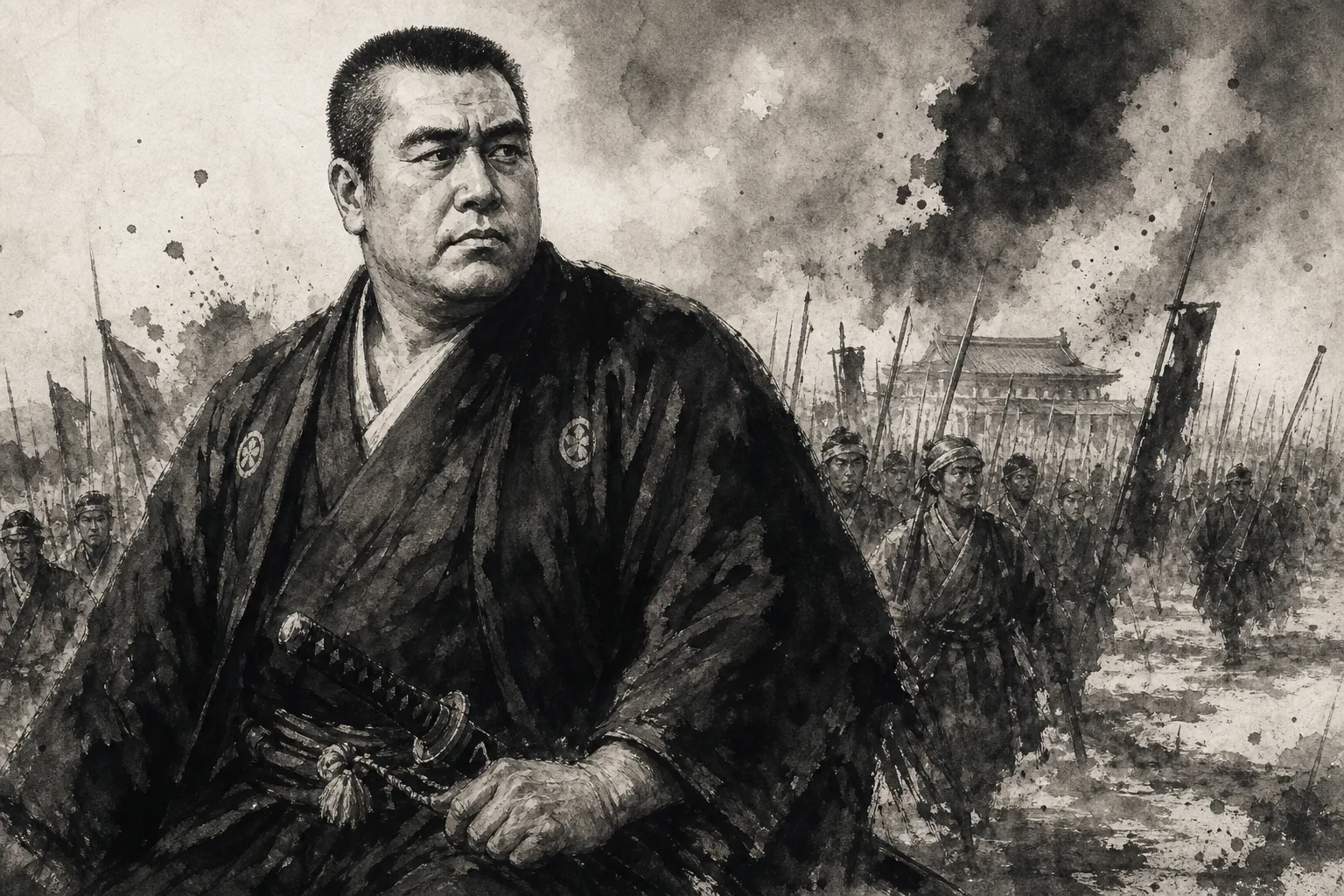
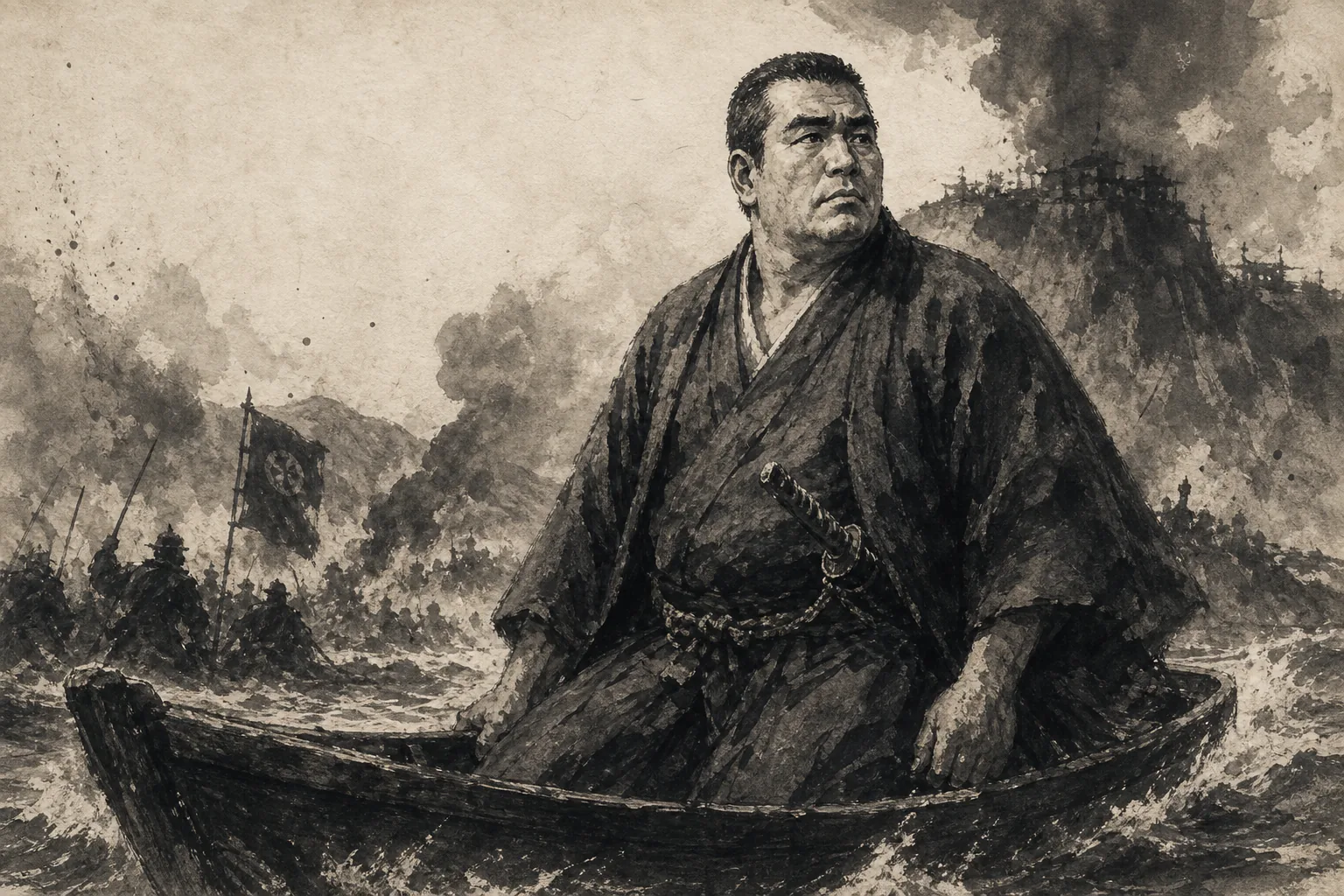
A Satsuma samurai whose scale, solitude, and contradictions shaped the Restoration. He carried both greatness and loneliness: a victor of the new age who also bore the beauty and weight of defeat.
Know This Person
Translation
Men moved by grief and anger offer themselves to defend the imperial house, their loyalty hardening like iron and stone.
Poetic Shape Kanshi draws on a classical Chinese poetic tradition, where restraint, allusion, and moral tension carry much of the weight. The poem sounds formal, but the pressure beneath it is personal.
Reading
Rather than Saigo's private feeling, this poem depicts the collective resolve that moves an age. The image of soldiers becoming pillars and foundations is vivid.
Background
Linked to the context of Satsuma troops heading to Kyoto as imperial guards. It conveys the atmosphere of a period when loyalist thought was becoming militarized. A Satsuma samurai whose scale, solitude, and contradictions shaped the Restoration.
Source / Transmission Wording and readings may differ by transmission; this page treats the text as one circulated form.
Further Reading
Find related books and places to stay For readers who want more historical context, these links search for related books on external stores.
Affiliate link