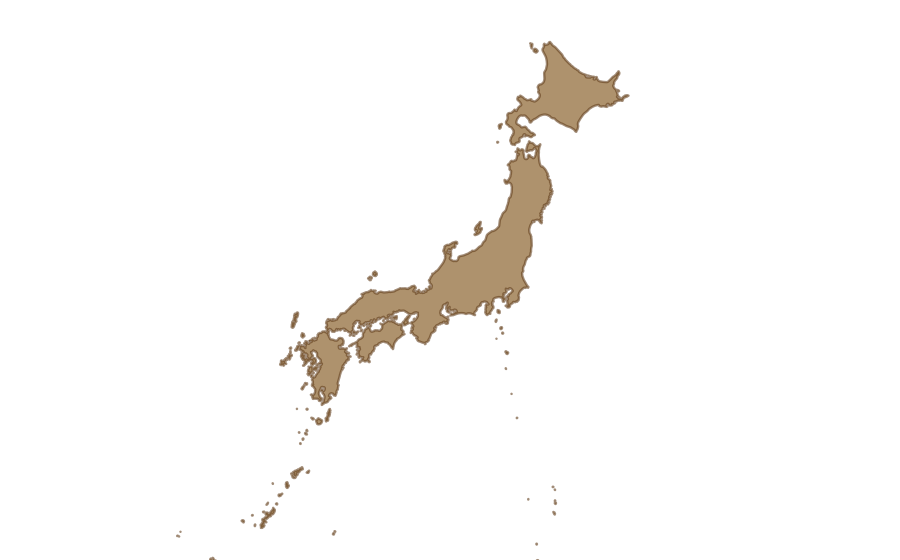
Hikone, Omi
Born as the Fourteenth Son of the Hikone Lord
He entered a senior hereditary house from a position far removed from expected succession.
Know the Person
Follow Ii Naosuke through the buildings and objects that framed his life: the modest Umoreginoya residence in Hikone, tools for martial and artistic practice, the tea room and his tea treatise, the Hikone domain's Edo mansion, treaty books and tariff schedules, and the palanquin route outside Sakurada Gate. Together they reveal a life shaped by long preparation, disciplined arts, political responsibility, coercive government, and a fatal urban routine.
Life
Hikone, Omi
He entered a senior hereditary house from a position far removed from expected succession.
Umoreginoya, Hikone
From age seventeen he spent about fifteen years pursuing multiple disciplines outside public office.
Hikone
Deaths and succession arrangements moved him from prolonged seclusion into domain government.
Hikone and Edo Bay
After Perry's arrival, he sought to preserve shogunate order while addressing diplomatic realities.
Edo and Yokohama
He settled trade and succession questions, while the Ansei Purge generated deep resentment.
Outside Sakurada Gate, Edo
Attackers struck the procession from the Soto-Sakurada mansion, killing him at age forty-five.
滋賀県彦根市
十七歳から約十五年を過ごした埋木舎と、藩主として政務を担った彦根城を歩く。
井伊直弼
Address滋賀県彦根市尾末町1-11周辺
Nearby
神奈川県横浜市
条約によって開かれた港の町割りと、外交文書が現実の都市へ変わった場所を見る。
井伊直弼
Address神奈川県横浜市中区日本大通周辺
Nearby
東京都千代田区
彦根藩上屋敷跡から桜田門まで、登城行列と襲撃の短い経路を現地で確かめる。
井伊直弼
Address東京都千代田区霞が関2丁目・皇居外苑周辺
Nearby
Keys
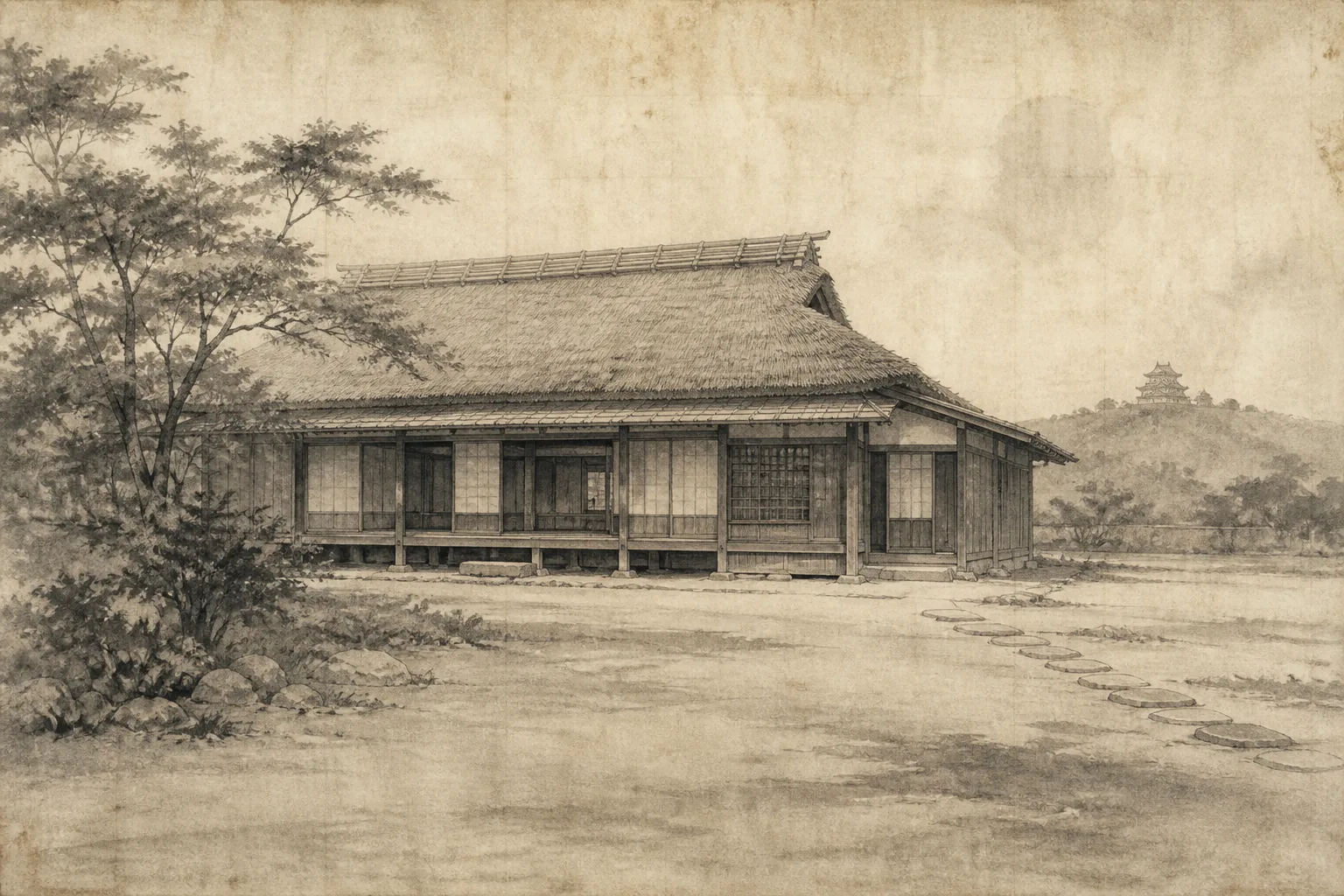
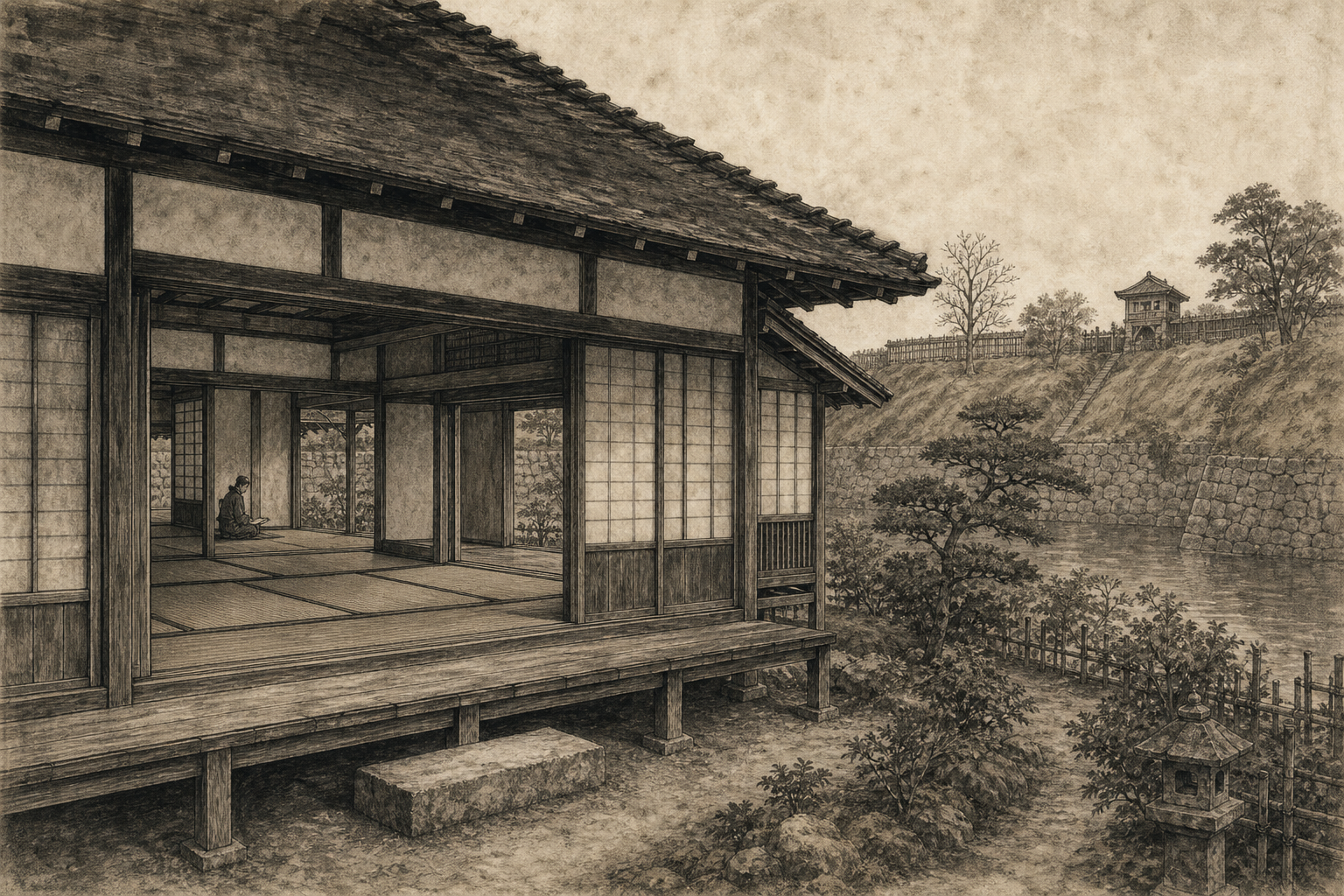
Umoreginoya faced the inner moat of Hikone Castle and housed Naosuke from age seventeen for roughly fifteen years. As the fourteenth son, he initially had little expectation of inheriting the domain. Its modest timber rooms, tatami, and garden became a place for reading and sustained practice. The long interval away from office was not a straight apprenticeship for power, yet it supplied the concentration and self-command he would need when succession suddenly brought him into domain and shogunate politics.
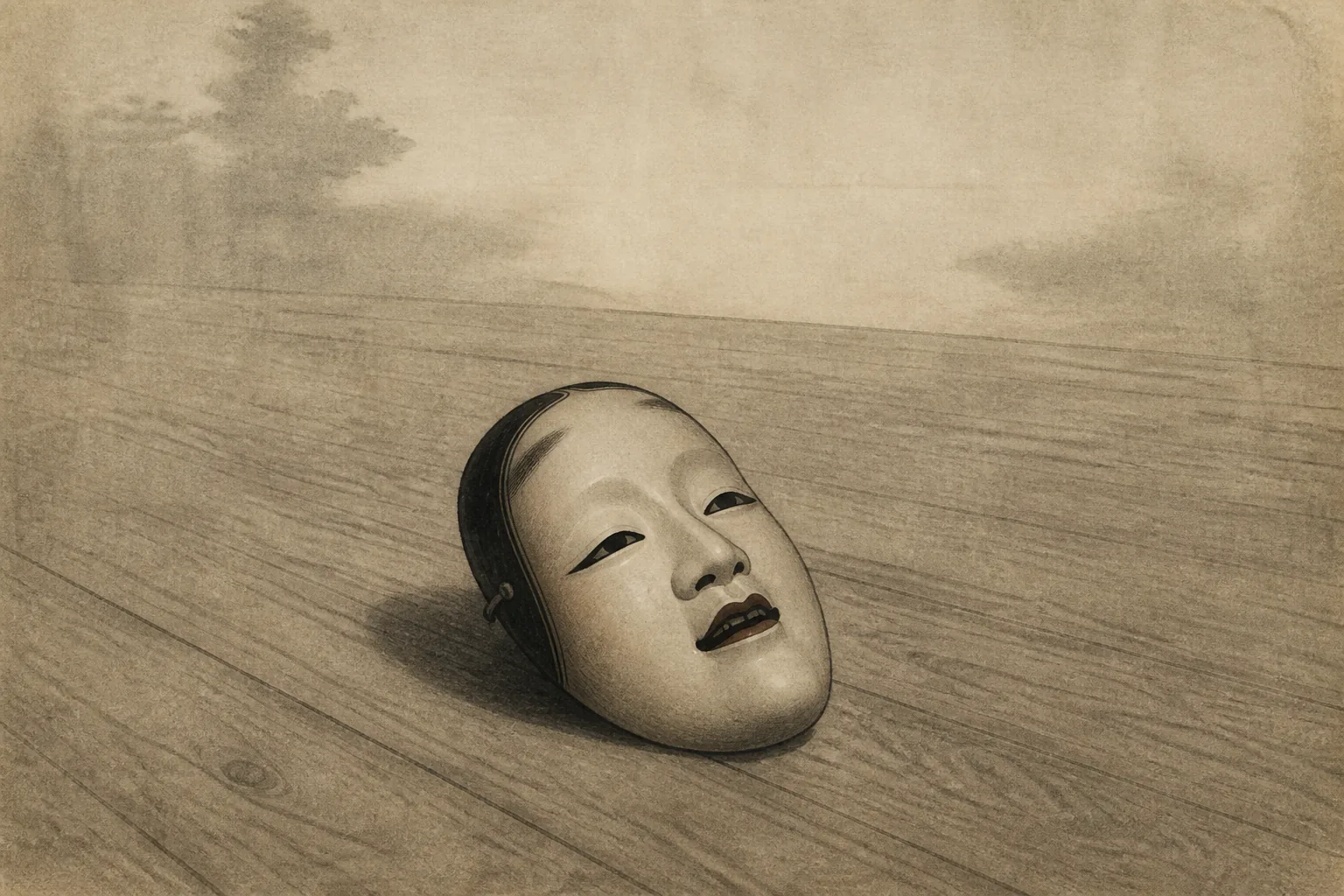
At Umoreginoya, Naosuke pursued Zen, classical learning, sword and spear arts, Noh, poetry, hand drum, and ceramics. A sword rack, mask, brush, instrument, and fired vessel each demanded a different relation to posture, timing, material, and restraint. These objects prevent his youth from being reduced to passive seclusion. Moving among disciplines cultivated attention and a willingness to master formal procedures, qualities that later appeared in both his cultural writing and his forceful political decisions.
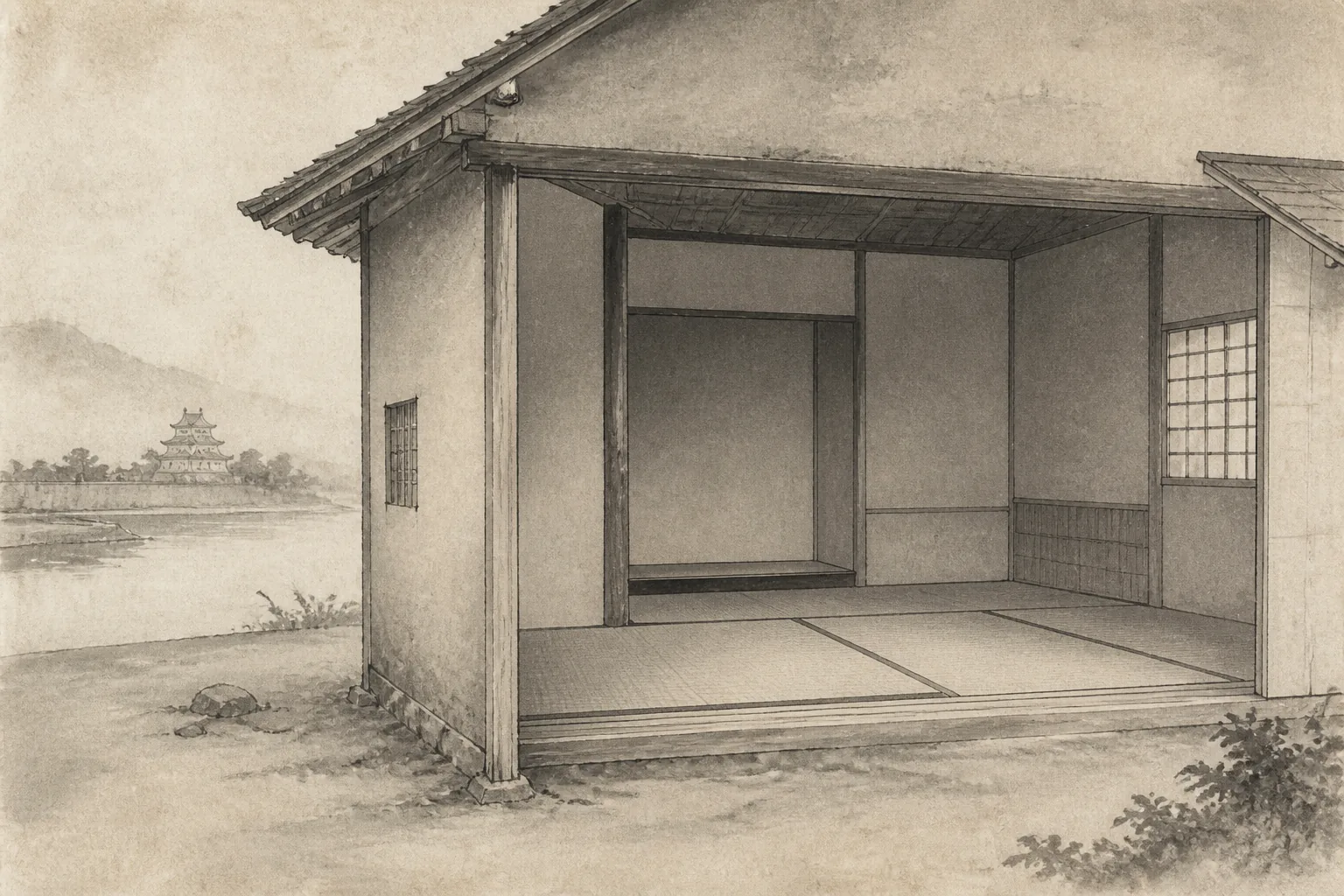
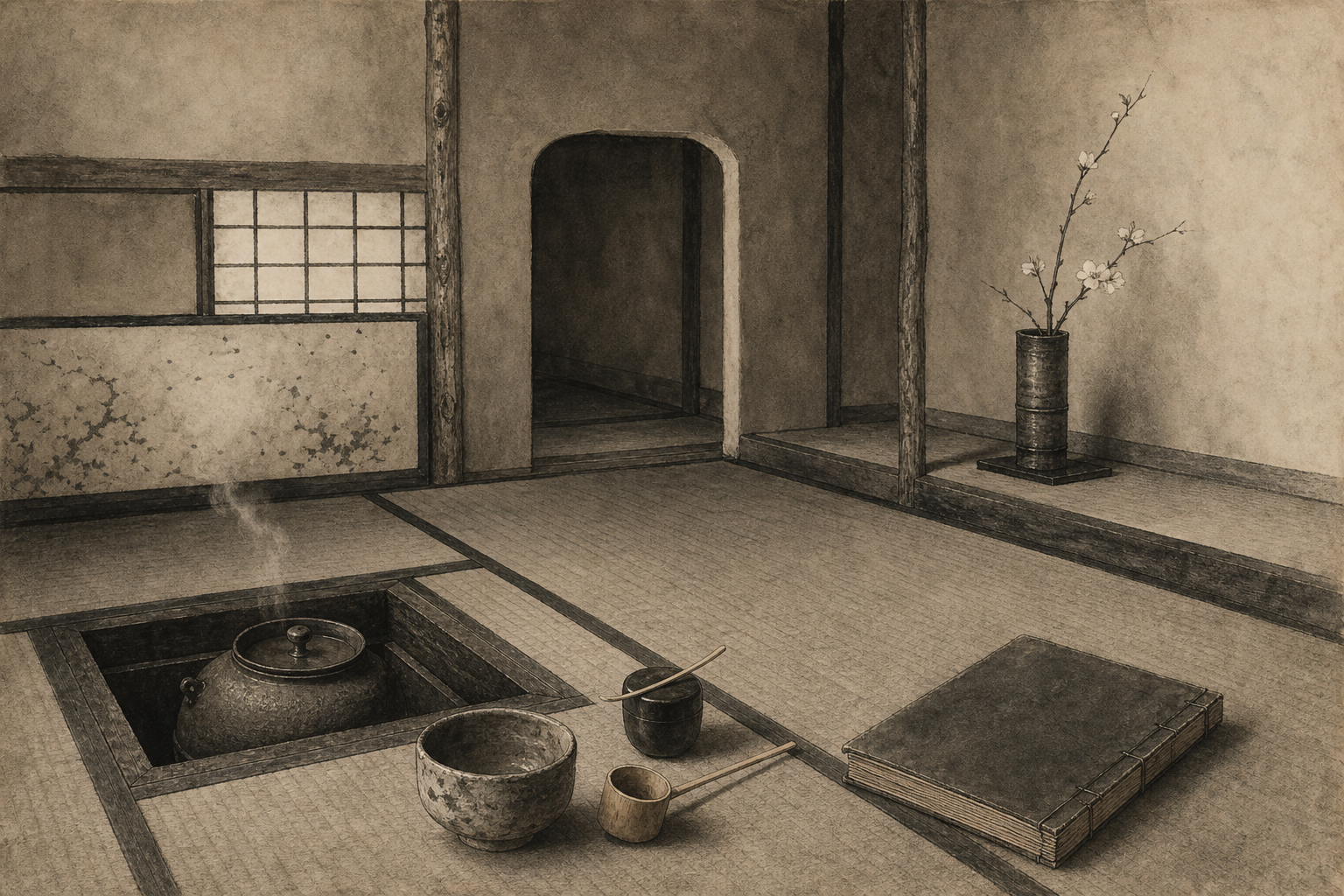
A tea room organizes movement through its hearth, kettle, bowl, tea caddy, bamboo scoop, and limited space. Naosuke studied the Sekishu tradition and composed Chano-yu Ichie-shu, explaining the care due to a gathering that can never be repeated in precisely the same form. The familiar phrase ichigo ichie was therefore embedded in preparation, the placement of utensils, attention to the guest, and the lingering moment of departure. It offers a quieter but essential measure of his sense of time and duty.
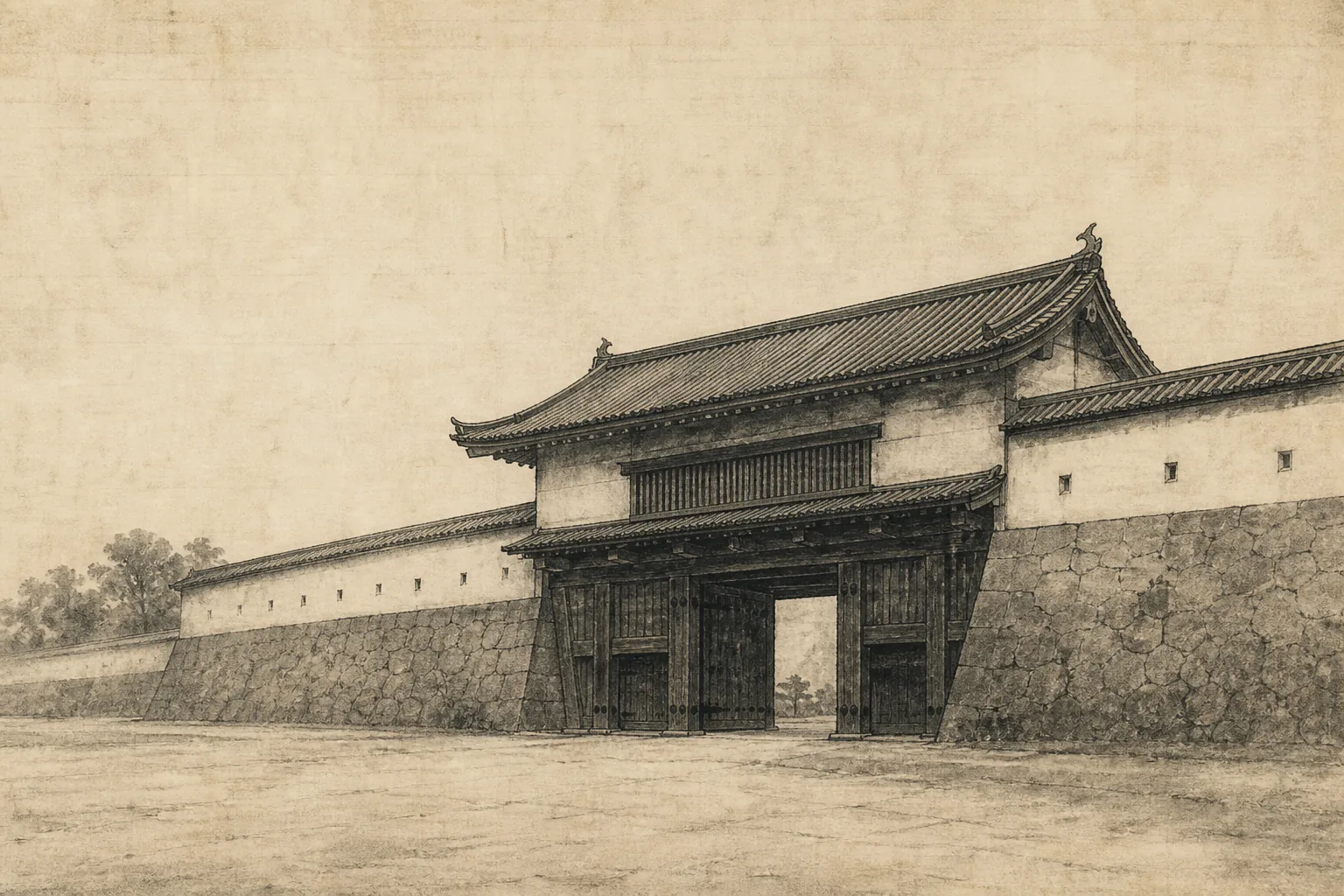
The Hikone domain's upper mansion near Sakurada Gate was at once an elite residence and an administrative complex filled with retainers, messengers, records, and audiences. After becoming tairo, Naosuke handled the shogunal succession, treaties, and relations with domains and the court through this network. Gates, barracks, formal rooms, and the moat displayed authority, but the mansion also fixed the hours and route of his procession to Edo Castle. Proximity to the political center consequently became a source of physical vulnerability.
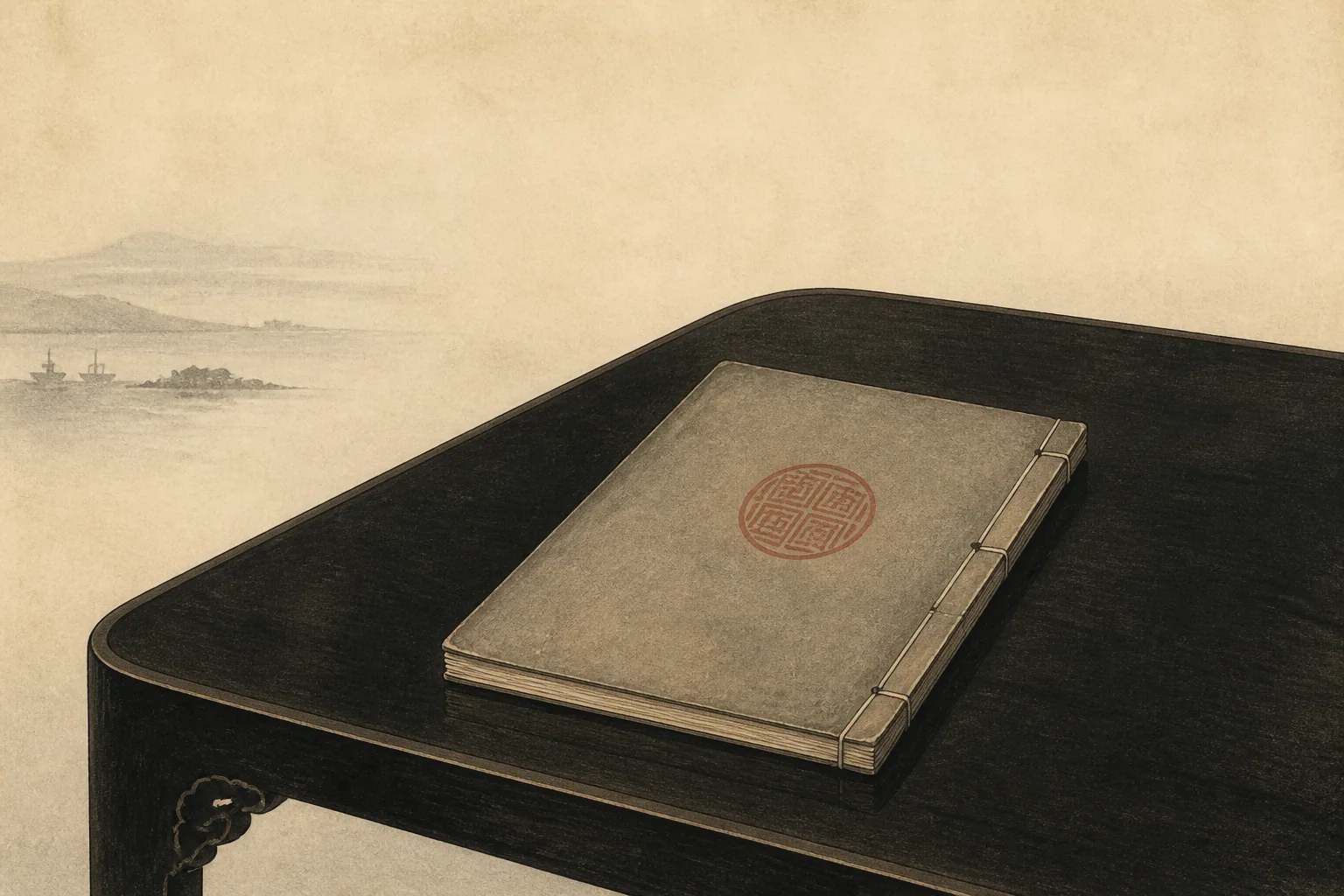
In 1858 the shogunate signed the commercial treaty with the United States without prior imperial approval, followed by agreements with the Netherlands, Russia, Britain, and France. Bound treaty copies, tariff schedules, maps, and seals translated diplomatic pressure into ports, duties, and rules for foreign activity. Naosuke's choice answered an external emergency, but controversy over procedure merged with the succession struggle. The Ansei Purge then tied the practical machinery of opening the country to coercive punishment of political opponents.
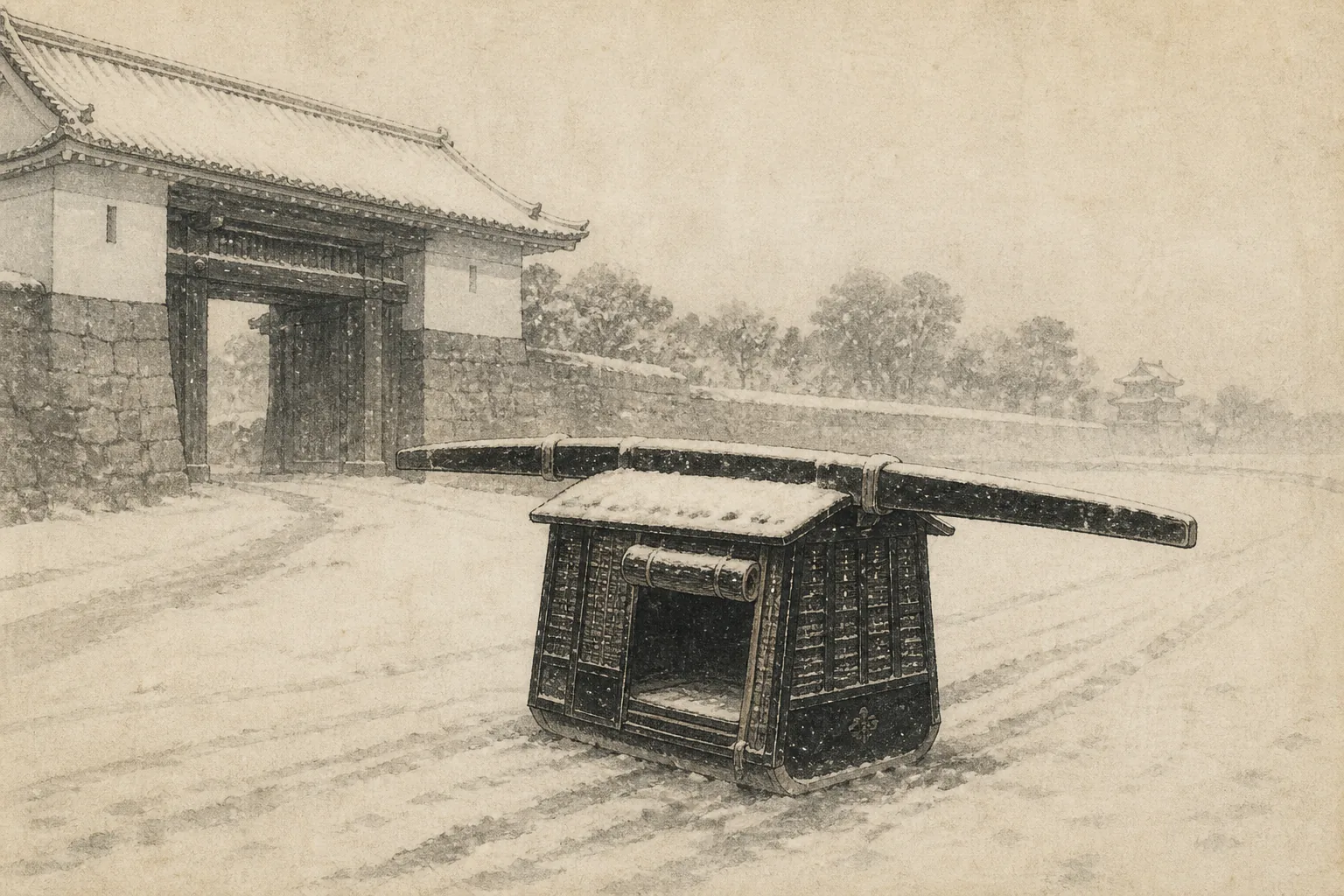
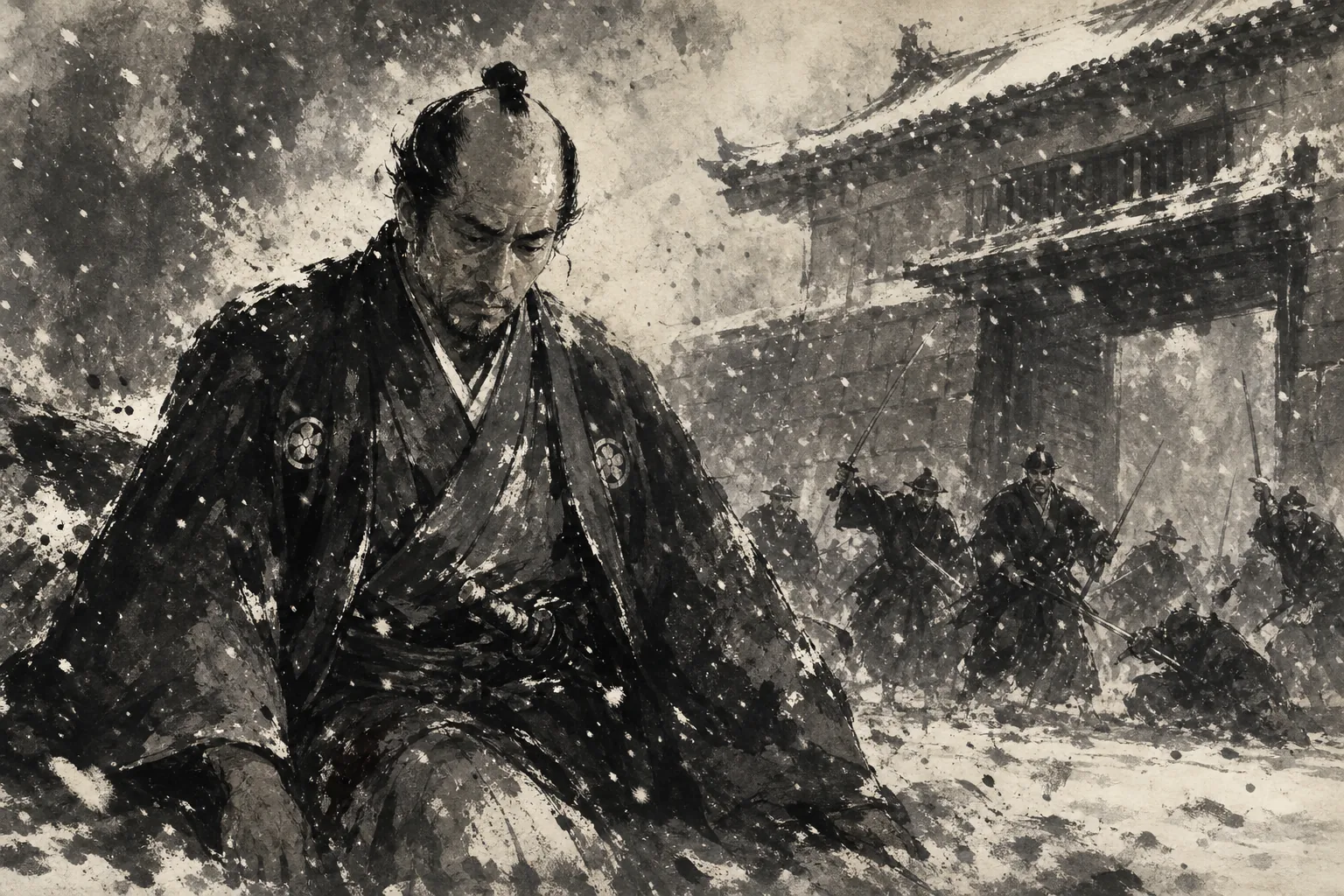
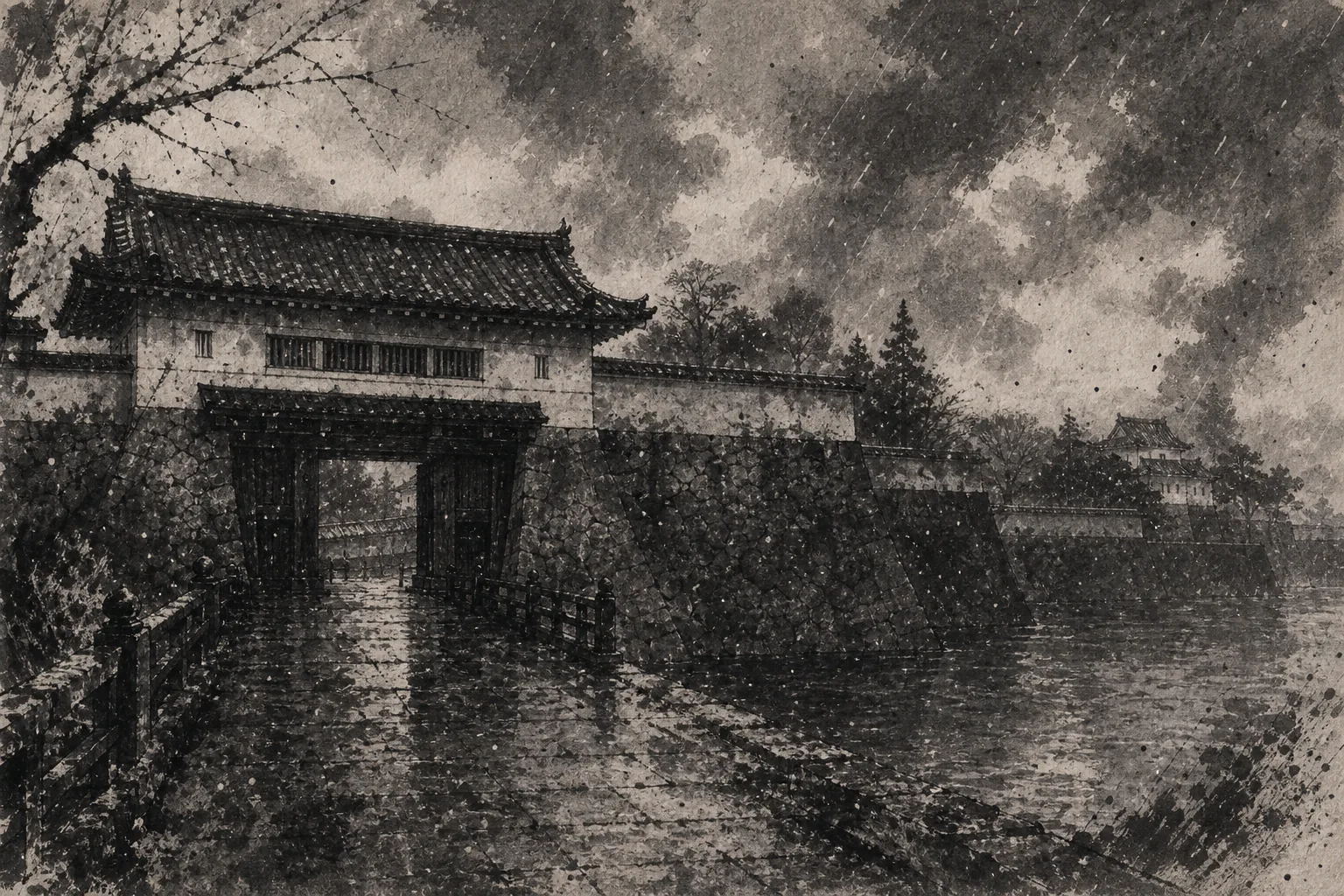
On the snowy morning of 24 March 1860, Naosuke's procession left the Hikone mansion for Edo Castle and was attacked outside Sakurada Gate. Reduced visibility and protective covers on weapons affected the guards' response. The palanquin, rain capes, lanterns, swords, gate, and road were ordinary components of a daimyo's commute, yet together they defined the brief battlefield. Mito ronin and their allies killed Naosuke, and a government organized around his exceptional authority suddenly lost its central support.
VISIT
Search events related to Naosuke Ii →Browse all Bakumatsu events →