Takayama Jinya residence
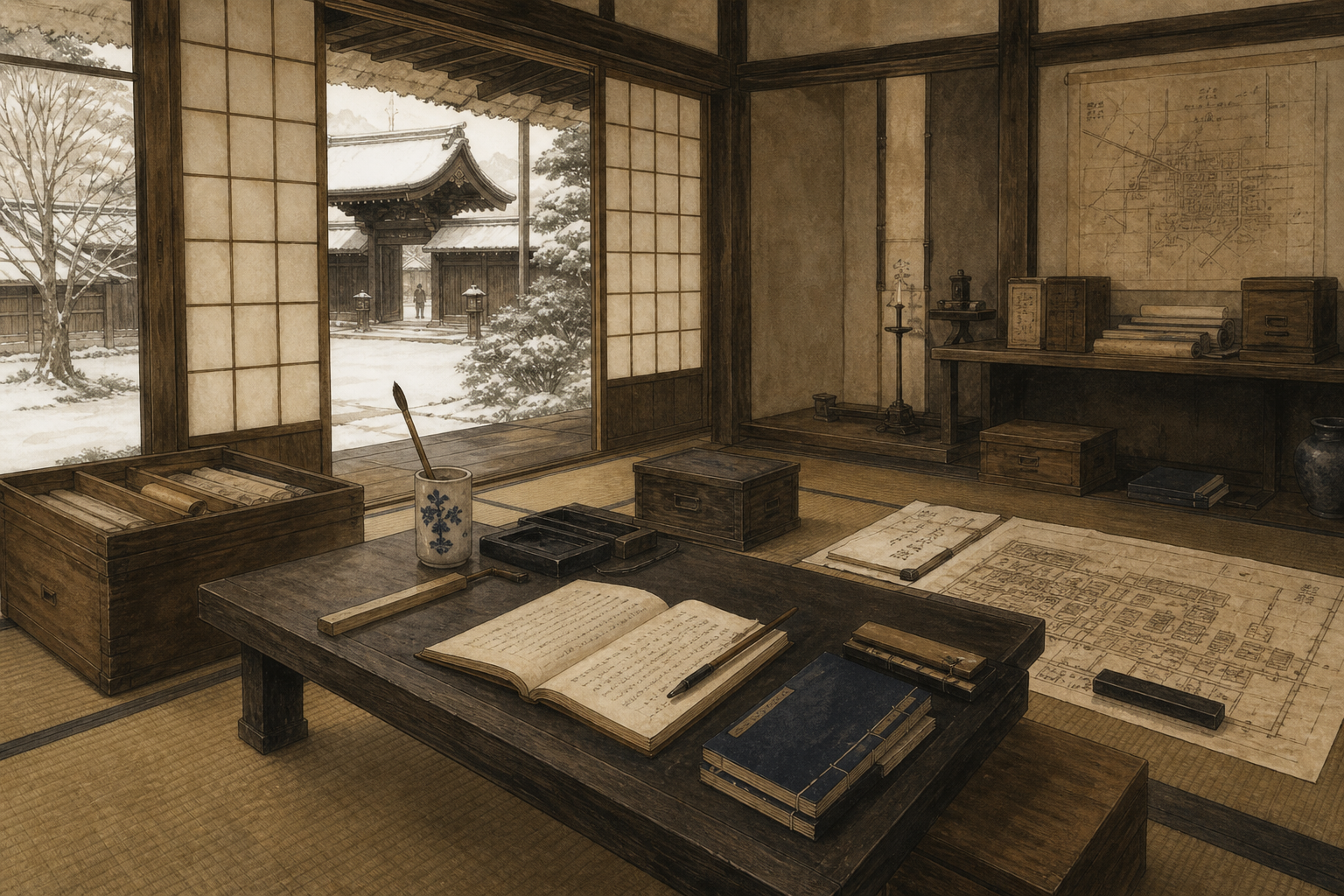
Grows up beside a Hida magistrate’s documents, maps, brushes, inkstones, and household study
His schooling and his father’s administrative work remain separate evidence.
Know the Person
Yamaoka Tesshu is not reduced to the abstract triad of sword, Zen, and calligraphy or to a lone hero of Edo’s peaceful surrender. At Takayama Jinya, his father’s magistrate residence, administrative maps, document chests, brushes, and inkstones frame childhood inside local government and study. At the bakufu Kobusho, bamboo swords, protective gear, spears, attendance books, office rosters, and repair cords define martial education as institutional work. The March 1868 Sumpu meeting is reconstructed through Katsu Kaishu’s sealed letter, proposed surrender conditions, route maps, lodging, and the Tenmacho location, while remaining distinct from the later Katsu-Saigo talks in Edo. His brief governorship of Imari Prefecture returns to the appointment document, jurisdiction maps, proclamations, tax books, petitions, and seals. Shunpukan and Itto Shoden Muto-ryu are examined through equipment, curricula, training ledgers, and disciple lists. Large calligraphy, temple support, and Zenshoan reveal paper, brushes, ink, orders, donations, folding-screen frames, packing, memorial practice, and conservation. Objects and places create natural routes toward books, museum catalogs, sword equipment, highway history, calligraphy supplies, temples, and archives.
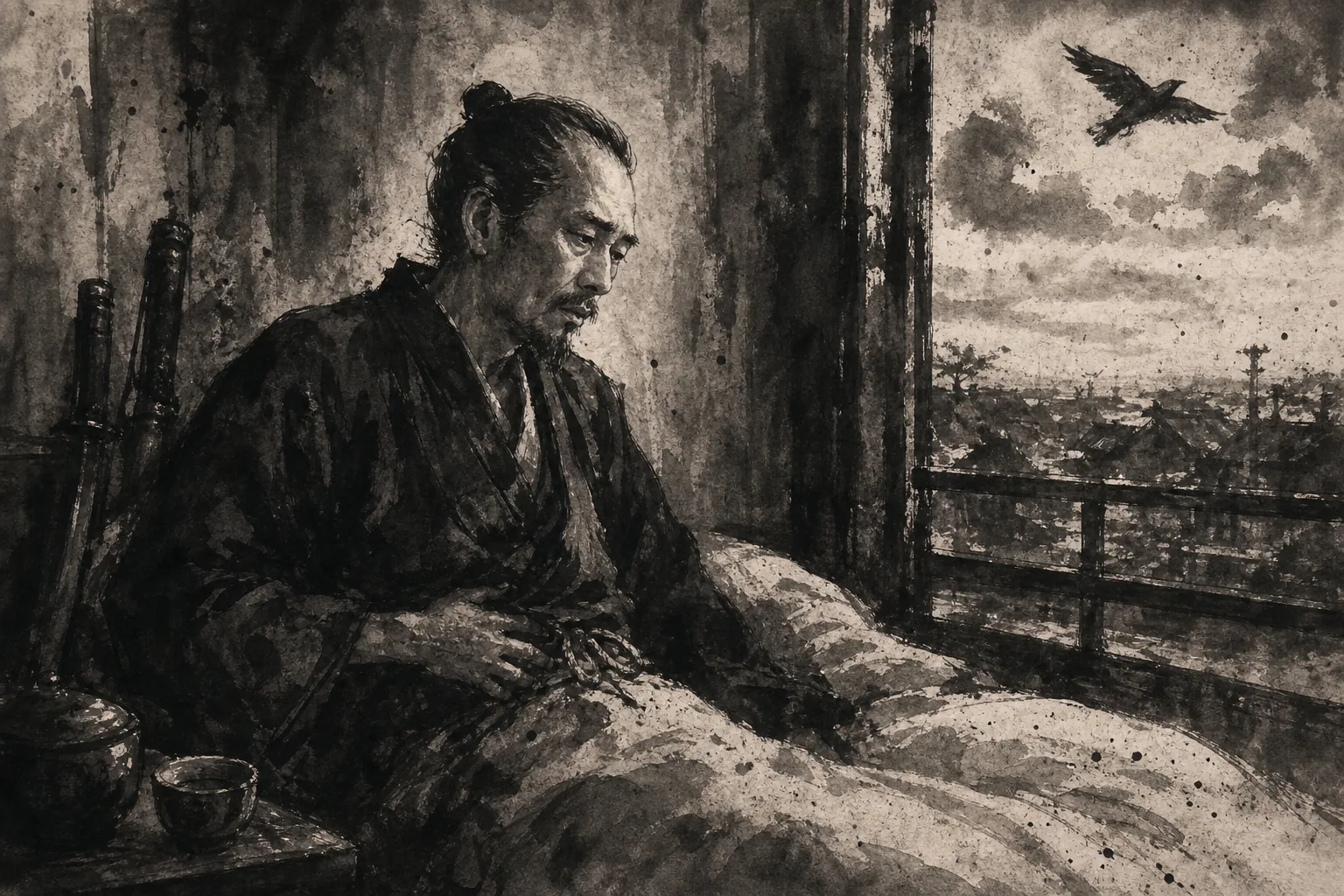
Life
Takayama Jinya residence
His schooling and his father’s administrative work remain separate evidence.
Edo and the Kobusho
Teachers, licenses, office, and Roshigumi work require distinct dates.
Edo to Sumpu Tenmacho
Sumpu and Katsu-Saigo outcomes are compared rather than made rivals.
Imari Prefecture and Saga
Only documents actually approved during his tenure support administrative claims.
Yotsuya, Tokyo
Ideas, equipment, pedagogy, and disciple lineage remain separate sources.
Kokutaiji, Zenshoan, and collections
Production, donation, foundation, fire, rebuilding, and collection are not one event.
岐阜県高山市八軒町
父・小野朝右衛門高福に伴って暮らした飛騨郡代役宅を、書、地図、文書箱、役所日記から読む。現在の展示と本人使用品は区別する。
小野鉄太郎・小野朝右衛門と高山陣屋
Address岐阜県高山市八軒町1-5
Nearby
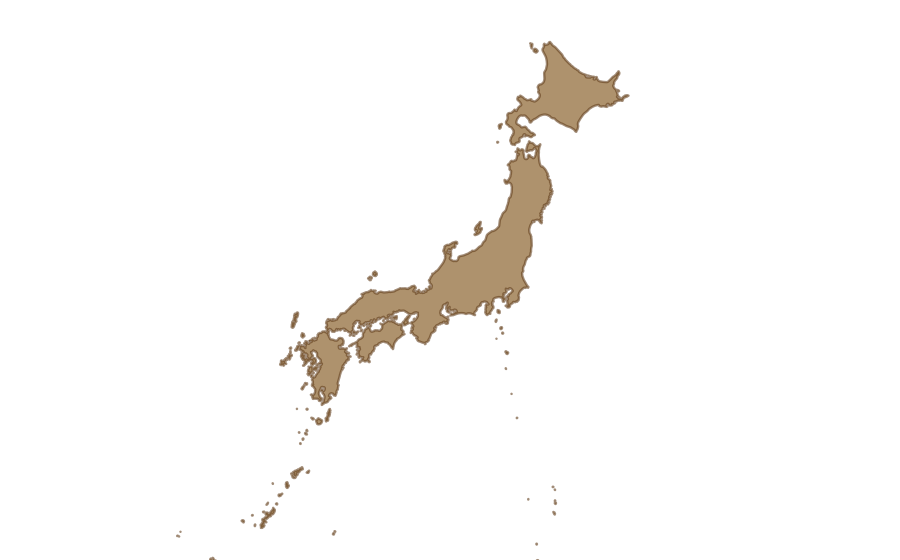
東京都千代田区神田・大手町周辺
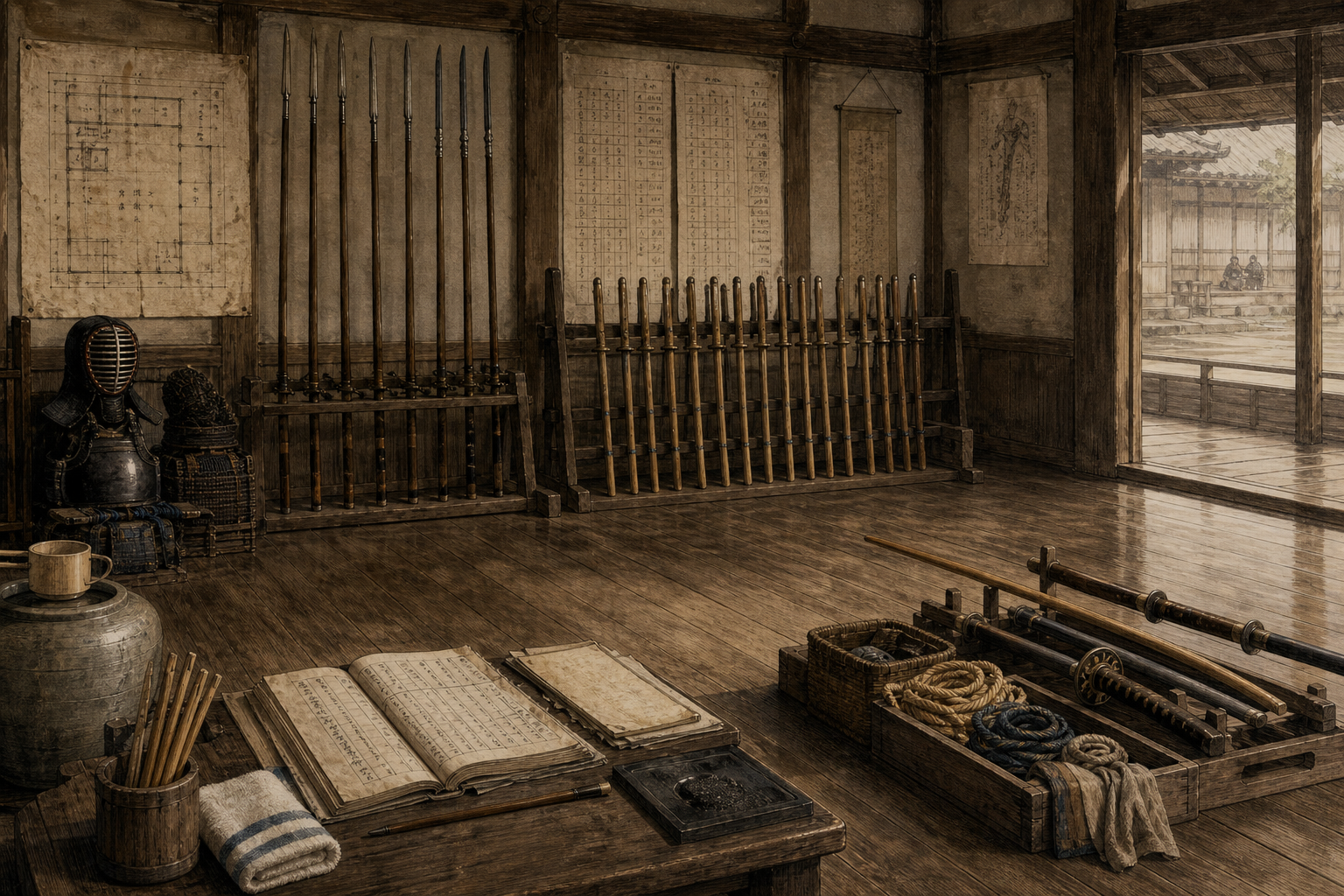
現存道場と誤認せず、講武所の複数の所在地、教授方世話役、剣具、出席簿、修理用品を幕府記録から確かめる。
山岡鉄太郎と幕府講武所
Address東京都千代田区神田小川町・大手町周辺
Nearby
静岡県静岡市葵区伝馬町
慶応四年三月の会談を一人の英雄譚にせず、勝海舟の親書、慶喜処分案、東征軍資料、江戸から駿府までの移動記録で検証する。
山岡鉄舟・西郷隆盛・勝海舟
Address静岡県静岡市葵区伝馬町11付近
Nearby
佐賀県佐賀市城内
権令就任を肩書だけで終わらせず、任官状、管轄図、布達、租税帳、請願書と在任期間を確認する。展示履歴と原資料の所蔵先も分ける。
山岡鉄舟と伊万里県
Address佐賀県佐賀市城内1-15-23
Nearby
東京都新宿区四谷周辺
春風館の旧地を現存道場とはせず、竹刀、木刀、防具、稽古帳、剣法書、門人記録から一刀正伝無刀流の形成を追う。金沢に伝わる春風館文庫は関連資料として案内し、地図は旧地のある四谷を示す。
山岡鉄舟・春風館・一刀正伝無刀流
Address東京都新宿区四谷周辺
Nearby
東京都台東区谷中
鉄舟の大書を精神論だけでなく、紙、筆、墨、注文、寄付帳、表装、輸送から捉える。国泰寺支援と全生庵建立は別の事業として扱う。
山岡鉄舟の書・全生庵・国泰寺支援
Address東京都台東区谷中5-4-7
Nearby
Keys
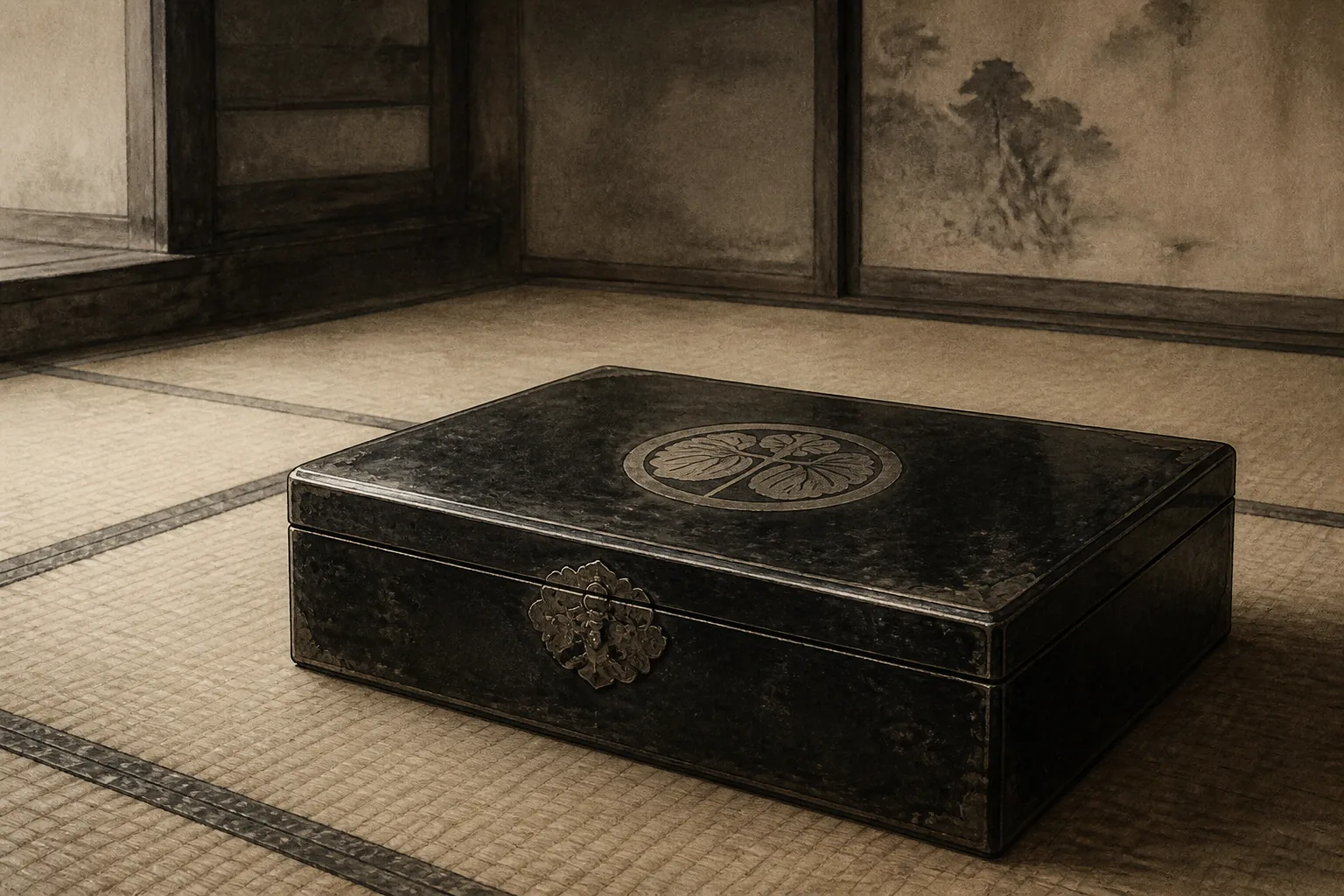
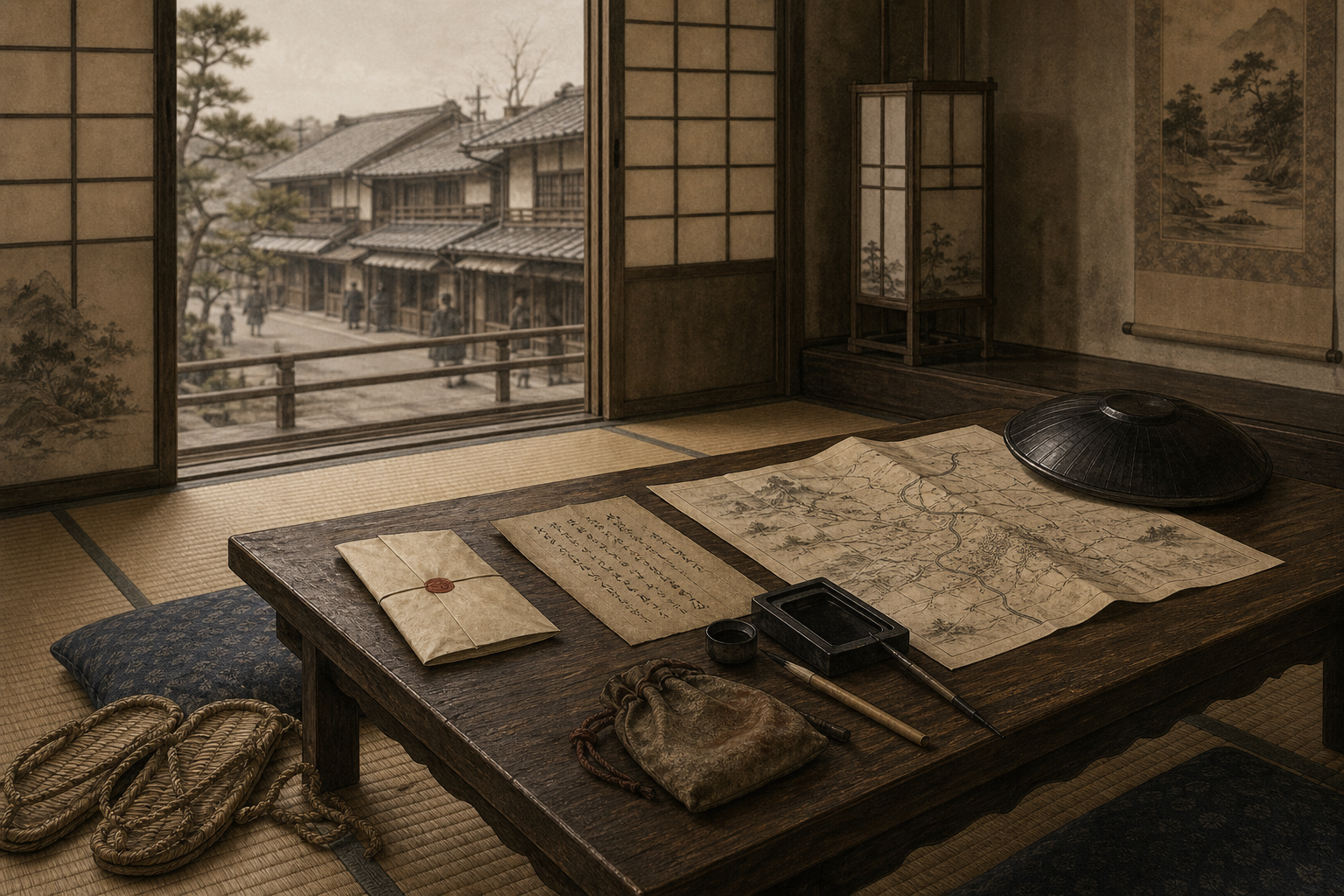
Born Ono Tetsutaro, Tesshu moved to Takayama when his father Ono Asaemon Takayoshi became Hida magistrate in 1845. Rooms at Takayama Jinya, tax and forestry maps, document chests, brushes, inkstones, copybooks, letters, and measuring tools return an “elite education” to the material setting of a government office and household. Present displays are not automatically personal belongings, and the plan of the residence must be dated. Takayama cultural-property records state that the posthumous names on his parents’ graves at Soyuji were written by Tesshu; the stones, inscriptions, and later repairs still need comparison. Reading paths include Takayama Jinya, bakufu regional government, Hida history, brushes, inkstones, palaeography, and museum guides.
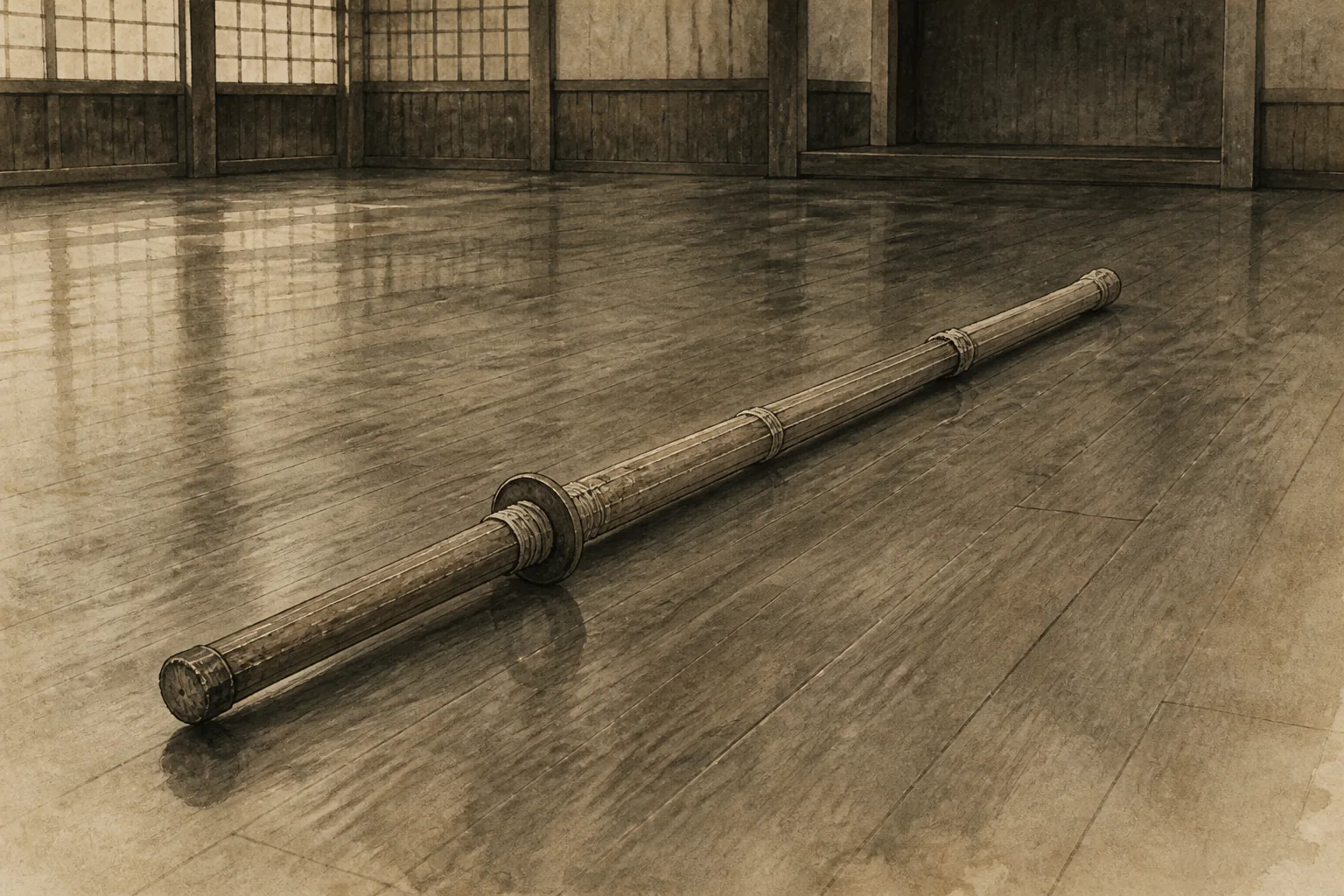
Tesshu is described as serving in an instructional role at the bakufu Kobusho. Bamboo swords, bokuto, armor, spears, dojo plans, training ledgers, attendance books, office rosters, repair cords, towels, and water jars place sword practice within retainer education, equipment standards, repetition, and facility management rather than duel stories. The Kobusho changed location and organization, so an old site around Ogawamachi is not presented as a surviving dojo. His training in several lineages, marriage into the Yamaoka house, and work with the Roshigumi require separate teacher records, licenses, appointments, and dates. Reading paths include sword equipment, classical schools, bakufu military institutions, dojo architecture, and equipment repair.
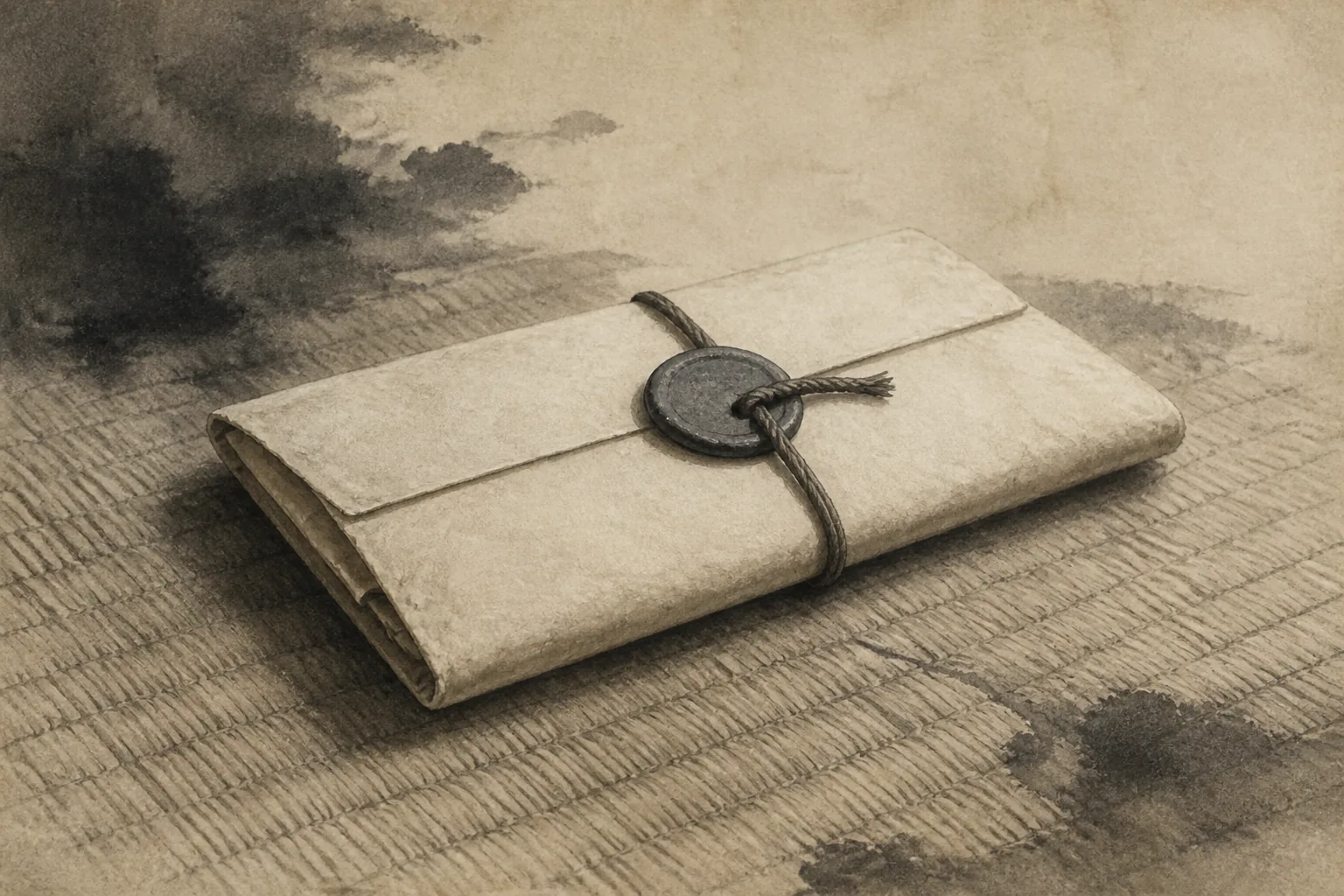
In March 1868 Tesshu traveled from Edo to Sumpu carrying a letter from Katsu Kaishu and met Saigo Takamori. The sealed letter, evidence of Tokugawa Yoshinobu’s submission, proposed conditions, expeditionary-force diaries, Tokaido maps, travel hats, sandals, inn books, and medicine pouches keep the hazardous journey from becoming pure legend. Shizuoka City marks a meeting site in Tenmacho, but the marker’s date and the evidence for the exact building remain research questions. The later Katsu-Saigo meetings in Edo are not absorbed into Tesshu’s achievement; each discussion, condition, and decision maker remains distinct. Reading paths include Edo’s surrender, Tokaido travel, letters, negotiation, and historical markers.
On 27 December 1871, after abolition of the domains, Tesshu was appointed governor of Imari Prefecture. His appointment document, maps covering Saga and Tsushima, proclamations, tax ledgers, village reports, petitions, seal chests, abaci, and travel bags reveal information gathering and command in a new prefectural system. Because his tenure was short, reform achievements should not be enlarged without documents he actually approved. A Saga Prefectural Museum exhibition presented the appointment paper from Zenshoan and calligraphy transmitted in the prefecture; exhibition history and present ownership remain separate. Reading paths include abolition of domains, local administration, official documents, seals, historical maps, and Saga museum catalogs.
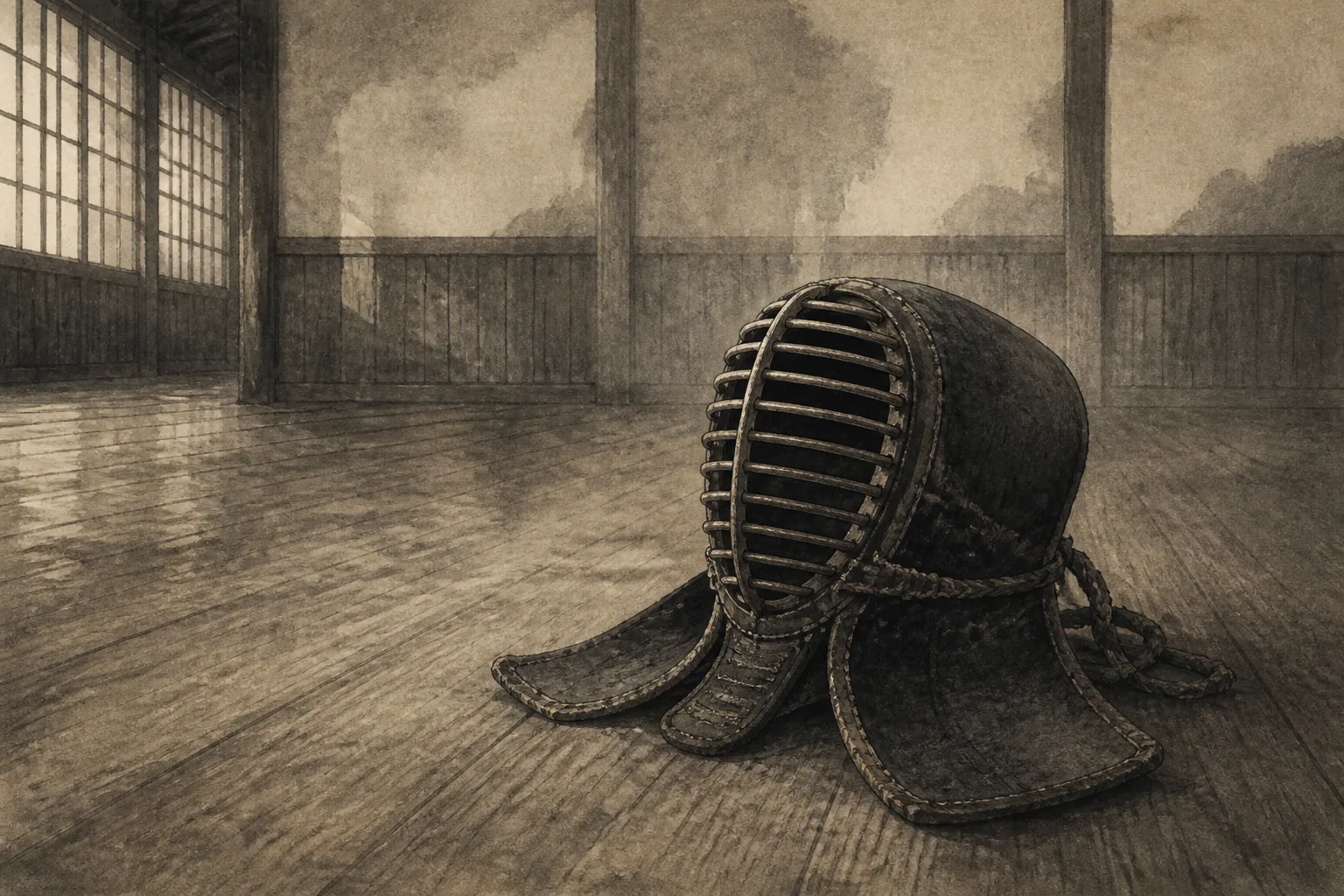
In Meiji Tokyo Tesshu established Shunpukan at his Yotsuya residence and taught what became Itto Shoden Muto-ryu. Bamboo swords, bokuto, armor, training ledgers, curriculum sheets, disciple lists, entrance pledges, repair tools, and lined-up footwear turn terms such as no-mind and life-giving sword into a concrete teaching system. Research by the All Japan Kendo Federation helps assess influence on modern kendo, but later institutions should not be projected unchanged onto the Meiji dojo. The Shunpukan collection at Kanazawa’s modern historical archive includes chronologies and sword-history materials whose compilation dates and lineages can be checked. Reading paths include kendo equipment, classical sword schools, pedagogy, dojo history, and disciple records.
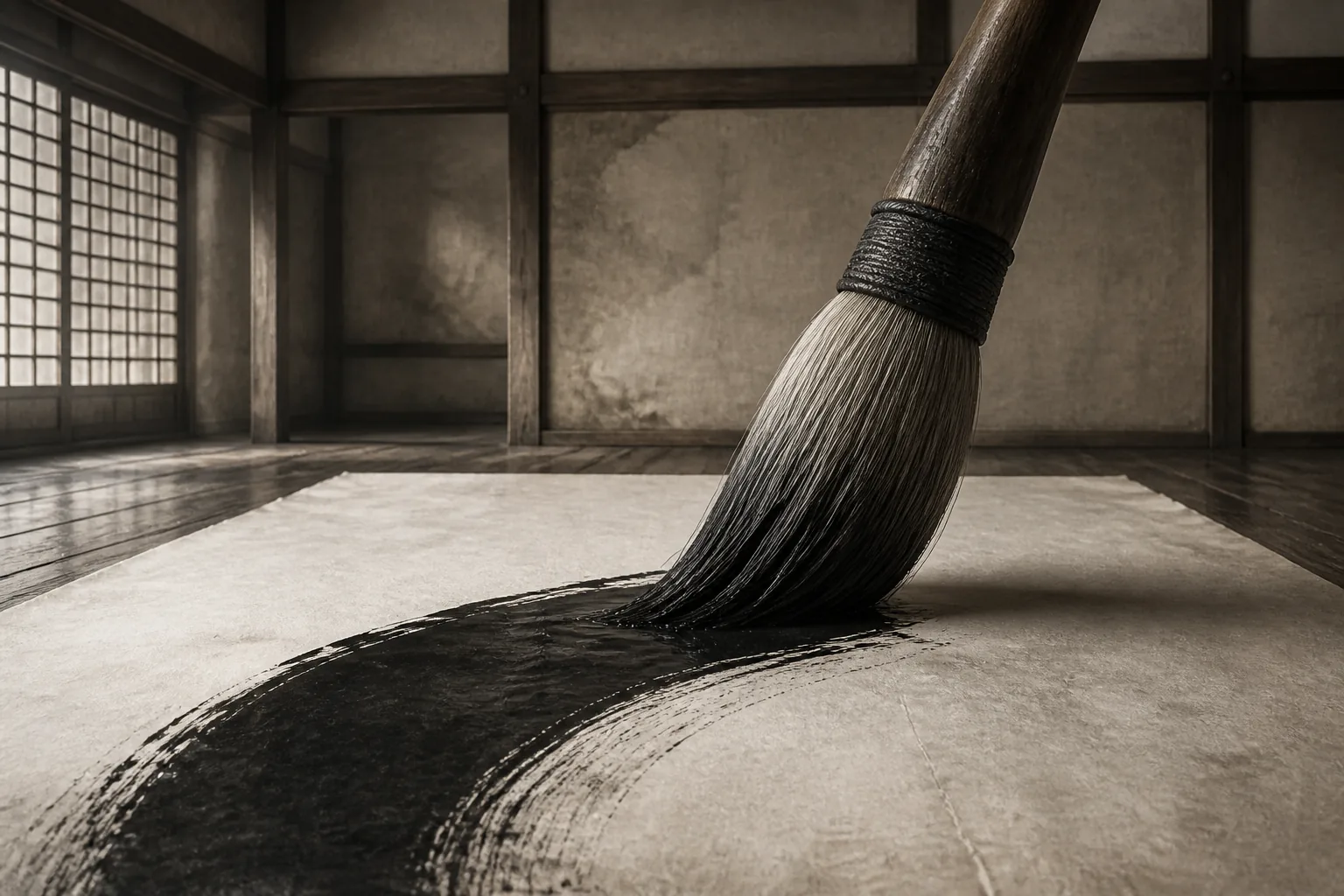
Tesshu’s calligraphy involved oversized paper, large brushes, ink cakes, inkstones, commission books, donation ledgers, mounting, folding-screen frames, drying, packing, and transport. Cultural Heritage Online records screens written in support of impoverished Kokutaiji after Tesshu encountered its abbot during the 1878 imperial tour. Zenshoan, founded in 1883, memorialized people who died in the upheavals around the Restoration and preserves the Aoi Kannon that Tesshu had taken into his care. Kokutaiji fundraising and Zenshoan’s foundation were different projects. Dimensions, paper, provenance, the 1894 fire, lost works, and surviving holdings remain distinct. Reading paths include calligraphy tools, screens, Zen temples, temple treasures, fundraising, and conservation.
VISIT
Search events related to Tesshu Yamaoka →Browse all Bakumatsu events →