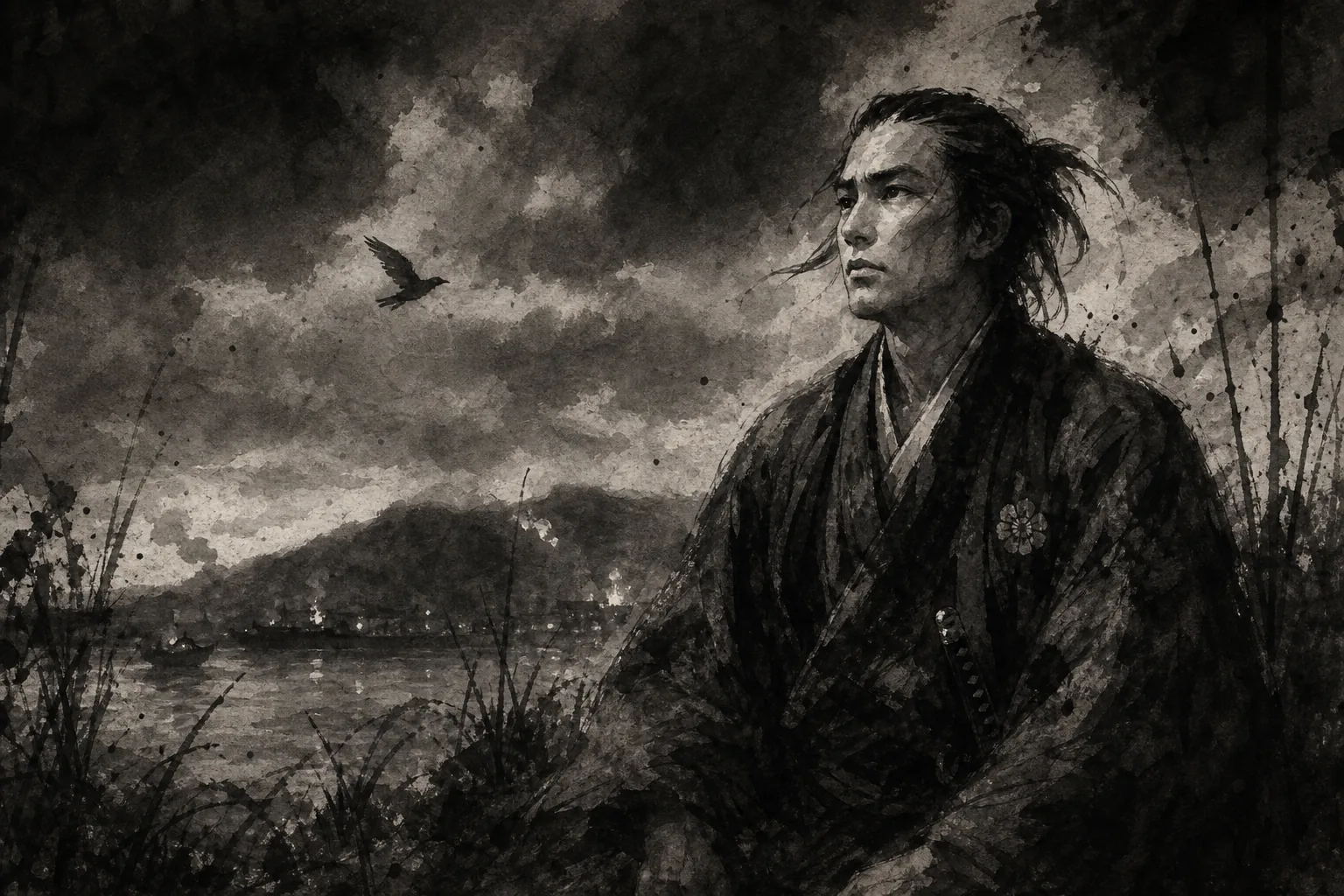
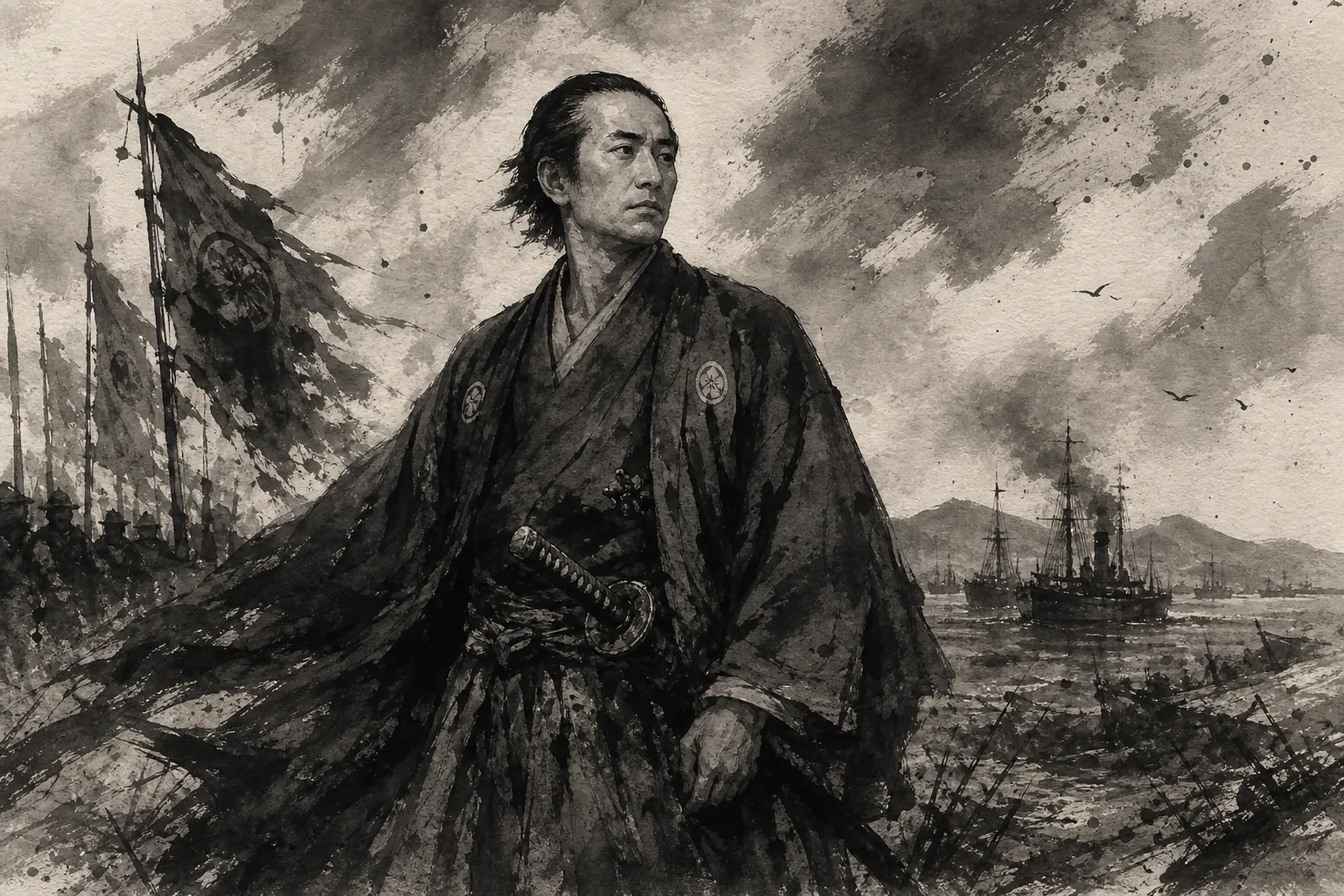
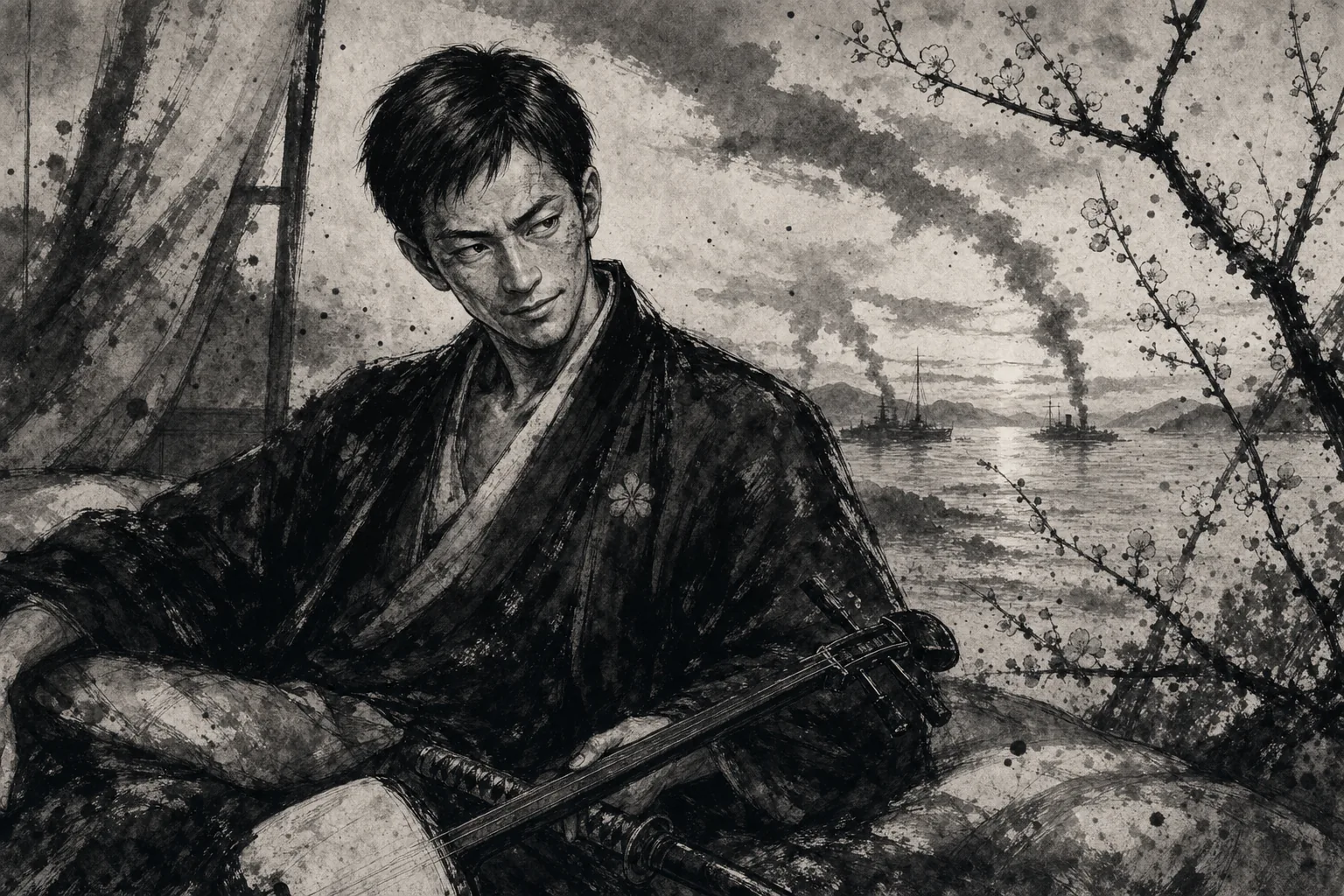
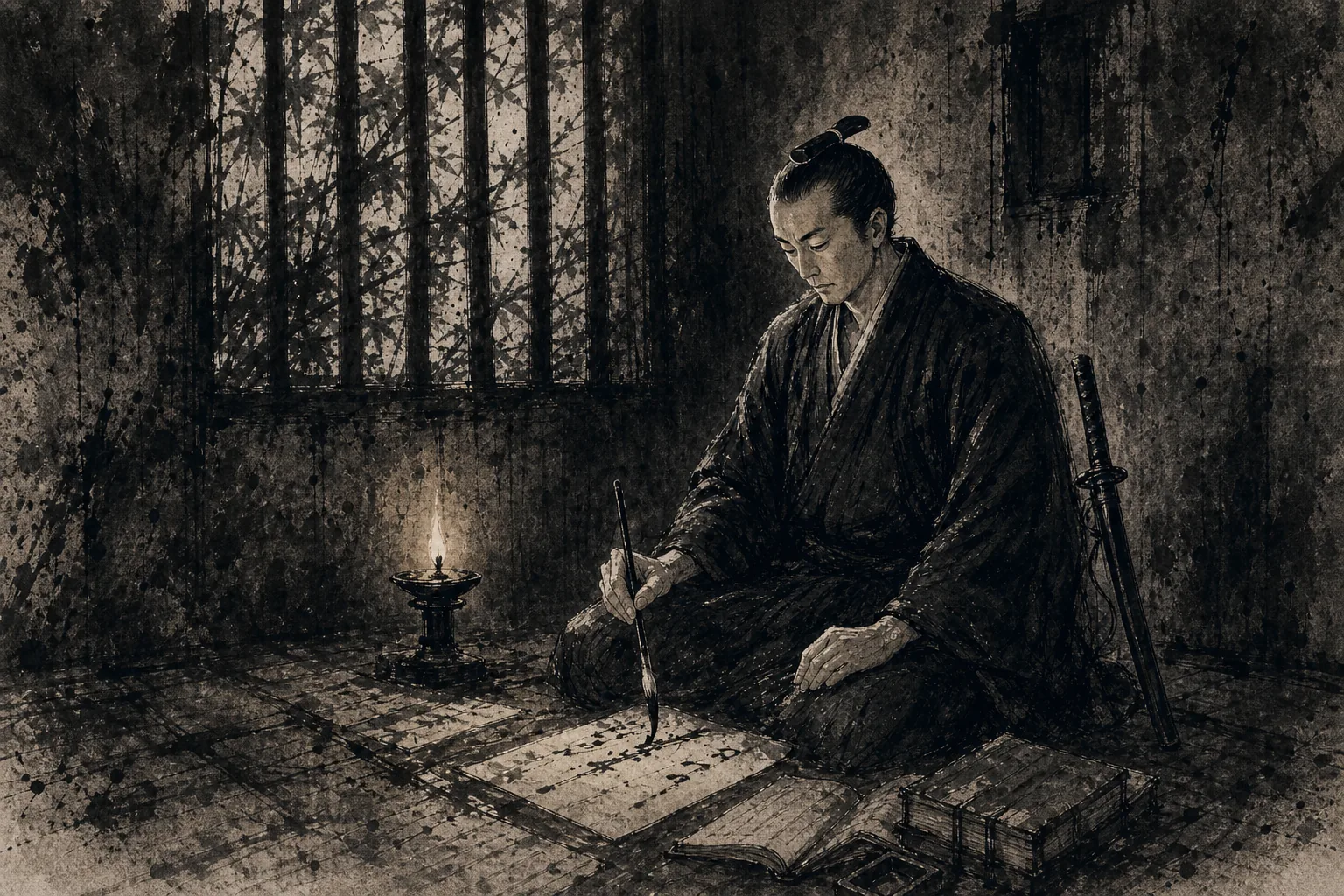
Takayoshi Kido · Choshu
Original
さつきやみ
Takayoshi Kido's death poem, "さつきやみあやめわかたぬ浮世の中にな". Read the original Japanese, modern translation, interpretation, and historical context as distinct parts of the poem.
Person
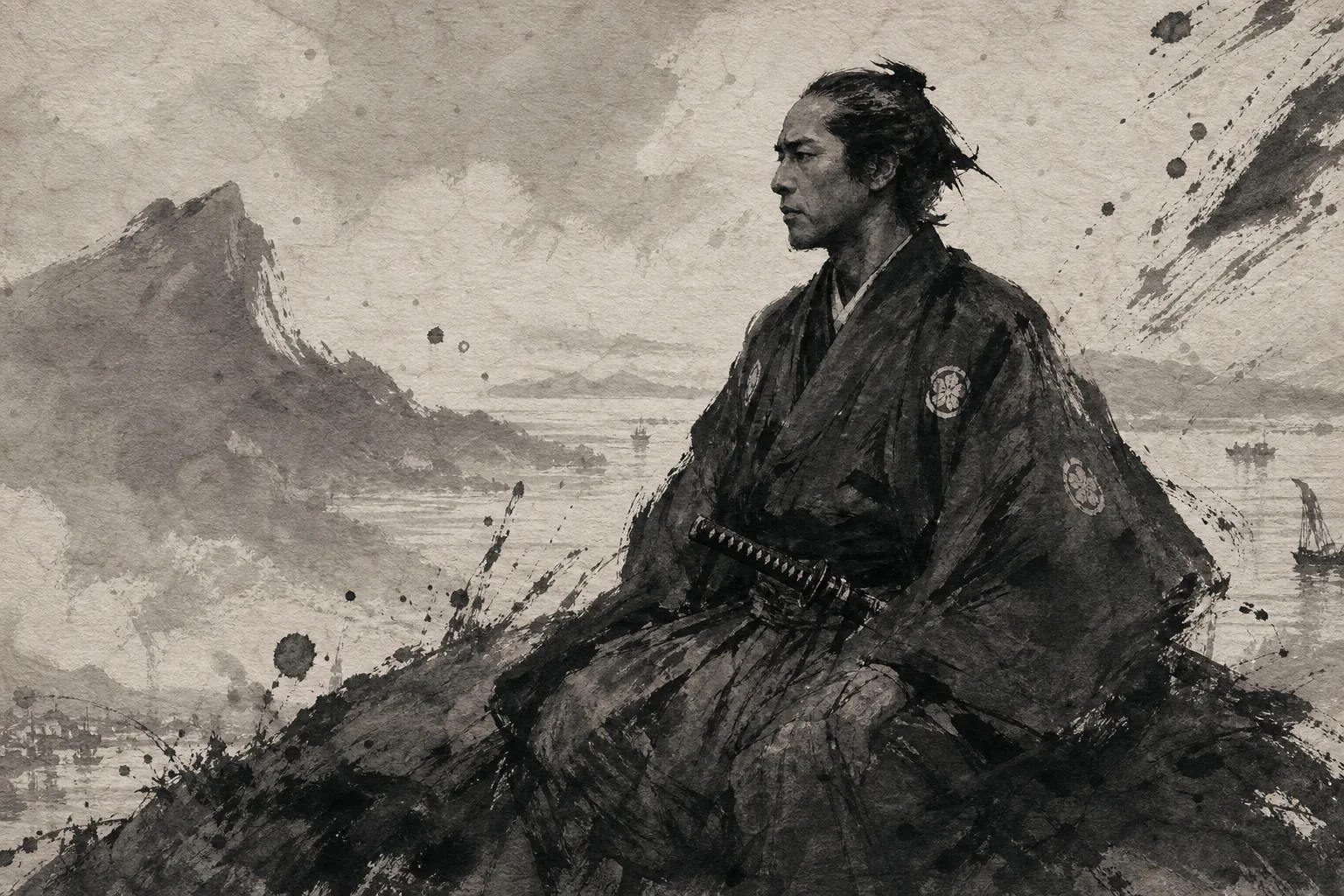
Known as Katsura Kogoro, a Choshu mediator who helped shape the Satsuma-Choshu Alliance and the Meiji government.
Learn about Kido Takayoshi
Translation
In the dark of the fifth month, where nothing can be told apart, the cuckoo cries: it is I.
Poetic Shape A Japanese death poem is less a final explanation than a last shape given to feeling. Its brevity matters: a life is not narrated, but compressed into a few lines that leave room for silence.
Reading
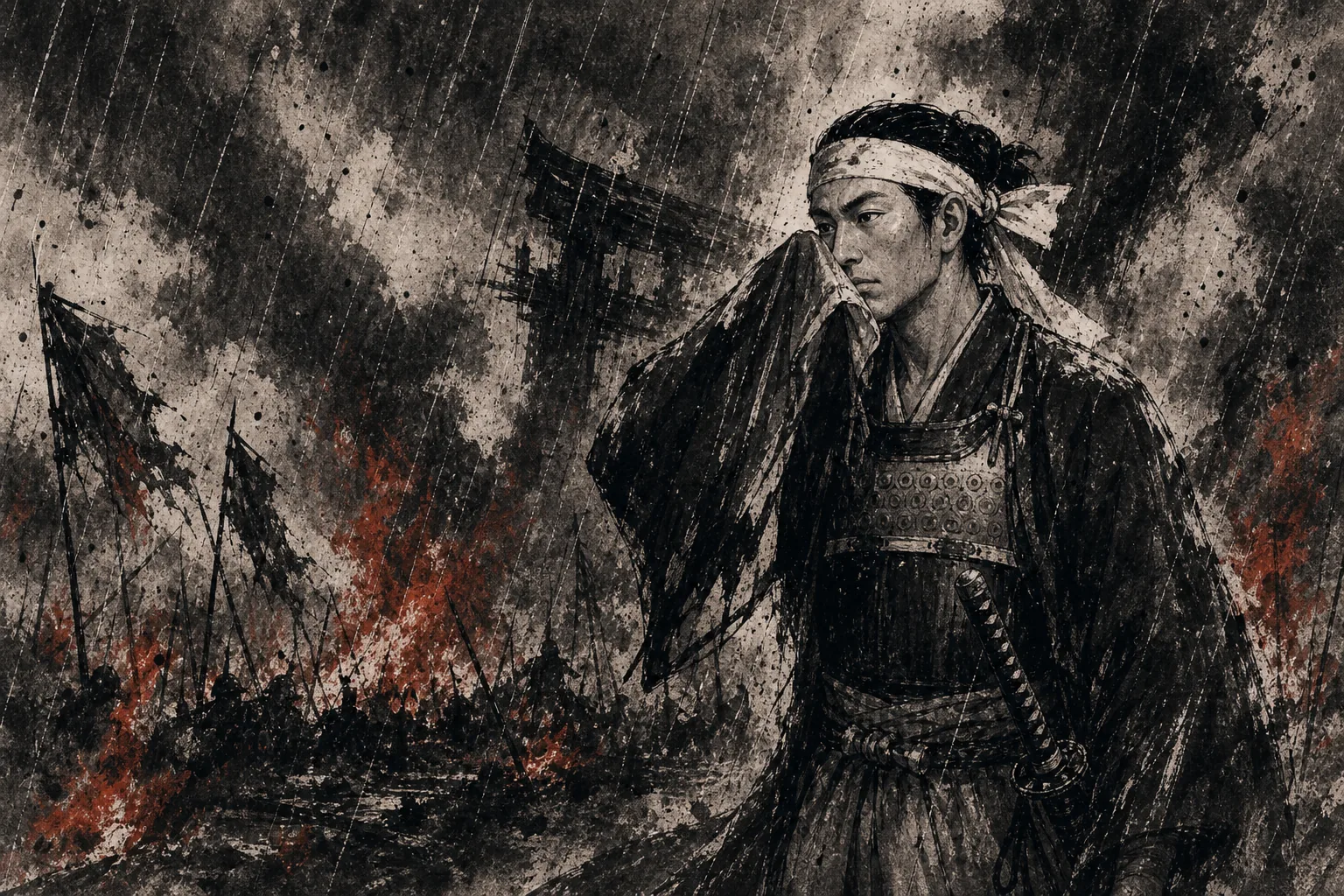
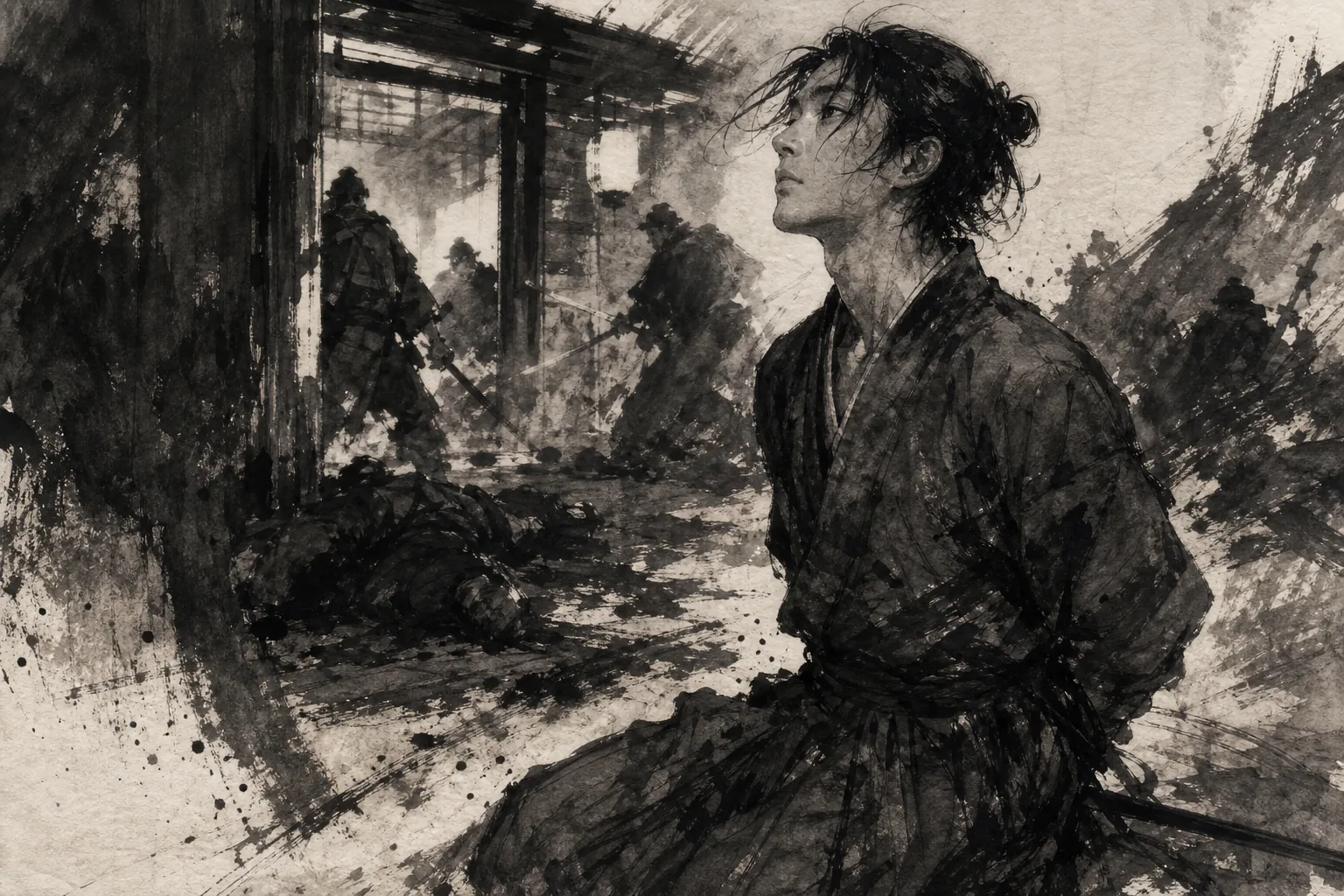
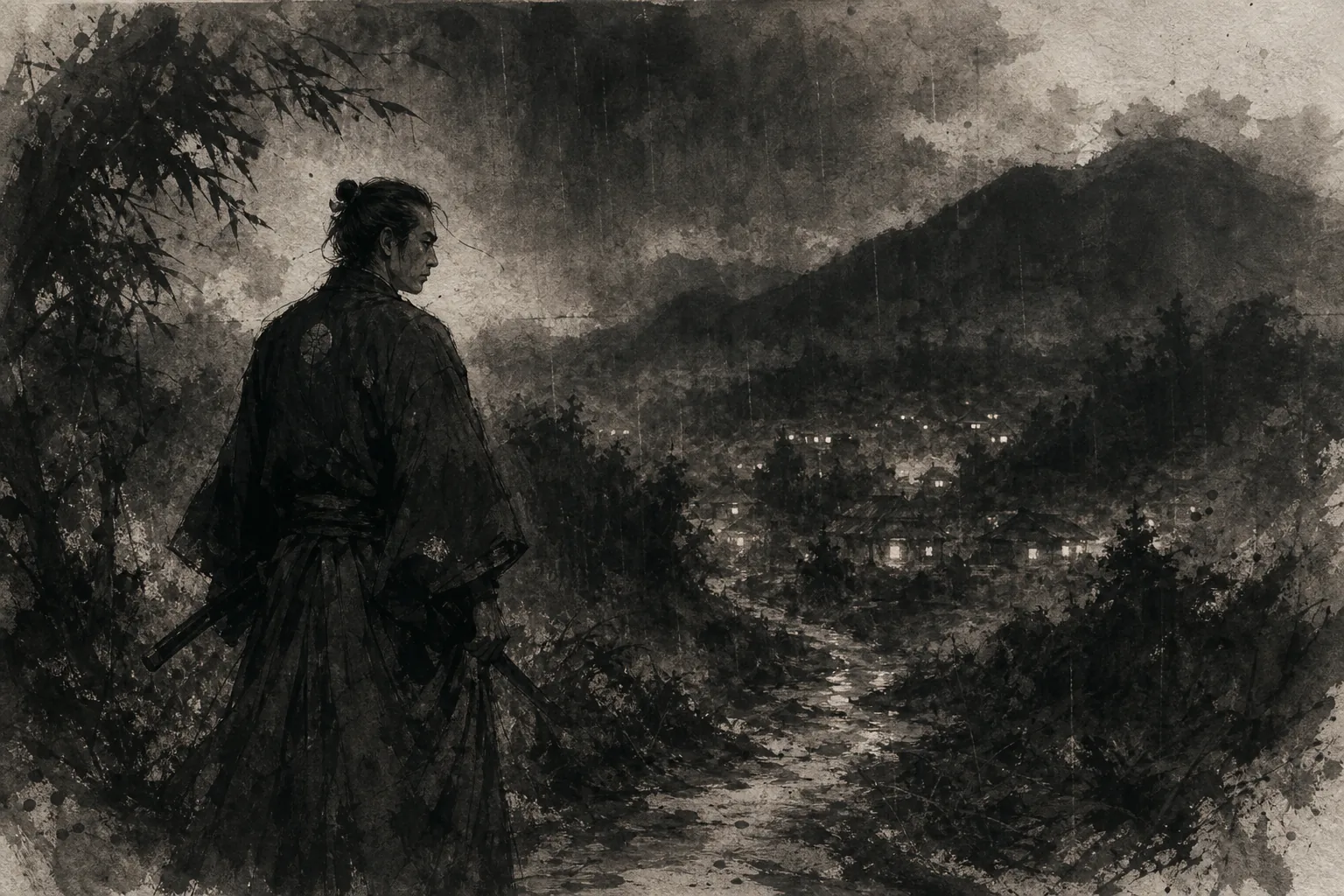
This poem leaves Kido, once called the fleeing Kogoro, as a voice sounding in darkness.It carries the feeling of hiding, enduring, and still keeping a self before he became a statesman.
Background
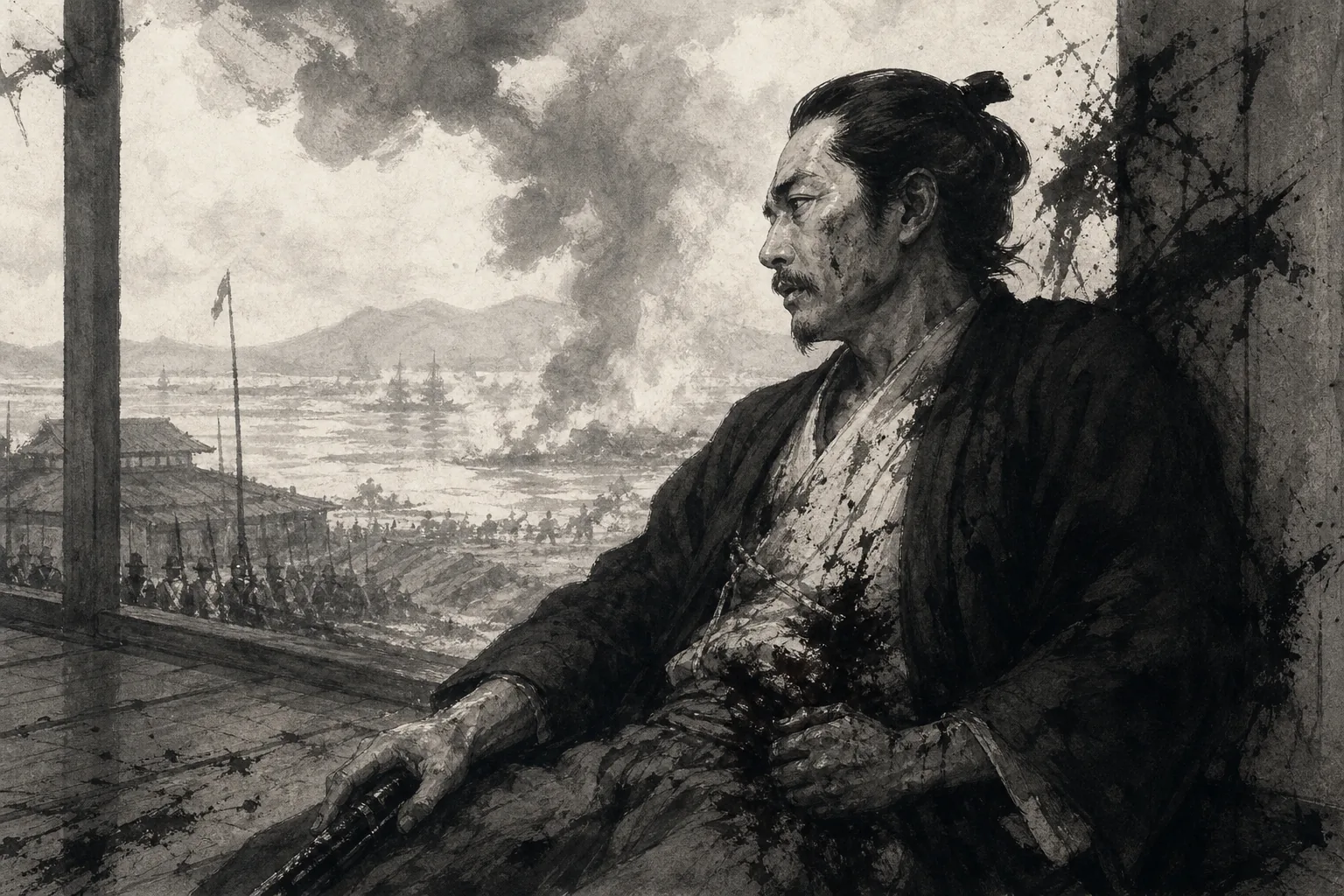
Introduced as a death poem of Kido Takayoshi, formerly Katsura Kogoro.It portrays him as the Choshu mediator who did not lose his own voice amid confusion.
Source / Transmission Wording and readings may differ by transmission; this page treats the text as one circulated form.
Further Reading
Find related books and places to stay For readers who want more historical context, these links search for related books on external stores.
Affiliate link