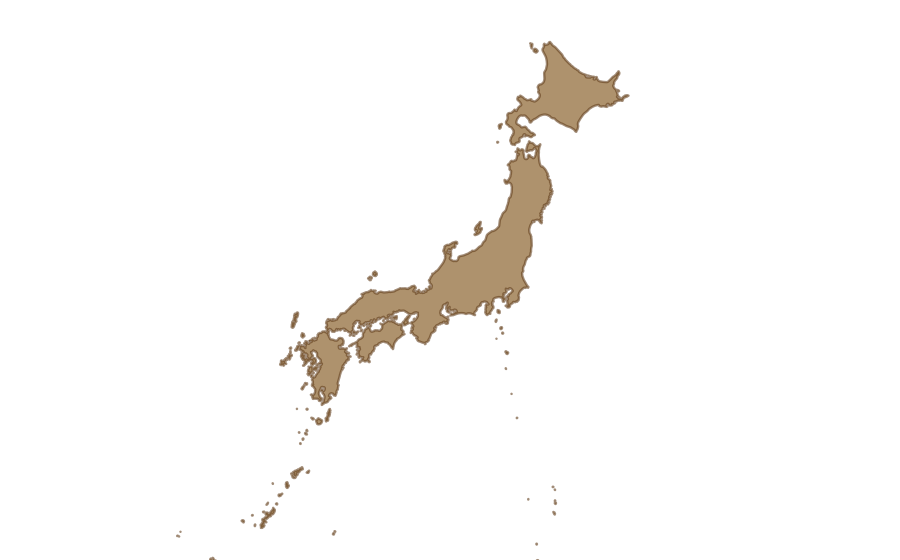
Mito castle town
Moves from a hereditary retainer house to executive work in ledgers, personnel, and defense
Birth year, names, offices, punishment, and restoration remain source-dependent.
Know the Person
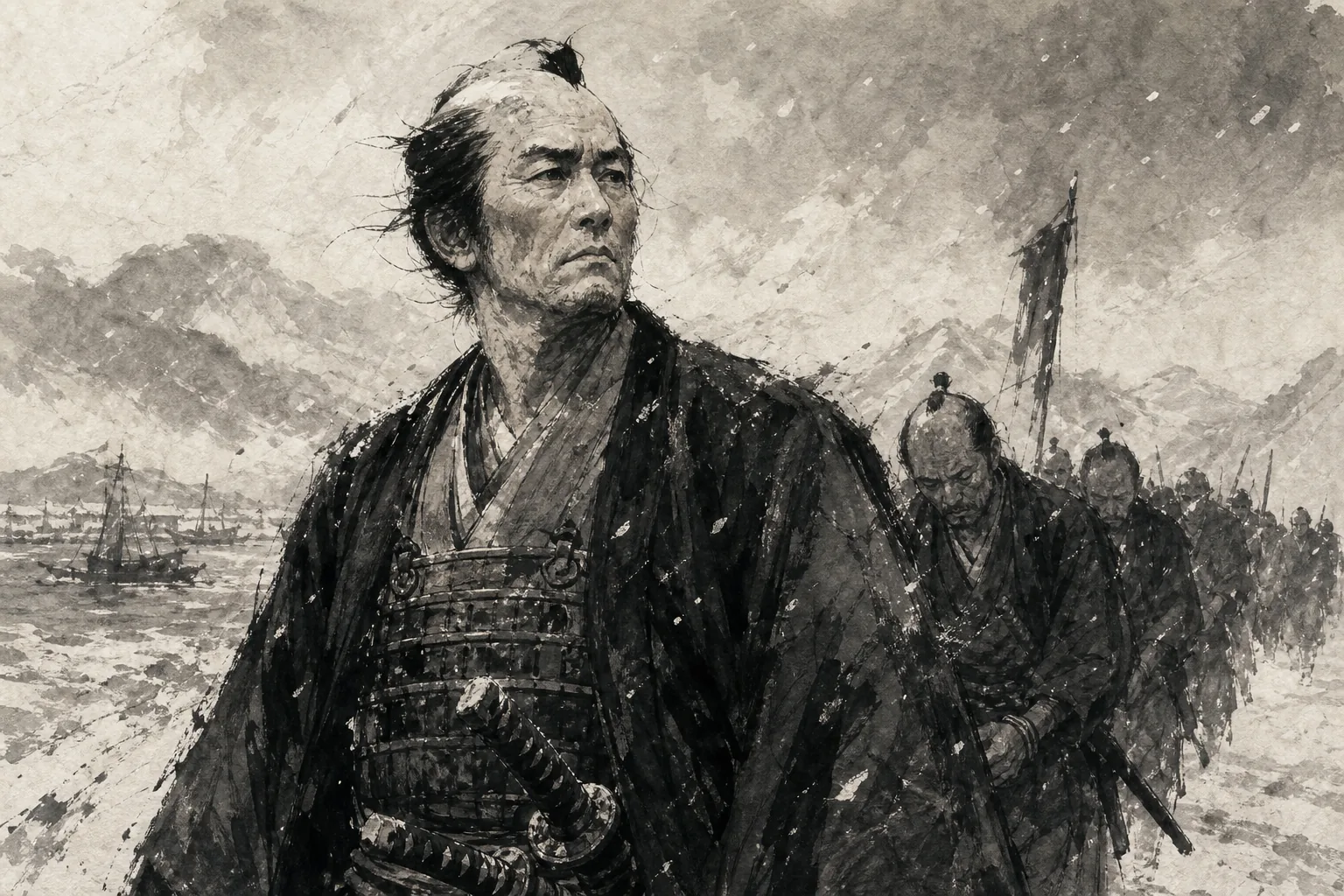
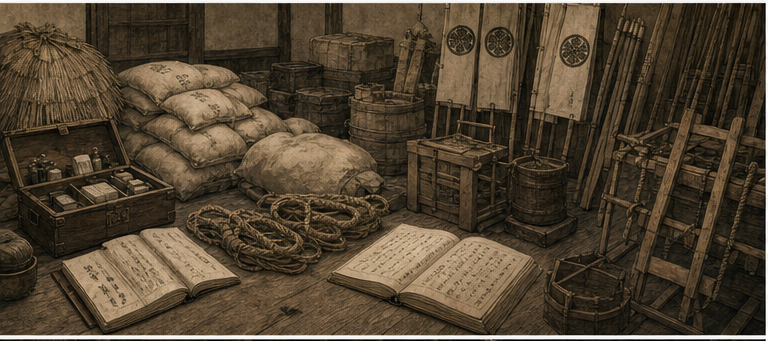
Takeda Kounsai is not reduced to a tragic elderly commander leading the Tengu Party through snow. The surviving material record follows Mito-domain administration through document boxes, land-and-rice ledgers, and coastal-defense plans; reform networks through letters, petitions, seals, and messenger bags; mobilization through ration sacks, contribution books, medicine chests, sandals, and pack frames; the westward march through inn slips, porter wages, cooking pots, and winter road equipment; confinement in Tsuruga cargo warehouses through mats, ration bowls, allocation records, and port plans; and punishment and remembrance through a collective grave, rubbings, preserved calligraphy fragments, donation registers, and conservation files. It states that Kounsai initially opposed the Tsukuba uprising led by Fujita Koshiro and joined only after the force was cornered around Nakaminato. Names for factions, troop totals, surrender, prisoners, and sentences are checked by date and source. Reading paths lead to Mito reform, letters, military logistics, post towns, port warehouses, domain justice, epigraphy, and civic preservation.
Life
Mito castle town
Birth year, names, offices, punishment, and restoration remain source-dependent.
Mito and Edo
Addressees, dates, offices, wrappers, and provenance matter more than friendship legend.
Tsukuba, Nakaminato, Mito domain
The Tsukuba beginning and Kounsai’s later westward command are separate stages.
Nakasendo region, Mino, Echizen
Porter labor, lodging, food, fuel, expense, and damage enter the route.
Shinbo and Tsuruga Funamachi
823 prisoners, warehouse allocation, food, restraints, and guards are checked in records.
Tsuruga Matsushima and Matsubara Shrine
Burial, 1914 repair, 1934 designation, and 1954/2023 relocations keep distinct dates.
茨城県水戸市
城・弘道館・彰考館跡は役割と年代が異なる。耕雲斎個人の執務室と断定せず、藩庁文書、役職、改革事業を照合する。
武田耕雲斎・水戸藩士
Address茨城県水戸市三の丸1丁目6-29周辺
Nearby
茨城県水戸市三の丸
デジタル画像と翻刻は原資料へ近づく入口。差出、宛所、年代、筆跡、旧蔵者を確認し、親交を美談だけで語らない。
武田耕雲斎・藤田東湖
Address茨城県水戸市三の丸1丁目5-38
Nearby
茨城県つくば市
1864年の筑波山挙兵は藤田小四郎らが開始し、耕雲斎は当初反対した。後の合流を挙兵開始と同一視しない。
天狗党・周辺村々
Address茨城県つくば市筑波
Nearby
福井県南越前町今庄
一行は今庄から二ツ屋、木ノ芽峠へ進んだ。伝承の刀傷だけに寄らず、宿帳、賃金、食料、積雪と街道を調べる。
天狗党・宿場住民・人足
Address福井県南条郡南越前町今庄
Nearby
福井県敦賀市松島町
現建物は船町から1954年に移築され、2023年に復元再移築された一棟。元の荷蔵16棟の位置や内部をそのまま再現した展示室ではない。
水戸天狗党・敦賀の住民
Address福井県敦賀市松島町2丁目 松原神社境内
Nearby
福井県敦賀市松島町
集団墓は処刑・埋葬の地にある。個人英雄の墓としてだけでなく、処刑された人々と敦賀住民による供養・保存を扱う。
武田耕雲斎・水戸浪士たち
Address福井県敦賀市松島町2丁目
Nearby
Keys
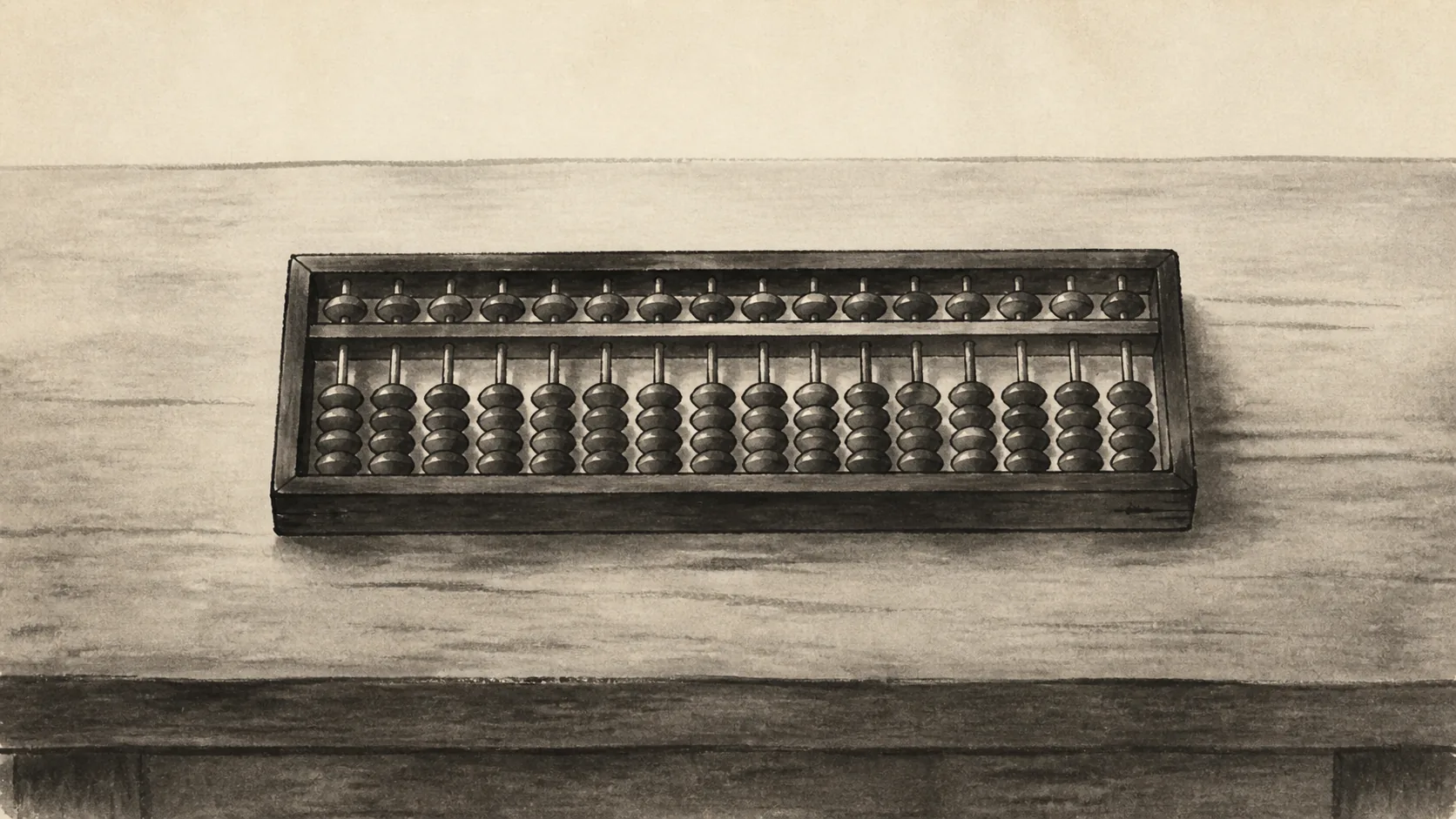
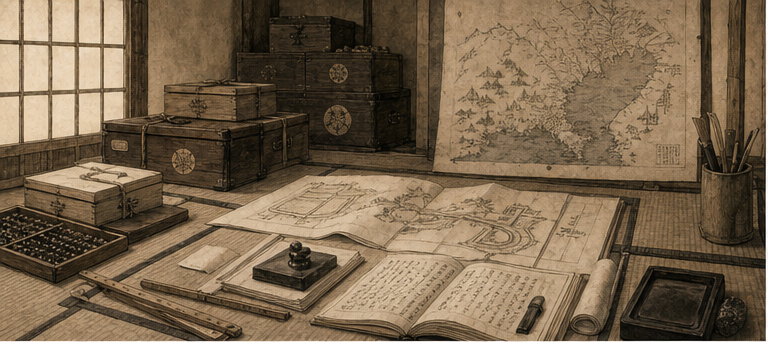
Takeda Kounsai was born around 1803 or 1804 into a hereditary Mito retainer house; records differ on the year, and he used the personal name Masao and several common or official names. Domain document boxes, rice-and-land ledgers, retainer rosters, coastal charts, battery plans, seal cases, abacus, rulers, and office diaries place his service under Tokugawa Nariaki within personnel, finance, coastal defense, and rural administration rather than ideology alone. Kodo-kan, the former Shokokan site, and Mito Castle had different functions and must not be labeled as his private office without evidence. Dates of appointment, dismissal, and restoration require domain records, as do the resumption of the Takeda surname and official titles. Reading paths include Mito reform, Tenpo policy, coastal defense, retainer households, and early-modern bureaucracy.
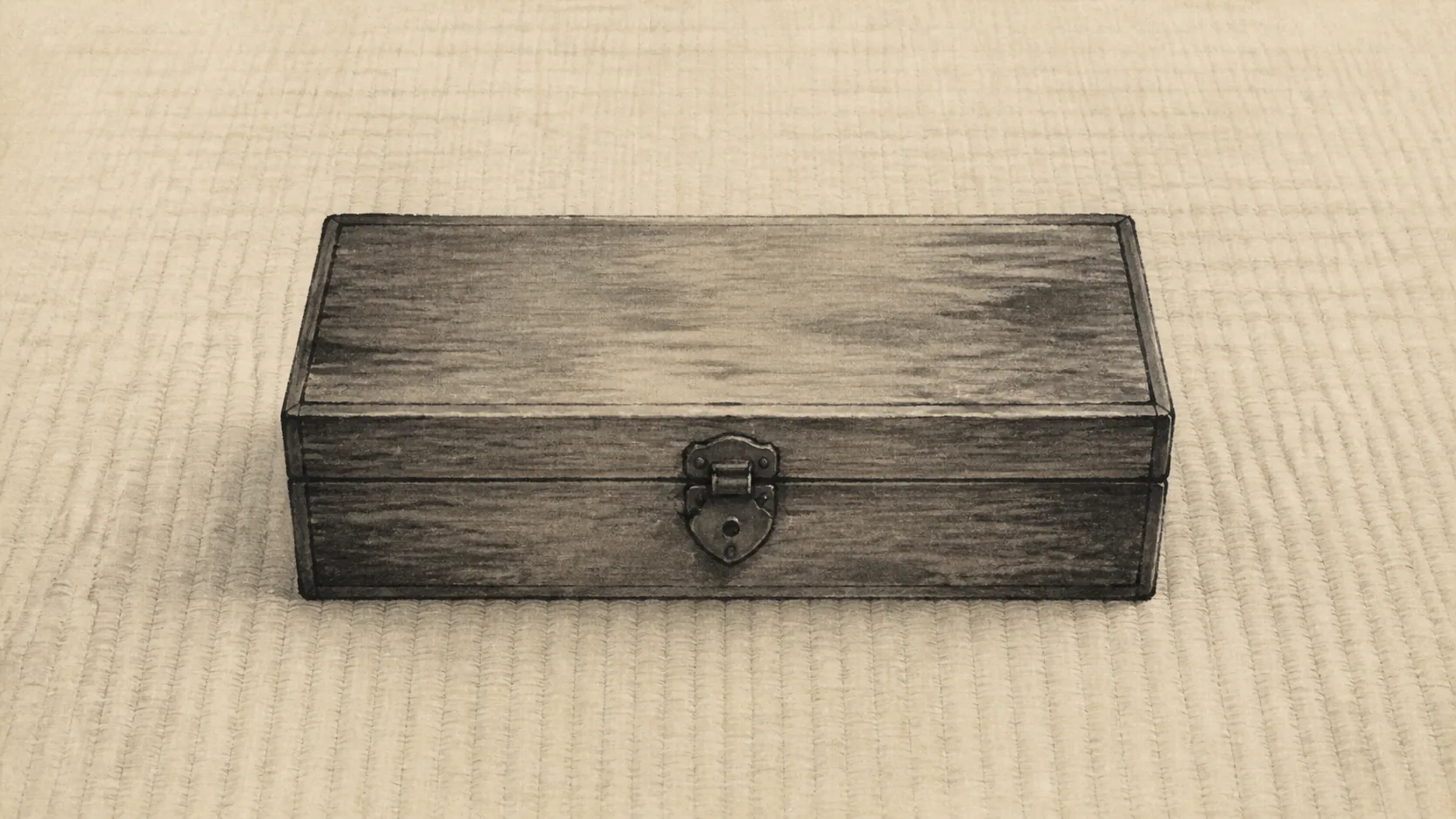
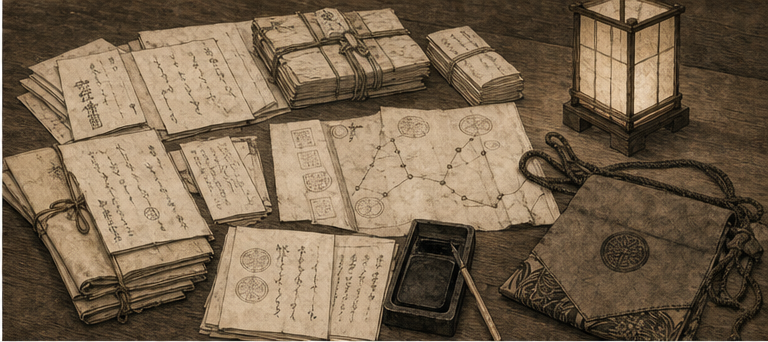
Kounsai is often described as an ally of Fujita Toko supporting Nariaki, but labels such as loyal friend do not explain domain politics. Digitized Fujita Toko–Takeda Kounsai letters held by the Ibaraki Prefectural Library, together with petitions, circulars, wrappers, seal impressions, document boxes, messenger bags, route diagrams, and receipt notes, allow questions about who wrote, when, in which office, for what request, and through which courier. Transcriptions are useful but should be checked against manuscript images, gaps, former ownership, and binding order. Terms for reform, hereditary, Shosei, and Tengu factions changed across time and should not be projected backward unchanged. Reading paths include Bakumatsu correspondence, domain factions, messenger systems, sealing practices, and responsible use of digital archives.
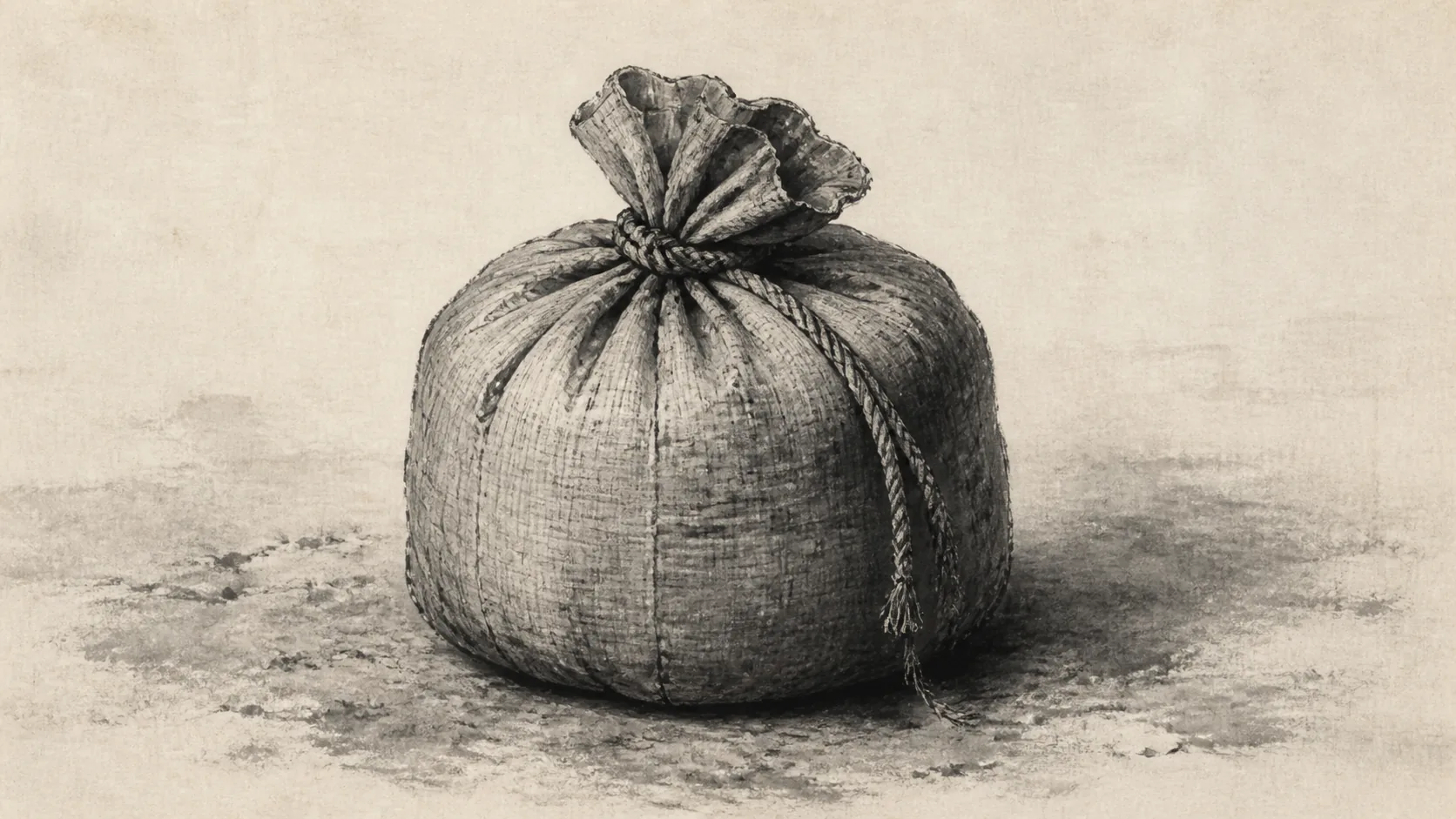
The 1864 Tsukuba uprising was begun by Fujita Koshiro and others, and Kounsai initially opposed it. He joined after the force was cornered during fighting around Nakaminato and then led roughly one thousand people westward to petition the court. “Tengu Party” should not flatten the initial Tsukuba force, later recruits, deserters, civilians, and Kounsai’s later command into one unchanged body. Ration sacks, rice measures, contribution ledgers, loan notes, medicine chests, sandals, rain capes, weapon inventories, pack frames, horse feed, and lodging allocations reveal purchases, donations, coercion, transport, and village burdens behind mobilization. The logistical evidence keeps attention on mobilization and civilian burdens rather than reenacting battle. Troop, casualty, and finance figures require comparison among contemporary records. Reading paths include rural mobilization, military accounting, medicine, transport, and logistics.
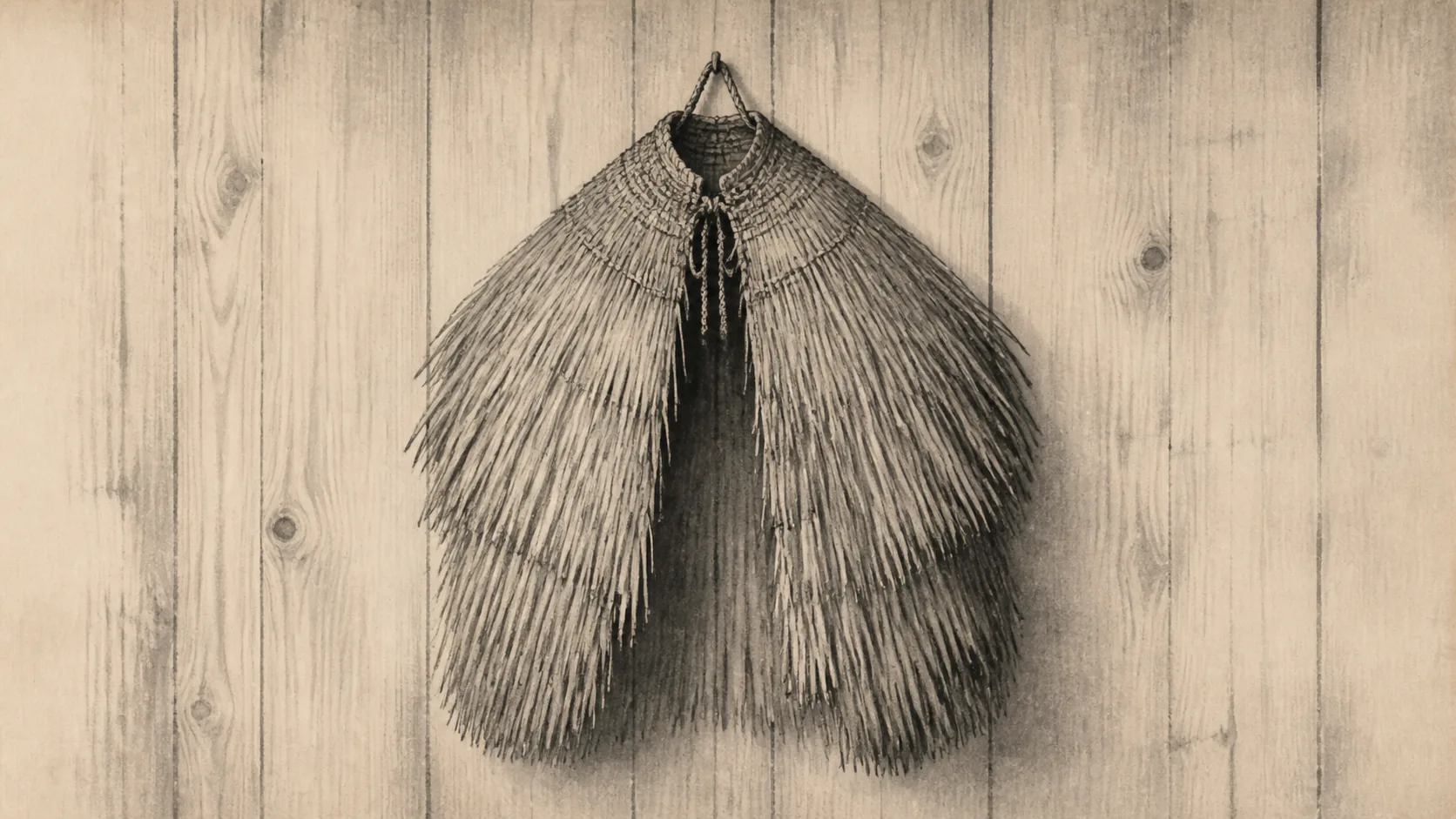
The force moved from the Nakasendo region through Mino into Echizen, then through the Ikeda valley, Imajo, Futatsuya, and Konoha Pass, reaching Shinbo on 11 December 1864. Inn slips, lodging books, porter-wage accounts, rice and firewood notes, pots, sandals, leggings, straw rain capes, snow protection, baggage sleds, road markers, and pass maps return the phrase “winter march” to residents, carriers, cooking, sick travelers, snow depth, and road width. Fukui prefectural history records differentiated wages for laborers assigned to warning, transport, artillery, firefighting, and offices. A traditional sword cut at the former Kyoto Jingo residence should not replace architectural and lodging evidence. Reading paths include Hokuriku roads, post towns, snow travel, labor, and local wartime burdens.
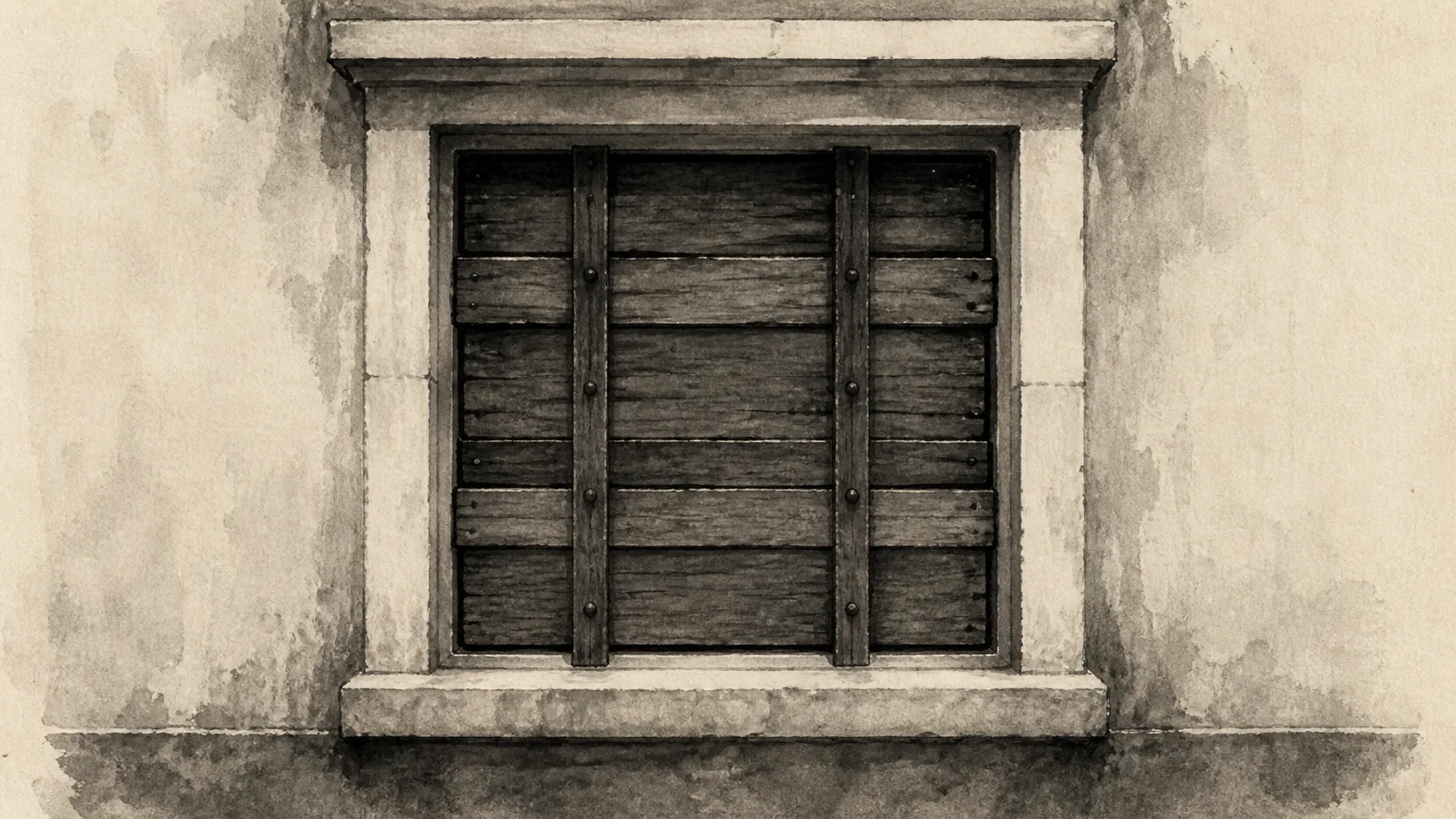
After negotiations with Kaga forces at Shinbo, the group surrendered and was moved through temples into sixteen cargo warehouses at Funamachi in Tsuruga. Tsuruga City gives 823 prisoners and cites Kaga records describing boarded windows, a narrow opening, floor mats, a central latrine tub, wooden restraints, and rice balls about twice daily. Port plans, warehouse allocations, guard diaries, ration bowls, delivery notes, rope, and mats show how commercial storage became confinement infrastructure. The illustration does not display suffering bodies. The surviving former herring warehouse was moved from Funamachi to Matsubara Shrine in 1954 and restored and relocated again in 2023. It is one building, normally exterior-only and without exhibits, not the complete original prison complex. Reading paths include port warehouses, detention, food supply, architecture, and conservation.
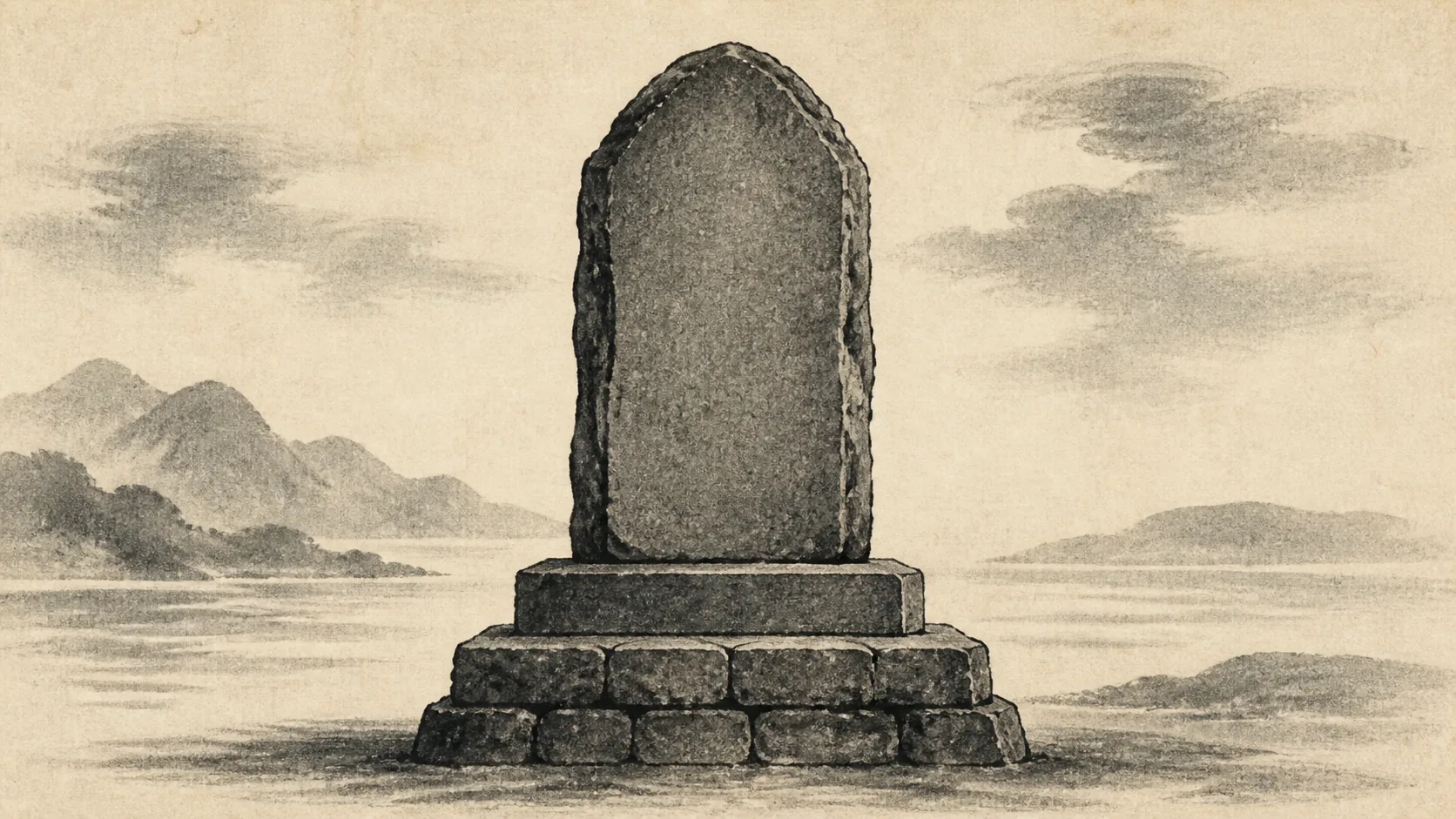
After hearings at a temporary tribunal in Eikakuji, Tsuruga City records that 353 men including Kounsai were executed in February 1865. The Takeda Kounsai collective grave occupies the execution and burial ground. Inscriptions, rubbings, memorial registers, repair donations, and the 1934 historic-site designation document burial, worship, and conservation. A calligraphy scroll in the Ishikawa History Museum includes poems requested before transfer and pieces reportedly removed from warehouse lanterns by a guard; they should not all be called death poems without checking collector, assembly, and provenance. The page centers collective burial and Tsuruga residents’ memorial and warehouse-preservation work, not a later heroic statue. Reading paths include domain justice, sentencing, waka manuscripts, epigraphy, civic associations, and cultural-property conservation.
VISIT
Search events related to Kounsai Takeda →Browse all Bakumatsu events →