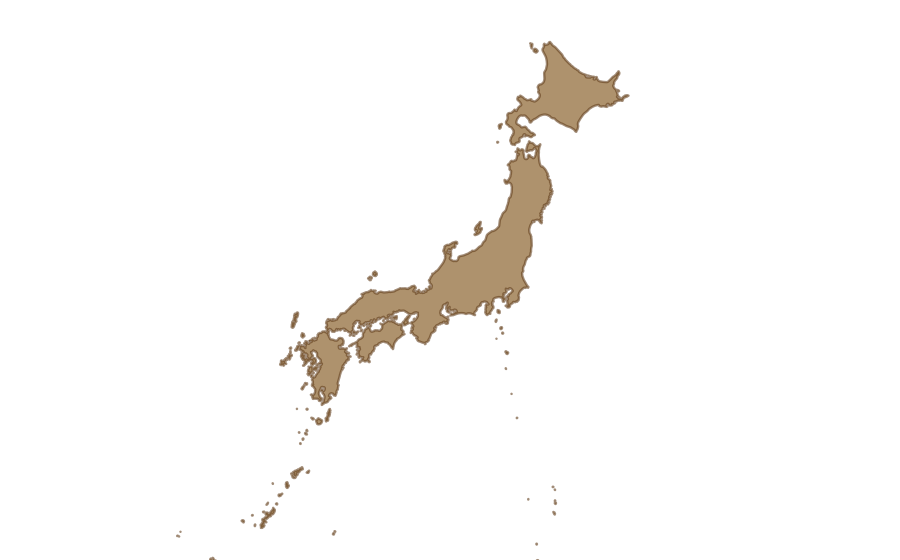
鹿児島・高麗町/加治屋町
Born in a Lower-Samurai Neighborhood and Burdened by a Household Crisis
His father's exile and his own dismissal made family survival an early responsibility.
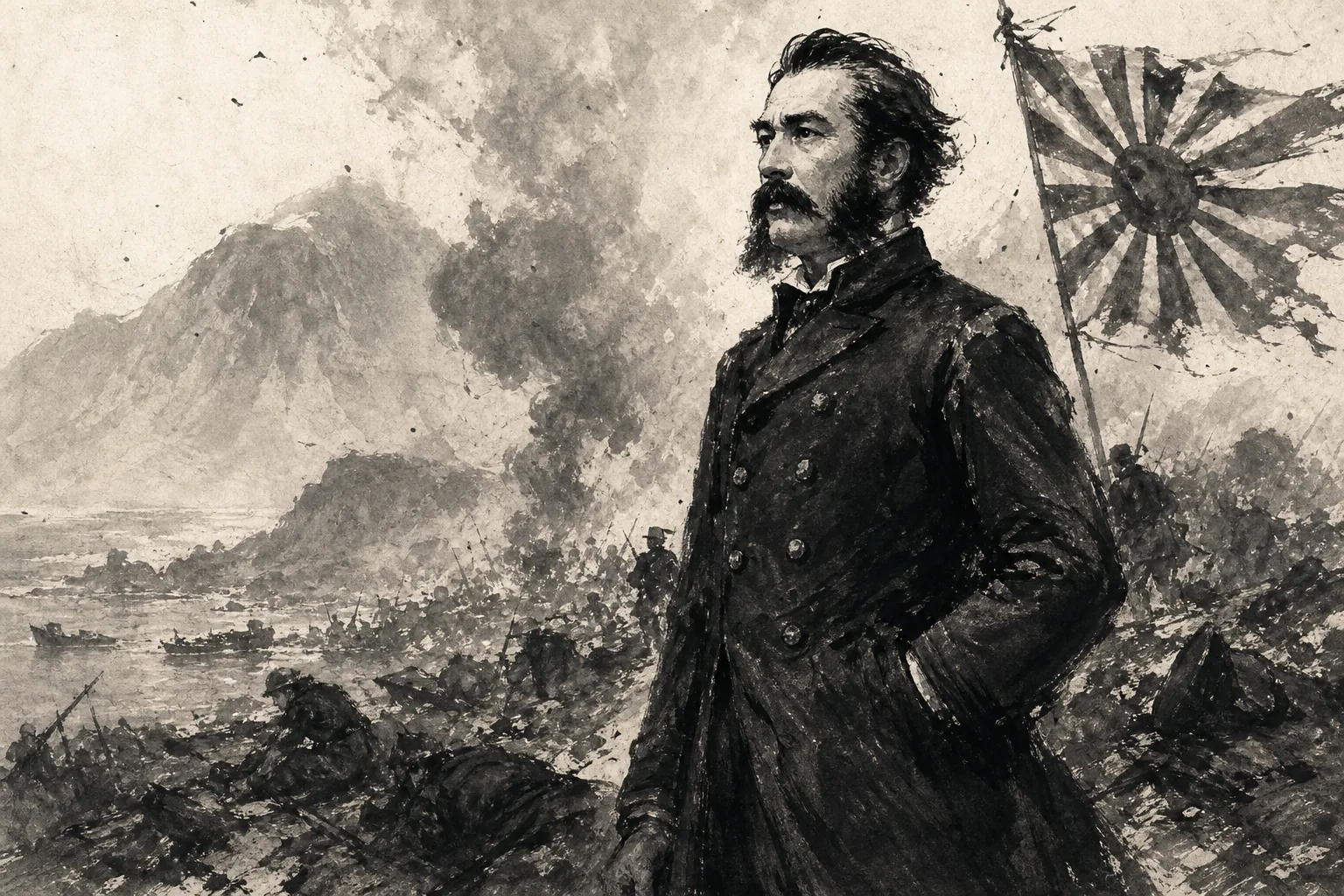
Know the Person
Trace Toshimichi Okubo through a household crisis in Kajiya-cho, political letters and messengers, the administrative work of abolishing domains, the setbacks and observations of the Iwakura Mission, Home Ministry maps and industry, and the carriage left at Kioizaka.
Life
鹿児島・高麗町/加治屋町
His father's exile and his own dismissal made family survival an early responsibility.
鹿児島・京都
Work around the Seichugumi circle and Shimazu Hisamitsu joined persuasion to strict organizational discipline.
京都・東京
Restoration politics became the administrative transfer of land, people, finance, and authority.
横浜・欧米
A failed treaty-revision effort accompanied close study of industry, transport, education, and government.
東京
Okubo prioritized domestic consolidation and helped remove advocates of immediate action abroad.
東京・各地方
Industrial policy, police, local government, inspections, and suppression of rebellions expanded together.
東京・紀尾井坂
His death left public papers and plans unfinished while exposing the backlash against rapid centralization.
鹿児島県鹿児島市
下級藩士の家、父の流刑後の困窮、精忠組の仲間と書簡活動が重なる大久保の原点。
大久保利通
Address鹿児島県鹿児島市加治屋町周辺
Nearby
京都府京都市
島津久光の上京、王政復古、廃藩置県へつながる交渉と文書作成の主要舞台。
大久保一蔵/大久保利通
Address京都府京都市上京区・中京区周辺
Nearby
東京都千代田区
内務卿として政策を動かした官庁街と、一八七八年に暗殺された紀尾井坂周辺。
大久保利通
Address東京都千代田区霞が関・紀尾井町周辺
Nearby
Keys
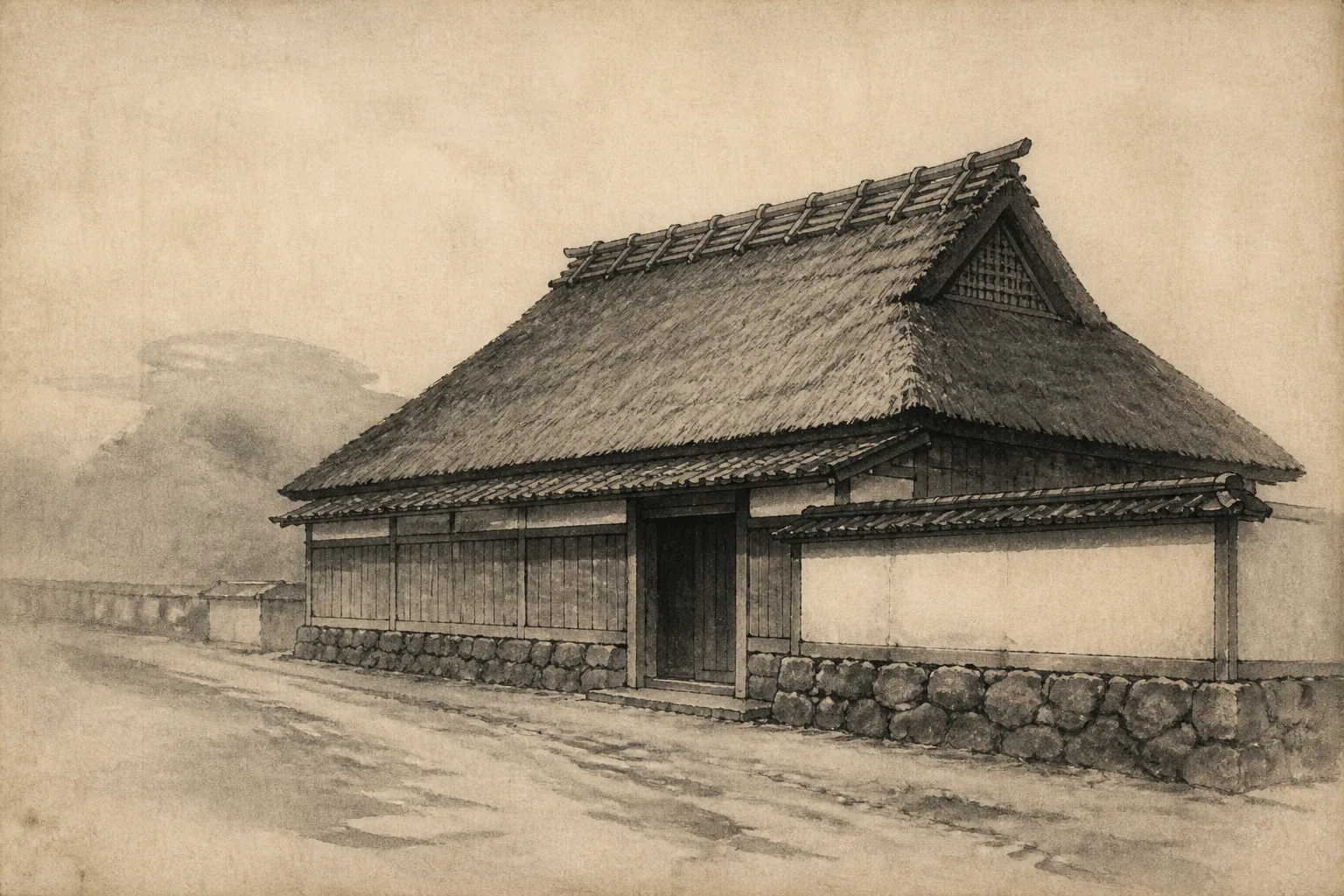
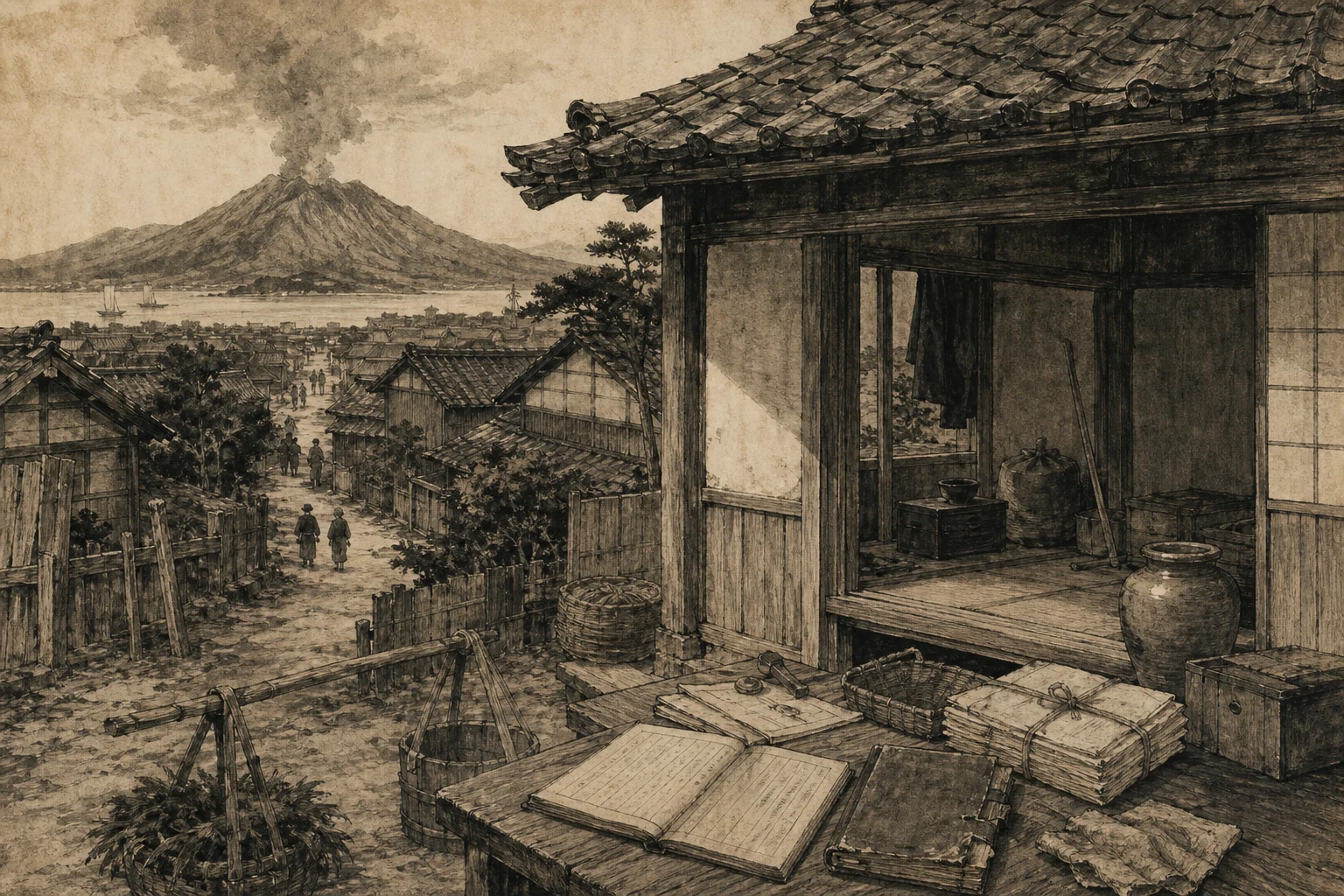
His father's exile and his own dismissal made family survival an early responsibility within a close lower-samurai neighborhood. To investigate “A Father's Exile and a Household in Hardship” further, do not stop with a commemorative plaque. Compare the date, maker or former owner, provenance, restoration status, and present location of each element named in “Kajiya-cho House and Accounts.” Old maps, municipal histories, museum catalogues, document editions, material-culture studies, and field guides help distinguish contemporary evidence from reconstruction and later memory. They also provide a practical route to relevant books, facsimiles, maps, equipment histories, and a responsible site visit.

Letters, messengers, petitions, and carefully ordered meetings connected the Seichugumi circle to Shimazu Hisamitsu and taught the costs of organizational discipline. To investigate “Moving Information before Moving Government” further, do not stop with a commemorative plaque. Compare the date, maker or former owner, provenance, restoration status, and present location of each element named in “Seichugumi Letters and Dispatch Boxes.” Old maps, municipal histories, museum catalogues, document editions, material-culture studies, and field guides help distinguish contemporary evidence from reconstruction and later memory. They also provide a practical route to relevant books, facsimiles, maps, equipment histories, and a responsible site visit.
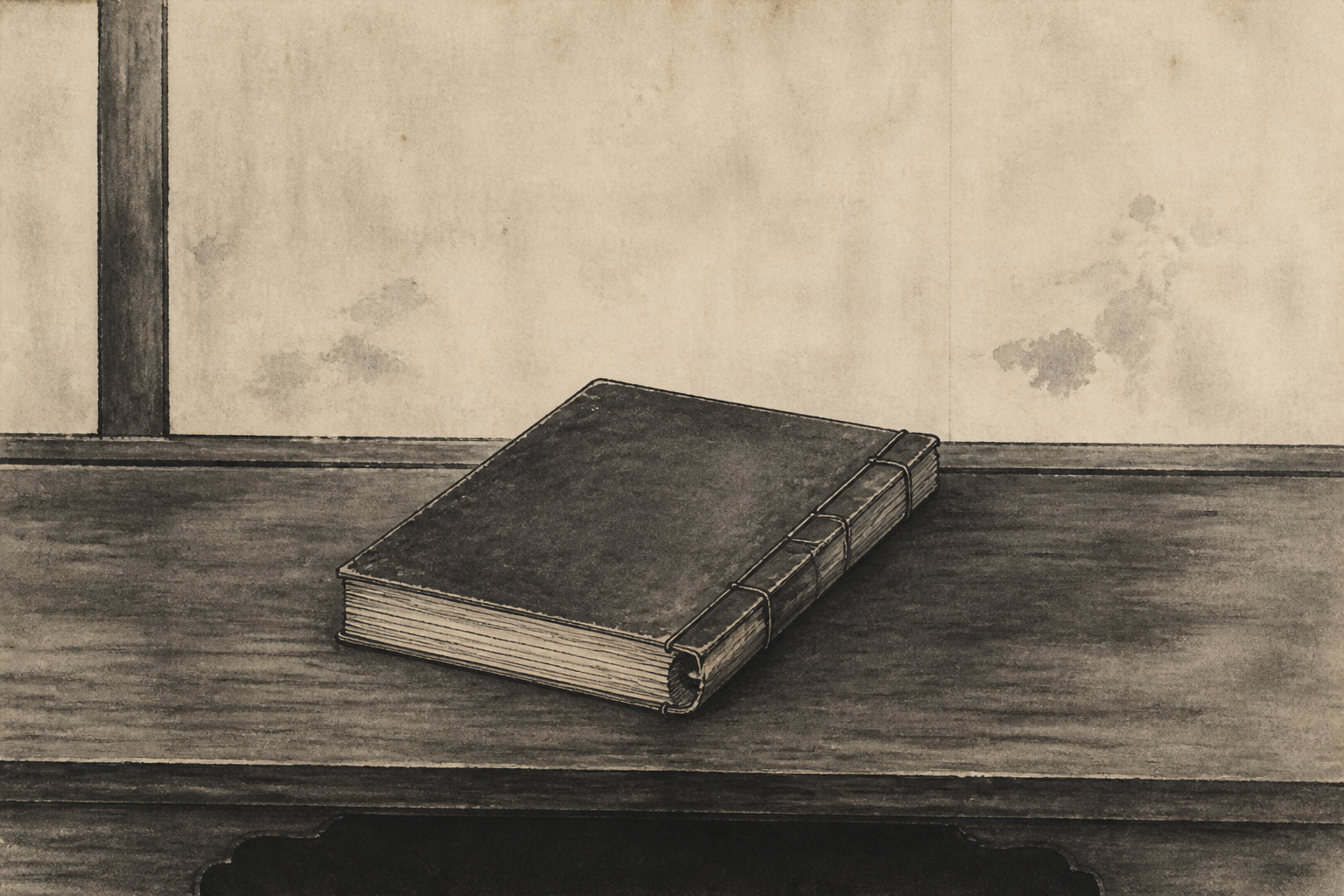
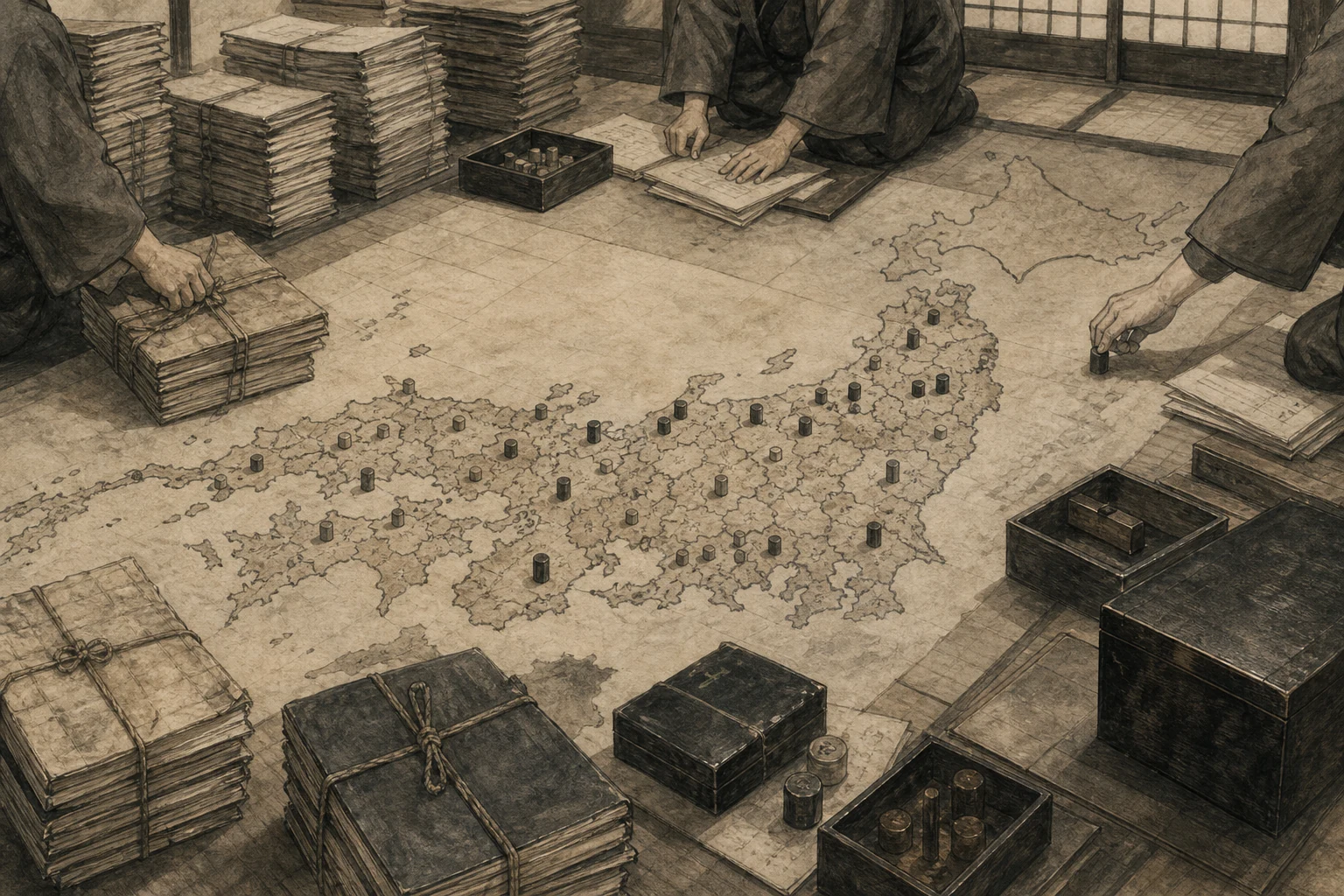
Centralization meant transferring rulers, land, people, finance, and military authority through records and procedures, even though Okubo came from a powerful domain. To investigate “Returning Domains and Replacing Them with Prefectures” further, do not stop with a commemorative plaque. Compare the date, maker or former owner, provenance, restoration status, and present location of each element named in “Domain Registers and a Map of Japan.” Old maps, municipal histories, museum catalogues, document editions, material-culture studies, and field guides help distinguish contemporary evidence from reconstruction and later memory. They also provide a practical route to relevant books, facsimiles, maps, equipment histories, and a responsible site visit.
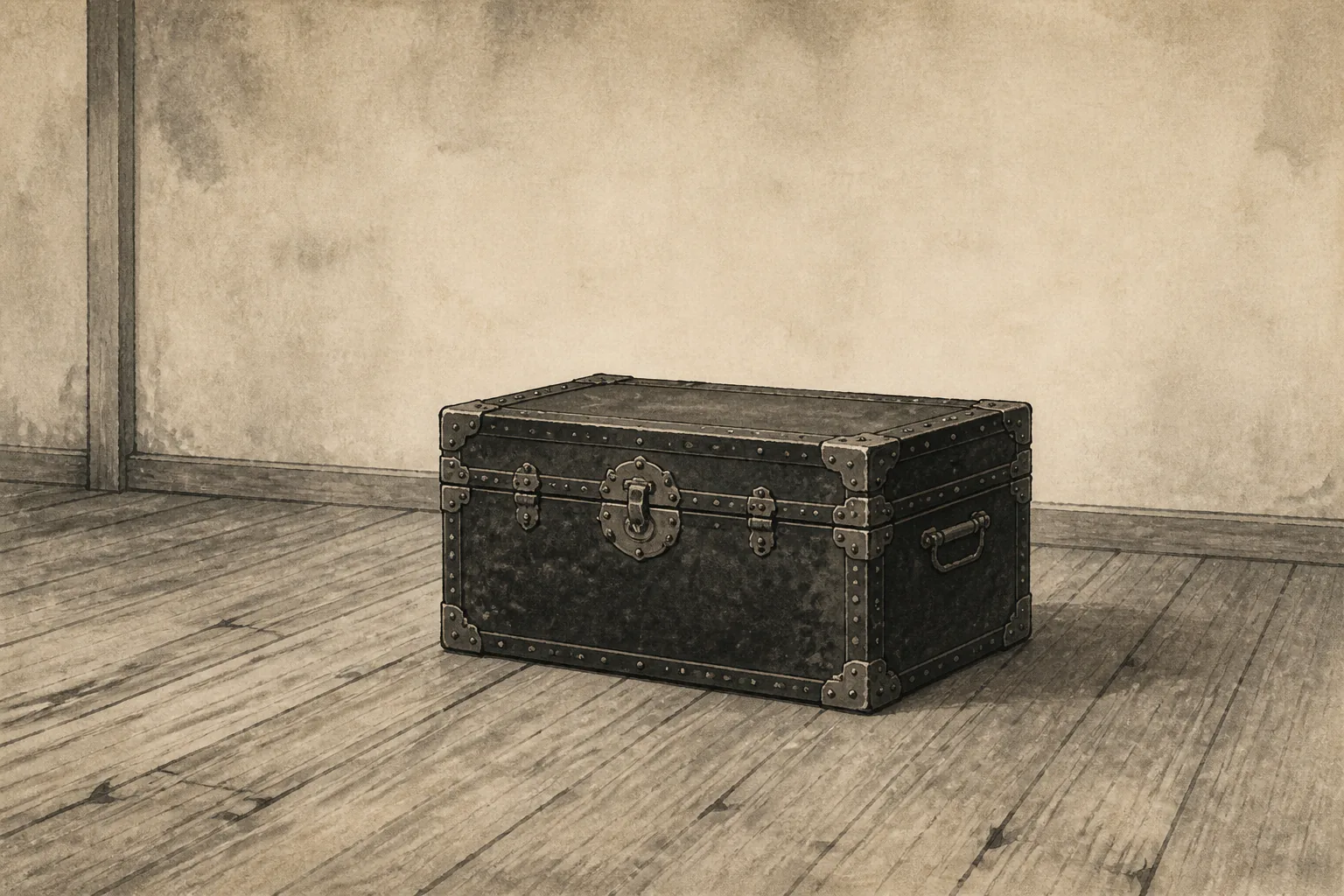
The treaty-revision effort exposed weak preparation, while railways, factories, schools, and offices showed how institutions depended on technology, people, and finance. To investigate “Learning from a Failed Treaty Mission” further, do not stop with a commemorative plaque. Compare the date, maker or former owner, provenance, restoration status, and present location of each element named in “Mission Trunks and Factories.” Old maps, municipal histories, museum catalogues, document editions, material-culture studies, and field guides help distinguish contemporary evidence from reconstruction and later memory. They also provide a practical route to relevant books, facsimiles, maps, equipment histories, and a responsible site visit.
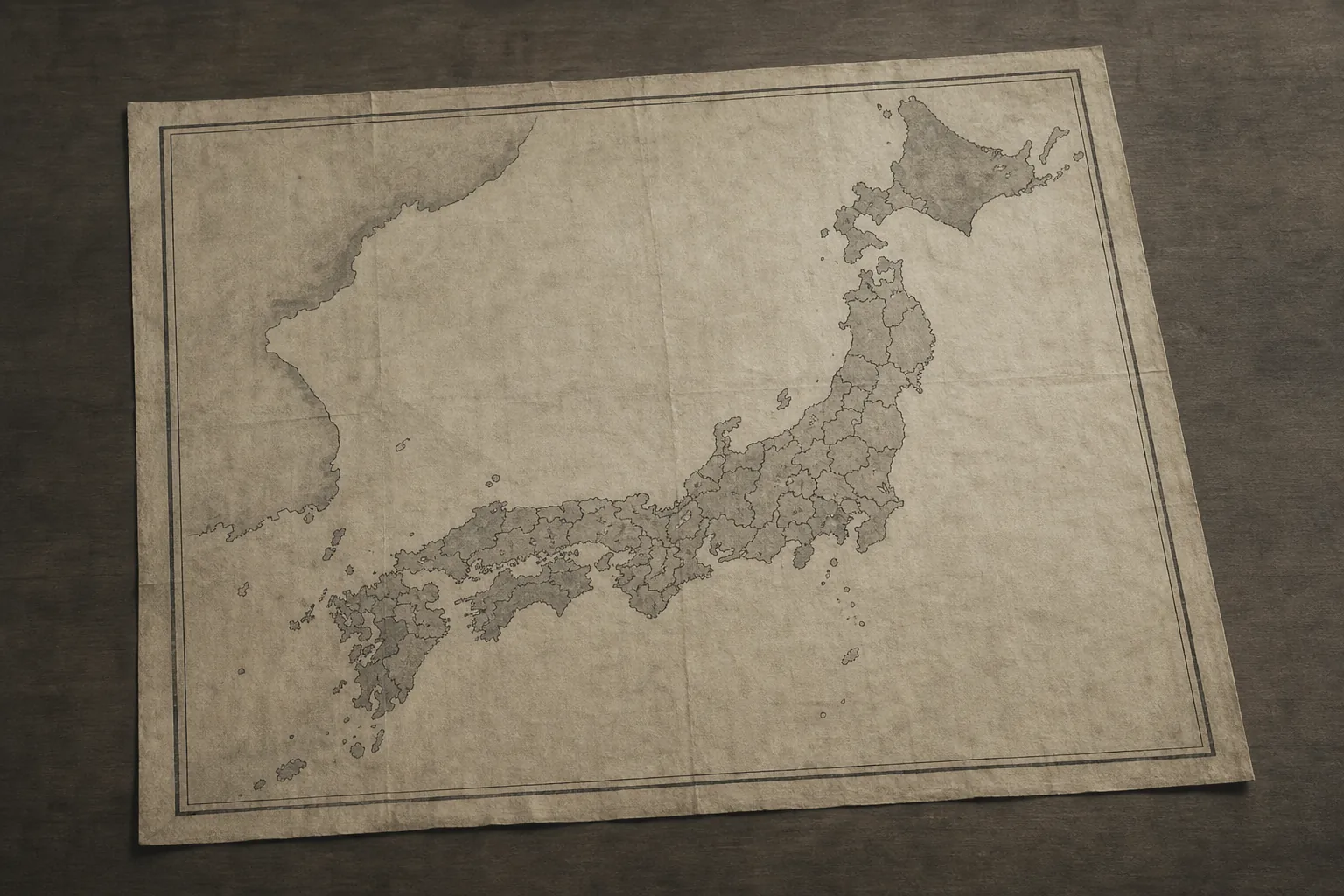
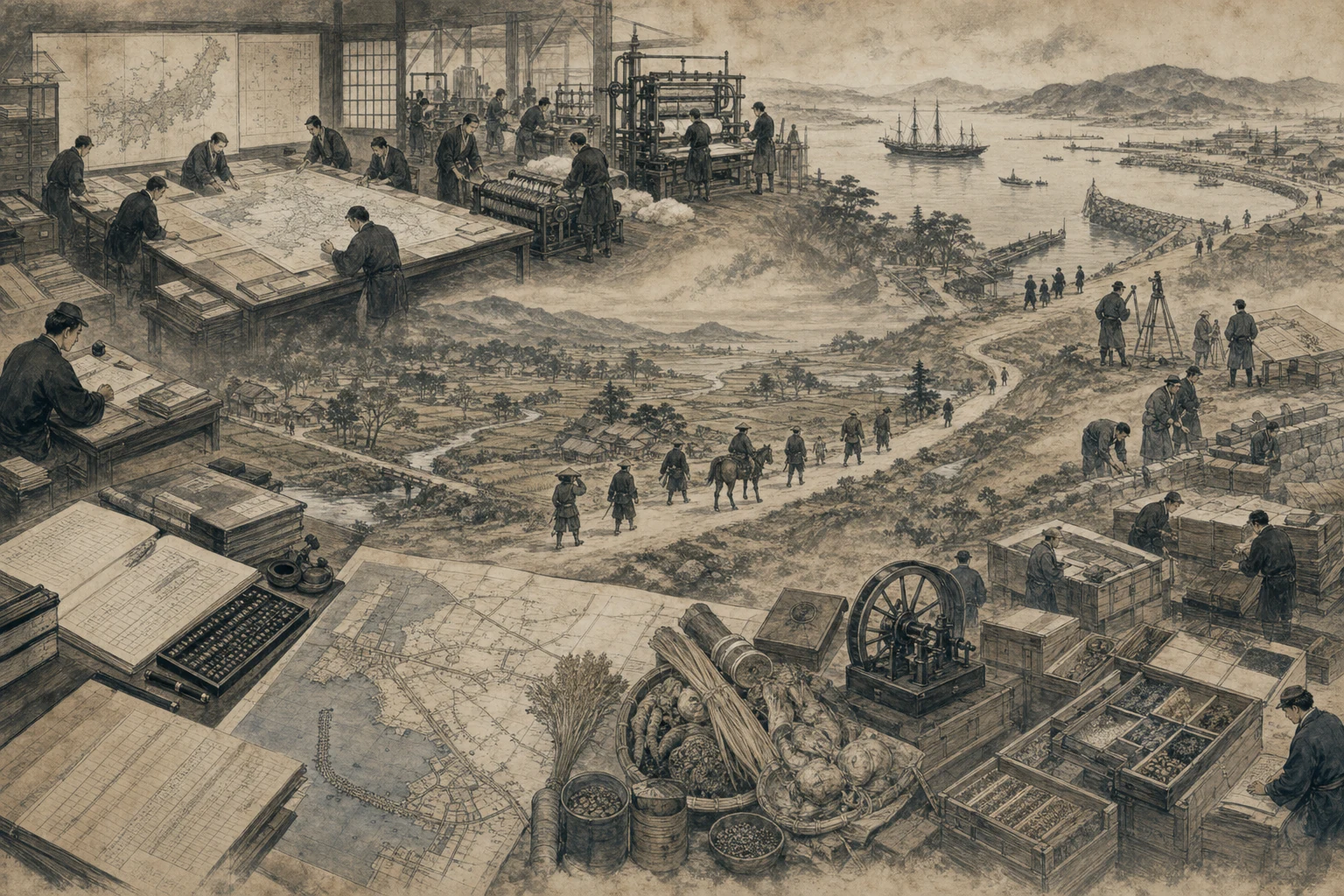
The Home Ministry concentrated industry, police, local administration, and exhibitions. Its practical reach and coercive central power grew together. To investigate “Connecting Desks to Roads, Factories, and Provinces” further, do not stop with a commemorative plaque. Compare the date, maker or former owner, provenance, restoration status, and present location of each element named in “Home Ministry Maps and Industrial Samples.” Old maps, municipal histories, museum catalogues, document editions, material-culture studies, and field guides help distinguish contemporary evidence from reconstruction and later memory. They also provide a practical route to relevant books, facsimiles, maps, equipment histories, and a responsible site visit.
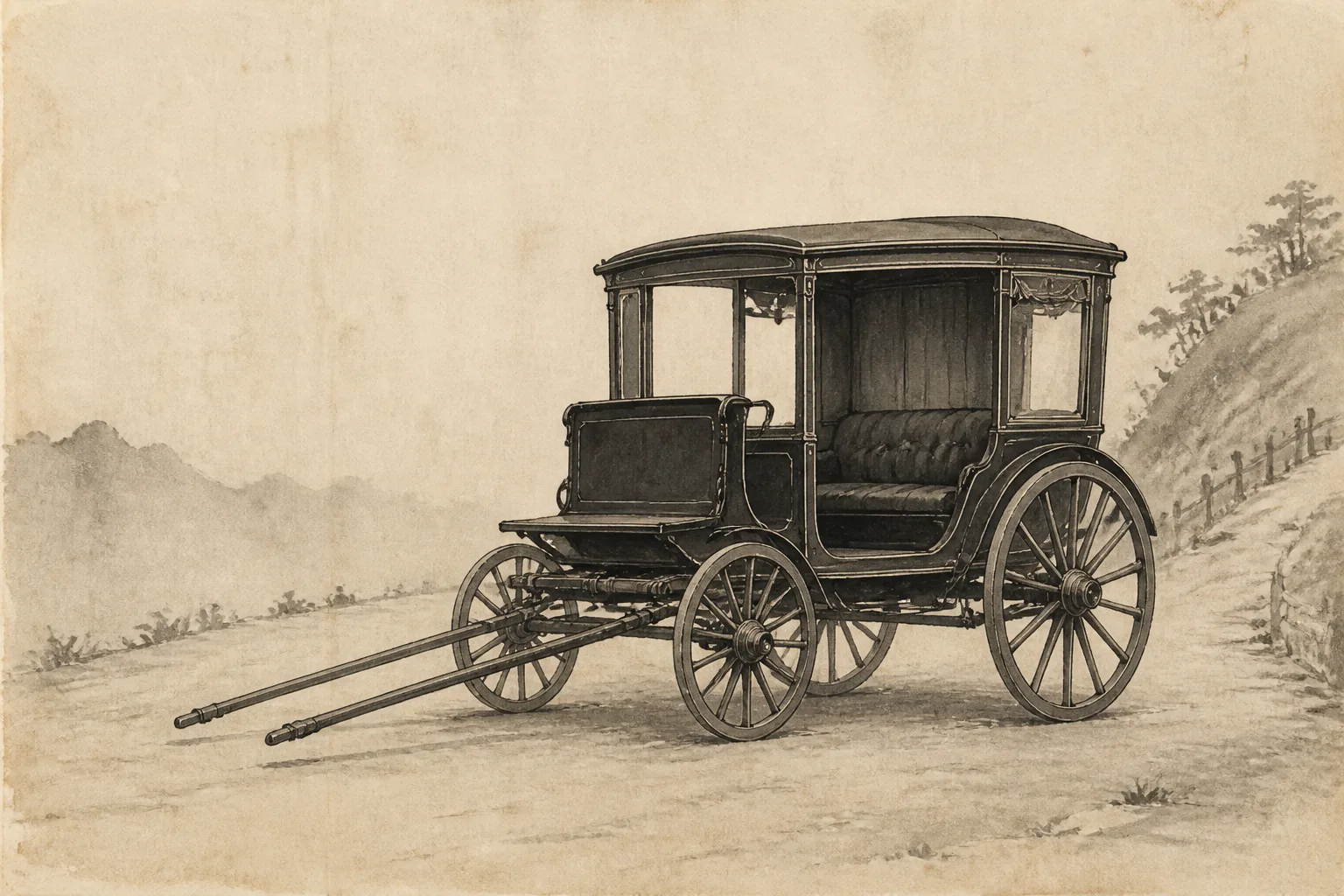
The carriage road and papers left after his assassination reveal both unfinished public work and the backlash produced by rapid centralization. To investigate “A State Project Cut Short” further, do not stop with a commemorative plaque. Compare the date, maker or former owner, provenance, restoration status, and present location of each element named in “The Kioizaka Carriage and Unfinished Papers.” Old maps, municipal histories, museum catalogues, document editions, material-culture studies, and field guides help distinguish contemporary evidence from reconstruction and later memory. They also provide a practical route to relevant books, facsimiles, maps, equipment histories, and a responsible site visit.
VISIT
Restoration Experience Hall, Museum of the Meiji Restoration · KagoshimaOfficial information
A year-long series of short historical performances presenting Kagoshima figures including Saigo Takamori, Godai Tomoatsu, and Machida Hisanari.
Search events related to Toshimichi Okubo →Browse all Bakumatsu events →