Kounsai Takeda · Mito
Original
雨あられ
Kounsai Takeda's death poem, "雨あられ矢玉のなかはいとはねど進みか". Read the original Japanese, modern translation, interpretation, and historical context as distinct parts of the poem.
Person
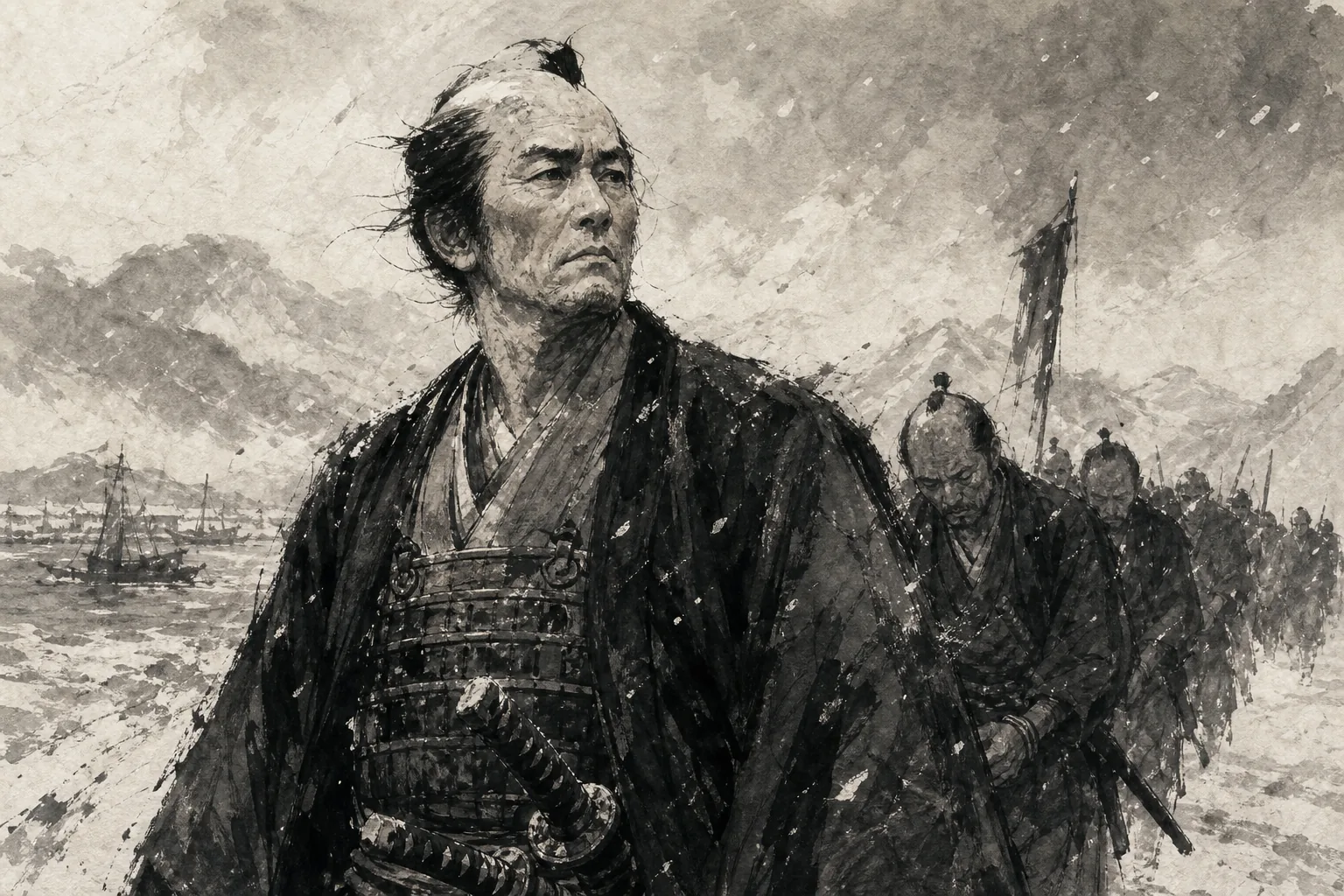
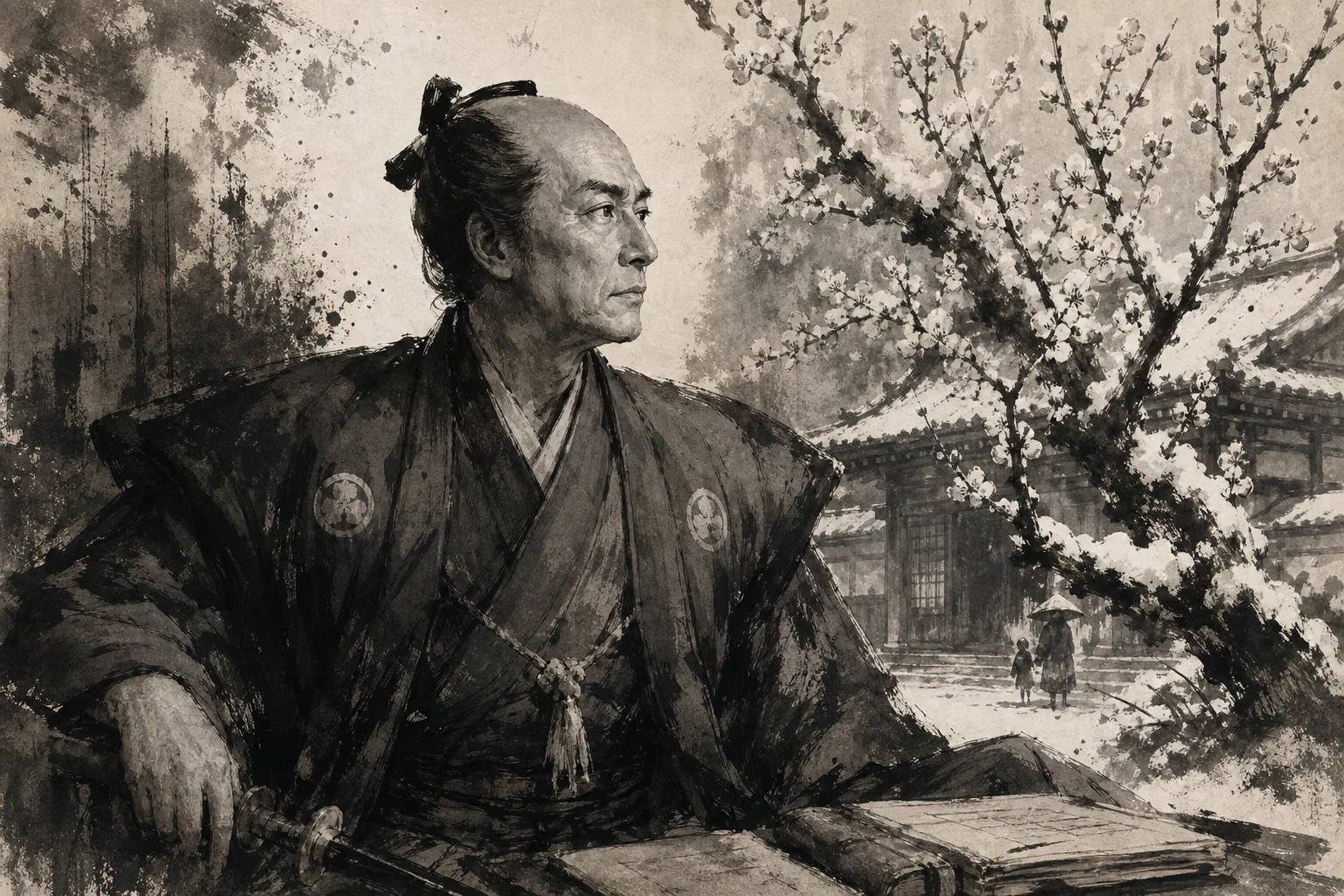
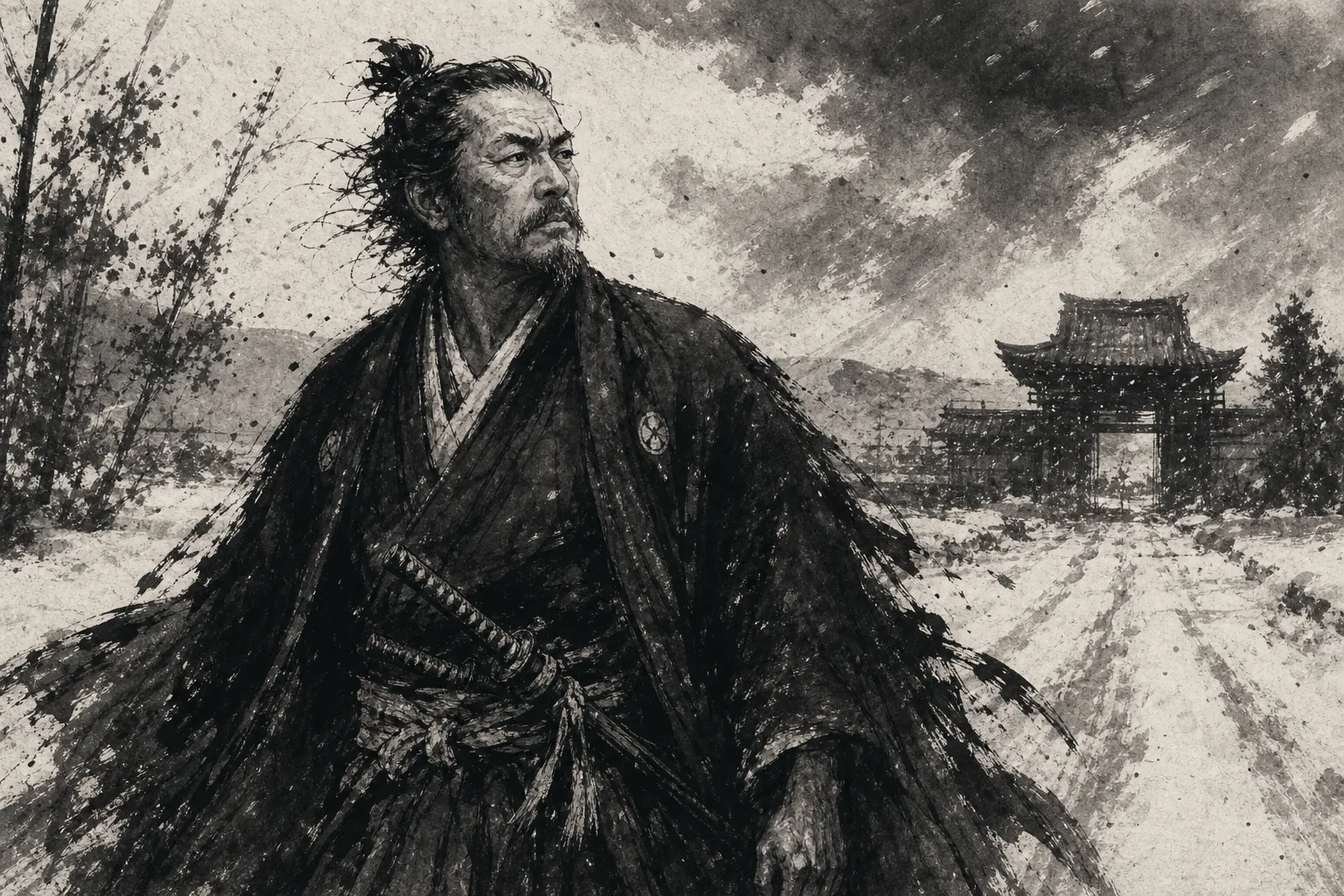
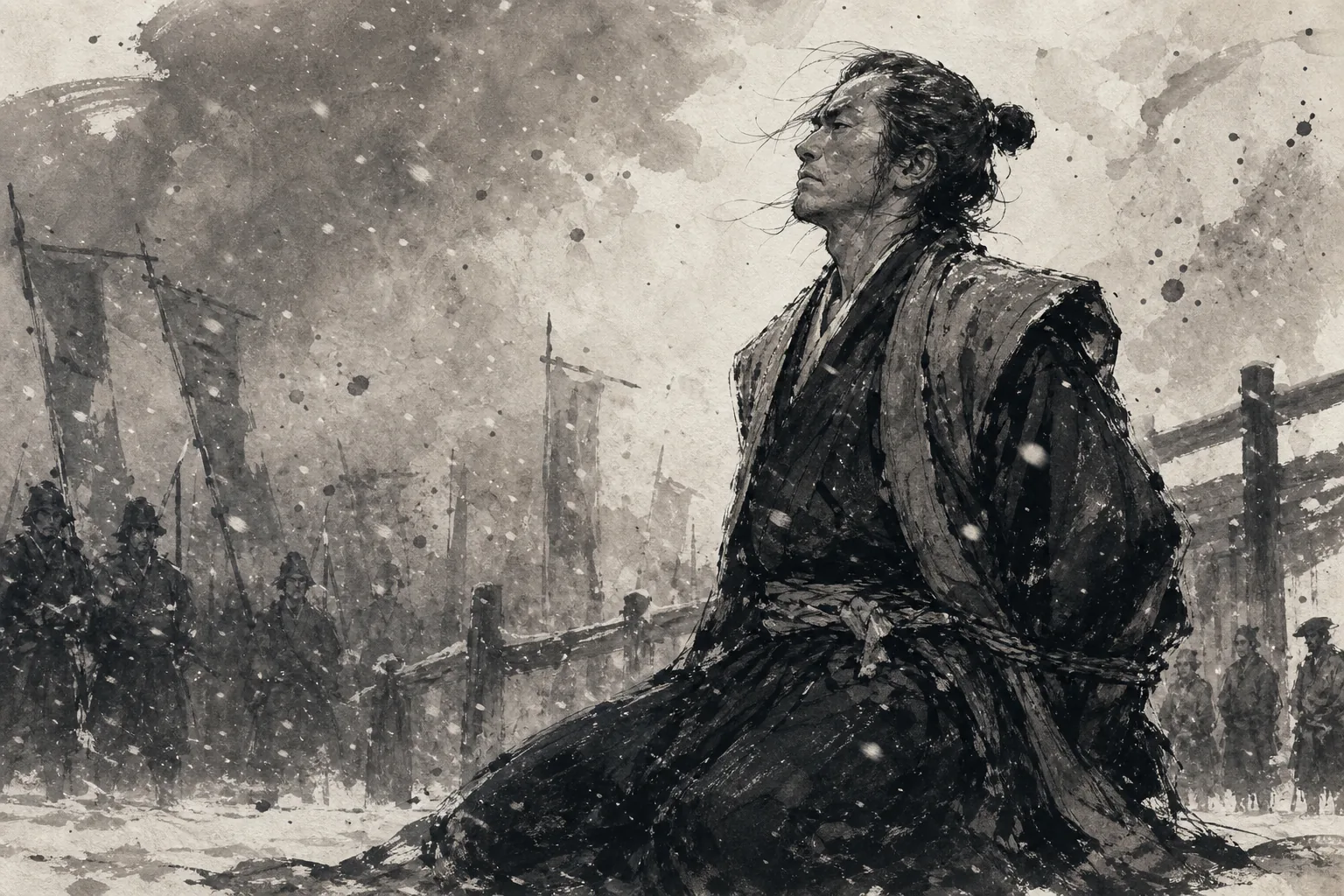
A leading figure of the Mito Tengu Party, executed after surrendering at Tsuruga in Echizen.
Learn about Takeda Kounsai
Translation
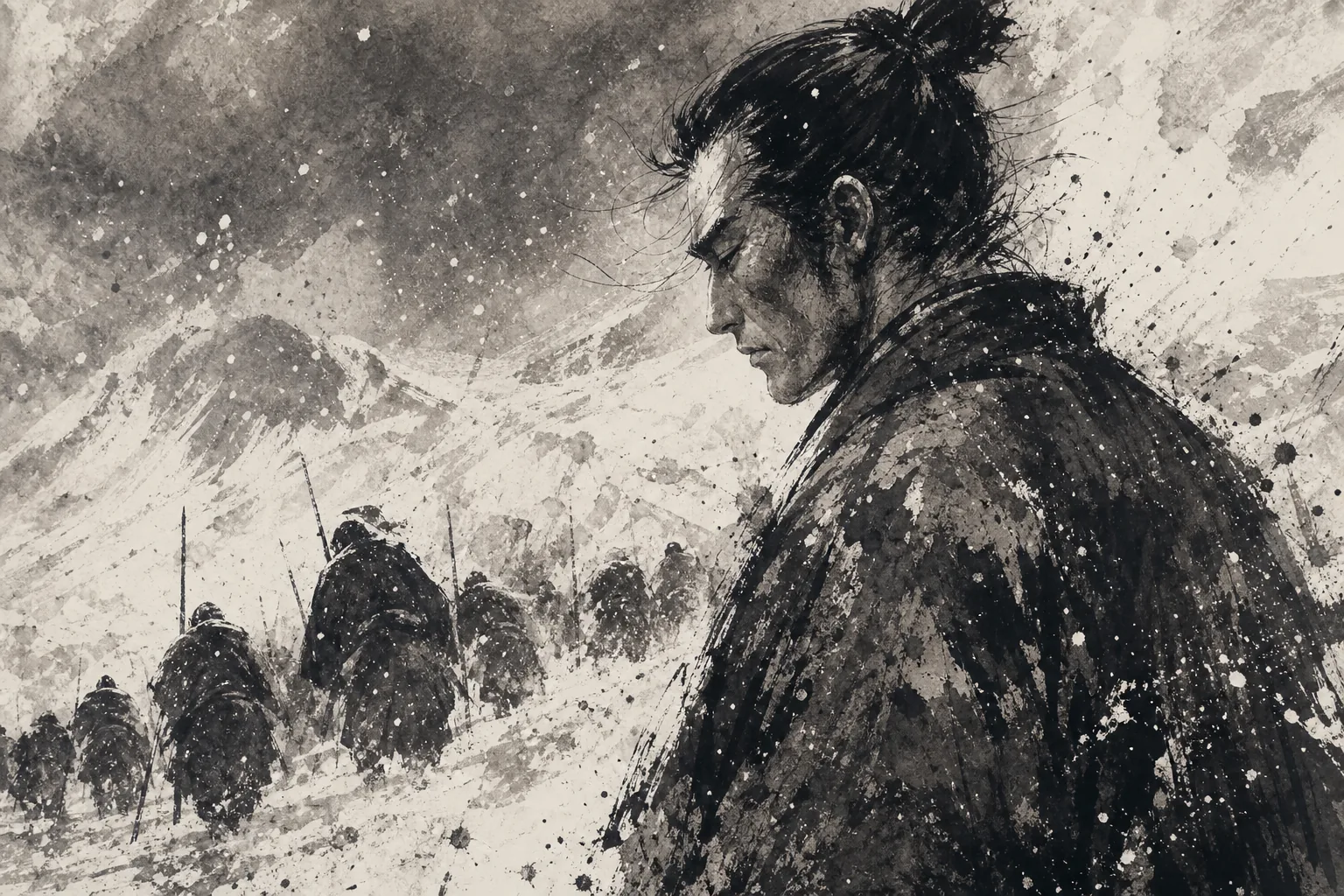
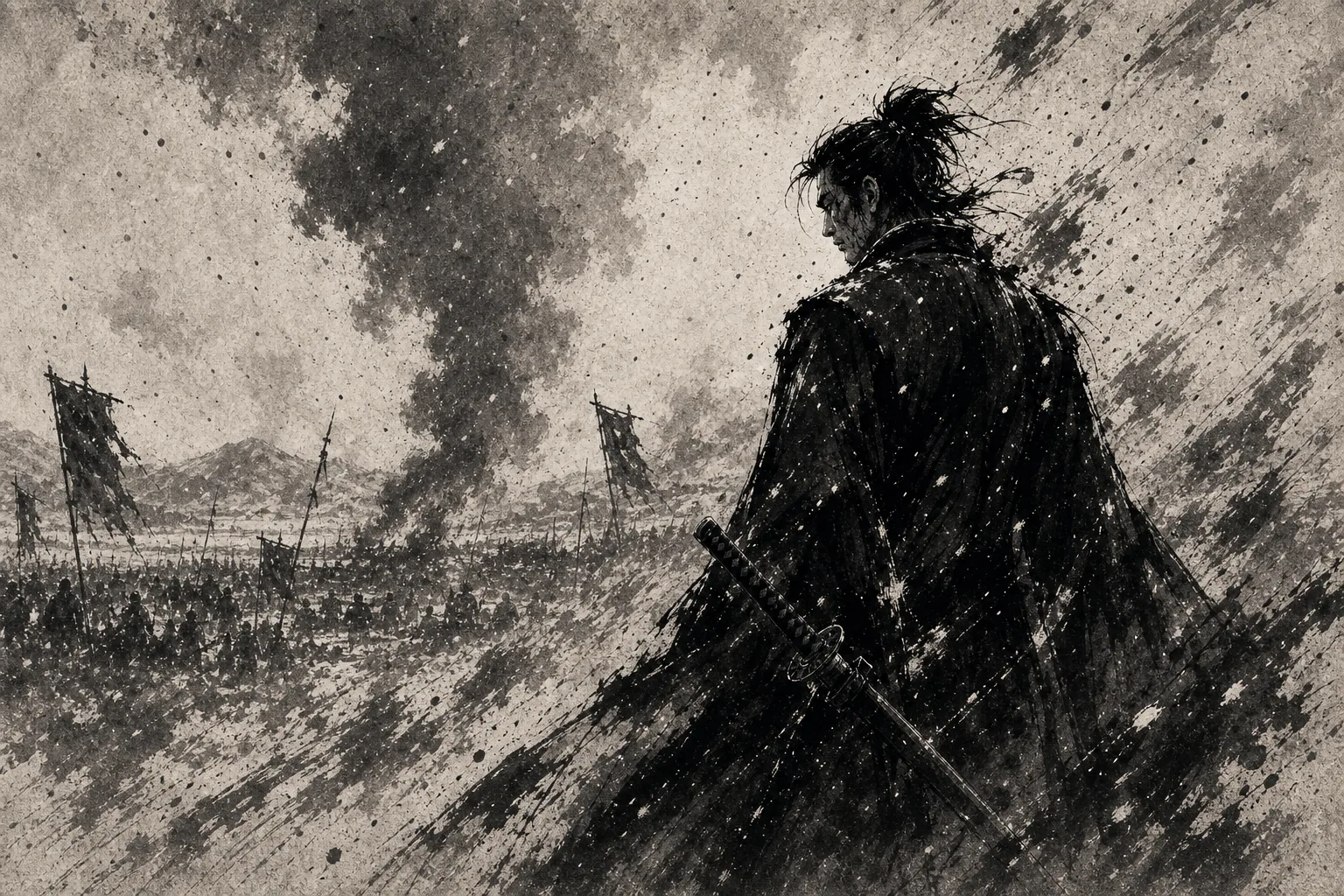
I do not shrink from arrows and bullets falling like hail, yet the snow of Komagane stops my advance.
Poetic Shape A Japanese death poem is less a final explanation than a last shape given to feeling. Its brevity matters: a life is not narrated, but compressed into a few lines that leave room for silence.
Reading
Rather than bravery, the poem shows the severity of nature stopping an army.The presence of snow beyond human resolve is beautiful.
Background
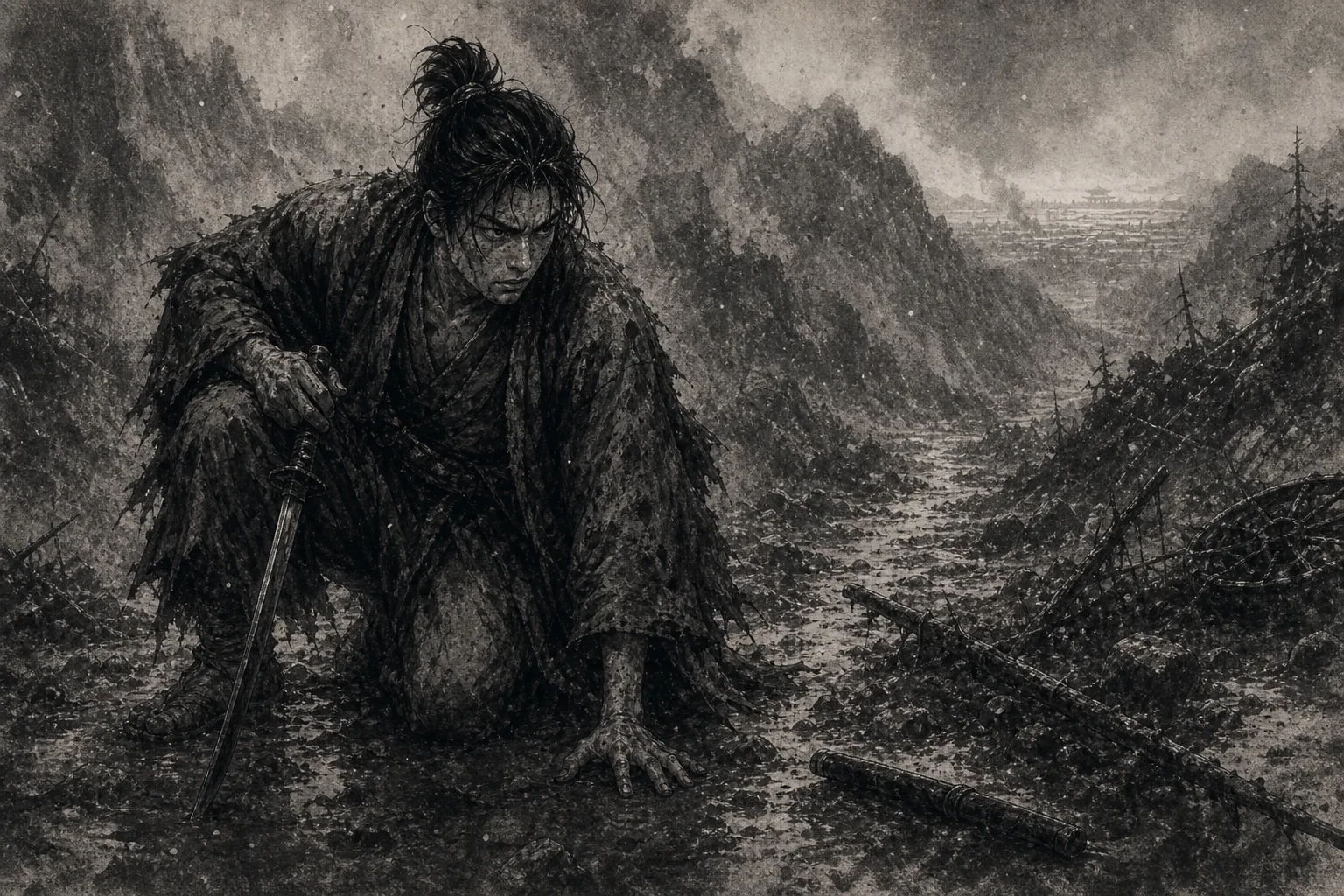
The poem connects with the hardships of the Tengu Party's northern march.Without showing the violence directly, defeat appears through snow.
Source / Transmission Wording and readings may differ by transmission; this page treats the text as one circulated form.
Further Reading
Find related books and places to stay For readers who want more historical context, these links search for related books on external stores.
Affiliate link