Matsushiro and Edo
Moves from a scribe household’s brushes, classics, and wasan into Sato Issai’s school and his own teaching
Language, mathematics, and records form distinct foundations before Western study.
Know the Person
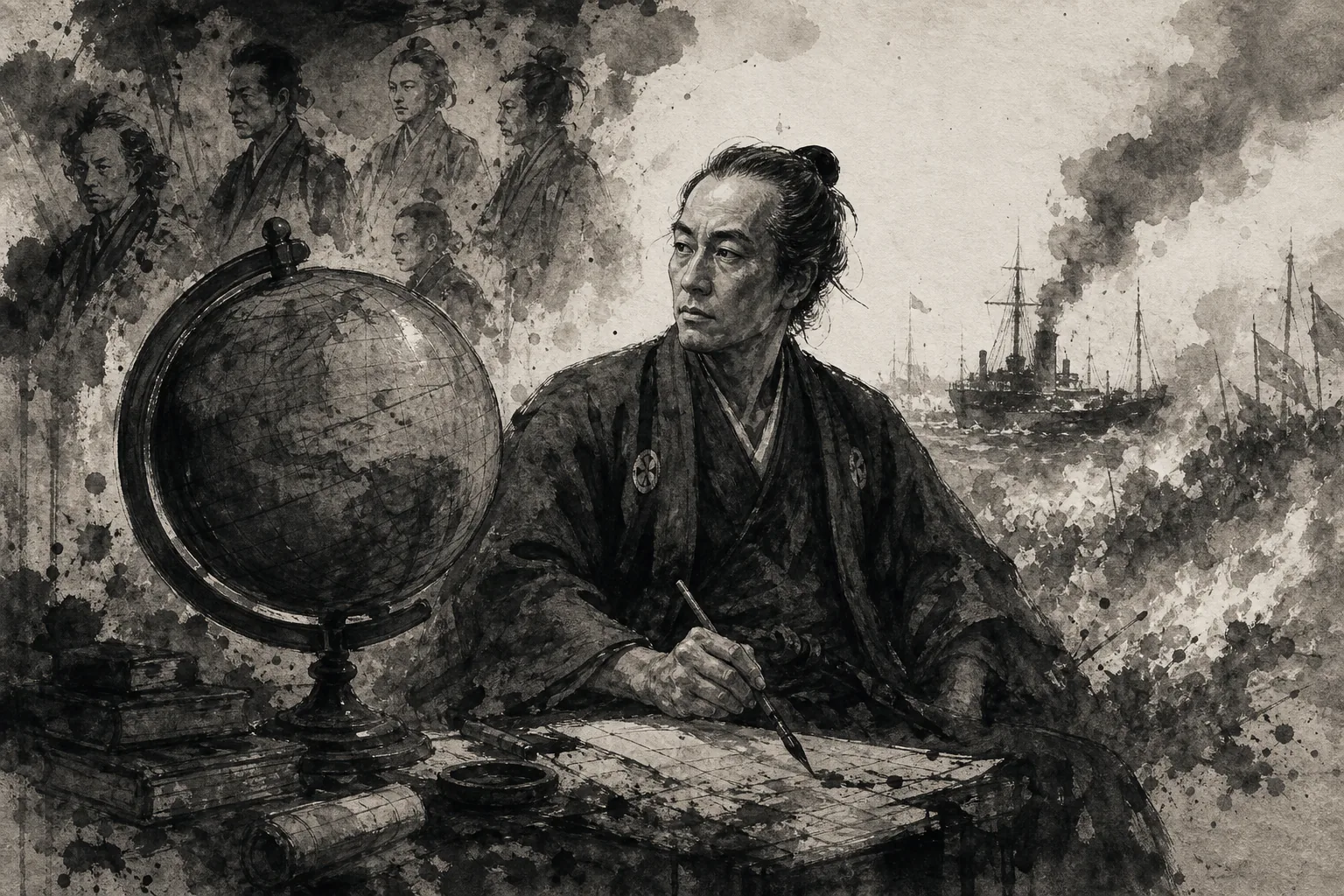
Sakuma Shozan is often introduced through verdicts such as “pioneer” or “Eastern ethics and Western science,” reinforced by portraits combining a topknot and Western dress. The surviving material record begins instead with brushes, Chinese classics, and counting rods in a Matsushiro domain scribe household; an Edo Bay map and rice-shipping ledger behind the Kaibo Hassaku; cannon-casting tools, Dutch books, and electrical apparatus in his Edo teaching; maps, a small-boat plan, and interrogation papers from Yoshida Shoin’s overseas attempt; books, clocks, batteries, and repair tools during eight years of confinement; and Kyoto street maps, tack, official papers, and the 1915 memorial marker. Reading foreign knowledge, building devices, submitting policy, and bearing responsibility for a pupil’s action remain distinct forms of work.
Life
Matsushiro and Edo
Language, mathematics, and records form distinct foundations before Western study.
Matsushiro, Edo Bay, Edo
The 1842 defense memorandum remains distinct from his later mature open-country position.
Edo, Yokohama, Shimoda
Device provenance, experimental results, advice, and the pupil’s action are verified separately.
Edo detention and Matsushiro
Books, repairs, observation, and exchange behind the gate are sought in evidence rather than legend.
Matsushiro, Edo, Kyoto
Audiences, letters, lodging, and routes reveal political work beyond the pioneer label.
Kiyamachi, Kyoto
Event location, 1915 stone, and the retrospective image written into its inscription stay distinct.
長野県長野市松代町
記念館は後世の展示施設、隣接する宅跡は県指定史跡である。記念館は休館情報があるため、真田宝物館を含め公開先を確認する。
佐久間象山
Address長野県長野市松代町松代1446番地6周辺
Nearby
神奈川県横浜市西区
碑は後世の顕彰物で、海防八策の執筆地や砲台遺構ではない。横浜港・江戸湾の地形と政策文書を照合する入口である。
佐久間象山
Address神奈川県横浜市西区老松町63番地1付近
Nearby
東京都千代田区
江戸塾の正確な旧位置や現存工房と誤認せず、著作・写本・版・所蔵品の来歴を確認する調査拠点として示す。
佐久間象山
Address東京都千代田区永田町1丁目10番1号
Nearby
静岡県下田市
松陰と金子重輔が小舟で米艦へ向かった場所。象山本人の乗船地ではなく、助言と連座を検証する関連地点である。
佐久間象山・吉田松陰
Address静岡県下田市柿崎弁天島周辺
Nearby
長野県長野市松代町
高義亭はもと望月家下屋敷で、象山が蟄居中に住した。宅跡、記念館、象山神社とは別の由来を持つ。
佐久間象山
Address長野県長野市松代町松代周辺
Nearby
京都府京都市中京区
現在の碑は1915年建立で、碑から東約15mが遭難地と説明される。当時の寓居、公用移動、事件、後世の碑を同一物にしない。
佐久間象山
Address京都府京都市中京区木屋町通御池上る西側
Nearby
Keys
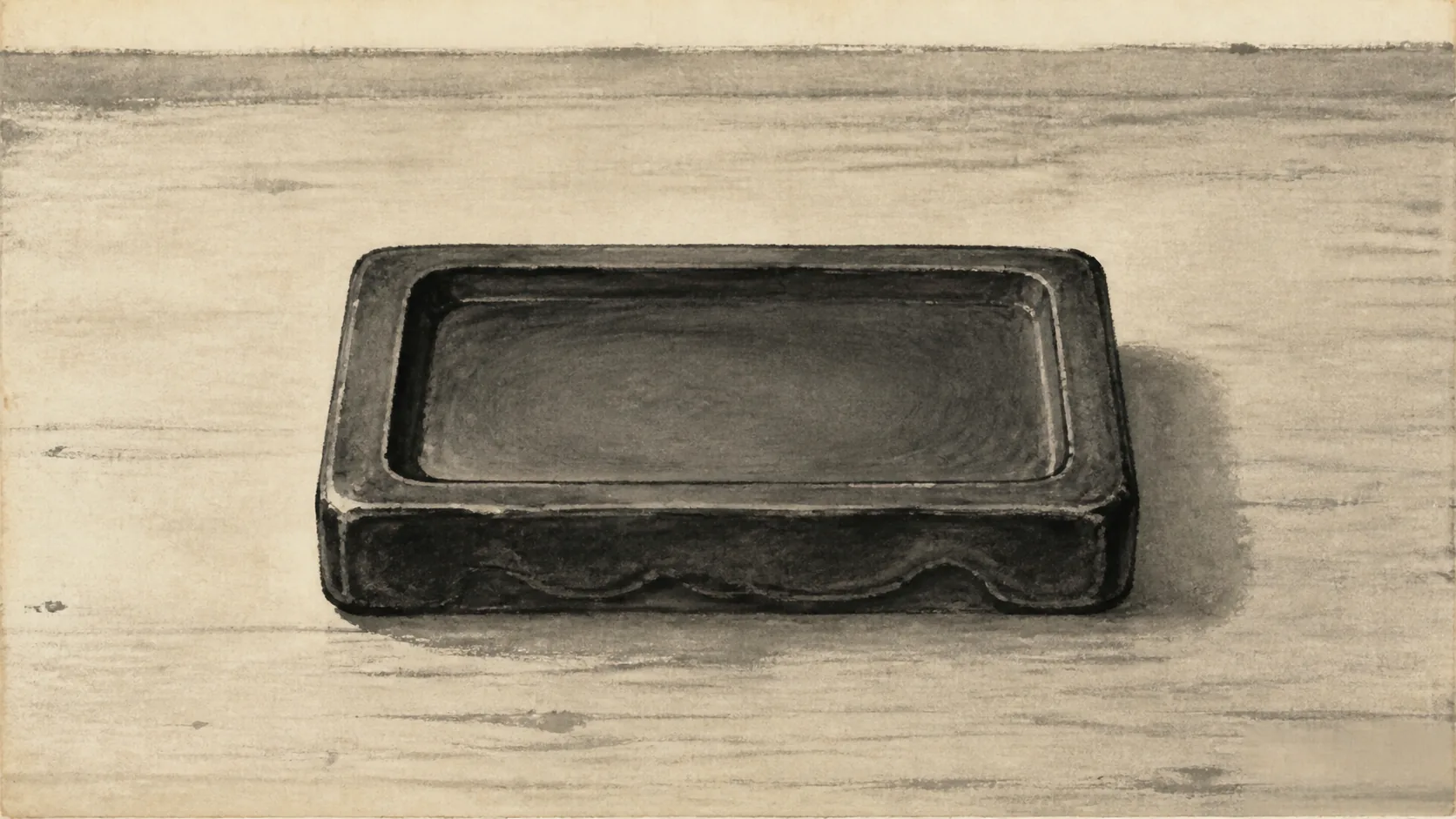
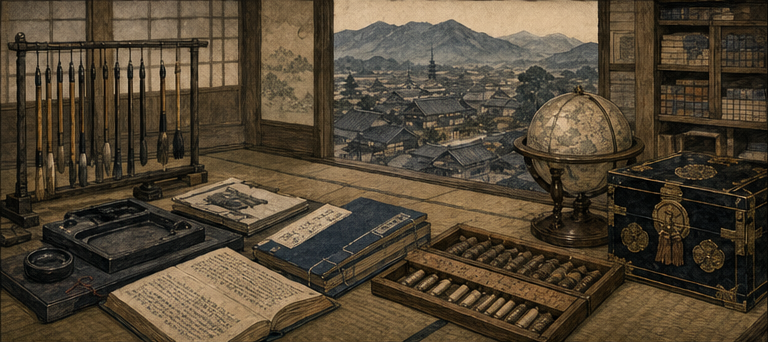
Sakuma Kunitada, later Hiraki and known by the art name Shozan, was born in 1811 into a Matsushiro domain scribe household. Brush rack, inkstone, official paper, document box, seals, Chinese classics, wasan counting rods, maps, and a globe represent work that copied language accurately, checked authorities, and handled quantity and direction. Later Western learning should not be explained only through childhood-genius anecdotes. Confucian study, calligraphy, mathematics, and domain record administration were distinct skills meeting on one desk. The Shozan Memorial Museum is a later exhibition facility, while the designated residence site is separate; current closure and collection-transfer information must be checked. Reading paths include Matsushiro, domain scribes, Sato Issai, wasan, and retainer education.
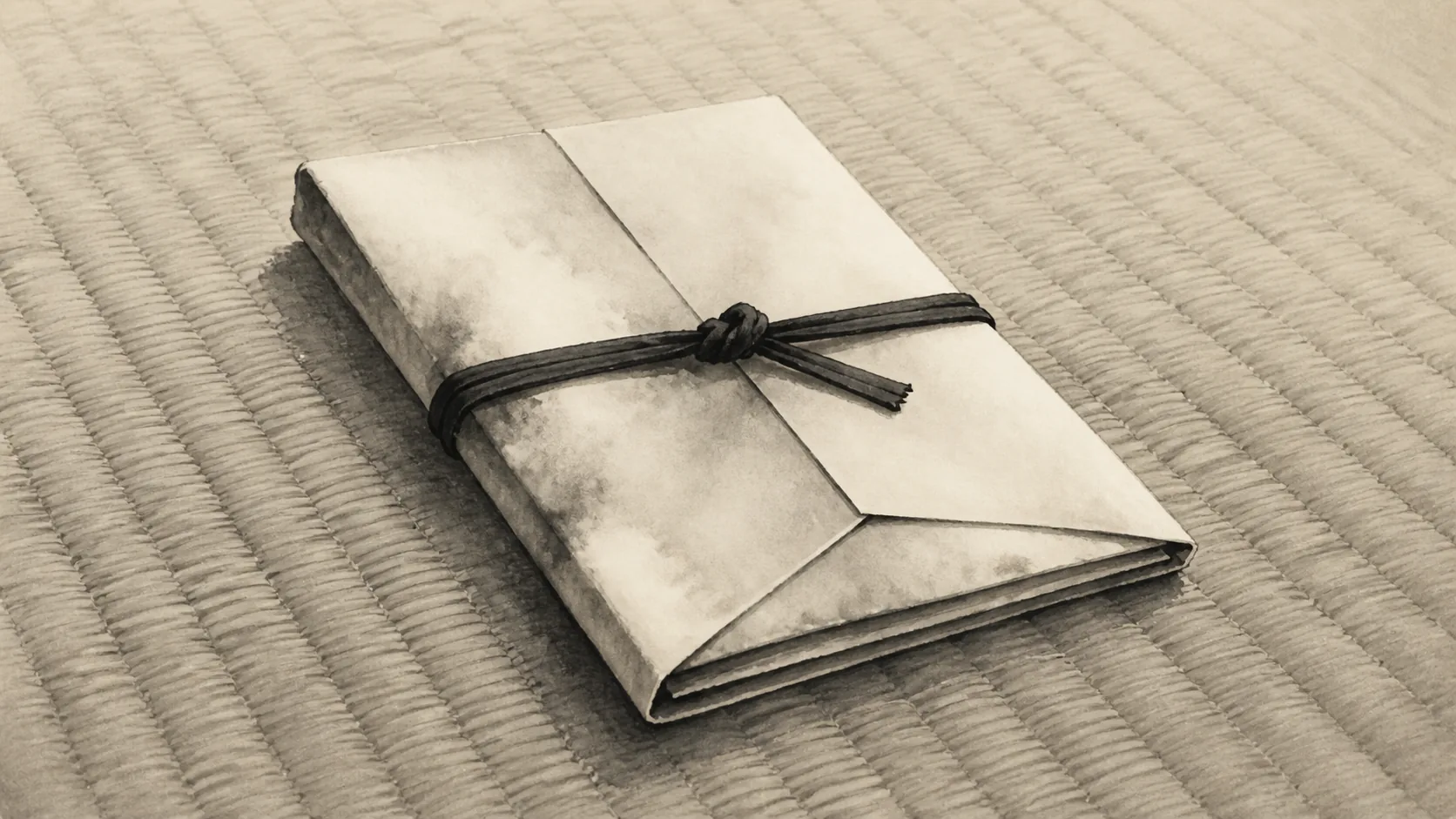
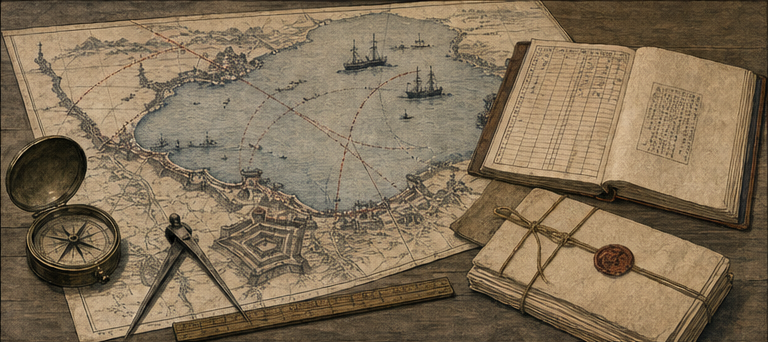
In 1842 Lord Sanada Yukitsura, serving as a shogunate coastal-defense official, ordered Shozan to investigate overseas affairs, and Shozan submitted the Kaibo Hassaku. A map of Edo Bay, ports and coastlines, compass, dividers, scale, cannon range arcs, foreign ship silhouettes, rice-transport records, and sealed memorandum show a policy larger than battery placement. Information collection, ships, training, weapons manufacture, and the food supply reaching Edo belonged to one defensive problem. Shozan’s later open-country position should not be projected backward as a finished doctrine. The monument on Nogeyama is a later commemoration, not the writing site or a surviving battery, and should lead back to the memorandum, maps, and logistics.
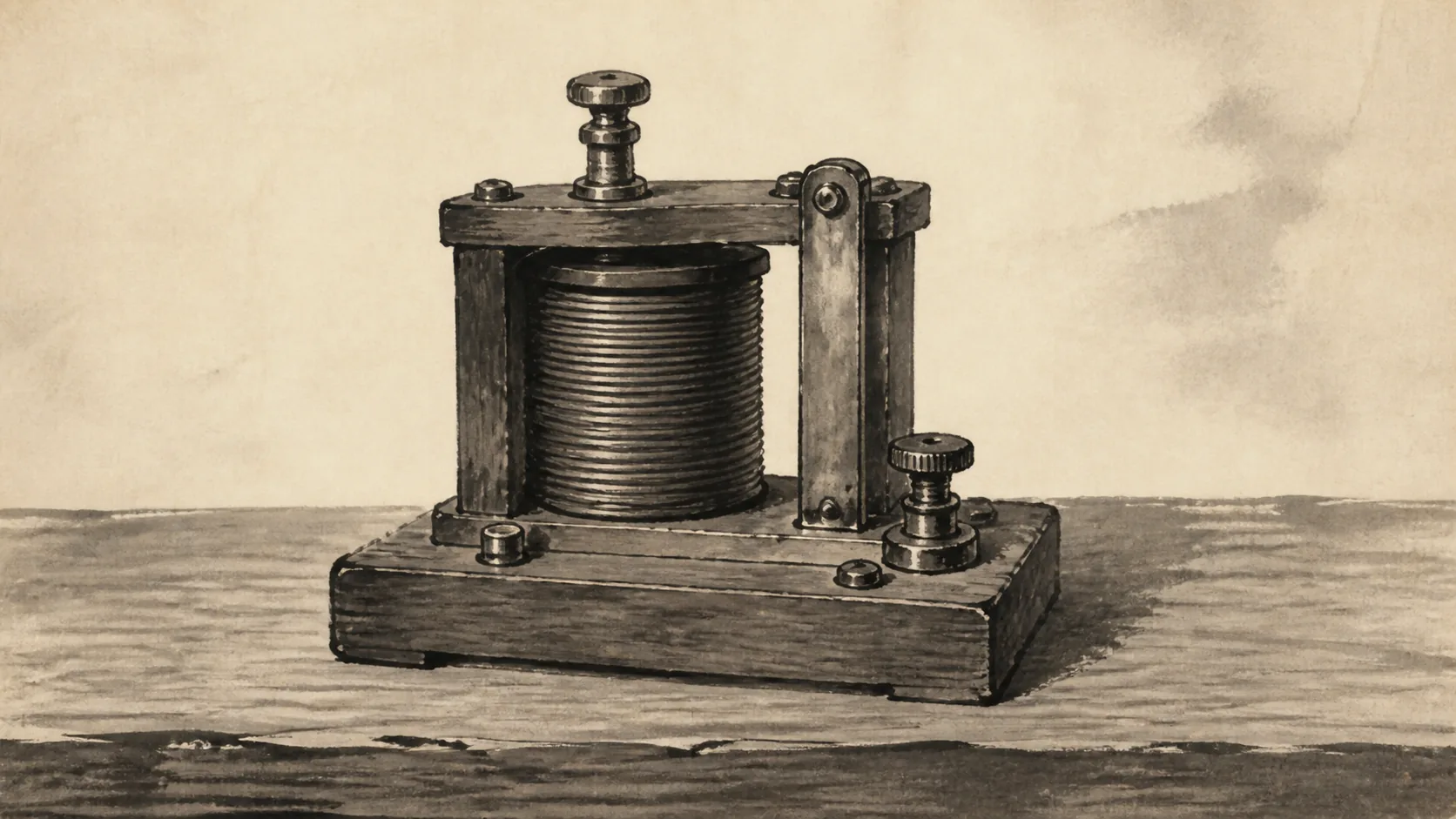
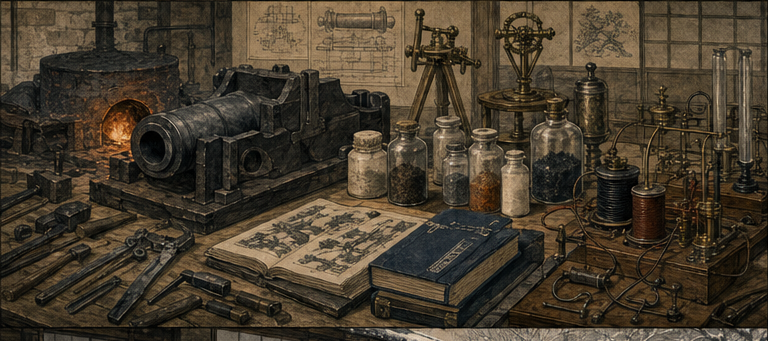
After studying Western artillery with Egawa Hidetatsu, Shozan taught gunnery and Western learning in Edo to students including Katsu Kaishu and Yoshida Shoin. Cannon molds, furnace and crucible tools, calipers, powder ingredients, Dutch manuals, survey instruments, cells, wire, coils, electrotherapy equipment, and an indicating telegraph mechanism turn translation into construction and experiment. Claims of “Japan’s first” require definitions and comparison, so the evidence must distinguish devices made by Shozan or his collaborators from later restorations and museum reconstructions, while also asking how well each experiment worked. Artillery was also destructive technology; the burdens of armament remain beside defense arguments. Further reading covers Dutch science, casting, electricity, telegraphy, and Shozan’s school.
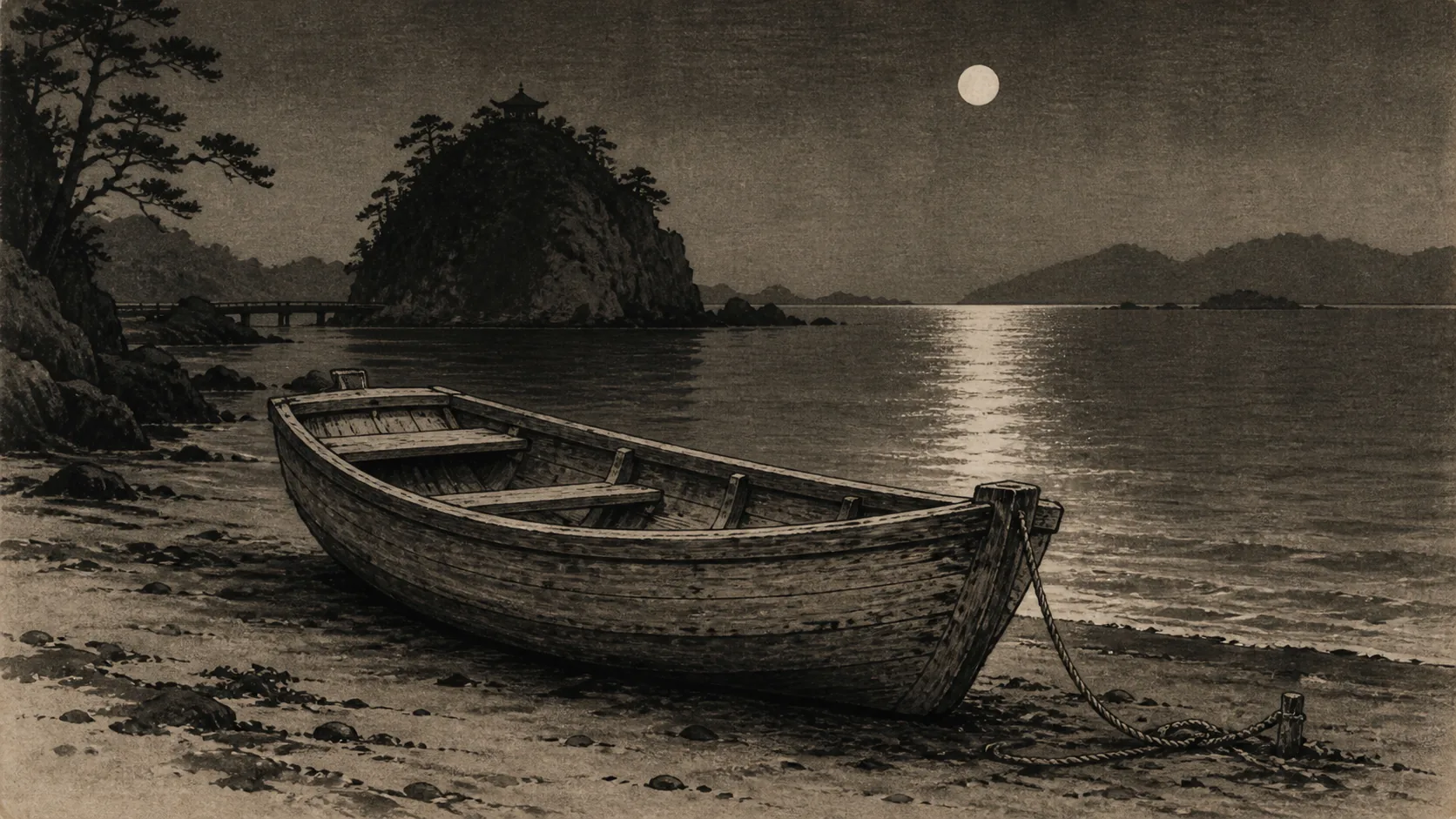
In 1854 Shozan’s pupil Yoshida Shoin and Kaneko Shigesuke attempted to board Perry’s fleet at Shimoda and surrendered after their request was refused. A Shimoda harbor chart, Bentenjima, small-boat dimensions, tide and wind notes, compass, travel clothing, the petition to the foreigners, detention papers, and transfer orders reveal an overseas-observation plan colliding with national prohibition and diplomacy. Shozan himself must not be pictured rowing from Shimoda. His advice and involvement in planning are separate from the night action carried out by Shoin and Kaneko. Shozan was implicated, detained in Edo, and later confined in Matsushiro. Bentenjima, detention sites, Tenmacho, and Matsushiro remain different places.
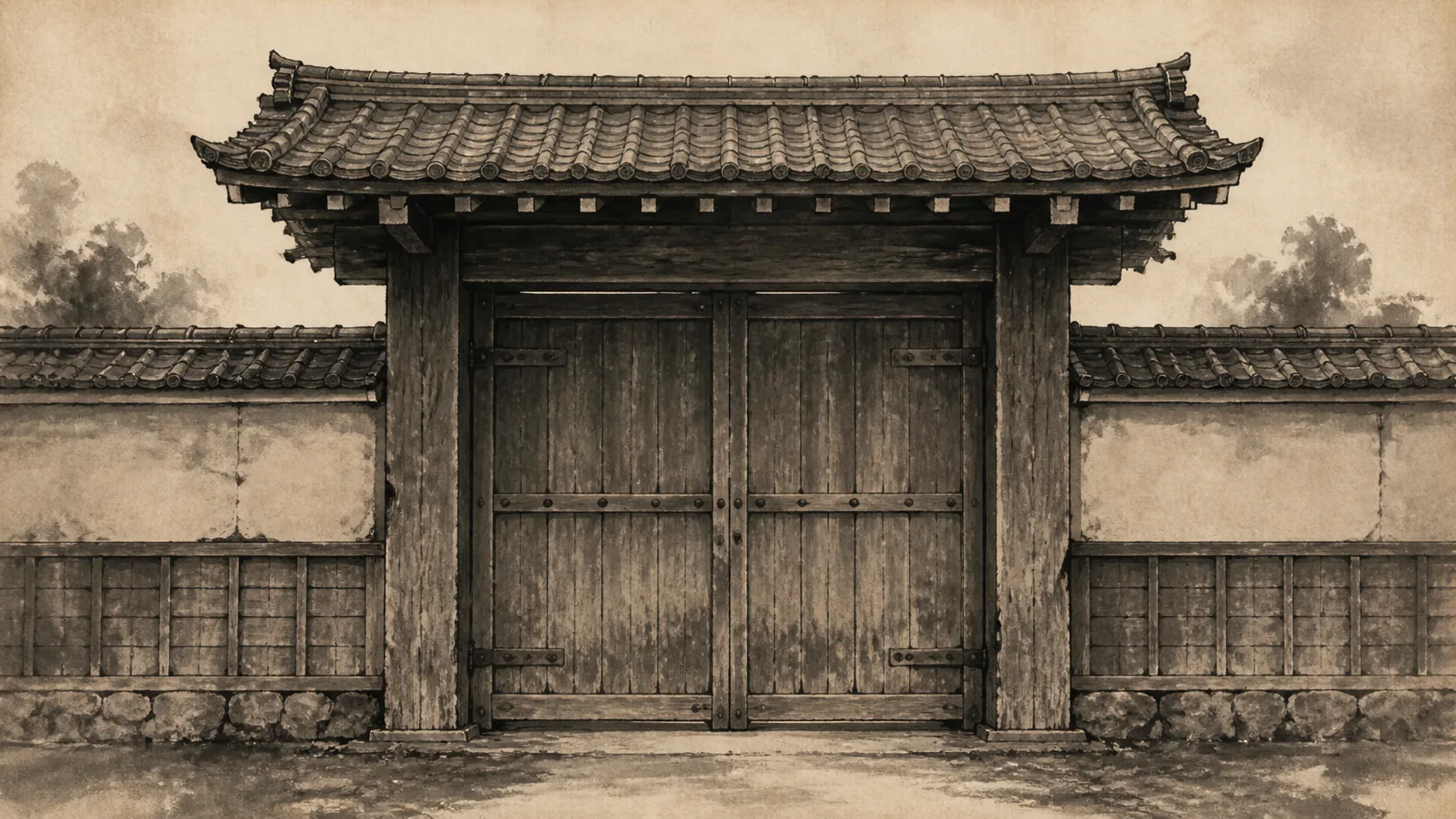
After being implicated in the overseas attempt, Shozan spent about eight years under confinement in Matsushiro until pardon in 1862. A closed gate, books, copied manuscripts, clock mechanism, glass tubes, batteries, wires, coils, a seismograph-like device, files, screwdrivers, and spare parts frame the years as restricted work rather than silence. Devices displayed under names such as “earthquake prediction instrument” must be checked for their historical title, purpose, date, and status as original or reconstruction. Kogitei was a former Mochizuki family retreat in which Shozan lived during confinement; the residence site and memorial museum have different histories. The section asks what reading, repair, observation, and exchange with visitors can actually be documented.
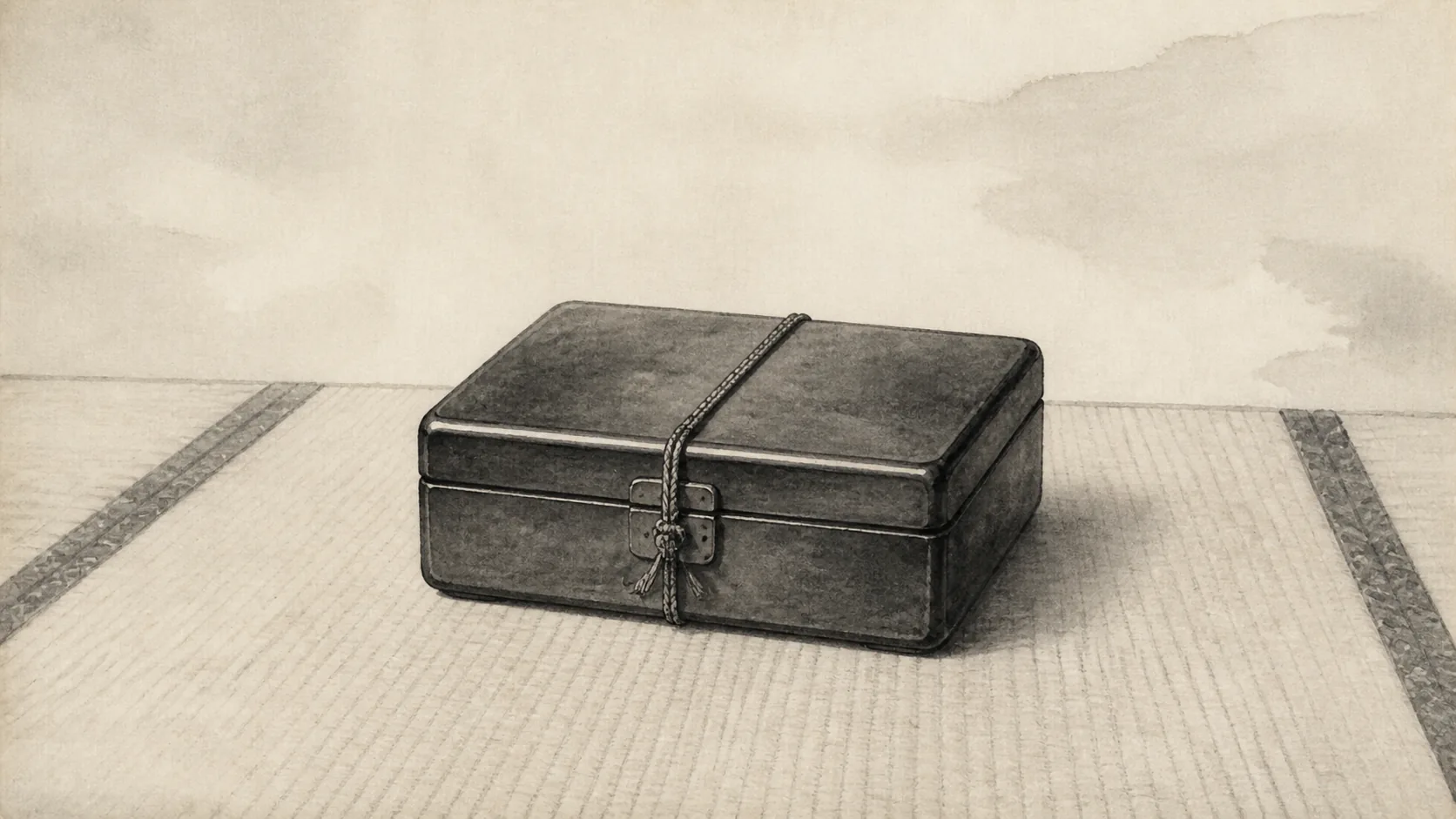
In 1864, after pardon, Shozan entered Kyoto on shogunate orders and worked around open-country and court-shogunate cooperation. A Kyoto street map, saddle, portable writing box, audience schedule, position papers, and lodging slips shift attention from the spectacle of Western clothing and horseback travel to movement among court, shogunate, and domains. He was attacked and killed in Kiyamachi on 11 July, but the illustration contains neither assailant nor body. The present Shozan memorial marker was erected in 1915; its inscription places the attack roughly fifteen meters east of the stone. Lodging, route, event site, and later marker must remain separate while sources also explain the political position of opponents and the turn to violence.
VISIT
Yokohama Urban Development Memorial Hall · KanagawaOfficial information
A special exhibition using defense plans, urban plans, bird's-eye views, and foreign surveys to examine the making of the treaty-port city of Yokohama.
Search events related to Shozan Sakuma →Browse all Bakumatsu events →