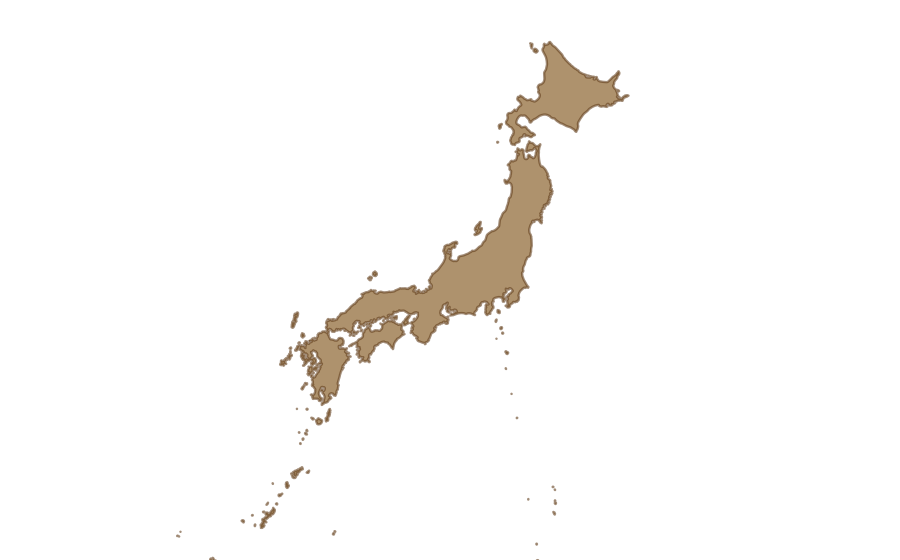
Tayasu house, Edo, and Fukui
Was Born in Tayasu and Succeeded as Lord of Fukui
Tokugawa adoption and shogunate approval carried the eleven-year-old into a distant domain.
Know the Person
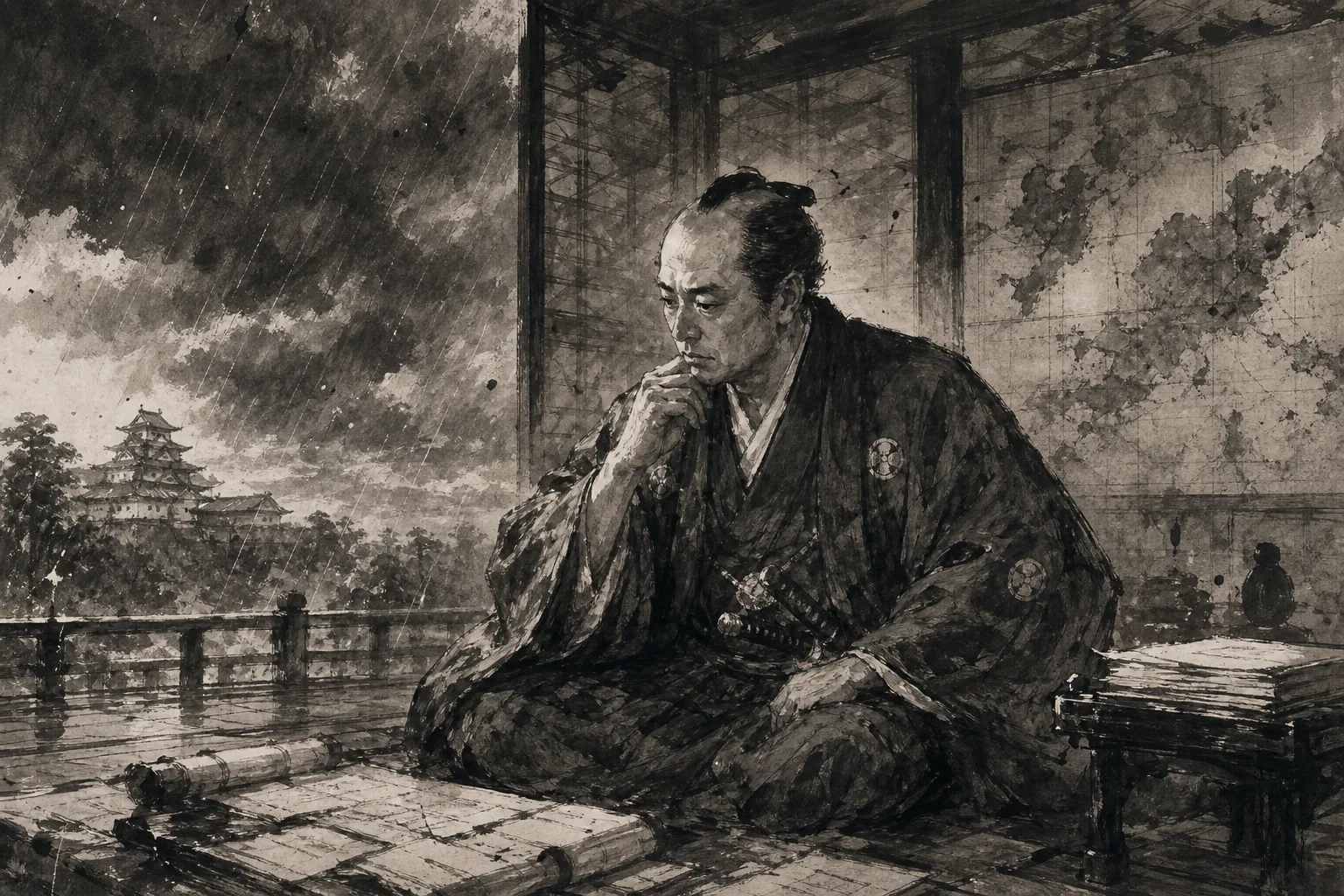
Meet Matsudaira Shungaku through institutions and records rather than the finished labels of enlightened lord or one of the Four Wise Lords: succession papers carrying him from the Tayasu house to Fukui, rice stores and domain notes after famine, Western books and instruments at Meidokan beside Hashimoto Sanai's Keihatsuroku, Yokoi Shonan's Three State Policies and naval plans, a closed gate and confinement order during the Ansei Purge, and reform files, a Four Lords Conference seating chart, diaries, and archive boxes. Reform rested on advisers, officials, merchants, farmers, and their burdens as well as the lord.
Life
Tayasu house, Edo, and Fukui
Tokugawa adoption and shogunate approval carried the eleven-year-old into a distant domain.
Fukui domain
Domain notes, frugality, industry, and coastal defense were reorganized with real social costs.
Fukui and Edo
School reform and outside advisers linked domain policy to trade, navy, and deliberation.
Edo and Fukui
Shungaku endured confinement while Sanai was executed; political change later restored him.
Edo and Kyoto
He negotiated and clashed with Yoshinobu and major lords over Choshu, court relations, and ports.
Kyoto, Tokyo, and Fukui
After brief new-government service, he organized evidence of the era and died at sixty-one.
福井県福井市
城址から藩主別邸、博物館の自筆日記・書簡へ歩き、統治の場所と後世に残した記録を結ぶ。
松平春嶽
Address福井県福井市宝永3丁目12-1周辺
Nearby
福井県福井市
旧藩校跡と福井城下を歩き、橋本左内らが学び教えた教育課程と人材登用をたどる。
松平春嶽
Address福井県福井市大手3丁目周辺
Nearby
京都府京都市
二条城と御所周辺から、政事総裁職、参予会議、四侯会議で交わされた政策と対立をたどる。
松平春嶽
Address京都府京都市中京区二条城町541周辺
Nearby
Keys
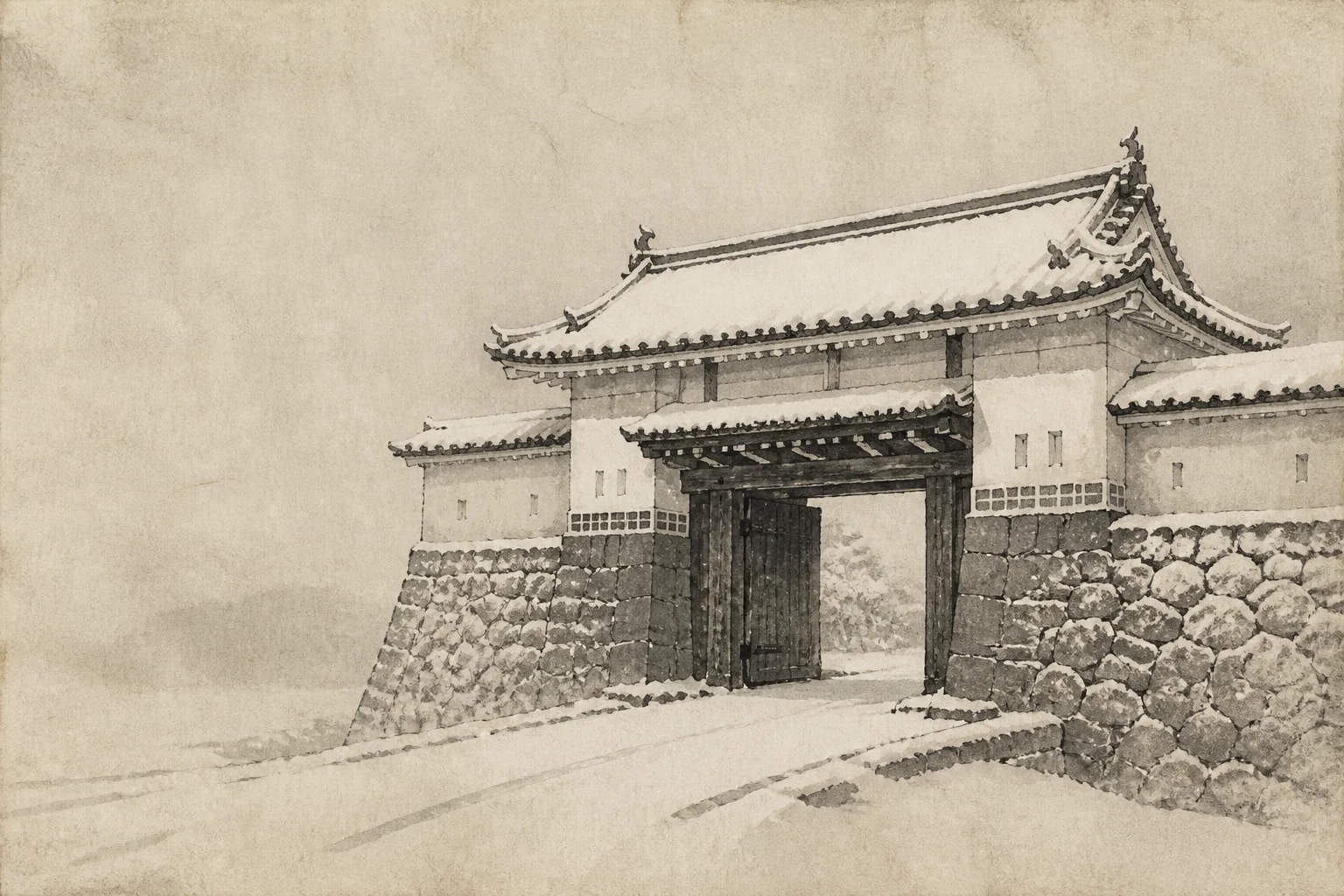
Shungaku was born in Edo's Tayasu house and adopted into the Echizen Matsudaira lineage, succeeding as lord of Fukui at eleven. Genealogy, adoption request, succession approval, itinerary, document chest, lord's seals, palanquin fittings, and a snowy castle gate show that entry into Fukui depended on Tokugawa kinship, shogunate authorization, and retainer preparation rather than a child's independent choice. Raised in Edo, he first knew the domain's society and finances through reports and officials. That distance encouraged reliance on advisers and a broad search for informed opinion.

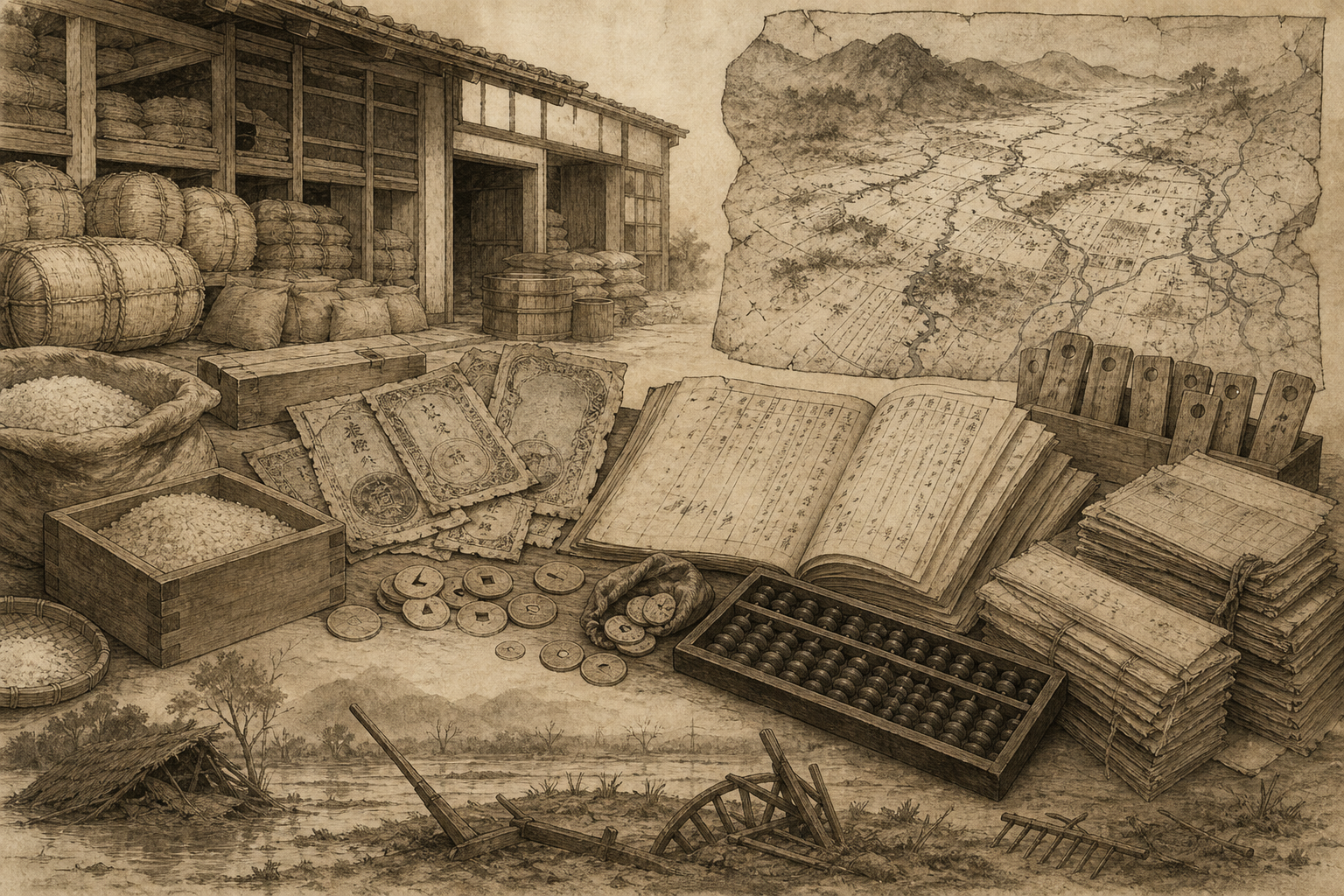
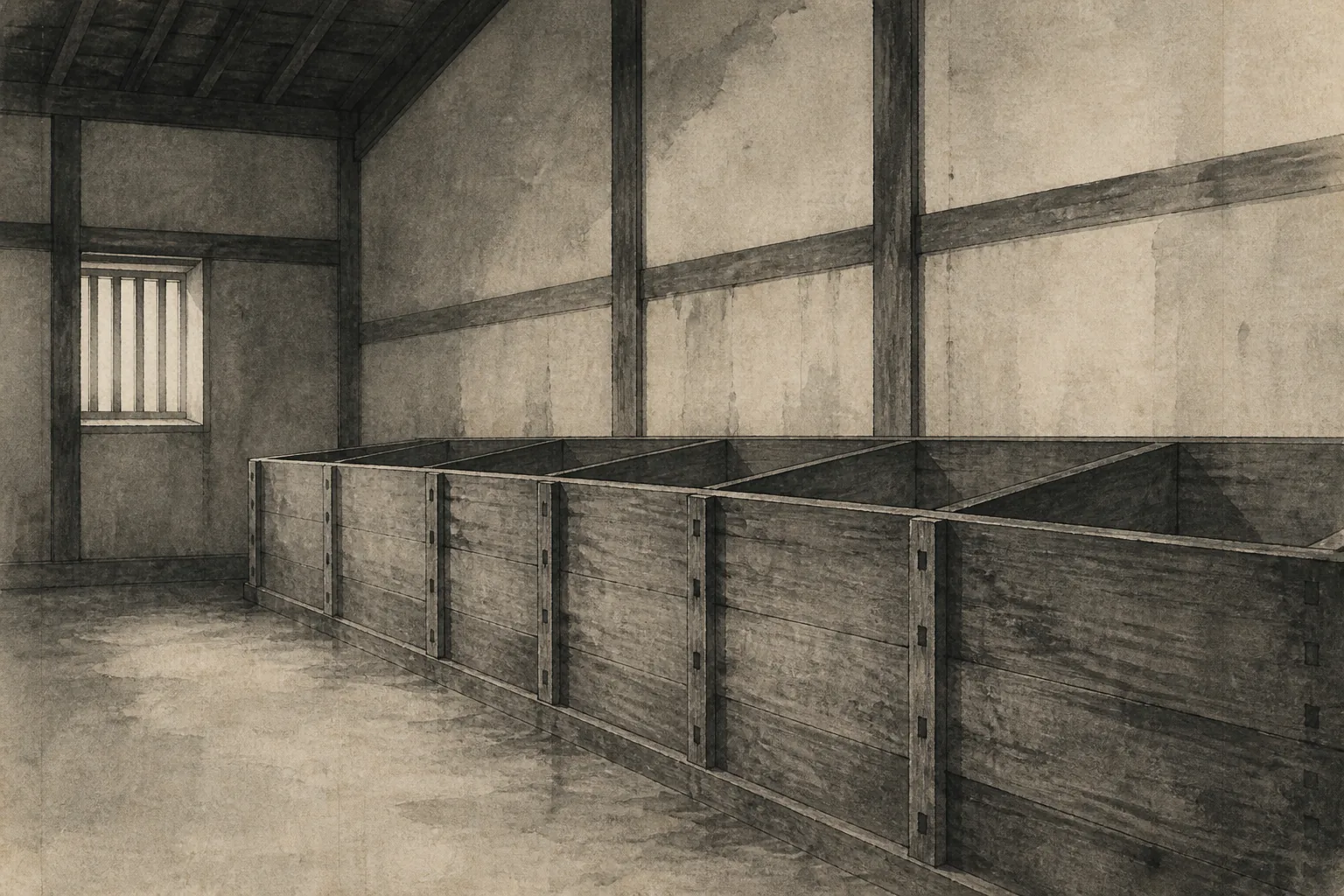
After the Tenpo famine, Fukui faced debt, depleted grain, damaged villages, and unstable domain notes. A partly empty storehouse, measuring box, notes, ledgers, abacus, relief tokens, disaster map, and broken farm tools place reform first in crises of food and credit. Frugality, fiscal restructuring, industry, and defense could shift costs onto reduced retainer stipends and taxpayers. The result should not become a lone wise-lord success story: Nakane Yukie and other administrators, village officers, merchants, and farmers all performed work or absorbed losses as the domain tried to regain solvency.
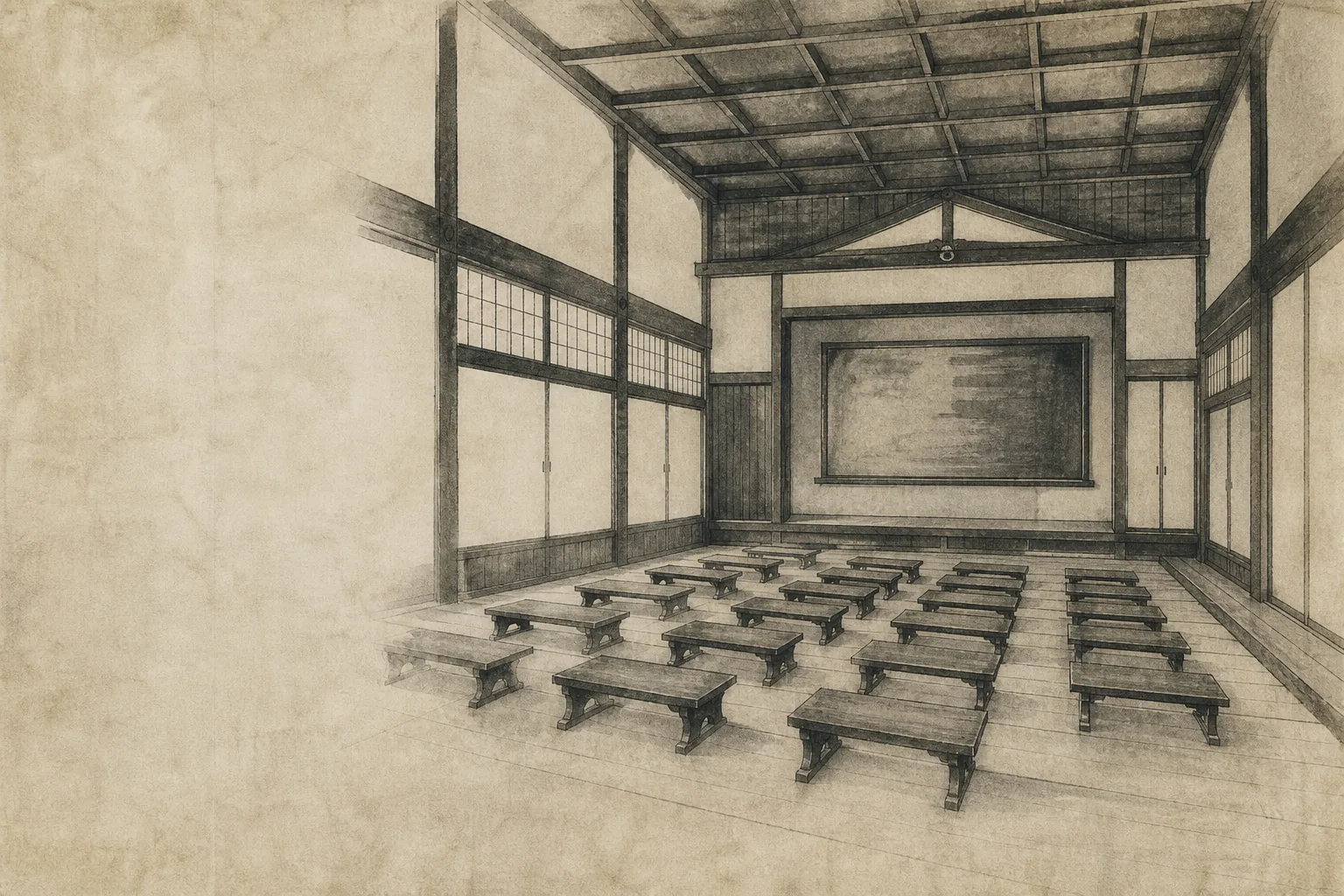
Shungaku developed Meidokan so that Confucian learning stood beside Western studies, medicine, military science, and surveying. Low desks, Chinese classics, Dutch books, globes, instruments, cannon geometry, map cases, and brushes show curriculum widening toward administration and coastal defense. Hashimoto Sanai was promoted young, taught at Meidokan, and left the self-examining manuscript Keihatsuroku. The school's value did not arise from a ruler's foresight alone. Teachers, translators, students, book buyers, and officials had to sustain the movement of knowledge into policy and technical practice.
Shungaku invited Yokoi Shonan from Kumamoto as an adviser to Fukui and shogunate reform. The Three State Policies manuscript, harbor and trade maps, merchant routes, naval ship plans, public council seating diagram, abacus, seals, and correspondence box connect wealth, defense, and public government. The problem exceeded opening versus expulsion: how could trade returns serve the public, domain military forces become a national navy, and informed opinion enter decisions? Shonan's ideas should not be absorbed into Shungaku's individual authorship. Their desk represents policy made jointly across domain boundaries.
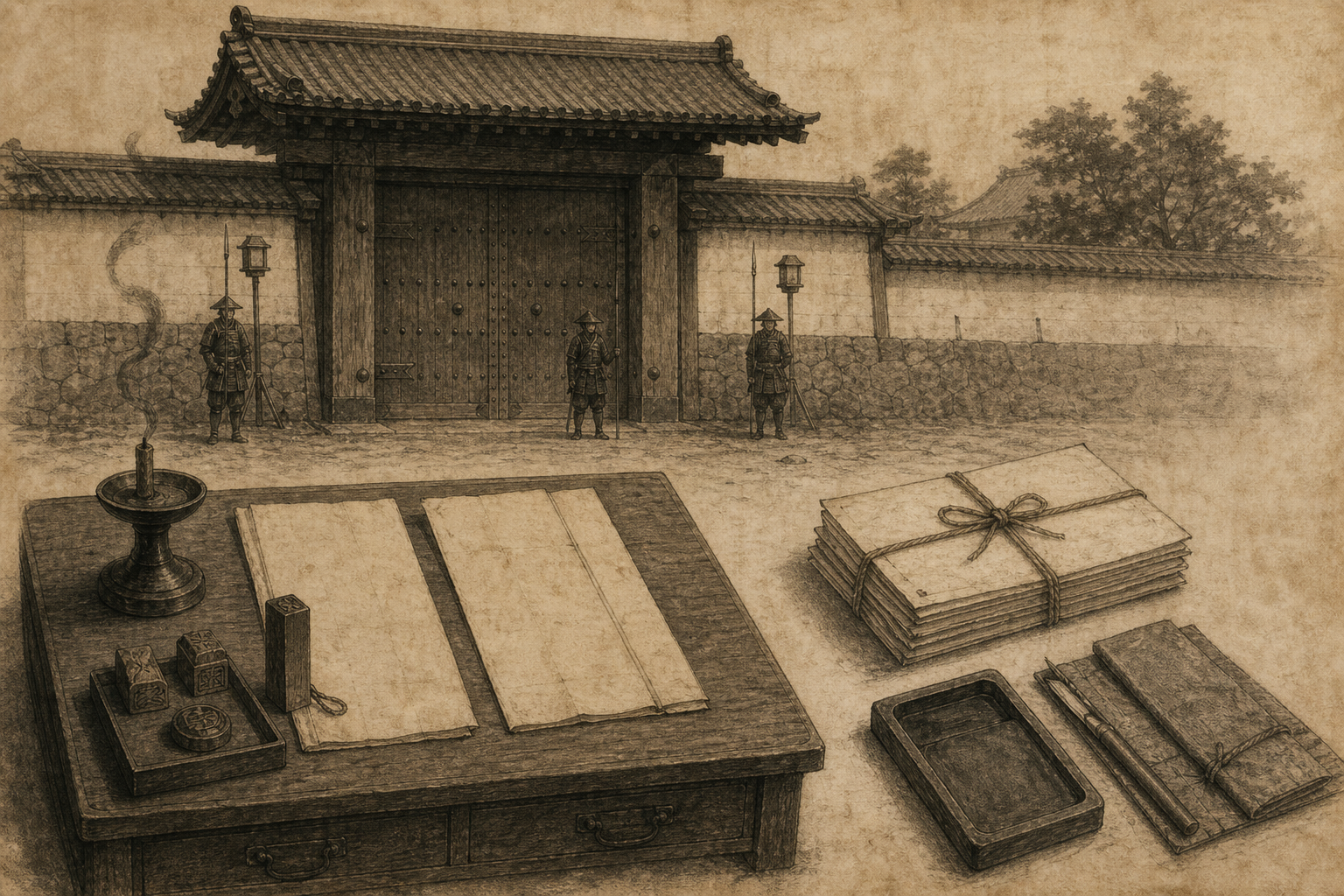
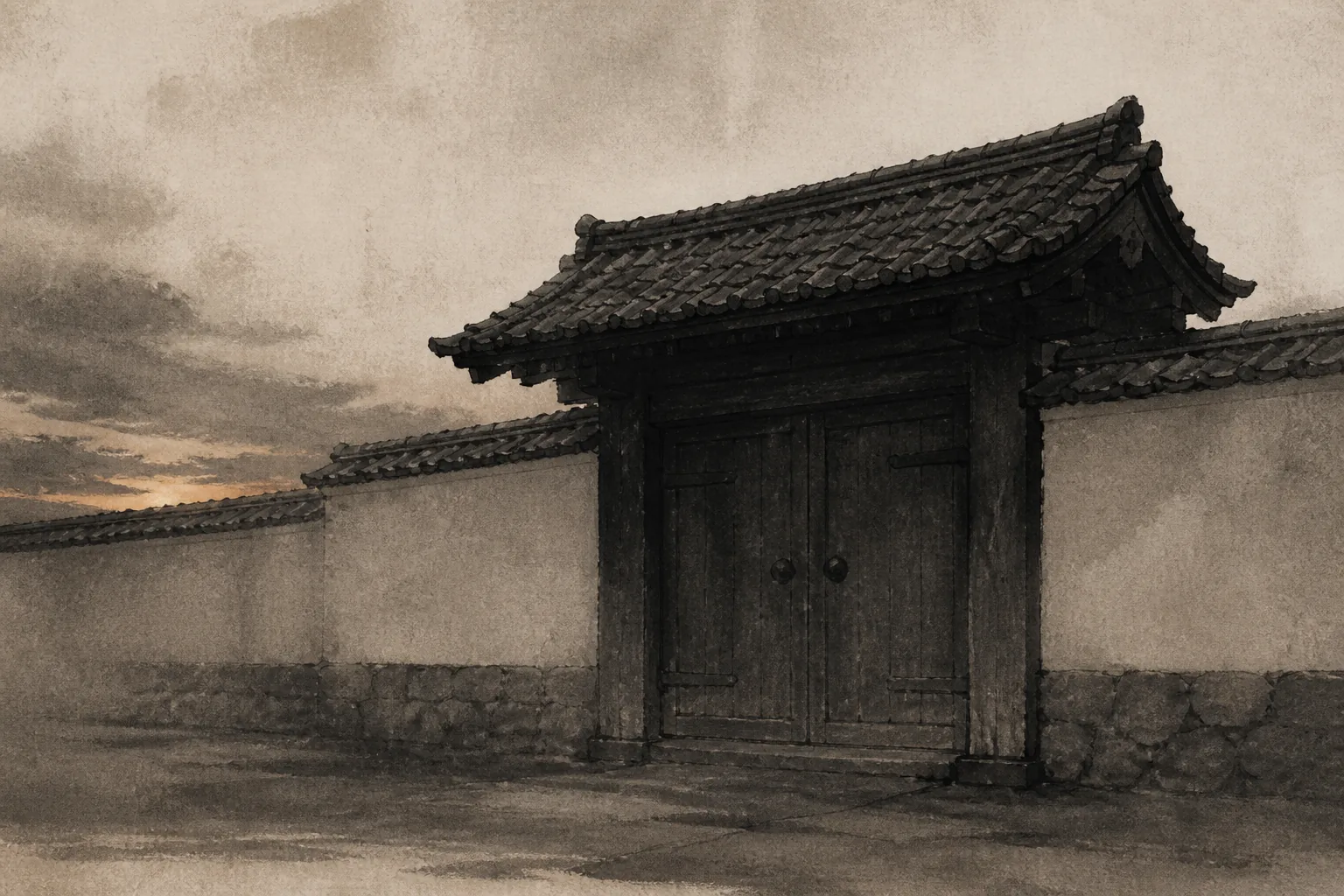
Shungaku backed Hitotsubashi Yoshinobu for the shogunal succession and opposed Ii Naosuke over the rival candidate and treaty policy. During the Ansei Purge, a retirement petition, confinement order, returned seals, extinguished lamp, and guarded closed gate represent the lord's removal from politics. Hashimoto Sanai, however, was arrested in Edo and executed after leaving prison letters and writing tools. Shungaku's confinement and Sanai's death sentence were not the same. The materials expose both the loss of a recruited adviser and the shogunate system that converted policy conflict into unequal punishments.

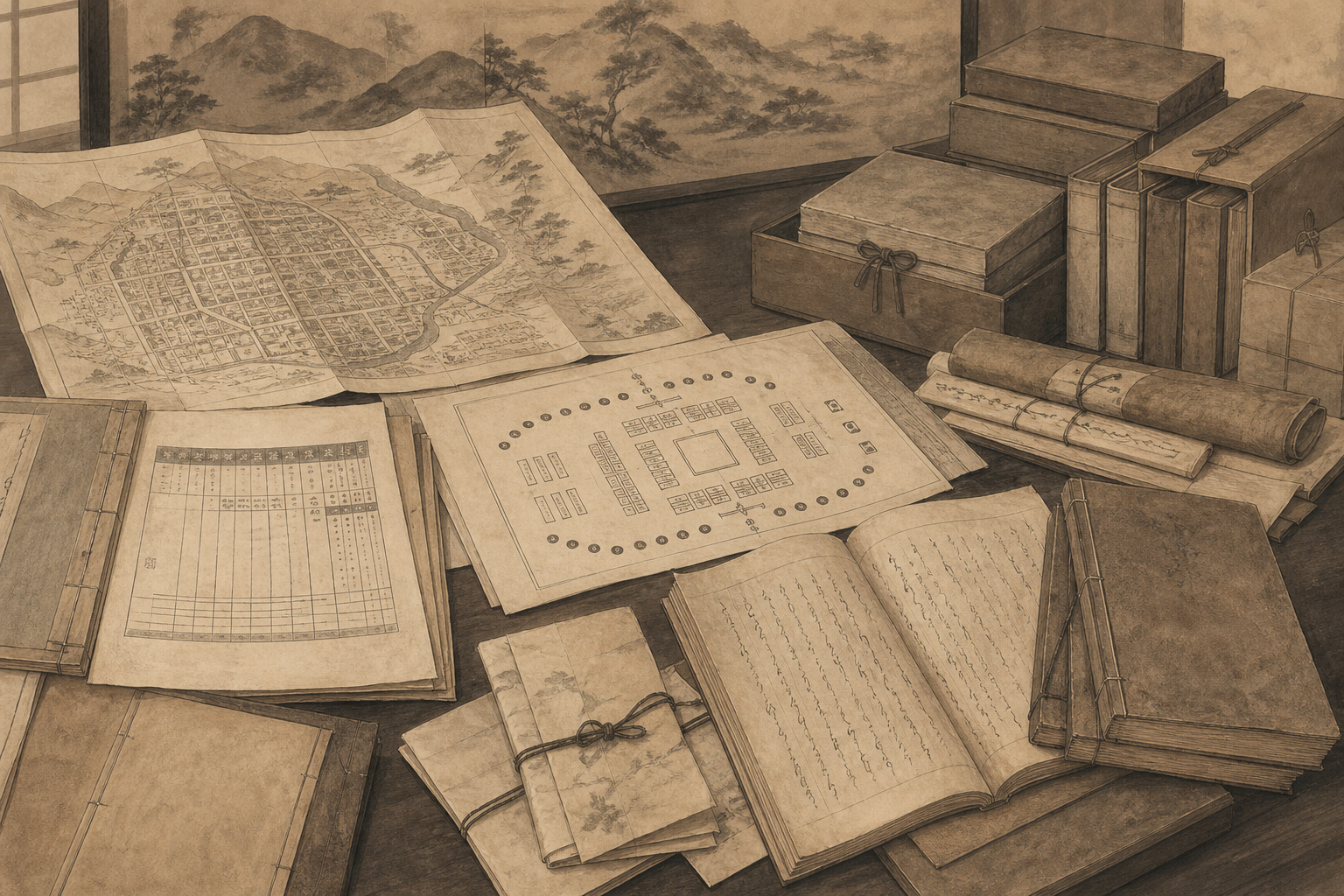
In 1862 Shungaku became President of Political Affairs and helped revise alternate attendance and other shogunate practices. Reform files, timetables, a Kyoto map, seating plans for the participatory councils and Four Lords Conference, and letters with Yoshinobu and other lords show repeated efforts to institutionalize deliberation among shogunate, court, and major domains. Disputes over Choshu and the opening of Hyogo broke these forums apart. After brief service in the Restoration government, Shungaku compiled diaries, correspondence, and historical recollections including Itsuji Shiho. Archive boxes preserved changes and failures as evidence rather than a seamless political doctrine.
VISIT
Search events related to Shungaku Matsudaira →Browse all Bakumatsu events →