江戸・本所
From a Low-Stipend Household to Dutch Learning
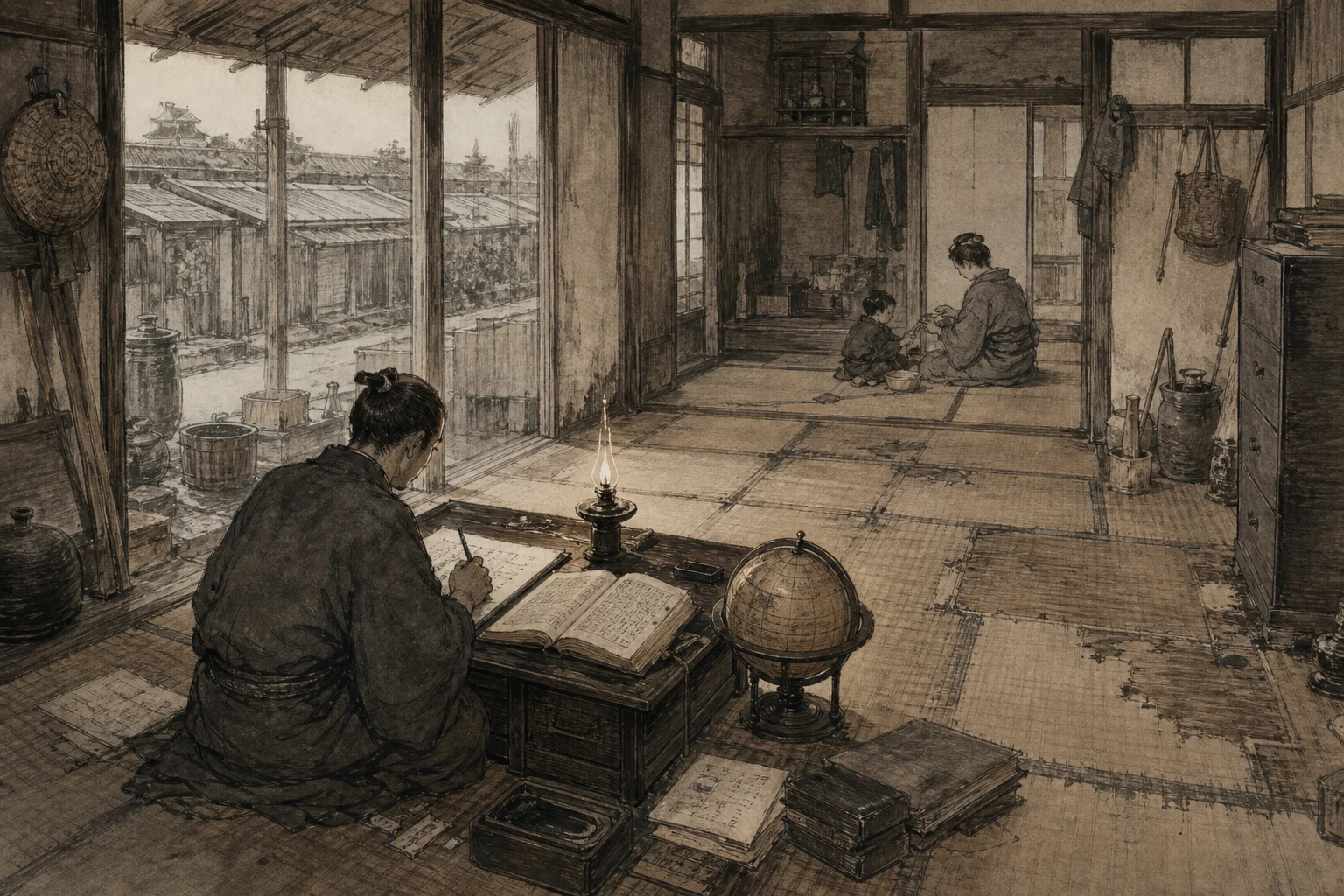
Copying dictionaries and running a school created direct access to foreign information.
Know the Person
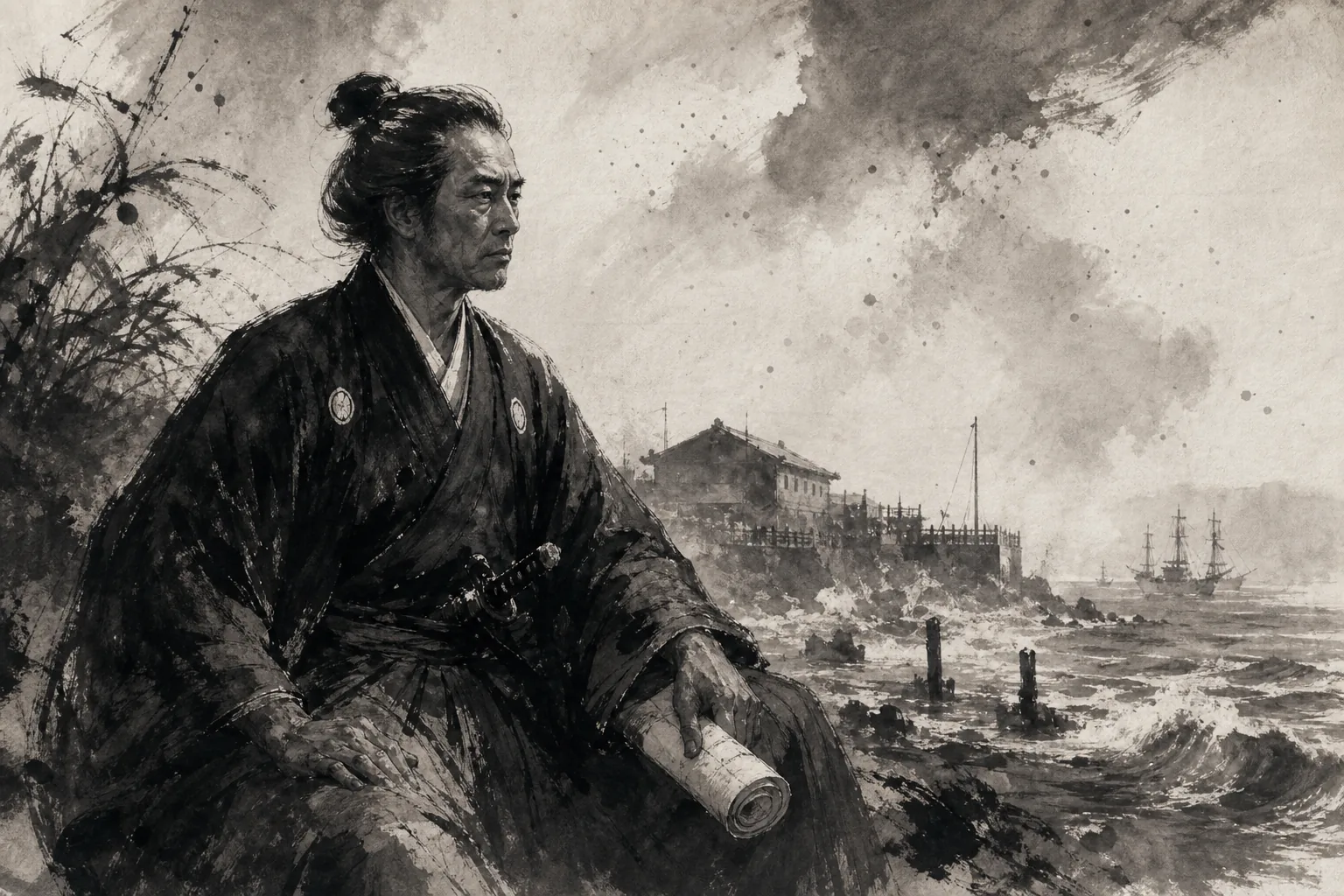
Trace Katsu Kaishu beyond the surrender of Edo through a poor Honjo household, copied Dutch dictionaries, naval education, Kanrin Maru, the Kobe training center, ceasefire negotiations, and postwar relief for former retainers.
Life
江戸・本所
Copying dictionaries and running a school created direct access to foreign information.
長崎・江戸
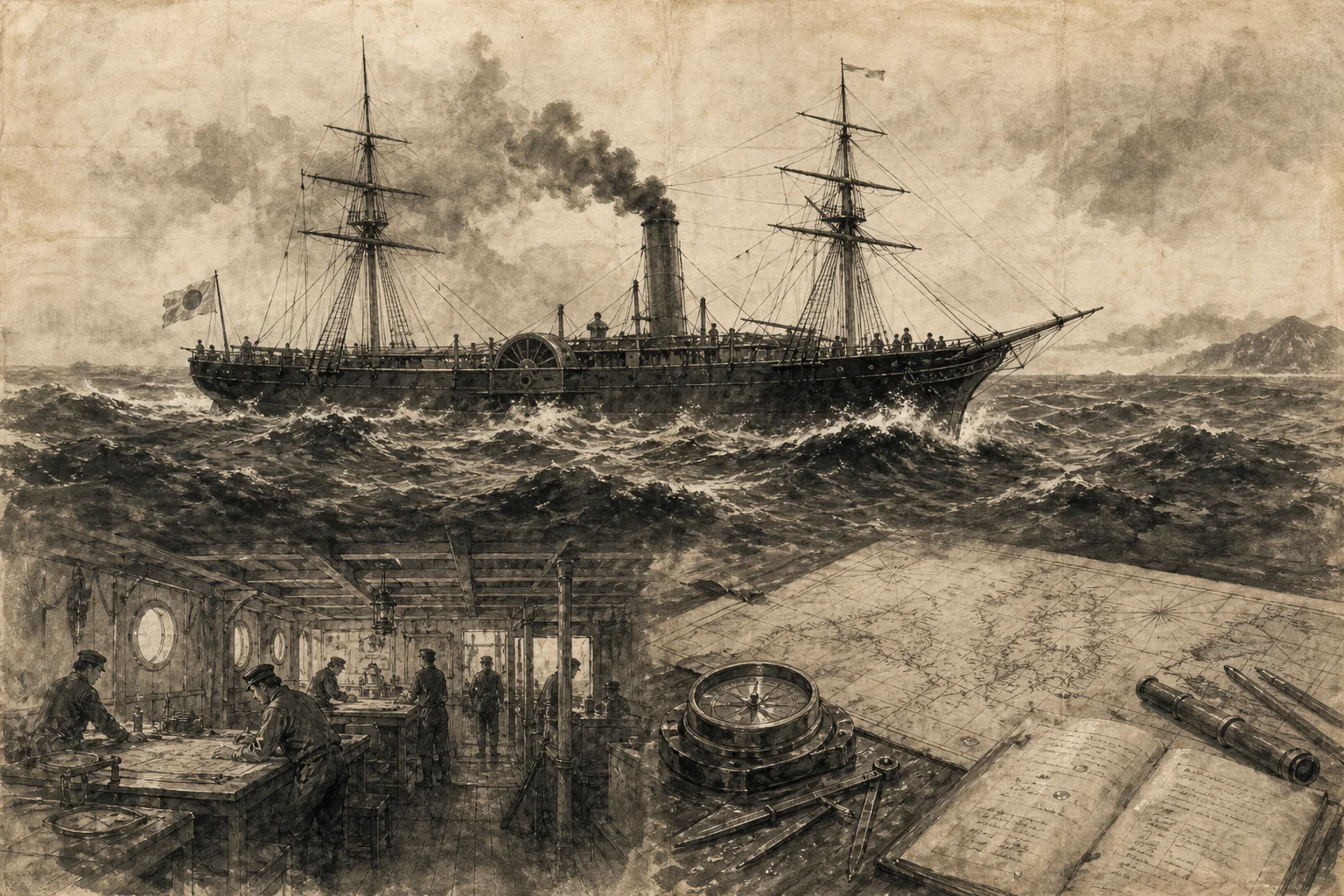
Ships, surveying, engines, and gunnery became an organized technical system.
太平洋・サンフランシスコ
American assistance revealed both the achievement and limits of Japan's new naval skill.
神戸
A navy imagined beyond the shogunate drew suspicion and the training center was closed.
宮島
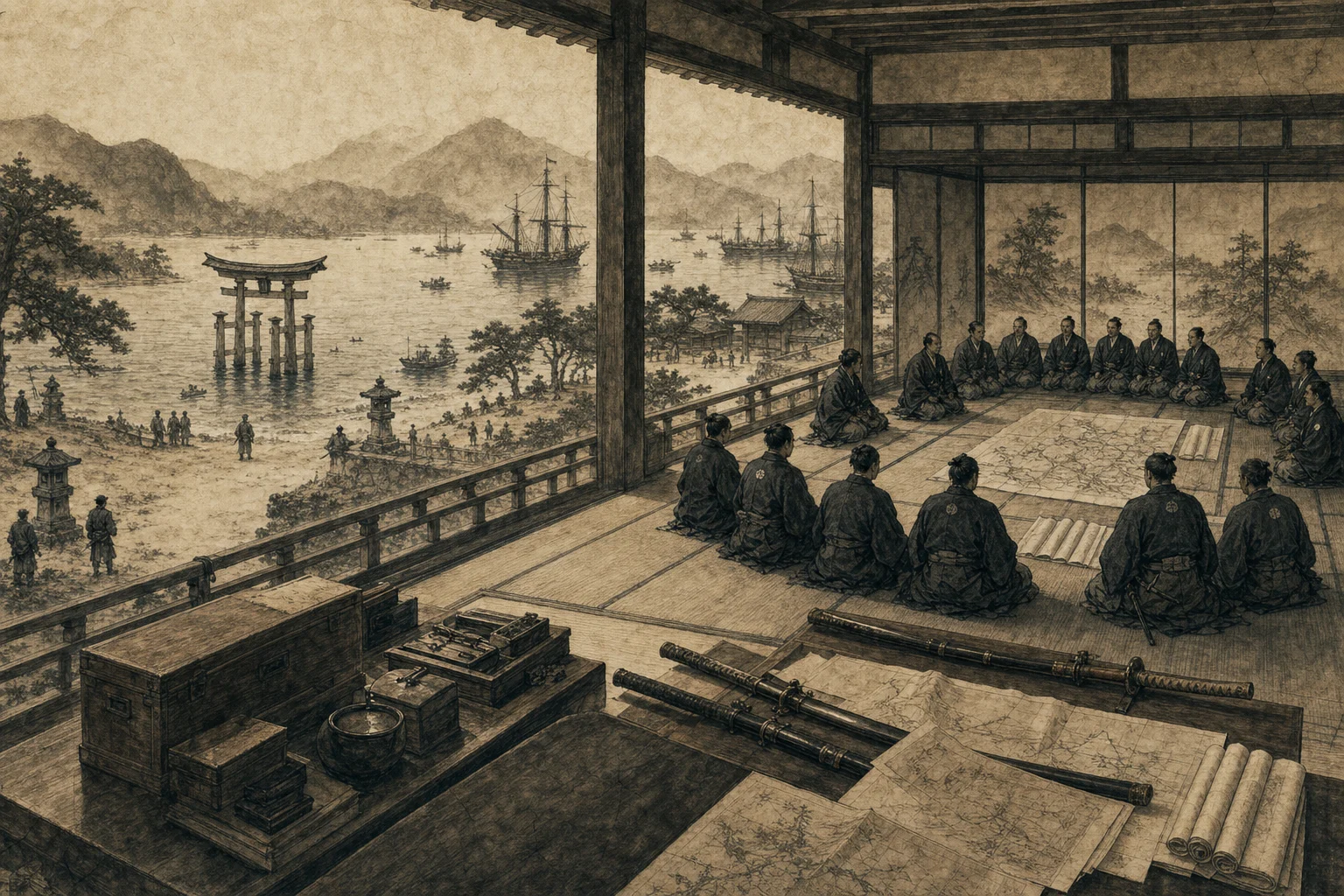
Katsu chose limiting losses over preserving the prestige of a failing expedition.
江戸・赤坂
Multiple talks and city preparations shaped the terms of surrender.
静岡・東京・洗足池
He worked on Tokugawa and retainer relief and left extensive documents and recollections.
東京都
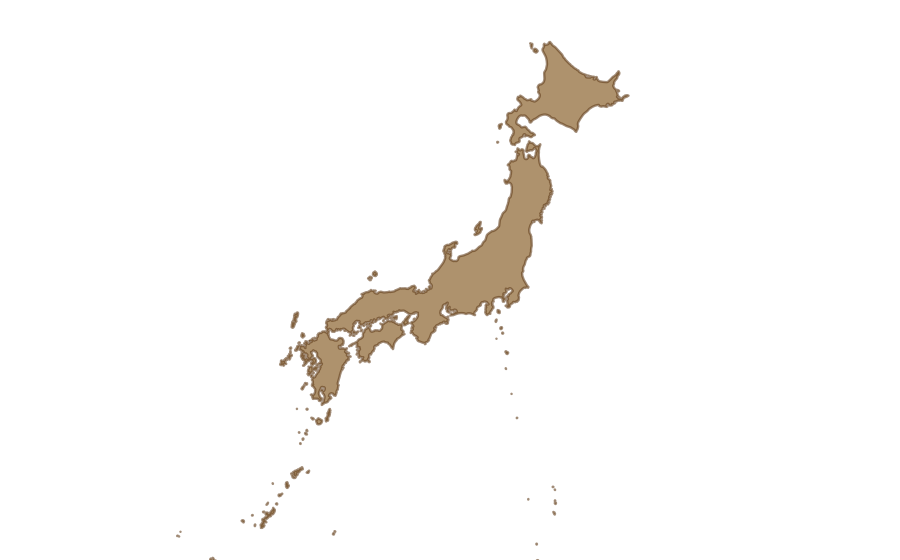
本所の幕臣屋敷から赤坂の交渉、洗足池の別邸まで、勝の生涯の基点が重なる都市。
勝海舟
Address東京都墨田区・港区・大田区
Nearby
長崎県長崎市
オランダ人教官から航海、測量、機関、砲術を学んだ幕府海軍教育の場。
勝麟太郎
Address長崎県長崎市出島町周辺
Nearby
兵庫県神戸市
坂本龍馬らを含む諸藩の若者へ航海術を教え、日本全体の海軍を構想した場所。
勝海舟
Address兵庫県神戸市中央区新港町周辺
Nearby
Keys
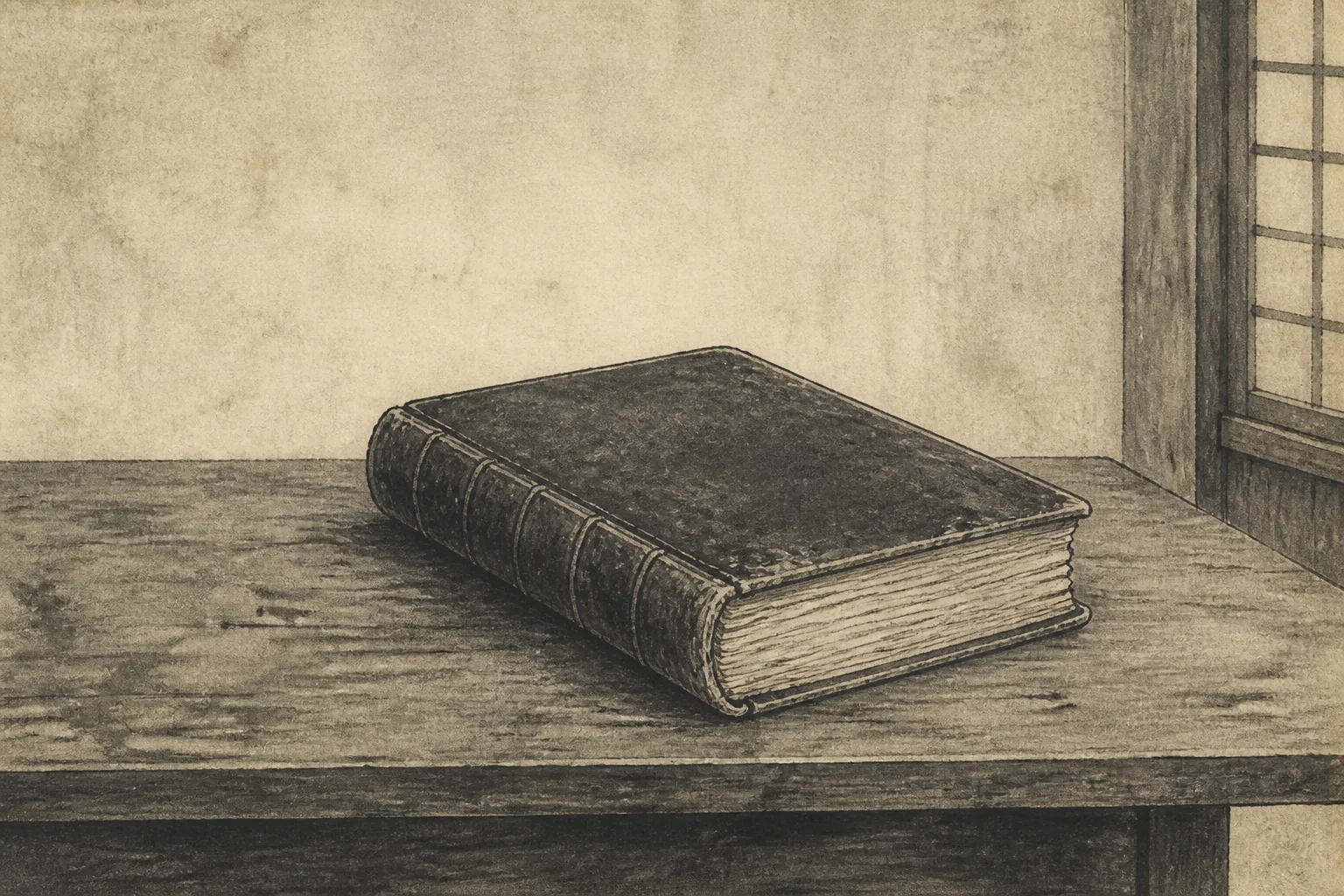
Language study was manual labor that opened access to foreign information unavailable through status or wealth. To investigate “A Poor Retainer Household and Hand-Copied Knowledge” further, do not stop with a commemorative plaque. Compare the date, maker or former owner, provenance, restoration status, and present location of each element named in “Honjo House and Dutch Dictionary.” Old maps, municipal histories, museum catalogues, document editions, material-culture studies, and field guides help distinguish contemporary evidence from reconstruction and later memory. They also provide a practical route to relevant books, facsimiles, maps, equipment histories, and a responsible site visit.
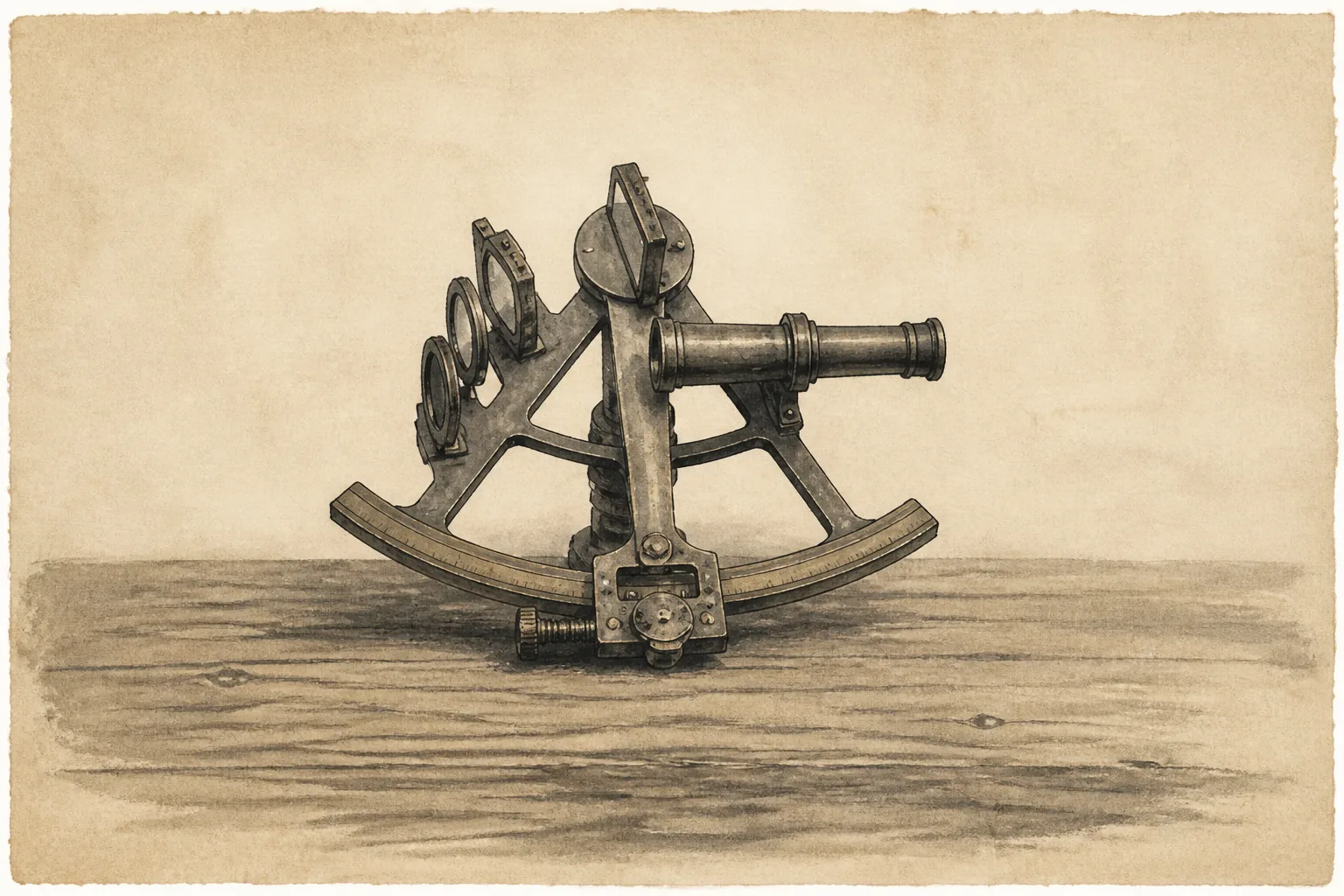
Navigation, surveying, engines, gunnery, and discipline taught how specialized people operate one ship. To investigate “Learning the Organization of a Navy” further, do not stop with a commemorative plaque. Compare the date, maker or former owner, provenance, restoration status, and present location of each element named in “Navigation Tools at Nagasaki.” Old maps, municipal histories, museum catalogues, document editions, material-culture studies, and field guides help distinguish contemporary evidence from reconstruction and later memory. They also provide a practical route to relevant books, facsimiles, maps, equipment histories, and a responsible site visit.
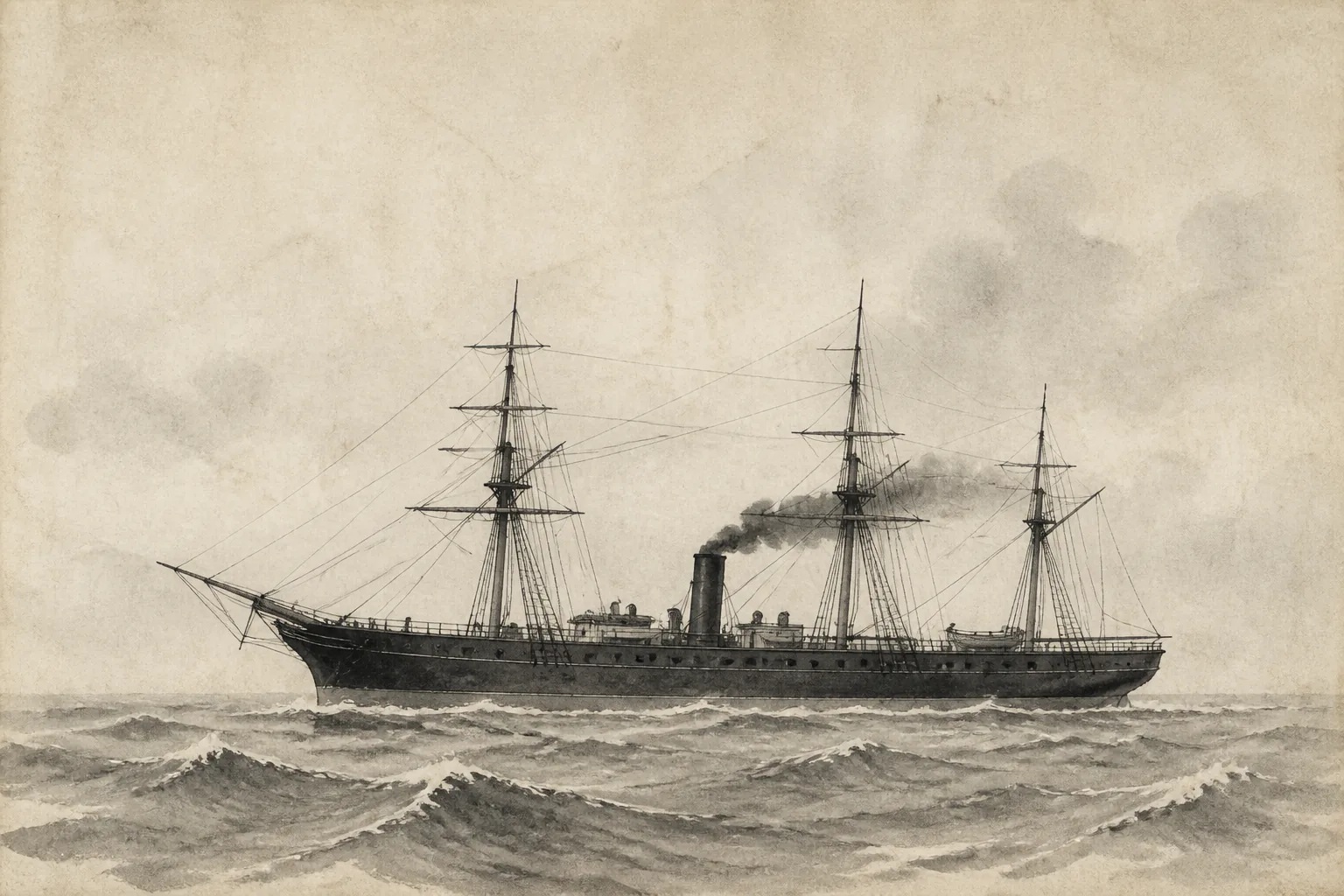
The voyage succeeded with American naval assistance, revealing achievement and Japanese inexperience together. To investigate “The Reality of a Pacific Crossing” further, do not stop with a commemorative plaque. Compare the date, maker or former owner, provenance, restoration status, and present location of each element named in “Kanrin Maru and Logbook.” Old maps, municipal histories, museum catalogues, document editions, material-culture studies, and field guides help distinguish contemporary evidence from reconstruction and later memory. They also provide a practical route to relevant books, facsimiles, maps, equipment histories, and a responsible site visit.
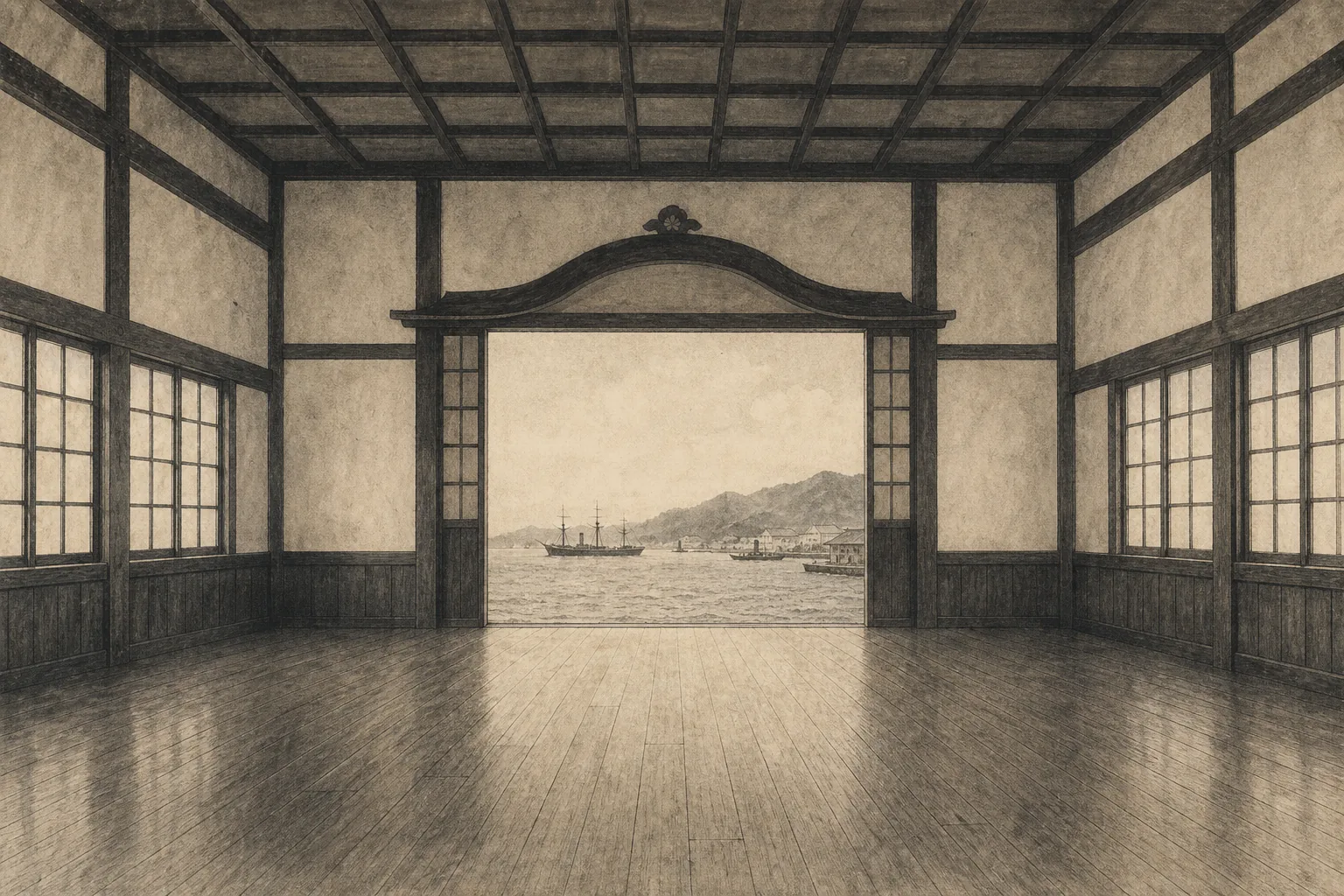
At the Kobe Naval Training Center, students including Ryoma crossed domain and status lines, testing the idea of a navy for Japan rather than one regime. To investigate “Recruiting beyond Domain Lines” further, do not stop with a commemorative plaque. Compare the date, maker or former owner, provenance, restoration status, and present location of each element named in “Kobe Naval Training Center.” Old maps, municipal histories, museum catalogues, document editions, material-culture studies, and field guides help distinguish contemporary evidence from reconstruction and later memory. They also provide a practical route to relevant books, facsimiles, maps, equipment histories, and a responsible site visit.
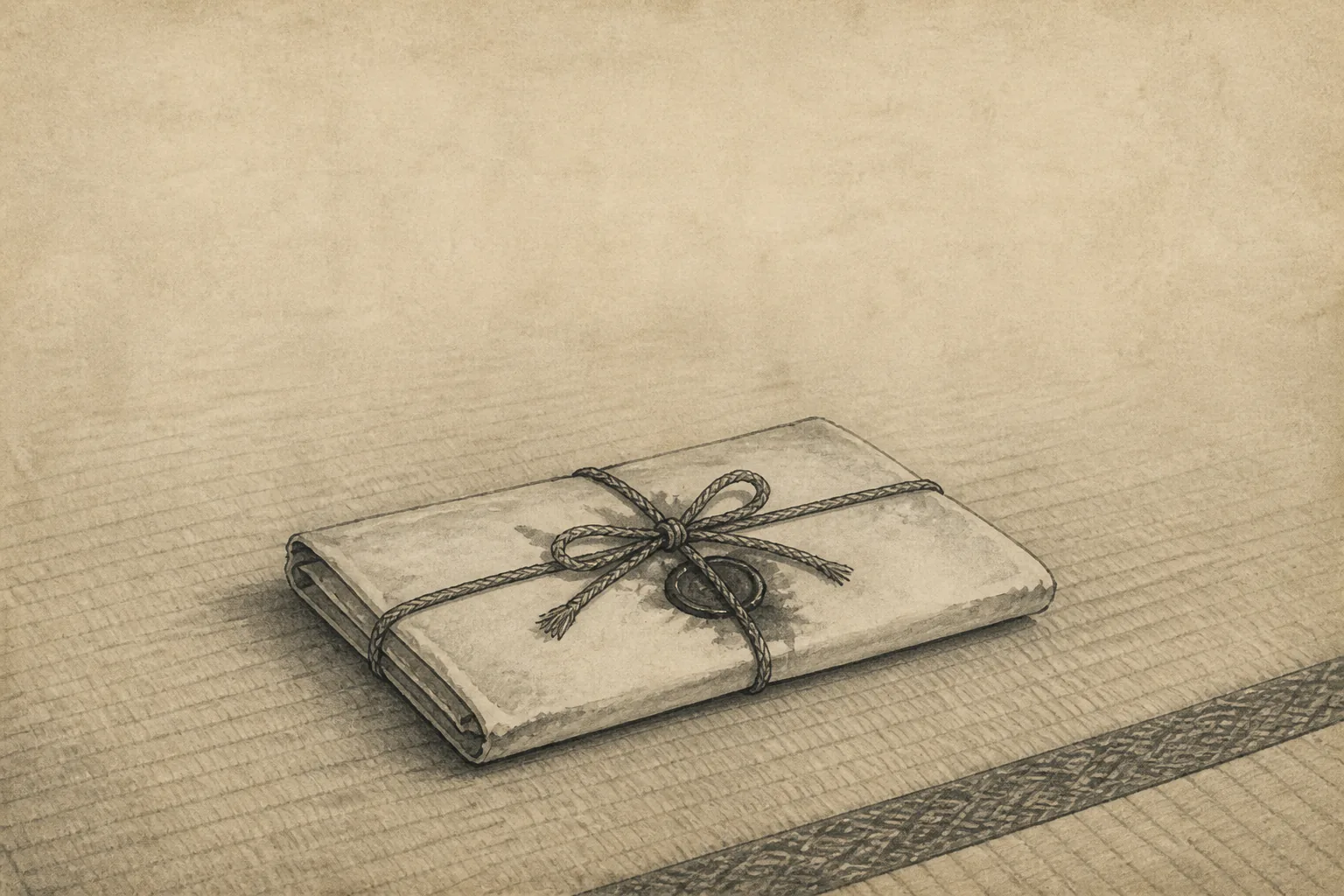
Katsu chose limiting damage over preserving shogunal prestige during the failed Choshu campaign. In 1866 military defeat, the shogun’s death, withdrawal policy, and talks at Miyajima converged in the truce. To investigate “Stopping War from the Losing Side” further, do not stop with a commemorative plaque. Compare the date, maker or former owner, provenance, restoration status, and present location of each element named in “Miyajima Ceasefire Papers.” Old maps, municipal histories, museum catalogues, document editions, material-culture studies, and field guides help distinguish contemporary evidence from reconstruction and later memory. They also provide a practical route to relevant books, facsimiles, maps, equipment histories, and a responsible site visit.
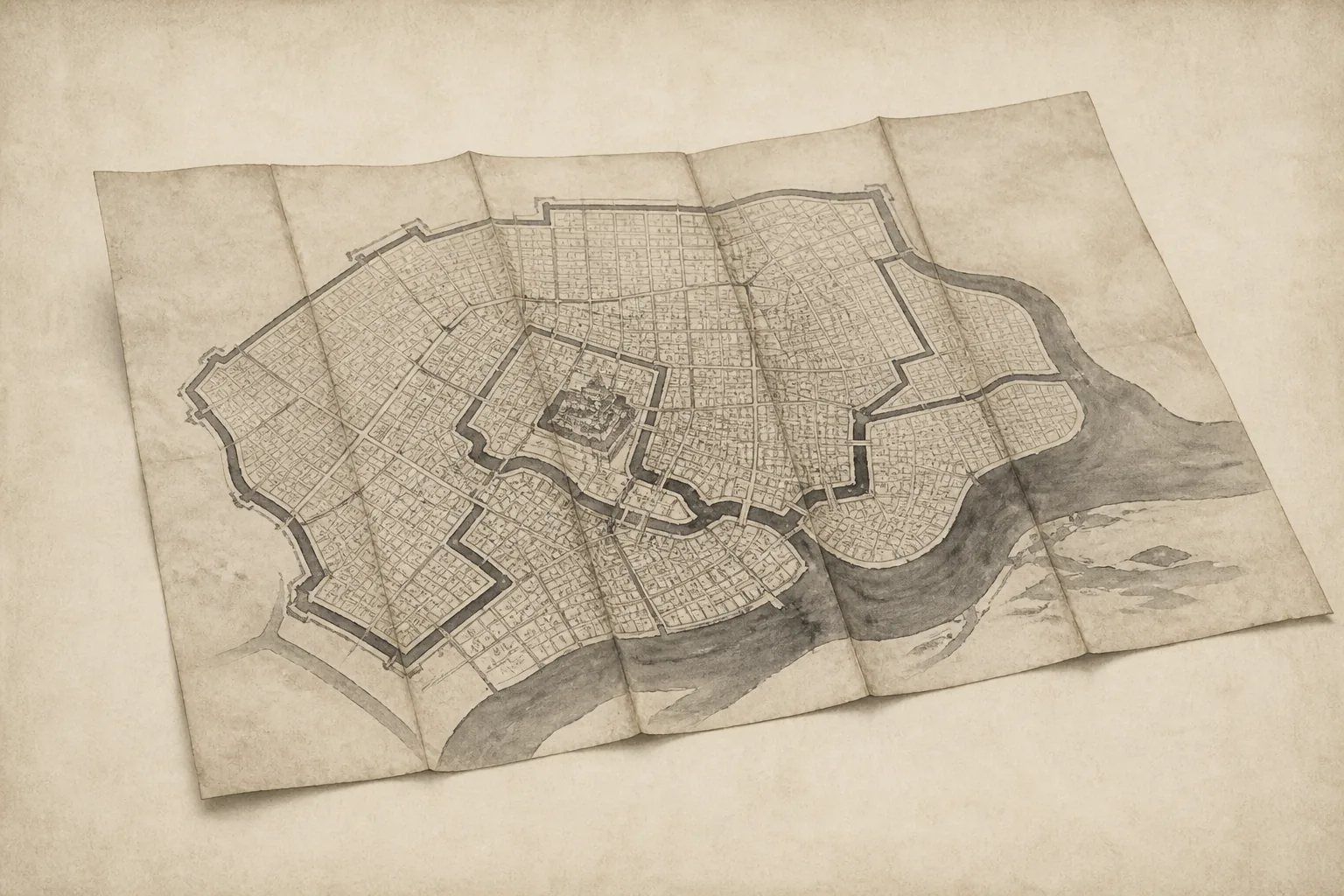
The transition required advance talks, security, Tokugawa treatment, evacuation planning, and later support for displaced retainers. To investigate “Surrender and Former Retainers' Lives” further, do not stop with a commemorative plaque. Compare the date, maker or former owner, provenance, restoration status, and present location of each element named in “Edo Map and Relief Registers.” Old maps, municipal histories, museum catalogues, document editions, material-culture studies, and field guides help distinguish contemporary evidence from reconstruction and later memory. They also provide a practical route to relevant books, facsimiles, maps, equipment histories, and a responsible site visit.
VISIT
Yokohama Urban Development Memorial Hall · KanagawaOfficial information
A special exhibition using defense plans, urban plans, bird's-eye views, and foreign surveys to examine the making of the treaty-port city of Yokohama.
Search events related to Kaishu Katsu →Browse all Bakumatsu events →