Shuri Jinbo · Aizu
Original
帰りこん
Shuri Jinbo's death poem, "帰りこんときぞ母の待ちしころ". Read the original Japanese, modern translation, interpretation, and historical context as distinct parts of the poem.
Person
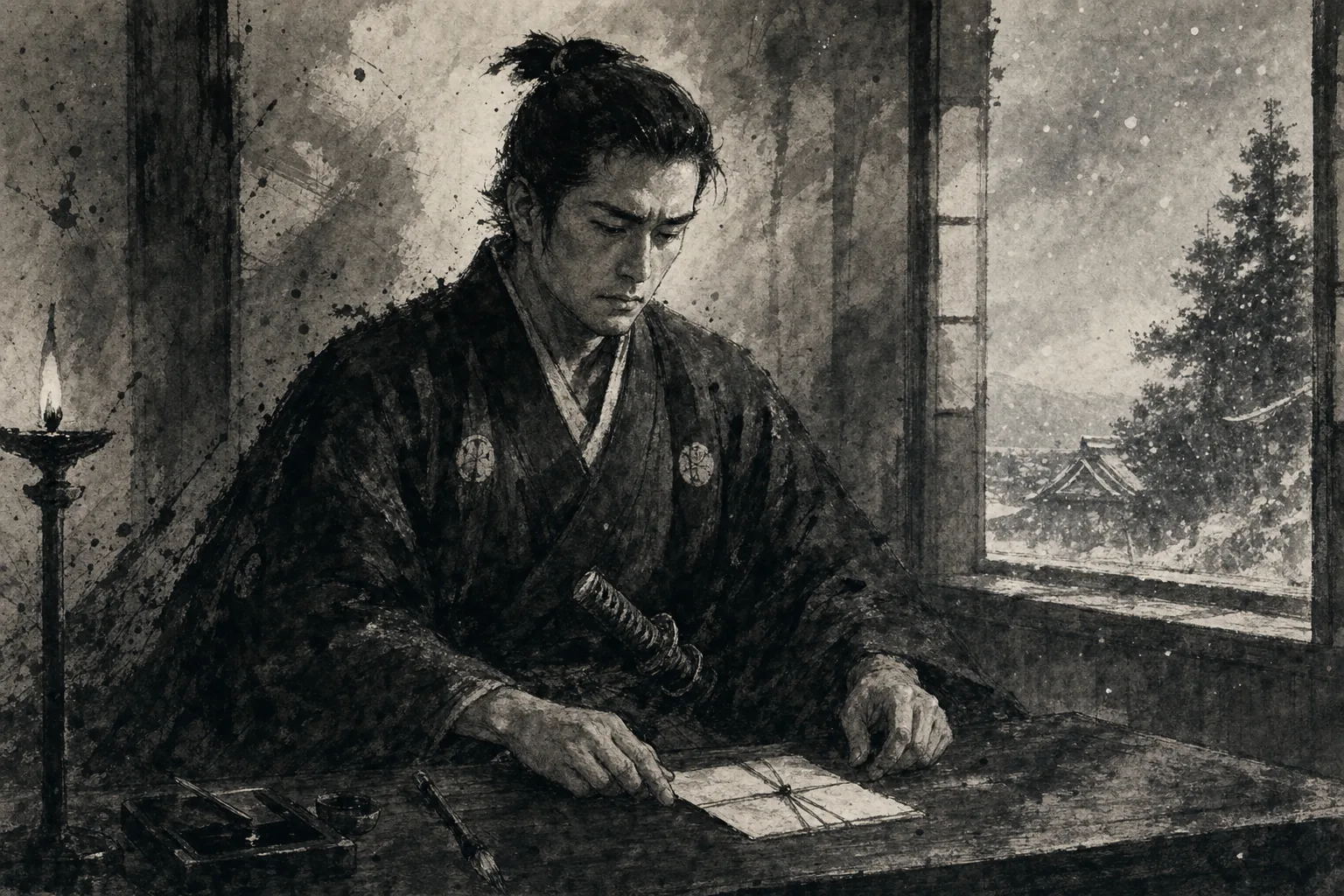
An Aizu retainer who was forced to take responsibility after Toba-Fushimi and died by seppuku.
Learn about Jinbo Shuri
Translation
At the time when my mother waits for me to return, she will hear only a fleeting report instead.
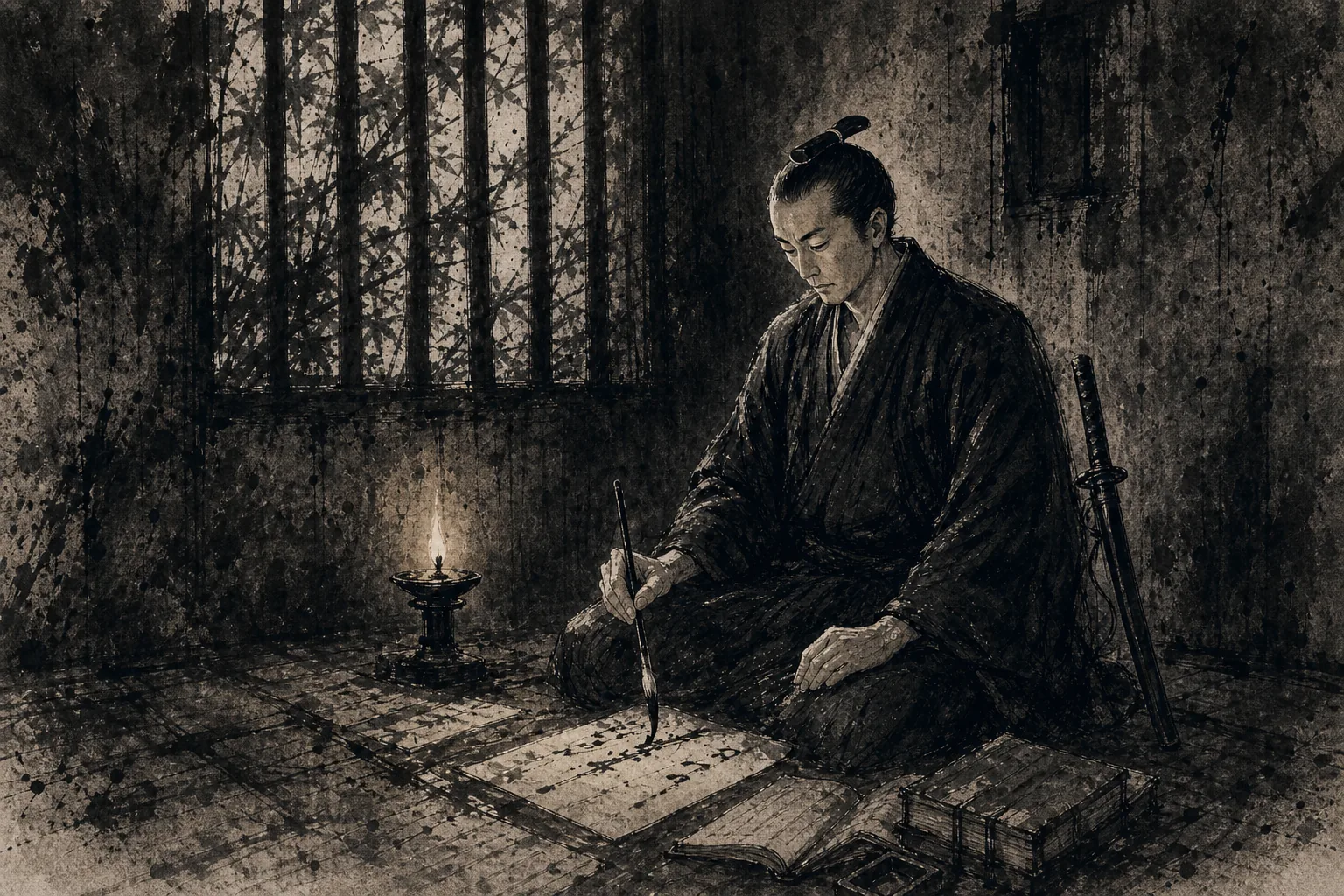
Poetic Shape A Japanese death poem is less a final explanation than a last shape given to feeling. Its brevity matters: a life is not narrated, but compressed into a few lines that leave room for silence.
Reading
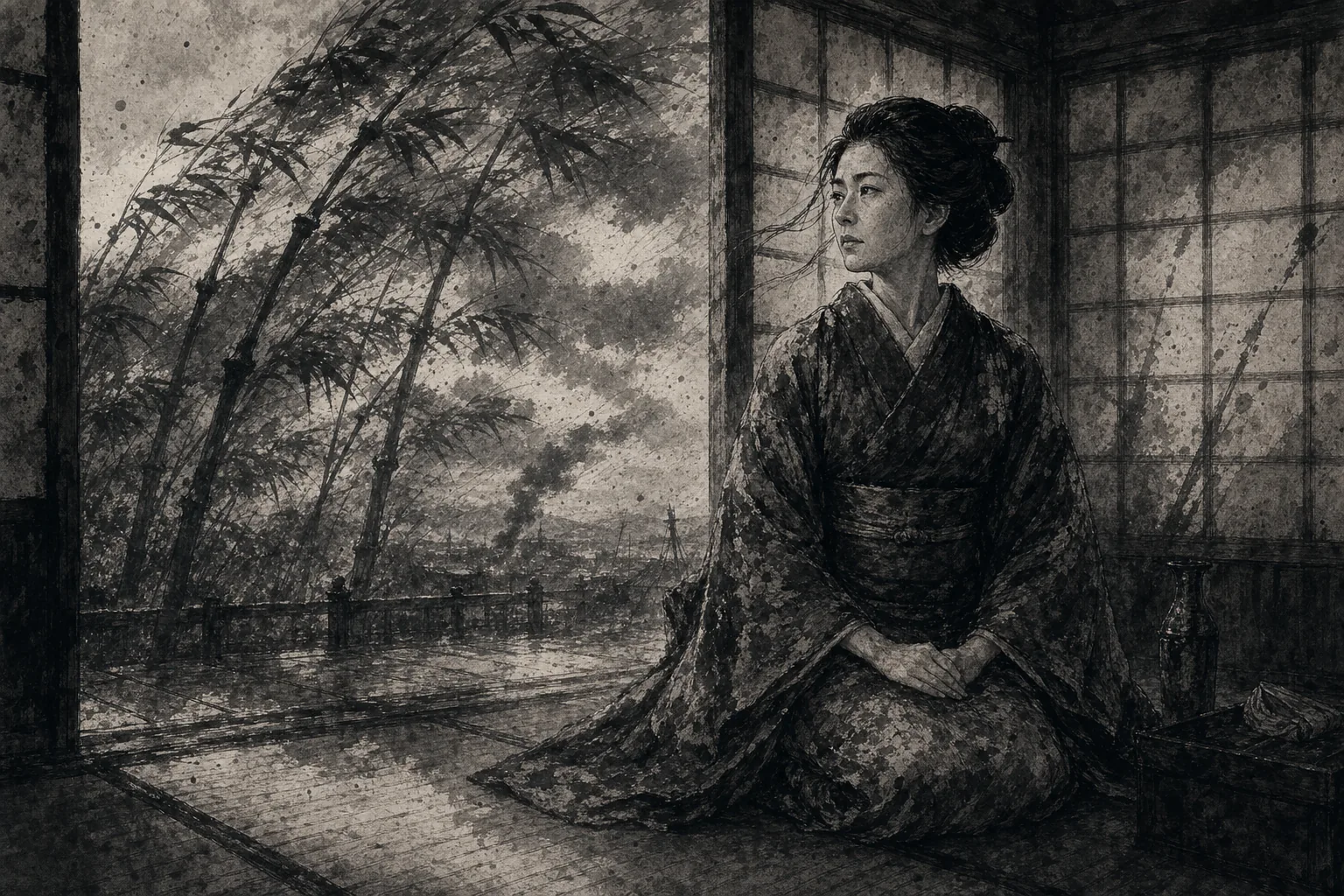
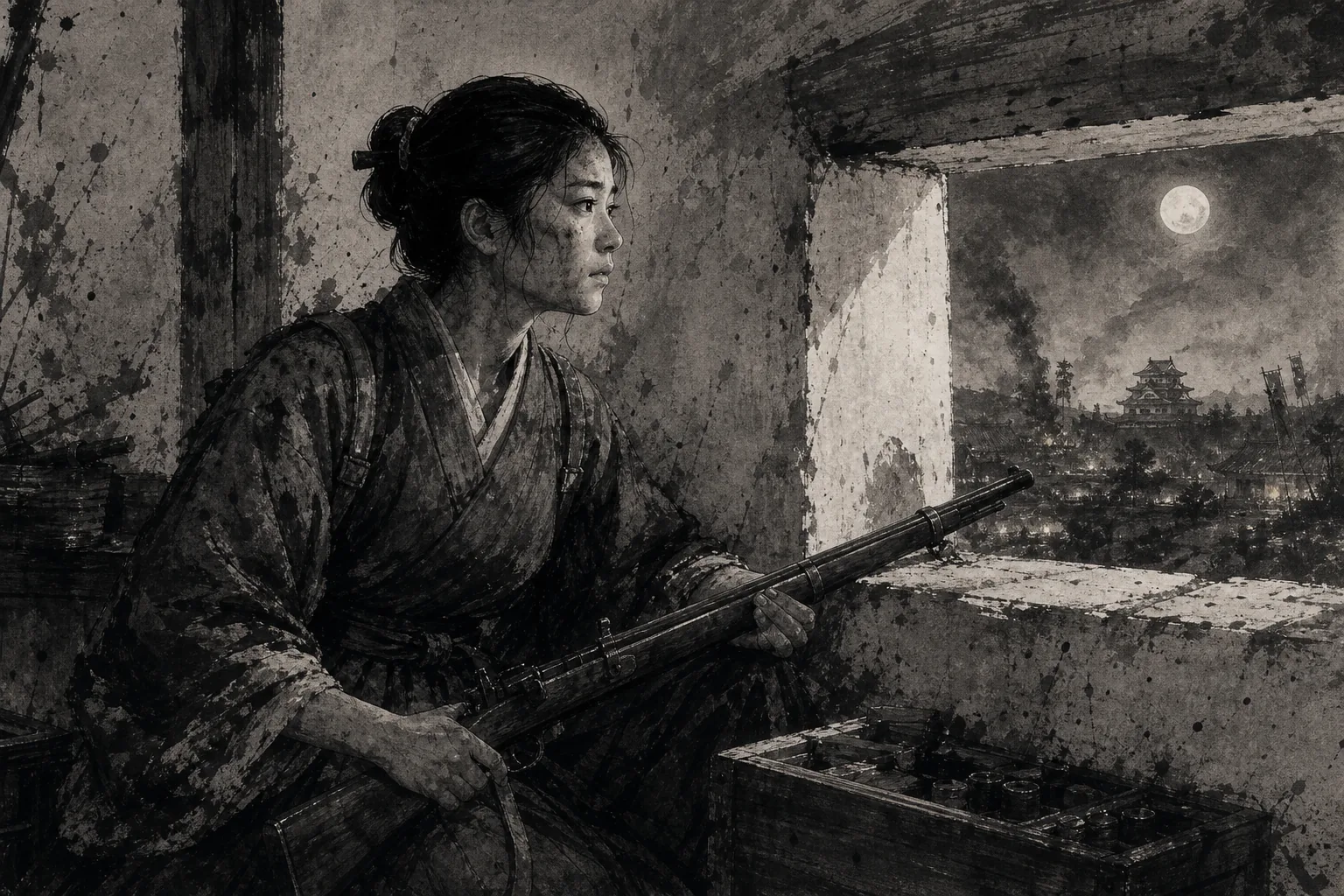
Though this is the final poem of a man made to bear political responsibility, its last movement turns toward his mother.The mother's time, waiting for his return, cruelly misses the reality that only news of death will arrive.Aizu's defeat and internal conflict shrink into a small family wound.
Background
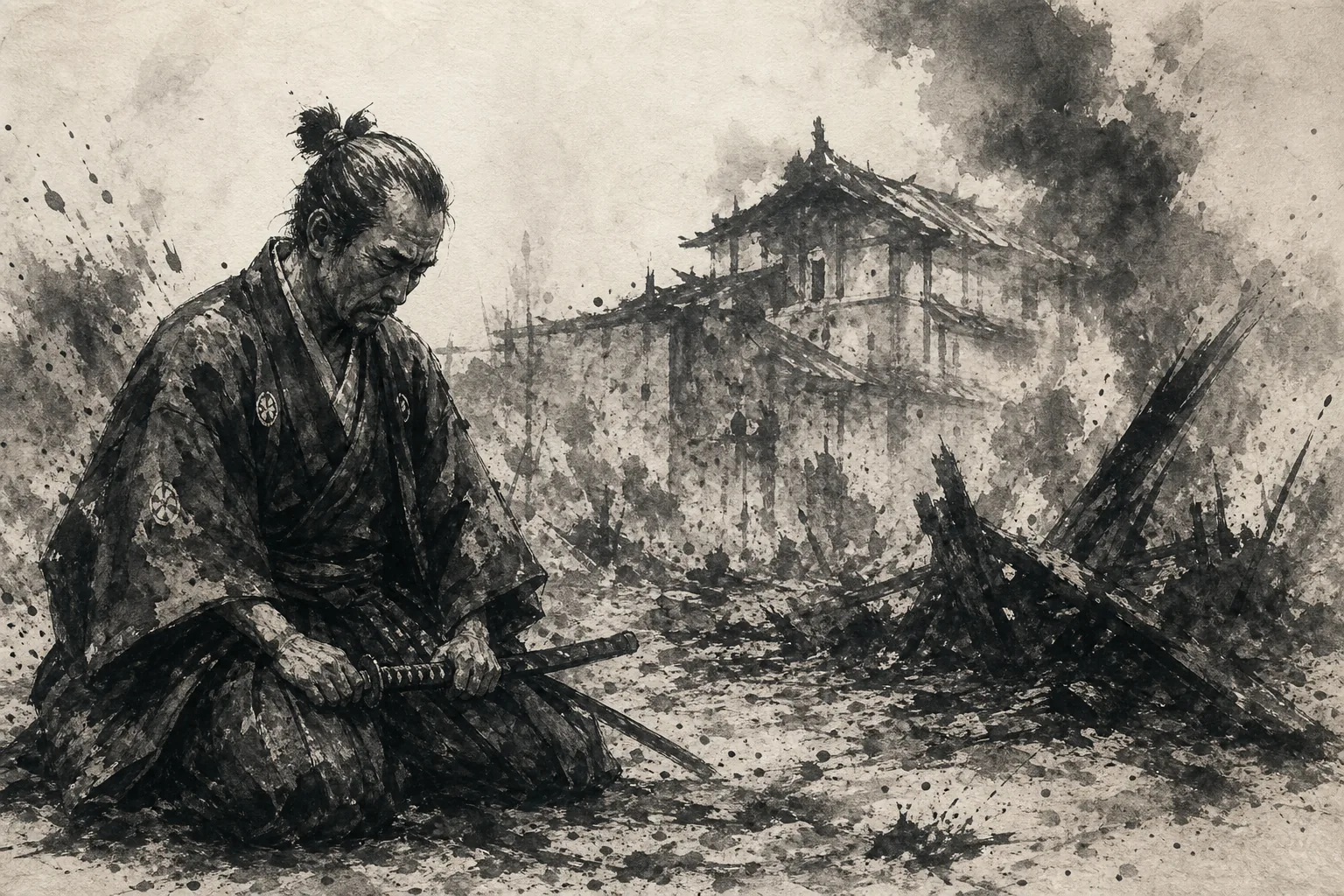
After Toba-Fushimi, Shuri Jinbo is remembered as a man forced to bear responsibility for defeat and driven to seppuku.Even if attempts were made to save him, the hardening mood inside Aizu closed around him.The poem holds both the posture of a retainer obeying death and the human voice that cannot help thinking of his mother.
Source / Transmission Wording, headnotes, and transmission may differ by source; this page treats the text as one circulated form.
Further Reading
Find related books and places to stay For readers who want more historical context, these links search for related books on external stores.
Affiliate link