Person Guide

Toshizo Hijikata

Shinsengumi · 1835-1869

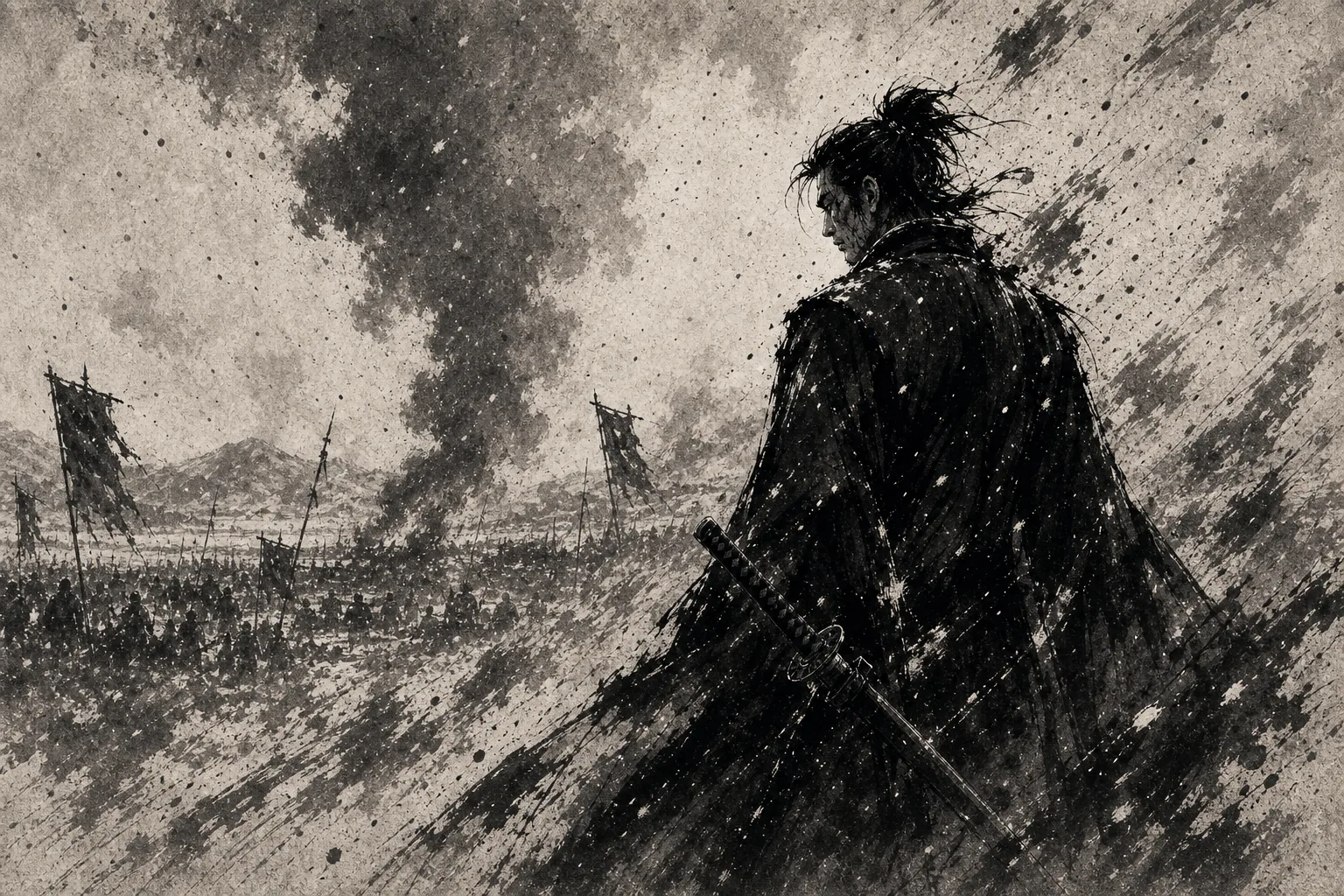
Toshizo Hijikata is approached through more than the familiar title of the Shinsengumi’s stern vice-commander. The route begins with Ishida Sanyaku medicine and sales journeys through rural Tama, then moves to the Shieikan dojo, where practice and daily obligations joined the circle around Isami Kondo. In Kyoto, the Kyokuchu Hatto regulations, the Makoto banner, Mibu lodging, and the confined stairs of the Ikedaya show how that network became an organization. Western dress, rifles, and drill after Toba-Fushimi record his willingness to revise methods amid defeat. Goryokaku and the star fort’s records then place his final campaign within the collapse of the former shogunate. Medicine, dojo floors, rule books, flags, uniforms, and fortifications provide a material route back to his poems.

Life

The Path of Toshizo Hijikata

Edo PeriodMeiji Period
Tenpo 61835BornAnsei 61859Bunkyu 31863Genji 11864Keio 4 / Meiji 11868Meiji 21869Died
1

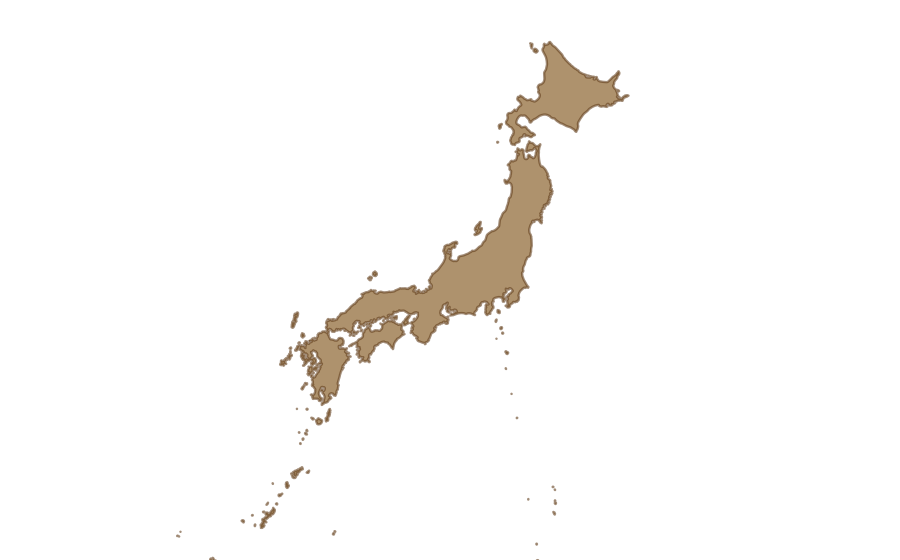
Bushu Tama

Born in Bushu Tama


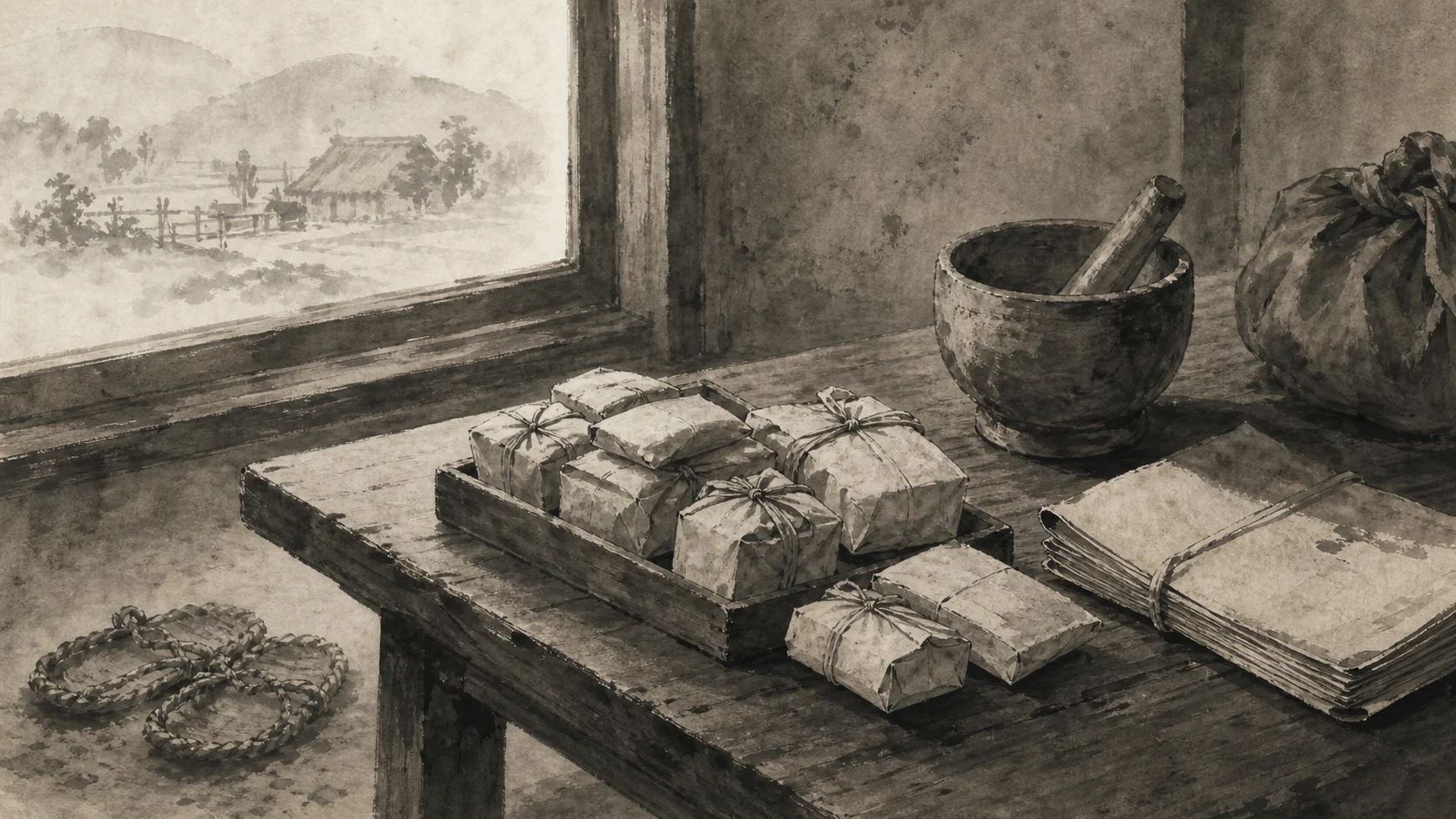
Hijikata was born in a farming village in Tama. As a young man he sold Ishida Sanyaku through the surrounding villages, learning houses, faces, debts, and tempers. He did not rise by swordsmanship alone. Walking from door to door gave him a grounded sense for people. That everyday realism later helped him hold together men who were not easy to command.
1

Edo / Shieikan

Comrades at Shieikan


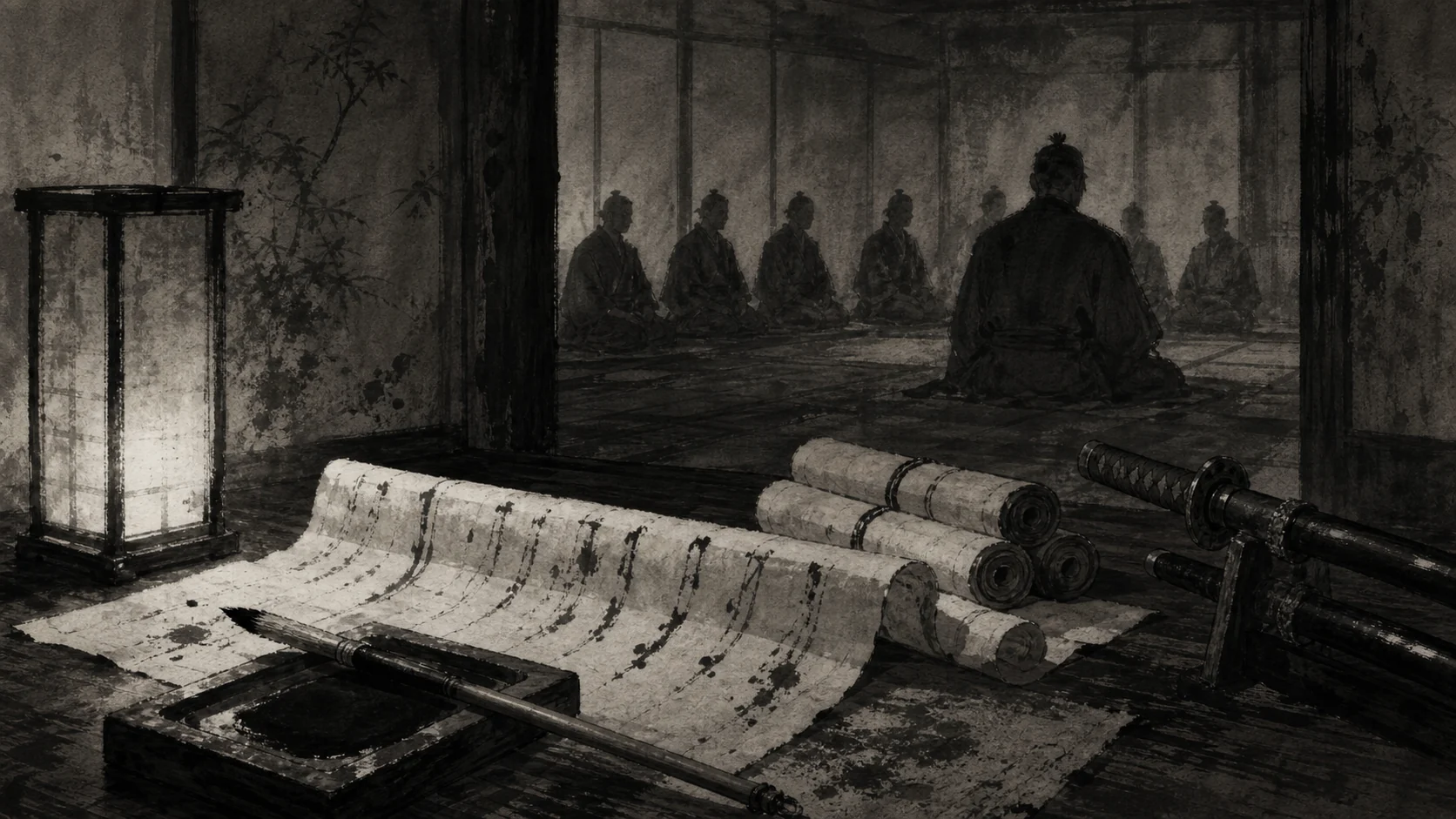
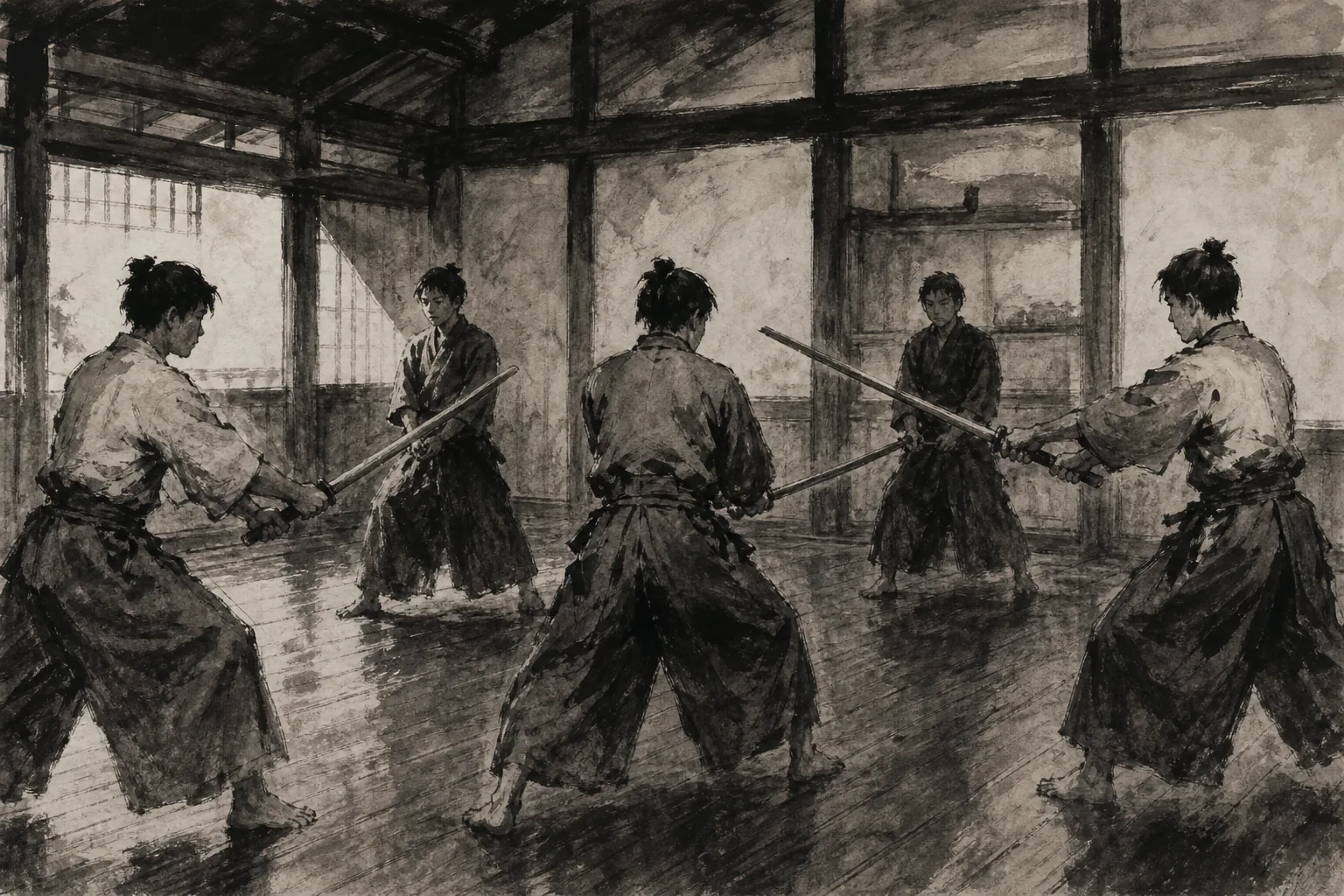
He entered the circle of Shieikan in Edo and trained with Kondo Isami, Okita Soji, and others. It was not a polished elite dojo, but a place where ambitious young men from the edges could gather. Trust, rank, roughness, and closeness were all formed there. For Hijikata, the dojo became the first shape of the corps he would later help rule.

Ishida Sanyaku ink painting
2

Kyoto / Mibu

To Kyoto and Mibu


He went to Kyoto with the Roshigumi and then moved into the Shinsengumi centered in Mibu. Kyoto was crowded with the aims of the shogunate, domains, and loyalist factions. Skill with a sword was not enough. Hijikata tightened the corps through the Kyokuchu Hatto, divided roles, and accepted the burden of harsh decisions.

2

Kyoto / Ikedaya

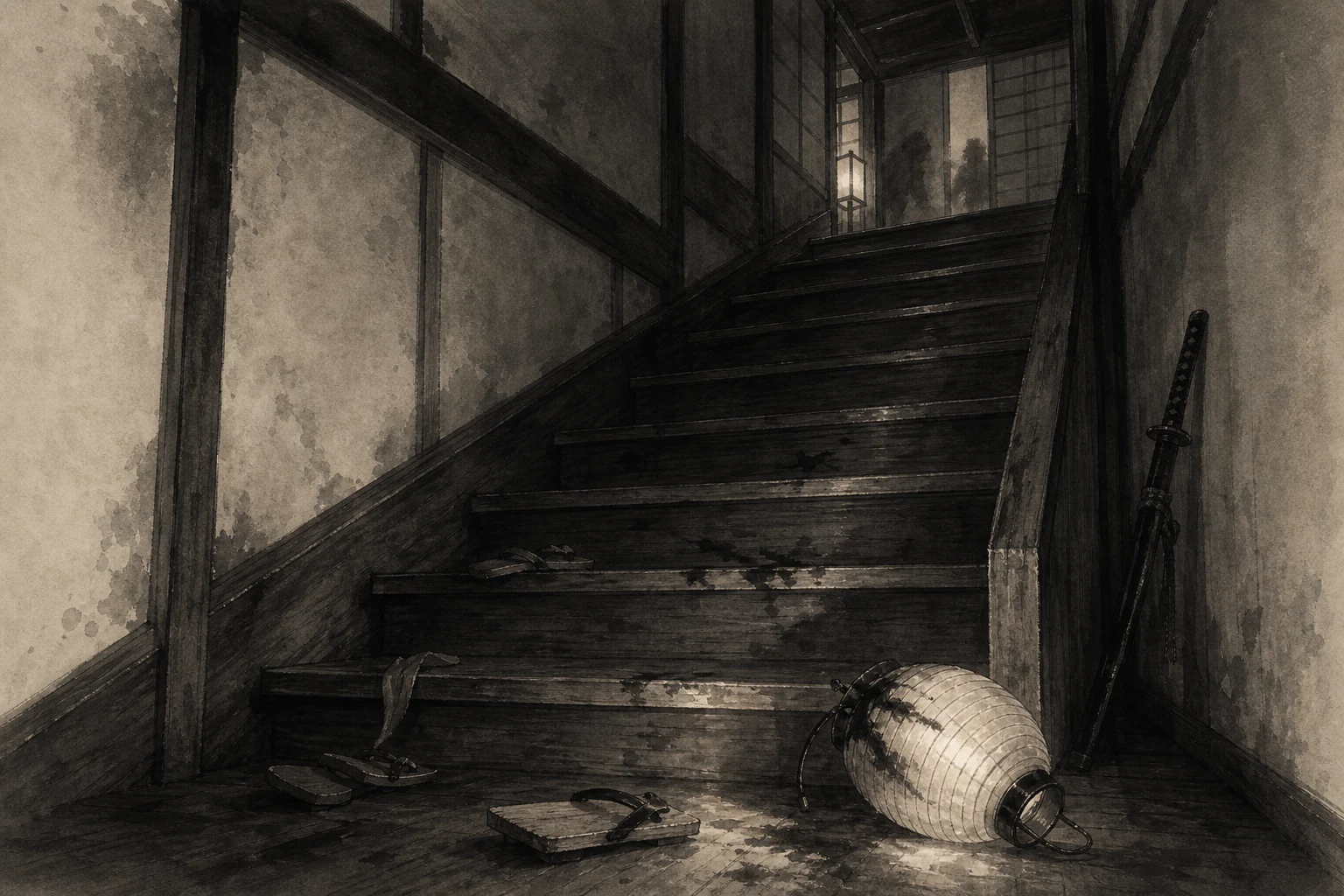
The Ikedaya Incident


As tension in Kyoto rose, the Ikedaya Incident spread the Shinsengumi name. Stairs, a second floor, lamplight, and a narrow townhouse turned political plotting into close combat. The corps gained fame as a force that protected order, and fear as a group that cut down loyalist activists. Hijikata's discipline became visible to the city that night.

Shieikan ink painting

North from Toba-Fushimi

The Road of Defeat


After the old shogunate army lost at Toba-Fushimi, Hijikata moved north through Aizu and Sendai. The great backing of the Edo shogunate had collapsed, and the path to victory narrowed. Still he did not step away. From here, the movement on the map becomes less a campaign of fame than a line of retreat chosen to the end.

3

Hakodate / Goryokaku

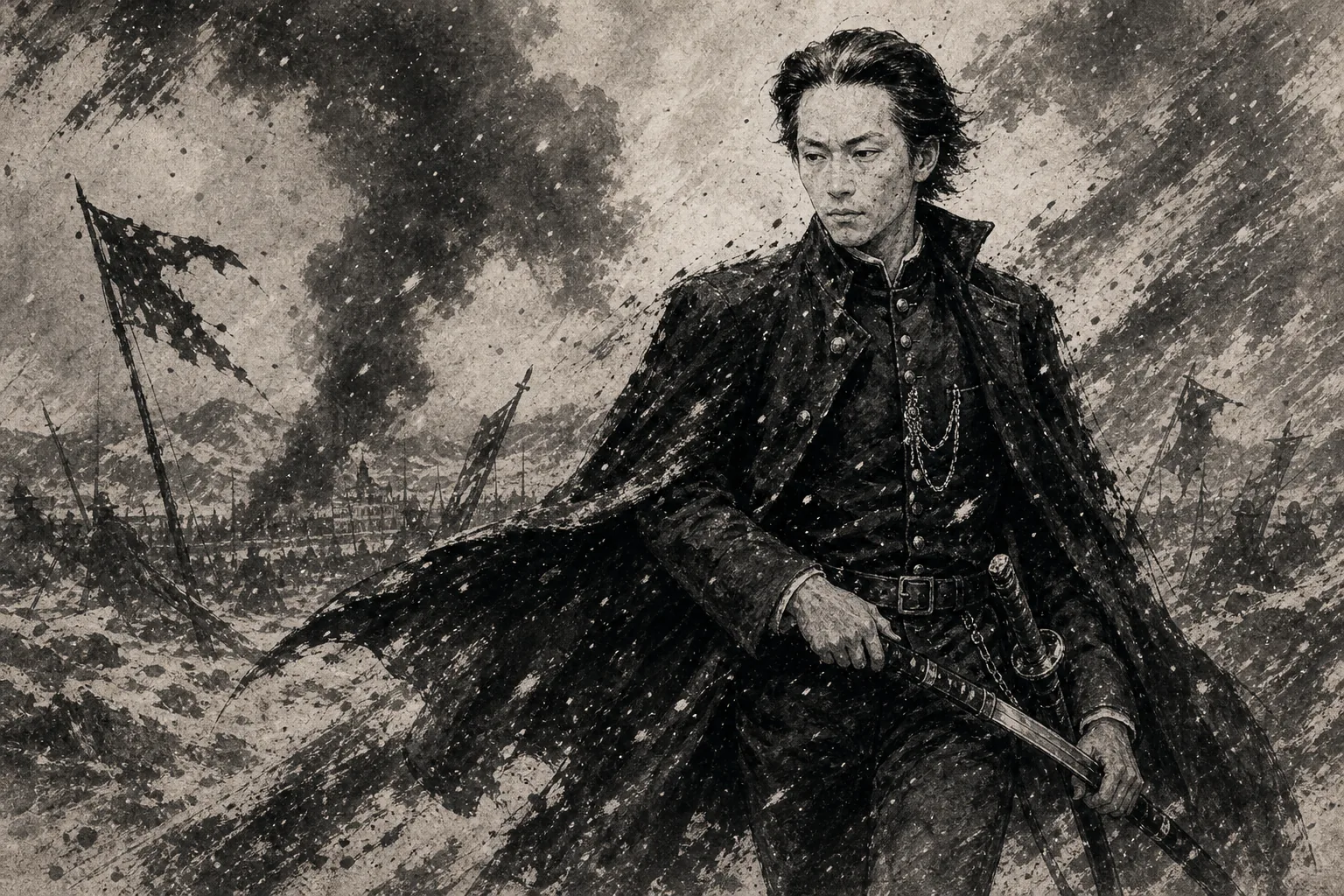
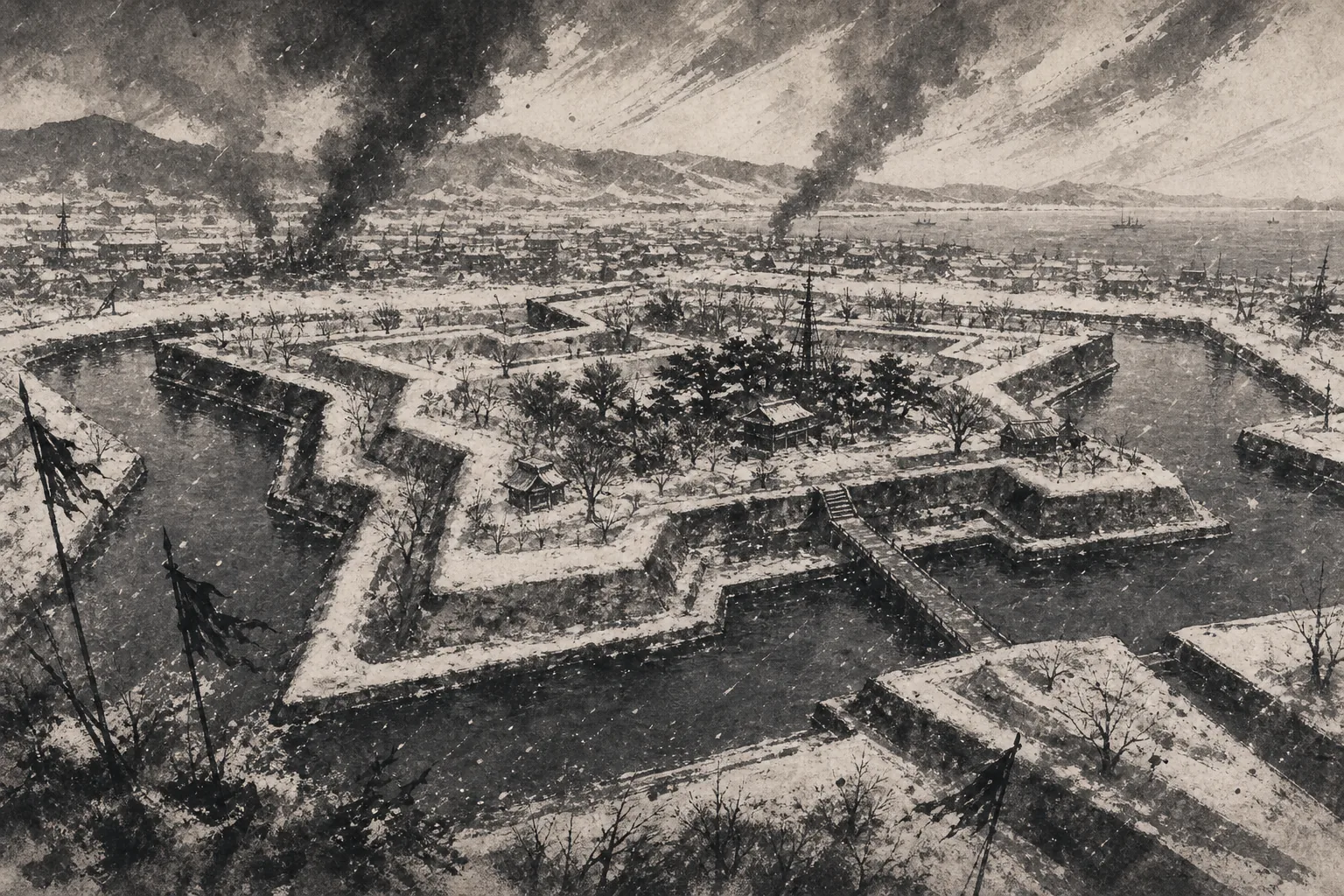
The Hakodate War


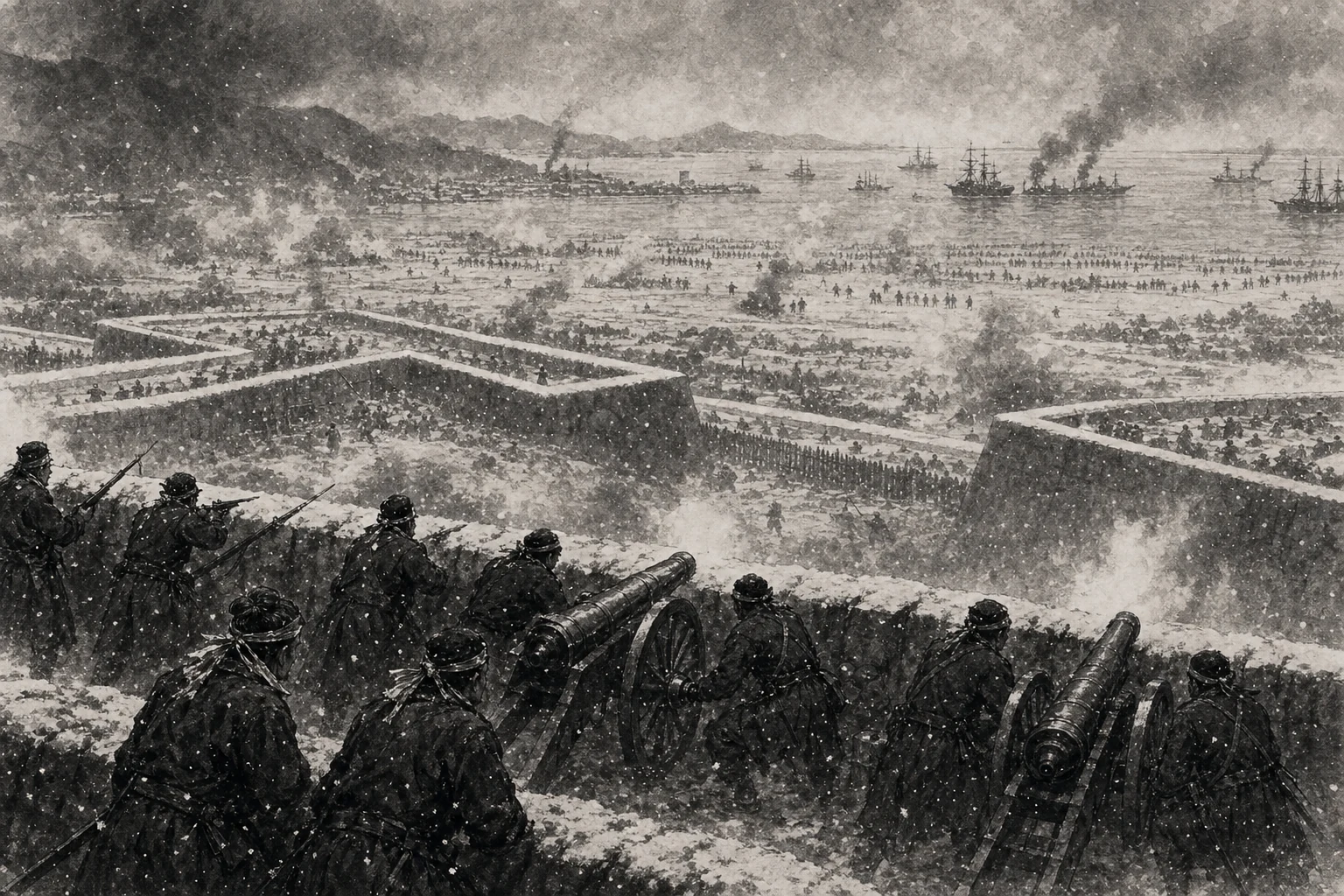
Hijikata fought from Goryokaku, the final stronghold of the old shogunate forces, and died in the north. It was not merely a place of escape. It was a last base built by those who still chose to resist. Western uniform and military dress show the twist of the period: a man of the sword standing inside a modern war. The coldness of his transmitted final poems begins here.

Kyokuchu Hatto ink painting
123
Map of Japan
1
2
3

Keys

What Shaped Toshizo Hijikata

Ishida Sanyaku ink painting
01

Ishida Sanyaku

A bruise medicine passed down through the Hijikata household. As a young man, Hijikata sold Ishida Sanyaku from village to village around Tama. Those visits brought him into kitchens, storehouses, fields, and family troubles. A sword alone could not open those doors; trade and conversation did. Beneath the rough energy often attached to him was a practical sense for reading people and the room.

Shieikan ink painting
02

Shieikan

A small dojo in Edo, far from the authority of a famous school. Kondo Isami, Okita Soji, and other strong-willed young men gathered there through practice, meals, arguments, and proximity. Trust was formed there, but so were rank, friction, and a rough kind of order. For Hijikata, Shieikan was not only a place to learn swordsmanship; it was where he learned how people gather around force and loyalty.

Kyokuchu Hatto ink painting
03

Kyokuchu Hatto

The strict code that bound the Shinsengumi from within. The Kyokuchu Hatto came from fear that the group would collapse before any outside enemy could destroy it. A band of ronin could not become a corps through feeling alone. Desertion, betrayal, and selfish conduct had to be cut off. The harshness became part of Hijikata's reputation, but it was also a practical way to keep the corps alive.

Makoto Banner ink painting
04

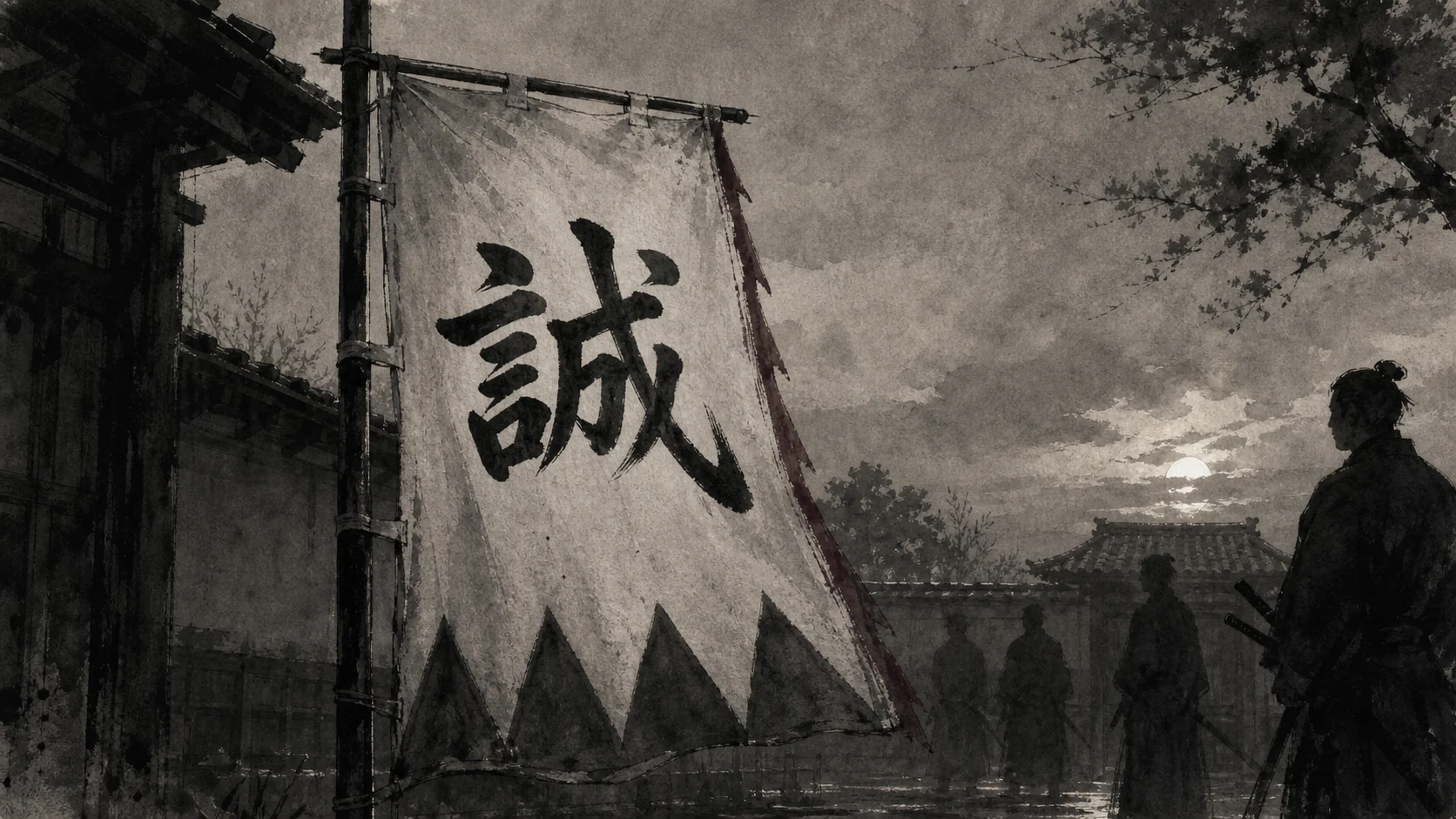
Makoto Banner

The red character for makoto, sincerity, moved through Kyoto like the nameplate of the Shinsengumi. To allies it marked the corps; to enemies it was a sign to avoid. Carrying a banner also left fewer places to hide. Men who had been a rough gathering of ronin began presenting themselves to the city as one body. Fear, trust, hatred, and dependence gathered around that single character.

The Stairs at Ikedaya ink painting
05

The Stairs at Ikedaya

Before Ikedaya became a major political incident, it was a night fight inside a narrow townhouse. The stairs divided above from below and made escape thin. They gave fear to both those who charged upward and those waiting above. Set aside the large words of cause and loyalty for a moment, and what remains is a dark corridor, breathing, and the distance a blade can reach.

Western Uniform ink painting
06

Western Uniform

Hijikata in Hakodate is often imagined not as a man in the Shinsengumi's old haori, but as an officer in Western-style dress. A swordsman known from the age of blades was pushed into a war of guns, ranks, and modern formations. He stood with the old shogunate, yet his clothing moved toward the new age. That mismatch is part of the late Bakumatsu atmosphere.

Goryokaku ink painting
07

Goryokaku

Goryokaku was the star-shaped fort where the old shogunate forces made their final stand in the Hakodate War. Men carrying loyalty to an old order held a modern fortress and faced the new government army. It was not simply a place for people left behind by history. It was a place where they knew they could not return to the past, and still chose to stand.

Poems by This Person