Fukui, Tosa
Grows among goshi accounts, fields, pond, tools, and household rank, then inherits
White-tag status, fifty-two koku, and rural household practice are checked separately.
Know the Person
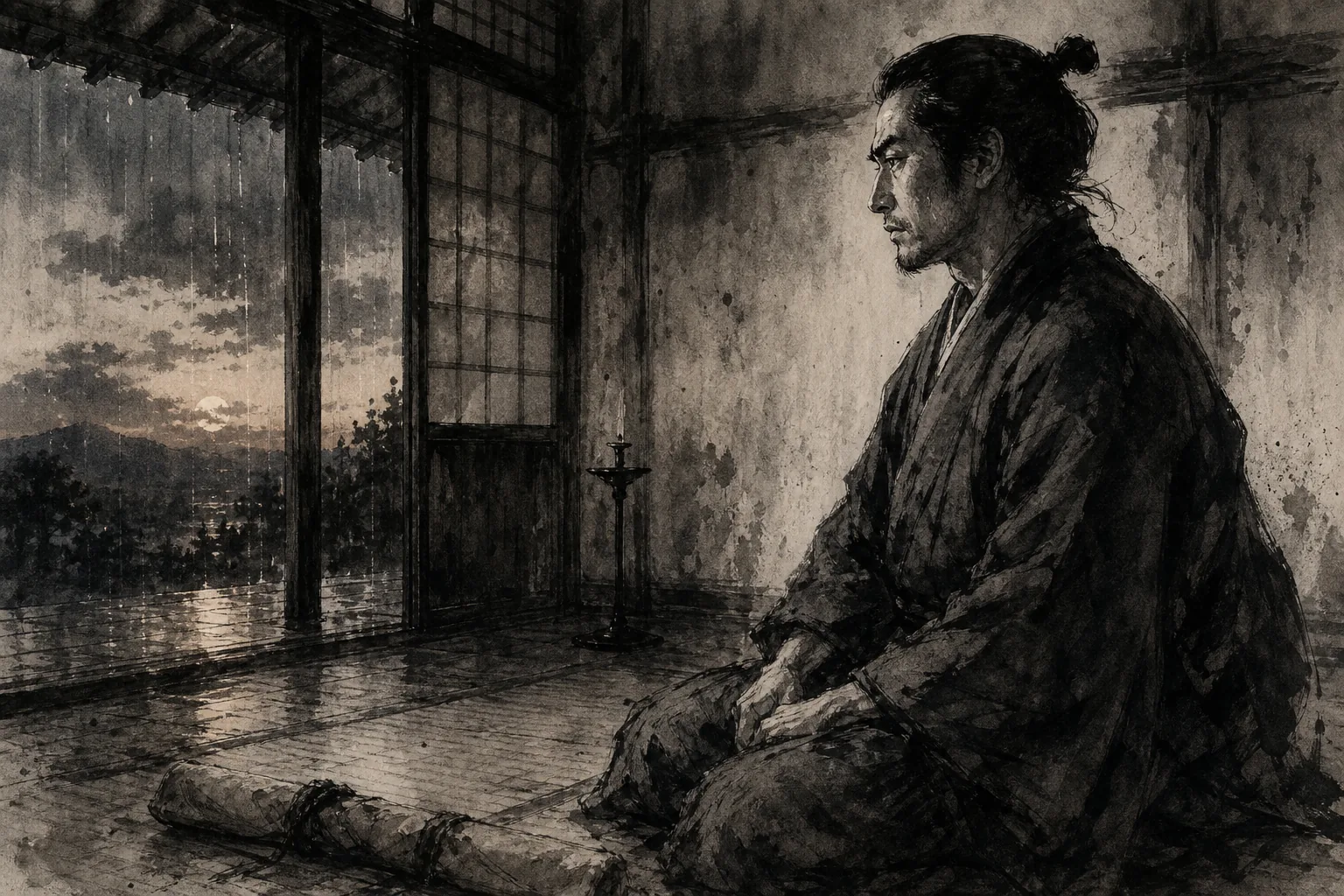
Takechi Hanpeita was a Tosa samurai and the leader of the Tosa Loyalist Party, a political group active in the final years of the Tokugawa shogunate. He was imprisoned in 1863 and ordered to take his own life in 1865. His political network, prison letters, final poem, and later commemoration reveal both the reach and the cost of his activism.
Life
Fukui, Tosa
White-tag status, fifty-two koku, and rural household practice are checked separately.
Tabuchi, Kochi castle town
Rosters, fees, repairs, injuries, and town plots sustain the school.
Tosa and Edo
Murder allegations remain divided among order, testimony, interrogation, and recollection.
Kochi, Kyoto, and Edo
Aliases, offices, couriers, and networks are reconstructed from dated letters.
Kochi prisons and Minami office
Family, censorship, gifts, and drawing materials reveal confinement as daily life.
Minami-office site and Fukui grave
Death traditions, inscription, 1936 designation, and later exhibitions keep separate dates.
Niida, Kochi
The residence is private and closed to the public. View it without entering the property, and distinguish the surviving house from its appearance at Takechi's birth and from his grave.
Takechi Hanpeita
Address3021 Niida, Kochi
Nearby
Saembacho, Kochi
The marker stands in Yokobori Park, while the actual dojo is thought to have stood about thirty meters away. The monument and building site should not be treated as identical.
Takechi Hanpeita and his students
AddressYokobori Park, Saembacho, Kochi
Nearby
Otesuji, Kochi
The oath roster and letters of the Tosa Loyalist Party can be studied through domain documents and collection histories rather than later heroic narratives.
Takechi Hanpeita and the Tosa Loyalist Party
Address2-7-5 Otesuji, Kochi
Nearby
Nakagyo Ward, Kyoto
The stone marker at Kiyamachi and Takoyakushi dates from 1968. It should be distinguished from the Edo-period residence boundaries and the modern street plan.
Takechi Hanpeita and Tosa retainers
AddressSouthwest corner of Kiyamachi and Takoyakushi streets, Nakagyo Ward, Kyoto
Nearby
Obiyamachi, Kochi
A monument remains today. Records of the Minami office, Yamada prison, interrogations, and letter transmission should be compared without turning Takechi's death into a spectacle.
Takechi Hanpeita, his family, and fellow prisoners
Address2-5-18 Obiyamachi, Kochi
Nearby
Niida, Kochi
The grave lies on the hill beyond Zuizan Shrine. The grave, shrine, museum, and historic-site designation belong to different periods and purposes.
Takechi Hanpeita
AddressSouth of Takechi Hanpeita's former residence, Niida, Kochi
Nearby
Keys
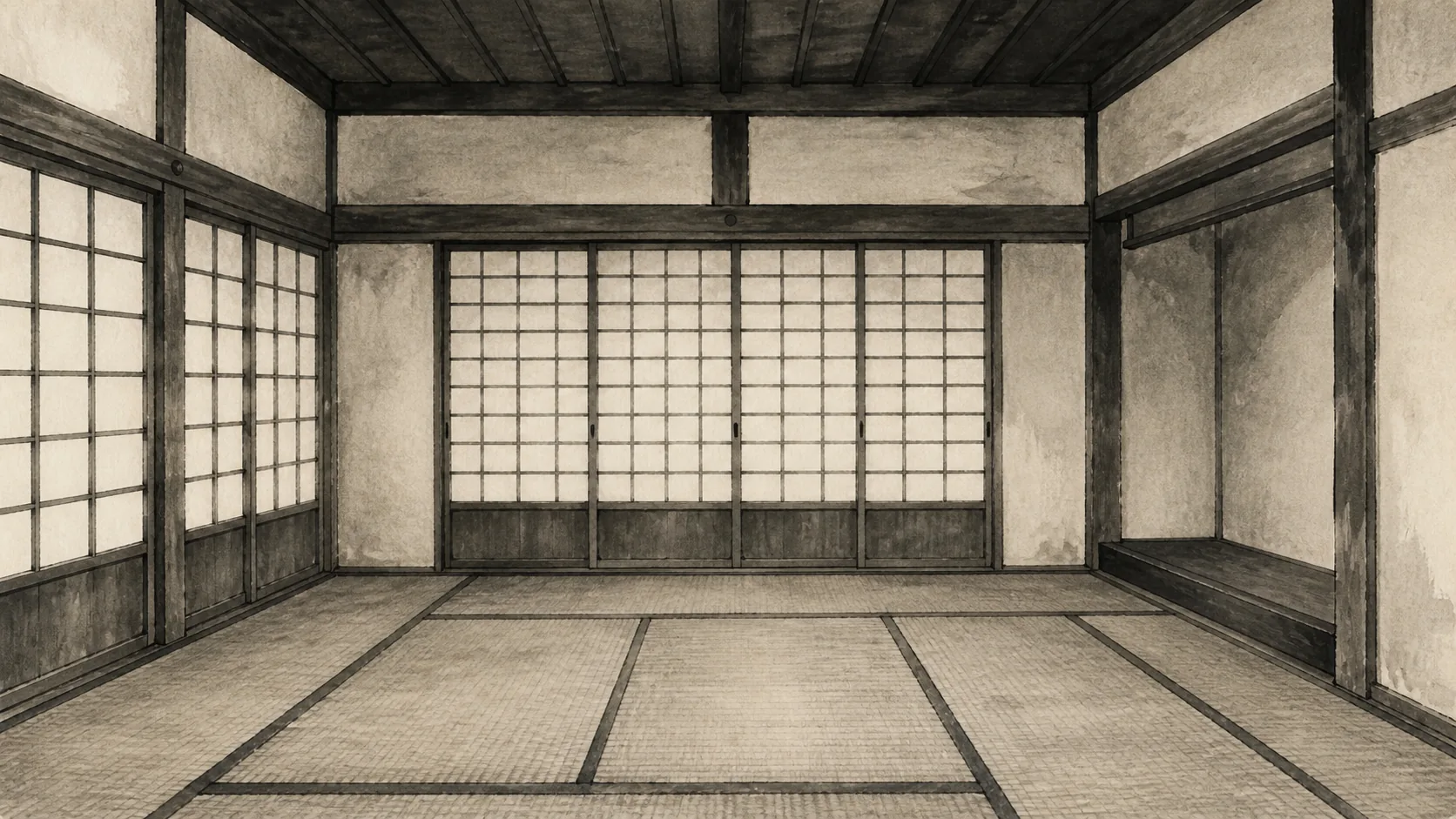
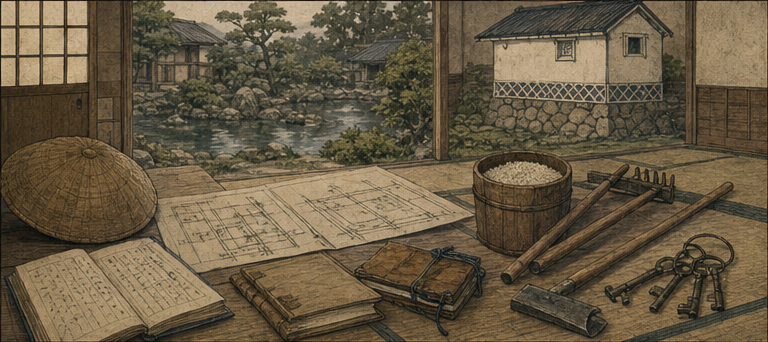
Takechi Hanpeita was born in 1829 at Fukui village, now Niida in Kochi. The Takechi residence belonged to a goshi household assessed at about fifty-two koku, while his grandfather and father held white-tag rank and upper-retainer treatment. The designated site is described as a typical goshi house with six rooms, an eight-mat guest room, pond and garden, and traces of a storehouse and shed. A floor plan, household accounts, land records, tax notes, rice measure, hoes, sickles, storage chests, and keys connect status to agricultural management. Surviving fabric is not automatically every birth-period room or Takechi’s personal property; repair history and cultural-property surveys matter. The house remains a private, closed residence, so visiting must not intrude. Further reading includes Tosa goshi, white-tag status, rural accounts, vernacular houses, and Shimoda River transport.

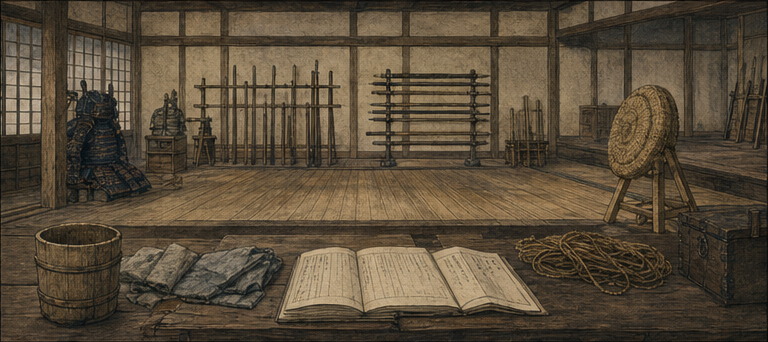
After inheriting his house and marrying Tomi, Takechi opened a sword-and-spear school at Tabuchi in the castle town with her uncle Shimamura Junnosuke. Bamboo sword, wooden spear, armor, straw target, weapon rack, medicine box, leather repair cord, cleaning cloth, entry ledger, fee book, and practice schedule show a dojo maintained by money, introductions, repairs, cleaning, and treatment of injuries as well as technique. Famous pupils such as Okada Izo and Nakaoka Shintaro should not replace verification of names and entry dates in surviving rosters. The marker now stands in Yokobori Park, but the actual dojo is thought to have been about thirty meters away; marker and building footprint are not identical. Reading paths lead to sword schools, spear practice, dojo finance, castle-town waterways, and urban plots.

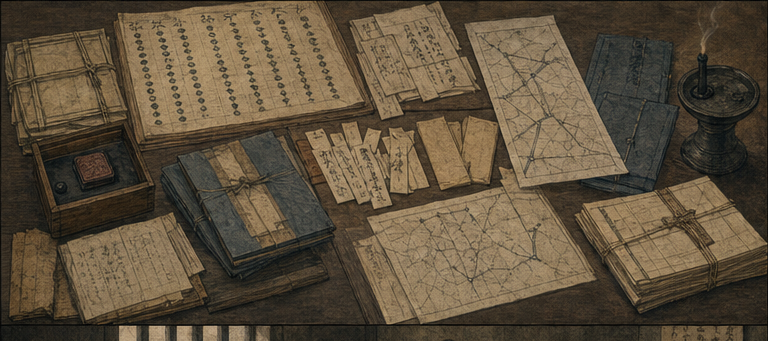
In 1861 Takechi and associates including Oishi Yataro formed the compact known as the Tosa Loyalist Party, with Takechi as its leader. An oath roster, written compact, seal box, member slips, coded letters, route maps, travel accounts, and a contribution ledger reveal how a large association recruited across status and region, moved information and funds, sent messengers, and faced domain surveillance. The roster must not be treated only as proof of one man’s charisma: signers’ status, district, entry date, withdrawal, couriers, and funders deserve attention. Claims about Yoshida Toyo’s murder must separate direct orders, participant testimony, later recollection, and domain interrogation papers. The illustration therefore presents documents rather than an attack. Reading continues toward domain status, political associations, epistolary networks, and Bakumatsu finance.
Takechi met activists from other domains in Edo and, from 1862, moved between Tosa and Kyoto while participating in domain and court politics. A letter tube, travel journal, inn slips, sandals, rain cape, cloth-wrapped baggage, medicine pouch, travel permit, Kyoto street map, and Tosa residence pass return politics to walking, boats, accommodation, messengers, luggage, and domain-house rules. His alias Yanagawa Samon, service with an imperial envoy’s party, and appointment in the Kyoto liaison office require dated records and precise office names. The present Kyoto Tosa-residence stone marker was erected in 1968 and is not an Edo-period building. The 2025 exhibition “Hanpeita and Kyoto,” built around letters, offers a model for reconstructing networks and urban movement from documents rather than legend.

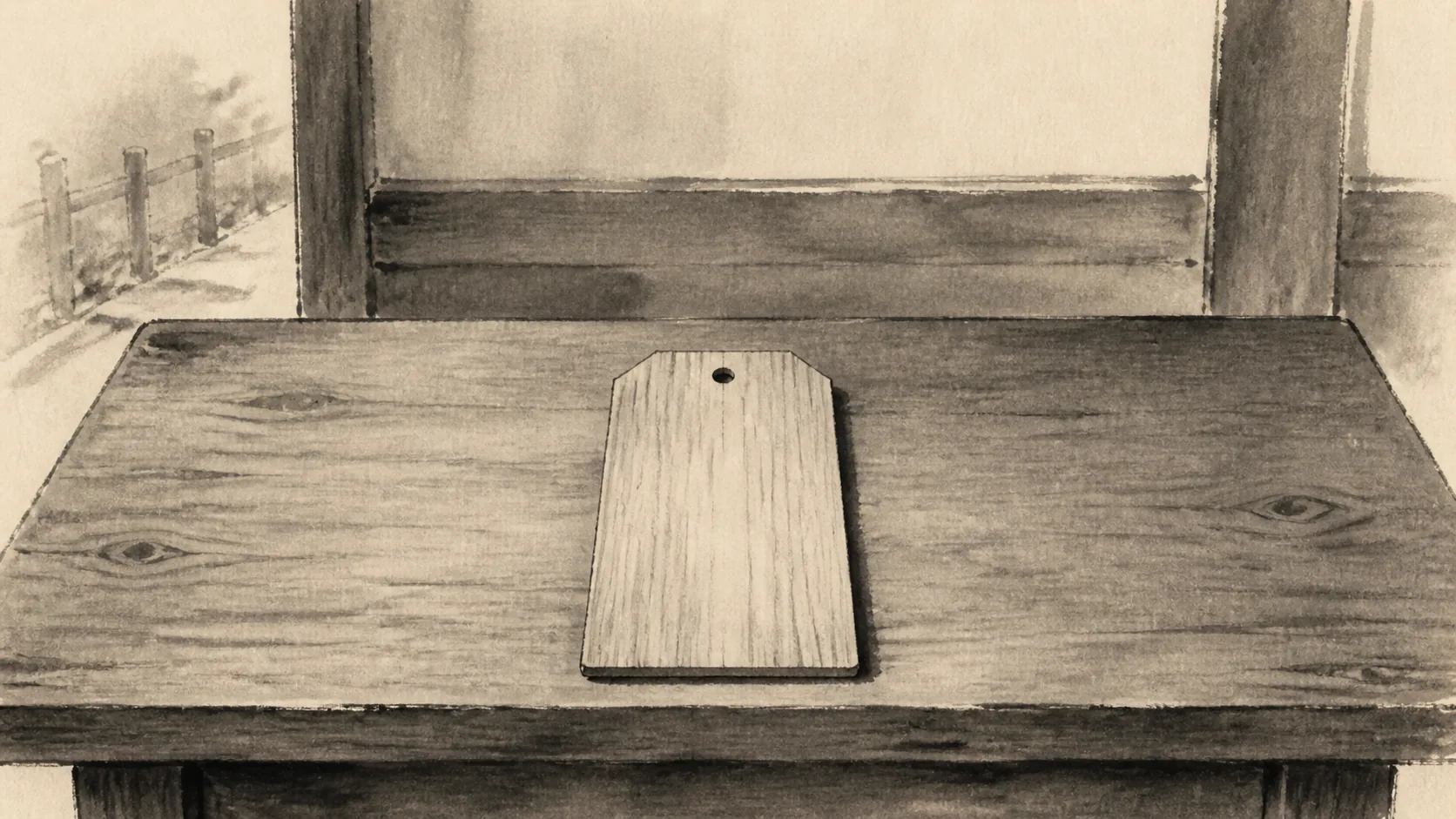
Takechi was imprisoned in September 1863 during suppression of the Loyalist Party and underwent prolonged questioning. Prison letters to his wife Tomi and his sisters, thread-tied bundles, brush, inkstone, ink, pigments, fan, medicine packets, and food containers show how words and objects crossed between confinement and family. His prison self-portrait should not be consumed merely as proof of a solitary hero; paper and pigment supply, transmission route, addressee, keeper, and later editing all require research. The National Diet Library record for “Takechi Hanpeita Prison Letters” describes a published edition, not automatically the original manuscripts, so holdings and editorial method must be checked. Reading paths include family correspondence, prison censorship, gifts, domestic archives, and material histories of writing and drawing.
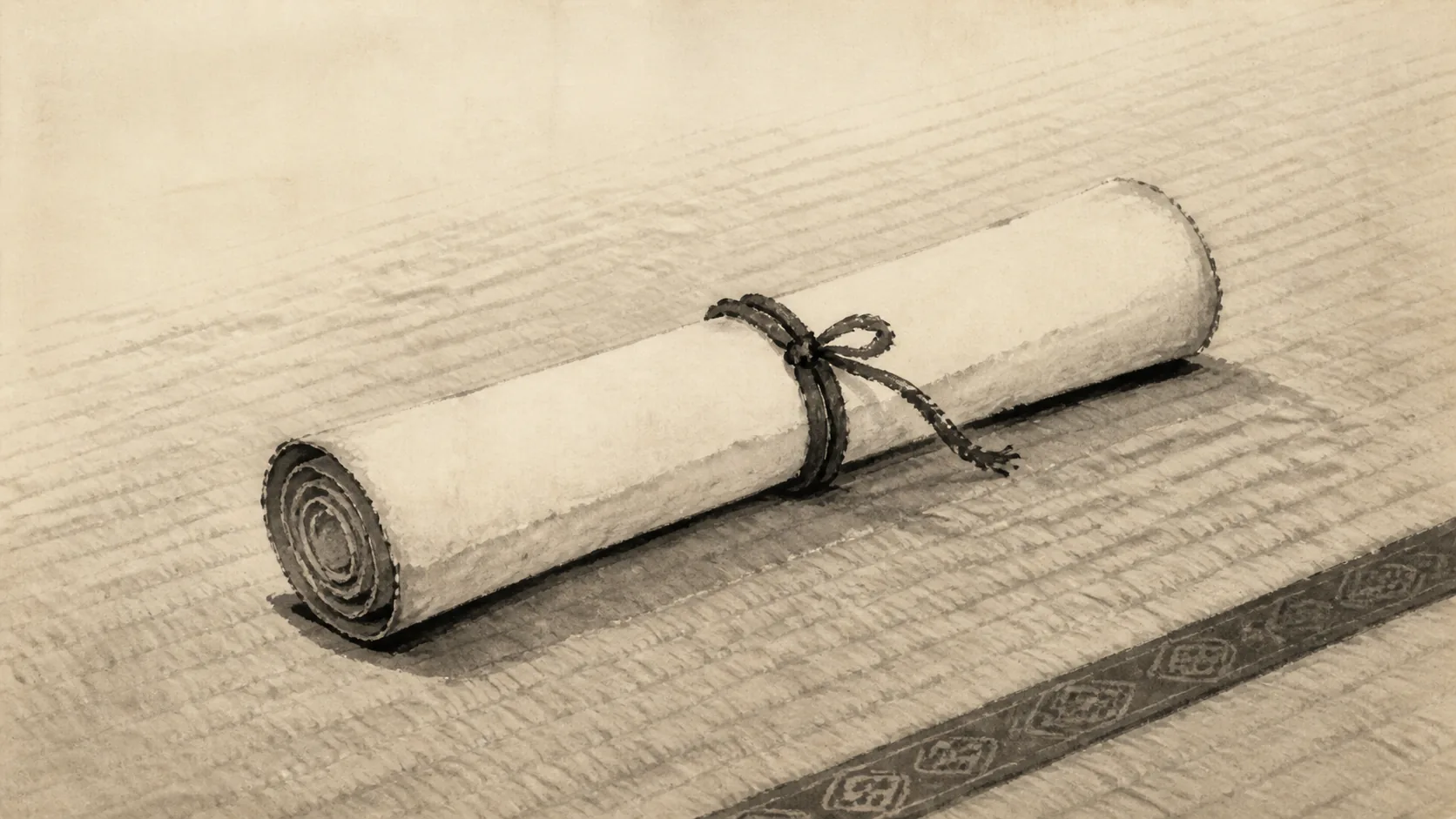
Takechi was ordered to commit seppuku on the intercalary eleventh day of the fifth month in 1865 and died aged thirty-seven. Judgment records, interrogation papers, the sentence, plans of the Minami office and Yamada prison, escort notes, inventories, the Takechi grave inscription and rubbing, Zuizan Shrine, and the 1936 historic-site designation trace punishment becoming burial, preservation, and public memory. The famous story of “three cuts” and other exact details of his death require separation of contemporary evidence from later tradition. The surviving records permit an examination of punishment without reenacting seppuku, bloodshed, or the body. Residence, grave, shrine, museum, execution-site monument, and designation belong to different places and dates. Reading paths lead to domain law, Bakumatsu trials, prisons, epigraphy, rubbings, conservation, and local commemoration.
VISIT
Kochi Castle Museum of History · KochiOfficial information
An exhibition using Yamauchi family materials to trace the politics and society of Tosa and its emergence as a major Bakumatsu domain.
Search events related to Hanpeita Takechi →Browse all Bakumatsu events →